
Anabantoid Evolution: The Incredible Journey of the Labyrinth Fish

Welcome to Aquarium Mastery!
Dive into the fascinating world of aquariums with us! Ever wondered how a fish can thrive in less-than-perfect water conditions? Our article, " Anabantoid Evolution: The Incredible Journey of the Labyrinth Fish," unlocks the secrets of these resilient creatures. Get ready to explore essential Labyrinth fish care tips and discover how these unique fish breathe, eat, and thrive in your freshwater aquarium. Intrigued? Let's unravel the mysteries of these amazing Anabantoids together!
Understanding Anabantoids: More Than Just Aquarium Fish
Defining Anabantoids: The Family of Labyrinth Fish
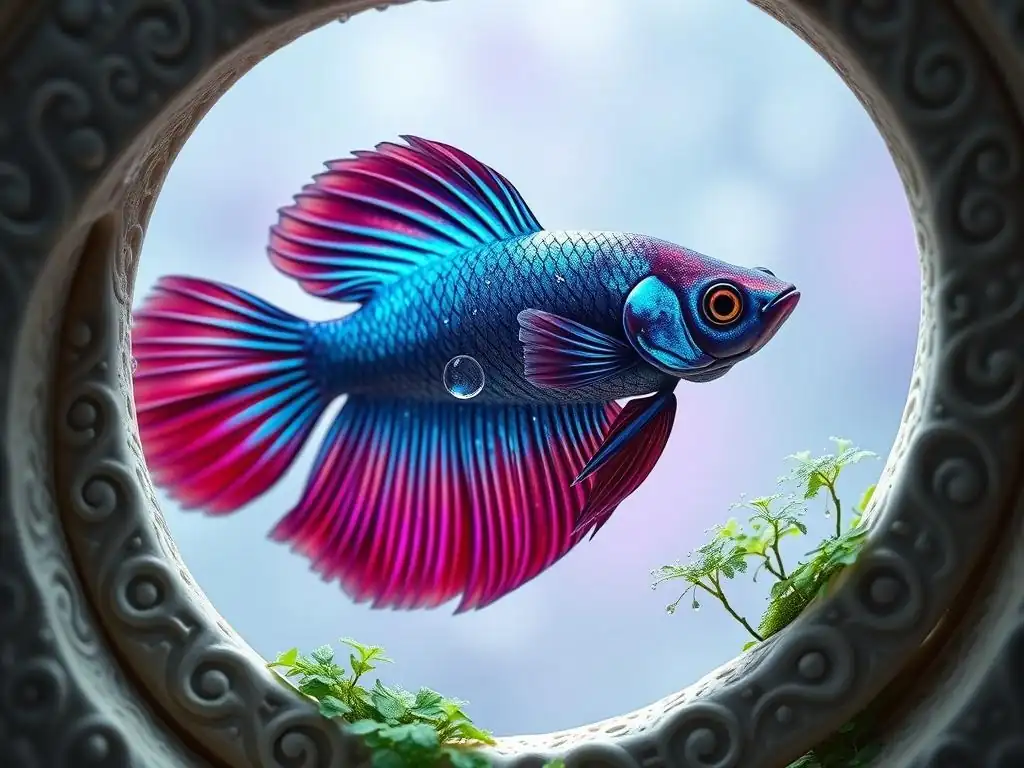
Anabantoids, commonly known as labyrinth fish, encompass a fascinating group of freshwater teleosts belonging to the suborder Anabantoidei. This diverse collection includes popular aquarium inhabitants such as Gouramis, Bettas (Siamese Fighting Fish), Paradise Fish, and the less common Climbing Perch. What unites these disparate species, found predominantly across Southeast Asia and parts of Africa, is their unique anatomical adaptation: the labyrinth organ, which allows them to breathe atmospheric air directly from the surface. This remarkable feature sets them apart from most other fish and dictates many of the essential Labyrinth fish care tips necessary for their successful keeping.
Originating from environments often characterized by fluctuating water conditions, including low oxygen levels and periods of drought, Anabantoids have evolved a resilience that makes them both intriguing subjects for study and relatively hardy aquarium residents. The family Osphronemidae, for instance, includes many of the Gouramis and Bettas, boasting a wide array of species, from the vibrant Dwarf Gourami (Trichogaster lalius) to the majestic Giant Gourami (Osphronemus goramy), which can grow to over two feet. Understanding their classification and shared characteristics is the first step in mastering Labyrinth fish care tips for any enthusiast.
The Unique Labyrinth Organ: A Key to Anabantoid Survival
The defining characteristic of Anabantoids is their highly specialized suprabranchial organ, known as the labyrinth organ. This intricate structure, a modified gill arch located in a chamber above the gills, is richly supplied with blood vessels and allows the fish to extract oxygen directly from the air. Unlike gills, which require water to function, the labyrinth organ enables these fish to survive in oxygen-depleted waters, a common occurrence in their natural habitats.
Without access to the water surface, where they gulp air, Anabantoids can suffocate, even in well-oxygenated water. This vital adaptation is a cornerstone of any comprehensive guide to Labyrinth fish care tips.
This evolutionary marvel is not merely a survival mechanism but also influences their behavior. Many Anabantoids, like Bettas and Gouramis, are frequently observed rising to the surface to gulp air, a natural behavior directly linked to the function of this organ. For aquarists, this means ensuring unrestricted access to the water surface and maintaining appropriate water levels.
The labyrinth organ's development varies among species; for example, the Betta's organ is highly developed, reflecting its natural preference for very still, often stagnant waters. Incorporating this understanding into Labyrinth fish care tips ensures that their unique physiological needs are met, promoting health and longevity.
Anabantoid Habitats: From Swamps to Rice Paddies
Anabantoids are native to a diverse range of freshwater habitats across tropical and subtropical regions of Asia and Africa. Their natural environments are often characterized by warm, shallow, and sometimes stagnant waters with low dissolved oxygen levels. These include rice paddies, slow-moving streams, swamps, marshes, and even temporary puddles that form during the rainy season.
For instance, many Gourami species, such as the popular Pearl Gourami (Trichopodus leerii), are found in slow-moving or still waters rich in vegetation in countries like Thailand, Malaysia, and Indonesia. The Betta fish (Betta splendens), on the other hand, typically inhabits shallow floodplains and rice paddies in Southeast Asia.
The ability of Anabantoids to survive in such challenging conditions is directly attributable to their labyrinth organ. This adaptation allows them to thrive where other fish might perish, making them incredibly resilient.
Some species, like the Climbing Perch (Anabas testudineus), can even use their pectoral fins and gill covers to "walk" short distances over land from one water body to another during dry spells, showcasing the extreme extent of their environmental adaptability. Understanding these natural conditions—the warm temperatures, soft and often acidic water, and dense vegetation—is fundamental when applying Labyrinth fish care tips to replicate a thriving environment in a home aquarium.
Frequently Asked Questions
What are Labyrinth fish, and what makes them unique?
Labyrinth fish, also known as Anabantoids, are a group of freshwater fish characterized by their labyrinth organ, which allows them to breathe atmospheric air. This adaptation is particularly useful in oxygen-poor environments, allowing them to survive where other fish cannot.
What are some common types of Labyrinth fish suitable for home aquariums?
Popular Labyrinth fish for home aquariums include bettas (Siamese fighting fish), gouramis (e.g., dwarf gourami, honey gourami), and paradise fish. These species offer a range of colors and behaviors to enhance your aquarium's biodiversity.
What kind of aquarium setup is ideal for Labyrinth fish?
Labyrinth fish generally prefer warm, slow-moving water with plenty of hiding places. A well-planted tank with dim lighting and a secure lid to maintain humidity is recommended.
What should I feed my Labyrinth fish?
Labyrinth fish are typically omnivorous and thrive on a varied diet. Offer them high-quality flake food, supplemented with live or frozen foods like bloodworms, daphnia, and brine shrimp for optimal health and coloration.
What are some common health issues to watch out for in Labyrinth fish?
Common health concerns include fin rot, ich (white spot disease), and dropsy. Maintaining good water quality through regular water changes and avoiding overcrowding are crucial for preventing these issues.
Final Reflection: The Enduring Wonder of Labyrinth Adaptations
The journey of the Anabantoids, as we've explored, is a testament to the power of adaptation and the resilience of life. Their unique labyrinth organ, allowing them to breathe atmospheric air, is not just a biological marvel, but a symbol of survival in challenging environments. This remarkable adaptation, and the care it necessitates, remains incredibly relevant today, as we strive to understand and protect the delicate balance of our aquatic ecosystems and the fascinating creatures that inhabit them.
This exploration into the evolution and care of labyrinth fish has underscored the profound interconnectedness of life. Witnessing their adaptability reminds us of our own capacity for innovation and resilience in the face of adversity. The responsibility we bear as caretakers of these creatures extends beyond simply providing food and shelter; it encompasses a commitment to understanding and preserving their natural habitats. In the end, we will conserve only what we love; we will love only what we understand; and we will understand only what we are taught.
- Baba Dioum. This quote perfectly encapsulates the importance of continued learning and sharing knowledge about these incredible fish.
As you embark on your journey of caring for these fascinating labyrinth fish, remember that you are not just maintaining an aquarium; you are participating in a legacy of conservation and appreciation. Let the resilience and adaptability of these creatures inspire you to embrace challenges, seek innovative solutions, and cultivate a deeper understanding of the natural world. Consider how you can further contribute to the well-being of these fish and their ecosystems, ensuring that future generations can marvel at the enduring wonder of the labyrinth adaptation.
Unveil Your Own Anabantoid Adventure!
Thank you for exploring the fascinating world of Anabantoids with us! We hope this article has sparked a new appreciation for these incredible labyrinth fish. Now, it's time to dive deeper into the Anabantoid experience.
Here are a few ways you can continue your journey:
- Set up a species-specific Anabantoid tank: Providing a tailored environment can dramatically enhance their wellbeing and showcasing their unique behaviors.
- Share this article with fellow aquarium enthusiasts – spread the wonder of the Anabantoids!
- Research a lesser-known Anabantoid species – maybe the Ctenopoma acutirostre, the Leopard Bush Fish – and discover something new to the aquarium community!
What unique aspect of Anabantoid care are you most eager to explore in your own aquarium?