
Why is My Severum Hiding? Uncovering Common Causes & Solutions

Welcome to Aquarium Mastery!
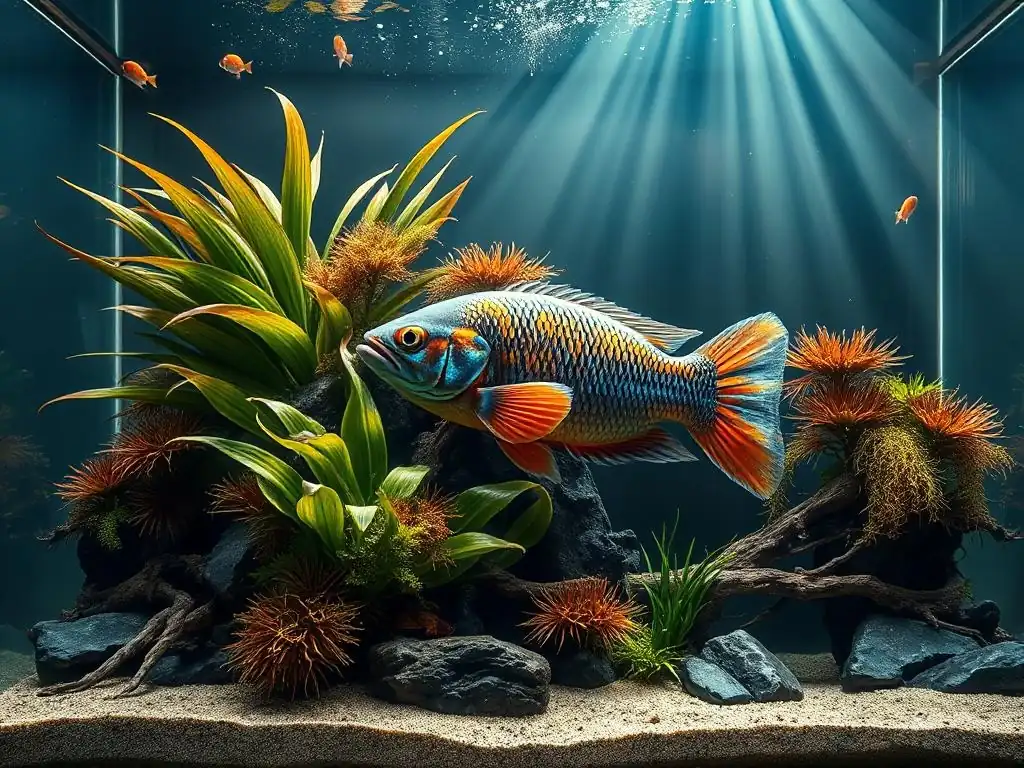
Ever wondered why your usually vibrant Severum is suddenly playing hide-and-seek? Understanding Severum hiding behavior causes is crucial to their well-being. Dive in to uncover the secrets behind their reclusive tendencies and learn practical solutions to bring your Severum back into the spotlight. Let's explore what might be causing this, and how you can restore their confidence and happiness!
- Understanding Severum Hiding Behavior: An Introduction
- Common Severum Hiding Behavior Causes in Aquariums
- Diagnosing the Cause of Your Severum's Hiding
- Solutions to Stop Severum Hiding Behavior
- Preventing Future Severum Hiding Issues
- Choosing the Right Tank Mates to Avoid Severum Hiding
- Severum Hiding Behavior: A Summary and Key Takeaways
- Frequently Asked Questions
- Final Reflection: Unveiling the Mysteries of the Deep
- Unveil a Happier Severum!
Understanding Severum Hiding Behavior: An Introduction
Severums, often called "Poor Man's Discus" due to their disc-like shape and generally peaceful temperament, are popular inhabitants of many freshwater aquariums. Typically, these South American cichlids are active, curious fish that will readily swim in the open, interact with their environment, and even recognize their keepers. A healthy Severum usually exhibits vibrant coloration and a strong appetite, exploring its territory with confidence.
However, when a Severum begins to hide frequently or consistently, it's a strong indicator that something is amiss in its environment or with its health. This deviation from normal behavior signals stress, discomfort, or illness, and understanding the root cause is crucial for the fish's well-being. Prolonged Severum hiding behavior can lead to further health complications if the underlying issue is not addressed promptly.
Common Severum Hiding Behavior Causes in Aquariums
Stress is a primary driver behind many fish behavioral changes, including Severum hiding. When a Severum is stressed, its immune system can weaken, making it more susceptible to disease and leading to a general decline in health. Identifying the specific stressor is the first step in alleviating this concerning Severum hiding behavior.
Common triggers for stress range from subtle environmental imbalances to direct threats within the aquarium. A fish under chronic stress will often exhibit clamped fins, dull coloration, rapid gill movement, and a persistent desire to remain out of sight. Addressing these triggers promptly can prevent the stress from escalating into more severe health issues.
Poor Water Quality and Severum Stress
Poor water quality is arguably the most common and significant stressor for Severums, directly contributing to Severum hiding behavior causes. High levels of ammonia, nitrite, and nitrate are toxic to fish, irritating their gills, damaging internal organs, and compromising their immune systems. For instance, ammonia and nitrite should always be at 0 parts per million (ppm) in a cycled tank, while nitrates should ideally be kept below 20 ppm, though some aquarists aim for under 10 ppm for sensitive species.
Even seemingly minor fluctuations in pH or temperature can induce stress. Severums thrive in a pH range of 6.5 to 7.5 and temperatures between 75-82°F (24-28°C). A sudden drop or rise of even a few degrees can be highly stressful, prompting the fish to seek refuge. Consistent water parameters are paramount for their health and comfort.
Overcrowding and Its Impact on Severum Behavior
Overcrowding in an aquarium places immense stress on Severums, leading to Severum hiding behavior as a coping mechanism. A single adult Severum requires a minimum of a 55-gallon tank, and a pair or small group typically needs 75 gallons or more to thrive comfortably. When tank space is insufficient, fish may experience heightened aggression, competition for food and territory, and reduced oxygen levels.
In an overcrowded environment, Severums may constantly feel threatened or unable to establish a secure territory, forcing them into hiding. The increased bioload also rapidly deteriorates water quality, creating a vicious cycle of stress and poor health. This constant pressure can lead to chronic stress, making the fish withdrawn and susceptible to illness.
Aggressive Tank Mates Causing Severum to Hide
Aggressive tank mates are a significant contributor to Severum hiding behavior causes. While Severums are generally peaceful cichlids, they can be intimidated or bullied by more boisterous or territorial species. For example, housing a Severum with highly aggressive cichlids like certain Flowerhorns or large, dominant Oscars in an undersized tank can lead to constant harassment.
The Severum, being less aggressive, will often retreat to avoid confrontation, spending most of its time hidden. This continuous harassment prevents the Severum from feeding properly, exploring its environment, or interacting naturally, severely impacting its quality of life and overall health. Observing interactions during feeding times can often reveal signs of bullying, such as the Severum being chased away from food.
Illness and Disease as Reasons for Severum Hiding
When a Severum is sick, one of its primary instincts is to hide, making illness a common Severum hiding behavior cause. This behavior is a natural defense mechanism to avoid predators in the wild, but in an aquarium, it signals distress and often precedes other visible symptoms of disease. Early detection through observation is critical.
A sick fish will often appear lethargic, lose interest in food, and become reclusive. The hiding behavior itself can make it difficult to observe other symptoms, highlighting the importance of careful inspection whenever a Severum starts to disappear more than usual.
Identifying Symptoms of Illness in Hiding Severums
Beyond the act of hiding, there are several visual and behavioral symptoms that can indicate illness in your Severum. These include clamped fins, where the fins are held close to the body rather than fanned out, and a noticeable loss of vibrant coloration, often appearing dull or faded. Labored breathing, characterized by rapid gill movements, suggests respiratory distress or poor water quality.
Other signs might include white spots resembling salt grains (Ich), cotton-like growths (fungus), red streaks or sores (bacterial infections), or a bloated appearance (Dropsy). A Severum might also exhibit erratic swimming, rubbing its body against tank decorations, or a significant loss of appetite, refusing even its favorite foods.
Common Severum Diseases Leading to Seclusion
Several common diseases can cause Severum hiding behavior. Ichthyophthirius multifiliis (Ich), or White Spot Disease, is a common parasitic infection that causes white spots on the body and fins, leading to intense itching and discomfort, prompting the fish to hide and rub against objects. Fin Rot, a bacterial infection, causes fins to fray and disintegrate, making swimming difficult and painful, thus encouraging seclusion.
Hole-in-the-Head (HITH) disease, often linked to poor water quality, nutritional deficiencies, and stress, is particularly relevant for cichlids. It manifests as pitted lesions on the head and lateral line, causing significant discomfort and leading to the fish becoming withdrawn. Bacterial infections can also cause internal and external issues, making the fish lethargic and prompting them to hide due to general malaise and weakness.
Environmental Factors Contributing to Severum Hiding
Beyond water quality and tank mates, the physical setup of the aquarium itself plays a crucial role in a Severum's comfort and willingness to remain visible. An environment that doesn't cater to their natural instincts can contribute significantly to Severum hiding behavior causes. These factors relate to the layout, lighting, and type of substrate and decorations used.
Creating a tank that mimics their natural habitat helps Severums feel secure and reduces stress. A well-designed aquascape provides both open swimming areas and ample retreat options, ensuring the fish can choose where it feels most comfortable at any given moment.
Inadequate Hiding Places in the Aquarium
Severums, like many cichlids, appreciate having secure places to retreat to when they feel stressed or just need a break. An aquarium lacking sufficient hiding spots can make a Severum feel exposed and vulnerable, leading to chronic Severum hiding behavior. Without caves, driftwood, or dense plant thickets, the fish has nowhere to go to escape perceived threats or simply rest undisturbed.
It's recommended to provide at least one substantial hiding spot per Severum, such as ceramic caves, large pieces of driftwood, or rock formations, ensuring they are large enough for the fish to comfortably enter and exit. For example, a single adult Severum in a 55-gallon tank should have at least two distinct, secure hiding options to choose from.
Improper Lighting Affecting Severum Comfort
The intensity and duration of aquarium lighting can significantly impact a Severum's comfort levels, contributing to Severum hiding behavior. Overly bright or constant lighting, especially if it mimics natural daylight without a proper dark cycle, can be very stressful for fish. Severums, originating from dimly lit, tannin-stained waters, often prefer subdued lighting.
A consistent light cycle of 8-10 hours of light followed by 14-16 hours of darkness is generally ideal. If the tank is too brightly lit, the Severum may seek out shaded areas or hide behind decorations to escape the intensity. Floating plants can also help diffuse light and create natural shaded areas, reducing overall stress.
Substrate and Decoration Influence on Severum Security
The choice of substrate and decorations also influences a Severum's sense of security and can be a subtle Severum hiding behavior cause. Severums appreciate a natural-looking environment that provides a sense of cover and territory. A fine sand or smooth gravel substrate is preferred, as it protects their delicate mouths if they sift through it, and allows for natural behaviors like digging.
Sparse or overly artificial decorations can make the tank feel barren and exposed, prompting the Severum to hide. Incorporating large pieces of driftwood, smooth rocks, and robust live plants (like Anubias or Java Fern, which can withstand cichlid activity) helps create a more natural, secure environment with broken lines of sight, offering both open space and retreat options.
Diagnosing the Cause of Your Severum's Hiding
Once you notice Severum hiding behavior, the next critical step is to methodically diagnose the underlying cause. This requires a combination of careful observation, precise water testing, and an assessment of your tank's social dynamics. Rushing to a solution without proper diagnosis can worsen the problem or fail to address the true issue.
A systematic approach ensures that you cover all common bases, from environmental factors to potential health concerns. This diagnostic phase is crucial for developing an effective strategy to help your Severum return to its normal, active self.
Observing Your Severum's Behavior for Clues
Detailed observation is the cornerstone of diagnosing Severum hiding behavior causes. Spend time watching your Severum, not just for a few minutes, but for extended periods throughout the day. Note when it hides (e.g., only during feeding, only when a specific tank mate is near, or constantly). Observe how it hides – is it wedged tightly into a corner, or just calmly resting behind decor?
Look for other accompanying symptoms: Are its fins clamped? Is its color dull? Is it breathing heavily? Does it attempt to eat, or does it ignore food entirely? Pay attention to interactions with other fish; is it being chased, nipped, or simply ignored? These subtle cues can provide invaluable insights into whether the problem is stress, illness, or environmental.
Testing Your Aquarium Water Parameters: A Crucial Step
Water quality is a frequent contributor to Severum hiding behavior, making comprehensive water testing an indispensable diagnostic tool. Use a reliable liquid-based test kit (often more accurate than test strips) to measure key parameters: pH, ammonia, nitrite, and nitrate. For Severums, ideal parameters are generally pH 6.5-7.5, ammonia 0 ppm, nitrite 0 ppm, and nitrates below 20 ppm.
Also, check the water temperature using an accurate thermometer, ensuring it falls within the Severum's preferred range of 75-82°F (24-28°C). Any significant deviation from these optimal ranges, especially the presence of ammonia or nitrite, strongly indicates that water quality is a primary stressor and Severum hiding behavior cause. Record your results to track changes over time.
Assessing Tank Mates for Aggression and Bullying
If water parameters are stable and no obvious signs of illness are present, assessing tank mate compatibility is the next logical step in diagnosing Severum hiding behavior. Observe how your Severum interacts with every other fish in the tank, particularly during feeding times or when new decorations are introduced. Look for any instances of chasing, fin nipping, or aggressive posturing.
Note if the Severum is consistently pushed away from food, or if it appears hesitant to leave its hiding spot when other specific fish are in the vicinity. Even seemingly minor, persistent harassment can lead to chronic stress and cause a Severum to hide. Sometimes, aggression is subtle, like blocking access to preferred areas or constantly "body blocking" the Severum.
Solutions to Stop Severum Hiding Behavior
Once the potential causes of your Severum's hiding behavior have been identified, implementing targeted solutions is crucial. Addressing the root problem directly is the most effective way to help your fish regain its confidence and health. The solutions range from fundamental tank maintenance to environmental adjustments and, if necessary, medical interventions.
Each solution should be applied carefully and its impact monitored to ensure the Severum responds positively. Patience is key, as some changes may take time to yield full results.
Improving Water Quality for a Healthier Severum
Improving water quality is often the most impactful step in alleviating Severum hiding behavior if water parameters are off. Clean, stable water reduces stress, boosts the immune system, and promotes overall fish health. This involves consistent maintenance practices that keep toxins at bay and essential minerals balanced.
Consistent attention to water chemistry is not just a quick fix but a continuous commitment. Regular monitoring and proactive measures prevent issues from escalating and ensure a healthy environment for your Severum long-term.
Regular Water Changes: The Foundation of Severum Health
Regular water changes are the single most effective way to maintain pristine water quality and counteract Severum hiding behavior causes related to poor water. For a healthy Severum tank, a 25-30% water change weekly is generally recommended. This practice effectively dilutes nitrates, replenishes essential minerals, and removes accumulated organic waste that filtration alone cannot completely handle.
When performing water changes, always use a dechlorinator to neutralize chlorine and chloramines in tap water, which are highly toxic to fish. Ensure the temperature of the new water matches the tank water closely to avoid thermal shock, which can be a significant stressor for Severums.
Proper Filtration for Clear and Clean Water
Effective filtration is vital for maintaining water quality and preventing Severum hiding behavior. A robust filtration system should include mechanical, biological, and chemical media. Mechanical filtration removes physical debris, keeping the water clear. Biological filtration, however, is the most crucial, as it provides a surface area for beneficial bacteria to convert toxic ammonia and nitrite into less harmful nitrate.
Ensure your filter is adequately sized for your tank and its inhabitants. For example, a hang-on-back filter rated for 75 gallons on a 55-gallon tank provides excellent flow and biological capacity. Clean filter media regularly (rinsing in old tank water to preserve beneficial bacteria) and replace chemical media as recommended by the manufacturer to ensure optimal performance.
Monitoring and Adjusting Water Chemistry
Beyond ammonia, nitrite, and nitrate, regular monitoring of pH and water hardness (GH/KH) is important for a Severum's well-being. While Severums are relatively adaptable, they prefer a stable pH between 6.5 and 7.5. Sudden pH swings are highly stressful. If your tap water is outside this range, consider using pH buffers or natural additives like driftwood (which can lower pH slightly due to tannins) to gently adjust it.
Maintain stable temperatures between 75-82°F (24-28°C) using a reliable heater. Avoid chasing "perfect" numbers if your fish are healthy and parameters are consistent. The key is stability; drastic changes are often more harmful than slightly off but stable parameters.
Creating a More Secure and Comfortable Environment
Adjusting the physical environment of your aquarium can significantly reduce stress and alleviate Severum hiding behavior. A tank that mimics a Severum's natural habitat provides a sense of security, encouraging them to be more active and visible. This involves thoughtful aquascaping and lighting management.
By providing adequate cover and appropriate lighting, you empower your Severum to feel safe and confident in its home. These adjustments contribute to a thriving environment where the fish can exhibit its natural behaviors without constant fear or discomfort.
Adding More Hiding Places for Severums
To combat Severum hiding behavior, provide ample and varied hiding spots. Severums appreciate caves, dense plant thickets, and large pieces of driftwood or rock formations where they can retreat. Ceramic caves, PVC pipes (made safe for aquariums), and large, hollow driftwood pieces offer excellent secure spots.
Ensure that the openings are large enough for your Severum to easily enter and exit without getting stuck. For instance, consider adding a large piece of Mopani wood that creates an overhang or a cluster of artificial or live plants like Java Fern or Anubias that provide dense cover. Aim for at least two to three distinct hiding options per Severum to give them choices.
Adjusting Lighting to Reduce Stress
If bright lighting is contributing to your Severum's hiding behavior, consider several adjustments. First, establish a consistent lighting schedule, typically 8-10 hours of light per day, followed by a complete dark period. Avoid leaving lights on 24/7. Second, if your current light is too intense, consider a lower wattage bulb or a light fixture with a dimmer function.
Adding floating plants, such as Amazon Frogbit or Water Lettuce, can help diffuse the light, creating natural shaded areas that Severums often prefer. This softened light can make the Severum feel more secure and reduce its inclination to hide.
Choosing Appropriate Substrate and Decorations
The right substrate and decorations can significantly enhance a Severum's comfort. Fine sand or smooth, small-grain gravel is ideal for Severums, as they often sift through the substrate for food and can damage their delicate mouths on sharp or coarse materials. A dark substrate can also help dull reflections and make the fish feel more secure.
When selecting decorations, prioritize natural-looking items like large, smooth river rocks and substantial pieces of driftwood. Arrange these elements to create visual barriers and distinct territories within the tank, breaking up lines of sight and providing a sense of exploration. Avoid overly garish or sharp plastic decorations that offer little functional cover or could injure the fish.
Addressing Aggression from Tank Mates
If aggression from tank mates is identified as a Severum hiding behavior cause, immediate action is necessary to ensure the Severum's safety and well-being. Leaving a Severum under constant stress from bullying can lead to chronic health issues and even death. Solutions range from re-evaluating tank compatibility to physical separation.
The goal is to create a peaceful cohabitation environment where all fish can thrive without fear. This may require tough decisions, but the health of your Severum should be the priority.
Re-evaluating Tank Mate Compatibility
The first step in addressing aggression is to critically re-evaluate your tank mates. Ensure all species are truly compatible with Severums in terms of temperament, adult size, and water parameter requirements. For example, while some larger cichlids might seem suitable, highly aggressive species like Red Devils or certain Flowerhorns are generally incompatible with the more peaceful Severum.
Consider the "pecking order" of your tank. Sometimes, even generally peaceful fish can become aggressive if the tank is too small or if territories are not clearly defined. Research the specific needs and temperaments of each species in your aquarium to identify potential conflicts.
Separating Aggressive Fish
If a specific tank mate is persistently bullying your Severum, separating the aggressive fish may be the only solution to stop the Severum hiding behavior. This can be a temporary measure, such as using a tank divider or a breeding net for a few days to allow the Severum to recover and the aggressor to "cool off."
However, if the aggression is severe or persistent, the aggressive fish may need to be permanently removed from the tank, either by rehoming it or setting up a separate aquarium. Sometimes, introducing a new fish can disrupt an established pecking order, leading to initial aggression that may subside, but chronic bullying requires more decisive action.
Providing Territory and Visual Barriers
Even with compatible tank mates, aggression can arise if there isn't enough personal space or visual breaks. Arrange your tank decorations, such as large rocks, driftwood, and tall plants, to create distinct territories and break up lines of sight. This allows fish to establish their own areas and retreat from view when needed, reducing direct confrontations.
For example, a large central piece of driftwood can act as a natural barrier, or a dense thicket of live plants can provide a visual block. By strategically placing decor, you can minimize the direct sight of one fish by another, reducing the likelihood of sustained chasing and allowing your Severum to feel more secure and less prone to Severum hiding behavior.
Treating Illness and Disease in Your Severum
If illness is identified as a Severum hiding behavior cause, prompt and accurate treatment is essential. Hiding is often one of the first signs of discomfort or malaise, and addressing the disease early can significantly improve the Severum's chances of recovery. This requires careful observation, correct diagnosis, and appropriate medication.
Always follow medication instructions meticulously and be prepared to take further steps, such as quarantining the affected fish, to prevent the spread of disease and ensure focused treatment.
Identifying and Treating Common Severum Diseases
Once you've identified specific symptoms alongside Severum hiding behavior, research the most likely disease and its appropriate treatment. For Ich, characterized by white spots, raise the tank temperature gradually to 82-86°F (28-30°C) for several days (if compatible with tank mates) and use an Ich-specific medication containing ingredients like malachite green or formalin.
For Fin Rot, which causes frayed or disintegrating fins, improve water quality immediately and treat with a broad-spectrum antibiotic. Hole-in-the-Head disease often requires improved water conditions, a high-quality diet supplemented with vitamins (especially Vitamin C), and sometimes medicated food containing metronidazole. Always follow product instructions carefully and complete the full course of treatment.
Quarantine Procedures for Sick Fish
For effective treatment and to prevent the spread of disease to other tank inhabitants, it is highly recommended to move your sick Severum to a separate quarantine tank. A 10-20 gallon tank with a simple filter, heater, and aeration is usually sufficient for a single Severum for treatment purposes. This allows you to medicate the affected fish without exposing healthy tank mates to unnecessary chemicals.
The quarantine tank also provides a stress-free environment for the Severum to recover, away from the potential harassment of other fish. Monitor water parameters in the quarantine tank diligently, as medications can sometimes affect beneficial bacteria.
Consulting with an Aquatic Veterinarian
For persistent or undiagnosed Severum hiding behavior and associated illness, or if you suspect a complex disease, consulting with an aquatic veterinarian is the best course of action. These specialized vets have the expertise to accurately diagnose fish diseases, often through microscopic examination of skin or gill samples, and can prescribe specific, effective treatments that might not be available over-the-counter.
They can also provide guidance on proper husbandry and preventative care, offering tailored advice for your specific aquarium setup. While perhaps not always the first step, professional veterinary consultation can save your fish's life when other methods fail.
Preventing Future Severum Hiding Issues
Proactive measures are key to preventing future instances of Severum hiding behavior. Establishing a consistent routine for tank maintenance, carefully selecting tank mates, and regularly observing your fish can help you identify and address potential issues before they escalate. Prevention is always more effective and less stressful than treating a problem after it has occurred.
By committing to optimal care, you create a stable and thriving environment where your Severum can flourish, reducing the likelihood of them retreating into hiding.
Maintaining Optimal Water Quality
Consistent maintenance of optimal water quality is paramount in preventing Severum hiding behavior. This means adhering to a regular schedule of 25-30% weekly water changes, ensuring your filtration system is functioning effectively, and performing routine filter media maintenance. Regularly testing your water parameters (ammonia, nitrite, nitrate, pH, temperature) at least once a week or bi-weekly allows you to catch any deviations early.
The goal is to maintain stable parameters within the Severum's preferred range (e.g., ammonia 0 ppm, nitrite 0 ppm, nitrate < 20 ppm, pH 6.5-7.5, temperature 75-82°F or 24-28°C). Small, consistent efforts prevent the buildup of toxins that cause stress and illness, which are leading Severum hiding behavior causes.
Ensuring a Peaceful Tank Environment
To prevent Severum hiding behavior, it's crucial to ensure a peaceful tank environment from the outset. This begins with careful tank mate selection, choosing only species that are compatible with the Severum's temperament and size (avoiding overly aggressive or fin-nipping fish). Provide ample space; a minimum of 55 gallons for a single Severum, and more for a pair or community.
Design the aquascape with plenty of hiding places and visual barriers using driftwood, rocks, and plants. This allows Severums to establish territories and retreat when they feel overwhelmed, reducing the likelihood of stress-induced hiding. Avoid overstocking, as it leads to increased aggression and competition for resources.
Regular Observation and Early Intervention
Developing a habit of regular, daily observation of your Severum is one of the most effective preventative measures against Severum hiding behavior. Spend a few minutes each day watching your fish for any subtle changes in behavior, coloration, appetite, or physical appearance. Notice if they are less active, refusing food, or showing any signs of discomfort.
Early intervention is critical. If you spot a minor issue, such as slight dulling of color or a brief period of hiding, addressing it immediately (e.g., performing a small water change, checking parameters) can prevent it from escalating into a full-blown problem requiring more drastic measures. Proactive care ensures minor issues don't become major Severum hiding behavior causes.
Choosing the Right Tank Mates to Avoid Severum Hiding
The selection of tank mates is a pivotal factor in preventing Severum hiding behavior and ensuring a harmonious aquarium. While Severums are generally peaceful cichlids, they can still be stressed or bullied by inappropriate companions. Careful planning of your community tank can prevent many common issues related to aggression and competition.
Understanding which species coexist well with Severums and which to avoid is essential for their long-term well-being and visibility in the tank.
Compatible Species for a Community Tank
When choosing tank mates for your Severum, prioritize species of similar size, temperament, and water parameter requirements. Excellent compatible species for a community tank include Silver Dollars, which are peaceful, fast-swimming characins that often act as dither fish, making Severums feel more secure. Other good choices are peaceful, larger South American cichlids like certain Geophagus species (e.g., Red Head Tapajos) or even Angelfish (if the tank is large enough, 75+ gallons, to accommodate their distinct territorial needs).
Larger, peaceful gouramis, such as Giant Gouramis (in very large tanks), and various larger Loricariids (Plecos), like Bristlenose Plecos, also make suitable bottom-dwelling companions. Mid-sized, robust schooling fish like Congo Tetras or larger Rainbowfish can also add movement to the upper and middle tank levels without threatening the Severum.
Incompatible Species to Avoid
To prevent Severum hiding behavior stemming from aggression, several types of fish should generally be avoided as tank mates. Highly aggressive or overtly territorial cichlids, such as Flowerhorns, Red Devils, or overly dominant Oscars (especially in tanks smaller than 125 gallons for multiple large cichlids), will often bully or injure Severums. These species can cause severe stress and physical harm, leading to chronic Severum hiding behavior.
Similarly, very small schooling fish, like Neon Tetras, may be seen as prey as the Severum grows. Fin-nipping species, such as Tiger Barbs (though some aquarists attempt this in very large tanks with specific setups), can also cause stress and injury to the Severum's fins, making them uncomfortable and prone to hiding. Also, avoid species with vastly different water parameter needs, such as those requiring very hard or very soft water, as this compromises the health of one or both species.
Severum Hiding Behavior: A Summary and Key Takeaways
Severum hiding behavior is a significant indicator that something is amiss in your aquarium, serving as a crucial signal for aquarists. It's rarely a sign of normal behavior for these typically curious and active cichlids. The underlying Severum hiding behavior causes can range from environmental stressors like poor water quality, overcrowding, and aggressive tank mates, to direct health issues such as illness and disease, or even simply inadequate tank setup and lighting.
Diagnosing the precise cause requires diligent observation of your fish, meticulous testing of water parameters, and careful assessment of tank mate interactions. Once the cause is identified, implementing targeted solutions – such as improving water quality through regular changes and proper filtration, enhancing the tank environment with more hiding places and appropriate lighting, addressing aggression, or treating specific diseases – is paramount.
Proactive measures, including consistent maintenance, careful tank mate selection, and regular observation, are essential for preventing future Severum hiding issues. Ultimately, a Severum that is active and visible is a clear sign of a healthy, thriving fish in a well-managed aquarium.
Frequently Asked Questions
Why is my Severum hiding so much?
Severums are generally bold and active fish. Hiding is often a sign of stress caused by poor water quality, bullying from tank mates, or illness.
What water parameters might be causing my Severum to hide?
Severums are sensitive to water quality. Ammonia and nitrite levels should be at 0 ppm, and nitrate levels should be below 20 ppm. Incorrect pH can also be a factor.
Could my other fish be bullying my Severum, causing it to hide?
Yes, aggressive tank mates can definitely cause a Severum to hide. Ensure your tank is properly sized and that the other fish are compatible and not overly territorial or aggressive.
Is it possible my Severum is hiding due to an illness?
Yes, illness can cause a Severum to become lethargic and hide. Look for other symptoms like fin rot, white spots, or unusual swimming behavior. Quarantine is often needed.
What can I do to help my Severum feel more secure and stop hiding?
Improve water quality with regular water changes, ensure compatible tank mates, and provide plenty of hiding places like caves and plants. Monitor your Severum's behavior closely.
Final Reflection: Unveiling the Mysteries of the Deep
The exploration of Severum hiding behavior, as we've seen, is more than just a troubleshooting guide for aquarium enthusiasts; it's a microcosm of understanding the delicate balance within any closed ecosystem. Understanding the nuances of fish behavior, especially when it deviates from the norm, allows us to not only provide better care for our aquatic companions but also to appreciate the complex interplay between environment, stress, and well-being. This knowledge extends beyond the glass walls of a tank, offering insights into how we can create more harmonious environments for all living creatures.
My own journey into understanding fish behavior has been a constant reminder of the importance of observation and empathy. Recognizing that even seemingly simple creatures possess intricate needs and sensitivities has deeply impacted my approach to animal care. The greatness of a nation and its moral progress can be judged by the way its animals are treated.
- Mahatma Gandhi. This quote resonates deeply when considering the responsibility we undertake when bringing animals into our lives, whether they swim in our tanks or roam our homes.
As you observe your own Severums, or any creature under your care, remember the lessons learned here. Take the time to truly understand their needs, to identify potential stressors, and to create an environment where they can thrive. Let's strive to be more than just caretakers; let's be compassionate guardians, fostering a world where all beings can flourish.
Unveil a Happier Severum!
Thanks for diving into the world of Severums with us! We hope this article has shed some light on why your fish might be hiding and given you the knowledge to create a thriving environment. Now, let's put that knowledge into action!
Here's what you can do right now to help your Severum:
- Immediately reassess your tank's parameters, paying close attention to temperature, pH, ammonia, nitrite, and nitrate levels. Strive for optimal conditions, as stability is key.
- Explore creative aquascaping options to provide more hiding spots and shaded areas, reducing stress and boosting confidence. Consider adding driftwood or densely planted areas.
- Share your Severum's story on our Aquarium Mastery forum. Describe your setup, your Severum's behavior, and the water parameters. Let's troubleshoot together!
What's one small change you'll make today to improve your Severum's environment and encourage it to come out of hiding?