
Kissing Gourami Health Watch: Common Issues in These Robust Fish

Welcome to Aquarium Mastery!
Ever wondered if your Kissing Gourami's puckering is a sign of something more than just affection? Dive in as we uncover the common health problems that can affect these seemingly robust freshwater fish. This isn't just about knowing what to look for; it's about understanding how to keep your Kissing Gourami thriving. Let's get started and ensure your scaled friend lives a long and healthy life!
- Understanding Kissing Gourami Health: An Overview for Aquarium Keepers
-
Common Kissing Gourami Health Problems: Identification and Treatment
- Identifying Signs of Illness in Your Kissing Gourami
- Parasitic Infections in Kissing Gouramis: Symptoms and Solutions
- Bacterial Infections Affecting Kissing Gouramis: Prevention and Cure
- Fungal Infections in Kissing Gouramis: Identification and Treatment Strategies
- Non-Infectious Health Problems in Kissing Gouramis: Water Quality and Nutrition
- Preventing Kissing Gourami Health Problems: Proactive Care Strategies
- Treating Sick Kissing Gouramis: A Step-by-Step Guide
- Conclusion: Keeping Your Kissing Gourami Healthy and Thriving.
-
Frequently Asked Questions
- What are the most common health problems affecting Kissing Gouramis?
- How can I prevent Ich in my Kissing Gourami aquarium?
- What are the symptoms of a bacterial infection in a Kissing Gourami?
- What role does water quality play in Kissing Gourami health?
- How often should I perform water changes to maintain a healthy environment for my Kissing Gourami?
- Final Reflection: A Deeper Dive into Gourami Well-being
- Dive Deeper: Nurture Your Gourami's Glow!
Understanding Kissing Gourami Health: An Overview for Aquarium Keepers
Introduction to Kissing Gourami Care and Potential Health Concerns
Kissing Gouramis ( Helostoma temminckii) are a popular choice for many freshwater aquarists due to their distinctive "kissing" behavior and impressive size, often reaching up to 12 inches (30 cm) in length. While generally considered robust and hardy fish, they are not immune to various Kissing Gourami health problems. Like all aquatic inhabitants, their well-being is intrinsically linked to the quality of their environment and the care they receive. Common stressors such as fluctuating water parameters, inadequate nutrition, and incompatible tank mates can significantly weaken their immune systems, paving the way for illness.
Despite their resilience, a stable and well-maintained aquarium is crucial for the long-term health of Kissing Gouramis. These fish can live for 5-7 years, and even longer in optimal conditions, but their longevity and vitality are directly dependent on consistent care. Even minor deviations from ideal tank conditions—such as infrequent water changes or a monotonous diet—can precipitate significant Kissing Gourami health problems, ranging from parasitic infestations to bacterial infections. Therefore, understanding potential health concerns and implementing proactive measures is essential for any dedicated aquarist.
The Importance of Early Detection in Kissing Gourami Diseases
Early detection is perhaps the single most critical factor in successfully managing Kissing Gourami health problems. Fish are masters at concealing illness until it has progressed to an advanced stage, a natural survival instinct in the wild to avoid predators. This makes diligent daily observation paramount for the aquarist.
Subtle indicators, such as a slight change in swimming pattern, a momentary loss of appetite, or a minor discoloration, can be the earliest warnings of an impending health crisis. Timely identification allows for swift intervention, which can often prevent a localized issue from escalating into a widespread outbreak within the entire aquarium.
The consequences of delayed detection can be severe and far-reaching. For instance, a single Kissing Gourami infected with Ich ( Ichthyophthirius multifiliis) can rapidly spread this highly contagious parasite throughout a community tank within 24 to 48 hours if the initial white spots are overlooked.
Similarly, an untreated bacterial infection can lead to severe organ damage or even systemic failure. Prompt action, often within a day or two of noticing the first symptoms of Kissing Gourami health problems, significantly improves the prognosis for the affected fish and protects the rest of the aquatic ecosystem, reducing the need for more aggressive and costly treatments.
Common Kissing Gourami Health Problems: Identification and Treatment
Identifying Signs of Illness in Your Kissing Gourami
Observing Behavioral Changes: A Key Indicator of Kissing Gourami Health
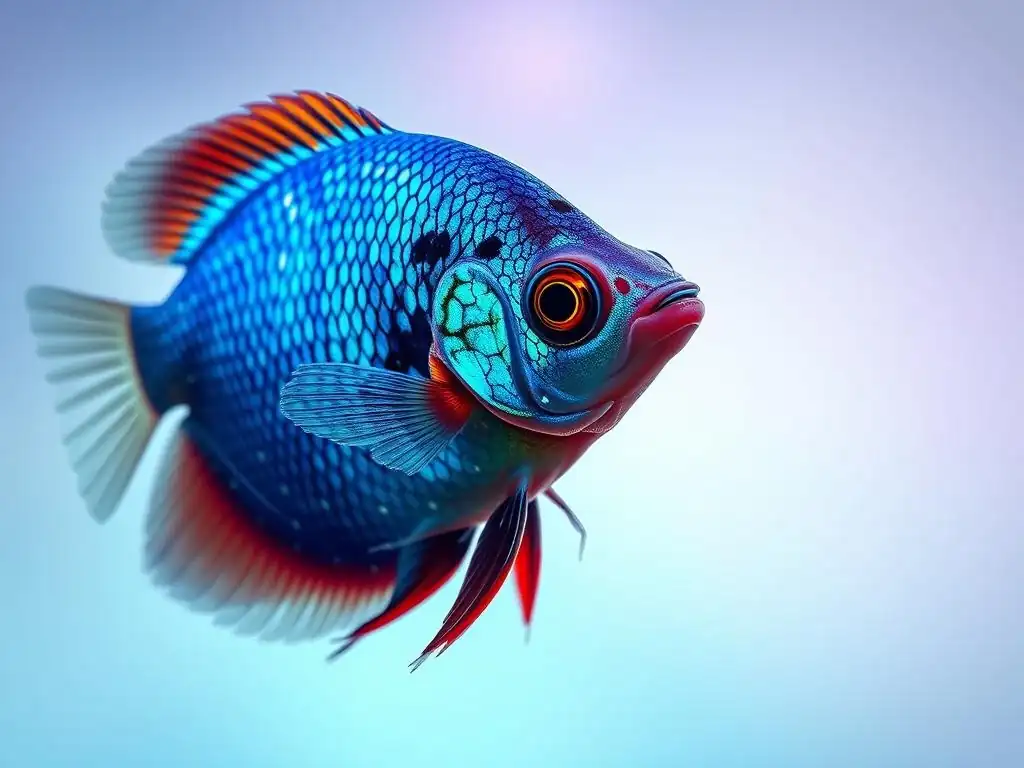
Behavioral changes are often the first and most telling signs of Kissing Gourami health problems. Healthy Kissing Gouramis are typically active, curious, and display their characteristic "kissing" behavior. When unwell, they may become unusually lethargic, spending excessive time hiding behind decor or at the bottom of the tank, or conversely, exhibiting erratic swimming patterns such as darting, flashing (rubbing their bodies against tank objects), or listlessness. A significant loss of appetite, where the fish refuses food for more than 24 hours, is another strong indicator of distress or illness.
Other critical behavioral cues include gasping at the surface, which can signal oxygen deprivation or gill problems, and changes in social interaction, such as increased aggression towards tank mates or unusual timidity. For example, a normally outgoing Kissing Gourami that suddenly isolates itself for prolonged periods, or a fish that typically feeds eagerly but now ignores food, warrants immediate attention. These deviations from normal behavior are often the earliest warnings that a Kissing Gourami health problem is developing, long before physical symptoms become apparent.
Physical Symptoms: Spotting Early Signs of Disease
Beyond behavioral shifts, physical symptoms provide direct evidence of Kissing Gourami health problems. A healthy Kissing Gourami should have clear eyes, vibrant coloration, and intact, unfrayed fins. Any deviation from these norms should be investigated. Look for changes in skin color, such as an overall dullness, paleness, or darkening, which can indicate stress or systemic illness. Cloudy eyes, often a sign of bacterial infection or poor water quality, are also a red flag.
More specific physical signs include visible spots, such as the tiny white, salt-like dots characteristic of Ich, or larger fuzzy white growths indicative of fungal infections. Frayed, ragged, or disintegrating fins point towards fin rot, while red streaks on the body or fins can signify septicemia.
Swelling of the body, particularly if accompanied by scales sticking out like a pinecone (a condition known as "pineconing"), is often a symptom of severe internal organ failure, such as dropsy. Open sores, lesions, or ulcers on the body are clear indications of bacterial infections and severe Kissing Gourami health problems that require urgent attention.
Parasitic Infections in Kissing Gouramis: Symptoms and Solutions
Ich (White Spot Disease) in Kissing Gouramis: Causes, Symptoms, and Treatment
Ichthyophthirius multifiliis, commonly known as Ich or white spot disease, is one of the most prevalent parasitic Kissing Gourami health problems. It is caused by a highly contagious protozoan parasite, manifesting as small, white, salt-like spots primarily on the body and fins, and sometimes on the gills. Infected Gouramis often exhibit behavioral changes such as rubbing or "flashing" against tank decorations, rapid gill movement due to gill irritation, and increased lethargy. Stress from temperature fluctuations, poor water quality, or the introduction of new, unquarantined fish are common triggers for an Ich outbreak.
Treatment for Ich typically involves a multi-pronged approach. Gradually raising the tank temperature to 82-84°F (28-29°C) over a 24-hour period, if compatible with all tank inhabitants, accelerates the parasite's life cycle, making it more susceptible to medication. Adding aquarium salt, dissolved first, at a concentration of 1 tablespoon per 5 gallons (19 liters) can also aid in disrupting the parasite's osmotic balance.
Concurrently, using an Ich medication containing active ingredients like malachite green or formalin, strictly following the manufacturer's dosage instructions, is essential. The treatment usually lasts 7-10 days to ensure all stages of the parasite's life cycle are eradicated, preventing recurrence of this common Kissing Gourami health problem.
Gill Flukes: Recognizing and Treating This Common Gourami Parasite
Gill flukes ( Dactylogyrus species) are monogenean trematodes, tiny external parasites that primarily attach themselves to the gill tissue of fish, leading to significant Kissing Gourami health problems related to respiration. Symptoms of a gill fluke infestation in Kissing Gouramis include rapid gilling (the fish breathing very quickly), gasping at the water surface, rubbing their gill covers against tank objects, and general lethargy.
In more severe cases, the gills may appear inflamed or covered with a grayish slime coat, and the fish might hold one gill closed. Prolonged infestations can lead to severe gill damage, making the fish susceptible to secondary bacterial infections.
Treating gill flukes effectively often requires medications specifically targeting these parasites. Praziquantel-based treatments are highly effective and generally safe for most freshwater fish. A common dosage might be around 2.5 mg per liter of water, with a recommended second dose after 5-7 days to ensure newly hatched flukes are also eliminated.
During treatment, it is crucial to ensure excellent water aeration, as some medications can reduce oxygen levels, and fish with compromised gills are already under respiratory stress. Maintaining pristine water quality through regular water changes is also vital to reduce the overall parasitic load and aid recovery from these Kissing Gourami health problems.
Anchor Worms: Recognizing and Treating This Common Gourami Parasite
Anchor worms ( Lernaea species) are crustacean parasites that embed themselves into the skin and muscle tissue of fish, causing irritating and potentially dangerous Kissing Gourami health problems. These parasites are easily identifiable as small, thread-like worms, typically up to 1 cm long, protruding from the fish's body, often accompanied by a visible red, inflamed sore at the attachment point. Infected Kissing Gouramis may exhibit behaviors such as flashing against tank objects, lethargy, loss of appetite, and in severe cases, develop secondary bacterial or fungal infections at the wound site, which can be more fatal than the parasite itself.
While individual anchor worms can be carefully removed with tweezers, this method is stressful for the fish and only addresses the visible adults, not the microscopic larval stages in the water. For a more comprehensive treatment of widespread infection, in-tank medications are often necessary. Potassium permanganate dips or treatments with dimilin (diflubenzuron) are effective against the larval stages of the parasite, preventing new infestations. Repeat treatments over several weeks are usually required to break the parasite's life cycle and ensure all life stages are eradicated, effectively managing these persistent Kissing Gourami health problems.
Bacterial Infections Affecting Kissing Gouramis: Prevention and Cure
Fin Rot in Kissing Gouramis: Causes, Treatment, and Prevention Tips
Fin rot is a common bacterial Kissing Gourami health problem, typically caused by opportunistic bacteria such as Aeromonas or Pseudomonas species. It manifests as the gradual erosion and disintegration of the fins, which may appear ragged, frayed, or have a white, cloudy, or reddish margin. This condition is rarely a primary infection but rather a secondary issue triggered by underlying stressors like poor water quality (high nitrates, ammonia, or nitrites), overcrowding, physical injury, or chronic stress, which weaken the fish's immune system.
Immediate action is crucial for treating fin rot. The first and most important step is to improve water quality significantly by performing a large water change (25-50%) and ensuring optimal filtration. For mild cases, consistent pristine water conditions alone may allow the fins to regenerate. More advanced cases, however, require treatment with broad-spectrum antibacterial medications such as erythromycin, furan-2, or kanamycin, administered as directed by the product instructions. Prevention is key: maintaining excellent water parameters, avoiding overstocking, providing a balanced diet, and ensuring a stress-free environment are the best defenses against this prevalent Kissing Gourami health problem.
Body Ulcers and Bacterial Sores: Identifying and Addressing Infections
Body ulcers and bacterial sores are severe Kissing Gourami health problems characterized by open wounds or lesions on the fish's skin. These infections are commonly caused by pathogenic bacteria like Aeromonas hydrophila or Pseudomonas fluorescens, often invading through a pre-existing injury, scrape, or a weakened immune system due to poor water quality. The sores typically appear as red, inflamed areas that can deepen into open, crater-like wounds, sometimes with a white or grayish necrotic (dead tissue) margin. These wounds are not only unsightly but also serve as entry points for secondary infections.
Treatment for body ulcers requires prompt and aggressive action. If possible, isolate the affected Kissing Gourami in a hospital tank to prevent the spread of bacteria and to allow for targeted medication without impacting the main tank's beneficial bacteria. Treat with broad-spectrum antibacterial medications such as oxytetracycline, kanamycin, or nitrofurazone. Maintaining impeccable water quality in the hospital tank, including daily 20-30% water changes, is paramount to support the fish's recovery. Providing a calm, stress-free environment and ensuring the fish continues to eat will significantly aid in its healing process from these serious Kissing Gourami health problems.
Columnaris (Cottonmouth Disease) in Kissing Gouramis
Columnaris, caused by the bacterium Flavobacterium columnare, is a highly virulent and rapidly progressing Kissing Gourami health problem often mistaken for a fungal infection due to its appearance. It can manifest in several forms: most commonly as white or grayish patches resembling cotton or saddle-like lesions around the mouth (hence "cottonmouth"), but also on the fins, body, or gills. In its more severe systemic form, it can cause rapid tissue necrosis, particularly in the gills, leading to severe respiratory distress and death within days. High temperatures and poor water conditions are significant triggers for outbreaks.
Due to its aggressive nature, immediate and decisive action is critical for treating Columnaris. Slightly lowering the tank temperature to 72-75°F (22-24°C) can help slow the bacterium's replication rate, buying precious time. Treatment typically involves strong antibiotics such as Furan-2 (nitrofurazone) or Kanaplex (kanamycin), often administered in a hospital tank for more precise dosing and reduced impact on the main aquarium. In severe or resistant cases, a combination of antibiotics might be necessary. Given its highly contagious nature and rapid progression, swift diagnosis and treatment are essential to prevent widespread fatalities among Kissing Gouramis and other tank inhabitants.
Fungal Infections in Kissing Gouramis: Identification and Treatment Strategies
Saprolegnia (Cotton Wool Disease): Recognizing and Treating Fungal Infections
Saprolegnia is a common opportunistic fungus that causes "cotton wool disease," one of the more visible Kissing Gourami health problems. It appears as white, grayish, or brownish cotton-like growths on the fish's skin, fins, or mouth. This fungus typically preys on fish that are already stressed, injured, or suffering from underlying illnesses that have compromised their protective slime coat or immune system. It often colonizes existing wounds or areas of damaged tissue, exacerbating the fish's condition.
Treatment for Saprolegnia involves addressing both the fungal infection and the underlying stressors. Antifungal medications containing active ingredients like malachite green or phenoxyethanol are effective and should be administered according to product instructions. For mild, localized infections, short-duration salt baths (e.g., 1 tablespoon of aquarium salt per 3 gallons of water for 15-30 minutes) can also be beneficial, but this should be done carefully to avoid further stressing the fish. Crucially, improving water quality, removing any sharp decor that might cause injury, and ensuring a stable environment are vital to prevent recurrence of this Kissing Gourami health problem.
Branchiomyces: Recognizing and Treating Fungal Infections
Branchiomyces is a highly pathogenic gill fungus that causes severe and often fatal Kissing Gourami health problems by attacking and destroying gill tissue. This infection is particularly insidious because it directly impairs the fish's ability to breathe. Symptoms include severe respiratory distress, such as rapid gilling, gasping at the water surface, and lethargy. The gills may also appear pale, mottled, or necrotic (rotting). Branchiomyces outbreaks are often associated with poor water quality, high organic loads, and overcrowding, which create an environment conducive to fungal proliferation.
Treating Branchiomyces is challenging due to the rapid and severe damage it inflicts on the gills. Strong antifungal agents, such as potassium permanganate or formalin baths, are often necessary for treatment, but these chemicals must be used with extreme caution due to their potency.
Improving water quality dramatically through large, frequent water changes is absolutely crucial to reduce the fungal spores in the water and alleviate stress on the fish. Despite aggressive treatment, the prognosis for fish with advanced Branchiomyces infection can be poor due to irreversible gill damage, highlighting the importance of prevention for this serious Kissing Gourami health problem.
Non-Infectious Health Problems in Kissing Gouramis: Water Quality and Nutrition
The Impact of Poor Water Quality on Kissing Gourami Health
Ammonia and Nitrite Poisoning: Understanding the Dangers and Prevention
Ammonia (NH3) and nitrite (NO2) are highly toxic compounds that are primary culprits behind many Kissing Gourami health problems. Even at low concentrations, ammonia can burn fish gills, causing severe respiratory distress and internal organ damage. Nitrite interferes with the blood's ability to carry oxygen, leading to "brown blood disease" and suffocation. Symptoms of poisoning include gasping at the surface, lethargy, red gills, clamped fins, and loss of appetite. These toxins are produced by fish waste and decaying organic matter, and their accumulation is a clear sign of an improperly cycled or poorly maintained aquarium.
Preventing ammonia and nitrite poisoning relies fundamentally on maintaining a fully cycled aquarium where beneficial bacteria efficiently convert these harmful substances into less toxic nitrate. Regular water testing (at least weekly) is essential to monitor these parameters. If ammonia or nitrite are detectable (any reading above 0 ppm), immediate action is required, typically a 50% or larger water change, along with addressing the root cause such as overfeeding or overstocking. A robust biological filter and avoiding overfeeding are key practices to ensure a safe environment and prevent these critical Kissing Gourami health problems.
pH Imbalances and Their Effects on Gourami Wellbeing
pH, a measure of water's acidity or alkalinity, plays a crucial role in Kissing Gourami health. These fish prefer a relatively neutral to slightly alkaline pH range of 6.5 to 8.0, with an ideal target around 7.0-7.5. Sudden or extreme fluctuations in pH outside this range can cause severe stress, leading to pH shock, gill damage, and increased susceptibility to various Kissing Gourami health problems. Symptoms of pH imbalance include erratic swimming, darting, rapid breathing, and a noticeable loss of color or vibrancy.
Maintaining a stable pH is far more important than hitting an exact number within their acceptable range. Regular pH testing is recommended. Avoid drastic pH adjustments, as rapid changes are more detrimental than a consistent, slightly off-target pH. If adjustments are necessary, use pH buffers or natural methods like adding driftwood (which lowers pH) or crushed coral (which raises pH) gradually over several days. Consistent partial water changes with dechlorinated, temperature-matched water also help to stabilize pH and prevent the stress that contributes to Kissing Gourami health problems.
Nutritional Deficiencies and Their Role in Gourami Health Issues
Importance of a Balanced Diet for Kissing Gouramis
A balanced and varied diet is a cornerstone of preventing Kissing Gourami health problems. As omnivores, Kissing Gouramis require a diverse nutritional intake that includes both plant and animal matter. Relying solely on a single type of food, such as basic flakes, can lead to significant nutritional deficiencies over time, weakening their immune system and making them vulnerable to diseases. A high-quality staple flake or pellet food should be supplemented with a variety of live, frozen, or freeze-dried foods.
Providing a varied diet ensures that Kissing Gouramis receive all essential vitamins, minerals, and macronutrients necessary for robust health. For instance, offering live or frozen bloodworms, brine shrimp, spirulina flakes, and blanched vegetables like zucchini or peas provides a comprehensive nutritional profile. Feeding small amounts 2-3 times a day, only what they can consume within 2-3 minutes, ensures efficient nutrient uptake and prevents uneaten food from decaying and compromising water quality, thus safeguarding against diet-related Kissing Gourami health problems.
Recognizing and Addressing Vitamin Deficiencies
Vitamin deficiencies can be subtle yet significant contributors to Kissing Gourami health problems, often mimicking symptoms of other diseases. A lack of essential vitamins can manifest as faded colors, stunted growth, poor appetite, and general lethargy. More severe deficiencies can lead to specific issues: for example, a lack of Vitamin D can contribute to skeletal deformities like a curved spine, while Vitamin C deficiency can impair wound healing and immune function, increasing susceptibility to infections. Similarly, a deficiency in Vitamin A can affect vision and mucous membrane health.
Addressing vitamin deficiencies involves a two-pronged approach. First, ensure the primary diet consists of high-quality, fresh foods and is varied, as discussed above. Always check the expiration dates on dry foods, as vitamins degrade over time. Second, supplementing with vitamin-enriched foods or liquid vitamin drops specifically formulated for aquarium fish can be beneficial, especially for fish recovering from illness or those on a less varied diet. Rotating different types of nutritious foods regularly is the most effective long-term strategy to prevent these often overlooked Kissing Gourami health problems.
Preventing Kissing Gourami Health Problems: Proactive Care Strategies
Maintaining Optimal Water Parameters for Healthy Kissing Gouramis
Regular Water Changes and Their Importance
Regular water changes are arguably the most crucial practice for preventing Kissing Gourami health problems and maintaining a thriving aquatic environment. Over time, nitrates, phosphates, and other dissolved organic pollutants accumulate in aquarium water, even with efficient filtration. These substances, while less toxic than ammonia or nitrite, can still cause chronic stress, suppress the immune system, and lead to a host of ailments. For a typical Kissing Gourami tank, a consistent weekly water change of 25-30% is highly recommended to dilute these harmful compounds.
The process of water changes should be done meticulously. Always use a reliable dechlorinator to neutralize chlorine and chloramines present in tap water, as these chemicals are highly toxic to fish. Ensure the fresh water is temperature-matched to the aquarium water to prevent temperature shock, which can severely stress fish and trigger Kissing Gourami health problems. For instance, in a 50-gallon tank, removing 12.5 to 15 gallons weekly and replacing it with properly conditioned, temperature-matched water will significantly reduce the buildup of pollutants and maintain a stable, healthy environment for your Gouramis.
Choosing the Right Filtration System for Your Gourami Tank
A robust and appropriately sized filtration system is indispensable for preventing Kissing Gourami health problems by maintaining pristine water quality. An ideal setup incorporates mechanical, chemical, and biological filtration. Mechanical filtration, typically sponges or filter floss, removes particulate matter like uneaten food and fish waste. Chemical filtration, such as activated carbon, removes dissolved organic compounds, odors, and some medications. Biological filtration, provided by bio-media (e.g., ceramic rings, bio-balls), hosts beneficial bacteria that convert toxic ammonia and nitrite into less harmful nitrate.
Given their potential adult size of up to 12 inches and their corresponding waste production, Kissing Gouramis require a powerful filtration system. A hang-on-back (HOB) filter or a canister filter rated for at least twice the actual tank volume (e.g., a filter rated for 100 gallons on a 50-gallon tank) is often recommended. This ensures sufficient water turnover and effective removal of waste products, significantly minimizing the risk of water quality-related Kissing Gourami health problems and contributing to overall tank stability.
Quarantine Procedures for New Kissing Gouramis: Preventing Disease Introduction
Implementing a strict quarantine procedure for all new fish, including Kissing Gouramis, is a non-negotiable practice for preventing the introduction and spread of diseases into your established display tank. Many common Kissing Gourami health problems, such as Ich, velvet, or various bacterial infections, are often brought into an aquarium by seemingly healthy new arrivals that are carrying pathogens. A quarantine period of 2 to 4 weeks in a separate, dedicated tank allows time for any latent diseases to manifest and be treated before the new fish are introduced to the main community.
A basic quarantine tank setup can be as simple as a 10-20 gallon tank equipped with a heater, a small sponge filter (to maintain biological filtration), and an air stone for oxygenation. Avoid substrate or elaborate decorations, as they can absorb medications and make cleaning difficult. During quarantine, observe the new Kissing Gouramis closely for any signs of illness. Some aquarists opt for prophylactic treatment with broad-spectrum anti-parasitics or antibacterials, though careful observation alone is often sufficient. This crucial step acts as a protective barrier, safeguarding your existing fish community from potential Kissing Gourami health problems.
Selecting Healthy Kissing Gouramis: What to Look for When Purchasing
The health of your Kissing Gourami journey begins at the point of purchase. When selecting new fish, take ample time to observe them in the store's tanks. Look for active, alert individuals that are swimming freely and confidently, not hiding excessively or exhibiting erratic movements. Their eyes should be clear and bright, not cloudy or sunken. Fins should be fully extended, intact, and free of any tears, fraying, or white/red edges. Vibrant, consistent coloration without any dullness, dark patches, or visible spots (like white salt grains or fuzzy growths) is another key indicator of good health.
Beyond observing the individual fish, assess the overall condition of the tank they are housed in. Is the water clear and well-maintained, or is it cloudy and dirty? Are other fish in the same tank or adjacent tanks showing signs of illness? A clean, well-managed retail tank suggests better husbandry practices and reduces the likelihood of bringing home fish that are already stressed or carrying pathogens. Opting for a reputable dealer who prioritizes fish health is a proactive step in avoiding future Kissing Gourami health problems.
Proper Feeding Practices: Ensuring a Healthy Diet for Your Gourami
Proper feeding practices are paramount for maintaining the long-term health and vitality of your Kissing Gouramis and preventing nutritional deficiencies that can lead to Kissing Gourami health problems. Overfeeding is a common mistake that not only contributes to poor water quality by introducing excess decaying organic matter but also can lead to digestive issues in the fish themselves. Instead, feed small amounts 2-3 times a day, only what your Gouramis can consume completely within 2-3 minutes. Any uneaten food should be promptly removed to prevent water pollution.
A varied diet is just as important as appropriate quantity. While high-quality flake or pellet foods can serve as a staple, they should be supplemented with a range of other nutritious options. Incorporate live or frozen foods such as bloodworms, brine shrimp, daphnia, and spirulina-enriched foods. Occasionally offering blanched vegetables like zucchini or shelled peas can also provide essential fiber and vitamins. This diverse feeding regimen ensures a comprehensive nutritional intake, bolstering their immune system and making them more resilient against various Kissing Gourami health problems.
Treating Sick Kissing Gouramis: A Step-by-Step Guide
Diagnosing the Problem: Identifying the Specific Illness
The first and most critical step in treating a sick Kissing Gourami is accurately diagnosing the problem. Begin by carefully observing all symptoms your fish is exhibiting, noting both behavioral changes (e.g., lethargy, gasping, flashing) and physical signs (e.g., spots, lesions, fin rot). Consult reliable resources, such as detailed species profiles and disease guides available on platforms like Aquarium Mastery, to compare observed symptoms with common Kissing Gourami health problems. This systematic approach helps narrow down the potential causes.
Always, without exception, start by thoroughly testing your aquarium's water parameters, including ammonia, nitrite, nitrate, and pH. Poor water quality is a primary stressor and often the underlying cause or a significant contributing factor to many Kissing Gourami health problems. Addressing water quality issues (e.g., performing a large water change if ammonia/nitrite are present) might be the only treatment needed for mild cases, or it will be a crucial first step before any medication is administered. A healthy environment is fundamental to recovery.
Isolation and Quarantine: Protecting Your Other Fish
If your Kissing Gourami displays symptoms of a potentially contagious disease, such as Ich, Columnaris, or severe bacterial infections, immediate isolation is imperative. Moving the sick fish to a dedicated hospital or quarantine tank serves two vital purposes: it prevents the spread of the illness to healthy tank mates, and it allows for precise, targeted treatment without affecting the delicate biological balance or sensitive inhabitants (like invertebrates or live plants) in your main display aquarium. This step dramatically increases the chances of successful recovery and prevents a widespread Kissing Gourami health problem.
A hospital tank does not need to be elaborate; a simple 10-20 gallon tank with a heater, a small air stone, and a sponge filter (seeded with beneficial bacteria from your main tank if possible) is often sufficient. Avoid adding substrate or extensive decorations, as these can absorb medication and make cleaning difficult. Ensure the water parameters in the hospital tank closely match those of the main tank to minimize stress during transfer. This dedicated space provides a controlled environment for treatment and observation, essential for managing Kissing Gourami health problems.
Medication and Treatment Options: Choosing the Right Approach
Once a diagnosis is made and the fish is isolated, selecting the appropriate medication is key. It's crucial to use medications specifically formulated for aquarium fish and to follow the manufacturer's instructions precisely regarding dosage and duration. Overdosing can be fatal, while underdosing can lead to ineffective treatment and antibiotic resistance. Always consider the specific pathogen—whether it's bacterial, fungal, or parasitic—and choose a medication known to be effective against it.
Methylene Blue for Treating Ich in Kissing Gouramis
Methylene blue is a versatile and effective chemical compound often used in treating various Kissing Gourami health problems, particularly external parasitic infections like Ich and fungal growth. It functions as a broad-spectrum parasiticide and antifungal agent. Additionally, it has unique properties as an oxygen transporter, making it beneficial for fish suffering from nitrite poisoning by aiding in the conversion of methemoglobin back to hemoglobin, thus improving oxygen uptake.
For treating Ich in Kissing Gouramis, methylene blue is often used in conjunction with elevated temperatures and aquarium salt in a hospital tank. A common dosage might involve adding 1 teaspoon of a 2.3% methylene blue solution per 10 gallons (38 liters) of water as a prolonged bath or dip, as directed by the product. It's important to note that methylene blue will stain everything it touches, including silicone seals in tanks, decorations, and even hands, a primary reason it is best used in a dedicated treatment tank rather than the main display to manage Kissing Gourami health problems.
Monitoring Progress and Adjusting Treatment as Needed
Once treatment for a sick Kissing Gourami begins, consistent and meticulous monitoring is essential. Observe the fish multiple times a day, noting any improvements in its behavior or physical symptoms. Keep a detailed log of the medication dosages administered, the dates of water changes, and the fish's response. This record helps track the efficacy of the treatment and provides valuable data should the condition worsen or persist. Look for signs like increased activity, improved appetite, and the regression of visible lesions or spots.
If symptoms do not improve after 3-5 days of consistent treatment, or if they appear to worsen, it is crucial to re-evaluate the initial diagnosis and the chosen treatment plan. This might necessitate switching to a different medication, increasing the frequency of water changes in the hospital tank, or seeking advice from an experienced aquarist or aquatic veterinarian. It is equally important not to stop treatment prematurely, especially for parasitic infections like Ich, which require a full course (e.g., 7-10 days) to eradicate all life stages, even if symptoms disappear earlier, to prevent recurrence of Kissing Gourami health problems.
Conclusion: Keeping Your Kissing Gourami Healthy and Thriving.
While Kissing Gouramis are celebrated for their robustness and distinctive charm, understanding and proactively addressing potential Kissing Gourami health problems is paramount for their long-term well-being. This article has highlighted that a significant majority of ailments, from parasitic infestations like Ich to bacterial infections like fin rot, often stem from or are exacerbated by environmental stressors such as poor water quality, inadequate nutrition, or improper tank management. Vigilant observation, coupled with a comprehensive understanding of their care requirements, forms the bedrock of preventive health.
Ultimately, prevention is always superior to cure in the realm of aquarium keeping. By consistently implementing proactive care strategies—maintaining stable and optimal water parameters through regular testing and water changes, providing a balanced and varied diet, utilizing proper filtration, and strictly adhering to quarantine procedures for new fish—aquarists can significantly reduce the incidence of Kissing Gourami health problems. This commitment to creating a stable, clean, and enriching environment ensures that these beautiful and engaging fish can thrive, living out their full lifespan in vibrant health within your home aquarium.
Frequently Asked Questions
What are the most common health problems affecting Kissing Gouramis?
The most frequent issues include Ich, a parasitic infection causing white spots, and bacterial infections, which can manifest as fin rot or ulcers. Additionally, poor water quality often contributes to their susceptibility to disease.
How can I prevent Ich in my Kissing Gourami aquarium?
Prevent Ich by maintaining optimal water parameters, quarantining new fish before introducing them to the main tank, and avoiding sudden temperature fluctuations. A clean tank environment is crucial.
What are the symptoms of a bacterial infection in a Kissing Gourami?
Symptoms of bacterial infection may include fin rot, ulcers or sores, lethargy, and a loss of appetite. Early detection and treatment are vital for recovery.
What role does water quality play in Kissing Gourami health?
Poor water quality, characterized by high levels of ammonia, nitrite, or nitrate, weakens the immune system, making Kissing Gouramis more susceptible to diseases. Regular water changes are essential.
How often should I perform water changes to maintain a healthy environment for my Kissing Gourami?
Perform weekly water changes, replacing approximately 25% of the tank volume, to maintain optimal water quality and prevent the build-up of harmful substances. Regular testing of water parameters is also recommended.
Final Reflection: A Deeper Dive into Gourami Well-being
The prevalence of Kissing Gourami health problems, as we've explored, underscores a critical need for responsible fishkeeping practices. Understanding the specific vulnerabilities of these seemingly robust fish – from parasitic infestations to nutritional deficiencies – is not just about maintaining a healthy aquarium; it's about respecting the life and well-being of the creatures in our care. Ignoring these issues leads to unnecessary suffering and ultimately undermines the joy of aquarium keeping.
This exploration into Gourami health has profoundly influenced my perspective on aquarium management. It's a constant reminder that responsible ownership extends beyond simply providing food and water; it requires diligent observation, proactive care, and a commitment to understanding the specific needs of each species. As the saying goes: The greatness of a nation and its moral progress can be judged by the way its animals are treated.
This sentiment applies equally to the miniature ecosystems we create in our homes.
Now, I invite you to reflect on your own role in the aquarium hobby. Consider the knowledge you've gained here and how you can apply it to ensure the health and happiness of your Kissing Gouramis, or any fish you choose to keep. Let's commit to being informed and compassionate aquarists, fostering environments where these fascinating creatures can thrive, not just survive.
Dive Deeper: Nurture Your Gourami's Glow!
Thank you for exploring the fascinating world of Kissing Gouramis with us! We hope you've gained valuable insights into keeping these robust fish thriving. Now, it's time to put that knowledge into action and truly elevate your aquarium experience.
Here's how:
- Immediately assess your gourami's environment: Make sure the water parameters are optimal (temperature, pH, ammonia, nitrite, and nitrate levels) and ensure there are no signs of aggressive tankmates.
- Delve further: Research rare gourami diseases and proactively check your fish for early signs and symptoms.
- Share this knowledge with your aquarist community! Help other hobbyists create healthy environments for their Kissing Gouramis.
What small change can you implement today to boost your gourami's health and happiness?