
NextLevel Filtration: Are HighTech Fluidized Bed Reactors Right for Your Aquarium?

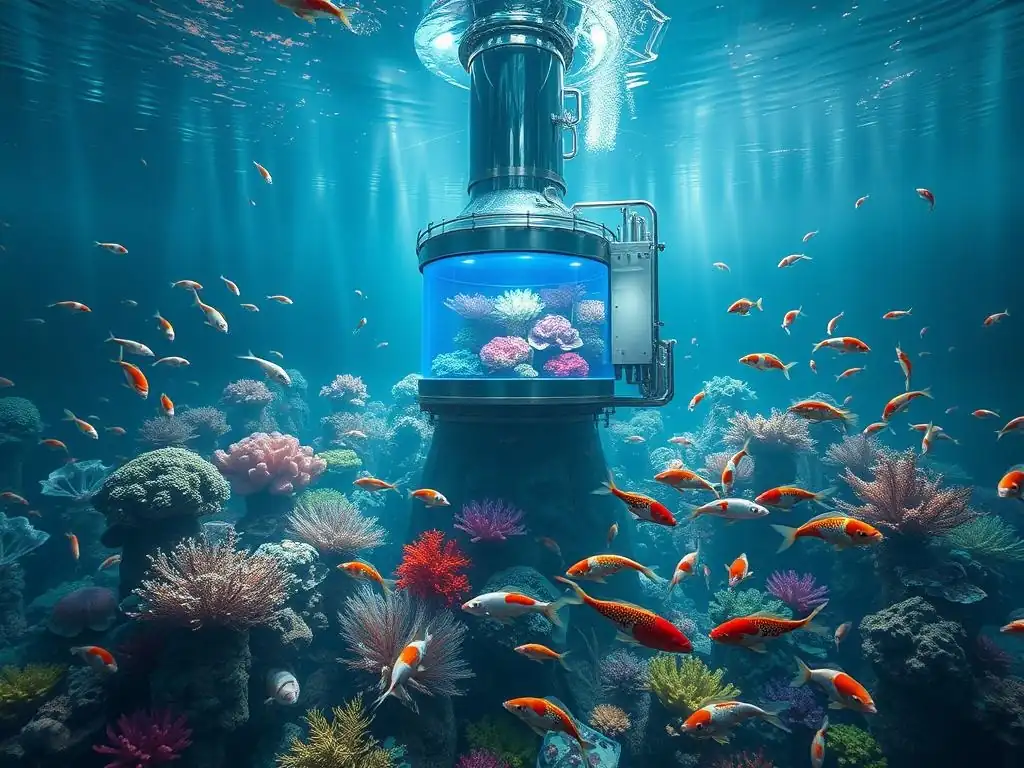
Welcome to Aquarium Mastery!
Ever wondered if you're missing a crucial piece of the puzzle for crystal-clear aquarium water? Dive in and explore the fascinating world of high-tech fluidized bed reactors. Are they the secret weapon your aquarium needs? Discover everything you need to know in our detailed guide and decide if this next-level filtration method is the right choice for you!
- Understanding Fluidized Bed Reactors: A High-Tech Filtration Revolution for Aquariums
- Benefits of Using High-Tech Fluidized Bed Reactors in Your Aquarium
- Choosing the Right High-Tech Fluidized Bed Reactor for Your Aquarium
- Top Fluidized Bed Reactor Options: Reviews and Comparisons
- Optimizing Performance: Media Selection and Maintenance for Fluidized Bed Reactors
- Are High-Tech Fluidized Bed Reactors Right for Your Aquarium? A Final Verdict
-
Frequently Asked Questions
- What exactly is a High-Tech Fluidized Bed Reactor and how does it work?
- How does a High-Tech Fluidized Bed Reactor differ from a traditional filter?
- What are the main benefits of using a High-Tech Fluidized Bed Reactor in my aquarium?
- Are High-Tech Fluidized Bed Reactors suitable for both freshwater and saltwater aquariums?
- What are some potential downsides or considerations when using a High-Tech Fluidized Bed Reactor?
- Final Reflection: The Future of Aquarium Clarity
- Ignite Your Aquarium's Potential!
Understanding Fluidized Bed Reactors: A High-Tech Filtration Revolution for Aquariums
What are Fluidized Bed Reactors (FBRs) and How Do They Work in Aquarium Filtration?
Fluidized Bed Reactors (FBRs) represent a significant advancement in aquarium filtration, moving beyond traditional static filter media to create a highly efficient biological environment. At their core, FBRs are specialized chambers designed to suspend and tumble various types of filter media in a constant, upward flow of water.
This continuous movement, known as fluidization, ensures that every particle of the media is constantly exposed to the passing aquarium water, maximizing contact between beneficial bacteria and nutrients. Unlike conventional filters where media can become stagnant or develop anaerobic dead spots, high-tech fluidized bed reactors maintain an aerobic environment critical for healthy bacterial colonization.
The operational principle of these high-tech fluidized bed reactors is deceptively simple yet profoundly effective. Water is pumped into the reactor's base, typically through a diffuser plate, which evenly distributes the flow. As water rises, it lifts and suspends the specialized media (such as biopellets, fine sand, or granular ferric oxide), causing it to gently tumble.
This dynamic state prevents clumping and allows for optimal oxygen and nutrient delivery to the vast colonies of beneficial bacteria that colonize the media's surface. The result is an incredibly efficient filtration system capable of processing significant amounts of waste in a relatively compact footprint, making them a cornerstone for advanced aquarists.
The Science Behind Fluidized Bed Filtration: Achieving Optimal Biological Filtration
The efficacy of high-tech fluidized bed reactors in achieving optimal biological filtration lies in their ability to cultivate and sustain massive populations of beneficial nitrifying and denitrifying bacteria. These bacteria are essential for the nitrogen cycle, converting toxic ammonia and nitrites into less harmful nitrates. Traditional static media filters, while effective, often suffer from limited surface area exposure and potential channeling of water, reducing their overall efficiency. In contrast, the constant tumbling action within an FBR ensures that the entire surface area of the media is continuously bathed in oxygen-rich, nutrient-laden water.
Consider the sheer surface area available for bacterial colonization within an FBR. A single liter of high-quality biopellets, commonly used in these reactors, can offer an estimated surface area of 1,000 to 2,000 square feet. This dwarfs the surface area provided by many traditional filter media in comparable volumes.
This expansive, actively exposed surface allows for an unparalleled density of bacterial growth, leading to significantly faster and more complete processing of nitrogenous waste. Furthermore, by maintaining precise flow rates, these high-tech fluidized bed reactors can be optimized for specific bacterial populations, such as those that perform denitrification, converting nitrates into harmless nitrogen gas, thereby actively reducing nitrate levels in the aquarium water.
Benefits of Using High-Tech Fluidized Bed Reactors in Your Aquarium

Superior Biological Filtration: Why FBRs Outperform Traditional Filters
High-tech fluidized bed reactors offer a marked advantage in biological filtration when compared to conventional filtration methods like canister filters or sumps filled with static media. The primary reason for this superiority lies in the constant, uniform exposure of the filter media to the aquarium water.
In a typical canister filter, water might channel through certain paths, leaving portions of the media underutilized or prone to anaerobic conditions. FBRs, however, ensure that the entire media bed is in perpetual motion, preventing dead spots and maximizing the contact time between the water, the media, and the beneficial bacteria colonizing its surface.
This continuous fluidization also prevents the buildup of detritus and organic sludge within the media bed, a common issue in static filters that can lead to reduced efficiency and even nutrient leaching. By keeping the media clean and constantly oxygenated, high-tech fluidized bed reactors foster a healthier and more robust bacterial population. This translates to a more stable aquatic environment, with quicker conversion of harmful ammonia and nitrites, and, when using appropriate media like biopellets, effective reduction of nitrates and phosphates, which are often problematic in established aquariums.
Maximizing Water Quality: How FBRs Control Ammonia, Nitrites, and Nitrates
The core function of high-tech fluidized bed reactors is to achieve unparalleled control over the nitrogen cycle, directly impacting overall water quality. Through highly efficient nitrification, the vast aerobic bacterial colonies within the reactor rapidly convert toxic ammonia (NH3) and nitrite (NO2-) into nitrate (NO3-). This process is critical for preventing fish stress, disease, and even mortality in heavily stocked or newly established aquariums. Unlike some biological filters that can struggle to keep up with high bioloads, the dynamic nature of an FBR ensures consistent and powerful ammonia and nitrite removal.
Beyond nitrification, many high-tech fluidized bed reactors, particularly those utilizing biopellets, excel at denitrification. Biopellets provide a carbon source that fuels anaerobic bacteria, which consume nitrates and phosphates, converting them into harmless nitrogen gas (N2) that off-gasses from the water.
For instance, in a moderately stocked reef tank of 100 gallons, a properly sized biopellet reactor can contribute to a reduction of nitrate levels by 20-50 ppm per week, significantly lowering the nutrient load and helping to combat nuisance algae growth. This comprehensive nutrient control is invaluable for maintaining pristine water parameters, especially in sensitive reef or planted aquarium setups.
Space-Saving Design: The Compact Footprint of Modern Fluidized Bed Reactors
One of the often-underestimated advantages of modern high-tech fluidized bed reactors is their remarkably compact footprint relative to their filtration capacity. Unlike large sumps filled with various static media or multiple bulky canister filters, FBRs are typically tall, narrow cylinders designed to fit efficiently into tight spaces within an aquarium stand or sump. A reactor capable of handling the biological filtration needs of a 100-gallon aquarium might only occupy a footprint of approximately 6 inches by 6 inches, standing about 12-18 inches tall.
This vertical design makes them ideal for aquarists with limited space, allowing for high-performance filtration without sacrificing valuable real estate in the sump or under the display tank. For instance, in a small nano reef setup with a limited sump area, a compact FBR can provide robust biological and chemical filtration that would otherwise require multiple, larger pieces of equipment. This space efficiency does not compromise performance; rather, it highlights the advanced engineering that allows high-tech fluidized bed reactors to deliver powerful filtration in a concentrated form.
Enhanced Oxygenation: Promoting a Healthier Aquarium Environment
Beyond their primary role in biological and chemical filtration, high-tech fluidized bed reactors also contribute to enhanced oxygenation within the aquarium system. The constant tumbling and agitation of the media within the reactor chamber introduces a significant amount of air into the water as it passes through. This active movement creates a turbulent environment that facilitates gas exchange, effectively drawing dissolved oxygen from the air and mixing it into the water before it returns to the sump or main display.
While FBRs are not a substitute for dedicated air pumps or protein skimmers (especially in marine aquariums), their contribution to dissolved oxygen levels is a beneficial side effect. Higher dissolved oxygen concentrations are crucial for the health of fish, invertebrates, and beneficial aerobic bacteria throughout the entire aquarium ecosystem. This continuous aeration supports more efficient waste breakdown by bacteria, contributes to the overall vitality of the aquatic inhabitants, and helps maintain a stable, thriving aquarium environment.
Choosing the Right High-Tech Fluidized Bed Reactor for Your Aquarium
Key Features to Consider: Size, Flow Rate, and Media Capacity
When selecting a high-tech fluidized bed reactor, three critical features demand careful consideration: the reactor's physical size, its required flow rate, and its media capacity. The physical dimensions of the reactor must align with the available space in your sump or cabinet; typically, a reactor for a 150-gallon tank might measure around 4-6 inches in diameter and 14-20 inches in height. Matching the reactor's capacity to your aquarium volume and bioload is paramount. A reactor designed for a 50-gallon tank will typically hold 250-500ml of media, whereas a larger unit for a 200-gallon system might accommodate 1-2 liters.
The flow rate is perhaps the most crucial parameter for proper fluidization. Each reactor design and media type (e.g., biopellets, GFO, carbon) has an optimal flow range, often specified in gallons per hour (GPH) or liters per hour (LPH). Too little flow, and the media will clump and become ineffective; too much, and it risks being blasted out of the reactor or causing excessive wear.
For instance, a common biopellet reactor might require an external pump providing 300-600 GPH of flow to achieve ideal media tumbling. Ensuring the pump you use can deliver this specific flow within the reactor's head pressure limitations is vital for efficient operation.
Material Selection: Evaluating Reactor Construction for Longevity
The durability and longevity of a high-tech fluidized bed reactor are heavily influenced by the materials used in its construction. The vast majority of quality FBRs are crafted from high-grade acrylic, often with wall thicknesses ranging from 1/8 inch (3mm) to 1/4 inch (6mm). Thicker acrylic provides superior structural integrity, reducing the risk of cracks or leaks over time. Look for reactors made from cast acrylic rather than extruded acrylic, as cast acrylic offers better clarity and is less prone to yellowing or becoming brittle with age and UV exposure.
Beyond the main body, examine the quality of the plumbing connections, O-rings, and fasteners. Many reputable manufacturers utilize PVC fittings and titanium or stainless steel screws, which are highly resistant to saltwater corrosion. Reactors with easy-to-remove lids and simple internal designs (e.g., twist-lock mechanisms or union fittings) will simplify maintenance and media changes. Investing in a reactor with robust construction ensures years of reliable performance, minimizing the need for premature replacements and offering peace of mind for your high-tech filtration setup.
Controllability and Automation: Integrating FBRs with Aquarium Controllers
Modern high-tech fluidized bed reactors often offer varying degrees of controllability and potential for automation, making them even more user-friendly and efficient. Basic models typically feature manual gate valves or ball valves to adjust the flow rate, allowing the user to dial in the perfect tumble for their chosen media. More advanced units might incorporate precise needle valves for finer flow adjustments, ensuring optimal performance for sensitive media like biopellets that require very specific fluidization.
For the ultimate in control and stability, some high-tech fluidized bed reactors can be integrated with comprehensive aquarium controllers such as Neptune Systems Apex or GHL Profilux. While the reactor itself might not directly connect, the external pump powering it can be connected to a controllable power outlet on the aquarium controller.
This allows for scheduled on/off cycles, flow adjustments via a variable speed pump, or even integration with water quality probes to automatically adjust reactor operation based on parameters like pH or ORP. Such automation minimizes manual intervention, ensures consistent performance, and provides a new level of precision for maintaining optimal water conditions.
Top Fluidized Bed Reactor Options: Reviews and Comparisons
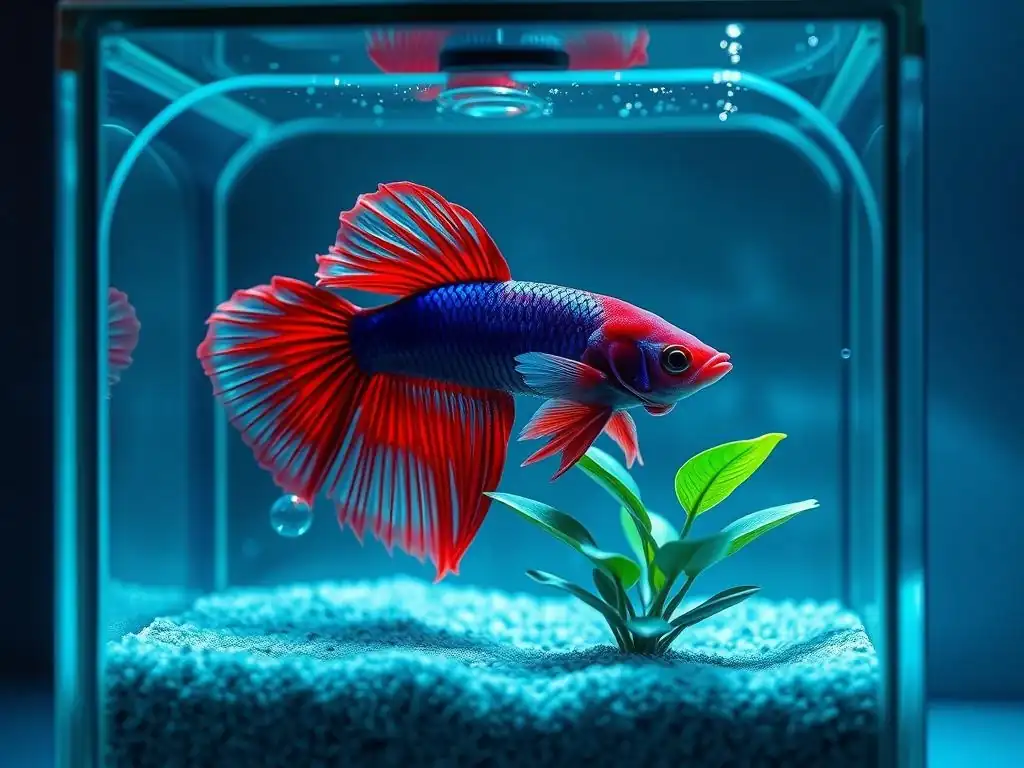
Option 1: Reef Octopus FBR 110 - The High-Performance Powerhouse
Features: Cone Bottom Design, Adjustable Flow Valve, Bubble Diffuser Plate
The Reef Octopus FBR 110 is engineered for robust performance in demanding reef systems. Its distinctive cone bottom design is a key feature, meticulously crafted to ensure that the filter media, particularly biopellets, experiences uniform and gentle fluidization. This conical shape eliminates dead spots where media might settle and clump, ensuring maximum contact with the water flow.
An integrated, adjustable flow valve provides precise control over the water volume entering the reactor, allowing aquarists to fine-tune the media tumbling to perfection. Furthermore, a cleverly designed bubble diffuser plate at the inlet prevents micro-bubbles from entering the media chamber, which can disrupt fluidization and potentially harm sensitive corals.
Pros: Efficient Media Fluidization, Durable Acrylic Construction, Easy to Clean
This high-tech fluidized bed reactor excels in its ability to keep biopellets in a perfectly suspended, "boiling" state, which is crucial for efficient nutrient export. Constructed from high-grade cast acrylic, typically 6mm thick, the FBR 110 boasts exceptional durability and resistance to the harsh marine environment, promising years of reliable service without yellowing or becoming brittle. Its straightforward design, with a simple twist-off lid and easily accessible internal components, makes maintenance and media changes remarkably easy. Users report that cleaning the unit takes only a few minutes during routine aquarium upkeep.
Cons: Requires a Dedicated Pump, Can Be Noisy if Not Properly Tuned
One notable consideration for the Reef Octopus FBR 110 is that it does not come with an integrated pump. This means aquarists must purchase a separate, dedicated return pump, typically a small DC pump capable of delivering between 300-500 GPH, to power the unit. This adds to the initial investment.
Additionally, while generally quiet, if the flow rate is not precisely tuned to the media and bioload, the constant tumbling of the media can sometimes produce a subtle humming or rattling sound, which might be noticeable in very quiet environments. Achieving the optimal flow can take a few days of observation and adjustment.
Recommended for: Reef Tanks up to 150 Gallons, High Bioload Systems
The Reef Octopus FBR 110 is highly recommended for established reef aquariums ranging from approximately 75 to 150 gallons, particularly those with a moderate to high fish bioload. Its superior biological and chemical filtration capabilities make it an excellent choice for systems where maintaining ultra-low nutrient levels (nitrates and phosphates) is paramount for the health and coloration of SPS corals. It’s also well-suited for aquarists seeking a robust and reliable high-tech fluidized bed reactor that can handle demanding environments and contribute significantly to overall water quality.
Option 2: Innovative Marine MiniMax All-in-One Media Reactor - The Budget-Friendly Biological Powerhouse
Features: Compact Design, Integrated Pump, Adjustable Flow Rate
The Innovative Marine MiniMax All-in-One Media Reactor stands out for its incredibly compact and user-friendly design, making it an excellent choice for smaller setups. Measuring approximately 4 inches by 3 inches at the base and about 10 inches tall, it's designed to fit into tight sump compartments or even function as a hang-on-back unit. A significant advantage is its integrated, quiet DC pump, eliminating the need for a separate purchase. The flow rate is easily adjustable via a simple knob on the pump, allowing users to quickly dial in the perfect tumble for their media without complex plumbing.
Pros: Affordable Price, Simple Installation, Suitable for Small Tanks
This high-tech fluidized bed reactor is one of the most accessible entry points into advanced filtration, often retailing for under $100, making it a budget-friendly option. Installation is remarkably straightforward: simply place it in the sump, connect the power, and adjust the flow. Its all-in-one nature means no extra pumps or plumbing are required. The MiniMax is particularly well-suited for nano reef tanks up to 40 gallons, providing powerful biological and chemical filtration where space is at an absolute premium. It's also a popular choice for enhancing filtration in freshwater planted tanks.
Cons: Limited Media Capacity, Less Precise Flow Control
While compact, the MiniMax's small size translates to a more limited media capacity, typically holding only about 100-150ml of biopellets or other media. This capacity is generally sufficient for nano tanks but may be insufficient for heavily stocked larger aquariums or those with very high nutrient loads. Additionally, while the adjustable flow knob is convenient, it may not offer the same degree of fine-tuning precision as external pumps paired with high-end needle valves found on more expensive high-tech fluidized bed reactors. Achieving a perfectly gentle tumble for certain sensitive media might require more patience.
Recommended for: Nano Reef Tanks up to 40 Gallons, Freshwater Planted Tanks
The Innovative Marine MiniMax is highly recommended for hobbyists with nano reef tanks (up to 40 gallons) who are looking for an affordable, space-saving, and effective solution for nutrient export and water clarity. It's also an excellent choice for freshwater planted tanks that can benefit from active carbon or GFO filtration to remove tannins or phosphates. Its ease of use and integrated pump make it ideal for beginners venturing into high-tech filtration, or experienced aquarists needing an efficient, compact secondary reactor.
Option 3: Vertex RX-Z Zeolite Reactor - The Smart Reactor with Advanced Control
Features: Self-Cleaning System, Programmable Timer, High-Quality Construction
The Vertex RX-Z Zeolite Reactor represents the pinnacle of high-tech fluidized bed reactors designed for specialized media. Its most distinguishing feature is the integrated self-cleaning system, which includes a motor that periodically tumbles and agitates the zeolite media. This automated process prevents clumping and ensures consistent exposure of the zeolite to the water, maximizing its ammonia and heavy metal absorption capabilities.
A programmable timer allows users to set specific intervals for these cleaning cycles, such as once or twice daily. The reactor is constructed from premium cast acrylic with robust PVC fittings and titanium screws, ensuring superior resistance to corrosion and exceptional longevity.
Pros: Automated Maintenance, Precise Control Over Zeolite Fluidization, Durable and Reliable
The automated maintenance feature is a significant convenience, eliminating the need for manual shaking or stirring of the zeolite media, a task often required with traditional zeolite reactors. This ensures the media remains highly effective without constant user intervention. The precise engineering of the Vertex RX-Z ensures optimal fluidization, allowing for consistent and efficient removal of ammonia and other pollutants. Vertex products are renowned within the aquarium industry for their exceptional build quality and reliability, with many units operating flawlessly for over 5-7 years, making this high-tech fluidized bed reactor a long-term investment.
Cons: High Price Point, Requires Zeolite Media
As a premium, specialized piece of equipment, the Vertex RX-Z comes with a significantly higher price tag, often ranging from $300 to $500 or more, depending on the model size. This represents a substantial initial investment compared to other types of high-tech fluidized bed reactors. Additionally, this reactor is specifically designed for use with zeolite media. While highly effective for ammonia control and maintaining ultra-low nutrient systems (ULNS), zeolite requires regular replacement, typically every 4-6 weeks, which adds to the ongoing operational costs of the aquarium.
Recommended for: Advanced Reef Setups with Zeolite Filtration, Large and Demanding Systems
The Vertex RX-Z Zeolite Reactor is best suited for advanced reef aquarists managing large and demanding systems, typically 150 gallons and above, who are specifically utilizing the Zeovit or similar ultra-low nutrient system (ULNS) methodology. It is ideal for hobbyists aiming for the absolute lowest possible nutrient levels, particularly ammonia and nitrates, to enhance the coloration and health of sensitive SPS corals. Its automated features also appeal to those who prioritize convenience and are willing to invest in a high-performance, low-maintenance solution for specialized chemical filtration.
Optimizing Performance: Media Selection and Maintenance for Fluidized Bed Reactors

Choosing the Right Media: Sand, Biopellets, and Other Options
The effectiveness of any high-tech fluidized bed reactor hinges critically on the selection of the appropriate filter media. Different media types serve distinct purposes, allowing aquarists to target specific water quality issues. Fine aragonite or silica sand, for instance, can be used for highly efficient biological filtration, providing an immense surface area for nitrifying bacteria in setups where biological capacity is the primary concern. However, they require extremely precise flow control to prevent clumping or excessive fluidization.
Biopellets are arguably the most popular media for high-tech fluidized bed reactors, particularly in marine aquariums. These biodegradable polymers serve as a carbon source for bacteria, facilitating both nitrate and phosphate reduction through denitrification. Granular Ferric Oxide (GFO) is another common choice, highly effective for removing phosphates, which are a major contributor to nuisance algae growth.
Activated carbon, when used in an FBR, excels at removing dissolved organic compounds, odors, and water discoloration, resulting in crystal-clear water. Lastly, zeolite is often employed for its powerful ammonia and heavy metal absorbing properties, particularly in specialized ultra-low nutrient systems. The choice of media should always align directly with your aquarium's specific needs and water chemistry goals.
Setting Up Your Fluidized Bed Reactor: A Step-by-Step Guide
Proper setup is crucial for maximizing the performance of your high-tech fluidized bed reactor. First, determine the optimal placement: most FBRs are designed for in-sump use, but some compact models can hang on the back of the display tank. If using an external pump, ensure it's properly plumbed to the reactor's inlet, usually with flexible tubing and secure hose clamps to prevent leaks. The reactor's outlet typically returns water directly to the sump.
Next, carefully load your chosen media into the reactor chamber. A common guideline for biopellets is to fill the reactor approximately one-third to one-half full when dry, as the media will expand and fluidize when wet. For other media like GFO or carbon, follow the manufacturer's recommendations. Once the media is loaded and the reactor is sealed, turn on the pump.
Start with a very low flow rate and gradually increase it, observing the media's movement. The goal is a gentle, consistent tumbling or "boiling" motion, where all particles are suspended but not violently blasting around. Avoid flow rates that cause media to clump or escape the reactor. Allow biological media like biopellets a break-in period of 2-4 weeks for bacterial colonies to fully establish.
Maintaining Optimal Flow: Preventing Clogging and Ensuring Efficient Filtration
Maintaining optimal flow is paramount for the continuous and efficient operation of high-tech fluidized bed reactors. Over time, detritus, bacterial film, or even salt creep can reduce the flow through the reactor's pump, tubing, or internal components, leading to decreased fluidization and reduced filtration efficiency. To prevent this, regular maintenance is essential. It is advisable to visually inspect the reactor and its connections at least once a week for any signs of reduced flow or media clumping.
A common maintenance routine includes periodically cleaning the impeller of the external pump (if applicable) and checking the inlet and outlet tubing for any blockages or buildup, perhaps monthly or every other month. Some reactors may benefit from a quick rinse of the media or the reactor chamber itself during a major water change, though care should be taken not to disrupt established bacterial colonies unnecessarily if using biological media.
For biopellets, a gentle shake or minor increase in flow for a few minutes can often break up any minor clumping. Consistent observation and proactive cleaning will ensure your high-tech fluidized bed reactor continues to perform at its peak, contributing to stable and pristine water quality.
Troubleshooting Common Issues: Addressing Problems with Fluidization and Performance
Despite their robust design, high-tech fluidized bed reactors can occasionally encounter issues that affect their fluidization or overall performance. One common problem is the media not fluidizing properly. This is typically due to insufficient flow—either the pump is too weak, clogged, or there's too much media loaded into the reactor.
Check the pump, clean it if necessary, and ensure the media volume doesn't exceed the manufacturer's recommendations (e.g., typically 1/3 to 1/2 of the reactor's volume when dry). Another cause can be air trapped within the reactor, which can be resolved by gently tilting the unit to release the air bubbles.
Conversely, if media is escaping the reactor, the flow rate is likely too high for the media size, or the reactor's internal screens are compromised. Reduce the pump's flow or consider a larger media type if appropriate. Media clumping, especially with biopellets, often indicates insufficient flow or excessive detritus accumulation.
Increasing the flow slightly or performing a quick reactor cleaning can often resolve this. If using biopellets and not seeing nitrate reduction after several weeks, ensure adequate flow and that the system has had sufficient time (4-6 weeks) for the denitrifying bacteria to establish. Persistent foaming or sudsing can occur during the initial break-in of biopellets due to bacterial bloom; if it persists, it might indicate an issue with organics or media quality, warranting further investigation.
Are High-Tech Fluidized Bed Reactors Right for Your Aquarium? A Final Verdict
Considering Your Aquarium's Needs: Stocking Level, Tank Size, and Water Quality Goals
Deciding whether a high-tech fluidized bed reactor is the right addition to your aquarium setup requires a careful assessment of your specific needs and goals. These advanced filtration units shine in environments with higher bioloads, such as heavily stocked reef tanks with multiple fish, where traditional filtration methods might struggle to keep pace with nutrient production. For aquarists maintaining larger tanks, generally 50 gallons and above, an FBR can provide a concentrated and highly efficient solution for biological and chemical filtration that would otherwise demand significantly more space and equipment.
Furthermore, if your primary water quality goals involve maintaining ultra-low nutrient levels—essential for the vibrant coloration and health of sensitive corals like SPS (small polyp stony) or for preventing nuisance algae outbreaks—then a high-tech fluidized bed reactor, particularly one loaded with biopellets or GFO, becomes an invaluable tool. While beneficial for both freshwater and saltwater systems, FBRs have become particularly ubiquitous in the marine hobby due to their effectiveness in controlling nitrates and phosphates, which are notoriously challenging to manage in reef environments.
Comparing FBRs to Other Filtration Methods: A Cost-Benefit Analysis
When evaluating high-tech fluidized bed reactors against other common filtration methods, a comprehensive cost-benefit analysis reveals their unique advantages. The initial investment for an FBR can be higher than a basic hang-on-back filter or a simple canister filter, with units ranging from under $100 for compact models to several hundred dollars for advanced, large-capacity reactors. However, this initial cost is often offset by superior long-term performance and potentially reduced reliance on costly chemical media changes if the FBR efficiently exports nutrients.
In terms of efficiency, FBRs offer unparalleled biological and chemical filtration due to their maximized media contact time and active fluidization, often outperforming static media filters. Maintenance is generally low for high-tech fluidized bed reactors, primarily involving occasional media replenishment (e.g., every 4-8 weeks for biopellets or GFO) and periodic cleaning of the pump and reactor body. Unlike protein skimmers, which primarily remove organic waste before it breaks down, FBRs actively process dissolved nutrients.
They complement skimmers perfectly in a marine setup, with skimmers handling the initial organic removal and FBRs tackling the subsequent biological and chemical filtration. For aquarists seeking a versatile, high-performance solution that optimizes nutrient control and water clarity, the benefits often outweigh the initial investment and learning curve.
Making the Right Choice: Investing in a High-Performance Filtration Solution for a Thriving Aquarium
Ultimately, investing in a high-tech fluidized bed reactor is a strategic decision for aquarists committed to achieving and maintaining exceptional water quality and a thriving aquatic environment. While they represent a step up in complexity and cost from basic filtration, their ability to provide superior biological and chemical filtration in a compact, efficient package is undeniable. For those battling persistent algae, struggling with high nitrates, or simply striving for the most pristine conditions for their sensitive livestock, these advanced filters offer a powerful solution.
The choice to integrate a high-tech fluidized bed reactor into your system means embracing a high-performance filtration solution that actively works to stabilize water parameters and export nutrients. By carefully considering your aquarium's specific needs—its size, stocking level, and your water quality objectives—you can determine if an FBR is the missing piece in your filtration puzzle. For many dedicated hobbyists, the enhanced water clarity, reduced maintenance burden, and overall health benefits for their aquatic inhabitants make high-tech fluidized bed reactors an invaluable and worthwhile investment.
Frequently Asked Questions
What exactly is a High-Tech Fluidized Bed Reactor and how does it work?
A High-Tech Fluidized Bed Reactor is a filtration device that uses a fluidized bed of media (like sand or biopellets) to promote biological filtration. Water is pumped upwards through the media, keeping it suspended and maximizing surface area for beneficial bacteria.
How does a High-Tech Fluidized Bed Reactor differ from a traditional filter?
Unlike traditional filters, which often rely on passive water flow, Fluidized Bed Reactors actively agitate the media. This creates a much larger surface area for bacterial colonization, leading to more efficient removal of waste products like ammonia and nitrite.
What are the main benefits of using a High-Tech Fluidized Bed Reactor in my aquarium?
The primary benefits include superior biological filtration, which leads to improved water quality and a healthier environment for your fish. It also helps maintain stable water parameters and can reduce the frequency of water changes.
Are High-Tech Fluidized Bed Reactors suitable for both freshwater and saltwater aquariums?
Yes, High-Tech Fluidized Bed Reactors can be used in both freshwater and saltwater aquariums. However, the specific media and flow rates might need to be adjusted based on the type of aquarium and its bioload.
What are some potential downsides or considerations when using a High-Tech Fluidized Bed Reactor?
Potential downsides include the initial cost of the reactor and the need for careful flow rate adjustments. Over-fluidization can damage the media, while under-fluidization reduces its effectiveness.
Final Reflection: The Future of Aquarium Clarity
The journey through the intricacies of high-tech fluidized bed reactors reveals more than just advanced filtration techniques; it highlights the ever-evolving pursuit of pristine aquatic environments. Understanding the nuances of these systems, their benefits, and their potential drawbacks is crucial, especially as aquarium keeping becomes increasingly sophisticated and demanding.
The impact of such technology extends beyond mere water clarity. It touches upon the very health and well-being of our aquatic ecosystems, both in our homes and, by extension, in our understanding of larger ecological principles. My own fascination with these systems stems from a deep respect for the delicate balance within an aquarium, and the responsibility we bear to maintain it. The best aquarium is a reflection of the natural world, a microcosm of the beauty and complexity we strive to understand and protect.
This quote encapsulates the essence of responsible aquarium keeping, reminding us that technology serves best when it enhances, not replaces, natural processes.
Now, as you consider the potential of high-tech fluidized bed reactors for your own aquarium, I urge you to reflect not just on the technology itself, but on the deeper connection you have with your aquatic world. Consider how you can leverage these advancements to create not just a cleaner tank, but a healthier, more vibrant ecosystem that thrives under your care. The future of aquarium keeping lies in informed choices and a commitment to responsible stewardship.
Ignite Your Aquarium's Potential!
Thanks for diving deep into the world of fluidized bed reactors and their potential to revolutionize your aquarium's filtration! Now that you've explored the possibilities, it's time to take action and create a healthier, more vibrant aquatic environment.
Here are some next steps to consider:
- Implement a fluidized bed reactor.
- Dive deeper. Research the specific needs of your aquarium and choose the best type of reactor for your setup.
- Share your knowledge! Join the Aquarium Mastery community and discuss your plans and experiences with fellow aquarists.
What unique challenge will you tackle with the power of fluidized bed filtration?