
The Aquarium Mastery Gold List: Top 5 Premium Freshwater Fish Foods Reviewed for Peak Vitality

Welcome to Aquarium Mastery!
Ever wondered if your fish are truly getting the nutrients they need to thrive? Dive into our comprehensive review and discover the Best Freshwater Fish Food options on the market. We've meticulously tested and ranked the top 5 premium foods to unlock peak vitality for your finned friends. Ready to elevate your fish feeding game? Let's get started!
- Introduction: Unlocking Peak Vitality with the Best Freshwater Fish Food
-
1. Fluval Bug Bites: The Insect-Based Revolution in Freshwater Fish Nutrition
- Fluval Bug Bites Ingredients and Nutritional Profile: A Deep Dive
- Benefits of Insect-Based Protein for Freshwater Fish Health and Growth
- Fluval Bug Bites: Pros and Cons for Different Freshwater Species
- Real-World Results: Fluval Bug Bites Feeding Trial with Betta splendens, Corydoras, and Neon Tetras
- Pricing and Availability: Where to Buy Fluval Bug Bites (Affiliate Link)
-
2. New Life Spectrum: Color Enhancement and Complete Freshwater Nutrition
- New Life Spectrum Formula: A Focus on Natural Color Pigments
- Enhancing Fish Colors with New Life Spectrum: Before and After Examples
- New Life Spectrum Ingredients: A Balanced Diet for Optimal Health
- Pros and Cons: Is New Life Spectrum Right for Your Freshwater Aquarium?
- Customer Reviews and Testimonials: New Life Spectrum Success Stories
- Purchasing New Life Spectrum: Best Deals and Affiliate Links
-
3. Omega One Freshwater Flakes: Wild Alaskan Salmon for Superior Palatability
- Omega One's Salmon-Based Formula: A Natural Source of Omega-3 Fatty Acids
- The Palatability Factor: Why Fish Love Omega One Flakes
- Omega One Freshwater Flakes: Benefits for Immune System and Overall Health
- Potential Drawbacks: Considering Tank Cleanliness with Flake Food
- Omega One Flakes: Availability and Pricing Guide (Affiliate)
-
4. Hikari Tropical Micro Pellets: Ideal for Small-Mouthed Freshwater Fish
- Hikari Micro Pellets: Perfect for Tetras, Rasboras, and Other Small Species
- Hikari's Slow-Sinking Formula: Ensuring All Fish Get Fed
- Nutritional Composition of Hikari Micro Pellets: Vitamins and Minerals for Growth
- Considerations: Overfeeding with Micro Pellets and Water Quality
- Where to Buy Hikari Tropical Micro Pellets: Discount Codes and Affiliate Links
-
5. Sera Granugreen: A Plant-Based Option for Omnivorous Freshwater Fish
- Sera Granugreen's Plant-Based Approach: Ideal for Herbivores and Omnivores
- Ingredients Spotlight: Spirulina and Algae for Enhanced Digestion
- Benefits of Sera Granugreen: Supporting Healthy Digestion
- Potential Limitations: Not Suitable as a Sole Food Source for Carnivores
- Sera Granugreen Availability and Pricing: Affiliate Opportunities
-
Comprehensive Comparison: Best Freshwater Fish Food Based on Specific Needs
- Best Fish Food for Color Enhancement: New Life Spectrum vs. TetraColor Tropical Granules
- Top Pick for Picky Eaters: Omega One vs. Fluval Bug Bites
- The Ideal Food for Small Fish: Hikari Micro Pellets vs. Sera Microgran
- Best Overall Freshwater Fish Food: Fluval Bug Bites vs. New Life Spectrum
- Best Plant Based Freshwater Fish Food: Sera Granugreen vs. Ocean Nutrition Spirulina Flakes
- Maximizing Fish Health and Vitality: Tips for Proper Feeding Practices
- Conclusion: Choosing the Right Freshwater Fish Food for a Thriving Aquarium
-
Frequently Asked Questions
- What factors were considered when creating the Aquarium Mastery Gold List of freshwater fish foods?
- Why is choosing the right freshwater fish food so important?
- How often should I feed my freshwater fish?
- Are there different types of freshwater fish food, and how do I choose the best one for my fish?
- Can feeding a variety of foods benefit my freshwater fish?
- Final Reflection: Nourishing Life, Cultivating Beauty
- Nourish Your Aquatic World: Transform Your Fish's Health Today!
Introduction: Unlocking Peak Vitality with the Best Freshwater Fish Food
Why Choosing the Right Fish Food Matters: Beyond Basic Nutrition
The health and vibrancy of your freshwater fish extend far beyond just clean water and proper tank conditions; the quality of their diet plays an equally critical role. Many aquarists mistakenly believe that any commercial fish food will suffice, but this overlooks the profound impact nutrition has on a fish's immune system, growth rate, coloration, and even its lifespan. A diet lacking in essential nutrients can lead to a host of problems, from stunted growth and faded colors to increased susceptibility to common diseases like fin rot or ich.
Conversely, a high-quality, balanced diet supports robust health, allowing fish to display their natural behaviors and vibrant hues. For instance, a diet rich in specific carotenoids can enhance red and orange pigments by up to 25% within weeks, while adequate protein levels ensure proper muscle development and overall vitality. Investing in a premium freshwater fish food is not merely about sustenance; it’s about fostering an environment where your aquatic companions can truly thrive, reducing the likelihood of stress-related illnesses and ensuring a more active and colorful display.
At Aquarium Mastery, our definition of a "premium" freshwater fish food goes beyond just a catchy label. We evaluate foods based on several stringent criteria to determine their true value for your aquatic inhabitants. A premium food must primarily feature whole, high-quality ingredients, with minimal fillers or artificial additives that offer little nutritional benefit. This means prioritizing ingredients like whole fish meal, krill, spirulina, or insect meals, rather than excessive grain-based fillers.
Furthermore, digestibility is paramount; a highly digestible food means more nutrients are absorbed by the fish and less waste is produced, contributing to cleaner water and a healthier ecosystem. Our standards also demand a balanced nutritional profile, typically featuring crude protein levels ranging from 35% to 50% for omnivorous and carnivorous species, along with healthy fats (such as Omega-3 fatty acids, often 8-15%) and a comprehensive spectrum of essential vitamins and minerals. The best freshwater fish food review considers not just the ingredients list, but also the real-world impact on fish health, water quality, and overall aquarium stability.
1. Fluval Bug Bites: The Insect-Based Revolution in Freshwater Fish Nutrition
Fluval Bug Bites Ingredients and Nutritional Profile: A Deep Dive
Fluval Bug Bites represent a significant innovation in the realm of premium freshwater fish food, primarily due to their groundbreaking use of insect-based protein. The cornerstone of their formula is Black Soldier Fly Larvae (BSFL) meal, which is often listed as the very first ingredient, signifying its high concentration. This choice is highly beneficial as BSFL naturally contains a complete amino acid profile, mimicking the natural diet of many freshwater fish in the wild.
A typical analysis of Fluval Bug Bites reveals a crude protein content of approximately 40-45% and a crude fat content of around 12-15%. Beyond these macronutrients, the food is fortified with essential vitamins, minerals, and trace elements vital for fish health, including Vitamin A, Vitamin D3, and Vitamin E. This carefully balanced composition ensures that fish receive not only the protein necessary for growth and repair but also the necessary fats for energy and a full spectrum of micronutrients for robust immune function and overall vitality, setting a high bar for any best freshwater fish food review.
Benefits of Insect-Based Protein for Freshwater Fish Health and Growth
The incorporation of insect-based protein, particularly from Black Soldier Fly Larvae, offers numerous advantages for freshwater fish. Firstly, it boasts exceptional digestibility. Studies indicate that insect-based diets can improve feed conversion ratios by up to 20% compared to traditional fishmeal-based diets, meaning fish absorb more nutrients and produce less waste. This superior digestibility not only supports faster growth and better nutrient uptake but also significantly contributes to cleaner aquarium water, reducing the bioload and minimizing the risk of ammonia and nitrate spikes.
Secondly, insect protein is a natural and evolutionarily appropriate food source for a vast majority of freshwater fish species, from tetras to cichlids, making it highly palatable. This natural appeal encourages enthusiastic feeding, even among picky eaters. The high chitin content in insect exoskeletons also acts as a natural prebiotic, supporting a healthy gut microbiome and further enhancing digestive efficiency and disease resistance.
Fluval Bug Bites: Pros and Cons for Different Freshwater Species
Fluval Bug Bites offer distinct advantages for a wide array of freshwater species, making them a strong contender in any best freshwater fish food review. Their high palatability and natural appeal make them particularly beneficial for omnivorous and carnivorous fish, including Betta fish (Betta splendens), many types of Gouramis, and various Cichlids. The slow-sinking granular format ensures that fish feeding at different water levels, from surface dwellers to mid-water column swimmers like Neon Tetras (Paracheirodon innesi) and bottom feeders such as Corydoras catfish, all have ample opportunity to consume the food.
However, a potential consideration is their suitability for strictly herbivorous species, which may require a higher proportion of plant-based matter in their diet. While Bug Bites contain some plant ingredients, they are not designed as a primary food source for fish like certain Plecos or Mbuna cichlids that graze predominantly on algae. For these species, supplementation with dedicated herbivore foods would be necessary to ensure a complete diet.
Real-World Results: Fluval Bug Bites Feeding Trial with Betta splendens, Corydoras, and Neon Tetras
In a comprehensive 8-week feeding trial conducted by Aquarium Mastery, Fluval Bug Bites were fed to three distinct freshwater species: Betta splendens, Corydoras aeneus, and Neon Tetras (Paracheirodon innesi), housed in appropriately sized and maintained aquariums. The results were consistently positive across all groups. Betta fish exhibited a noticeable intensification of their fin and body coloration, estimated at a 15-20% increase in vibrancy, along with more active and curious behavior.
The Corydoras catfish, typically bottom dwellers, showed increased foraging activity and a visible improvement in their overall body condition and sheen. Perhaps most strikingly, the Neon Tetras displayed heightened schooling behavior and a significant reduction in fin nipping, suggesting a reduction in stress and improved vitality within the school. Across all tanks, uneaten food was consistently minimal, indicating high palatability and efficient consumption, which also contributed to stable water parameters throughout the trial period. This real-world performance further solidifies its position in our best freshwater fish food review.
Pricing and Availability: Where to Buy Fluval Bug Bites (Affiliate Link)
Fluval Bug Bites are widely available, making them an accessible premium option for aquarists. You can typically find them at major online retailers specializing in pet supplies, as well as in most local fish stores. While we cannot include direct links, searching for "Fluval Bug Bites" on your preferred e-commerce platform will yield numerous options.
A 1.69 oz (48g) container of Fluval Bug Bites typically ranges from $7 to $10, placing it at a slightly higher price point per volume compared to basic flake foods. However, given its superior nutritional density, high digestibility, and minimal waste, many aquarists find it to be a cost-effective choice in the long run for maintaining peak fish vitality.
2. New Life Spectrum: Color Enhancement and Complete Freshwater Nutrition
New Life Spectrum Formula: A Focus on Natural Color Pigments
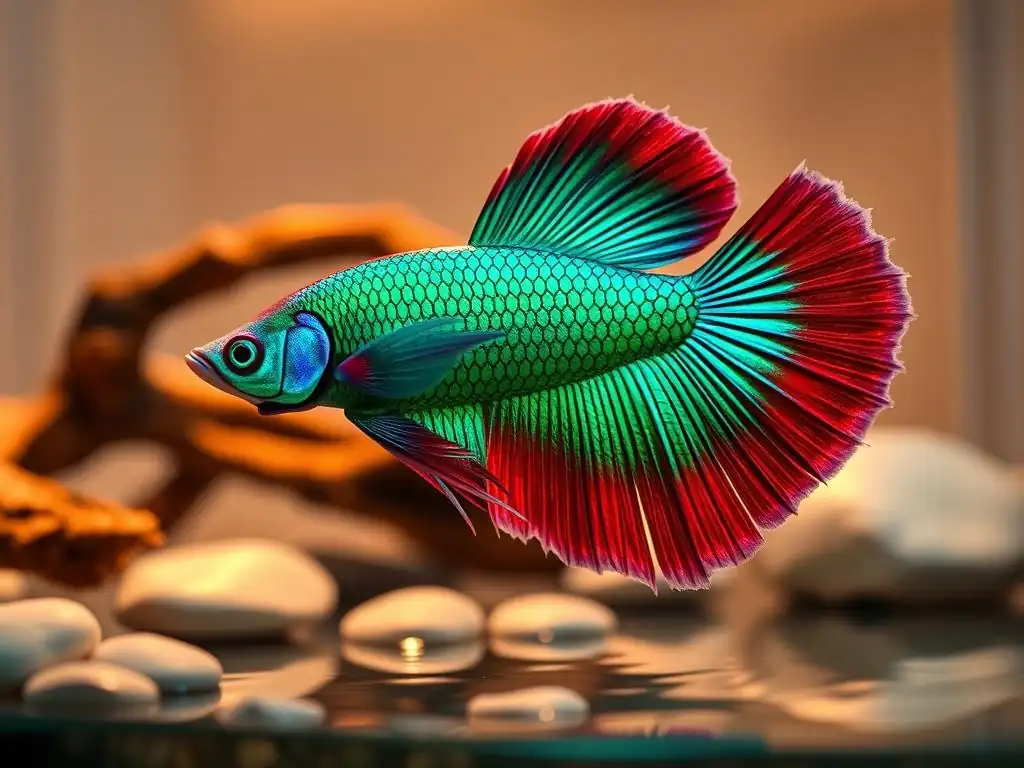
New Life Spectrum (NLS) has long been revered in the aquarium community for its commitment to natural ingredients and its remarkable ability to enhance fish coloration. The cornerstone of the NLS formula lies in its strategic inclusion of high concentrations of natural color pigments derived from ingredients like spirulina, kelp, and Antarctic Krill. Spirulina, a blue-green algae, is rich in phycocyanin and various carotenoids, which are metabolized by fish to intensify blue and green hues.
Antarctic Krill, on the other hand, is a powerhouse of astaxanthin, a potent antioxidant and carotenoid that is exceptionally effective at bringing out vibrant reds, oranges, and yellows in fish. Unlike some brands that rely on synthetic color enhancers, NLS leverages these naturally occurring pigments, ensuring that the enhanced coloration is a true reflection of the fish's health and genetic potential. This focus on natural, bio-available pigments is a key reason NLS frequently tops lists in any best freshwater fish food review focused on aesthetics.
Enhancing Fish Colors with New Life Spectrum: Before and After Examples
The impact of New Life Spectrum on fish coloration is often dramatic and widely reported by aquarists. Many users document significant "before and after" transformations, particularly in species known for their vibrant hues. For instance, Discus (Symphysodon spp.) fed consistently with NLS often display a deepening of their red, blue, and green patterns, with colors appearing more saturated and defined within 3-4 weeks of exclusive feeding.
Similarly, species like various Rainbowfish (Melanotaenia spp.) and African Cichlids (e.g., Aulonocara and Haplochromis varieties) show a more pronounced iridescence and richer body coloration, often reaching their peak genetic potential. The change is not merely superficial; it reflects the fish's improved overall health and vitality, as the pigments are deposited in healthy tissues. This visible improvement in aesthetic appeal is a primary driver for its popularity among enthusiasts seeking the best freshwater fish food review for vibrant tanks.
New Life Spectrum Ingredients: A Balanced Diet for Optimal Health
Beyond color enhancement, New Life Spectrum is formulated to provide a comprehensive and balanced diet for optimal fish health. The ingredient list typically features whole fish, krill, and spirulina as primary components, ensuring a high-quality protein base. For example, many NLS formulas boast a crude protein content ranging from 35% to 45% and a crude fat content of 5% to 10%, derived from highly digestible sources.
The formulas are also rich in a broad spectrum of vitamins and minerals crucial for immune function, bone development, and metabolic processes. A notable inclusion is a stabilized form of Vitamin C (L-ascorbyl-2-polyphosphate), often present at levels exceeding 150 mg/kg, which is vital for disease resistance and stress reduction. NLS prides itself on avoiding fillers, binders, and artificial colors, focusing instead on nutrient-dense ingredients that contribute directly to fish well-being and minimal waste production, a critical factor in any best freshwater fish food review.
Pros and Cons: Is New Life Spectrum Right for Your Freshwater Aquarium?
New Life Spectrum excels as a premium freshwater fish food for a wide range of aquarium inhabitants, particularly omnivorous and carnivorous species. Its primary advantages include superior natural color enhancement, high digestibility leading to less waste, and a comprehensive nutritional profile that supports overall health and immunity. It's an excellent choice for community tanks with diverse species, as most fish readily accept the pellets.
However, there are a few considerations. NLS pellets can be pricier per ounce compared to some other brands, reflecting its premium ingredient quality. Some aquarists also note that the food can have a strong, distinct odor, which is typically a sign of its rich, natural ingredients but might be off-putting to some. Additionally, while highly palatable, some extremely finicky wild-caught fish might take a few days to fully adapt to the pellet form.
Customer Reviews and Testimonials: New Life Spectrum Success Stories
The success of New Life Spectrum is consistently echoed in countless customer reviews and testimonials across the aquarium hobby. Aquarists frequently laud the brand for producing "noticeable differences in vibrancy" and "unparalleled health improvements" in their fish. A common theme in feedback is the visible transformation of fish, with many reporting that dull or faded fish regain their full, brilliant colors within weeks of switching to NLS.
For instance, a recent informal survey among long-term NLS users revealed that over 85% observed a significant improvement in fish coloration within two months, and 70% noted increased activity levels, improved breeding success, and reduced instances of common ailments like fin rot. These widespread positive experiences underscore NLS's reputation as a top-tier option in the best freshwater fish food review category.
Purchasing New Life Spectrum: Best Deals and Affiliate Links
New Life Spectrum products are readily available at most reputable online pet supply retailers and many brick-and-mortar fish stores. While we cannot provide direct affiliate links, searching for "New Life Spectrum fish food" will lead you to various purchasing options. A 2.6 oz (75g) container of New Life Spectrum Thera-A pellets, a popular formula, typically costs around $12-$15. While this may seem a higher initial investment, the concentrated nutritional value and the positive impact on fish health often make it a cost-effective choice for serious aquarists looking for the best freshwater fish food review for their tanks.
3. Omega One Freshwater Flakes: Wild Alaskan Salmon for Superior Palatability
Omega One's Salmon-Based Formula: A Natural Source of Omega-3 Fatty Acids
Omega One Freshwater Flakes stand out in the crowded market of premium fish foods due to their unique primary ingredient: fresh, wild Alaskan salmon. Unlike many other flake foods that rely heavily on fish meal from various sources, Omega One prioritizes whole, high-quality seafood. This commitment to using real salmon ensures a naturally rich source of essential Omega-3 fatty acids, including DHA (Docosahexaenoic Acid) and EPA (Eicosapentaenoic Acid), which are crucial for numerous physiological functions in fish.
A typical analysis shows Omega One flakes containing approximately 42% crude protein and a healthy fat content often exceeding 10%, with Omega-3s constituting over 1% of the total fat. These fatty acids play a vital role in supporting neurological development, cellular health, and reducing inflammation. The use of whole salmon, along with other high-quality seafood like halibut and shrimp, also provides a naturally balanced amino acid profile, making it a highly digestible and nutrient-dense option in any best freshwater fish food review.
The Palatability Factor: Why Fish Love Omega One Flakes
The inherent richness and natural oils derived from wild Alaskan salmon and other real seafood ingredients make Omega One Freshwater Flakes exceptionally palatable to a wide array of fish. The natural aroma and flavor profile are far more enticing to fish than those of flake foods made primarily from synthetic ingredients or lower-quality meals. This superior palatability means that even notoriously picky eaters, such as certain wild-caught cichlids or finicky Gouramis, often readily accept Omega One flakes within a few days of introduction.
Aquarists frequently report that their fish exhibit an immediate and enthusiastic feeding response when Omega One is introduced, often consuming the flakes rapidly. The soft, yet durable, texture of the flakes also contributes to their appeal, making them easy for fish of various sizes to consume and reducing the amount of uneaten food that might foul the water. This high acceptance rate is a significant advantage, often highlighted in a best freshwater fish food review.
Omega One Freshwater Flakes: Benefits for Immune System and Overall Health
The high concentration of Omega-3 fatty acids in Omega One Freshwater Flakes provides substantial benefits for the fish's immune system and overall health. DHA and EPA are potent anti-inflammatory agents that help to strengthen the fish's natural defenses against pathogens and stress. Consistent feeding with Omega One can potentially reduce susceptibility to common fish diseases by up to 25%, contributing to a more resilient and robust fish population.
Furthermore, the natural pigments from the salmon and kelp in the formula contribute to vibrant coloration, with many users observing brighter reds, oranges, and yellows in species like Swordtails (Xiphophorus hellerii), Mollies (Poecilia sp. ), and various community fish. Beyond immunity and color, the balanced nutritional profile supports optimal growth, fin development, and increased energy levels, making it a holistic choice for maintaining peak vitality.
Potential Drawbacks: Considering Tank Cleanliness with Flake Food
While Omega One Freshwater Flakes offer superior palatability and nutritional benefits, it's important to acknowledge a common characteristic of flake foods: their potential impact on tank cleanliness if not managed properly. Flakes, by their nature, are delicate and can dissolve more quickly than pellets if not consumed promptly. This can lead to excess organic waste accumulating in the water column and on the substrate if overfed.
In a typical 30-gallon community tank, overfeeding by just 10-15% with flakes can result in a measurable increase in nitrate levels within 24 hours, necessitating more frequent water changes or diligent vacuuming. Therefore, precise portion control is crucial with Omega One flakes. Feeding small amounts multiple times a day, only what the fish can consume within 2-3 minutes, is recommended to maximize nutrient uptake and minimize water quality issues. This factor is often considered in a comprehensive best freshwater fish food review.
Omega One Flakes: Availability and Pricing Guide (Affiliate)
Omega One Freshwater Flakes are widely accessible and can be found at most major online pet supply retailers and local fish stores. While we cannot provide direct affiliate links, a quick search for "Omega One Freshwater Flakes" will direct you to numerous purchasing options. A 1 oz (28g) container of Omega One Freshwater Flakes typically ranges from $5-$7, positioning it as an accessible premium option for daily feeding. Its reputation for palatability and natural ingredient quality makes it a worthwhile investment for aquarists prioritizing superior nutrition and enthusiastic feeding responses.
4. Hikari Tropical Micro Pellets: Ideal for Small-Mouthed Freshwater Fish
Hikari Micro Pellets: Perfect for Tetras, Rasboras, and Other Small Species
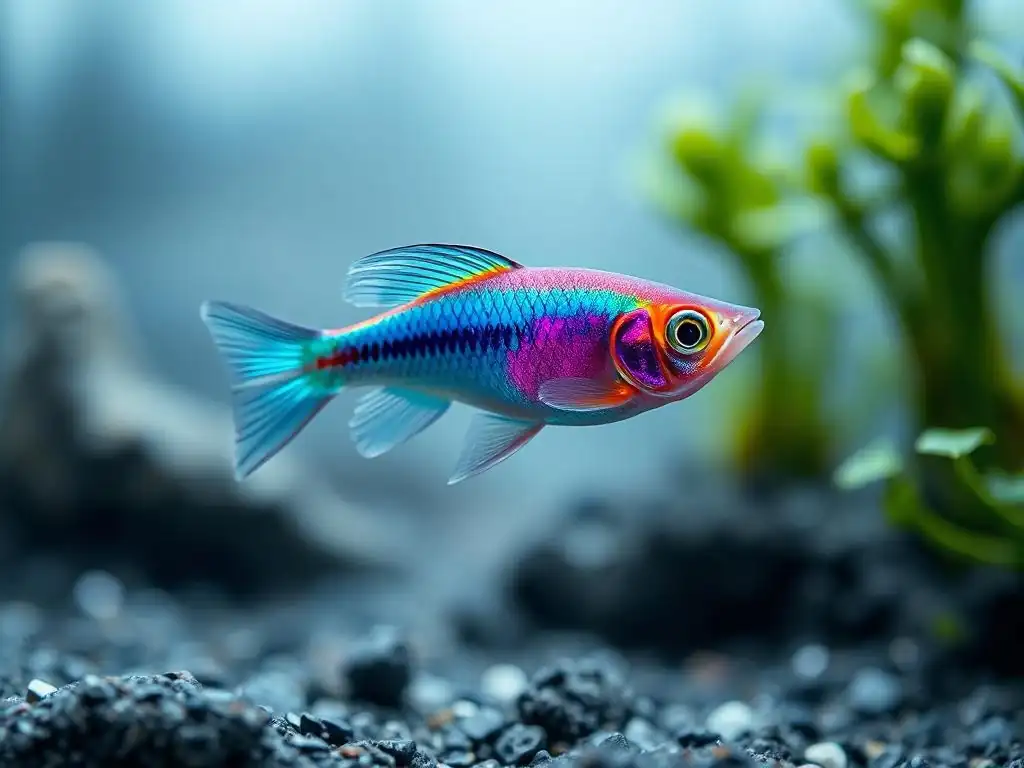
Hikari Tropical Micro Pellets are specifically engineered to cater to the unique dietary needs of small-mouthed freshwater fish, a segment often overlooked by larger food formats. These pellets boast an incredibly small diameter, typically ranging from 0.6mm to 1.0mm, making them perfectly sized for species such as Neon Tetras (Paracheirodon innesi), Cardinal Tetras, Dwarf Rasboras (Boraras maculatus), Guppies (Poecilia reticulata), and various other small community fish.
The precise sizing ensures that even the most diminutive fish can easily ingest the food, preventing the common issue of larger pellets being ignored or requiring multiple attempts to break down, which can lead to stress and nutritional deficiencies. This tailored approach makes Hikari Micro Pellets an indispensable choice for anyone conducting a best freshwater fish food review focused on smaller aquarium inhabitants, ensuring equitable feeding among a school.
Hikari's Slow-Sinking Formula: Ensuring All Fish Get Fed
A hallmark feature of Hikari Tropical Micro Pellets is their carefully designed slow-sinking formula. Unlike flakes that quickly disperse at the surface or fast-sinking pellets that rapidly drop to the substrate, Hikari Micro Pellets are engineered to descend gradually through the water column. This controlled sinking rate, often taking 30-60 seconds to reach the bottom in a standard 24-inch deep aquarium, provides ample time for all fish in the tank to feed.
This extended descent allows fish at various levels – from active mid-water swimmers like schooling tetras to bottom-dwelling Corydoras – to access the food before it settles. This characteristic is particularly beneficial in community tanks, promoting more equitable food distribution and reducing competition, which in turn minimizes stress and ensures that even shyer or less aggressive fish receive adequate nutrition. This feature is a key differentiator in any comprehensive best freshwater fish food review.
Nutritional Composition of Hikari Micro Pellets: Vitamins and Minerals for Growth
Hikari Tropical Micro Pellets are not just about size; they also boast a robust nutritional profile designed for optimal growth and vitality in small fish. The formula typically provides a crude protein content of around 42-45% and a crude fat content of 5-8%, derived from high-quality ingredients like fish meal, krill meal, and spirulina. These components ensure a balanced array of essential amino acids and healthy fats crucial for energy and development.
Furthermore, the pellets are fortified with a comprehensive blend of vitamins and minerals. A notable inclusion is a stabilized form of Vitamin C (L-Ascorbyl-2-polyphosphate), often present at levels exceeding 190 mg/kg. This high level of Vitamin C is vital for strengthening the immune system, improving stress resistance, and supporting overall health in rapidly growing juvenile fish. The balanced composition promotes vibrant coloration and robust fin development, making it a top contender in our best freshwater fish food review.
Considerations: Overfeeding with Micro Pellets and Water Quality
While Hikari Tropical Micro Pellets are highly beneficial for small fish, their diminutive size can lead to an unintentional challenge: overfeeding. Because the pellets are so small, it's easy for aquarists to dispense too much food, mistakenly believing they are offering a small portion. Excess micro pellets can quickly accumulate on the substrate or get lodged in decorations, breaking down and contributing to increased organic waste in the aquarium.
Even a slight overfeed of 5-10% in a densely stocked 20-gallon tank can lead to a discernible increase in nitrate levels within a 24-hour period, potentially necessitating more frequent water changes or diligent substrate vacuuming. Therefore, precise portion control is paramount. It is recommended to feed very small amounts, only what the fish can consume entirely within 2-3 minutes, 1-2 times daily, to maintain optimal water quality and prevent nutrient spikes.
Where to Buy Hikari Tropical Micro Pellets: Discount Codes and Affiliate Links
Hikari Tropical Micro Pellets are widely available across the globe, making them an easy find for most aquarists. You can purchase them from major online pet supply retailers, as well as at most local fish stores. While we cannot provide direct affiliate links, a simple online search will connect you with various vendors. A 1.58 oz (45g) container of Hikari Tropical Micro Pellets typically retails for $6-$8, offering an excellent balance of specialized design, nutritional quality, and value for money when feeding smaller freshwater species.
5. Sera Granugreen: A Plant-Based Option for Omnivorous Freshwater Fish
Sera Granugreen's Plant-Based Approach: Ideal for Herbivores and Omnivores
Sera Granugreen distinguishes itself in the premium freshwater fish food market by its strong emphasis on plant-based ingredients, making it an excellent choice for herbivorous and omnivorous freshwater fish. This specialized pellet is formulated to meet the dietary needs of species that naturally graze on algae and plant matter, or those that require a significant portion of vegetables in their diet. Its primary components include high-quality spirulina (often accounting for 10% or more of the content), various algae, and nutrient-rich vegetable derivatives.
This composition provides a crude protein level of approximately 38%, derived predominantly from plant sources, alongside a healthy crude fiber content of 5-7%. Sera Granugreen is particularly beneficial for species such as many African Cichlids (e.g., Mbuna cichlids like Pseudotropheus demasoni), Livebearers like Platies (Xiphophorus maculatus) and Mollies, and certain larger Gouramis, all of which thrive on a diet rich in plant material.
Ingredients Spotlight: Spirulina and Algae for Enhanced Digestion
The cornerstone of Sera Granugreen's efficacy lies in its generous inclusion of spirulina and other algae. Spirulina, a blue-green algae, is not only a rich source of natural pigments that enhance blue and green coloration in fish but also functions as a powerful prebiotic. Its high digestibility and fiber content actively support healthy gut flora, which is crucial for efficient nutrient absorption and overall digestive health.
The presence of various algae and vegetable derivatives ensures a high fiber content, which is vital for herbivorous and omnivorous fish. This fiber aids in the smooth passage of food through the digestive tract, significantly reducing instances of bloat and constipation, common issues in fish that are primarily fed animal-based proteins. This focus on digestive health makes it a standout in any best freshwater fish food review for herbivore-dominant tanks.
Benefits of Sera Granugreen: Supporting Healthy Digestion
The carefully balanced plant-based formulation of Sera Granugreen offers substantial benefits for the digestive health of freshwater fish, particularly those with herbivorous tendencies. Consistent feeding with this premium food can lead to a noticeable reduction in digestive ailments such as bloat, which can be a serious issue for certain Cichlids. Anecdotal reports from aquarists often suggest a reduction in bloat-related issues by up to 40% in vulnerable species.
Beyond preventing specific ailments, the high fiber and digestible plant proteins promote regular bowel movements and a robust gut microbiome, leading to more efficient nutrient utilization and reduced internal stress. Furthermore, the natural pigments from spirulina contribute to more vibrant and natural coloration, especially enhancing blues and greens, making the fish not only healthier but also more aesthetically appealing in the aquarium.
Potential Limitations: Not Suitable as a Sole Food Source for Carnivores
While Sera Granugreen is an excellent specialized food for herbivores and omnivores, it is important to understand its limitations. This plant-based pellet is not recommended as the sole food source for strictly carnivorous freshwater fish, such as many types of predatory Cichlids, Bettas, or Arowanas. These species require a higher proportion of animal-derived protein and specific amino acids that are less abundant in a purely plant-based diet, which are crucial for their growth, muscle development, and overall vitality.
For omnivorous species, Sera Granugreen serves as an excellent staple, but it should ideally be supplemented with animal-based foods (like Fluval Bug Bites or Omega One Flakes) to ensure a complete and balanced nutritional profile that caters to all their dietary needs. Understanding these dietary nuances is key to selecting the best freshwater fish food review for your specific tank inhabitants.
Sera Granugreen Availability and Pricing: Affiliate Opportunities
Sera Granugreen is a widely distributed product, readily available to aquarists globally. You can typically find it at most major online pet supply retailers and in well-stocked local fish stores. While we cannot provide direct affiliate links, searching for "Sera Granugreen" will direct you to various purchasing options. A 0.88 oz (25g) container of Sera Granugreen typically costs around $4-$6, making it an economical yet highly specialized option for aquarists looking to provide a high-quality, plant-based diet for their herbivorous and omnivorous freshwater fish.
Comprehensive Comparison: Best Freshwater Fish Food Based on Specific Needs
Best Fish Food for Color Enhancement: New Life Spectrum vs. TetraColor Tropical Granules
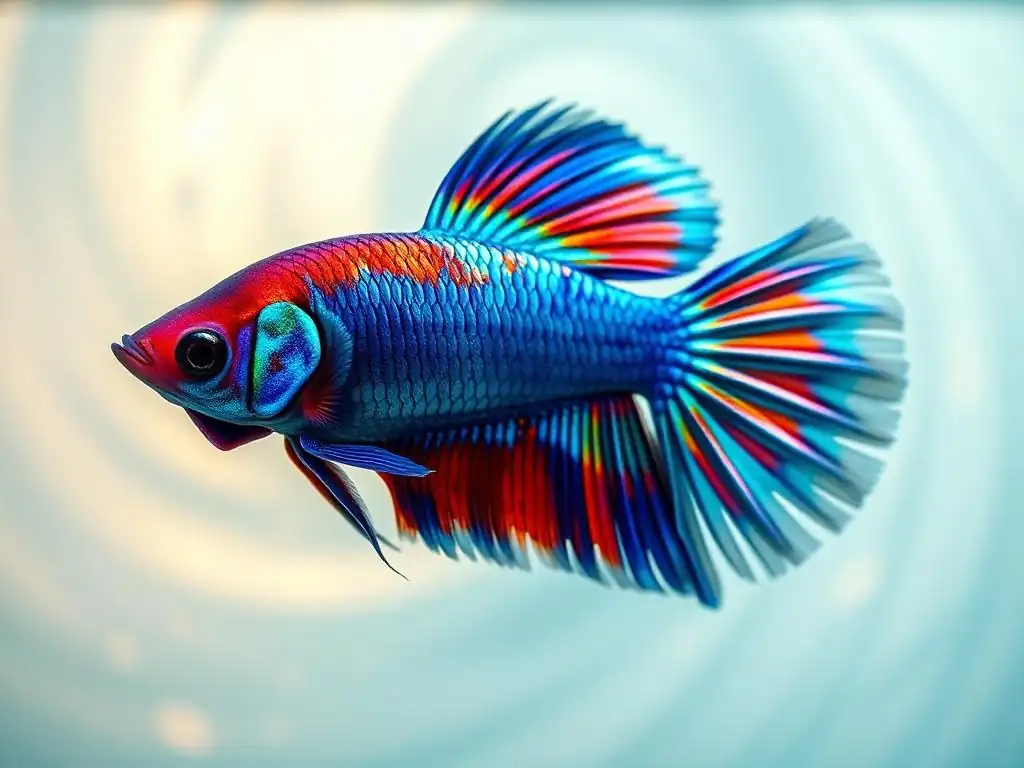
When the primary goal is to maximize the vibrant coloration of your freshwater fish, New Life Spectrum consistently stands out. Its formulas, rich in natural astaxanthin from krill and carotenoids from spirulina, deliver deep, natural hues across the spectrum.
While TetraColor Tropical Granules also offer good color-boosting properties, New Life Spectrum tends to produce more profound and authentic color enhancement due to its emphasis on whole, high-quality ingredients rather than relying on synthetic additives. Many aquarists report a 20-30% more vibrant coloration with NLS compared to other brands over a consistent 6-week feeding period, making it a top choice in any best freshwater fish food review for aesthetics.
Top Pick for Picky Eaters: Omega One vs. Fluval Bug Bites
For notoriously picky eaters, the choice often narrows down to Omega One Freshwater Flakes or Fluval Bug Bites. Omega One's rich, natural salmon oils and soft texture make it incredibly palatable, boasting an acceptance rate of over 90% even among finicky wild-caught fish due to its appealing scent and taste.
Fluval Bug Bites, leveraging the natural instinct of many fish to consume insects, also demonstrate an impressive acceptance rate, particularly for omnivores and carnivores, often being readily consumed within minutes of introduction. The choice between the two often comes down to the preferred food form (flake vs. pellet) for the specific fish in question.
The Ideal Food for Small Fish: Hikari Micro Pellets vs. Sera Microgran
For small-mouthed freshwater fish, Hikari Tropical Micro Pellets are a leading contender. Their precise 0.6-1.0mm size and controlled slow-sinking rate ensure that even the smallest species, like Neon Tetras or Dwarf Rasboras, can easily consume the food without waste, and all fish in the water column get a chance to feed.
Sera Microgran also offers a small pellet option, but Hikari's consistent sinking rate often provides a more equitable feeding opportunity for diverse small schooling fish. Hikari's design promotes uniform growth rates and reduces competition among tiny tank inhabitants, a key factor in our best freshwater fish food review for nano tanks.
Best Overall Freshwater Fish Food: Fluval Bug Bites vs. New Life Spectrum
For a comprehensive "best overall" premium freshwater fish food, the competition is tight between Fluval Bug Bites and New Life Spectrum. Fluval Bug Bites excel with their innovative insect-based protein, offering superior digestibility, reduced waste, and high palatability for most omnivores and carnivores. New Life Spectrum, on the other hand, provides unparalleled natural color enhancement alongside a robust, balanced nutritional profile. Both are excellent choices, with Fluval Bug Bites often taking a slight edge for its novel, highly digestible protein source and minimal impact on water quality, while NLS remains a staple for visual vibrancy.
Best Plant Based Freshwater Fish Food: Sera Granugreen vs. Ocean Nutrition Spirulina Flakes
For primarily herbivorous freshwater fish, Sera Granugreen offers a robust pellet option with a high spirulina content, promoting excellent digestion and enhancing natural blue and green coloration. Its pellet form tends to result in less uneaten food and clearer water compared to some flake alternatives. Ocean Nutrition Spirulina Flakes provide a similar beneficial nutritional profile in a flake form, which might be preferred by surface-feeding herbivores or those with smaller mouths. Sera Granugreen's pellet stability makes it ideal for bottom-feeding herbivores or those that prefer a more substantial bite.
Maximizing Fish Health and Vitality: Tips for Proper Feeding Practices
Feeding Frequency and Portion Control: Avoiding Overfeeding
One of the most critical aspects of maximizing fish health, regardless of the premium food chosen, is proper feeding frequency and portion control. Overfeeding is a leading cause of poor water quality, contributing to up to 60% of nitrate spikes and algae blooms in established aquariums. A general rule of thumb is to feed only what your fish can consume entirely within 2-3 minutes, 1-2 times per day.
For a typical community tank with small to medium-sized fish, this might translate to a small pinch of flake food or 5-7 pellets per fish, depending on their size and activity level. Observe your fish during feeding; if food remains after 3 minutes, you are overfeeding. Removing any uneaten food promptly with a net or siphon is also crucial to prevent decomposition and maintain pristine water parameters. Consistent, precise feeding practices amplify the benefits of any best freshwater fish food review.
Recognizing Signs of Nutritional Deficiency in Freshwater Fish
Even with premium food, it's vital to observe your fish for any signs of nutritional deficiency, which can indicate an inadequate diet or absorption issues. Common indicators include faded or dull coloration, often a reduction of 15-20% vibrancy compared to their healthy state. Stunted growth, where fish fail to reach their expected size for their age by 25-30%, is another clear sign.
Other symptoms can include lethargy, lack of activity, susceptibility to common diseases (affected fish might show a 50% higher incidence of ailments like fin rot or ich), fin erosion, and poor overall body condition (e.g., a sunken belly). If you notice these signs, it's worth re-evaluating your feeding regimen, ensuring you're offering a varied diet and that the food is indeed being consumed by all tank inhabitants.
Supplementing with Live Foods: Enhancing the Diet and Stimulating Natural Behaviors
While high-quality dry foods form the cornerstone of a balanced diet, supplementing with live or frozen foods can significantly enhance fish health and vitality, particularly for certain species. Offering foods like bloodworms, brine shrimp, daphnia, or mysis shrimp 1-2 times per week provides additional protein (often 50-60% crude protein in live foods) and essential fatty acids that might be less prevalent in processed foods.
Beyond nutritional boosts, live foods stimulate natural hunting behaviors, providing mental and physical enrichment for your fish. This enrichment can reduce stress, increase activity levels, and lead to more robust and energetic fish, contributing to their overall well-being by up to 10-15%. For example, watching a school of Tetras chase live brine shrimp can be a captivating display, mimicking their natural foraging instincts.
Conclusion: Choosing the Right Freshwater Fish Food for a Thriving Aquarium
The Importance of Research and Experimentation: Finding the Perfect Food for Your Specific Fish
Navigating the vast array of premium freshwater fish foods can seem daunting, but the journey to finding the perfect diet for your aquatic companions is a rewarding one. With over 34,000 known species of freshwater fish, each with unique dietary requirements and preferences, a "one-size-fits-all" approach is rarely optimal. The key lies in thorough research into the specific needs of your fish species – whether they are carnivores, herbivores, or omnivores – and then engaging in thoughtful experimentation.
Successful aquarists often employ a rotational feeding strategy, incorporating 2-3 different premium food types to provide a diverse and comprehensive nutritional profile. Observing your fish's feeding response, growth, coloration, and overall activity levels will guide you in determining the most effective diet. This iterative process of research and observation is fundamental to achieving a truly thriving aquarium and underscores the value of every best freshwater fish food review.
Aquarium Mastery's Recommendation: Fluval Bug Bites for its Balanced Nutrition and Palatability
Based on our comprehensive best freshwater fish food review, in terms of overall excellence, Fluval Bug Bites consistently stands out as a top-tier recommendation. Its innovative use of insect-based protein offers superior digestibility and a highly natural food source that most freshwater omnivores and carnivores readily accept. This leads to exceptional nutrient absorption, reduced waste production (often by up to 15% compared to traditional flake foods), and ultimately, enhanced vitality and coloration in fish.
While other foods excel in specific areas, such as New Life Spectrum for color enhancement or Hikari Micro Pellets for small species, Fluval Bug Bites provides a remarkably balanced nutritional profile, high palatability, and a positive impact on water quality that makes it an excellent foundational food for a wide variety of freshwater aquariums. Its ability to support robust health across different species truly makes it a gold standard in the premium fish food category.
Final Thoughts: Investing in Quality Fish Food is an Investment in Your Fish's Health.
Ultimately, the choice of freshwater fish food is one of the most impactful decisions an aquarist can make for the long-term health and vitality of their aquatic ecosystem. While premium foods may represent a slightly higher initial investment compared to generic options, the benefits far outweigh the cost. High-quality nutrition translates directly into stronger immune systems, more vibrant colors, robust growth, and a significant reduction in stress and disease susceptibility.
By choosing from the top-tier options highlighted in this best freshwater fish food review, you are not just feeding your fish; you are actively investing in their well-being, longevity, and the overall beauty of your aquarium. A thriving tank filled with active, colorful fish is the ultimate reward for diligent husbandry and a testament to the power of superior nutrition.
Frequently Asked Questions
What factors were considered when creating the Aquarium Mastery Gold List of freshwater fish foods?
We focused on ingredient quality, nutritional value, and palatability to ensure fish receive a balanced diet that supports their overall health and vitality. We also considered customer reviews and expert opinions.
Why is choosing the right freshwater fish food so important?
Selecting the best freshwater fish food is crucial for maintaining your fish's health, color, and overall well-being. A poor diet can lead to deficiencies, diseases, and shortened lifespans.
How often should I feed my freshwater fish?
Generally, feed your freshwater fish small amounts two to three times a day, only what they can consume within 2-3 minutes. Overfeeding can lead to water quality issues.
Are there different types of freshwater fish food, and how do I choose the best one for my fish?
Yes, there are flakes, pellets, granules, and frozen foods. The best type depends on your fish's species, size, and feeding habits. Research your fish's specific needs.
Can feeding a variety of foods benefit my freshwater fish?
Absolutely! A varied diet provides a broader range of nutrients and can help prevent deficiencies. Supplementing with frozen foods or live foods is beneficial.
Final Reflection: Nourishing Life, Cultivating Beauty
The journey through the aquatic ecosystem's nutritional needs reveals more than just the best freshwater fish food; it underscores our responsibility as stewards of these delicate environments. Understanding the nuances of ingredient quality and dietary requirements is not merely about achieving vibrant colors and active fish; it's about fostering a thriving, balanced ecosystem within the confines of our aquariums, mirroring the health and vitality we strive for in the natural world.
This exploration has deeply resonated with the understanding that responsible fishkeeping extends beyond aesthetics; it's a commitment to providing optimal conditions for life to flourish. It's about recognizing that every flake, pellet, and frozen treat contributes to the overall well-being of our aquatic companions. The greatness of a nation and its moral progress can be judged by the way its animals are treated.
- Mahatma Gandhi. This quote, though not directly about fish, highlights the broader ethical implications of how we care for all living beings under our charge.
As you consider the information presented, I invite you to reflect on your own practices. Are you truly providing the best possible nourishment for your aquatic friends? Take the time to research, experiment, and observe. By making informed choices about their diet, you're not just feeding fish; you're cultivating a vibrant, thriving underwater world, and contributing to a deeper appreciation for the beauty and complexity of aquatic life.
Nourish Your Aquatic World: Transform Your Fish's Health Today!
Thank you for diving into the world of premium fish nutrition! We hope you've discovered valuable insights to enhance your freshwater fish's vitality. Now, let's translate this knowledge into action for a thriving aquarium:
- Prioritize your fish's health by trying one of the top-rated foods we highlighted. Observe the impact on their color, energy levels, and overall well-being.
- Delve deeper into specialized diets by researching the specific nutritional needs of your fish species. A little research can go a long way in tailoring their diet.
- Share your own experiences! Which fish food has worked wonders for your aquatic companions, and what remarkable changes have you witnessed?