
Why Are My Mollies Dying? Common Causes and Prevention

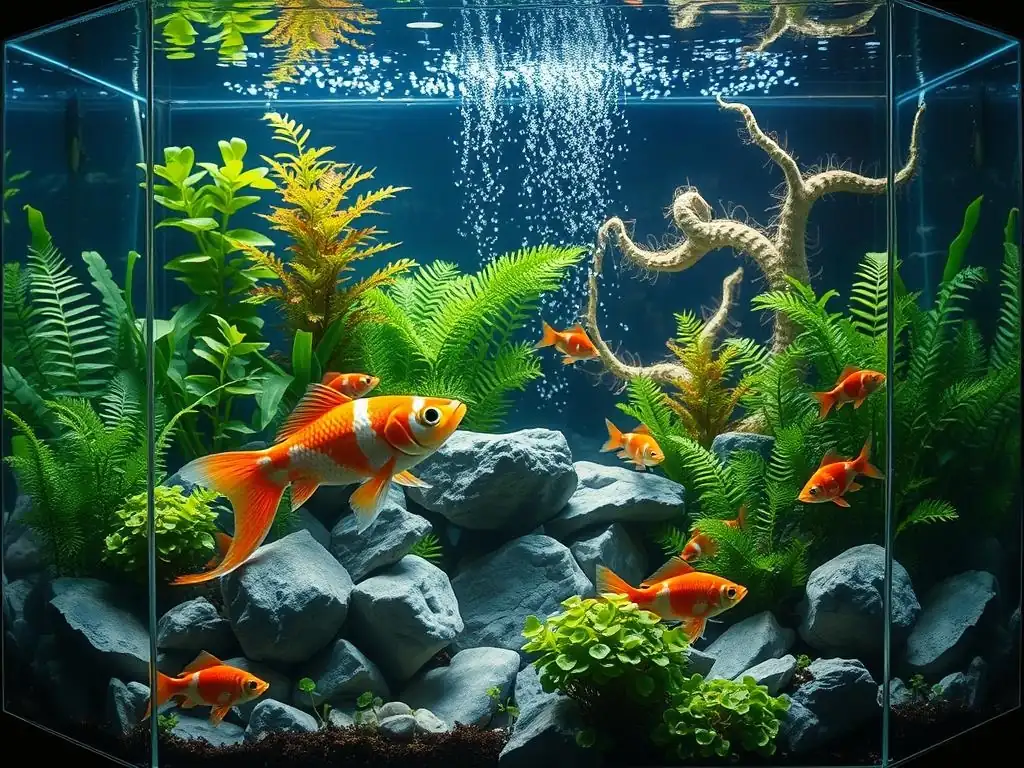
Welcome to Aquarium Mastery!
Is your Mollies tank looking less lively than you'd hoped? Discover the secrets to keeping your Mollies thriving in our detailed guide, " Why Are My Mollies Dying? Common Causes and Prevention." Dive in to uncover the hidden stressors and simple solutions that can transform your freshwater aquarium from a danger zone to a Mollies paradise. Ready to unlock the secrets to a healthy and happy tank? Let's get started!
- Why Are My Mollies Dying? Common Causes and Prevention in Freshwater Aquariums
- Understanding Molly Fish Health in Freshwater Aquariums
- Common Causes of Molly Deaths in Freshwater Aquariums
- Preventing Molly Deaths: Best Practices for a Healthy Freshwater Aquarium
- Troubleshooting Molly Health Problems
- Advanced Molly Care Tips for Longevity
- Conclusion: Ensuring a Thriving Molly Population in Your Freshwater Aquarium
-
Frequently Asked Questions
- Why are my Mollies dying in my freshwater aquarium?
- What are the most common diseases that affect Mollies in freshwater aquariums?
- How important is water chemistry for the health of Mollies?
- What role does aquarium size play in preventing Mollies from dying?
- What preventative measures can I take to ensure my Mollies thrive?
- Final Reflection: Understanding the Fragility of Life in Our Aquariums
- Uncover the Secrets to Thriving Mollies!
Why Are My Mollies Dying? Common Causes and Prevention in Freshwater Aquariums
Understanding Molly Fish Health in Freshwater Aquariums
Introduction to Molly Fish and Their Popularity
Molly fish, encompassing several species within the Poecilia genus, are among the most popular choices for freshwater aquariums due to their vibrant colors, active nature, and relatively easy care. Varieties like the Sailfin Molly, Black Molly, and Balloon Molly add dynamic beauty to community tanks. Their adaptability to a range of water conditions, including slightly brackish environments, often leads aquarists to believe they are exceptionally hardy, making them a common entry point for new hobbyists.
Despite their general hardiness, mollies are sensitive to specific environmental stressors and conditions that, if neglected, can quickly lead to health issues and even death. Their prolific breeding nature means that a single successful pair can quickly populate a tank, further emphasizing the need for proper care and maintenance to ensure the well-being of a growing molly population. Understanding their needs is crucial for any aquarist looking to keep these captivating fish thriving.
The Importance of Identifying the Cause of Molly Deaths
When mollies begin to die in a freshwater aquarium, it is a clear indicator that something is fundamentally wrong within their environment or with their care. Promptly identifying the underlying cause is not merely about preventing further losses but is essential for the health and survival of all other inhabitants in the tank. Ignoring the issue can lead to a domino effect, where problems like poor water quality or disease spread rapidly, potentially wiping out an entire aquatic ecosystem.
Proactive diagnosis involves observing fish behavior, testing water parameters, and reviewing husbandry practices. For instance, an outbreak of Ich that claims a few mollies might quickly spread to other susceptible species if not addressed immediately. Similarly, persistent high ammonia levels, which could cause mollies dying freshwater aquarium, will eventually affect even the hardiest of tank mates. Understanding why mollies are dying allows for targeted interventions, safeguarding the entire aquatic community and preventing future occurrences.
Common Causes of Molly Deaths in Freshwater Aquariums
Poor Water Quality: A Leading Cause of Molly Deaths
Poor water quality stands as the single most common reason why mollies dying freshwater aquarium occurs. Fish are entirely reliant on their aquatic environment for survival, and deviations from optimal parameters can quickly become toxic. Accumulation of waste products, improper pH, or incorrect temperature can all contribute to severe stress and direct poisoning, leading to a rapid decline in fish health.
Mollies, while tolerant of some fluctuations, are particularly susceptible to the toxic effects of the nitrogen cycle's byproducts. A tank that appears clear might still harbor invisible dangers that slowly or quickly incapacitate fish. Regular monitoring and proactive management of water parameters are non-negotiable for preventing widespread losses and ensuring a stable, healthy environment for your mollies.
Ammonia and Nitrite Poisoning in Molly Tanks
Ammonia (NH₃/NH₄⁺) is a highly toxic compound produced by fish waste, uneaten food, and decaying organic matter. In a new or improperly cycled aquarium, beneficial bacteria that convert ammonia into less harmful substances are insufficient, leading to rapid accumulation. Even at concentrations as low as 0.02 parts per million (ppm), ammonia can cause gill damage, internal organ failure, and severe stress, often resulting in mollies dying freshwater aquarium.
Nitrite (NO₂⁻), the intermediate product of ammonia conversion, is also highly toxic. It interferes with the fish's ability to absorb oxygen, essentially suffocating them from the inside. Nitrite levels above 0.5 ppm can be lethal, causing brown blood disease (methemoglobinemia) where blood can no longer carry oxygen effectively. Both ammonia and nitrite poisoning are acute threats, frequently responsible for sudden and unexplained molly deaths, particularly in newly set up tanks or those experiencing a bacterial colony crash.
High Nitrate Levels and Their Impact on Mollies
Nitrate (NO₃⁻) is the final product of the nitrogen cycle, considered far less toxic than ammonia or nitrite, but still detrimental in high concentrations. While an established, healthy aquarium should have detectable nitrate, levels consistently above 20 ppm can lead to chronic stress, weakened immune systems, and increased susceptibility to diseases. For mollies, which thrive in cleaner water, nitrate levels ideally should be kept below 10 ppm.
Prolonged exposure to elevated nitrates can manifest as lethargy, loss of appetite, stunted growth, and a general decline in vibrancy among mollies. Though it may not cause immediate death like ammonia or nitrite, high nitrate levels contribute significantly to a fish's overall stress load, making them more vulnerable to infections and ultimately reducing their lifespan. This chronic stress is a subtle yet potent factor in many cases of mollies dying freshwater aquarium.
Maintaining Proper Water Parameters for Molly Health (pH, Temperature, Hardness)
Mollies are adaptable, but they thrive within specific water parameters that mimic their natural habitats. They prefer slightly alkaline water with a pH range of 7.0 to 8.5, with an ideal around 7.5-8.0. Significant or rapid fluctuations outside this range can cause severe osmotic stress, impacting their metabolic functions and leading to organ damage. Maintaining a stable pH is more crucial than hitting an exact number, as sudden shifts are far more dangerous than consistent, slightly off parameters.
Temperature is also vital, with mollies preferring tropical conditions between 72-78°F (22-26°C). Temperatures outside this range can suppress their immune system, slow metabolism, or cause thermal shock. Furthermore, mollies prefer moderately hard to very hard water, typically 10-25 dGH (degrees of General Hardness) or 180-450 ppm. This hardness provides essential minerals like calcium and magnesium, which are crucial for their osmoregulation and overall health, especially given their tolerance for brackish conditions in the wild.
Inadequate Tank Size and Overcrowding
The physical space provided to mollies significantly impacts their health and longevity. An aquarium that is too small for the number of fish it houses, or for the adult size of the mollies themselves, invariably leads to stress and a decline in well-being. A single molly generally requires a minimum of 10 gallons, with an additional 5 gallons for each subsequent molly, especially considering their active swimming habits and potential for rapid breeding.
Overcrowding not only restricts swimming space but also intensifies competition for resources like food and hiding spots. This constant low-level stress weakens the fish's immune system, making them highly susceptible to diseases that might otherwise be easily fended off. Many cases of mollies dying freshwater aquarium can be traced back to the cumulative effects of living in a cramped, stressful environment.
Stressed Mollies: The Result of Insufficient Space
When mollies are kept in tanks that are too small or are overcrowded, they experience chronic stress. This stress is not merely psychological; it has profound physiological impacts. The constant perceived threat from other fish, the lack of personal space, and the inability to establish territories activate a stress response that diverts energy from essential bodily functions like immune defense, growth, and reproduction.
This weakened immune system makes stressed mollies highly vulnerable to common pathogens that healthy fish would easily resist. Symptoms of chronic stress can include clamped fins, faded colors, lethargy, loss of appetite, and increased susceptibility to opportunistic infections like Ich or Fin Rot. Ultimately, the sustained physiological burden from insufficient space significantly contributes to mollies dying freshwater aquarium prematurely.
Bio-load and Water Quality Issues in Overcrowded Tanks
Overcrowding directly correlates with an increased bio-load, which refers to the total amount of waste produced by the tank inhabitants. More fish in a given volume of water means more ammonia, nitrite, and nitrate are produced at a faster rate. Even with a good filtration system, an excessive bio-load can overwhelm the beneficial bacteria responsible for the nitrogen cycle, leading to dangerous spikes in toxic compounds.
This rapid accumulation of waste products creates a constant battle against deteriorating water quality, even with frequent water changes. The filter may struggle to keep up, and the beneficial bacteria colony might not be large enough to process the waste efficiently. Consequently, fish are constantly exposed to sub-optimal water conditions, leading to chronic stress, compromised health, and an increased likelihood of mollies dying freshwater aquarium.
Diseases and Infections Affecting Mollies
Mollies, like all fish, are susceptible to a range of diseases caused by bacteria, fungi, parasites, and viruses. While a strong immune system can fend off many potential threats, stress from poor water quality, inadequate diet, or improper tank conditions leaves them vulnerable. Recognizing the symptoms of common diseases early is critical for effective treatment and preventing widespread fatalities.
Diseases can spread rapidly within a confined aquarium environment, especially if conditions are conducive to pathogen proliferation. An otherwise healthy tank can quickly turn into a disease hotbed if a sick fish is introduced without quarantine or if environmental stressors weaken the entire population. Prompt diagnosis and treatment are paramount to saving affected mollies and protecting the rest of the fish community.
Ich (White Spot Disease) and Mollies
Ichthyophthirius multifiliis, commonly known as Ich or White Spot Disease, is one of the most prevalent and recognizable parasitic infections in freshwater aquariums. It manifests as small, salt-grain-sized white spots on the fish's body, fins, and gills. Mollies, particularly when stressed, are highly susceptible to Ich, which is often triggered by sudden temperature fluctuations or the introduction of new, infected fish.
The Ich parasite burrows into the fish's skin, causing irritation, flashing (rubbing against objects), clamped fins, and labored breathing as it affects the gills. While in the fish, it is protected from medication. After maturing, it falls off, encysts, multiplies, and releases hundreds of new free-swimming parasites that seek new hosts. If left untreated, severe Ich infestations can lead to extensive tissue damage, secondary bacterial infections, and ultimately, mollies dying freshwater aquarium in large numbers.
Fin Rot and Other Bacterial Infections in Mollies
Fin Rot is a common bacterial infection that often afflicts mollies, especially those under stress from poor water quality, bullying, or injury. It is characterized by the fraying, discoloration, and eventual disintegration of the fins and tail, sometimes with a red or white inflamed base. The bacteria responsible, often Aeromonas or Pseudomonas species, are typically present in the aquarium but only become problematic when a fish's immune system is compromised.
Other bacterial infections, such as Columnaris (often mistaken for a fungus due to its cotton-like appearance around the mouth or body), can also cause rapid deterioration of molly health. Symptoms include white or grayish patches, rapid breathing, and lethargy. These infections can be highly contagious and, if not treated promptly with appropriate antibiotics, can quickly lead to systemic infection and contribute significantly to mollies dying freshwater aquarium.
Parasitic Infections in Freshwater Mollies
Beyond Ich, mollies can suffer from a variety of other parasitic infections, both external and internal. External parasites like flukes (Dactylogyrus and Gyrodactylus) attach to the gills or body, causing irritation, excessive mucus production, rapid breathing, and flashing. They can lead to secondary bacterial infections and severe gill damage, significantly impacting the fish's ability to breathe.
Internal parasites, such as intestinal worms (e.g., Capillaria), can cause mollies to become emaciated despite eating well, exhibit stringy white feces, or become lethargic. These parasites absorb nutrients, weakening the fish over time and making them susceptible to other diseases. Identifying these less obvious parasitic infections often requires careful observation of behavior and changes in appearance, as they are a significant factor in mollies dying freshwater aquarium slowly over time.
Improper Acclimation of New Mollies
The process of introducing new fish to an existing aquarium, known as acclimation, is a critical step that is often overlooked or rushed. New mollies arriving from a pet store or breeder have been through significant stress due to capture, transport, and confinement in small bags. They are also likely accustomed to water parameters (pH, temperature, hardness) that differ from their new home.
Improper acclimation can cause severe shock to the fish's system, leading to immediate stress, weakened immunity, and susceptibility to disease. This physiological shock is a major cause of initial fatalities, often seen within the first few hours or days of introduction. Many instances of mollies dying freshwater aquarium shortly after purchase are directly attributable to a rushed or incorrect acclimation process.
The Stress of Introducing Mollies to a New Tank
When a molly is transferred from one environment to another with different water parameters, its body undergoes immense osmotic stress. Fish constantly regulate the balance of salts and water in their bodies, and sudden changes in pH, temperature, or salinity can overwhelm this system. This shock can manifest as rapid breathing, erratic swimming, loss of balance, or simply lying at the bottom of the tank.
Beyond the physical shock, the new environment presents psychological stress. New sights, sounds, smells, and tank mates can be overwhelming. This combined physical and mental stress severely compromises the molly's immune system, making it highly vulnerable to opportunistic pathogens that are present in the new tank or that it may have been carrying asymptomatically. This vulnerability is a primary reason for mollies dying freshwater aquarium during the initial days post-introduction.
Acclimation Procedures to Minimize Molly Deaths
To minimize stress and prevent mollies dying freshwater aquarium upon introduction, a slow and deliberate acclimation process is essential. The drip acclimation method is highly recommended:
- Float the sealed bag in the aquarium for 15-20 minutes to equalize temperature.
- Open the bag, roll down the edges to form a float, and secure it.
- Using airline tubing with a knot to control flow, slowly drip water from the aquarium into the bag. Aim for 1-2 drips per second.
- Allow the water volume in the bag to double over 30-60 minutes.
- Carefully net the molly out of the bag and place it into the aquarium. Discard the bag water; do not add it to the tank.
This gradual process allows the fish to slowly adjust to the new water parameters, significantly reducing shock and improving survival rates.
Nutritional Deficiencies in Molly Diets
A balanced and varied diet is fundamental to the health and vitality of mollies. Like all living creatures, they require a range of nutrients, including proteins, fats, carbohydrates, vitamins, and minerals, to support growth, maintain bodily functions, and fuel their immune system. A diet lacking in essential nutrients, or one that is monotonous, can lead to a gradual decline in health that often goes unnoticed until it's too late.
Nutritional deficiencies do not typically cause immediate death but rather weaken the fish over time, making them more susceptible to diseases, stunted growth, and organ failure. A compromised immune system, due to poor nutrition, is a common underlying factor when mollies dying freshwater aquarium from seemingly minor infections or environmental stressors.
The Importance of a Balanced Diet for Mollies
Mollies are omnivores, meaning their natural diet in the wild consists of both plant matter (algae, detritus) and small invertebrates (worms, insects). To thrive in an aquarium, their diet must reflect this diversity. High-quality flake foods designed for tropical fish should form the staple, but these alone are often insufficient. Supplementing with spirulina-based foods provides essential plant matter, crucial for their digestive health and vibrant coloration.
Additionally, protein-rich foods like freeze-dried or frozen brine shrimp, daphnia, and bloodworms should be offered periodically. These provide necessary amino acids and fats for energy and tissue repair. A diet that encompasses a variety of sources ensures that mollies receive a full spectrum of nutrients, bolstering their immune system and significantly reducing the likelihood of mollies dying freshwater aquarium due to dietary shortcomings.
Common Feeding Mistakes that Can Lead to Molly Deaths
One of the most common feeding mistakes is overfeeding. While it might seem harmless, excess food quickly decays, contributing to a rapid increase in ammonia and nitrite levels, directly compromising water quality. Overfeeding can also lead to internal issues for the fish, such as swim bladder problems or fatty liver disease due to obesity, making them more susceptible to other ailments.
Conversely, underfeeding or feeding only one type of food can lead to malnutrition. Mollies, particularly breeding females, have high metabolic rates and require consistent, nutritious meals. Feeding only cheap, low-quality flakes can result in a lack of essential vitamins and minerals, leading to stunted growth, faded colors, and a weakened immune system. Both overfeeding and underfeeding, or an imbalanced diet, are significant, preventable factors in why mollies dying freshwater aquarium occurs.
Aggression and Bullying from Tank Mates
While mollies are generally peaceful community fish, they can become targets of aggression if housed with incompatible tank mates. Aggressive or territorial fish can constantly harass mollies, nipping their fins, chasing them, or preventing them from accessing food and hiding spots. This continuous bullying creates a highly stressful environment for the mollies.
The chronic stress from aggression significantly weakens a molly's immune system, making them highly vulnerable to diseases. Physical injuries from fin nipping can also lead to secondary bacterial or fungal infections like Fin Rot. Identifying and addressing aggression is crucial for preventing injuries, disease outbreaks, and ultimately, mollies dying freshwater aquarium due to stress-related issues.
Identifying Aggressive Fish Species
Certain fish species are known for their aggressive or territorial behaviors and are generally not suitable tank mates for peaceful mollies. Examples include many species of cichlids (especially larger or more aggressive ones like Convict Cichlids or certain African Cichlids), some larger barbs (e.g., Tiger Barbs known for nipping fins), and certain gouramis. Even seemingly docile fish can become aggressive if their space requirements are not met or if they are breeding.
It is crucial for aquarists to research the temperament and compatibility of any fish before introducing them to a molly tank. A mismatch in temperament or size can lead to constant harassment, fin damage, and chronic stress for the mollies. Such stress is a significant, often underestimated, factor in why mollies dying freshwater aquarium even when other parameters seem adequate.
Creating a Peaceful Community Tank for Mollies
To ensure a peaceful environment for mollies, careful planning of tank mates and tank setup is essential.
- Compatible Species: Choose peaceful, similarly sized fish that prefer similar water parameters. Good choices include Corydoras catfish, peaceful tetras (e.g., Neon Tetras, Rummy Nose Tetras), Rasboras, and other livebearers like platies or guppies.
- Male-to-Female Ratio: For mollies themselves, maintain a ratio of at least two or three females for every male to diffuse male aggression and prevent a single female from being constantly harassed during breeding attempts.
- Adequate Space: Provide ample swimming room and ensure the tank is sufficiently large for all inhabitants to establish their own territories without constant conflict. A 20-gallon tank is often a good starting point for a small group of mollies, but larger is always better for a mixed community.
- Hiding Spots: Furnish the aquarium with plenty of plants (live or artificial), caves, and driftwood. These provide visual barriers and safe havens where bullied fish can retreat, reducing stress and preventing injuries that could lead to mollies dying freshwater aquarium.
Preventing Molly Deaths: Best Practices for a Healthy Freshwater Aquarium
Regular Water Changes and Testing
Consistent and routine water changes are the single most impactful preventative measure an aquarist can take to ensure the health of their mollies and prevent mollies dying freshwater aquarium. Water changes remove accumulated nitrates, phosphates, and other dissolved organic compounds that filtration alone cannot eliminate. They also replenish essential minerals and trace elements that are depleted over time.
Alongside water changes, regular water testing provides crucial insights into the tank's chemical balance. It acts as an early warning system, allowing aquarists to identify and correct issues with ammonia, nitrite, nitrate, and pH before they become life-threatening. This proactive approach to water quality management is the cornerstone of a thriving freshwater aquarium.
The Frequency and Volume of Water Changes
For most established molly tanks with a moderate bio-load, a weekly water change of 25-30% of the total tank volume is generally recommended. This frequency and volume effectively dilute accumulated toxins and maintain stable water parameters without causing significant stress to the fish. In cases of higher bio-load (e.g., an overcrowded tank or one with large, messy eaters) or higher-than-desired nitrate levels, more frequent or larger water changes (e.g., 50% bi-weekly) may be necessary.
It is crucial to use dechlorinated water that is temperature-matched to the aquarium water to prevent shocking the fish. Rapid temperature swings or exposure to chlorine/chloramines can cause severe stress and contribute to mollies dying freshwater aquarium. Consistency is key: regular, smaller water changes are far superior to infrequent, large ones which can create instability.
Using Test Kits to Monitor Water Parameters
Reliable water test kits are indispensable tools for any serious aquarist aiming to prevent mollies dying freshwater aquarium. Liquid reagent test kits, while requiring a bit more effort, offer significantly more accurate results than test strips. Essential parameters to monitor regularly include:
- Ammonia (NH₃/NH₄⁺): Should always be 0 ppm. Any detectable level indicates a problem with the nitrogen cycle.
- Nitrite (NO₂⁻): Should also be 0 ppm. Like ammonia, any presence is highly toxic.
- Nitrate (NO₃⁻): Should be kept below 20 ppm, ideally under 10 ppm for mollies.
- pH: Monitor for stability within the ideal range of 7.0-8.5.
- Temperature: Ensure it remains stable within 72-78°F (22-26°C).
Testing weekly during the initial cycling phase and then bi-weekly or monthly for established tanks allows for early detection of issues, enabling timely corrective action before fish health is compromised.
Maintaining a Properly Filtered Aquarium
A robust and properly maintained filtration system is critical for a healthy freshwater aquarium and directly prevents mollies dying freshwater aquarium. Filtration performs three essential functions:
- Mechanical Filtration: Removes physical debris like uneaten food and fish waste from the water column, improving clarity and preventing organic decay.
- Biological Filtration: Provides a porous surface area for beneficial bacteria to colonize. These bacteria are vital for the nitrogen cycle, converting toxic ammonia and nitrite into less harmful nitrate.
- Chemical Filtration: Uses activated carbon or other media to remove dissolved organic compounds, odors, and discolouration.
Without effective filtration, toxins would quickly accumulate, making the tank uninhabitable for fish.
Choosing the Right Filter for Your Molly Tank
Selecting the appropriate filter size and type is crucial for efficient water purification. Filters are typically rated by their flow rate (gallons per hour, GPH) and the maximum tank volume they can handle. For mollies, it's generally recommended to choose a filter rated for at least 2-3 times the actual tank volume. For example, a 20-gallon molly tank would benefit from a filter rated for 40-60 gallons.
Common filter types include:
- Hang-on-Back (HOB) filters: Popular for their ease of use and good mechanical/biological filtration.
- Canister filters: Offer superior filtration capacity and media options, ideal for larger tanks or higher bio-loads.
- Sponge filters: Excellent for biological filtration and gentle flow, often used in breeding tanks or as supplemental filtration.
Ensure the filter chosen has adequate space for biological media to support a thriving colony of beneficial bacteria, which is the backbone of a healthy nitrogen cycle.
Filter Maintenance and Cleaning Schedules
Regular filter maintenance is essential to ensure its continued effectiveness and prevent the release of trapped pollutants back into the water. Mechanical filter media (sponges, floss) should be rinsed or replaced periodically, typically every 2-4 weeks, depending on tank bio-load. When rinsing, always use old tank water (siphoned during a water change) rather than tap water, as chlorine in tap water can kill beneficial bacteria.
Biological media, which houses the crucial nitrifying bacteria, should be disturbed as little as possible. It generally only needs gentle rinsing in old tank water if it becomes heavily clogged. Chemical media like activated carbon typically needs replacement every 2-4 weeks as its adsorptive capacity becomes exhausted. Neglecting filter maintenance can lead to reduced efficiency, a build-up of detritus, and ultimately, a decline in water quality that contributes to mollies dying freshwater aquarium.
Quarantine New Fish Before Introduction
One of the most effective strategies to prevent the introduction and spread of diseases in a freshwater aquarium is to quarantine all new fish before adding them to the main display tank. Even seemingly healthy fish can carry dormant parasites, bacteria, or viruses that, when introduced to a new environment, can flare up and infect existing inhabitants. This simple preventative step can save an entire tank from devastating outbreaks.
A dedicated quarantine tank, even a small 10-gallon setup, provides a controlled environment to observe new mollies for signs of illness, treat them if necessary, and allow them to recover from the stress of transport. This proactive measure significantly reduces the risk of mollies dying freshwater aquarium due to newly introduced pathogens.
The Benefits of a Quarantine Tank
A quarantine tank offers several crucial benefits:
- Disease Prevention: It isolates new fish, preventing the spread of any diseases they might be carrying to the established inhabitants of the main aquarium. This is particularly important for common issues like Ich, which can quickly decimate an entire tank.
- Observation: It provides a controlled environment to observe new mollies for signs of stress or illness without the visual clutter of a decorated display tank. Symptoms often become apparent within the first week or two.
- Treatment: If a new fish shows signs of illness, it can be treated in the quarantine tank without exposing the main tank's inhabitants to medication, which can sometimes harm beneficial bacteria or invertebrates.
- Stress Reduction: New fish can acclimate to their new surroundings and recover from transport stress in a less competitive environment before being introduced to a larger community.
A quarantine period of 2-4 weeks is generally recommended, allowing sufficient time for most latent diseases to manifest.
Quarantine Procedures for New Mollies
Setting up a quarantine tank for new mollies is straightforward. A 10-20 gallon tank with a simple sponge filter (for biological filtration and gentle current), a heater, and a few PVC pipes or artificial plants for hiding spots is sufficient. Avoid substrate or elaborate decorations, as these can make observation and cleaning difficult.
Once the quarantine tank is cycled, new mollies can be introduced using the drip acclimation method. During the 2-4 week quarantine period:
- Observe Daily: Look for any signs of illness (white spots, clamped fins, lethargy, loss of appetite, abnormal swimming).
- Maintain Water Quality: Perform regular small water changes and test parameters frequently.
- Prophylactic Treatment (Optional): Some aquarists choose to administer a broad-spectrum anti-parasitic or anti-bacterial medication as a preventative measure, though this should be done with caution and research.
Only after the quarantine period, with no signs of disease, should the mollies be slowly acclimated to the main tank. This diligent approach drastically reduces the risk of mollies dying freshwater aquarium and protects your entire fish collection.
Provide a Balanced and Varied Diet
A cornerstone of preventing mollies dying freshwater aquarium and ensuring their long-term health is providing a consistently balanced and varied diet. Just as with humans, proper nutrition directly impacts the immune system, energy levels, growth, and overall vitality of fish. Mollies, being omnivores with a preference for some plant matter, require a diverse range of nutrients to thrive.
Relying solely on a single type of food, even a high-quality one, can lead to subtle nutritional deficiencies over time. A varied diet mimics their natural foraging habits and ensures they receive all necessary vitamins, minerals, proteins, and fats. This proactive dietary management boosts their resilience against disease and environmental stressors.
Recommended Foods for Mollies
To provide a comprehensive diet for mollies, consider incorporating the following:
- High-Quality Flake Food: This should form the staple of their diet. Look for flakes specifically formulated for tropical fish, with a good protein content and added vitamins. Brands like TetraMin Tropical Flakes or Omega One Flakes are popular choices.
- Spirulina Flakes or Pellets: Given their omnivorous nature and preference for plant matter, spirulina-based foods are excellent for mollies. Spirulina is a blue-green algae rich in vitamins, minerals, and carotenoids, which enhance color and support digestive health.
- Frozen/Freeze-Dried Foods: Supplement with protein-rich options like brine shrimp, daphnia, and bloodworms. These provide essential amino acids and fats, and their natural forms encourage feeding behavior. Offer these a few times a week.
- Live Foods (Caution Recommended): If sourced safely (e.g., cultured at home), live daphnia or brine shrimp can be an excellent treat, providing natural enrichment and highly digestible nutrients. However, live foods from unknown sources carry a risk of introducing parasites.
Feed small amounts 2-3 times a day, only what they can consume within 2-3 minutes, to prevent overfeeding and water pollution.
Supplementing Their Diet with Vegetables and Live Foods
Beyond commercial flakes and frozen options, mollies benefit greatly from occasional vegetable supplements. Blanched (briefly boiled until soft) green vegetables like zucchini slices, shelled peas, or spinach can be offered a few times a week. These provide additional fiber, vitamins, and minerals, aiding digestion and preventing issues like constipation. Secure heavier vegetables with a clip or weight to prevent them from floating.
While live foods carry a slight risk if not sourced reliably, they offer unparalleled nutritional value and stimulate natural hunting behaviors. Live daphnia and brine shrimp are excellent choices, providing highly digestible protein and promoting activity. However, avoid feeding large, tough-to-digest live foods that could cause internal blockages. A balanced approach to feeding, combining various food types, is key to preventing mollies dying freshwater aquarium due to nutritional deficiencies.
Observe Your Mollies Regularly for Signs of Illness
Daily observation of your mollies is perhaps the simplest yet most effective preventative measure against widespread illness and mollies dying freshwater aquarium. Fish often exhibit subtle changes in behavior or appearance in the early stages of disease, long before the illness becomes severe or contagious. A keen eye can catch these early warnings, allowing for prompt intervention before the condition escalates.
Regular observation means more than just a quick glance; it involves actively looking at each fish, noting their swimming patterns, breathing rate, fin posture, color intensity, and appetite. Early detection provides a critical window for treatment, often leading to a much better prognosis and preventing the spread of disease to other tank inhabitants.
Early Detection of Molly Diseases
Knowing what to look for can significantly improve your chances of early disease detection in mollies:
- Changes in Swimming Pattern: Erratic swimming, darting, spiraling, shimmying (rocking back and forth), or difficulty maintaining buoyancy.
- Clamped Fins: Fins held tight against the body, rather than spread naturally.
- Labored Breathing: Rapid gill movements, gasping at the surface.
- Loss of Appetite: Refusing food or spitting it out.
- Color Changes: Faded colors, darkening, or unusual patches.
- External Lesions: White spots (Ich), cotton-like growths (fungus/Columnaris), frayed fins (Fin Rot), red streaks (sepsis), ulcers, or bumps.
- Behavioral Changes: Hiding excessively, rubbing against objects (flashing), lethargy, isolating themselves.
Any of these signs warrant immediate investigation, including water testing and closer examination of the affected fish. Acting quickly can often prevent mollies dying freshwater aquarium from easily treatable conditions.
Treating Common Molly Ailments Promptly
Once symptoms are identified, prompt and appropriate treatment is crucial. For common ailments, consider these steps:
- Isolate: If possible, move the sick molly to a separate hospital tank. This prevents the spread of disease and allows for targeted medication without affecting the main tank's beneficial bacteria or other sensitive inhabitants.
- Confirm Diagnosis: Research the symptoms to identify the most likely disease. Online resources, fish disease charts, and consultation with experienced aquarists or veterinarians can help.
- Choose Appropriate Medication: Select a medication specifically designed for the identified disease (e.g., anti-parasitic for Ich, antibiotic for bacterial infections). Always follow the manufacturer's dosage instructions precisely. Overdosing can be as harmful as the disease itself.
- Maintain Water Quality: Ensure excellent water parameters in both the hospital and main tank. Clean water is a powerful aid to recovery.
For minor issues like very early Fin Rot, sometimes simply improving water quality and adding aquarium salt (1-2 teaspoons per gallon) can be sufficient. However, for more advanced infections, medication is often necessary to prevent mollies dying freshwater aquarium.
Troubleshooting Molly Health Problems
Diagnosing Molly Diseases: A Visual Guide
Diagnosing molly diseases often begins with visual cues. A systematic approach to observation can help pinpoint the problem:
- White Spots (like salt grains) on Body/Fins: Highly indicative of Ich (White Spot Disease). Fish may also "flash" or rub against tank decor.
- Cotton-like Growths or Fuzzy Patches: Suggestive of fungal infections or Columnaris (a bacterial infection often mistaken for fungus). These can appear on the mouth, fins, or body.
- Frayed, Torn, or Disintegrating Fins: Classic signs of Fin Rot, a bacterial infection often triggered by poor water quality or injury. The edges may be red or inflamed.
- Bloated Body, Scales Protruding (Pinecone Appearance): Potentially Dropsy, a symptom of internal organ failure (often kidney failure) due to bacterial infection or severe stress. This is usually a late-stage symptom.
- Emaciation, Sunken Belly, Stringy White Feces: Points towards internal parasitic infections (e.g., intestinal worms) or chronic malnutrition.
- Red Streaks on Body/Fins, Red Gills: Can indicate severe ammonia/nitrite poisoning or a systemic bacterial infection (septicemia).
- Cloudy Eyes or Slime Coat: Often a sign of poor water quality, bacterial infection, or external parasites.
Knowing these visual indicators helps in rapidly identifying why mollies dying freshwater aquarium and taking appropriate action.
Treating Sick Mollies: Medications and Treatments
Once a diagnosis is made, selecting the correct treatment is paramount. It is always best to treat sick mollies in a separate hospital tank to avoid medicating the main display tank.
- Ich: Increase water temperature gradually to 82-84°F (28-29°C) (if compatible with tank mates), add aquarium salt (1 teaspoon per gallon, dissolved first), and use an Ich-specific medication containing malachite green or formalin (e.g., Seachem ParaGuard, API Super Ick Cure). Treatment typically lasts 7-10 days to break the parasite's life cycle.
- Bacterial Infections (Fin Rot, Columnaris, Septicemia): Treat with broad-spectrum antibiotics like Furan-2, Erythromycin, or Maracyn 2. Good water quality is crucial for recovery. For minor Fin Rot, frequent water changes and aquarium salt can sometimes resolve the issue.
- Fungal Infections: Often treated with antifungal medications containing phenoxyethanol or malachite green. Ensure proper water quality, as fungi are often opportunistic.
- Internal Parasites: Medications containing metronidazole (e.g., Seachem Metronidazole) or praziquantel (e.g., PraziPro) are used, often mixed with food.
Always remove activated carbon from the filter during medication, as it will absorb the treatment. Follow dosage instructions carefully and complete the full course of treatment, even if symptoms improve, to prevent recurrence and ensure that mollies dying freshwater aquarium ceases.
Advanced Molly Care Tips for Longevity
Breeding Mollies Responsibly
Mollies are prolific livebearers, meaning they give birth to live, free-swimming fry rather than laying eggs. A single female molly can give birth to 20-100 fry every 30-60 days. While exciting, responsible breeding requires planning to prevent overpopulation and ensure the health of both parents and offspring. Without proper management, a rapidly expanding population can quickly overwhelm a tank's filtration and space, leading to stressed, stunted, and mollies dying freshwater aquarium.
To breed mollies responsibly:
- Adequate Space: Have a plan for the fry. A separate breeding tank or large, heavily planted tank is ideal to protect fry from being eaten by adults.
- Fry Care: Provide fine-particle fry food (e.g., crushed flakes, specialized fry foods) and maintain pristine water quality with frequent small water changes.
- Population Control: Be prepared to rehome excess fry or have a larger tank to accommodate the growing numbers. Uncontrolled breeding in a small tank is a major contributor to poor water quality and widespread molly deaths.
Planted Tanks and Molly Health
Incorporating live plants into a molly aquarium offers numerous benefits that contribute to their overall health and longevity. Live plants act as natural filters, absorbing nitrates and other pollutants from the water, which helps maintain stable water parameters and reduce the frequency of water changes required to keep nitrates in check. This inherent water purification helps prevent mollies dying freshwater aquarium due to poor water quality.
Beyond water quality, live plants provide essential hiding spots and visual barriers, reducing stress and aggression among mollies and other tank mates. This natural environment mimics their wild habitat, promoting natural behaviors and enhancing their sense of security. Plants also contribute to oxygenation through photosynthesis during the day, further improving the aquatic environment. A well-planted tank creates a more stable, enriched, and aesthetically pleasing home for your mollies, fostering a thriving population.
Conclusion: Ensuring a Thriving Molly Population in Your Freshwater Aquarium
The vibrant molly fish, a staple of freshwater aquariums, can thrive for years with proper care, but they are also susceptible to common pitfalls that lead to mollies dying freshwater aquarium. Understanding and addressing the primary causes of their demise—poor water quality, inadequate tank conditions, disease, improper acclimation, and nutritional deficiencies—is paramount for any aquarist. Each factor, whether acute or chronic, plays a significant role in their health and longevity.
By diligently adhering to best practices such as regular water changes and testing, maintaining robust filtration, quarantining new fish, providing a balanced diet, and consistently observing your mollies for early signs of distress, you can create a stable, healthy environment. These proactive measures not only prevent tragic losses but also foster a thriving, active, and colorful molly population, ensuring the enduring beauty and enjoyment of your freshwater aquarium.
Frequently Asked Questions
Why are my Mollies dying in my freshwater aquarium?
Mollies dying are often a sign of poor water quality, sudden changes in water parameters, or disease. It's crucial to test your water regularly and ensure proper filtration and temperature control.
What are the most common diseases that affect Mollies in freshwater aquariums?
Ich (white spot disease), fin rot, and swim bladder disease are common diseases affecting Mollies. These are often triggered by stress or poor water conditions.
How important is water chemistry for the health of Mollies?
Maintaining proper water chemistry is vital. Mollies prefer slightly hard and alkaline water. Regularly test for ammonia, nitrite, and nitrate levels to ensure they are within safe parameters.
What role does aquarium size play in preventing Mollies from dying?
An appropriately sized aquarium is crucial to prevent overcrowding and maintain water quality. Overcrowding stresses fish, making them more susceptible to disease and premature death.
What preventative measures can I take to ensure my Mollies thrive?
Regular water changes, proper filtration, a balanced diet, and quarantine of new fish are essential preventative measures. Observation for early signs of illness is also key.
Final Reflection: Understanding the Fragility of Life in Our Aquariums
The preceding exploration into the reasons mollies are dying in freshwater aquariums serves as a stark reminder of the delicate balance within these miniature ecosystems. It's easy to be captivated by the vibrant colors and graceful movements of these fish, but neglecting the fundamental principles of responsible aquarium keeping can quickly lead to devastating losses. Understanding these common causes, from poor water quality to incompatible tank mates, is the first crucial step in ensuring the health and longevity of our aquatic companions.
This journey into the world of molly care has highlighted the profound responsibility we undertake when bringing these creatures into our homes. It's a responsibility that extends beyond simply providing food and water; it demands a commitment to understanding their needs, maintaining a stable environment, and observing their behavior for early signs of distress. The greatness of a nation and its moral progress can be judged by the way its animals are treated.
- Mahatma Gandhi. This quote, though broad, resonates deeply within the context of aquarium keeping, reminding us that our actions directly impact the well-being of these sentient beings.
Now, armed with this knowledge, I urge you to reflect on your own aquarium practices. Are you truly providing the optimal environment for your mollies to thrive? Take the time to reassess your water parameters, observe your fish closely, and continuously educate yourself on best practices. By embracing a proactive and compassionate approach, you can transform your aquarium from a potential death trap into a vibrant and flourishing ecosystem, where your mollies can live long, healthy, and fulfilling lives.
Uncover the Secrets to Thriving Mollies!
Thank you for diving into the world of mollies with us! We hope you've gained valuable insights into keeping these vibrant fish healthy and happy. Now, it's time to put that knowledge into action and create a thriving aquarium for your mollies.
Here are a few things you can do right away:
- Immediately check your water parameters! Use a reliable test kit to measure ammonia, nitrite, and nitrate levels. Addressing water quality issues is crucial for molly survival.
- Consider adding aquarium salt to your molly tank. Mollies are naturally found in brackish waters and often benefit from a slightly salty environment, which can improve their health and resilience.
- Share this article with other aquarium enthusiasts! Spreading awareness about proper molly care can help prevent unnecessary fish deaths.
What specific steps will you take today to improve the health and happiness of your mollies?