
Are Cleaner Wrasses Truly Reef Safe? The Controversial Truth Revealed

Welcome to Aquarium Mastery!
Ever wondered if adding a Cleaner Wrasse to your reef tank is a recipe for harmony or disaster? Dive into our latest article, "Are Cleaner Wrasses Truly Reef Safe? The Controversial Truth Revealed," to uncover the surprising facts and navigate the complexities of this captivating fish. Prepare to challenge your assumptions and discover if this popular cleaner is the right choice for your saltwater paradise. Ready to unravel the mystery?
- Understanding Cleaner Wrasses and Reef Tank Compatibility
- The Controversy: Cleaner Wrasse Reef Tank Safety Concerns
- Examining the Evidence: Case Studies and Observations
- Factors Influencing Cleaner Wrasse Reef Compatibility
- Cleaner Wrasse Alternatives for Reef Tanks: Exploring Options
- Making an Informed Decision: Is a Cleaner Wrasse Right for Your Reef Tank?
- Conclusion: Re-evaluating Cleaner Wrasse Reef Tank Safety
-
Frequently Asked Questions
- Are Cleaner Wrasses always reef safe?
- What factors can influence a Cleaner Wrasse's behavior in a reef tank?
- What are the best ways to ensure a Cleaner Wrasse is reef safe?
- Are there any coral species that Cleaner Wrasses are more likely to bother?
- What are some alternative solutions for parasite control in a reef tank if I'm hesitant about a Cleaner Wrasse?
- Final Reflection: Navigating the Murky Waters of Reef Tank Harmony
- Dive Deeper: Transform Your Reef Keeping Now!
Understanding Cleaner Wrasses and Reef Tank Compatibility
What are Cleaner Wrasses and Their Role in Reef Aquariums?
Cleaner wrasses, primarily species within the genus Labroides such as the popular Blue-Streak Cleaner Wrasse ( Labroides dimidiatus), are renowned for their highly specialized symbiotic relationships in wild coral reefs. They establish "cleaning stations" where other fish, often much larger predators, will visit to have ectoparasites, dead tissue, and mucus removed from their bodies. This fascinating behavior is a cornerstone of marine ecological balance, offering a natural pest control service to a diverse array of reef inhabitants.
In the confined environment of a reef aquarium, the appeal of these fish is immediate: the promise of a natural solution to common parasitic issues like marine ich ( Cryptocaryon irritans) or velvet disease ( Amyloodinium ocellatum). Aquarists often hope that a cleaner wrasse will maintain a parasite-free environment, reducing the need for chemical treatments that can be harmful to sensitive corals and invertebrates. Their active and intriguing cleaning rituals also add a unique behavioral dynamic to the display tank.
The Appeal of Cleaner Wrasses: Natural Parasite Control
The primary allure of introducing a cleaner wrasse into a reef tank stems from their perceived ability to act as a living, breathing parasite removal service. Observing a wrasse meticulously inspecting and cleaning a larger fish, such as a Yellow Tang or a Foxface Rabbitfish, is a truly captivating sight that mimics the natural reef environment. This natural interaction is often seen as a significant advantage, potentially reducing parasitic outbreaks and improving the overall health of the fish population.
Furthermore, the idea of a biological control agent that negates the need for medications is highly attractive to reef aquarists. Many common parasite treatments are not "reef safe," meaning they can harm corals, anemones, and other invertebrates. A cleaner wrasse offers a seemingly elegant solution to maintain a healthy and clean fish population without compromising the delicate balance of the coral ecosystem, thereby enhancing the overall cleaner wrasse reef tank safety.
Defining "Reef Safe": A Complex Concept in Aquarium Keeping
The term "reef safe" in aquarium keeping generally refers to a species that will not consume, nip at, or otherwise harm corals, sessile invertebrates (like clams or anemones), or other beneficial organisms within a reef tank. However, this definition is often nuanced and not always black and white. Many species are considered "reef safe with caution," meaning their compatibility depends heavily on factors such as tank size, diet, individual temperament, and the specific types of corals present.
For cleaner wrasses, the concept of "reef safe" becomes particularly complex due to their highly specialized feeding habits. While their natural role is beneficial, their behavior can shift dramatically in captivity where the availability of natural parasites may be limited. This can lead to them seeking alternative food sources, which, unfortunately, can include the very corals and fish mucus they are meant to protect, leading to significant concerns regarding cleaner wrasse reef tank safety.
The Controversy: Cleaner Wrasse Reef Tank Safety Concerns
Potential Problems: Why Cleaner Wrasses Might Not Be Reef Safe
Despite their natural role as beneficial cleaners, cleaner wrasses often present significant challenges to long-term cleaner wrasse reef tank safety. The primary issue stems from their obligate cleaning nature: in the wild, they rely almost entirely on ectoparasites and dead tissue from other fish for sustenance. In a typical home aquarium, especially one that is well-maintained and relatively parasite-free, this natural food source is often scarce.
When their primary diet is unavailable, cleaner wrasses may become stressed, malnourished, and seek alternative food sources. This behavioral adaptation can lead to undesirable and harmful actions within the reef tank, directly contradicting the "reef safe" label many aquarists hope for. Their specialized needs and the artificial confines of an aquarium environment often lead to their downfall and potential harm to the tank's other inhabitants.
Nipping at Corals: A Risk to Delicate Reef Inhabitants
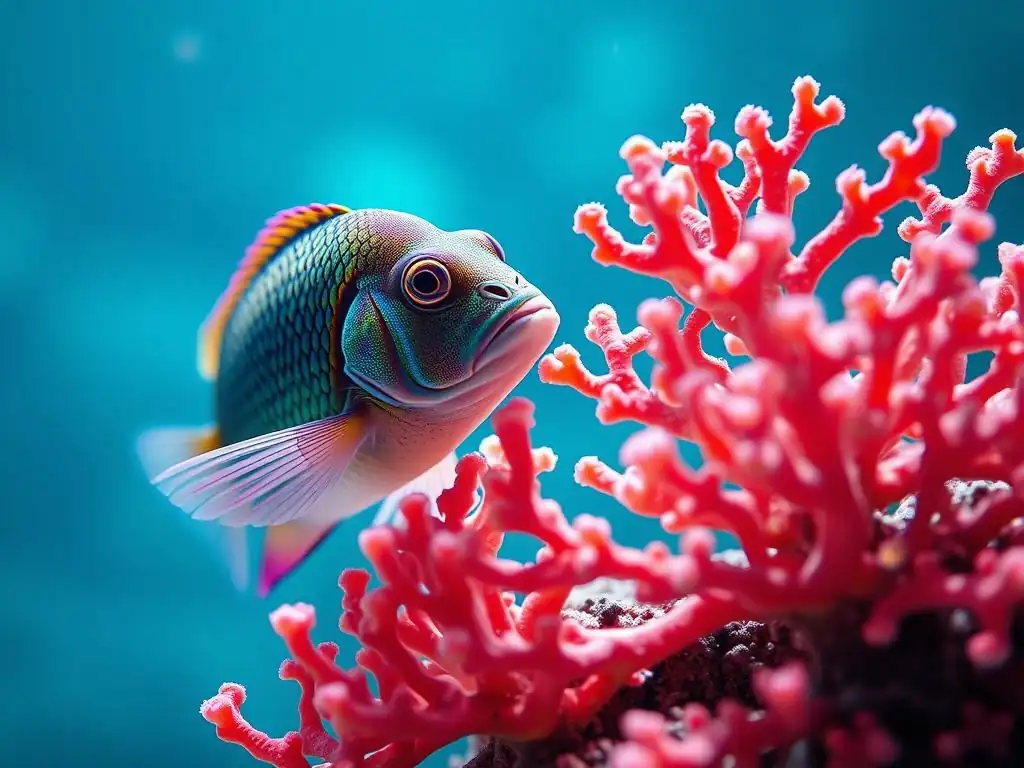
One of the most significant concerns regarding cleaner wrasse reef tank safety is their propensity to nip at corals. When natural parasites are scarce, a hungry or stressed cleaner wrasse may begin picking at coral polyps, mistaking them for parasites or simply attempting to find an alternative food source. This behavior is particularly detrimental to soft corals such as zoanthids, palythoa, and mushroom corals, which have fleshy polyps that are easily damaged.
Even LPS (Large Polyp Stony) corals, like Euphyllia species (e.g., Frogspawn or Hammer corals), can be targets, leading to tissue recession, irritation, and secondary infections. While some aquarists report cleaner wrasses ignoring their corals, countless others have experienced significant damage, sometimes leading to the complete loss of valuable coral colonies. This unpredictable behavior makes them a gamble for any dedicated reef keeper.
Stressing Out Other Fish: Aggressive Cleaning Behavior
Another frequently reported issue is the cleaner wrasse's tendency to over-clean or aggressively harass other fish. In a natural reef, fish can simply swim away from an overzealous cleaner. In the confined space of an aquarium, however, other fish may not have sufficient escape routes or hiding spots. This can lead to constant pestering, especially for slower-moving or more timid species.
Chronic harassment from a cleaner wrasse can induce significant stress in other tank inhabitants. Stress weakens a fish's immune system, making it more susceptible to actual parasitic infections, bacterial diseases, and other health issues. This ironic outcome — where a "cleaner" fish ends up causing more health problems than it solves — directly undermines the goal of maintaining optimal cleaner wrasse reef tank safety.
Over-Cleaning: Removing Beneficial Mucus from Fish
Beyond simple harassment, a more insidious problem related to cleaner wrasse behavior is the removal of beneficial mucus from other fish. Fish naturally produce a protective mucus coat that acts as a vital barrier against pathogens, environmental irritants, and physical damage. While cleaner wrasses are supposed to remove ectoparasites, they can also strip away this essential mucus layer, especially if they are overly persistent or if their natural food source is scarce.
A fish that is constantly stripped of its protective mucus becomes highly vulnerable. Its immune system is compromised, leaving it exposed to bacterial infections, fungal diseases, and even osmotic stress. This "over-cleaning" can lead to rapid deterioration of a fish's health, turning a supposed benefit into a significant detriment for cleaner wrasse reef tank safety and the well-being of your entire fish population.
Examining the Evidence: Case Studies and Observations
Anecdotal Accounts: Reef Tank Owners' Experiences with Cleaner Wrasses
The reef keeping community is rife with anecdotal accounts regarding cleaner wrasses, showcasing a wide spectrum of experiences. Some aquarists report immense success, with their Labroides dimidiatus thriving for years, diligently cleaning tank mates without ever touching a coral. These successes often occur in very large tanks (e.g., 200+ gallons) with a dense and diverse population of fish, providing ample "clients" and thus a consistent food source for the wrasse. Owners in these scenarios often emphasize the importance of consistent supplemental feeding.
Conversely, a substantial number of hobbyists share stories of failure and frustration. Common complaints include cleaner wrasses picking at zoanthids, palythoa, or even the polyps of LPS corals like Duncanopsammia within a few weeks or months of introduction. Many also report observing their wrasses relentlessly chasing and harassing other fish, leading to visible signs of stress, fin nipping, or even starvation in the target fish. These conflicting reports underscore the unpredictable nature of cleaner wrasse reef tank safety in a captive environment.
Scientific Studies: Research on Cleaner Wrasse Behavior in Captivity
Scientific research often highlights the inherent difficulties in keeping obligate cleaner wrasses in home aquariums. Studies on Labroides dimidiatus, for instance, consistently point to high mortality rates in captivity. Research suggests that a significant percentage, potentially over 80%, of wild-caught cleaner wrasses perish within the first few months to a year in a typical home aquarium due to starvation, stress, or inability to adapt to prepared foods. This stark reality contrasts sharply with their long lifespans in the wild, which can exceed 10 years.
Furthermore, behavioral studies indicate that the specialized diet and social structure of cleaner wrasses are difficult to replicate in a closed system. Without a constant supply of diverse "clients" and the natural foraging opportunities of the reef, their behavior can become aberrant. This includes the aforementioned coral nipping and over-cleaning of tank mates, as their instinct to forage for parasites is redirected towards readily available, albeit inappropriate, food sources.
Case Study: Cleaner Wrasse Successfully Integrated in a Mixed Reef Tank
In a notable instance of cleaner wrasse reef tank safety, a 220-gallon mixed reef aquarium successfully housed a Labroides dimidiatus for over three years. This tank boasted a robust fish population of approximately 25 individuals, including several tangs, angelfish, and various damselfish, providing a constant stream of "clients." The wrasse established a prominent cleaning station near a large brain coral ( Favites sp.) and was observed daily performing its cleaning duties on various fish species.
The owner supplemented the wrasse's diet with small, frequent feedings of high-quality frozen foods, such as enriched mysis shrimp and brine shrimp, ensuring the wrasse was well-nourished. Throughout its tenure, the wrasse exhibited no aggression towards the tank's diverse coral collection, which included SPS ( Acropora, Montipora), LPS ( Euphyllia, Goniopora), and soft corals ( Zoanthus, Ricordea). This success was largely attributed to the ample space, high fish density, and consistent nutritional support, mimicking, to a degree, its natural environment.
Case Study: Cleaner Wrasse Predation on Zoanthid Polyps
Conversely, a 90-gallon reef tank experienced significant issues after introducing a cleaner wrasse. The tank housed a modest fish population of eight individuals, primarily smaller species like clownfish and gobies, and a thriving collection of soft corals, including several vibrant zoanthid colonies. Within two months of its introduction, the Labroides dimidiatus began exhibiting atypical behavior, spending less time cleaning fish and more time hovering over the zoanthids.
The owner soon observed the wrasse repeatedly nipping at the zoanthid polyps. Over a period of six weeks, a large colony of "Red People Eater" zoanthids, which had previously covered a 6-inch rock, experienced an estimated 40% reduction in polyp count, with many polyps failing to open. Despite attempts to increase feeding frequency for the wrasse, the predation continued, necessitating the wrasse's removal to prevent further irreversible damage to the coral population, clearly illustrating a compromise in cleaner wrasse reef tank safety.
Factors Influencing Cleaner Wrasse Reef Compatibility
Tank Size and Population Density: Minimizing Aggression
One of the most crucial factors influencing cleaner wrasse reef tank safety is the size of the aquarium and the density of its fish population. In their natural habitat, cleaner wrasses operate in vast spaces with an almost limitless supply of "clients." In captivity, a small tank (e.g., under 100 gallons) with only a few fish cannot replicate this environment. A wrasse in such a setting will quickly run out of natural cleaning opportunities, leading to boredom, stress, and redirected behavior.
Larger tanks (ideally 150 gallons or more) with a diverse and active fish population (e.g., 15-20 or more medium-sized fish) provide a better chance for success. More fish mean more potential "clients," which can keep the cleaner wrasse engaged in its natural behavior and reduce the likelihood of it seeking alternative, destructive food sources like coral polyps or the protective mucus of healthy fish.
Availability of Parasites: Preventing Over-Cleaning
It's a paradox of cleaner wrasse reef tank safety: while they are sought for parasite control, a tank that is too "clean" can actually be detrimental to their well-being and lead to problems. If a reef aquarium is meticulously maintained with strict quarantine protocols for new inhabitants, the natural parasitic load may be extremely low. In such a pristine environment, the cleaner wrasse lacks its primary food source.
This scarcity of parasites can lead the wrasse to persistently pick at the mucus of healthy fish, even those without visible parasites, or to nip at corals out of hunger or frustration. The continuous harassment and removal of beneficial mucus can severely stress other fish, potentially leading to weakened immune systems and susceptibility to secondary infections, negating the very purpose of having a cleaner in the first place.
Species of Corals: Vulnerable vs. Resilient Types
The types of corals present in a reef tank significantly impact the risk associated with introducing a cleaner wrasse. Not all corals are equally vulnerable to nipping. Soft corals with fleshy polyps, such as zoanthids ( Zoanthus spp. ), palythoa ( Palythoa spp. ), and certain mushroom corals ( Rhodactis, Ricordea), appear to be particularly susceptible targets. Their soft, easily accessible tissues can be mistaken for parasites or simply become a convenient alternative food source.
While Large Polyp Stony (LPS) corals like Euphyllia and Blastomussa also have fleshy polyps that can be damaged, Small Polyp Stony (SPS) corals such as Acropora and Montipora are generally considered less appealing targets due to their smaller, harder polyps. However, even these can be nipped, leading to polyp retraction and tissue loss. Aquarists must carefully consider their specific coral inventory and its vulnerability when assessing cleaner wrasse reef tank safety.
Individual Wrasse Temperament: Variability in Behavior
Like all living creatures, individual cleaner wrasses can exhibit variations in temperament and behavior. While their species is generally characterized by specific cleaning behaviors, some individuals may be naturally more aggressive, persistent, or prone to exploring alternative food sources than others. This inherent variability makes it challenging to predict how a specific cleaner wrasse will behave once introduced into a given reef tank.
An individual wrasse that was perfectly "reef safe" in one aquarist's tank might become a coral nipper or fish harasser in another, even if tank conditions are seemingly similar. This unpredictability means that even with optimal conditions, there's always an element of risk. Vigilant observation after introduction is paramount to detect any problematic behavior early and to ensure long-term cleaner wrasse reef tank safety.
Cleaner Wrasse Alternatives for Reef Tanks: Exploring Options
Other Fish Species that Offer Cleaning Services
For aquarists seeking natural cleaning services without the inherent risks associated with cleaner wrasses, several other fish species offer similar benefits with a much higher degree of reef compatibility. These alternatives are generally less specialized in their diet and behavior, making them more adaptable to the confines of a home aquarium. They can help manage external parasites and contribute to the overall health of the fish population without posing a threat to corals or invertebrates.
The main advantage of these alternatives is their proven track record of being genuinely "reef safe." They typically accept a wider range of prepared foods, reducing the likelihood of starvation or behavioral issues stemming from a lack of natural prey. Exploring these options can provide the desired cleaning benefits while significantly enhancing cleaner wrasse reef tank safety.
Neon Gobies: A Reef-Safe Alternative
Neon Gobies, particularly Elacatinus oceanops and its closely related species like the Yellowline Goby ( Elacatinus figaro), are excellent reef-safe alternatives to cleaner wrasses. These small, vibrant gobies are known for setting up cleaning stations and picking ectoparasites off other fish. They are generally peaceful, stay relatively small (typically under 2 inches), and are highly adaptable to aquarium life, readily accepting a variety of prepared foods such as frozen mysis shrimp and high-quality flakes.
Unlike cleaner wrasses, Neon Gobies pose virtually no threat to corals or other invertebrates. They are a reliable choice for maintaining a healthy fish population without compromising the integrity of the reef ecosystem. Their active cleaning behavior is fascinating to observe, and their hardiness in captivity makes them a far more sustainable and safer choice for cleaner wrasse reef tank safety.
Peppermint Shrimp: A Reef-Safe Alternative for Aiptasia Control
While not fish cleaners, Peppermint Shrimp ( Lysmata wurdemanni) are often considered a valuable "cleaner" in reef tanks due to their specific appetite for nuisance Aiptasia anemones. Aiptasia can quickly proliferate and sting corals, making their control crucial for a healthy reef. Peppermint Shrimp offer a natural, biological solution to this common pest problem, effectively eliminating these anemones without harming other desirable tank inhabitants.
These small, active shrimp are completely reef safe, posing no threat to corals, other invertebrates, or fish. They are nocturnal scavengers that also help consume uneaten food and detritus, contributing to overall tank cleanliness. Their ability to manage Aiptasia makes them an invaluable addition for maintaining a pristine reef environment, making them a strong candidate for ensuring overall cleaner wrasse reef tank safety, albeit through a different mechanism.
Non-Biological Parasite Control Methods
Beyond biological cleaners, several non-biological methods are highly effective at controlling parasites and maintaining a healthy reef tank. The most crucial of these is a stringent quarantine procedure for all new fish. A dedicated quarantine tank allows aquarists to observe new arrivals for a minimum of 30 days, ensure they are eating prepared foods, and prophylactically treat them for common parasites like marine ich or velvet before introduction to the main display. This proactive approach is the single most effective way to prevent parasite outbreaks.
Additionally, technologies like UV sterilizers can be employed. UV sterilizers pass aquarium water through a chamber exposed to ultraviolet light, which kills free-swimming parasites, bacteria, and algae. While they don't eliminate parasites on fish, they significantly reduce the pathogen load in the water column, thereby minimizing the risk of infection. Ozone generators are another option, improving water quality and reducing pathogen levels through oxidation. These methods, combined with excellent husbandry, offer superior cleaner wrasse reef tank safety without the risks associated with obligate cleaners.
Making an Informed Decision: Is a Cleaner Wrasse Right for Your Reef Tank?
Assessing Your Reef Tank's Needs and Risks
Before considering a cleaner wrasse, it is crucial to conduct a thorough and honest assessment of your existing reef tank. Evaluate its size: is it truly large enough (e.g., 150+ gallons) to accommodate a fish that needs ample space and a high volume of "clients"? Consider your current fish population: is it dense and diverse enough to provide constant cleaning opportunities for the wrasse, minimizing the likelihood of it seeking alternative food sources?
Furthermore, analyze the types of corals you house. If your tank is dominated by delicate soft corals like zoanthids or LPS corals with fleshy polyps, the risk of coral nipping significantly increases. A realistic appraisal of your tank's specific ecosystem will help determine if it can genuinely support a cleaner wrasse without compromising overall cleaner wrasse reef tank safety.
Quarantine Procedures: Ensuring a Healthy and Well-Behaved Wrasse
Regardless of whether you choose a cleaner wrasse or an alternative, implementing robust quarantine procedures for any new fish is paramount. For cleaner wrasses, a dedicated quarantine tank (e.g., 20-30 gallons) allows for several weeks of observation. During this period, you can confirm the wrasse is actively feeding on prepared foods, such as enriched frozen mysis shrimp or high-quality pellets, which is crucial for its long-term survival in a home aquarium.
Quarantine also provides an opportunity to observe the wrasse's temperament without the stress of a full display tank. Any signs of aggression, unusual shyness, or refusal to eat prepared foods can be addressed before the fish is introduced to your main reef, mitigating potential problems and ensuring the new addition contributes positively to cleaner wrasse reef tank safety.
Monitoring Cleaner Wrasse Behavior: Early Detection of Problems
Once a cleaner wrasse is introduced into the main display tank, vigilant and consistent monitoring of its behavior is essential for maintaining cleaner wrasse reef tank safety. Observe its interactions with other fish: is it cleaning them appropriately, or is it constantly harassing them, causing visible stress or fin damage? Pay close attention to your corals: look for any signs of nipping, such as retracted polyps, tissue recession, or irritation, particularly on soft corals and LPS.
Early detection of problematic behavior is key. If you notice persistent coral nipping or excessive harassment of tank mates, be prepared to take immediate action. This may involve increasing feeding frequency for the wrasse or, if the behavior persists and causes damage, carefully removing the wrasse from the display tank to prevent further harm to your valuable corals and fish.
Long-Term Reef Tank Health and Cleaner Wrasse Considerations
Ultimately, the decision to add a cleaner wrasse should align with your long-term vision for reef tank health. While the idea of a natural parasite controller is appealing, the reality in a closed system often presents challenges that can compromise the well-being of the entire ecosystem. Cleaner wrasses have specialized needs that are difficult to meet in captivity, often leading to shortened lifespans and potential behavioral issues.
A truly healthy and thriving reef tank is built upon consistent, high-quality husbandry practices, meticulous quarantine protocols for all new inhabitants, and careful selection of compatible species. Relying on a single, often problematic, species for parasite control can be a risky gamble. Prioritizing robust preventative measures and proven reef-safe alternatives generally leads to a more stable, less stressful, and ultimately more successful reef keeping experience, ensuring comprehensive cleaner wrasse reef tank safety.
Conclusion: Re-evaluating Cleaner Wrasse Reef Tank Safety
The question of whether cleaner wrasses are truly reef safe is complex, marked by a spectrum of anecdotal experiences and scientific evidence highlighting significant challenges in captivity. While their natural role as obligate cleaners is invaluable on wild reefs, their specialized dietary needs and behavioral patterns often lead to unpredictable and potentially detrimental outcomes in home aquariums. Concerns range from coral nipping, particularly on soft corals like zoanthids, to stressing other fish through over-cleaning and stripping beneficial mucus layers.
Although some aquarists report success, these instances often occur in exceptionally large, densely populated tanks that can somewhat mimic a natural environment, alongside diligent supplemental feeding. However, for the average reef keeper, the risks often outweigh the perceived benefits.
Safer, more reliable alternatives exist, such as the genuinely reef-safe Neon Gobies for cleaning services or robust quarantine procedures combined with advanced filtration methods for parasite prevention. Making an informed decision requires a realistic assessment of your tank's capacity and a commitment to vigilant observation, prioritizing the long-term well-being of the entire reef ecosystem over the fleeting appeal of a specific species.
Frequently Asked Questions
Are Cleaner Wrasses always reef safe?
No, while they are generally considered reef safe, the "controversial truth" is that some individual Cleaner Wrasses may nip at corals or other invertebrates, especially if their natural food source isn't readily available. It's a risk assessment you must make.
What factors can influence a Cleaner Wrasse's behavior in a reef tank?
Several factors can influence their behavior, including the availability of parasites to clean, the size of the tank, and the presence of suitable hosts. A lack of their natural diet can lead them to seek alternative food sources, potentially harming corals.
What are the best ways to ensure a Cleaner Wrasse is reef safe?
Provide a well-established tank with plenty of fish for them to clean. Supplement their diet with high-quality meaty foods and observe their behavior carefully after introduction. Quarantine is also important to observe behavior.
Are there any coral species that Cleaner Wrasses are more likely to bother?
While it varies, some aquarists have reported Cleaner Wrasses nipping at certain soft corals and LPS corals (Large Polyp Stony). Observation is crucial.
What are some alternative solutions for parasite control in a reef tank if I'm hesitant about a Cleaner Wrasse?
Several alternatives exist, including prophylactic quarantine, dips and treatments for new arrivals, and the introduction of other beneficial invertebrates that consume parasites without harming corals.
The debate surrounding cleaner wrasse reef tank safety, as we've explored, is far from settled, highlighting the complex interplay between natural instincts and the artificial environment we create. The evidence, both anecdotal and scientific, underscores that while cleaner wrasses can contribute to a healthy reef ecosystem by controlling parasites, their behavior is ultimately unpredictable and potentially detrimental to certain invertebrates. This reality forces us to confront the ethical considerations inherent in keeping wild creatures within the confines of our aquariums.
The ongoing discussion about cleaner wrasse compatibility reflects a broader trend in the reefing hobby: a growing awareness of the delicate balance within these ecosystems and the responsibility we bear as custodians. It's not simply about replicating a beautiful underwater scene, but about understanding and respecting the intricate web of life that sustains it. The ultimate goal of farming isn't the growing of crops, but the cultivation and perfection of the earth.
- Masanobu Fukuoka. This quote, though about agriculture, resonates deeply with the reefing ethos, reminding us that true success lies in nurturing a thriving, self-sustaining environment.
As you consider adding a cleaner wrasse to your reef tank, or perhaps re-evaluate your current setup, remember that informed decision-making is paramount. Let the insights shared here guide you to prioritize the well-being of all your reef inhabitants, fostering an environment where both predator and prey can thrive, or, if necessary, choosing alternative solutions that ensure a harmonious and truly reef-safe ecosystem. The future of our reefs, both in the wild and within our homes, depends on our commitment to responsible and ethical practices.
Dive Deeper: Transform Your Reef Keeping Now!
Thank you for exploring the world of cleaner wrasses with us! We hope this article has provided valuable insights into their reef compatibility. Now, it’s time to take your knowledge to the next level and ensure the health and harmony of your aquarium.
Here’s how you can make a real difference:
- Carefully observe your existing reef inhabitants for any signs of stress or nipping before introducing a cleaner wrasse, ensuring a peaceful environment. This is the most impactful thing you can do!
- Share your personal experiences with cleaner wrasses in reef tanks on aquarium forums to contribute to the community's collective knowledge.
- Research alternative parasite control methods, such as quarantine protocols or natural predators, to create a truly balanced ecosystem.
What specific preparations will you undertake to ensure the safety of your reef before considering a cleaner wrasse?