
Plant & Coral Problems & Health (Nutrient Issues, Pests, General Problems & Solutions)
Keep your aquarium thriving with expert guidance for diagnosing and solving plant and coral health problems 🌿🪸 From nutrient deficiencies and algae outbreaks to coral pests, diseases, and water-parameter imbalances, discover practical aquarium troubleshooting tips, prevention strategies, and proven solutions. Build a healthier freshwater or saltwater environment with Aquarium Mastery’s trusted advice for vibrant plants, resilient corals, and a balanced, beautiful reef or planted tank. 🔍💧
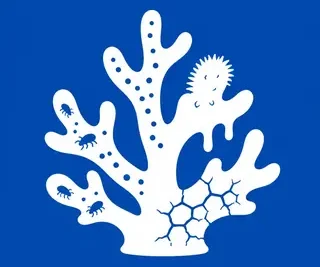 Coral Health Issues: Pests, Diseases & Parameter Imbalances
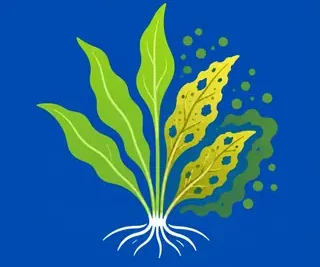 Aquatic Plant Problems: Nutrient Deficiencies & Algae Issues
Plant & Coral Problems & Health is your practical guide to diagnosing and solving common freshwater and saltwater aquarium issues. Whether aquatic plants are turning yellow, coral is losing color, or unwanted algae and pests are spreading through your reef tank, Aquarium Mastery helps you identify the cause and choose safe, effective solutions.
Explore evidence-based advice on aquarium nutrient deficiencies, algae control, aquatic plant care, coral diseases, reef tank pests, water chemistry, lighting, flow, and parameter stability. Each guide is designed to help aquarists troubleshoot problems systematically while protecting fish, invertebrates, plants, and corals. Learn how to recognize early warning signs, test aquarium water correctly, improve maintenance routines, and prevent recurring health problems.
🌿 Aquatic Plant Problems: Nutrient Deficiencies & Algae Issues
This subcategory explains how to diagnose common aquatic plant problems, including yellow leaves, transparent foliage, pinholes, stunted growth, melting, poor coloration, and root damage. Readers can learn how deficiencies involving nitrogen, phosphorus, potassium, iron, magnesium, and trace elements affect freshwater aquarium plants, as well as how light intensity, carbon availability, substrate quality, and water circulation influence plant health.
You will also find practical guidance for identifying and controlling green algae, hair algae, black beard algae, diatoms, cyanobacteria, and other aquarium algae issues. Articles focus on balanced fertilization, proper lighting schedules, water changes, nutrient testing, manual removal, algae-eating livestock, and long-term prevention rather than quick fixes that may harm plants or fish.
🪸 Coral Health Issues: Pests, Diseases & Parameter Imbalances
This subcategory covers the most important coral health problems in reef aquariums, including bleaching, tissue loss, closed polyps, fading color, recession, poor growth, and sudden stress. Learn how alkalinity, calcium, magnesium, salinity, temperature, phosphate, nitrate, lighting, and water flow influence coral health and why stable reef parameters are often more important than chasing ideal numbers.
Readers can also explore solutions for coral pests and diseases, such as flatworms, nudibranchs, red bugs, bacterial infections, brown jelly disease, and tissue necrosis. Helpful guides explain quarantine procedures, coral dips, pest identification, isolation, improved flow, nutrient management, and safe treatment strategies for protecting both individual colonies and the wider reef system.
❓ Frequently Asked Questions About Plant & Coral Health
🌱 What is the most common cause of unhealthy aquarium plants?
Common causes include inadequate lighting, inconsistent fertilization, insufficient carbon dioxide, poor water circulation, unsuitable substrate, and unstable water parameters. Test the water and inspect new growth before adding nutrients, because symptoms can overlap between deficiencies and algae-related stress.
🧪 How can I identify a nutrient deficiency in aquatic plants?
Look for patterns in older versus newer leaves. Yellowing older leaves may suggest mobile nutrient deficiencies such as nitrogen or potassium, while distorted new growth can indicate issues involving iron, calcium, or other less-mobile nutrients. Compare symptoms with water test results and correct problems gradually.
🪸 Why are my corals losing color or staying closed?
Corals may react to excessive light, inadequate light, unstable alkalinity, unsuitable salinity, poor flow, temperature changes, pests, disease, or sudden chemistry shifts. Test key reef parameters, inspect the coral closely, and make gradual adjustments instead of changing several conditions at once.
🦠 How do I prevent pests and diseases from entering a reef aquarium?
The most effective prevention is a quarantine and observation process for new corals, live rock, and equipment. Inspect specimens carefully, use an appropriate coral dip when suitable, avoid sharing unclean tools between systems, and isolate suspicious colonies promptly.
💧 Which aquarium parameters should be checked when plants or corals decline?
For planted tanks, check temperature, pH, hardness, nitrate, phosphate, lighting, and carbon dioxide availability. For reef tanks, monitor temperature, salinity, alkalinity, calcium, magnesium, nitrate, phosphate, and pH. Consistent testing and gradual corrections are essential for reliable aquarium health.