
Aquarium Automation Revolution: Simplify Your Tank Care with Smart Tech

Welcome to Aquarium Mastery!
Ever wished you could spend less time fussing over your tank and more time enjoying its beauty? Dive in! We're thrilled to explore the exciting world of smart aquarium automation systems with you. Discover how cutting-edge tech can revolutionize your aquarium care, making it easier and more efficient than ever before. Ready to unlock a new level of aquarium mastery? Let's get started!
- Reef Tank Automation: Streamlining Coral Care with Smart Technology
- Understanding Reef Tank Automation Systems
- Essential Components of a Smart Reef Tank
- Setting Up Your Smart Reef Tank: A Step-by-Step Guide
- Optimizing Your Reef Tank with Automation
- Troubleshooting Common Reef Tank Automation Issues
- Advanced Reef Tank Automation Techniques
- The Future of Reef Tank Automation
- Choosing the Right Reef Tank Automation System
-
Frequently Asked Questions
- What are smart aquarium automation systems and how do they simplify tank care?
- What are some key components commonly found in smart aquarium automation systems?
- How can smart aquarium automation systems help maintain optimal water quality?
- Are smart aquarium automation systems suitable for both freshwater and saltwater aquariums?
- What are the potential benefits of investing in smart aquarium automation systems for experienced aquarists?
- Final Reflection: Embracing the Future of Aquatic Care
- Dive Deeper: Transform Your Aquarium Care Today!
Reef Tank Automation: Streamlining Coral Care with Smart Technology
Understanding Reef Tank Automation Systems
What are Reef Tank Automation Systems?
Reef tank automation systems are sophisticated networks of interconnected devices designed to autonomously manage various aspects of a marine aquarium. These smart aquarium automation systems leverage sensors, controllers, and smart pumps to perform routine tasks that traditionally demand significant manual effort. Their primary purpose is to maintain stable water parameters, which is critical for the health and vibrancy of corals and marine life, by minimizing human intervention and potential inconsistencies. For instance, instead of manually testing alkalinity daily, an automated system can monitor it continuously and trigger a dosing pump to maintain a target level.
Essentially, these systems transform a traditional reef tank into a self-regulating ecosystem, allowing aquarists to monitor and control their setups remotely. They often integrate various pieces of equipment, such as lighting, dosing pumps, heaters, and chillers, into a unified platform. This integration allows for complex routines and responsive adjustments, such as dimming lights gradually for a "sunrise" effect or automatically topping off evaporated water. The goal of these smart aquarium automation systems is to enhance precision, consistency, and convenience, ultimately leading to a more successful and less labor-intensive reef keeping experience.
Benefits of Automating Your Reef Tank
One of the most significant benefits of implementing smart aquarium automation systems in a reef tank is the substantial saving in time and effort for the aquarist. Manual daily tasks such as testing water parameters, dosing supplements, or performing water top-offs can consume several hours per week. With automation, these tasks are handled precisely by the system.
For example, a single automated top-off unit can save an aquarist 10-15 minutes daily, totaling over an hour and a half per week, while also ensuring consistent salinity by replenishing evaporated water with RO/DI water. This frees up time for observation and enjoyment of the tank, rather than constant maintenance.
Beyond convenience, automation dramatically enhances the stability of critical reef tank parameters, which is paramount for sensitive corals. Fluctuations in alkalinity, calcium, or magnesium can stress corals, leading to reduced growth or even death.
A well-configured smart aquarium automation system can maintain these parameters within a tight range, often with deviations of less than 0.1 dKH for alkalinity or 5 ppm for calcium over a 24-hour period, compared to larger swings possible with manual dosing. Furthermore, these systems provide early warning alerts for anomalies like temperature spikes or pump failures, allowing for proactive intervention before minor issues escalate into major problems, safeguarding valuable livestock.
Key Features of Modern Reef Tank Automation Devices
Modern reef tank automation devices are characterized by a suite of advanced features designed for comprehensive control and monitoring. A core feature is their modularity, allowing aquarists to build systems tailored to their specific needs, adding components like power bars, pH probes, or flow sensors as required.
Many smart aquarium automation systems, such as the Neptune Systems Apex or GHL Profilux, offer multiple programmable outlets (e.g., 8-16 outlets) that can control various equipment like heaters, chillers, and return pumps based on programmed schedules or sensor readings. This flexibility ensures that the system can grow with the tank's complexity and the aquarist's evolving requirements.
Another critical feature is the integration with cloud platforms and mobile applications, which provides aquarists with remote access and real-time data. Through a smartphone or web browser, one can monitor crucial parameters like temperature, pH, and salinity from anywhere in the world, often with a refresh rate of every few minutes.
These smart aquarium automation systems also include robust alarm systems, sending push notifications or emails for out-of-range parameters (e.g., temperature exceeding 80°F or pH dropping below 7.8), or equipment malfunctions. Data logging capabilities are also standard, allowing aquarists to review historical trends for up to several months, which is invaluable for diagnosing long-term issues and optimizing system performance.
Essential Components of a Smart Reef Tank
Smart Controllers: The Hub of the System
Smart controllers serve as the central processing unit for any smart aquarium automation system, orchestrating the communication and operation of all connected devices. These sophisticated units, like the Neptune Systems Apex or GHL Profilux, come equipped with multiple input/output (I/O) ports to connect various sensors (temperature, pH, ORP, salinity) and control modules (power bars, dosing pumps).
Their internal processors continuously read sensor data, execute programmed rules, and send commands to power outlets or other controlled devices, effectively managing everything from lighting cycles to emergency shutdowns. For example, an Apex controller might monitor a temperature probe, and if the temperature exceeds a set threshold of 79°F, it can automatically activate a chiller and send an alert to the user.
The true power of these smart aquarium automation systems lies in their ability to integrate complex logic and respond dynamically to changing tank conditions. Beyond simple on/off schedules, modern controllers allow for conditional programming.
This means a return pump could be shut off if a leak sensor detects water on the floor, or a protein skimmer could be paused during feeding times. Many controllers also feature built-in web servers or cloud connectivity, enabling users to access their tank's status and control settings remotely via a web browser or dedicated mobile app, offering unparalleled convenience and peace of mind for reef keepers.
Dosing Pumps: Precise Supplementation
Dosing pumps are indispensable components within a smart aquarium automation system, providing precise and consistent delivery of essential supplements to a reef tank. Corals, especially stony corals, consume alkalinity, calcium, and magnesium daily for skeletal growth. Manual dosing often leads to inconsistencies, causing parameter swings that stress corals. Automated dosing pumps, typically peristaltic pumps, deliver small, accurate volumes (e.g., 0.1 mL to 100 mL per dose) at programmed intervals throughout the day. For instance, instead of a single large dose of alkalinity, a pump can deliver 24 smaller doses over 24 hours, maintaining far greater stability and preventing precipitation.
The integration of dosing pumps with a central smart controller elevates their effectiveness. The controller can be programmed to adjust dosing volumes based on real-time parameter readings from connected probes.
For example, if a calcium probe indicates a slight drop, the controller can automatically increase the calcium dosing pump's output until the target level is re-established. Brands like Neptune Systems (DOS), GHL (Doser 2.x), and Kamoer offer highly accurate and reliable multi-channel dosing pumps, allowing aquarists to precisely manage up to four or more different supplements simultaneously, ensuring optimal coral health and growth within a tightly controlled environment facilitated by smart aquarium automation systems.
Smart Lighting Systems: Optimized for Coral Growth and Coloration
Smart lighting systems are a cornerstone of modern smart aquarium automation systems, providing the precise light spectrum and intensity necessary for optimal coral growth, health, and coloration. Unlike traditional lighting, smart LEDs (such as EcoTech Marine Radion, Kessil AP700, or AquaIllumination Hydra series) offer multiple individually controllable color channels (e.g., royal blue, cool white, red, green, UV).
This allows aquarists to customize the spectral output to mimic natural reef conditions, promote specific coral pigments, and even enhance the visual appeal of their tank. Many systems feature pre-programmed coral growth schedules, or allow users to create their own, simulating a full day cycle with sunrise, peak intensity, and sunset effects.
The true "smart" aspect comes from their integration with a central controller or dedicated app, enabling dynamic adjustments and scheduling. Users can program ramp times for light intensity changes, ensuring a gentle transition for corals and fish, often over periods of 30-60 minutes for both sunrise and sunset.
Some advanced smart aquarium automation systems can even simulate lunar cycles, providing very low intensity blue light during nighttime hours, which is believed to benefit certain nocturnal invertebrates. This level of control not only optimizes photosynthetic activity in corals but also reduces energy consumption by precisely delivering light only when and where it's needed, often resulting in energy savings of 10-20% compared to non-programmable older fixtures.
Automatic Water Change Systems: Maintaining Water Quality
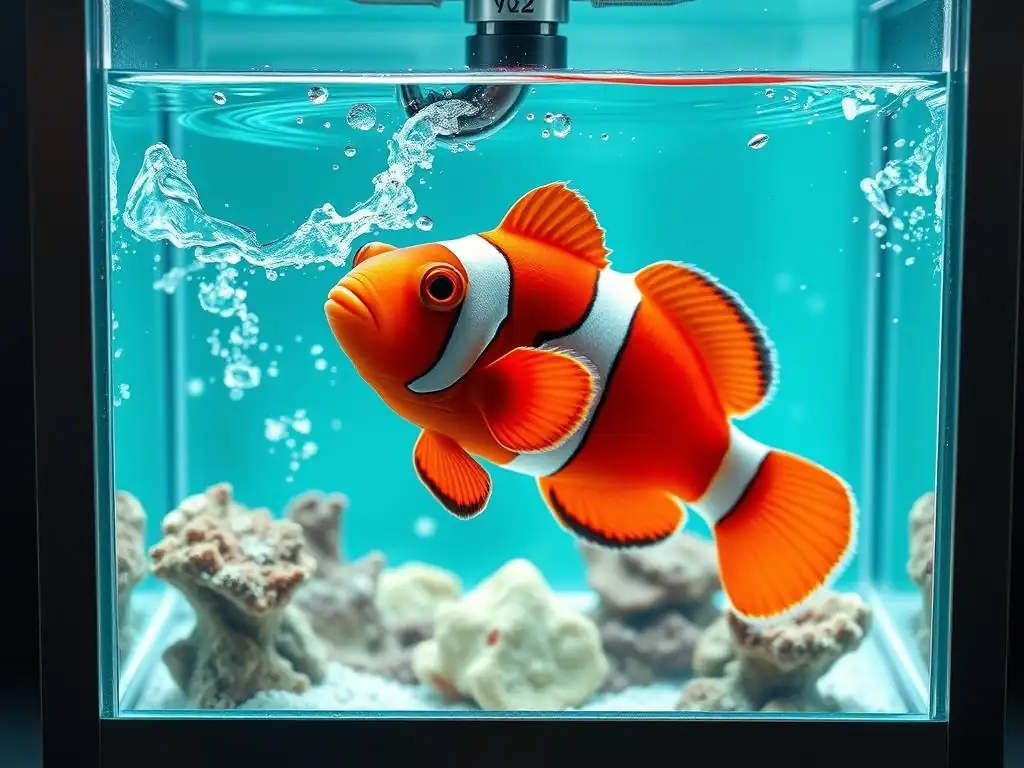
Maintaining pristine water quality is paramount for a thriving reef tank, and automatic water change systems within a smart aquarium automation system significantly simplify this often arduous task. Manual water changes, typically performed weekly or bi-weekly, can be labor-intensive, requiring the mixing of new saltwater, siphoning old water, and refilling the tank.
Automated systems eliminate this manual labor by continuously or periodically removing a small amount of old water and simultaneously adding new, pre-mixed saltwater. For example, a system might exchange 1-2% of the tank volume daily, which for a 100-gallon tank means 1-2 gallons changed per day, leading to a full tank turnover in 50-100 days without any manual intervention.
These smart aquarium automation systems for water changes offer unparalleled parameter stability compared to large, infrequent manual changes. By continuously refreshing a small portion of the water, nutrient levels (like nitrates and phosphates) are kept consistently low, and trace elements are replenished more regularly.
Some advanced setups integrate with water level sensors and dosing pumps to ensure that the removed water is exactly replaced, preventing overflows or dry-outs. This continuous, precise replenishment reduces stress on corals and fish by preventing drastic shifts in salinity, temperature, or other critical parameters that can occur with larger, less frequent manual water changes, ensuring a healthier and more stable environment.
Monitoring Systems: Real-time Parameter Tracking
At the heart of any effective smart aquarium automation system are robust monitoring systems that provide real-time data on crucial water parameters. These systems utilize a variety of specialized probes and sensors to continuously measure conditions within the tank. Common probes include those for pH, which tracks acidity/alkalinity; ORP (Oxidation-Reduction Potential), indicating water cleanliness; temperature, vital for coral metabolism; and salinity, critical for marine life.
Advanced setups may also include leak detectors, water level sensors for sumps, and flow sensors to monitor pump performance. This constant stream of data, often updated every few seconds to minutes, gives aquarists immediate insight into their tank's health.
The true value of these monitoring systems lies not only in data collection but also in their ability to trigger alerts and automated responses. If a parameter deviates from its programmed safe range—for example, if the temperature drops below 75°F or rises above 80°F—the smart aquarium automation system can immediately send a push notification to the user's mobile device or email.
Concurrently, the system can be programmed to take corrective action, such as activating a heater or chiller. Furthermore, all data is typically logged and stored, allowing aquarists to review historical trends, identify patterns, and proactively address potential issues before they escalate, providing an invaluable tool for maintaining a stable and thriving reef environment.
Setting Up Your Smart Reef Tank: A Step-by-Step Guide
Planning Your Automation Strategy
The first crucial step in setting up a smart aquarium automation system is meticulous planning. Begin by assessing your current reef tank's needs and identifying specific "pain points" that automation can alleviate. Are you tired of daily manual top-offs, or are you struggling to maintain consistent alkalinity?
Perhaps you're concerned about power outages or temperature swings. Documenting these challenges will help prioritize which components of the system to acquire first. For instance, if alkalinity stability is a major issue, investing in a high-quality pH probe and a multi-channel dosing pump might be the initial focus, followed by an automatic top-off (ATO) unit if evaporation is also a significant concern.
Consider your long-term goals for the tank, including the types of corals you plan to keep, as this will influence the required level of automation and precision. A tank with demanding SPS corals will benefit more from advanced smart aquarium automation systems with integrated calcium reactors and multiple dosing channels than a soft coral dominant tank.
Establish a realistic budget, as comprehensive automation can be a significant investment, ranging from a few hundred dollars for basic ATO and temperature control to several thousand for a full-suite controller with multiple probes, dosing pumps, and automated water changes. Researching different brands and their ecosystems (e.g., Neptune Systems Apex vs. GHL Profilux) early on can help ensure compatibility and scalability down the line.
Selecting Compatible Equipment
Once your automation strategy is planned, selecting compatible equipment is paramount for a seamless smart aquarium automation system. While some devices are universal (e.g., a standard heater plugged into a controlled outlet), others, particularly sensors and specialized modules, are often proprietary to a specific controller's ecosystem.
For example, a Neptune Systems Apex controller will require Apex-specific probes and modules (like an ATK for auto top-off), which may not be compatible with a GHL Profilux system. Therefore, it's often advisable to commit to a single primary controller brand and build around its offerings to ensure smooth integration and functionality, avoiding potential communication errors between disparate systems.
When choosing components for your smart aquarium automation system, consider both wired and wireless connectivity options. While wired connections generally offer greater reliability and less interference, wireless options (like Wi-Fi enabled pumps or lights) provide more flexibility in placement and reduce cable clutter. Always research product reviews and reliability reports; a malfunctioning sensor or pump can have dire consequences for a reef tank.
Furthermore, evaluate the scalability of the chosen equipment. Can you easily add more dosing channels, power outlets, or advanced probes as your tank matures or your needs evolve? Opting for systems with modular designs and expandability will save time and money in the long run.
Installation and Configuration Best Practices
Proper installation and configuration are critical to the success of any smart aquarium automation system. Begin by physically placing your sensors and controlled devices thoughtfully. Temperature probes should be in an area with good flow, away from heaters or chillers, to get an accurate tank temperature reading.
pH and ORP probes require a stable location, often in the sump, and should be easily accessible for cleaning and calibration. Ensure all power bars and controllers are mounted securely in a dry, well-ventilated area, away from splashes, ideally in a dedicated cabinet or stand. Proper cable management is also vital; use cable ties and drip loops to organize wires and prevent water from wicking into electrical outlets, reducing the risk of electrical hazards.
After physical setup, the next crucial step in configuring your smart aquarium automation system is the initial calibration of all probes. pH and ORP probes, for instance, typically require calibration using reference solutions (e.g., pH 7.0 and pH 10.0 buffers) to ensure accurate readings. Salinity probes also need calibration with a known salinity standard.
Once calibrated, begin setting up basic rules and schedules within the controller's software or app. Start with simple tasks like lighting schedules (e.g., 8-hour photoperiod), temperature control (e.g., heater on if temp < 76°F, chiller on if temp > 79°F), and automatic top-off. Gradually introduce more complex rules, like dosing schedules or protein skimmer control, after confirming the stability and accuracy of the initial setup.
Integrating with Cloud Platforms and Mobile Apps
A significant advantage of modern smart aquarium automation systems is their integration with cloud platforms and mobile applications, providing unparalleled remote access and control. This integration allows aquarists to monitor their tank's parameters, adjust settings, and receive critical alerts from anywhere in the world with an internet connection.
The process typically involves creating an account with the system's manufacturer (e.g., MyApex for Neptune Systems, GHL Connect for GHL Profilux) and then linking your specific controller or devices to that account. Once linked, the controller pushes real-time data to the cloud, which your mobile app or web interface then pulls, presenting a comprehensive dashboard of your tank's status.
Beyond mere monitoring, these cloud platforms for smart aquarium automation systems enable robust customization of notifications. You can configure alerts for a wide range of scenarios, such as temperature excursions (e.g., above 80°F or below 75°F), pH drops below a critical threshold (e.g., 7.8), or even if a leak sensor is triggered.
These alerts can be delivered via push notifications, email, or even SMS, ensuring you are immediately aware of any potential issues. It's crucial to also consider security; use strong, unique passwords for your cloud accounts and ensure your home network is secure to prevent unauthorized access to your valuable aquarium data and control settings.
Optimizing Your Reef Tank with Automation
Fine-Tuning Lighting Schedules for Coral Health
Optimizing lighting schedules is a key benefit of smart aquarium automation systems, allowing aquarists to precisely cater to the photosynthetic needs of their corals. Instead of static on/off periods, smart lighting enables dynamic control over intensity and spectrum throughout the day. For instance, you can program a gradual sunrise and sunset over 60-90 minutes, mimicking natural transitions and reducing stress on inhabitants.
Furthermore, the ability to adjust individual color channels (e.g., increasing blue light for better coral fluorescence or balancing white light for optimal growth) allows for fine-tuning over time. For example, a typical SPS coral tank might peak at 60-70% intensity for 4-6 hours, with a spectrum heavily biased towards royal blue (e.g., 70-80% blue, 20-30% white) to promote growth and pop.
Advanced smart aquarium automation systems also offer acclimation modes, invaluable for introducing new corals or upgrading lighting fixtures. This feature gradually increases light intensity over days or weeks (e.g., starting at 30% intensity and increasing by 5% daily for two weeks), preventing light shock that can bleach or kill sensitive corals.
Additionally, some systems allow for seasonal adjustments, subtly altering the photoperiod or intensity to mimic natural seasonal changes, which some aquarists believe can benefit coral spawning or overall health. Regular observation of coral polyp extension and coloration, combined with slight adjustments to the lighting schedule, can lead to significantly improved coral vitality and vibrant aesthetics.
Dialing in Dosing Schedules for Stability
Achieving ultra-stable water parameters is one of the most powerful optimizations enabled by smart aquarium automation systems through precise dosing. Instead of daily or weekly manual additions, automated dosing pumps can deliver small, frequent doses of alkalinity, calcium, and magnesium throughout the 24-hour cycle. For instance, a 180-gallon reef tank might consume 2 dKH of alkalinity daily.
Instead of a single 180 mL dose, the system can deliver 7.5 mL every hour (180 mL / 24 hours), minimizing parameter swings to less than 0.05 dKH over a 24-hour period. This "micro-dosing" strategy prevents localized precipitation and ensures consistent availability of essential elements, which is crucial for the continuous calcification of stony corals.
The true optimization comes from correlating dosing volumes with actual tank consumption. As corals grow and the bio-load increases, the demand for these elements will rise. A smart aquarium automation system allows you to track parameter consumption over time (e.g., daily drops in alkalinity after 24 hours of dosing), and then incrementally adjust dosing volumes.
For example, if your alkalinity consistently drops by 0.2 dKH over 24 hours despite current dosing, you can increase the daily dose by 10-15% until stability is achieved. This iterative process of monitoring, adjusting, and re-monitoring ensures that your tank receives precisely what it needs, preventing both deficiencies and excesses that can negatively impact coral health and overall system stability.
Automating Water Changes Based on Consumption
Automating water changes with a smart aquarium automation system is a significant step towards maintaining pristine water quality and reducing manual labor. There are two primary approaches: continuous dribble water changes or scheduled batch changes. Continuous systems slowly remove and replace a small volume of water throughout the day (e.g., 0.5% to 1% of total volume daily), ensuring constant replenishment of trace elements and continuous export of nitrates and phosphates.
For a 200-gallon system, this could mean changing 1-2 gallons per day, eliminating the need for large, disruptive weekly changes and providing unparalleled parameter stability. This method is particularly beneficial for sensitive SPS dominant tanks where even minor parameter shifts can cause stress.
Batch water changes, while still automated, typically involve larger volumes performed less frequently (e.g., 10-20% weekly). A smart aquarium automation system can manage this by activating a drain pump for a set duration, followed by a fill pump, often integrated with level sensors to prevent overflow. Optimizing this process means linking it to your tank's nutrient export capabilities.
If your tank consistently shows elevated nitrates (e.g., above 10 ppm) despite aggressive skimming and refugium use, increasing the frequency or volume of automated water changes can be a highly effective solution. This ensures that essential water quality parameters remain within optimal ranges (e.g., nitrates below 5 ppm, phosphates below 0.03 ppm), fostering a healthier environment for all reef inhabitants without the manual effort.
Responding to Alerts from Monitoring Systems
One of the most critical aspects of optimizing your reef tank with a smart aquarium automation system is understanding and effectively responding to the alerts generated by its monitoring components. These systems are designed to notify you immediately of any parameters falling outside pre-set safe ranges. For example, you might receive a push notification if your tank temperature exceeds 80°F, or if a leak sensor detects water on the floor.
It's essential to differentiate between critical alerts (e.g., power outage, major leak, severe temperature spike) that require immediate intervention, and less urgent ones (e.g., minor pH fluctuation, low ATO reservoir) that can be addressed within a few hours. Having a pre-planned response for each alert type is crucial.
Upon receiving an alert from your smart aquarium automation system, the ability to remotely access your controller via a mobile app or web interface becomes invaluable for initial troubleshooting. You can check the real-time readings of all sensors, verify the status of connected equipment, and even toggle devices on or off.
For instance, if a high-temperature alert is received, you can remotely check if the chiller is running or if the heater is stuck on. This remote diagnostic capability often allows you to resolve minor issues without needing to be physically present, or at least to confirm the severity of the problem before rushing home, preventing potential catastrophic losses in your valuable reef ecosystem.
Troubleshooting Common Reef Tank Automation Issues
Resolving Connectivity Problems
Connectivity problems are among the most common issues encountered with smart aquarium automation systems. These can manifest as the controller losing connection to your home network (Wi-Fi or Ethernet), or individual modules failing to communicate with the main controller. When troubleshooting, first check your home network's stability: ensure your router is working, and try restarting it.
For Wi-Fi connections, verify the signal strength near the controller; concrete walls or distance can significantly degrade performance. Ensure your controller's firmware is up-to-date, as manufacturers frequently release updates that improve connectivity and address bugs. Outdated firmware can often lead to intermittent communication failures.
If the main controller is connected but a specific module (e.g., an energy bar or dosing pump) isn't responding, check its physical connection to the controller. For wired modules, ensure the cable is securely seated. For wireless modules, re-initiate the pairing process according to the manufacturer's instructions.
Sometimes, a simple power cycle of the affected device or the entire smart aquarium automation system can resolve minor glitches. If the issue persists, consult the system's manual or online forums; many common connectivity problems have documented solutions from the community or manufacturer support, such as specific port forwarding rules for remote access or known conflicts with certain router settings.
Calibrating and Maintaining Sensors
Accurate sensor readings are the backbone of any reliable smart aquarium automation system, and maintaining these sensors through regular calibration and cleaning is essential. pH and ORP probes, in particular, drift over time and require calibration with fresh, certified reference solutions (e.g., pH 7.0 and 10.0 buffers for pH, 200 mV/400 mV solutions for ORP) typically every 30-60 days.
Salinity probes also benefit from periodic calibration using a 35 ppt (or 1.026 SG) reference solution. Neglecting calibration can lead to inaccurate readings, causing the automation system to make incorrect decisions, such as over-dosing alkalinity based on a falsely low pH reading, which could be detrimental to corals.
Beyond calibration, physical maintenance of probes is crucial for the longevity and accuracy of your smart aquarium automation system. Biofilm, algae, or calcium deposits can accumulate on probe tips, fouling them and leading to erroneous readings. Regularly (e.g., weekly during routine maintenance) gently clean probe tips using a soft brush or a specialized cleaning solution.
Avoid harsh chemicals or abrasive materials that can damage the delicate sensing membrane. Most pH and ORP probes have a lifespan of 12-24 months before their internal reference solution depletes; if a probe consistently fails calibration or provides erratic readings despite cleaning, it's likely time for replacement, ensuring the continued reliability of your automated monitoring.
Preventing Dosing Errors
Dosing errors can have severe consequences in a reef tank, making prevention a critical aspect of managing a smart aquarium automation system. The most common error is incorrect dosing volume, often due to an improperly calibrated pump. Always calibrate your dosing pumps meticulously according to the manufacturer's instructions, typically by dispensing a measured volume of water (e.g., 100 mL) into a graduated cylinder and adjusting the pump's internal settings until the dispensed volume matches the target.
Re-calibrate periodically, perhaps every 3-6 months, as peristaltic tubing can wear down, affecting accuracy. For instance, a pump programmed to dose 10 mL might only dispense 8 mL if its calibration is off by 20%, leading to parameter deficiencies.
Another frequent cause of dosing errors in a smart aquarium automation system is running out of dosing solution. Implement a routine to regularly check the levels in your alkalinity, calcium, and magnesium reservoirs. Some advanced systems offer low-level float switches or optical sensors that can alert you when a reservoir is nearly empty, preventing dry runs and ensuring continuous supplementation.
Furthermore, program safety limits within your controller. For example, set a maximum daily dose for each supplement (e.g., alkalinity not to exceed 500 mL/day) or integrate a pH probe to halt alkalinity dosing if pH rises above a safe threshold (e.g., 8.5), providing a critical safeguard against catastrophic over-dosing due to equipment malfunction or human error.
Addressing Parameter Imbalances
Even with a smart aquarium automation system, parameter imbalances can occasionally occur, requiring careful diagnosis and correction. If your controller alerts you to an out-of-range parameter (e.g., low alkalinity or high salinity), the first step is to cross-reference the automated reading with a manual test kit. Sometimes, a probe might be out of calibration or fouled, giving a false reading.
If the manual test confirms the imbalance, review the historical data logged by your system; this can reveal trends, such as a gradual decline in alkalinity over several days, indicating increased consumption by growing corals or insufficient dosing. Identifying the root cause is crucial before making adjustments.
Once the imbalance is confirmed and the cause identified, make gradual adjustments to your smart aquarium automation system settings. For example, if alkalinity is consistently low, increase the daily dosing volume incrementally (e.g., by 5-10% per day) rather than making a large single adjustment, allowing the tank to slowly stabilize. Monitor the parameter closely after each adjustment, typically every 12-24 hours, until it returns to the target range.
For salinity issues, ensure your ATO system is functioning correctly and using properly mixed saltwater. Drastic changes to parameters, even when correcting an imbalance, can shock corals and fish, so patience and incremental adjustments are key to maintaining a healthy and stable reef environment.
Advanced Reef Tank Automation Techniques
Integrating with Voice Assistants
The evolution of smart aquarium automation systems has extended to integration with popular voice assistants, offering a new level of hands-free control and convenience. Systems like the Neptune Systems Apex can be integrated with platforms such as Amazon Alexa or Google Assistant through third-party skills or IFTTT (If This Then That) applets.
This allows aquarists to issue voice commands, such as "Alexa, turn off the return pump" for feeding time, or "Hey Google, turn on the quarantine tank lights." This capability is particularly useful during tank maintenance when hands are wet or busy, providing immediate control without needing to touch a phone or controller interface.
Beyond simple commands, voice assistant integration with smart aquarium automation systems allows for querying tank status. You could ask, "Alexa, what is the temperature of my reef tank?" or "Google, what is the pH of the main display?"
The system can then verbally report the current readings, providing quick updates without needing to open an app. While the extent of integration varies by controller and voice assistant, the ability to create custom routines (e.g., "Goodnight Reef" command that initiates a lights-off sequence and pauses skimmer) significantly enhances the user experience, making daily interactions with the tank smarter and more intuitive.
Creating Custom Control Schedules
One of the most powerful features of advanced smart aquarium automation systems is the ability to create highly customized control schedules and conditional logic. Beyond simple time-based on/off routines, modern controllers allow for complex "if-then-else" programming.
For example, you can program your protein skimmer to turn off if the water level in the sump drops below a certain point (preventing dry running), or to pause for 15 minutes whenever the feed button is pressed. This level of granular control ensures that equipment operates optimally and safely under various conditions, reacting intelligently to the tank's dynamic environment rather than just following a rigid schedule.
Custom control schedules in smart aquarium automation systems also enable the creation of specific modes for different activities. A "maintenance mode" could be programmed to turn off all pumps, heaters, and skimmers for a set period (e.g., 30 minutes) when activated, making water changes or tank cleaning much safer and simpler.
Similarly, a "feeding mode" might dim lights, pause flow pumps, and turn off the skimmer for 10-15 minutes to allow fish to eat undisturbed, then automatically return to normal operation. These sophisticated routines, often built using intuitive graphical interfaces or scripting languages provided by the controller, significantly enhance both convenience and the well-being of the tank's inhabitants by automating complex sequences of actions.
Data Analysis for System Optimization
The extensive data logging capabilities of smart aquarium automation systems provide a goldmine of information for system optimization. Controllers typically record parameters like temperature, pH, ORP, and salinity, along with the operational status of connected equipment, often storing data for several months or even years. By reviewing historical trends, aquarists can identify subtle patterns that might otherwise go unnoticed.
For example, a gradual, consistent drop in alkalinity over a week might indicate increased coral growth and consumption, prompting an adjustment in dosing volumes. Similarly, a consistent temperature spike at a specific time of day could point to an issue with room temperature or chiller efficiency.
Analyzing this data from your smart aquarium automation system allows for proactive problem-solving and fine-tuning. If you notice your pH consistently dips overnight, you might consider adding a refugium with reverse daylight cycle lighting or adjusting CO2 injection for a calcium reactor. If your ORP readings are consistently low, it could suggest insufficient skimming or a build-up of organic waste.
By correlating changes in parameters with equipment adjustments or tank events (e.g., adding new livestock), aquarists can gain a deeper understanding of their tank's biology and chemistry. This data-driven approach moves reef keeping from reactive troubleshooting to proactive optimization, leading to a more stable and thriving ecosystem.
Remote Monitoring and Management
The ability to remotely monitor and manage your reef tank is arguably one of the most compelling advantages of a smart aquarium automation system, particularly for aquarists who travel frequently or have demanding schedules. Through dedicated mobile apps or web portals, you can view real-time data from all sensors (temperature, pH, salinity, etc.
), check the operational status of all controlled devices (pumps, lights, heaters), and even view live camera feeds if integrated. This offers unparalleled peace of mind, allowing you to check on your tank's health from anywhere in the world, whether you're at work, on vacation, or simply away from home.
In emergency situations, remote management capabilities of smart aquarium automation systems become invaluable. If you receive an alert for a high temperature, you can remotely turn on a chiller or fan. If a leak sensor triggers, you can remotely shut off return pumps or power heads to mitigate damage.
This immediate response capability can prevent minor issues from escalating into catastrophic failures, saving valuable livestock and equipment. Furthermore, for aquarists with multiple tanks, these systems often allow for centralized management of several setups from a single interface, streamlining the oversight of diverse aquatic environments, making them ideal for both hobbyists and professional service providers.
The Future of Reef Tank Automation
Emerging Technologies in Reef Keeping
The future of smart aquarium automation systems is poised for rapid advancement, driven by emerging technologies that promise even greater precision, ease of use, and integration. One significant area of development is advanced sensor technology. We can expect to see more affordable and reliable optical sensors for detecting nutrient levels (nitrate, phosphate) in real-time, moving beyond current colorimetric methods.
Imagine a sensor that continuously monitors alkalinity and calcium with lab-grade accuracy, directly feeding data to a dosing pump for immediate micro-adjustments, reducing the need for frequent probe calibration or manual testing. This will allow for true closed-loop control of critical parameters, maintaining unprecedented stability.
Other exciting developments for smart aquarium automation systems include wireless power transfer for in-tank devices, eliminating cumbersome cords and reducing the risk of electrical issues. Imagine pumps, heaters, or even internal filters receiving power wirelessly through the glass or acrylic, simplifying tank aesthetics and maintenance. Miniaturization of components will also continue, allowing for more discreet and integrated devices within the aquarium setup. This could lead to controllers and sensors that are nearly invisible, blending seamlessly into the aquascape while still providing robust functionality, making reef keeping even more accessible and visually appealing for hobbyists.
AI and Machine Learning Applications
The integration of Artificial Intelligence (AI) and Machine Learning (ML) is set to revolutionize smart aquarium automation systems, moving them from reactive control to proactive and predictive management. AI algorithms could analyze historical parameter data (pH, temperature, alkalinity, nutrient levels) and equipment performance to identify subtle trends and predict potential issues before they become critical.
For example, an AI could learn the tank's daily consumption rate for alkalinity and proactively adjust dosing schedules based on anticipated coral growth or seasonal changes, maintaining unparalleled stability without manual intervention. This predictive capability could forecast potential nutrient spikes days in advance, allowing for preventive measures like increased skimming or water changes.
Furthermore, AI and ML could enable automated problem diagnosis within smart aquarium automation systems. Instead of just alerting to an out-of-range parameter, the system could analyze multiple sensor inputs and historical data to suggest the most probable cause (e.g., "Low pH likely due to CO2 leak from calcium reactor" or "High temperature caused by chiller malfunction") and even propose solutions.
Imagine a system that learns the specific needs of your coral species and provides personalized recommendations for lighting intensity, spectrum, or flow based on their growth rates and coloration, essentially acting as an expert reef consultant. This level of intelligent automation will significantly lower the barrier to entry for complex reef keeping, making it more successful for a wider audience.
Cost-Benefit Analysis of Automation
A comprehensive cost-benefit analysis is crucial when considering investing in smart aquarium automation systems. The initial outlay for a full suite of automation equipment can be substantial, ranging from $500 for basic monitoring and ATO to over $3,000 for a high-end controller with multiple probes, dosing pumps, and automated water change capabilities. However, this initial investment must be weighed against the long-term savings and benefits.
Automated systems significantly reduce the risk of catastrophic livestock loss due to parameter swings, equipment failure, or human error. For instance, a single power outage alert and automated shutdown could prevent the loss of hundreds or thousands of dollars worth of rare corals and fish, quickly recouping the automation cost.
Beyond preventing losses, smart aquarium automation systems offer significant time savings and unparalleled convenience. The time freed from daily manual tasks (e.g., 30-60 minutes per day on average) can easily amount to hundreds of hours per year, allowing aquarists to enjoy their hobby more or dedicate time to other pursuits.
The consistent stability provided by automation often leads to healthier, faster-growing corals, reducing the need for expensive supplements or medications. While the upfront cost is a factor, the enhanced reliability, peace of mind, reduced manual labor, and increased success rate in maintaining a thriving reef often make the investment in a robust automation system a highly beneficial and ultimately cost-effective decision for serious reef keepers.
Choosing the Right Reef Tank Automation System
Factors to Consider
Choosing the right smart aquarium automation system requires careful consideration of several key factors to ensure it meets your specific needs and budget. First, assess the size and complexity of your reef tank. A small, soft coral nano tank might only require a basic automatic top-off (ATO) and temperature controller, while a large, SPS-dominant display tank will demand a comprehensive system with multiple dosing channels, advanced monitoring probes (pH, ORP, salinity), and automated water change capabilities.
The more demanding your livestock, the higher the required precision and reliability from your automation system. This initial assessment helps narrow down the vast array of available options.
Your budget is another critical factor. Smart aquarium automation systems vary widely in price, from entry-level units costing a few hundred dollars to professional-grade setups exceeding several thousand. Determine your desired level of automation; do you want full hands-off control, or just assistance with basic tasks?
Consider the user interface and ecosystem: are you comfortable with a complex, feature-rich controller that requires more setup time, or do you prefer a simpler, plug-and-play system? Research the brand's reputation for reliability, customer support, and the availability of modules and accessories, as you'll likely be expanding your system over time. Prioritizing these elements will guide you toward the most suitable automation solution for your reef keeping journey.
Neptune Systems Apex vs. GHL Profilux
When it comes to high-end smart aquarium automation systems, the debate often centers around Neptune Systems Apex and GHL Profilux, both renowned for their robust features and reliability. The Neptune Systems Apex is widely popular in North America, known for its user-friendly Fusion cloud interface and extensive modularity. It offers a wide range of plug-and-play accessories like the Trident (automated alkalinity/calcium/magnesium testing), ATK (auto top-off kit), and various energy bars, making it highly expandable.
Its strength lies in its ease of setup and intuitive app-based control, appealing to hobbyists who want powerful automation without extensive programming knowledge. A typical Apex system with core features might cost between $800-$1500.
The GHL Profilux, a German-engineered smart aquarium automation system, is favored by many experienced aquarists and those who appreciate highly granular control and precision. While its software (GHL Control Center) can have a steeper learning curve than Apex Fusion, it offers unparalleled customization and advanced programming capabilities. GHL is particularly known for its highly accurate probes and dosing pumps (Doser 2.x), which are often considered industry benchmarks.
For instance, the Profilux can control individual LED channels with extreme precision (e.g., 0.1% increments) and offers advanced safety features. While both systems are top-tier, the Apex generally caters to a broader audience seeking powerful yet accessible automation, while the Profilux appeals to those demanding ultimate control and fine-tuning, often with a slightly higher price point for comparable features.
Hydros WaveEngine vs. EcoTech Marine Versa
While Neptune Systems and GHL offer comprehensive smart aquarium automation systems, other brands specialize in specific aspects of control, such as flow or precise dosing. The Hydros WaveEngine, part of the Hydros Control system by CoralVue, is a prime example focusing on advanced flow management.
It's designed to control multiple DC powerheads (e.g., up to 4 pumps) from different manufacturers simultaneously, allowing for highly complex and synchronized wave patterns, surges, and gyre flows within the tank. Its strength lies in its ability to create dynamic water movement, essential for coral health and detritus export, and it integrates well with the broader Hydros ecosystem for basic monitoring and control.
In contrast, the EcoTech Marine Versa pump, while also part of a larger ecosystem (Mobius app), is specifically engineered as a highly precise dosing pump. Known for its exceptional accuracy (often rated at less than 0.05 mL deviation per 10 mL dose) and reliability, the Versa is ideal for critical tasks like dosing alkalinity, calcium, or even continuous automatic water changes where precision is paramount.
While it doesn't offer the comprehensive control of a full smart aquarium automation system like Apex or Profilux, its integration with EcoTech's Mobius platform allows for synchronized control with their Radion lights and VorTech/Vectra pumps. Choosing between such specialized components depends on whether your priority is advanced flow (WaveEngine) or ultra-precise dosing (Versa), and how well they integrate with your existing or planned equipment.
Ensuring Compatibility with Existing Equipment
Ensuring compatibility with your existing aquarium equipment is a crucial step when integrating a smart aquarium automation system. Not all devices "speak the same language." While many standard heaters, return pumps, and protein skimmers can be controlled by simply plugging them into a smart power strip (like those offered by Apex or Profilux) that the controller manages via simple on/off commands, more advanced devices require specific communication protocols.
For example, many high-end LED lights (e.g., EcoTech Radions, Kessil A360) and DC pumps (e.g., Vectra, VorTech) communicate via 0-10V analog signals, Wi-Fi, or proprietary protocols. Your chosen controller must have the necessary ports or modules to interface with these specific devices, such as a 0-10V module for dimmable lights or a dedicated wireless gateway.
Before purchasing a smart aquarium automation system, carefully review the specifications of your existing equipment and the new controller to confirm compatibility. Check if the controller supports the communication methods of your lights, wavemakers, or other smart devices.
If you have a mix of brands, you might need to rely on the controller's smart power outlets for basic on/off control, or invest in brand-specific bridging devices. Consider the future-proofing aspect as well; choosing a modular and widely supported system will make it easier to integrate new equipment or upgrade components down the line, ensuring your investment in automation remains relevant and effective for years to come without costly replacements due to incompatibility.
Frequently Asked Questions
What are smart aquarium automation systems and how do they simplify tank care?
Smart aquarium automation systems are integrated technologies that automate tasks like feeding, water changes, and lighting control. This simplifies tank care by reducing manual labor and ensuring consistent parameters.
What are some key components commonly found in smart aquarium automation systems?
Common components include automated feeders, water level controllers, temperature sensors, and smart lighting systems. These devices are often controlled via a mobile app.
How can smart aquarium automation systems help maintain optimal water quality?
These systems use sensors to monitor water parameters like pH, temperature, and salinity, automatically adjusting equipment to maintain ideal water conditions. They can also trigger alerts for potential issues.
Are smart aquarium automation systems suitable for both freshwater and saltwater aquariums?
Yes, but it's crucial to select systems designed for the specific type of aquarium. Saltwater systems often require more specialized and precise equipment.
What are the potential benefits of investing in smart aquarium automation systems for experienced aquarists?
Even experienced aquarists can benefit from increased convenience and precision. These systems allow for more consistent tank management and free up time for other aspects of aquarium keeping.
Final Reflection: Embracing the Future of Aquatic Care
The journey through the world of smart aquarium automation systems reveals a powerful truth: technology, when thoughtfully applied, can profoundly enhance our connection with nature. No longer are aquariums solely reliant on manual intervention; instead, they are becoming intelligent ecosystems, meticulously managed and optimized through innovative technology. This shift not only simplifies aquarium keeping but also unlocks new possibilities for understanding and appreciating aquatic life.
This revolution extends beyond mere convenience; it's about fostering a deeper, more responsible relationship with the delicate ecosystems we recreate within our homes. The ability to monitor and adjust parameters with precision, receive alerts for potential issues, and automate routine tasks allows us to become more attentive and proactive caretakers. The future belongs to those who believe in the beauty of their dreams.
- Eleanor Roosevelt. This quote resonates deeply, reminding us that embracing technological advancements allows us to realize our dreams of creating thriving, sustainable aquatic environments.
As we stand at the cusp of this new era, let us not only marvel at the capabilities of smart aquarium automation systems but also reflect on the responsibility that comes with them. Consider how you can leverage these tools to not only simplify your tank care but also to deepen your understanding of aquatic ecosystems and contribute to their conservation. Embrace the future, become a more informed aquarist, and help shape a world where technology and nature coexist in harmony.
Dive Deeper: Transform Your Aquarium Care Today!
Thank you for exploring the world of automated aquarium care with us! We hope you've discovered how technology can simplify and enhance your aquatic hobby. Now, it's time to put that knowledge into action.
Here are a few ways to continue your journey:
- Start small: Identify one aspect of your aquarium care routine you can automate right now – perhaps lighting or feeding – and research compatible smart devices.
- Share your biggest aquarium automation challenge in the comments below and connect with fellow enthusiasts for solutions.
- Consider designing a complete automation blueprint for your dream aquarium – what innovative features would you include?
Ready to revolutionize your tank care? What's the first smart device you'll integrate into your aquarium setup?