
Is Your Aquarium Light Smart Enough? A Buyer's Guide to NextGen Illumination

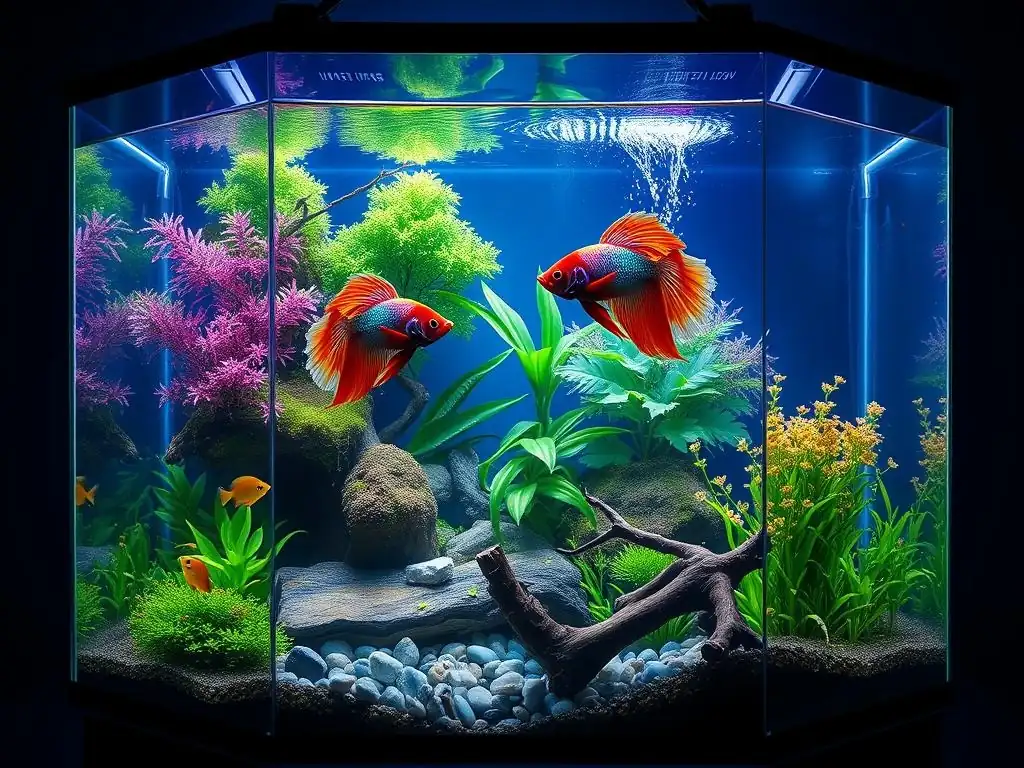
Welcome to Aquarium Mastery, where your underwater dreams come to life!
Ever wondered if your aquarium light is really doing its job? Dive into our guide on the best aquarium lights for beginners and unlock the secrets to a thriving, vibrant aquatic world. Discover how the right illumination can transform your tank, bringing out the best in your fish and plants. Are you ready to shed some light on the possibilities? Let's begin!
- Understanding Aquarium Lighting: Why It Matters
- Finding the Best Aquarium Lights for Beginners: A Comprehensive Guide
- Top Aquarium Light Picks for Beginners: Reviews and Recommendations
- High-Tech Aquarium Lighting: Stepping Up Your Game
- Optimizing Your Aquarium Lighting for Plant and Coral Growth
- Maintaining Your Aquarium Lights: Tips for Longevity
- Upgrading Your Aquarium Lighting: When and Why
- Conclusion: Illuminating Your Aquarium Mastery Journey
-
Frequently Asked Questions
- What are the key features to consider when choosing aquarium lights for beginners?
- How important is the light spectrum for a beginner's aquarium?
- What does PAR mean, and why should a beginner care about it?
- Are LED aquarium lights generally better for beginners than fluorescent lights?
- How often should I replace my aquarium lights, and what are the signs they need replacing?
- Final Reflection: Illuminating the Depths of Aquatic Care
- Unleash the Brilliance: Transform Your Aquarium Today!
Understanding Aquarium Lighting: Why It Matters
The Crucial Role of Light in Freshwater and Saltwater Aquariums
Light is far more than just a means to view your aquatic inhabitants; it is a fundamental pillar of a thriving aquarium ecosystem. In freshwater planted tanks, light fuels photosynthesis, the process by which aquatic plants convert light energy into chemical energy, producing oxygen vital for fish and beneficial bacteria.
Similarly, in saltwater reef aquariums, light is absolutely critical for the symbiotic zooxanthellae algae residing within corals, providing them with the energy they need to grow and exhibit vibrant coloration. Without adequate and appropriate lighting, plants will wither, corals will bleach, and fish may exhibit unnatural behaviors or faded colors.
Beyond photosynthesis, proper lighting influences the natural circadian rhythms of fish and invertebrates, mimicking their natural environment. A consistent light cycle, typically 10-12 hours of light followed by 12-14 hours of darkness, helps reduce stress in fish, promotes natural breeding behaviors, and maintains overall biological stability within the tank. Insufficient or incorrect lighting can lead to stunted growth, increased susceptibility to disease, and an unwelcome proliferation of nuisance algae, making the selection of the best aquarium lights for beginners a pivotal decision.
Light Spectrum and PAR: Deciphering the Jargon for Healthy Growth
When discussing aquarium lighting, two key terms often arise: light spectrum and PAR. Light spectrum refers to the range of colors, or wavelengths, emitted by a light source. Just as plants on land thrive under specific wavelengths (primarily red and blue), aquatic plants and corals also require particular parts of the spectrum for optimal photosynthesis.
For instance, blue light (around 450-470 nm) penetrates water deeply and is crucial for coral growth and fluorescence, while red light (around 620-660 nm) is highly effective for plant photosynthesis. Full-spectrum lights, which aim to replicate natural sunlight, often include a balanced blend of these wavelengths to support diverse aquatic life.
PAR, or Photosynthetically Active Radiation, is a measurement of the light intensity that is actually usable by photosynthetic organisms. Unlike lumens, which measure light perceived by the human eye, PAR specifically quantifies the light wavelengths between 400 and 700 nanometers. This makes PAR a far more relevant metric for aquarists, especially when cultivating live plants or corals.
For example, low-light freshwater plants like Anubias and Java Fern typically require 15-30 PAR, while medium-light plants such as Cryptocorynes and Swords need 30-50 PAR. High-light demanding plants and many SPS corals can require PAR values ranging from 100 to over 400, demonstrating the importance of matching light output to your tank's inhabitants.
Beginner Aquarium Lighting Needs vs. Advanced Reef Tank Illumination
The lighting requirements for a beginner's aquarium are generally less complex than those for an advanced reef tank, making the search for the best aquarium lights for beginners more straightforward. For a simple freshwater community tank with no live plants or a basic fish-only saltwater aquarium (FOWLR), the primary purpose of lighting is often aesthetic viewing and providing a consistent day/night cycle for the inhabitants.
In such setups, a basic LED strip with a general "daylight" spectrum (around 6500K-10000K) is usually sufficient, offering good visual appeal and minimal energy consumption. The emphasis for beginners is on ease of setup, reliability, and affordability.
In stark contrast, advanced planted aquariums and reef tanks housing light-demanding corals like Small Polyp Stony (SPS) corals require highly specialized and often sophisticated lighting systems. These setups demand precise control over light intensity (PAR), a customizable spectrum to promote specific growth and coloration, and programmable features to simulate natural light cycles, including sunrise, sunset, and even lunar phases. Such advanced illumination systems, like high-output LED fixtures with multiple channels, represent a significant investment and require a deeper understanding of light science, distinguishing them from the simpler solutions sought by those looking for the best aquarium lights for beginners.
Finding the Best Aquarium Lights for Beginners: A Comprehensive Guide
What to Consider When Choosing Your First Aquarium Light
Tank Size and Shape: Matching Light Coverage to Your Aquarium
The physical dimensions of your aquarium are a primary consideration when selecting a light. An appropriately sized light fixture ensures even illumination across the entire tank, preventing "hot spots" where light is too concentrated or "dead spots" where plants or corals receive insufficient light. For instance, a 24-inch LED fixture is ideal for a standard 10-gallon or 20-gallon long tank, providing edge-to-edge coverage. Conversely, placing a 24-inch light on a 48-inch tank would leave large sections underexposed, hindering growth and impacting the visual appeal.
Beyond length, consider the tank's width and depth. Wider tanks may benefit from lights with a broader spread or require multiple fixtures to ensure adequate coverage. Deeper tanks, especially those over 20 inches, will need lights with higher PAR output to penetrate the water column effectively, as light intensity diminishes significantly with depth. For example, a light producing 100 PAR at the surface might only deliver 30-40 PAR at a depth of 24 inches, making careful consideration of light penetration crucial for the health of plants or corals at the bottom of the tank.
Types of Aquarium Lighting: LED, Fluorescent, and Metal Halide - Which is Best for You?
When searching for the best aquarium lights for beginners, understanding the main types of lighting is essential. LED (Light Emitting Diode) lighting has become the industry standard due to its energy efficiency, long lifespan (often exceeding 50,000 hours), low heat output, and customizable spectrum. LEDs offer precise control over color and intensity, making them versatile for everything from basic fish-only tanks to advanced planted and reef aquariums. Their low running costs and minimal maintenance make them an excellent choice for novice aquarists.
Fluorescent lighting, primarily T5 High Output (T5HO) and T8 bulbs, offers a good balance of affordability and performance for basic planted tanks and general illumination. While less energy-efficient than LEDs and producing more heat, T5HOs can provide sufficient PAR for medium-light plants. However, fluorescent bulbs typically need to be replaced every 6-12 months as their spectrum and intensity degrade, leading to higher long-term operating costs.
Metal Halide lighting provides extremely high intensity and excellent color rendition, making it suitable for very deep tanks and demanding SPS corals. However, metal halides generate significant heat, consume a lot of electricity, and require frequent bulb replacement (every 6-9 months). Their complexity and operational costs generally make them unsuitable for beginners looking for the best aquarium lights for beginners. Given their advantages, LEDs are overwhelmingly recommended as the best aquarium lights for beginners due to their ease of use, efficiency, and longevity.
Budget Considerations: Finding Affordable and Effective Lighting Solutions
For many beginners, budget is a significant factor when setting up their first aquarium. The good news is that effective lighting doesn't necessarily mean breaking the bank. Entry-level LED fixtures, often ranging from $30 to $100 depending on tank size, can provide sufficient illumination for a thriving freshwater community tank or a low-light planted setup. These lights typically offer a fixed spectrum and may require an external timer for automation, but they deliver reliable performance without a hefty upfront investment.
While premium lighting solutions can cost several hundred dollars, beginners should focus on meeting the specific needs of their planned aquatic life without overspending on advanced features they might not immediately utilize. It's important to consider the long-term cost as well; while LEDs may have a higher initial price than basic fluorescent fixtures, their superior energy efficiency and exceptionally long lifespan result in significant savings on electricity bills and bulb replacements over time.
This makes even a slightly more expensive LED a more economical choice in the long run, proving that the best aquarium lights for beginners are often those that offer a balance of initial affordability and long-term value.
Top Aquarium Light Picks for Beginners: Reviews and Recommendations
[Finnex Stingray 2]: A Budget-Friendly Option for Planted Tanks
The [Finnex Stingray 2] has earned a strong reputation among freshwater aquarists as a highly effective and budget-friendly lighting solution, particularly for planted tanks. Its sleek, low-profile design allows it to blend seamlessly with most aquarium setups, and its simple installation process makes it appealing to new hobbyists. This fixture is specifically engineered with a spectrum that supports healthy plant growth, making it an excellent choice for those venturing into the world of live aquatic plants without a significant financial commitment.
This light is particularly well-suited for setups featuring low-to-medium light demanding plants, such as various species of Anubias, Java Fern, Cryptocorynes, and Swords. Its balanced output provides ample illumination for these plants to photosynthesize effectively, contributing to a lush and vibrant freshwater environment. The [Finnex Stingray 2] also enhances the natural colors of fish and provides a pleasant viewing experience, making it a strong contender for the best aquarium lights for beginners who prioritize plant health and overall tank aesthetics on a modest budget.
[Finnex Stingray 2] Features: Spectrum Control, Timer Functions, and Ease of Use
The [Finnex Stingray 2] features a fixed spectrum designed for freshwater planted tanks, typically incorporating a mix of white (around 7000K daylight), red, and blue LEDs. While it doesn't offer granular spectrum customization like high-end units, its pre-set output is optimized to encourage robust plant growth and bring out the natural colors of fish. The fixture boasts a remarkably slim profile, often less than half an inch thick, which contributes to a clean, unobtrusive look above the aquarium.
Ease of use is a cornerstone of the [Finnex Stingray 2]'s design, making it highly suitable for beginners. It typically includes a simple on/off switch, and while it lacks an integrated programmable timer, it is fully compatible with external digital timers. This allows beginners to easily establish a consistent 10-12 hour light cycle, which is crucial for preventing algae and promoting healthy plant development. For example, a 24-inch [Finnex Stingray 2] unit draws approximately 18-20 watts, demonstrating its energy efficiency despite its effective light output.
[Finnex Stingray 2] Pros and Cons: Is it the Right Choice for Your Aquarium?
Pros: The [Finnex Stingray 2] is remarkably affordable, often available for under $70 for smaller sizes, making it an accessible option for those seeking the best aquarium lights for beginners. Its spectrum is well-suited for low-to-medium light demanding freshwater plants, providing excellent value for its price point. The slim design, low heat output, and energy efficiency are additional benefits, contributing to a streamlined and cost-effective aquarium setup. It's a reliable workhorse for a thriving planted tank without complexity.
Cons: The main drawbacks of the [Finnex Stingray 2] are its lack of advanced features. It does not offer dimming capabilities, an integrated programmable timer (requiring a separate purchase), or customizable spectrum control. This means it's not suitable for high-light demanding plants or demanding corals in a marine setup. Additionally, its PAR output may be insufficient for deeper tanks (over 18-20 inches) or for achieving very dense plant growth without specific CO2 injection.
The [ONF Flat Nano+] represents a step up in quality and performance for planted tank enthusiasts, particularly those with nano or small to medium-sized aquariums (e.g., up to 60cm or 24 inches). This premium light is renowned for its exceptional aesthetic design, featuring a minimalist flat panel that elegantly hovers over the tank. It is highly regarded in the aquascaping community for its ability to render plant colors vibrantly and promote lush growth, appealing to beginners who are serious about creating a visually stunning planted display from the outset.
Its superior light quality and intensity allow for the successful cultivation of a wider range of aquatic plants, including some medium-light demanding species that might struggle under more basic fixtures. The [ONF Flat Nano+] is designed to showcase the intricate details of a planted aquascape, making reds more vibrant and greens richer. For beginners who are willing to invest more in their lighting to achieve professional-grade results and want the best aquarium lights for beginners that lean towards high performance for plants, this fixture offers a compelling solution.
[ONF Flat Nano+] Features: Advanced Spectrum Customization and Bluetooth Control
The [ONF Flat Nano+] distinguishes itself with advanced features that provide users with significant control over their aquarium's illumination. It delivers a high-quality, full-spectrum output, typically ranging from 6500K to 7500K, with a high Color Rendering Index (CRI) that accurately portrays the natural colors of plants and fish. Despite its compact size, it boasts impressive PAR output, ensuring sufficient light penetration for even densely planted tanks.
A key feature is its integrated Bluetooth connectivity, allowing for convenient control via a dedicated smartphone app. This app enables users to customize light intensity, set precise on/off schedules, and even create dynamic sunrise and sunset effects, mimicking natural light cycles. For beginners transitioning into more advanced planted tank concepts, this app control simplifies the process of fine-tuning lighting parameters, offering a user-friendly interface to manage complex lighting routines without the need for external controllers.
[ONF Flat Nano+] Pros and Cons: Is the Price Justified?
Pros: The [ONF Flat Nano+] excels in light quality, producing vivid colors and robust growth for aquatic plants. Its sleek, minimalist design is aesthetically pleasing, making it a favorite among aquascapers. The high PAR output for its size, coupled with advanced app control features like dimming and programmable schedules, offers unparalleled flexibility. It's built with high-quality materials, ensuring durability and a premium feel, positioning it as one of the best aquarium lights for beginners who prioritize aesthetics and top-tier plant growth.
Cons: The most significant drawback of the [ONF Flat Nano+] is its price point, which is considerably higher than budget options, often ranging from $150-$250 depending on the model. This makes it a substantial investment for a beginner. Furthermore, it is primarily designed for freshwater planted tanks and is not suitable for marine reef aquariums. For very basic fish-only setups, its advanced features and high cost would be overkill, meaning it's best suited for those committed to a serious planted tank.
[Beamswork DA FSPEC]: A Versatile Option for Freshwater and Low-Light Marine Aquariums
The [Beamswork DA FSPEC] is a highly versatile and budget-conscious LED light fixture that has gained popularity among beginners for its ability to serve both freshwater community tanks and low-light marine fish-only (FOWLR) setups. Its straightforward design and reliable performance make it an appealing choice for those seeking general illumination without venturing into the complexities of high-tech planted or reef tanks. The [Beamswork DA FSPEC] offers a practical solution for aquarists looking for an affordable, no-frills lighting option.
This fixture's broad appeal lies in its simplicity and availability in numerous sizes, allowing it to fit a wide array of standard aquariums, from 10-gallon to 75-gallon tanks. It provides sufficient light for basic viewing and maintaining the health of most common freshwater fish species, as well as marine fish without light-demanding corals. For beginners who need a dependable and economical light to get started, the [Beamswork DA FSPEC] stands out as a solid choice among the best aquarium lights for beginners.
[Beamswork DA FSPEC] Features: Simple Design and Reliable Performance
The [Beamswork DA FSPEC] features a straightforward LED array, typically composed of a mix of white and blue LEDs. For instance, many models use 10000K white LEDs combined with 460nm blue LEDs to provide a balanced spectrum that mimics natural daylight and includes a moonlight setting. This dual-mode functionality allows users to easily switch between a bright daytime view and a calming blue night illumination, offering basic aesthetic control.
Its design is notably simple, often fan-less, ensuring quiet operation which is a significant plus for home environments. The fixture is generally slim and lightweight, with adjustable brackets that allow it to fit various tank lengths. Power consumption is modest; a 36-inch [Beamswork DA FSPEC] unit, for example, typically draws around 24-28 watts, contributing to lower electricity bills. This combination of simple design and reliable performance makes it an accessible and practical option for those seeking the best aquarium lights for beginners.
[Beamswork DA FSPEC] Pros and Cons: A Solid Choice for Beginners?
Pros: The [Beamswork DA FSPEC] is exceptionally affordable, with smaller sizes often priced under $50, making it one of the most budget-friendly options on the market. Its versatility for both freshwater community tanks and low-light marine fish-only setups is a major advantage for beginners who might be exploring different types of aquariums. The quiet, fan-less operation and simple dual-mode switch (daylight/moonlight) contribute to a user-friendly experience, solidifying its position as a practical choice among the best aquarium lights for beginners.
Cons: The primary limitations of the [Beamswork DA FSPEC] include its limited spectrum control, making it unsuitable for demanding planted tanks or coral growth due to insufficient PAR and specific wavelengths. It lacks an integrated timer, meaning an external timer is required for automated light cycles. Some users have also reported a shorter lifespan compared to more premium LED brands, and the light output, while sufficient for basic needs, may not be as intense or visually appealing as higher-end fixtures.
High-Tech Aquarium Lighting: Stepping Up Your Game
Programmable LED Lights: Simulating Natural Sunlight Cycles
Programmable LED lights represent a significant leap forward in aquarium illumination, moving beyond simple on/off functionality to mimic the dynamic light cycles found in nature. These advanced fixtures allow aquarists to create custom schedules that simulate sunrise, peak daylight, sunset, and even moonlight phases over a 24-hour period. This gradual transition in light intensity and spectrum not only provides a more aesthetically pleasing display but also offers substantial biological benefits for aquarium inhabitants.
For fish, a simulated sunrise can reduce stress by gradually waking them, rather than suddenly exposing them to full light. For plants and corals, these nuanced light changes optimize photosynthesis by providing specific spectrums and intensities at different times, much like they would experience in their natural habitats.
For example, a programmable light might slowly ramp up from a dim blue moonlight to a full-spectrum white over an hour in the morning, gradually dimming back to blue in the evening. This level of control, while perhaps an upgrade for those starting with the best aquarium lights for beginners, unlocks significant potential for health and vitality.
Smart Controllers: Automating Your Aquarium Lighting for Optimal Health
Smart controllers are the brains behind sophisticated aquarium lighting setups, offering unparalleled automation and integration. These devices, often app-controlled via Wi-Fi or Bluetooth, allow aquarists to precisely manage their lighting schedules, intensity, and spectrum from a smartphone or tablet. Beyond basic on/off times, smart controllers can orchestrate complex light ramps, simulate weather effects like cloud cover, and even integrate with other aquarium equipment such as pumps, heaters, and automatic feeders.
The benefits of utilizing smart controllers extend far beyond mere convenience. They contribute to a more stable and optimized aquarium environment by ensuring consistent light cycles and parameters, which are crucial for the long-term health of sensitive aquatic life. By automating these critical functions, aquarists can reduce manual intervention, minimize human error, and gain peace of mind, knowing their tank is running efficiently even when they are away. While a step beyond the initial requirements for the best aquarium lights for beginners, smart controllers are invaluable for those looking to maximize efficiency and stability.
AI Prime 16HD: A Popular High-End Smart Light with Extensive Programmability
The AI Prime 16HD stands as a highly popular and powerful high-end smart LED light, particularly favored in the reef aquarium hobby for its compact size and extensive programmability. Designed by AquaIllumination (AI), it is an excellent choice for small to medium-sized reef tanks, offering the intensity and spectrum control necessary for even demanding SPS (Small Polyp Stony) and LPS (Large Polyp Stony) corals. Its reputation for performance and user-friendly control makes it a standout in the advanced lighting category.
A key feature of the AI Prime 16HD is its HD (Hyperdrive) technology, which allows the light to dynamically shift power between individual LED channels, effectively utilizing more of the available power for the colors you want. It boasts multiple LED channels, including Cool White, Deep Red, Green, Blue, Royal Blue, UV, and Violet, all individually controllable for intensity and color. Through the intuitive myAI app, users can create highly customized light schedules, simulate weather effects, and even incorporate lunar cycles, providing unparalleled control over the tank's environment and making it a pinnacle of smart aquarium technology.
Optimizing Your Aquarium Lighting for Plant and Coral Growth
Understanding Light Intensity and Duration
Optimizing aquarium lighting for plant and coral growth involves a delicate balance between light intensity (PAR) and duration (how many hours the light is on per day). Too much intensity or duration can lead to rapid algae growth, outcompeting plants and corals for nutrients and light. Conversely, too little light will stunt growth, cause plants to melt, or lead to coral bleaching.
For most freshwater planted tanks, a light duration of 10-12 hours is generally recommended, providing ample time for photosynthesis without encouraging excessive algae. Marine tanks often follow similar durations, though high-intensity coral systems might use slightly shorter peak periods.
Measuring PAR directly with a PAR meter is the most accurate way to assess light intensity at various depths within your tank. If a meter isn't available, manufacturers often provide PAR maps for their lights, or you can estimate based on general guidelines: low-light plants require 15-30 PAR, medium-light plants 30-50 PAR, and high-light plants or demanding corals can need 100-400+ PAR. Adjusting the light's height above the water, or utilizing dimming features on programmable LEDs, allows precise control over the PAR reaching your plants and corals, ensuring they receive exactly what they need to thrive.
Adjusting Light Spectrum for Specific Plant and Coral Needs
The spectrum of light, or the specific wavelengths emitted, plays a crucial role in promoting targeted growth and coloration in aquatic plants and corals. For freshwater plants, red wavelengths (around 620-660 nm) are highly efficient for chlorophyll absorption and overall biomass growth, while blue wavelengths (around 450-470 nm) are important for compact growth and preventing stretching. A balanced full-spectrum light, often with peaks in the red and blue regions, is ideal for most planted tanks.
In reef aquariums, blue and royal blue wavelengths (450-470 nm) are paramount. These penetrate water most effectively and are essential for the symbiotic zooxanthellae within corals, driving their photosynthetic processes. UV and violet wavelengths (380-420 nm) also play a role in coral health and can enhance fluorescence, making corals "pop." Advanced LED fixtures allow aquarists to fine-tune these specific channels, increasing blue and UV for vibrant coral colors or adjusting red and green for a desired aesthetic in planted tanks, optimizing the environment for specific inhabitants beyond just general illumination.
Avoiding Algae Blooms: Balancing Light with Nutrients
Algae blooms are a common frustration for aquarists, and they frequently stem from an imbalance between light and available nutrients. Algae are opportunistic organisms that rapidly proliferate when there's an excess of both light intensity/duration and dissolved nutrients like nitrates and phosphates. For instance, leaving lights on for 14-16 hours a day in a tank with elevated nitrates (e.g., above 20 ppm) due to overfeeding or infrequent water changes creates a perfect breeding ground for unsightly green or brown algae.
To prevent algae, it's crucial to maintain a consistent and appropriate light cycle, typically 10-12 hours, and ensure light intensity (PAR) matches the needs of your plants or corals, not exceeding them. Equally important is stringent nutrient management: perform regular weekly water changes (e.g., 25% of tank volume), avoid overfeeding your fish, and ensure your filtration system is efficient. Introducing live plants to a freshwater tank or a robust cleanup crew to a marine tank can also help consume excess nutrients, creating a competitive environment that discourages algae growth and promotes a clean, healthy display.
Maintaining Your Aquarium Lights: Tips for Longevity
Cleaning Your Lights Regularly
Regular cleaning is essential for maintaining the efficiency and longevity of your aquarium lights. Over time, dust, water spots, and salt creep (in marine tanks) can accumulate on the light fixture and the LED lenses or bulb surfaces. This buildup acts as a physical barrier, blocking light from reaching the water and significantly reducing the intensity (PAR) and quality of the light emitted. For instance, a thin film of salt creep can reduce light penetration by 10-20% within just a few weeks.
To clean your lights, always unplug the fixture from the power source first to prevent electrical hazards. For freshwater tanks, a soft, damp cloth can effectively wipe away dust and water spots. For saltwater setups, a cloth dampened with RO/DI water or a diluted vinegar solution (for stubborn salt creep) is recommended.
Gently wipe the entire surface, paying close attention to the lenses directly above the water. Ensure the light is completely dry before plugging it back in. A cleaning schedule of once a week or bi-weekly will help maintain optimal light output and extend the life of your fixture.
Replacing Bulbs and LEDs When Necessary
While LEDs boast impressive lifespans, their output can gradually degrade over many years. Fluorescent (T5HO, T8) and metal halide bulbs, however, have much shorter operational lives and require regular replacement. Fluorescent bulbs typically need to be replaced every 6-12 months, as their spectrum shifts and intensity diminishes, even if they still visibly light up. Metal halide bulbs degrade even faster, usually requiring replacement every 6-9 months. Failing to replace these bulbs can lead to insufficient light for plants and corals, causing stunted growth, faded colors, and increased susceptibility to algae blooms due to an imbalanced spectrum.
Monitoring the performance of your lighting is key. If you notice a decline in plant or coral growth, an increase in nuisance algae despite nutrient control, or a visible dimming or color shift in your lights, it's often a sign that replacement is due. While LEDs might last for 50,000 hours or more, their PAR output can decrease by 20-30% after several years of continuous use. Consulting the manufacturer's recommendations for replacement intervals and being proactive about bulb changes will ensure your aquarium inhabitants always receive optimal illumination.
Avoiding Water Damage and Electrical Hazards
Preventing water damage and ensuring electrical safety are paramount for both the longevity of your aquarium lights and the safety of your home. Water and electricity are a dangerous combination, and even small splashes or condensation can compromise electrical components, leading to fixture failure or, worse, electrical shock. A common hazard is splashing water onto the light during routine maintenance, such as water changes or scrubbing algae.
To mitigate these risks, always ensure your light fixture is securely mounted above the tank, preferably with a splash guard if it's not rated for direct water contact. Implement "drip loops" for all power cords; this involves creating a low point in the cord below the outlet, so any water running down the cord drips off before reaching the electrical socket.
Regularly inspect cords and connections for any signs of wear, fraying, or corrosion. Most critically, always unplug your aquarium lights before performing any maintenance inside the tank, such as water changes, aquascaping, or cleaning, to eliminate the risk of accidental electrocution or damage to the unit.
Upgrading Your Aquarium Lighting: When and Why
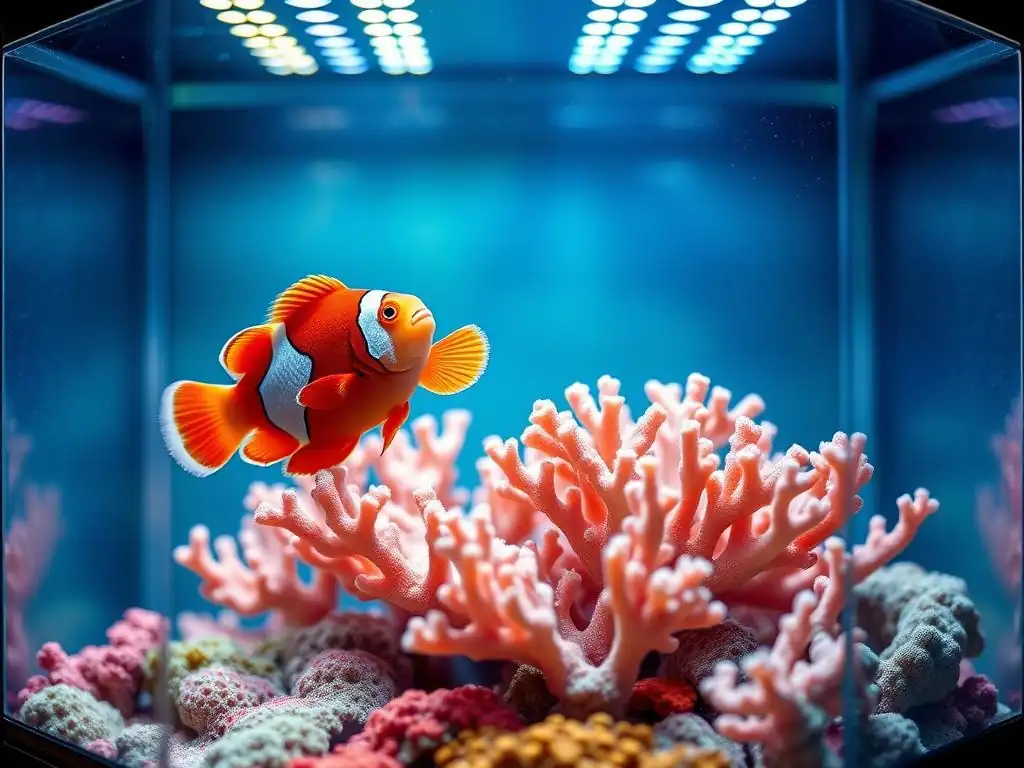
Recognizing the Signs That Your Lights Need Replacing
Even the best aquarium lights for beginners, or more advanced systems, will eventually show signs of needing an upgrade or replacement. One of the most obvious indicators is a noticeable decline in plant or coral growth, even if other parameters like nutrients and water chemistry are stable.
For instance, if your previously thriving Anubias plants begin to yellow or your SPS corals lose their vibrant coloration and exhibit slower growth, it could point to insufficient light. Another common sign is a persistent increase in nuisance algae, despite diligent nutrient control, as aging lights can shift their spectrum, favoring algae growth over desirable organisms.
Other visual cues include visible flickering, dimming, or a noticeable color shift in the light output from individual LEDs or fluorescent bulbs. If your tank inhabitants appear dull or less vibrant than before, or if your plants are "stretching" towards the light source, these are strong indications that your current lighting is no longer providing adequate intensity or the correct spectrum. Recognizing these signs early allows you to proactively upgrade, preventing long-term damage or stress to your valuable aquatic ecosystem.
Choosing the Right Upgrade for Your Growing Aquarium
Upgrading your aquarium lighting should be a strategic decision based on the evolving needs of your tank. If you initially started with a basic setup and now wish to cultivate more demanding high-light plants or venture into keeping SPS corals, a significant upgrade in PAR output and spectrum control will be necessary.
For example, moving from a low-tech freshwater setup to a CO2-injected planted tank will require a light capable of delivering 50-100+ PAR at the substrate. Similarly, transitioning from a FOWLR marine tank to a mixed-reef tank housing LPS and SPS corals necessitates a powerful, full-spectrum LED with high PAR and advanced programmability.
Consider not only the increased light requirements but also features like dimming, programmable timers, and app control, which become increasingly beneficial as your aquarium becomes more complex. Research specific light models known for supporting the new requirements of your chosen inhabitants. For instance, brands like Kessil, Radion, or AI Prime are often considered for advanced reef setups, while Chihiros or Twinstar are popular for high-tech planted tanks. An upgrade should be viewed as an investment that will directly support the next phase of your aquarium mastery journey, enabling the successful keeping of more challenging species.
Considering a [Radion] Upgrade for Enhanced Performance
For serious reef aquarists seeking the pinnacle of performance and control, considering a [Radion] upgrade from Ecotech Marine is often the next logical step. While not typically among the best aquarium lights for beginners due to their premium price point and advanced features, [Radion] lights are renowned for their powerful output, extensive spectrum control, and sophisticated programmability. They are designed to support the most demanding SPS corals, ensuring vibrant coloration and rapid growth even in larger or deeper reef tanks.
The benefits of a [Radion] upgrade are manifold: extremely high PAR output ensures light penetrates to the deepest parts of your reef, while multiple individually controllable LED channels (e.g., Deep Blue, Royal Blue, Cool White, Red, Green, UV, Violet) allow for precise customization of the light spectrum to perfectly match coral needs and desired aesthetics. Integration with Ecotech's EcoSmart Live or Mobius app provides intuitive control, enabling complex light schedules, lunar cycles, and even weather simulations.
Furthermore, [Radion] lights seamlessly integrate with other Ecotech equipment like Vortech and Vectra pumps, creating a unified and highly optimized aquarium ecosystem for unparalleled performance.
Conclusion: Illuminating Your Aquarium Mastery Journey
Selecting the Best Beginner Aquarium Lights for a Thriving Ecosystem
Choosing the best aquarium lights for beginners is a foundational step towards cultivating a thriving and visually appealing aquatic ecosystem. It's a decision that requires balancing your initial budget with the specific needs of the aquatic life you plan to keep, whether it's a simple community fish tank, a lush freshwater planted aquarium, or a basic marine fish-only setup. While there are numerous options available, LED lighting generally stands out as the superior choice for most novices due to its energy efficiency, longevity, and versatile capabilities.
Ultimately, the best light for your first aquarium will be one that provides sufficient PAR for your intended inhabitants, offers an appropriate spectrum to support their health and coloration, is easy to set up and operate, and fits comfortably within your budget. By carefully considering tank size, the type of aquatic life, and the various lighting technologies, beginners can confidently select a fixture that lays the groundwork for a successful and enjoyable journey into the world of aquariums. A well-chosen light is not merely an accessory; it's a vital component that enables life to flourish beneath the surface.
Investing in Quality Lighting for Long-Term Aquarium Success
Beyond the initial setup, investing in quality aquarium lighting is a commitment to the long-term success and vitality of your underwater world. Lighting is not just for viewing; it is a critical life-support system that directly impacts the health, growth, and overall well-being of plants, corals, and even fish. A high-quality light, chosen to match the specific demands of your aquarium's inhabitants, promotes robust photosynthesis, enhances natural colors, and contributes to a stable biological environment.
While it may seem like a significant expense initially, the benefits of quality lighting — including reduced algae issues, vibrant plant and coral growth, and healthier fish — far outweigh the costs. As your expertise grows and your aquarium evolves, the right lighting system can adapt and support more complex ecosystems, preventing the need for frequent, costly replacements. By prioritizing effective and appropriate illumination, you are empowering your aquarium to reach its full potential, transforming it into a captivating and flourishing display that reflects true aquarium mastery.
Frequently Asked Questions
What are the key features to consider when choosing aquarium lights for beginners?
Beginners should focus on light spectrum, PAR (Photosynthetically Active Radiation), and ease of use. These factors contribute to plant growth and fish health without overwhelming newcomers.
How important is the light spectrum for a beginner's aquarium?
The light spectrum is crucial because it directly affects plant photosynthesis and the vibrancy of fish colors. Choose a full-spectrum light for optimal results.
What does PAR mean, and why should a beginner care about it?
PAR measures the amount of light available for photosynthesis. Beginners should aim for a PAR level appropriate for their chosen plants to ensure healthy growth and prevent algae blooms.
Are LED aquarium lights generally better for beginners than fluorescent lights?
Yes, LED lights are often preferred because they are more energy-efficient, have a longer lifespan, and offer greater control over light spectrum and intensity compared to fluorescent options.
How often should I replace my aquarium lights, and what are the signs they need replacing?
LED lights generally last for several years. Signs of replacement include diminished brightness, color shift, or complete failure. Regular checks are crucial for maintaining a healthy aquarium environment.
Final Reflection: Illuminating the Depths of Aquatic Care
The journey into aquarium keeping, particularly for beginners, hinges significantly on the seemingly simple, yet profoundly important, choice of lighting. The right illumination isn't just about aesthetics; it's about fostering a thriving ecosystem within glass walls. As we've explored the landscape of next-generation aquarium lights, it's become clear that smart technology is rapidly transforming how we nurture underwater life, offering unprecedented control and efficiency.
The impact of these advancements extends far beyond the hobbyist community. Understanding the nuances of light spectrum and intensity is crucial for responsible aquarium keeping, promoting healthy coral growth and vibrant fish coloration. This knowledge, once confined to experts, is now increasingly accessible, empowering beginners to create truly stunning and sustainable aquatic environments. In the right light, at the right time, everything is extraordinary.
– Aaron Rose, reminding us that even the smallest details, like aquarium lighting, can unlock extraordinary beauty and potential.
So, as you embark on your own aquatic adventure, remember that choosing the "best aquarium light for beginners" is more than just a purchase; it's an investment in the well-being of your underwater world. Let the insights shared here guide you, not just to select a product, but to cultivate a deeper understanding of the delicate balance within your aquarium. Embrace the power of next-generation illumination, and watch as your aquatic ecosystem flourishes, bringing joy and wonder to your life for years to come.
Unleash the Brilliance: Transform Your Aquarium Today!
Thank you for diving deep into the world of aquarium lighting! We hope you've gained valuable insights into choosing the perfect illumination for your underwater paradise. Now, it's time to bring your aquarium to life!
Ready to take the next step? Here's how:
- Boldly upgrade your current lighting system to a next-gen smart LED fixture. Witness the vibrant transformation of your aquatic ecosystem!
- Explore complementary accessories like sunrise/sunset simulators to fine-tune your light's performance for optimal plant growth and fish health.
- Share this guide with fellow aquarium enthusiasts and spark discussions in online communities. Let's illuminate the path to brighter, healthier aquariums together!
What unique lighting schedules will you create to mimic natural conditions and optimize your aquarium's beauty?