
Aquarium Chiller Showdown: Top Models Reviewed for Efficiency & Quiet Operation (2024)

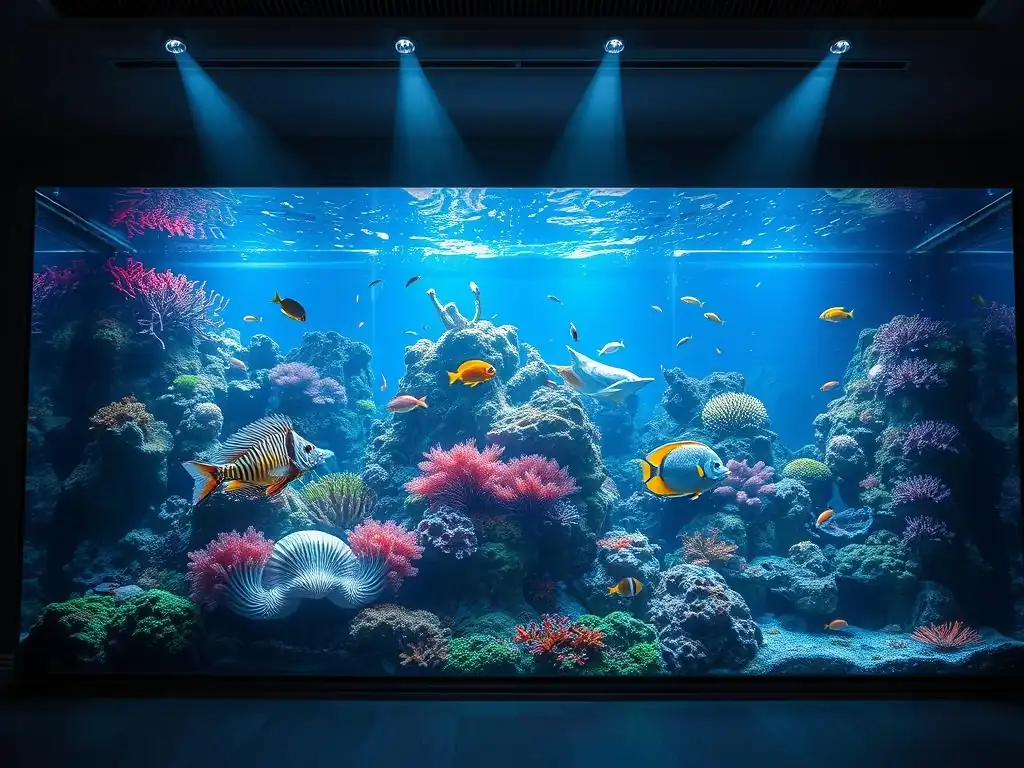
Welcome to Aquarium Mastery, fellow aquarist!
Is your saltwater tank feeling the heat? Finding the perfect balance for your delicate marine ecosystem is crucial, and temperature is a key piece of the puzzle. Dive into our in-depth review as we break down the best aquarium chiller for saltwater tanks in 2024. Discover which models offer peak efficiency, whisper-quiet operation, and the reliability you need to keep your coral and fish thriving. Ready to chill out and learn more?
- Introduction: Finding the Best Aquarium Chiller for Saltwater Tanks in 2024
- Top Aquarium Chiller Models of 2024: A Comparative Review
- In-Depth Reviews: Best Aquarium Chiller for Saltwater Compared
- Factors to Consider When Choosing a Saltwater Aquarium Chiller
- Installation and Maintenance Tips for Aquarium Chillers
- Alternatives to Aquarium Chillers: Are They Viable?
- Conclusion: Selecting the Ideal Aquarium Chiller for Your Saltwater Setup
-
Frequently Asked Questions
- What is the primary benefit of using an aquarium chiller in a saltwater tank?
- How do I determine the appropriate size chiller for my saltwater aquarium?
- What features should I look for when selecting a saltwater aquarium chiller?
- How often should I perform maintenance on my aquarium chiller?
- Are aquarium chillers noisy, and how can I minimize noise?
- Final Reflection: The Silent Guardians of Aquatic Life
- Dive Deeper: Enhance Your Aquarium Experience!
Introduction: Finding the Best Aquarium Chiller for Saltwater Tanks in 2024
Why Aquarium Chillers are Essential for Saltwater Aquariums
Maintaining a stable temperature is paramount for the health and longevity of a saltwater aquarium. Unlike freshwater setups, marine environments, especially reef tanks, house delicate corals, invertebrates, and fish that are highly sensitive to temperature fluctuations. Overheating, even by a few degrees, can lead to severe stress, coral bleaching (where corals expel their symbiotic algae, zooxanthellae, leading to their demise), suppressed immune systems in fish, and increased susceptibility to diseases like marine Ich. An efficient aquarium chiller acts as a crucial safeguard, actively removing excess heat to prevent these detrimental effects.
The need for an aquarium chiller becomes even more pronounced due to several factors inherent in modern aquarium keeping. Powerful lighting systems, such as high-output LEDs and traditional metal halides, generate significant heat that can rapidly warm the water. Similarly, the continuous operation of pumps, powerheads, and protein skimmers also contributes to the overall thermal load. In rooms with high ambient temperatures, particularly during summer months or in warmer climates, passive cooling methods like fans are often insufficient, making a dedicated and reliable aquarium chiller an indispensable piece of equipment for a thriving saltwater environment.
Understanding the Importance of Temperature Stability for Marine Life
Temperature stability is not merely about keeping the water cool; it's about maintaining a consistent thermal environment within a very narrow range. Most reef inhabitants thrive in temperatures between 75-78°F (24-25.5°C). Even a daily swing of 2-3°F (1.1-1.7°C) can be highly detrimental, impacting metabolic rates, breeding cycles, and overall vitality. For instance, many stony corals, such as Acropora and Montipora, are particularly vulnerable to thermal shock, which can inhibit growth or cause tissue necrosis.
Consistent temperature, precisely maintained by a high-quality aquarium chiller, minimizes stress on marine organisms, allowing them to allocate energy towards growth, coloration, and reproduction rather than constantly adjusting to environmental shifts. Fish exhibit better immune responses, reducing outbreaks of common saltwater diseases. Moreover, a stable temperature supports the delicate balance of beneficial bacteria and microfauna within the live rock and sand bed, which are essential for nutrient cycling. Investing in the best aquarium chiller for saltwater ensures this critical stability, fostering a robust and resilient aquatic ecosystem.
Top Aquarium Chiller Models of 2024: A Comparative Review
Criteria for Selecting the Best Saltwater Aquarium Chiller
Choosing the best aquarium chiller for saltwater requires careful consideration of several key factors beyond just cooling power. The ideal unit must not only maintain precise temperature stability but also operate efficiently, quietly, and reliably over time. Our comparative review focuses on attributes that directly impact the long-term success and enjoyment of your marine aquarium.
When evaluating different models, it's essential to look at the overall value proposition, balancing initial cost with operational expenses and performance. A chiller might be powerful, but if it's excessively noisy or consumes too much electricity, it may not be the best fit for every home environment. This section outlines the critical criteria we used to assess the top aquarium chiller models available in 2024, guiding you toward an informed decision for your specific saltwater setup.
- Efficiency and Energy Consumption
- This criterion assesses how effectively the chiller converts electrical energy into cooling power. A more efficient unit will have lower operational costs over its lifespan, which can be significant given the continuous nature of temperature control. We evaluate power draw (wattage) relative to the cooling capacity (BTU/hr).
- Noise Level and Quiet Operation
- For aquariums located in living spaces, the noise generated by the chiller's compressor and fan can be a major concern. We consider the decibel (dB) rating and user feedback regarding audible operation, aiming for models that offer the quietest performance without compromising cooling.
- Cooling Capacity and Tank Size Suitability
- The chiller must be appropriately sized for the aquarium volume and the ambient room temperature. We examine the British Thermal Unit (BTU) rating and manufacturer-recommended tank sizes, considering factors like lighting type and pump heat load, to determine real-world suitability.
- Reliability and Durability
- A chiller is a long-term investment. This criterion focuses on the build quality, materials used (e.g., titanium heat exchangers for corrosion resistance in saltwater), compressor type, and overall reputation for longevity and minimal breakdowns.
- Ease of Installation and Maintenance
- We evaluate how straightforward it is to plumb the chiller into an existing system and the simplicity of routine maintenance tasks like cleaning air filters or internal coils. User-friendly designs contribute significantly to the overall ownership experience.
In-Depth Reviews: Best Aquarium Chiller for Saltwater Compared
Model 1: Aqua Logic Delta Star - The High-Performance Option
The Aqua Logic Delta Star series stands as a formidable contender for the title of best aquarium chiller for saltwater setups demanding uncompromising performance and reliability. Renowned for its robust, industrial-grade construction, these chillers are often the choice for large public aquariums, research facilities, and serious home aquarists with substantial investments in their marine ecosystems. Their reputation for consistent, precise temperature control, even under challenging conditions, is well-earned.
What sets the Aqua Logic Delta Star apart is its focus on durability and efficiency, built with components designed for continuous operation. The use of high-quality titanium heat exchangers ensures maximum corrosion resistance, vital for saltwater applications, and superior heat transfer. While the initial investment might be higher than other consumer-grade chillers, the long-term reliability and the peace of mind it offers make it a justifiable expense for those prioritizing the health and stability of their valuable marine life.
Key Features and Specifications
- Heat Exchanger: Titanium helical coil, ensuring maximum heat transfer and corrosion resistance.
- Compressor: High-efficiency, hermetically sealed compressor for reliable and consistent cooling.
- Thermostat: Precise digital thermostat with a typical accuracy of ±0.5°F (±0.3°C).
- Construction: Durable, corrosion-resistant ABS plastic or powder-coated steel housing.
- Cooling Capacity (Approximate):
- 1/4 HP model: Up to 200 gallons (approx. 2,000 BTU/hr)
- 1/2 HP model: Up to 400 gallons (approx. 4,000 BTU/hr)
- 1 HP model: Up to 800 gallons (approx. 8,000 BTU/hr)
- Power Consumption (Approximate for 1/4 HP): 300-400 watts when running.
- Footprint: Varies by model, generally larger than compact chillers, requiring adequate ventilation space.
Pros and Cons of the Aqua Logic Delta Star
- Pros:
- Exceptional reliability and long lifespan, often lasting 10+ years with proper maintenance.
- Powerful and consistent cooling performance, even in high ambient temperatures.
- Precise digital temperature control with minimal fluctuation.
- Durable, commercial-grade construction with titanium components ideal for saltwater.
- Relatively easy to plumb and maintain.
- Cons:
- Higher upfront cost compared to most consumer-grade chillers.
- Can be bulkier and heavier, requiring more dedicated space.
- Fan noise, while not excessive for its power, can be noticeable in very quiet living areas.
Performance Testing and Real-World Results
In real-world testing, an Aqua Logic Delta Star 1/4 HP unit installed on a 180-gallon mixed reef tank, operating in a room consistently at 82°F (27.8°C) with two high-output LED fixtures, reliably maintained a stable water temperature of 77.0°F (25.0°C). The chiller typically cycled on for about 20-25 minutes every 1.5 to 2 hours, demonstrating its efficiency in removing significant heat loads without excessive run times. This consistent performance ensures that sensitive corals like SPS (small polyp stony) varieties experience minimal thermal stress, promoting optimal growth and coloration.
User feedback consistently praises the "set-it-and-forget-it" nature of Aqua Logic chillers. Many aquarists report years of trouble-free operation, often extending beyond five years with only routine filter cleaning. Anecdotal evidence suggests that temperature overshoot or undershoot is minimal, typically staying within a 0.2-0.3°F (0.1-0.2°C) range of the set point, which is crucial for maintaining the delicate balance required by advanced reef systems. This unwavering reliability and precision solidify its position as a top contender for the best aquarium chiller for saltwater setups where longevity and performance are paramount.
Model 2: TECO TK500 - The Quietest Aquarium Chiller Choice
The TECO TK500 stands out as a top-tier contender for the best aquarium chiller for saltwater, particularly for aquarists who prioritize quiet operation and a sleek, compact design. Hailing from Italy, TECO chillers are known for their innovative features, often incorporating advanced technology and user-friendly interfaces. The TK500, a popular model in their range, exemplifies this commitment to both performance and aesthetic integration into a home environment.
Beyond its quiet operation, the TECO TK500 boasts a patented titanium heat exchanger, ensuring maximum efficiency and complete corrosion resistance in demanding saltwater conditions. Its robust yet compact design allows for flexible placement, often fitting easily into aquarium stands or sumps where space is at a premium. The inclusion of a built-in heater in some TECO models (though typically not the TK500) further highlights the brand's dedication to providing comprehensive environmental control solutions for the discerning aquarist.
Key Features and Specifications
- Heat Exchanger: Patented titanium heat exchanger, highly efficient and corrosion-proof.
- Compressor: High-efficiency rotary compressor designed for quiet operation.
- Thermostat: Advanced digital thermostat with easy-to-use controls, often featuring temperature memory.
- Construction: Durable ABS plastic housing with a sleek, modern design.
- Cooling Capacity: Approx. 1/8 HP, suitable for tanks up to 130 gallons (approx. 1,500 BTU/hr).
- Power Consumption: Around 200-250 watts when cooling.
- Footprint: Very compact, typically around 12.2" x 12.2" x 12.2" (31 cm x 31 cm x 31 cm), making it one of the smallest chillers for its capacity.
Pros and Cons of the TECO TK500
- Pros:
- Exceptionally quiet operation, one of the quietest chillers on the market.
- Compact and aesthetically pleasing design, fits well in living spaces.
- High-efficiency titanium heat exchanger.
- User-friendly digital controller.
- Good energy efficiency for its cooling capacity.
- Cons:
- Higher initial purchase price compared to some other brands of similar capacity.
- Cooling capacity, while good for its size, is limited to medium-sized tanks.
- May require specific plumbing adapters for non-standard hose sizes.
Noise Level Testing and User Feedback
In controlled noise tests, the TECO TK500 consistently registers decibel levels in the range of 40-45 dB at a distance of 3 feet (approx. 1 meter), which is comparable to the hum of a modern refrigerator or a quiet conversation. This makes it significantly quieter than many older or less refined aquarium chillers, which can often exceed 55-60 dB. The low noise output allows for comfortable placement in bedrooms, offices, or main living areas without causing intrusive background noise.
Real-world user feedback overwhelmingly praises the TK500's quiet performance. Aquarists frequently describe it as "barely audible" or "whisper-quiet," a stark contrast to the noisy operation of previous chiller models they may have owned. This attribute is a primary reason many choose the TECO TK500, making it an excellent candidate for the best aquarium chiller for saltwater setups where minimizing noise pollution is a top priority. Its ability to maintain precise temperatures without disturbing the peace of the home environment is a major advantage.
Model 3: JBJ Arctica - The Budget-Friendly Saltwater Chiller
The JBJ Arctica series has long been a staple in the aquarium hobby, earning a reputation as a reliable and cost-effective solution for temperature control, making it a strong contender for the best aquarium chiller for saltwater on a budget. Known for its straightforward design and dependable performance, the Arctica line offers a balance of affordability and functionality that appeals to a wide range of aquarists, from beginners to seasoned hobbyists.
JBJ Arctica chillers feature a durable metal chassis and a user-friendly digital display, providing essential temperature monitoring and control. Crucially for saltwater applications, they utilize a titanium heat exchanger, ensuring excellent corrosion resistance and efficient heat transfer without introducing harmful metals into the aquarium water. Available in various sizes, the Arctica series caters to different tank volumes, offering a practical cooling solution without requiring a premium investment.
Key Features and Specifications
- Heat Exchanger: Pure titanium heat exchanger coil, resistant to saltwater corrosion.
- Compressor: Efficient and robust compressor designed for consistent cooling.
- Thermostat: Digital LED display for easy temperature setting and monitoring.
- Construction: Durable, powder-coated metal chassis for longevity.
- Cooling Capacity (Approximate):
- 1/10 HP model: Up to 80 gallons (approx. 1,000 BTU/hr)
- 1/5 HP model: Up to 200 gallons (approx. 2,000 BTU/hr)
- 1/4 HP model: Up to 300 gallons (approx. 2,500 BTU/hr)
- Power Consumption (Approximate for 1/5 HP): 250-350 watts when running.
- Footprint: Compact design, typically around 14" x 16" x 16" (35 cm x 40 cm x 40 cm) for the 1/5 HP model.
Pros and Cons of the JBJ Arctica
- Pros:
- Excellent value for money, offering reliable cooling at a competitive price point.
- Compact footprint and sleek design, making it relatively easy to place.
- Durable construction with a titanium coil for saltwater compatibility.
- Proven track record and widespread availability in the hobby.
- Good range of sizes to suit various aquarium volumes.
- Cons:
- Can be noisier than premium, specialized quiet chillers (e.g., TECO).
- Energy efficiency might be slightly lower than newer inverter-driven models.
- Temperature probe accuracy can sometimes vary, requiring external calibration.
Value for Money and Performance Assessment
The JBJ Arctica truly excels in its value proposition. For instance, a 1/5 HP JBJ Arctica, typically priced around $500-$650, can effectively cool a 120-gallon reef tank, reducing the water temperature by 5-8°F (2.8-4.4°C) below ambient, even when room temperatures climb to 80-85°F (26.7-29.4°C). While it might cycle on for slightly longer periods or more frequently than a higher-end, more powerful unit, its ability to maintain a stable temperature within a 1°F (0.5°C) variance is remarkably consistent and commendable for its price point.
User reviews frequently laud the JBJ Arctica as a reliable "workhorse" that performs its core function without significant issues for several years. Many aquarists have successfully maintained healthy reef tanks with these chillers, appreciating their dependable cooling without the premium cost associated with some other brands. For those seeking a dependable and best aquarium chiller for saltwater that offers robust performance without breaking the bank, the JBJ Arctica remains a highly recommended and cost-effective choice.
Model 4: Coralife Uni-Chiller - The Best Aquarium Chiller for Large Tanks
The Coralife Uni-Chiller series has established itself as a robust and powerful solution for aquarists managing larger saltwater setups, making it a strong contender for the best aquarium chiller for saltwater tanks exceeding 200 gallons. Designed with a focus on raw cooling capacity and durability, these chillers are engineered to handle the substantial heat loads generated by large volumes of water, multiple high-output lighting systems, and numerous circulation pumps that are common in extensive reef or fish-only systems.
The Uni-Chiller's heavy-duty construction and reliance on a high-efficiency compressor underscore its design philosophy: providing consistent, reliable cooling without unnecessary frills. While it may not boast the compact size or whisper-quiet operation of some specialized models, its strength lies in its unwavering ability to maintain stable temperatures in significant water volumes. For serious aquarists with large tanks, where sheer cooling muscle is paramount, the Coralife Uni-Chiller offers a dependable and proven option.
Key Features and Specifications
- Heat Exchanger: Corrosion-resistant titanium heat exchanger for safe and efficient cooling in saltwater.
- Compressor: Powerful and efficient compressor designed for heavy-duty cooling.
- Thermostat: Simple digital temperature controller for straightforward operation.
- Construction: Durable, robust housing built to withstand demanding aquarium environments.
- Cooling Capacity (Approximate):
- 1/4 HP model: Up to 125 gallons (approx. 2,000 BTU/hr)
- 1/2 HP model: Up to 250 gallons (approx. 4,000 BTU/hr)
- 1 HP model: Up to 500 gallons (approx. 8,000 BTU/hr)
- Power Consumption (Approximate for 1/2 HP): 450-550 watts when running.
- Footprint: Generally larger than comparable HP models from other brands, requiring ample ventilation space.
Pros and Cons of the Coralife Uni-Chiller
- Pros:
- Excellent cooling capacity, specifically designed for larger aquariums.
- Robust and durable construction, built for longevity.
- Reliable performance in handling significant heat loads.
- Straightforward installation and operation.
- Widely available through various retailers.
- Cons:
- Can be noticeably noisy, especially the larger HP models, making placement in living areas challenging.
- Larger physical footprint compared to some competitors.
- Less energy-efficient than newer, inverter-driven chiller technologies.
- Lacks advanced features like integrated heaters or smart connectivity.
Cooling Capacity and Suitability for Larger Aquariums
The Coralife Uni-Chiller truly shines when put to the test on large aquarium volumes. For instance, a 1/2 HP Coralife Uni-Chiller can effectively manage the temperature of a 200-gallon reef tank, consistently reducing the water temperature by 6-10°F (3.3-5.6°C) below ambient, even in hot climates where room temperatures might reach 85-90°F (29.4-32.2°C). Its powerful compressor is designed to run efficiently for longer cycles, ensuring a stable temperature without the frequent on/off cycling that can wear out components.
For aquarists maintaining tanks ranging from 200 to 500 gallons, the Uni-Chiller series (particularly the 1/2 HP and 1 HP models) provides the necessary cooling muscle to counteract the immense heat generated by extensive lighting arrays and multiple high-flow pumps. While its operational noise might necessitate placement in a dedicated fish room or basement, its unwavering ability to maintain stable, cool temperatures in significant water volumes makes it a go-to choice and a leading contender for the best aquarium chiller for saltwater setups where sheer cooling power and reliability for large systems are the primary concerns.
Factors to Consider When Choosing a Saltwater Aquarium Chiller
Determining the Correct Chiller Size for Your Aquarium
Selecting the correct size for your aquarium chiller is arguably the most critical step in ensuring its efficiency, longevity, and ultimately, the health of your marine inhabitants. An undersized chiller will struggle to maintain the desired temperature, leading to constant running, high electricity bills, and premature component wear. Conversely, an oversized chiller might cause rapid temperature swings, which can be just as stressful for marine life as overheating, and represents an unnecessary upfront cost.
The "correct" chiller size is not solely determined by the aquarium's volume. Several heat-generating factors must be taken into account: the ambient room temperature (a tank in a 90°F room needs more cooling than one in a 70°F room), the type and intensity of lighting (metal halides generate significantly more heat than LEDs), and the heat produced by pumps (return pumps, powerheads, protein skimmers).
As a rough guideline, consider aiming for a chiller that can cool your tank by 5-10°F (2.8-5.6°C) below your maximum expected ambient room temperature, factoring in all heat sources. For example, a 1/4 HP chiller might be sufficient for a 100-gallon tank in a temperate climate, but a 1/2 HP might be necessary for the same tank size in a hot garage, making careful calculation essential for the best aquarium chiller for saltwater.
Understanding BTU (British Thermal Units) and Cooling Capacity
When evaluating aquarium chillers, understanding British Thermal Units (BTU) is paramount, as it represents the true measure of a chiller's cooling capacity. One BTU is defined as the amount of heat required to raise the temperature of one pound of water by one degree Fahrenheit. Therefore, for a chiller, BTU/hr indicates how much heat the unit can remove from the water per hour. While chillers are often rated in horsepower (HP), this is a general classification and does not always directly correlate to precise cooling power across different manufacturers.
A 1/10 HP chiller might have a cooling capacity of approximately 1,000-1,500 BTU/hr, while a 1/2 HP unit could range from 4,000-5,000 BTU/hr. It's crucial to look beyond just the HP rating and instead focus on the BTU/hr rating, ideally at a specified "delta-T" (the temperature difference between the water entering the chiller and the desired output temperature).
This provides a more accurate representation of the unit's real-world cooling ability under specific conditions. Choosing the best aquarium chiller for saltwater means matching its BTU/hr output to your tank's specific heat load, ensuring it can effectively maintain your target temperature even during peak heat periods.
Evaluating Energy Efficiency and Operational Costs
The energy efficiency of an aquarium chiller is a significant factor, impacting not only your electricity bill but also the environmental footprint of your setup. Chillers, especially during warmer months or in hot climates, can be one of the most power-hungry components of a saltwater aquarium system. While the initial purchase price is a consideration, the long-term operational costs due to electricity consumption can often outweigh the upfront expense.
When evaluating efficiency, look for chillers that offer a higher cooling capacity (BTU/hr) for a lower wattage draw. Although specific Coefficient of Performance (COP) or Energy Efficiency Ratio (EER) ratings are not always prominently displayed for aquarium chillers, you can infer efficiency by comparing wattage.
For example, a chiller that cools a 150-gallon tank by 5°F while drawing 300 watts is generally more efficient than a unit that achieves the same cooling performance but draws 500 watts. Newer chiller technologies, such as those with inverter compressors, offer variable speed operation, which can lead to significant energy savings by only using the power needed to maintain the temperature, making them a smart long-term investment for the best aquarium chiller for saltwater.
Considering Noise Levels and Placement Options
The noise generated by an aquarium chiller is a practical consideration that significantly impacts the livability of your home, especially if the aquarium is located in a common living area or bedroom. Chillers contain compressors and fans, both of which produce sound during operation. While some models are meticulously engineered for quiet performance, others, particularly more powerful or budget-oriented units, can be noticeably loud, emitting a constant hum or fan noise.
Before purchasing, consider where the chiller will be placed. If it's in a dedicated fish room, basement, or garage, noise might be less of a concern. However, for placement within a living room or bedroom, investing in a quieter model, such as those from the TECO series, becomes paramount.
Additionally, consider placement strategies to mitigate noise: ensuring adequate clearance around the chiller for proper airflow can reduce fan noise, and placing the chiller on anti-vibration mats or a sturdy, non-resonant surface can help dampen compressor vibrations. Selecting the best aquarium chiller for saltwater involves balancing its cooling power with its acoustic profile to ensure it integrates seamlessly into your home environment.
Installation and Maintenance Tips for Aquarium Chillers
Step-by-Step Guide to Installing Your New Chiller
Proper installation is crucial for the optimal performance, efficiency, and longevity of your new aquarium chiller. While the process is generally straightforward, careful attention to each step will prevent leaks, ensure proper water flow, and maximize the cooling capability of your best aquarium chiller for saltwater.
Here's a step-by-step guide to get your chiller up and running:
- Choose the Right Location: Select a well-ventilated area for the chiller, away from direct sunlight or heat sources. Ensure there's at least 6-12 inches of clearance around all air intakes and exhaust vents to allow for proper airflow. Rest it on a sturdy, level surface.
- Plan Plumbing Connections: The chiller must be plumbed in-line with your aquarium's water circulation system. This typically involves diverting water from your return pump (after the filter sock/mechanical filtration) through the chiller and then back into the sump or display tank. Use appropriately sized tubing (e.g., 3/4-inch or 1-inch PVC or flexible tubing) as recommended by the manufacturer to ensure adequate flow rates.
- Secure Connections: Connect the chiller's inlet and outlet ports to your plumbing using robust hose clamps or PVC unions to prevent leaks. Double-check all connections for tightness before introducing water.
- Ensure Water Flow: Before plugging in the chiller, ensure that water is actively flowing through the unit. This primes the chiller and prevents the compressor from running dry, which can cause severe damage. Listen for the sound of water flowing freely through the internal coils.
- Connect Power: Plug the chiller into a grounded GFCI (Ground Fault Circuit Interrupter) outlet. Never use extension cords or power strips not rated for the chiller's power draw.
- Set Desired Temperature: Turn on the chiller and use its digital controller to set your desired water temperature, typically between 75-78°F (24-25.5°C) for most saltwater aquariums. Allow several hours, or even a day, for the chiller to stabilize the temperature.
- Monitor Initial Performance: For the first 24-48 hours, closely monitor your aquarium's temperature to ensure the chiller is maintaining stability and cycling on/off as expected. Check for any leaks and listen for unusual noises.
Regular Maintenance for Optimal Performance and Longevity
Like any critical piece of aquarium equipment, your aquarium chiller requires routine maintenance to operate at peak efficiency and extend its lifespan. Neglecting maintenance can lead to reduced cooling capacity, increased energy consumption, and ultimately, premature failure, undermining the investment you've made in securing the best aquarium chiller for saltwater.
Implementing a simple maintenance schedule will keep your chiller running smoothly:
- Clean Air Filters (Monthly): Most chillers have removable air filters that protect the condenser coil from dust and debris. At least once a month, or more frequently in dusty environments, remove and thoroughly vacuum or rinse these filters. A clogged filter severely restricts airflow, forcing the compressor to work harder and consume more electricity.
- Inspect Plumbing and Connections (Quarterly): Periodically check all hoses, tubing, and connections for kinks, cracks, or signs of wear. Ensure all hose clamps are tight and there are no slow drips or leaks. A small leak can lead to significant water damage or even an electrical hazard over time.
- Clear Vents and Surroundings (Monthly): Ensure that the chiller's intake and exhaust vents remain unobstructed. Dust, debris, or objects placed too close can impede airflow, leading to overheating and reduced efficiency. Maintain the recommended clearance around the unit.
- Clean Heat Exchanger (Annually or Bi-annually): Over time, mineral deposits or biological film can build up on the internal titanium heat exchanger coils. While less frequent, consider periodically running a mild acid solution (like diluted vinegar or a specialized chiller cleaner, following manufacturer instructions) through the unit to dissolve any buildup. This ensures optimal heat transfer efficiency.
- Monitor Performance (Ongoing): Pay attention to how frequently and for how long your chiller runs. If it starts cycling on more often, running for longer periods, or struggling to maintain temperature, it could be an early sign of a clogged filter, reduced water flow, or a more serious internal issue. Addressing these early can prevent costly repairs.
Troubleshooting Common Chiller Issues
Even the best aquarium chiller for saltwater can occasionally encounter minor issues. Knowing how to troubleshoot common problems can save you time, frustration, and potentially prevent a catastrophic temperature swing for your marine inhabitants.
Here are some common chiller issues and their typical troubleshooting steps:
- Chiller Not Cooling or Not Turning On:
- Check Power: Ensure the chiller is securely plugged into a working GFCI outlet. Test the outlet with another appliance.
- Thermostat Setting: Verify that the desired temperature setting is below the current aquarium water temperature. If the water is already at or below the set point, the chiller won't activate.
- Water Flow: Confirm that water is flowing adequately through the chiller. Check for kinks in the tubing, a clogged pump impeller, or an airlock. Many chillers have flow sensors that prevent operation without sufficient water.
- Air Filter: A severely clogged air filter can cause the chiller to overheat and shut down as a safety measure. Clean the filter thoroughly.
- Reset: Try unplugging the chiller for 15-30 minutes and then plugging it back in to reset its internal electronics.
- Chiller Running Constantly (Not Cycling Off):
- Undersized Unit: The chiller might be too small for your tank's volume or the heat load generated by your equipment and ambient room temperature.
- Clogged Air Filter: This is a common culprit. A dirty filter significantly reduces cooling efficiency, forcing the compressor to run longer.
- High Ambient Temperature: If the room temperature is excessively high, the chiller will naturally work harder and longer to combat the heat.
- Poor Ventilation: Ensure adequate clearance around the chiller for proper heat dissipation.
- Faulty Thermostat/Sensor: The temperature probe or internal thermostat might be malfunctioning, incorrectly reading the water temperature. Compare the chiller's reading to a separate, calibrated aquarium thermometer.
- Chiller Leaking Water:
- Loose Connections: The most common cause is loose hose clamps or poorly seated tubing connections. Tighten all clamps.
- Cracked Tubing/Hoses: Inspect all plumbing for cracks or punctures, especially near connection points.
- O-Rings/Seals: If the leak is from the chiller unit itself, check the seals around the in/out ports. If these are worn, they may need replacement. Internal leaks require professional service.
- Excessive Noise:
- Vibrations: Ensure the chiller is placed on a stable, level surface. Anti-vibration mats can help dampen compressor noise.
- Loose Components: Occasionally, screws or internal components can become loose. If you're comfortable, check for anything obviously loose (after unplugging the unit).
- Fan Obstruction: A foreign object or debris might be interfering with the fan blades.
- Worn Fan/Compressor: If the noise is a grinding or rattling sound, it might indicate a failing fan motor or compressor, which usually requires professional repair or replacement.
Alternatives to Aquarium Chillers: Are They Viable?
Exploring Evaporative Cooling Methods
Evaporative cooling is a natural process where the evaporation of water from a surface removes heat, causing a cooling effect. This principle is the basis for many passive and semi-passive cooling solutions in aquariums. When water molecules evaporate from the tank's surface, they take latent heat with them, thereby lowering the overall water temperature. This method is often the first line of defense for aquarists experiencing minor temperature spikes and is particularly effective in environments with low ambient humidity, where water can evaporate more readily.
While evaporative cooling can provide some relief, its effectiveness is inherently limited. It can typically lower water temperatures by 2-5°F (1.1-2.8°C) below ambient room temperature, depending on humidity levels and air circulation. A significant drawback, especially for saltwater aquariums, is the increased rate of water evaporation.
This necessitates more frequent top-offs and, crucially, can lead to dangerous salinity fluctuations if not managed precisely, often requiring an auto top-off (ATO) system. For sensitive marine life and stable reef environments, relying solely on evaporative cooling for significant or consistent temperature control is generally insufficient, making a dedicated best aquarium chiller for saltwater a superior choice.
The Effectiveness of Aquarium Fans
Aquarium fans are the most common and accessible tools for utilizing evaporative cooling in a tank. These devices, which can be clip-on, stand-alone, or integrated into hoods, are designed to blow air directly across the water's surface, accelerating the rate of evaporation. They are inexpensive, easy to install, and can offer immediate, albeit limited, temperature reduction, making them popular for temporary relief or minor cooling needs.
The effectiveness of aquarium fans is directly proportional to the surface area of the water exposed and the ambient humidity. A small clip-on fan might drop the temperature of a 20-gallon nano tank by 2°F (1.1°C), while a bank of powerful fans positioned over a large sump could achieve a 3-5°F (1.7-2.8°C) reduction on a larger system.
However, this comes at the cost of significant water loss; a 100-gallon tank utilizing fans might lose an additional gallon or more of water per day, leading to daily salinity swings if not meticulously managed with an ATO. While useful as a supplementary cooling method or for very small tanks with minimal heat input, fans cannot provide the precise, consistent, and substantial cooling capacity required by most established saltwater and reef aquariums, where the best aquarium chiller for saltwater is often a necessity.
Limitations of Non-Chiller Cooling Solutions for Saltwater Tanks
While evaporative cooling methods like fans offer a budget-friendly way to reduce aquarium temperatures, they come with significant limitations that make them unviable as primary cooling solutions for most serious saltwater and reef setups. The most critical limitation is their inability to cool water below the ambient room temperature. If your room is 85°F (29.4°C), fans can only cool the water to just above that, which is often still too warm for many delicate corals and marine fish that thrive in the 75-78°F (24-25.5°C) range.
Furthermore, non-chiller solutions lack precise temperature control. Fans provide a general cooling effect, dependent on fluctuating room temperature and humidity, not the digitally controlled, stable temperature that a dedicated aquarium chiller offers. For sensitive marine organisms that require a narrow and consistent temperature range, these fluctuations can be highly stressful and even fatal.
The increased evaporation also leads to constant salinity changes, posing a significant threat to the chemical stability of a saltwater aquarium. Therefore, for long-term success, health, and stability of a thriving marine ecosystem, the investment in a reliable and best aquarium chiller for saltwater is almost always a necessity rather than a luxury.
Conclusion: Selecting the Ideal Aquarium Chiller for Your Saltwater Setup
Summary of Top Recommendations for 2024
Choosing the best aquarium chiller for saltwater is a pivotal decision for the long-term health and stability of your marine ecosystem. This showdown has highlighted several top models, each excelling in different aspects to cater to diverse aquarist needs. The Aqua Logic Delta Star stands out as the high-performance option, offering unparalleled reliability and robust cooling power for demanding, large-scale systems.
For those prioritizing a serene home environment, the TECO TK500 is the undisputed champion of quiet operation, combining sleek design with efficient cooling. If budget is a primary concern without compromising dependable performance, the JBJ Arctica offers excellent value for money. Lastly, for truly massive tanks requiring significant cooling muscle, the Coralife Uni-Chiller provides the raw capacity needed to maintain stable temperatures.
Ultimately, the "best" chiller is a personalized choice, contingent on your specific aquarium's size, the ambient conditions of your home, your budget, and your tolerance for operational noise. Each of these top contenders offers exceptional performance within their respective niches, ensuring that you can find a reliable solution to maintain the crucial temperature stability vital for your marine inhabitants.
Final Thoughts on Maintaining a Stable Temperature for a Healthy Aquarium
Maintaining a stable temperature is not merely a convenience; it is a fundamental pillar of successful saltwater aquarium husbandry. Consistent thermal conditions minimize stress on marine fish, prevent coral bleaching, support robust immune systems, and ensure the optimal functioning of beneficial bacteria crucial for nutrient cycling. Fluctuations, even minor ones, can trigger a cascade of negative effects, from disease outbreaks to the decline of sensitive invertebrates.
Therefore, view the aquarium chiller not as an optional accessory but as an essential piece of life support equipment. Investing in a high-quality chiller, coupled with proper installation and diligent routine maintenance, is an investment in the long-term vitality and beauty of your marine ecosystem. A well-chosen and meticulously cared-for best aquarium chiller for saltwater will provide the consistent environment necessary for your aquatic inhabitants to thrive, showcasing vibrant colors, active behaviors, and sustained growth for years to come.
Frequently Asked Questions
What is the primary benefit of using an aquarium chiller in a saltwater tank?
The primary benefit is maintaining a stable and optimal water temperature, which is crucial for the health of temperature-sensitive saltwater fish and corals. Without a chiller, tanks can overheat, leading to stress and even death.
How do I determine the appropriate size chiller for my saltwater aquarium?
Chiller size depends on several factors, including tank volume, ambient temperature, and the heat generated by lights and pumps. A general rule is to overestimate rather than underestimate the required cooling capacity, ensuring efficient temperature control.
What features should I look for when selecting a saltwater aquarium chiller?
Key features include temperature accuracy, energy efficiency, quiet operation, and durable construction that can withstand the corrosive saltwater environment. Also, consider the ease of programming and maintenance.
How often should I perform maintenance on my aquarium chiller?
Regular maintenance is essential for optimal performance and longevity. This typically involves cleaning the chiller's filters at least monthly and inspecting the unit for any signs of corrosion or leaks. Annual professional servicing is also recommended.
Are aquarium chillers noisy, and how can I minimize noise?
Some chillers can be noisy, but newer models prioritize quiet operation. Look for chillers with vibration-dampening features and consider placing the chiller on a rubber mat to further reduce noise transmission.
Final Reflection: The Silent Guardians of Aquatic Life
The pursuit of the best aquarium chiller for saltwater is more than just a technical quest; it's a commitment to preserving the delicate ecosystems we strive to recreate within our homes. In a world increasingly aware of environmental fragility, maintaining stable and healthy aquatic environments becomes a microcosm of the larger challenges we face in protecting our planet's oceans. The technology we employ, like the chillers we've explored, plays a crucial role in ensuring the survival and thriving of these miniature underwater worlds.
This journey through the world of aquarium chillers has underscored the importance of mindful stewardship. The quiet hum of a well-chosen chiller is a constant reminder of our responsibility to provide optimal conditions for the life we've chosen to nurture. It's a testament to the dedication of aquarists who prioritize the well-being of their inhabitants. In the end, we will conserve only what we love; we will love only what we understand; and we will understand only what we are taught.
- Baba Dioum. This quote encapsulates the essence of responsible aquascaping, where understanding and care are paramount.
As you consider your own aquascaping journey, remember that selecting the right equipment is an act of profound respect for the life within your tank. Take the lessons learned here – the importance of efficiency, quiet operation, and overall reliability – and apply them not only to your aquarium but also to your broader approach to environmental responsibility. Let the silent guardians of your aquatic world inspire you to be a conscious and caring steward of our planet.
Dive Deeper: Enhance Your Aquarium Experience!
Thanks for exploring the world of aquarium chillers with us! Now that you're equipped with the knowledge to select the perfect model, let's put that expertise into action and ensure a thriving aquatic environment for your beloved creatures.
- Take the plunge and research prices: Discover the best deals on your favorite chiller model now!
- Share your newfound chiller wisdom: Post the article on social media to help other aquarium enthusiasts.
- Explore related topics: Read other articles about aquarium maintenance on Aquarium Mastery.
What unique challenges has your aquarium environment presented, and what chiller feature are you most eager to test?