
The Planted Tank Powerhouse: Filtration & Heating for Lush Aquatic Growth (Guide)

Welcome to Aquarium Mastery!
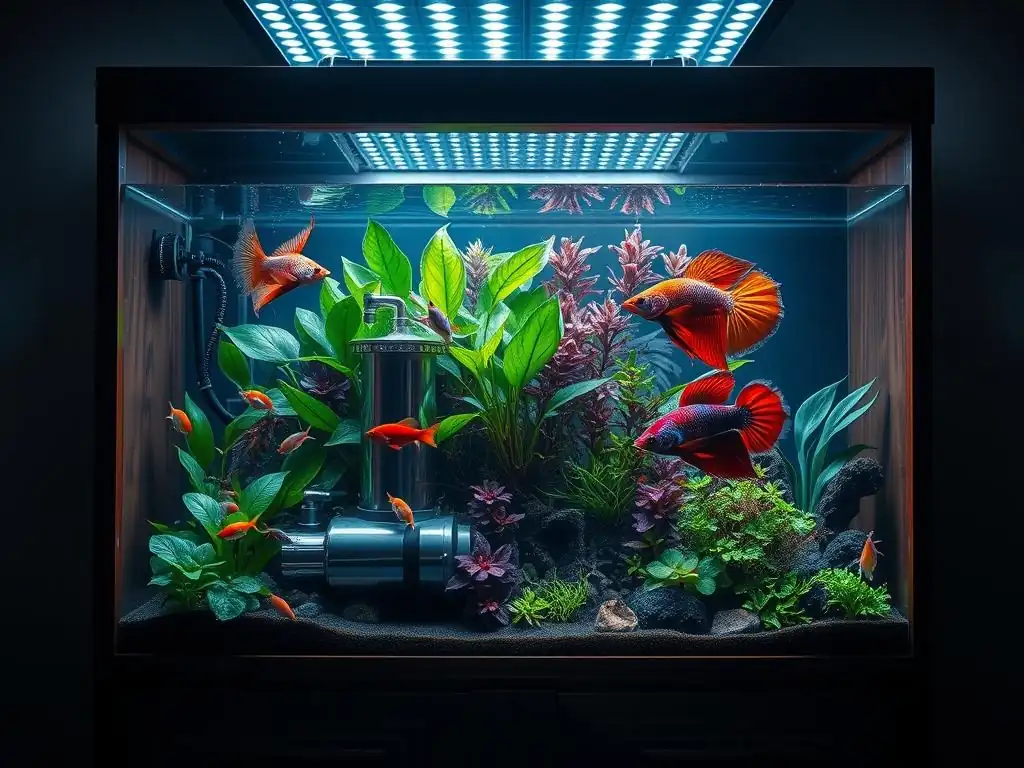
Ever wondered how to create a thriving underwater garden teeming with vibrant life? Dive into our guide and unlock the secrets to planted tank filtration and heating – the dynamic duo behind lush aquatic growth. Discover the perfect balance to keep your plants flourishing and your fish happy. Ready to cultivate your own slice of underwater paradise? Let's get started!
- Understanding Planted Tank Filtration & Heating: A Foundation for Success
-
Planted Tank Filtration: Choosing the Right System
- Mechanical Filtration: Removing Debris and Maintaining Water Clarity in Planted Tanks
- Biological Filtration: The Nitrogen Cycle and Plant-Friendly Bacteria
- Chemical Filtration: Addressing Specific Water Quality Issues in Planted Aquariums [e.g., Tannins, Ammonia]
- Filter Types for Planted Tanks: Canister Filters, Sponge Filters, and More
- Optimizing Filter Flow Rate for Plant Growth and CO2 Diffusion
- Planted Tank Heating: Maintaining Ideal Temperatures
- Filtration & Heating Synergy: Creating a Balanced Planted Tank Ecosystem
- Planted Tank Maintenance: Keeping Filtration and Heating Systems Running Smoothly
- Advanced Planted Tank Filtration & Heating Techniques
- Planted Tank Filtration and Heating: Specific Product Examples
- Conclusion: Mastering Filtration and Heating for a Thriving Planted Aquarium.
-
Frequently Asked Questions
- What is the ideal temperature range for a thriving planted tank?
- What type of filtration is best for a planted aquarium?
- How often should I perform water changes in my planted tank?
- Can I use a canister filter in a heavily planted aquarium?
- What are some common signs of inadequate heating or filtration in a planted tank?
- Final Reflection: Cultivating Aquatic Ecosystems
- Cultivate Your Aquatic Paradise!
Understanding Planted Tank Filtration & Heating: A Foundation for Success
The Importance of Balanced Filtration for Thriving Planted Aquariums
Balanced filtration is the cornerstone of a successful planted aquarium, directly impacting the health and vigor of aquatic plants. Effective filtration ensures water clarity, which is paramount for light penetration, allowing plants to photosynthesize efficiently. Without proper mechanical filtration, suspended particles can block light, hindering growth and encouraging algae proliferation, which directly competes with plants for essential nutrients and light. A robust filtration system, as part of overall planted tank filtration heating strategy, removes detritus and decaying organic matter, preventing the buildup of harmful ammonia and nitrites.
Beyond physical cleanliness, biological filtration plays a critical role by converting toxic nitrogenous waste into less harmful nitrates, which plants readily absorb as a primary nutrient source. A well-designed filter system also contributes to stable water parameters, minimizing fluctuations in pH and hardness that can stress sensitive aquatic flora. For instance, maintaining stable water chemistry through effective filtration can prevent issues like stunted growth or leaf melt in demanding species such as Rotala macrandra or Ludwigia repens.
Heating Considerations for Optimal Plant Growth in Aquascapes
Maintaining a stable and appropriate temperature is just as crucial as filtration for optimal plant growth in aquascapes, forming the other half of effective planted tank filtration heating. Most popular aquatic plants, including species like Anubias barteri, Cryptocoryne wendtii, and even more demanding stem plants, thrive within a temperature range of 72-82°F (22-28°C). Consistent temperatures ensure that plant metabolic processes, such as photosynthesis and nutrient uptake, occur at their most efficient rates. Fluctuations, even by a few degrees, can induce stress, leading to slow growth, yellowing leaves, or susceptibility to disease.
Furthermore, temperature directly influences the solubility of gases, including carbon dioxide (CO2), a vital nutrient for planted tanks. Cooler temperatures increase CO2 solubility, while warmer temperatures decrease it. Therefore, precise temperature control through reliable heating is essential to maximize the efficiency of CO2 injection systems, ensuring plants receive adequate carbon for robust growth. For example, if a tank's temperature drops below 70°F (21°C), the metabolic rate of many tropical plants slows significantly, impacting their ability to utilize available light and nutrients.
Planted Tank Filtration: Choosing the Right System
Mechanical Filtration: Removing Debris and Maintaining Water Clarity in Planted Tanks
Mechanical filtration is the initial stage of debris removal in a planted tank, critical for maintaining water clarity and facilitating optimal light penetration for aquatic plants. This process physically traps particulate matter such as uneaten food, fish waste, and decaying plant leaves. Common mechanical media include filter floss, sponges of various porosities (e.g., coarse, medium, fine), and filter pads. For instance, a coarse sponge might remove larger debris, while a fine filter floss can polish the water to crystal clarity, removing particles as small as 50 microns.
Regular cleaning or replacement of mechanical filter media is vital to prevent trapped detritus from breaking down and contributing to the biological load, which can lead to increased nitrates or even ammonia spikes if neglected. In a high-tech planted tank with significant plant mass and nutrient dosing, mechanical filtration needs to be highly efficient to prevent suspended particles from settling on plant leaves, which can inhibit photosynthesis and encourage localized algae growth. Many aquarists clean their mechanical media weekly or bi-weekly, depending on the tank's bioload and plant density.
Biological Filtration: The Nitrogen Cycle and Plant-Friendly Bacteria
Biological filtration is arguably the most critical component of planted tank filtration, relying on beneficial bacteria to process harmful nitrogenous waste products. These nitrifying bacteria colonize porous surfaces within the filter media, converting toxic ammonia (NH3) into nitrite (NO2-), and then nitrite into less harmful nitrate (NO3-). In a heavily planted aquarium, plants readily absorb these nitrates as a primary nutrient source, effectively completing the nitrogen cycle and reducing the need for frequent large water changes.
Ideal biological filter media, such as ceramic rings, bio-balls, or sintered glass media (e.g., Seachem Matrix), offer vast surface areas for bacterial colonization, often measured in square feet per liter. For example, some high-quality media can provide over 100,000 square feet of surface area per liter. This robust bacterial colony ensures that even with a moderate fish load, ammonia and nitrite levels remain at virtually undetectable levels (0 ppm), preventing stress on both fish and sensitive aquatic plants, which can be particularly vulnerable to nitrogen spikes.
Chemical Filtration: Addressing Specific Water Quality Issues in Planted Aquariums [e.g., Tannins, Ammonia]
Chemical filtration involves the use of specialized media to remove dissolved impurities, odors, discoloration, and specific harmful substances from the water. While not always a continuous requirement in every planted tank, it can be invaluable for addressing particular water quality issues. Activated carbon is a common chemical filter media, highly effective at adsorbing tannins (which cause a tea-stained water appearance from driftwood), odors, and various dissolved organic compounds. However, activated carbon's effectiveness diminishes over time, typically requiring replacement every 2-4 weeks, as it becomes saturated.
Other specialized chemical media, such as ion-exchange resins or specific adsorbents, are used to target particular problems. For instance, products like Seachem Purigen are highly effective at removing a broad spectrum of organic waste, reducing the precursors to ammonia, nitrite, and nitrate, without stripping beneficial trace elements essential for plant growth. This can be particularly useful in maintaining pristine water clarity and reducing the organic load in a densely planted tank, ensuring that plants have access to clean water for optimal nutrient uptake.
Filter Types for Planted Tanks: Canister Filters, Sponge Filters, and More
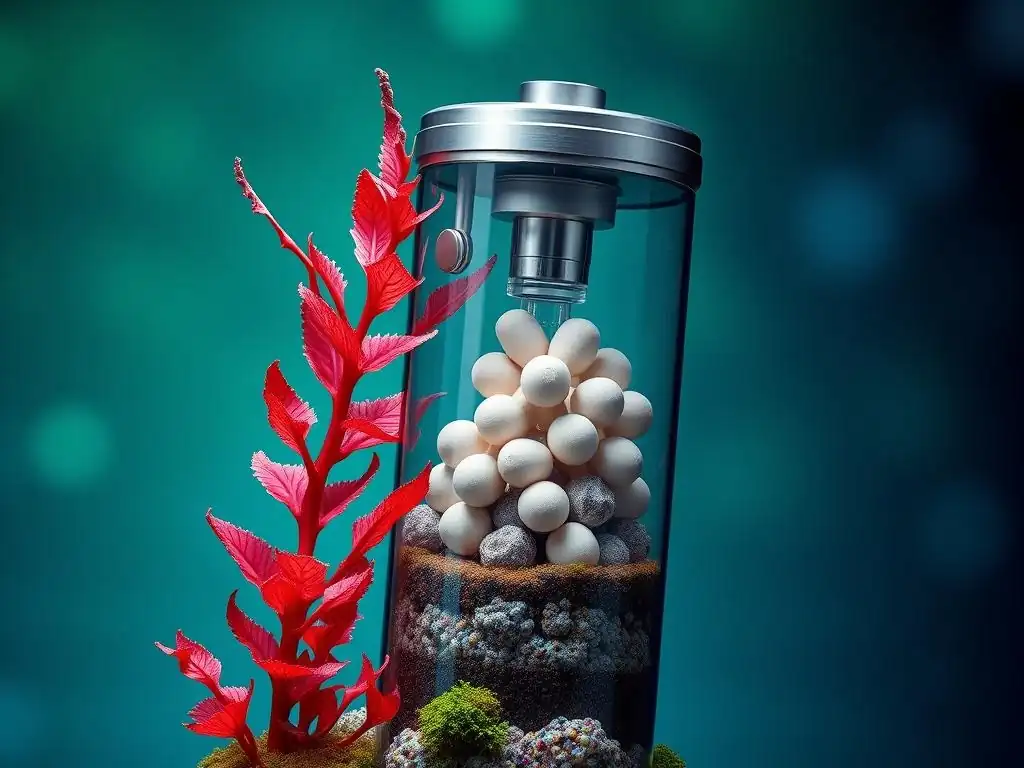
Choosing the right filter type is a crucial aspect of planted tank filtration heating, directly influencing water circulation, media capacity, and overall aesthetic. Each filter type has distinct advantages and disadvantages that make it more or less suitable for different planted aquarium setups. Considerations include tank size, desired flow rate, maintenance frequency, and the specific needs of the aquatic plants and inhabitants.
Canister Filters: A Popular Choice for Planted Aquariums
Canister filters are external filters that sit below the aquarium, offering significant advantages for planted tanks due to their large media volume and multi-stage filtration capabilities. They typically house separate compartments for mechanical, biological, and chemical media, allowing for highly customizable filtration. Their enclosed design and powerful pumps provide excellent water circulation, often turning over the tank's volume 3-5 times per hour, which is beneficial for distributing CO2 and nutrients evenly throughout the water column.
Popular models like the Eheim Classic series or Fluval FX series are highly regarded for their reliability and efficiency in planted setups. For example, an Eheim Classic 2217 can effectively filter tanks up to 158 gallons (600 liters), providing a robust biological bed and strong flow. Their external placement also keeps the aquarium interior uncluttered, enhancing the aquascape's visual appeal. While initial setup can be more complex than other filter types, their superior performance and less frequent maintenance make them a preferred choice for medium to large planted aquariums.
Sponge Filters: Simple and Effective Filtration for Smaller Planted Tanks
Sponge filters are simple, air-driven filters that provide both mechanical and biological filtration, making them an excellent choice for smaller planted tanks, breeding tanks, or as supplemental filtration. They consist of a porous sponge material through which water is drawn by an air pump, trapping particulate matter and providing a vast surface area for beneficial bacteria to colonize. Their gentle flow is ideal for tanks housing delicate fish species like bettas or shrimp, which can be stressed by strong currents.
While they may not offer the same high flow rates or comprehensive mechanical filtration as canister filters, their low cost, ease of maintenance, and effectiveness in tanks up to approximately 20-30 gallons (75-115 liters) make them a popular option. For instance, a small sponge filter can effectively maintain water quality in a 5-gallon nano planted tank, preventing ammonia spikes and providing stable conditions for plants like Monte Carlo or Dwarf Hairgrass. They are also very quiet and consume minimal electricity.
Hang-On-Back (HOB) Filters: Considerations for Planted Tank Use
Hang-On-Back (HOB) filters are external filters that hang on the back of the aquarium, drawing water from the tank, processing it through media cartridges, and returning it over the top. They are popular for their ease of installation and maintenance, and their compact design. HOB filters typically offer mechanical and chemical filtration, with some models also providing space for biological media. They are often used in planted tanks up to 50 gallons (190 liters).
However, a significant consideration for planted tanks when using HOB filters is their potential for high surface agitation. The cascading water return can cause excessive surface ripple, leading to significant CO2 off-gassing, which is detrimental to plant growth in high-tech setups relying on CO2 injection. While some aquarists modify HOB filters with spray bars or baffles to reduce surface agitation, canister filters or internal filters are generally preferred for dedicated planted tanks where CO2 retention is paramount.
Optimizing Filter Flow Rate for Plant Growth and CO2 Diffusion
Optimizing the filter flow rate is a critical aspect of effective planted tank filtration heating, as it directly impacts nutrient distribution, CO2 diffusion, and the overall health of aquatic plants. An ideal flow rate ensures that essential nutrients, including those from fertilizers and CO2, are evenly distributed throughout the entire tank, reaching all plants, even those in denser areas or lower levels. Too low a flow can lead to "dead spots" where nutrients stagnate, resulting in localized deficiencies and algae growth.
Conversely, an excessively high flow rate can be detrimental. Strong currents can stress delicate plant species, uproot freshly planted stems, and disturb the substrate. More importantly, high surface agitation caused by strong flow can rapidly degas CO2 from the water, reducing its availability for photosynthesis and hindering plant growth. For most planted tanks, a general guideline is to aim for a flow rate that turns over the tank's volume 3-5 times per hour, with the output diffused or directed to minimize direct surface agitation, ensuring optimal planted tank filtration heating conditions.
Planted Tank Heating: Maintaining Ideal Temperatures
The Role of Temperature in Plant Growth and Nutrient Uptake
Temperature plays a profound role in the metabolic processes of aquatic plants, directly influencing their growth rates and efficiency of nutrient uptake. Within their optimal range, typically 72-82°F (22-28°C) for most tropical aquatic plants, higher temperatures generally accelerate photosynthesis and respiration. This means plants can process available light and CO2 more quickly, leading to faster and more robust growth. Stable temperatures, as part of comprehensive planted tank filtration heating, prevent metabolic shock and allow plants to adapt to their environment without stress.
Moreover, temperature affects the solubility of various compounds and the activity of enzymes crucial for nutrient assimilation. For instance, warmer water can increase the solubility of certain minerals, making them more accessible to plant roots and leaves. However, excessively high temperatures (above 84°F or 29°C) can reduce oxygen levels and potentially stress plants, leading to stunted growth or even melting, particularly for cooler-water species like Blyxa japonica. Therefore, precise and consistent temperature control is vital for a thriving planted ecosystem.
Choosing the Right Aquarium Heater for Your Planted Tank
Choosing the right aquarium heater is essential for maintaining the stable temperatures required for lush aquatic plant growth, complementing the planted tank filtration heating system. The primary consideration is the wattage, which should be appropriate for your tank size and ambient room temperature. A general rule of thumb is to use 3-5 watts per gallon (approximately 1-1.5 watts per liter) of water. For example, a 20-gallon (75-liter) tank in a room consistently around 70°F (21°C) might require a 75-100 watt heater to maintain a stable 76°F (24°C).
Beyond wattage, key features to consider include reliability, durability, and a precise thermostat. Many modern heaters are shatterproof, made from quartz or plastic, and feature auto-shutoff mechanisms to prevent overheating if the water level drops. Brands known for their accuracy and longevity, such as Aqueon Pro, Eheim Jager, or Cobalt Aquatics, are often preferred by serious aquarists to ensure consistent and safe heating for their valuable planted setups.
Submersible Heaters: Reliable and Affordable Heating Options
Submersible heaters are the most common and widely used type of aquarium heater, offering reliability and affordability. These heaters are designed to be fully submerged in the water, allowing for efficient heat transfer and versatile placement within the tank. They typically consist of a heating element encased in a glass or plastic tube, with an integrated thermostat to maintain a set temperature. Their straightforward design makes them easy to install and operate, contributing to effective planted tank filtration heating.
For instance, an Aqueon Pro Adjustable Heater, available in various wattages (e.g., 50W, 100W, 200W, 300W), is a popular choice due to its durable, shatter-resistant construction and precise temperature control. Submersible heaters are generally recommended for tanks of all sizes, though larger tanks may require multiple heaters to ensure even heat distribution and provide a safety net in case one unit fails. Proper placement, typically near the filter output or in an area of good water flow, maximizes their effectiveness.
In-Line Heaters: Seamless Integration with Canister Filters
In-line heaters are a more advanced and aesthetically pleasing heating solution, particularly popular in high-tech planted tanks utilizing canister filters. These heaters are installed directly into the return line of an external canister filter, meaning they are completely outside the aquarium. This keeps the tank interior free of equipment, enhancing the visual appeal of the aquascape. The water is heated as it passes through the heater and then returned to the tank, ensuring efficient heat distribution throughout the entire water column.
Brands like Hydor ETH External Heater are well-known for their reliability and seamless integration. An in-line heater for a 50-gallon planted tank might be a 200W unit, connected to the outflow tubing of a canister filter. While generally more expensive than traditional submersible heaters, their discreet nature and even heat dispersion make them an excellent choice for aquarists who prioritize a clean, equipment-free look in their planted setups.
Substrate Heaters: Providing Gentle and Even Heat Distribution
Substrate heaters are a specialized type of heating element that is laid beneath the aquarium substrate, typically before planting. These low-wattage cables or mats provide gentle, localized heating to the substrate layer, creating a slight temperature gradient that encourages water circulation within the substrate itself. This slow convection current helps to draw nutrient-rich water down into the root zone of plants and circulate oxygenated water upwards, promoting healthier root growth and nutrient uptake.
While not designed to be the sole heating source for the entire tank (they usually provide only a few degrees of warmth), substrate heaters are often used in conjunction with a primary submersible or in-line heater. For example, a 25-watt substrate heater might be used in a 30-gallon planted tank to enhance root development for plants like Cryptocorynes or Echinodorus, which are heavy root feeders. This unique heating method contributes to a more biologically active substrate, mimicking natural conditions and benefiting the long-term health of the planted ecosystem.
Heater Placement: Ensuring Consistent Temperature Throughout the Planted Tank
Proper heater placement is crucial for ensuring consistent temperature throughout the entire planted tank, preventing hot or cold spots that can stress aquatic life. The ideal location for a submersible heater is in an area with good water flow, such as near the filter output or return spray bar. This allows the heated water to be rapidly dispersed throughout the tank, maintaining a uniform temperature. Placing a heater in a stagnant area can lead to localized overheating around the heater and cooler temperatures elsewhere in the tank.
For larger planted tanks (e.g., 50 gallons or more), it's often beneficial to use two smaller heaters rather than one large one. For example, two 100-watt heaters strategically placed at opposite ends of a 75-gallon tank can provide more even heat distribution and offer a degree of redundancy should one unit fail. Always ensure the heater is fully submerged according to manufacturer instructions, and avoid burying the heating element directly in the substrate unless it is specifically designed as a substrate heater, as this can lead to overheating and damage.
Avoiding Overheating: Thermostat Calibration and Backup Plans
Avoiding overheating is just as important as providing adequate warmth in a planted tank, as excessively high temperatures can be detrimental to both plants and fish. Most modern aquarium heaters come with integrated thermostats, but it's crucial to verify their accuracy with a separate, reliable thermometer. Digital thermometers or glass thermometers are excellent for this purpose. For instance, if your heater is set to 76°F (24°C), your separate thermometer should consistently read that temperature. If there's a discrepancy, recalibrate the heater's thermostat if possible, or adjust the setting accordingly.
Beyond calibration, having a backup plan can prevent catastrophic overheating. This might involve using two smaller heaters instead of one large one, so if one malfunctions and sticks "on," the other's thermostat might prevent severe overheating. For high-value planted tanks, a dedicated temperature controller (e.g., Inkbird ITC-308) can provide an additional layer of safety.
This device plugs into the wall, and the heater plugs into it. The controller's probe monitors the water temperature and will cut power to the heater if the temperature exceeds a set maximum, offering superior control and peace of mind for your planted tank filtration heating setup.
Filtration & Heating Synergy: Creating a Balanced Planted Tank Ecosystem
Integrating Filtration and Heating for Optimal Water Parameters
The integration of filtration and heating is fundamental to achieving optimal water parameters and fostering a balanced, thriving planted tank ecosystem. Both systems work in tandem to provide the stable environment necessary for aquatic plants to flourish. Effective filtration ensures pristine water quality by removing waste and maintaining the nitrogen cycle, which directly impacts the availability of nutrients for plants and the health of fish. Simultaneously, precise heating maintains the ideal temperature range, ensuring that plant metabolic processes occur efficiently and that CO2 solubility remains consistent.
For instance, a canister filter with a strong flow rate helps distribute heat evenly throughout the tank, preventing cold spots, while also dispersing dissolved CO2 and essential trace elements to every plant. This synergy minimizes stress on plants, reduces susceptibility to algae outbreaks, and promotes vigorous, lush growth. When planted tank filtration heating is meticulously managed, it creates a harmonious environment where plants can outcompete algae for resources, resulting in a vibrant and healthy aquascape.
Monitoring Water Temperature and Filtration Efficiency
Consistent monitoring of both water temperature and filtration efficiency is crucial for the long-term success of a planted tank. For temperature, a reliable thermometer should be checked daily to ensure the heater is maintaining the set temperature without significant fluctuations. Sudden drops or spikes can indicate a heater malfunction or an issue with ambient room temperature, both of which can stress plants and fish. For example, a consistent reading of 75°F (24°C) indicates stability, while a fluctuation between 70°F and 80°F (21-27°C) suggests a problem.
Monitoring filtration efficiency involves observing water clarity, the absence of odors, and consistent water parameters (ammonia, nitrite, nitrate). Clear water indicates effective mechanical filtration, while undetectable ammonia and nitrite levels confirm a healthy biological filter. If water clarity deteriorates, or if nitrates begin to spike unexpectedly, it signals that the filter media may be clogged or due for cleaning/replacement. Regular visual checks of filter output flow can also indicate if the filter is becoming restricted, prompting timely maintenance to ensure optimal planted tank filtration heating.
Troubleshooting Common Filtration and Heating Problems in Planted Tanks [e.g., Algae Blooms, Inconsistent Temperatures]
Troubleshooting common filtration and heating problems is an essential skill for any planted tank enthusiast, as these issues can quickly impact plant health and overall tank stability.
- Algae Blooms: Often, algae blooms are indicative of an imbalance rather than a single problem. While excessive light or nutrient imbalances are primary culprits, poor filtration can exacerbate them. If mechanical filtration is inadequate, suspended organic particles can fuel algae. If biological filtration is insufficient, elevated nitrates (though plants consume them, too much can still lead to algae) or even ammonia can trigger blooms. Ensure filter media is clean and flow is optimal to aid in nutrient export and water clarity. For instance, a sudden green water bloom might suggest overfeeding combined with an overburdened filter.
- Inconsistent Temperatures: This is almost always a heating issue. If your thermometer shows fluctuating temperatures, first check the heater's thermostat setting and compare it with a separate, calibrated thermometer. The heater might be malfunctioning, too small for the tank, or poorly placed in an area of insufficient water flow. A heater cycling on and off too frequently or staying on continuously suggests a problem. Ensure the heater is fully submerged and clean, as mineral deposits can impair efficiency. In a 75-gallon tank, a 150W heater might struggle to maintain temperature if the room is cold, leading to fluctuations. Consider increasing wattage or adding a second heater for better stability in your planted tank filtration heating.
- Stunted Plant Growth/Yellowing Leaves: While many factors contribute to this, inadequate filtration or heating can play a role. Poor filtration can lead to nutrient deficiencies (due to poor distribution or buildup of harmful substances) or lack of CO2 diffusion. Inconsistent or incorrect temperatures can slow plant metabolism. Ensure your filter flow is strong enough to circulate nutrients and CO2, and that your heater is maintaining the optimal temperature range (e.g., 72-82°F or 22-28°C) for your plant species.
Addressing these issues promptly by examining your planted tank filtration heating setup is key to maintaining a healthy and vibrant aquascape.
Planted Tank Maintenance: Keeping Filtration and Heating Systems Running Smoothly
Regular Filter Maintenance: Cleaning and Media Replacement
Regular filter maintenance is paramount for sustaining the efficiency of your planted tank filtration system and preventing water quality issues. Mechanical filter media, such as sponges or filter floss, should be cleaned or replaced frequently, typically every 1-2 weeks, as they accumulate detritus quickly. This cleaning should ideally be done using old tank water during a water change to preserve beneficial bacteria. For example, squeezing out a sponge filter in a bucket of drained tank water removes trapped debris without shocking the bacterial colony.
Biological filter media, like ceramic rings or bio-balls, should be disturbed as little as possible to protect the beneficial bacterial colonies. They only require cleaning when visibly clogged, usually every 3-6 months, again using tank water. Chemical media, such as activated carbon, has a limited lifespan and needs regular replacement, typically every 2-4 weeks, as it becomes saturated and ceases to function effectively. Neglecting filter maintenance can lead to reduced flow, increased nitrates, and potentially harmful ammonia spikes, undermining the entire planted tank filtration heating strategy.
Heater Inspection and Calibration
Routine heater inspection and calibration are critical steps to ensure the safety and efficacy of your planted tank heating system. At least once a month, visually inspect your heater for any signs of damage, such as cracks in the glass casing, frayed cords, or discoloration, which could indicate internal issues. If any damage is found, the heater should be immediately unplugged and replaced.
Equally important is verifying the accuracy of your heater's thermostat. Use a separate, reliable thermometer to cross-reference the water temperature with your heater's setting. If there's a discrepancy (e.g., heater set to 78°F but thermometer reads 74°F), adjust the heater's dial accordingly or consider recalibrating it if the model allows. For instance, if your Aqueon Pro Adjustable Heater consistently reads 2 degrees lower than your digital thermometer, you'll know to set it 2 degrees higher to achieve your target temperature. This ensures your plants and fish are consistently kept in their optimal temperature range.
Water Changes: Maintaining Water Quality and Nutrient Balance
Regular water changes are a fundamental aspect of planted tank maintenance, crucial for maintaining optimal water quality and nutrient balance, even with robust planted tank filtration heating. While plants absorb nitrates, they don't consume all waste products or replenish all essential trace minerals. Water changes dilute accumulated nitrates, phosphates, and other dissolved organic compounds that can contribute to algae growth or stress fish. They also replenish vital micronutrients and minerals that plants absorb or that are consumed by biological processes.
For most planted tanks, a weekly water change of 25-30% of the total tank volume is a good starting point. For example, in a 50-gallon planted tank, changing 12.5 to 15 gallons weekly helps maintain pristine conditions. Always use dechlorinated water, and ensure the temperature of the new water matches the tank water as closely as possible to prevent temperature shock to plants and fish. This routine practice works in conjunction with your filtration and heating systems to provide a stable and healthy environment for lush aquatic growth.
Advanced Planted Tank Filtration & Heating Techniques
CO2 Injection and its Impact on Filtration and Heating
CO2 injection is a cornerstone of high-tech planted tanks, significantly impacting both filtration and heating strategies. Carbon dioxide is a vital nutrient for plant photosynthesis, and its availability directly correlates with growth rates. Effective CO2 diffusion relies on good water flow from the filtration system to distribute the gas evenly throughout the tank, ensuring all plants receive adequate supply. However, excessive surface agitation from filter output can cause rapid CO2 off-gassing, negating the benefits of injection. Therefore, filter output devices like spray bars or lily pipes are often used to minimize surface disturbance while maintaining strong subsurface flow.
Furthermore, stable water temperature, maintained by the heating system, is crucial for optimal CO2 solubility and plant metabolic activity. If temperatures fluctuate, CO2 solubility changes, potentially stressing plants or reducing the efficiency of CO2 uptake. For example, if a tank's temperature drops from 78°F to 72°F (26°C to 22°C), CO2 solubility increases, but plant metabolic activity slows, potentially leading to excess CO2 and CO2-related issues. The synergy between precise planted tank filtration heating and CO2 injection is key to achieving explosive plant growth.
The Walstad Method: A Natural Approach to Planted Tank Filtration
The Walstad Method, pioneered by Diana Walstad, offers a unique, low-tech approach to planted tank filtration that minimizes or even eliminates the need for traditional external filtration. This method relies heavily on a nutrient-rich soil substrate capped with sand or gravel, dense planting, and very low fish loads. The plants themselves, particularly fast-growing stem plants, act as the primary filtration system, efficiently absorbing nitrates and other waste products directly from the water column and substrate.
In a Walstad tank, the substrate's anaerobic layers facilitate denitrification, further reducing nitrates, while the aerobic layers support beneficial bacteria. Due to the reliance on natural processes, planted tank filtration heating requirements are often simplified. Heaters are still typically used to maintain stable temperatures for tropical plants and fish, but the absence of powerful filters means less concern about CO2 off-gassing from surface agitation, making it an appealing method for those seeking a more natural, less equipment-dependent aquascape.
Using UV Sterilizers in Planted Aquariums: Benefits and Considerations
UV sterilizers can be a beneficial addition to a planted aquarium, primarily for controlling free-floating algae (green water) and reducing waterborne pathogens, contributing to overall water clarity and fish health. A UV sterilizer works by passing water through a chamber where it is exposed to ultraviolet light, which damages the DNA of single-celled organisms like algae spores, bacteria, and parasites, preventing their reproduction. This can significantly improve water clarity, which is crucial for light penetration to plants.
However, there are considerations for their use in planted tanks. While UV sterilizers target free-floating organisms, they do not affect beneficial bacteria colonized within the filter media or on surfaces. Some aquarists worry about the UV light potentially altering chelated trace elements in the water column, which plants need.
To mitigate this, UV sterilizers are often run intermittently (e.g., 4-8 hours a day) or only when needed for specific issues. They are typically installed in the return line of a canister filter or as a standalone unit, ensuring that the water flow rate through the sterilizer is appropriate for effective treatment, complementing the planted tank filtration heating system.
Planted Tank Filtration and Heating: Specific Product Examples
Seachem Purigen: Chemical Filtration Media
Seachem Purigen is a premium synthetic adsorbent designed for chemical filtration, renowned for its exceptional ability to remove a broad spectrum of organic impurities from aquarium water. Unlike activated carbon, which primarily adsorbs, Purigen works by removing soluble and insoluble organic pollutants, including tannins, proteins, and other nitrogenous waste precursors, without stripping essential trace elements vital for plant growth. This makes it an ideal choice for planted tanks where maintaining a balanced nutrient profile is crucial.
Purigen's macro-porous resin beads offer an immense surface area for adsorption, making water crystal clear and reducing the organic load that can contribute to algae growth. For instance, a 100ml bag of Purigen can treat up to 100 gallons (380 liters) of water for several months before requiring regeneration. Its ability to be regenerated with a bleach solution (following specific instructions) makes it a cost-effective and environmentally friendly option for long-term planted tank filtration heating maintenance.
Eheim Classic 2213: Canister Filter
The Eheim Classic 2213 is an iconic external canister filter, widely regarded as a benchmark for reliability, quiet operation, and robust filtration in planted aquariums. Known for its simple yet effective design, the 2213 offers a large media volume, allowing for excellent mechanical, biological, and optional chemical filtration. It operates with a flow rate of approximately 116 GPH (440 L/H) and is ideally suited for aquariums up to 66 gallons (250 liters). Its durable construction and energy-efficient motor contribute to its long lifespan, often lasting for decades with proper maintenance.
For a planted tank, the Eheim Classic 2213 provides consistent water circulation and a substantial home for beneficial bacteria, crucial for processing fish waste and making nitrates available for plant uptake. Its ability to create a strong, consistent flow without excessive surface agitation (especially when paired with a spray bar) makes it an excellent choice for optimizing CO2 diffusion and nutrient distribution, making it a cornerstone of effective planted tank filtration heating.
Aqueon Pro Adjustable Heater: Submersible Heater
The Aqueon Pro Adjustable Heater is a popular and reliable submersible heater choice for planted aquariums, known for its durability and precise temperature control. Available in a range of wattages (e.g., 50W, 100W, 150W, 200W, 300W), it features a shatter-resistant and nearly indestructible outer casing, making it safer than traditional glass heaters, especially in tanks with active fish or during maintenance. Its electronic thermostat maintains a consistent water temperature within ±1°F (±0.5°C) of the set point, which is crucial for the stable environment demanded by aquatic plants.
For a 29-gallon planted tank, a 100-watt Aqueon Pro Adjustable Heater would typically be sufficient to maintain a stable temperature of 76°F (24°C). The heater's auto shut-off feature, which activates if it's removed from water, adds an extra layer of safety. Its ease of use and consistent performance make it a go-to option for ensuring the optimal temperature range for lush plant growth, solidifying its role in a comprehensive planted tank filtration heating setup.
Conclusion: Mastering Filtration and Heating for a Thriving Planted Aquarium.
Frequently Asked Questions
What is the ideal temperature range for a thriving planted tank?
The optimal temperature generally falls between 72-78°F (22-26°C). Maintaining this range is crucial for plant photosynthesis and fish health, impacting their metabolism and overall well-being.
What type of filtration is best for a planted aquarium?
A combination of mechanical, chemical, and biological filtration is ideal. Biological filtration is particularly important for converting harmful ammonia and nitrites into less toxic nitrates, which plants can then utilize.
How often should I perform water changes in my planted tank?
Regular water changes, typically 25-50% weekly or bi-weekly, are essential. They help to replenish essential nutrients for plants and remove accumulated nitrates, preventing algae blooms.
Can I use a canister filter in a heavily planted aquarium?
Yes, canister filters are often a great choice. They offer superior filtration capacity and allow for customizable media options to optimize water quality for both plants and fish.
What are some common signs of inadequate heating or filtration in a planted tank?
Signs include stunted plant growth, algae outbreaks, fish illness, and cloudy water. These issues often indicate imbalances in water chemistry or a lack of efficient nutrient cycling.
Final Reflection: Cultivating Aquatic Ecosystems
The journey of creating a thriving planted tank, as we've explored, hinges on the delicate balance of filtration and heating, elements that are absolutely crucial for fostering lush aquatic growth. Understanding and implementing these principles isn't just about keeping fish alive; it's about building miniature ecosystems that reflect the beauty and complexity of the natural world, a pursuit increasingly relevant as we seek to connect with nature in our increasingly urban lives.
The impact of a well-maintained planted tank extends beyond mere aesthetics. It's a testament to our ability to understand and nurture life, a skill that resonates deeply in a world grappling with environmental concerns. My own experience with planted tanks has taught me patience, observation, and the profound interconnectedness of all living things. The best time to plant a tree was 20 years ago. The second best time is now.
This ancient proverb applies equally to the cultivation of aquatic life; the sooner we embrace the principles of balanced ecosystems, the sooner we can reap the rewards of their beauty and resilience.
Now, as you embark on or continue your planted tank journey, I invite you to reflect on the power you hold to create a vibrant, self-sustaining world within the confines of glass. Consider how your choices in filtration and heating not only impact the health of your plants and fish, but also contribute to a deeper understanding of the delicate balance of nature. Let your planted tank be a constant reminder of the beauty and responsibility that comes with nurturing life, and let it inspire you to cultivate a more sustainable and harmonious relationship with the world around you.
Cultivate Your Aquatic Paradise!
Thanks for diving into the world of planted tanks! We hope you’ve gained a solid understanding of filtration and heating essentials to create a flourishing underwater ecosystem. Now, let's put that knowledge into action!
- Immediately assess your current tank setup: Is your filter rated appropriately for your tank size and plant load? Can your heater maintain a stable temperature? Prioritize adjustments for optimal plant health.
- Explore unconventional filtration methods like incorporating a refugium or experimenting with different filter media to fine-tune your water quality.
- Share your plant tank journey and ask for feedback within the Aquarium Mastery community forums to learn from fellow enthusiasts and inspire others!
What innovative filtration or heating hack are you excited to implement in your planted tank?