
Are Your Aquarium Lights Causing Algae? Diagnose and Solve the Green Menace

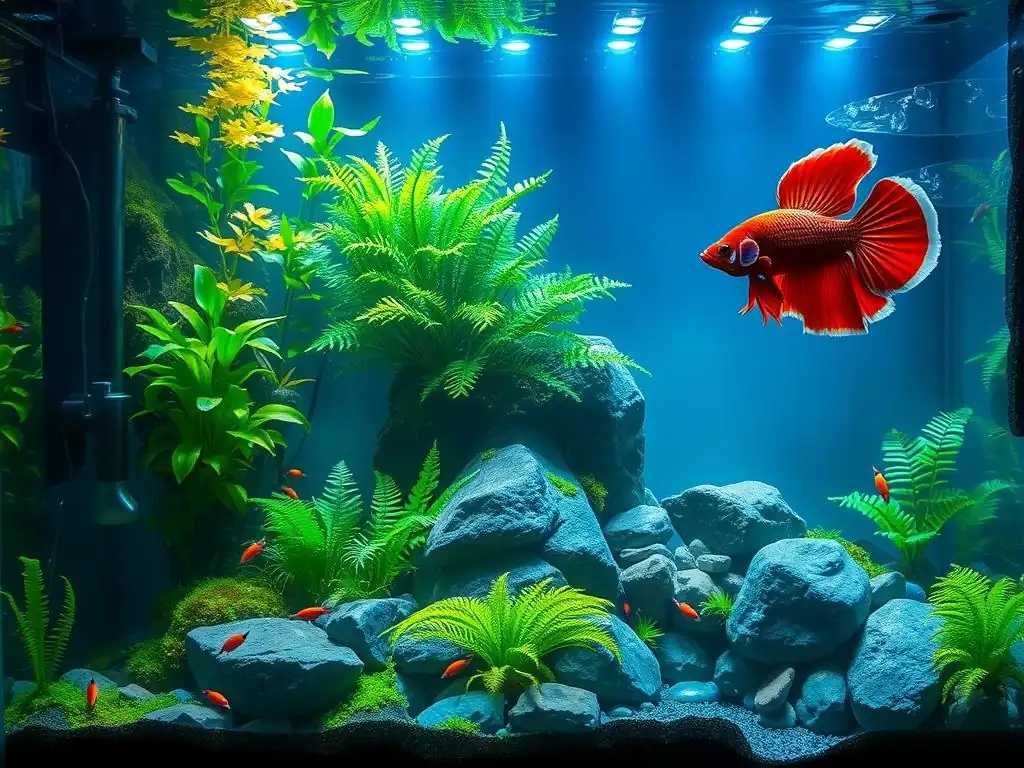
Welcome to Aquarium Mastery, your ultimate guide to a thriving underwater world!
Ever wondered if your aquarium lights are secretly fueling a green invasion? Dive into our in-depth guide on Algae Bloom Aquarium Lights and uncover the secrets to balancing light, nutrients, and a crystal-clear tank. Ready to banish that unsightly algae and reclaim your aquarium's beauty? Let's get started!
- Understanding the Connection: Aquarium Lights and Algae Growth
- Diagnosing Light-Related Algae Problems in Your Aquarium
- Solutions: Controlling Algae Growth with Aquarium Lighting Adjustments
- Beyond Lighting: Integrated Algae Control Strategies
- Preventing Future Algae Blooms: Proactive Lighting Management
- Troubleshooting Common Scenarios: Light-Related Algae Issues and Solutions
-
Frequently Asked Questions
- What is an algae bloom in an aquarium, and how do aquarium lights contribute to it?
- How do I know if my aquarium lights are causing an algae bloom?
- What type of aquarium lights are less likely to cause algae blooms?
- How long should I keep my aquarium lights on each day to prevent algae blooms?
- Besides aquarium lights, what other factors contribute to algae blooms?
- Final Reflection: Illuminating the Balance
- Conquer the Algae, Reclaim Your Aquarium!
Understanding the Connection: Aquarium Lights and Algae Growth
The Role of Light Spectrum in Algae Blooms
The spectrum of light emitted by your aquarium lights plays a critical role in the proliferation of algae, often leading to an unwanted algae bloom aquarium lights scenario. While plants primarily utilize red and blue wavelengths for photosynthesis, algae are less selective and can thrive across a broader spectrum.
For instance, an excess of green and yellow light, which penetrates deeper into the water and is less efficiently absorbed by higher plants, can inadvertently become a primary energy source for various types of nuisance algae. This imbalance can quickly tip the scales in favor of algal growth, especially if other nutrients are abundant.
Specific light wavelengths can disproportionately favor certain algal types. For example, blue-green algae, or cyanobacteria, are known to thrive under specific red and blue light peaks, even more so than some desirable aquatic plants. If an aquarium light fixture is heavily biased towards these particular wavelengths without sufficient compensatory factors like CO2 or nutrient limitation for plants, it can inadvertently create an ideal environment for a rapid algae bloom. Understanding and calibrating the light spectrum is crucial in preventing these pervasive algal outbreaks and maintaining a healthy, balanced aquatic ecosystem.
How Light Intensity Impacts Algae Development in Aquariums
Light intensity, often measured in PAR (Photosynthetically Active Radiation), is a pivotal factor in controlling or inadvertently promoting an algae bloom aquarium lights problem. Too much intensity, especially when coupled with insufficient CO2 or nutrient levels for desirable plant growth, can overwhelm the photosynthetic capacity of plants.
This excess energy, instead of being utilized by plants, becomes readily available for algae, which are generally more efficient at seizing these available resources. For example, a high-tech planted tank might require 50-100 PAR at the substrate, but if a low-tech tank is exposed to similar levels without the corresponding CO2 injection and fertilization, an explosive algae bloom is almost inevitable.
Conversely, insufficient light intensity can also contribute to algae issues, though less directly. If plants do not receive adequate light, typically below 20-30 PAR at the substrate for even low-light plants, their growth will be stunted, leading to a diminished ability to outcompete algae for available nutrients. This weakened competition leaves a nutrient surplus, which algae readily exploit.
For instance, brown algae (diatoms) often appear in new tanks or those with very low light, as they are opportunistic and can thrive where photosynthetic organisms struggle. Finding the right intensity balance, tailored to the tank's specific plant load and nutrient regimen, is key to preventing an algae bloom aquarium lights crisis.
Why Photoperiod Matters: Light Duration and Algae Growth
The duration of light exposure, known as the photoperiod, is a critical element in managing algae growth and preventing an algae bloom aquarium lights issue. Most aquarium plants, even those considered "fast-growing," only require about 8-10 hours of light per day for optimal photosynthesis and growth.
Exceeding this duration, for example, by leaving lights on for 12-14 hours, does not necessarily benefit plants more; instead, it provides an extended period for algae to photosynthesize and multiply. Algae, with their simpler biological structures, are often more efficient at absorbing light and nutrients during these prolonged periods, quickly outcompeting slower-growing aquatic plants.
An excessively long photoperiod acts as a continuous energy supply for algae, fueling their rapid reproduction and leading to widespread algae blooms. For instance, if an aquarium is exposed to light for 12 hours daily, studies have shown a significantly higher incidence of green hair algae and green spot algae compared to tanks with an 8-hour photoperiod, assuming all other factors like nutrients are constant.
Implementing a precise light timer is essential to ensure consistent photoperiods, preventing accidental overexposure. Some aquarists even employ a "siesta" period, breaking the light cycle into two shorter segments (e.g., 4 hours on, 2-3 hours off, 4 hours on), which can further inhibit algae while still providing sufficient light for plant growth.
Identifying the Type of Algae Bloom in Your Tank
Accurately identifying the specific type of algae bloom in your tank is the first crucial step in diagnosing whether your aquarium lights are the primary culprit. Different algae species thrive under distinct conditions, and their presence can provide strong clues about light intensity, spectrum, or duration issues.
For example, a sudden proliferation of green water algae points towards excessive light and nutrient availability, whereas a persistent growth of hair algae often indicates an imbalance related to light intensity or CO2 levels. Observing the color, texture, and location of the algae can significantly narrow down the potential causes and guide your troubleshooting process.
Misidentification can lead to ineffective solutions, prolonging the algae problem. For instance, treating brown diatoms as if they were green hair algae will yield no positive results, as their underlying causes are fundamentally different.
Taking the time to correctly identify the specific algae bloom, perhaps by comparing it to common images or descriptions, allows you to target the light-related issues more precisely. This diagnostic precision ensures that adjustments to your aquarium lights, such as reducing intensity or altering the photoperiod, are appropriate for the specific algal challenge you are facing, leading to a more efficient resolution of the green menace.
Green Water Algae: Suspended Algae and Light
Green water algae, characterized by a murky, pea-soup appearance, consists of millions of microscopic, free-floating algal cells suspended throughout the water column. This type of algae bloom aquarium lights phenomenon is almost invariably linked to an overabundance of light combined with excess nutrients, particularly nitrates and phosphates.
When light intensity is too high, or the photoperiod is excessively long (e.g., 10+ hours), these single-celled organisms can photosynthesize and reproduce at an astonishing rate. For example, a tank exposed to direct sunlight or left with its lights on for 14 hours a day is highly susceptible to a rapid onset of green water.
The rapid proliferation of green water algae often indicates that the available light energy far exceeds what the existing aquatic plants can utilize, leaving a surplus for these opportunistic algae. Even moderate light levels can trigger a bloom if nutrient levels are high and there are few fast-growing plants to compete. Reducing light intensity, shortening the photoperiod to 6-8 hours, and performing significant water changes (up to 50%) are immediate steps to combat this. In severe cases, a complete blackout for 3-5 days, along with strict light control afterward, is often effective in eliminating this type of algae bloom.
Hair Algae and String Algae: Excessive Light as a Trigger
Hair algae and string algae are common filamentous types that appear as long, green, thread-like strands, often attaching to plants, decorations, and substrate. While nutrient imbalances, particularly fluctuating CO2 levels in planted tanks, are significant contributors, excessive light intensity or an overly long photoperiod are frequently identified as primary triggers for a hair algae bloom aquarium lights problem. These algae species are highly efficient at absorbing light energy, and when light levels are too high (e.g., PAR readings consistently above 60-70 µmol/m²/s for a low-tech tank), they can rapidly outcompete even healthy aquatic plants.
The presence of hair algae often suggests an imbalance where the light energy provided surpasses the plants' capacity to utilize it, perhaps due to insufficient CO2 or other macronutrients. For instance, if a tank with moderate plant density is running high-output LEDs for 10-12 hours daily, it creates an ideal environment for hair algae to flourish. Reducing the light intensity, shortening the photoperiod to 7-8 hours, and ensuring stable CO2 levels (if applicable) are crucial steps. Manual removal is also important, as leaving large clumps of hair algae only perpetuates the cycle by providing a base for further growth.
Brown Algae (Diatoms): Insufficient Light and Silicate Levels
Brown algae, more accurately known as diatoms, manifest as a brownish, dusty film that covers surfaces like glass, substrate, and plant leaves. Unlike many other algae types, diatoms are often indicative of insufficient light intensity or a new tank syndrome, rather than excessive light. They are pioneering organisms that thrive in low-light conditions and primarily feed on silicates, which are commonly found in tap water, new substrates, or newly introduced rocks. In a newly set up aquarium, the silicon leached from sand or gravel, combined with low initial light, creates the perfect breeding ground for these algae.
While diatoms can appear even in established tanks with low light levels (e.g., PAR below 20 µmol/m²/s), they are particularly prevalent during the first few weeks of a new aquarium cycle. As the tank matures and beneficial bacteria establish, competing for nutrients, and as light levels are gradually increased, diatoms typically recede.
Increasing light intensity slightly (within appropriate ranges for your plants), ensuring proper filtration, and performing regular water changes to dilute silicates are effective strategies. Otocinclus catfish and nerite snails are also excellent natural grazers for diatoms, helping to keep this particular algae bloom aquarium lights issue under control.
Assessing Your Aquarium Lighting Setup
After identifying the type of algae, the next critical step is to thoroughly assess your current aquarium lighting setup to pinpoint the specific light-related factors contributing to the algae bloom. This comprehensive evaluation goes beyond simply looking at whether the lights are on; it involves examining the technical specifications, age, and placement of your lighting fixtures. Without a precise understanding of your lighting parameters, any adjustments made will be based on guesswork rather than informed decisions, potentially prolonging the algae problem or even exacerbating it.
A systematic assessment of your lighting setup should include measuring light output, evaluating the condition of your bulbs, and analyzing how light is distributed within the tank. For instance, an old fluorescent bulb might appear bright but have a degraded spectrum, while a misplaced LED fixture could create hot spots. This detailed examination helps you correlate the observed algae growth with specific lighting characteristics, allowing for targeted and effective modifications to prevent future algae bloom aquarium lights scenarios.
Checking Light Output and PAR (Photosynthetically Active Radiation)
Checking the light output and Photosynthetically Active Radiation (PAR) is paramount in diagnosing light-related algae issues. PAR measures the amount of light available for photosynthesis, and it's a far more accurate indicator for plant and algae growth than simple lumens or watts.
An excessively high PAR reading (e.g., over 80-100 µmol/m²/s at the substrate for a typical freshwater tank without CO2 injection) can directly fuel an algae bloom, as the plants cannot utilize all the available energy, leaving a surplus for opportunistic algae. Conversely, very low PAR (below 20 µmol/m²/s for most plants) can stunt plant growth, weakening their competition against algae.
While a dedicated PAR meter offers the most precise measurements, which can cost several hundred dollars, aquarists can use online PAR maps for common fixtures or estimate based on fixture specifications and tank depth. For example, a high-output LED designed for a 24-inch deep planted tank might deliver excessive PAR in a 12-inch deep nano tank, leading to an algae bloom aquarium lights problem.
Adjusting light height or using diffusers can help reduce PAR. Understanding your tank's specific PAR requirements based on plant load (e.g., low-light plants needing 20-40 PAR, high-light plants 60-100+ PAR) allows for informed adjustments to prevent both under and over-lighting.
Evaluating the Age and Condition of Your Aquarium Bulbs
The age and condition of your aquarium bulbs, whether fluorescent, LED, or metal halide, significantly impact their light output and spectrum, directly influencing the likelihood of an algae bloom aquarium lights issue. Fluorescent bulbs, for instance, degrade over time, with their spectrum shifting and intensity diminishing after about 6-12 months of use, even if they still appear to be working.
This spectral shift can lean towards wavelengths more favorable to algae, while reduced intensity can stress plants, making them less competitive against algae. For example, an old "full spectrum" bulb might lose its red and blue peaks, leaving predominantly green and yellow light that algae readily exploit.
LED fixtures, while generally longer-lasting, can also experience gradual degradation of individual diodes, leading to uneven light distribution or subtle shifts in color temperature. A noticeable decrease in brightness or a change in the perceived color of the light can indicate that the fixture is no longer performing optimally. Regularly checking for flickering, dimming, or discoloration of the bulbs is crucial. Replacing fluorescent bulbs annually, or considering LED upgrades with dimming capabilities, helps maintain a stable and appropriate light environment, preventing the subtle light imbalances that can secretly encourage an algae bloom.
Analyzing Light Placement and Reflection
The placement of your aquarium lights and the impact of reflection within the tank are often overlooked factors that can contribute significantly to an algae bloom aquarium lights problem. Improper light placement can lead to "hot spots" – areas of excessively high intensity – where algae can thrive due to concentrated light energy. For instance, if a powerful LED fixture is positioned too close to the water surface or directly over a specific area, that spot might receive double the PAR compared to other regions, creating an ideal breeding ground for stubborn green spot algae or hair algae.
Reflective surfaces within the aquarium, such as light-colored substrates, mirrors, or even very clean glass, can bounce light back into the water column, effectively increasing the overall light intensity experienced by plants and algae. While this can benefit plants in some cases, it can also push the light levels into the "too much" zone, especially in shallow tanks or those with powerful lights.
Observing how light penetrates and reflects in your tank, perhaps by looking for areas of unusually bright light or shadows, can help you identify if light placement needs adjustment. Raising the light fixture, using light diffusers, or even strategically placing taller plants to shade certain areas can mitigate these effects and help control an algae bloom.
Solutions: Controlling Algae Growth with Aquarium Lighting Adjustments
Reducing Light Intensity for Algae Control
One of the most direct and effective strategies to combat an algae bloom aquarium lights problem is to reduce the overall light intensity reaching your aquarium. Algae, being opportunistic photosynthesizers, thrive on excess light energy. By limiting this primary energy source, you starve the algae, giving your desired aquatic plants a chance to recover and outcompete them. This adjustment is particularly crucial in tanks experiencing green water, hair algae, or green spot algae, which are often direct indicators of over-lighting.
The goal is not to eliminate light entirely, as plants still need it, but to find the optimal balance that supports healthy plant growth without providing a surplus for algae. This might involve a gradual reduction to avoid shocking your plants, allowing them to adapt to the new conditions. Implementing methods like dimmers or physical barriers can provide precise control over the light intensity, making it a cornerstone of your algae management strategy.
Using Dimmers or Adjustable LED Fixtures
Utilizing dimmers or adjustable LED fixtures is arguably the most precise and convenient method for reducing light intensity and directly addressing an algae bloom aquarium lights issue. Modern LED light fixtures often come with built-in dimming capabilities, allowing users to fine-tune the light output from 100% down to very low percentages.
This granular control enables aquarists to gradually decrease the PAR levels in their tank, starving algae of excess energy without necessarily plunging the tank into darkness. For example, if your tank is currently running at 100% intensity for 9 hours and experiencing a severe green spot algae problem, you might reduce the intensity to 70% for the same duration and observe the results over a week.
For older LED fixtures or those without integrated dimmers, external inline dimmers can often be purchased and added. For fluorescent or metal halide setups, physically raising the light fixture above the tank or adding light-diffusing screens (like window screen material) can effectively reduce the light intensity reaching the water surface. The key is to make incremental adjustments, perhaps reducing intensity by 10-20% at a time, and monitor the algae response over several days. This controlled reduction helps suppress algae without unduly stressing the desired aquatic plants, striking a balance that prevents a recurring algae bloom.
Adding Floating Plants to Shade the Aquarium
Introducing floating plants is a natural and effective method to reduce light intensity within the aquarium, thereby mitigating an algae bloom aquarium lights problem, particularly in tanks without dimmable lights. Plants like Salvinia minima, Dwarf Water Lettuce (Pistia stratiotes), Frogbit (Limnobium laevigatum), or Red Root Floaters (Phyllanthus fluitans) spread across the water surface, creating a living canopy that shades the lower levels of the tank. This physical barrier significantly reduces the amount of light penetrating the water, effectively lowering the PAR values for submerged plants and algae.
For instance, a dense mat of floating plants can reduce light penetration by 30-50% or even more, depending on their coverage and density. This reduction directly deprives light-hungry algae, such as green hair algae and green spot algae, of the energy they need to proliferate. Simultaneously, many floating plants are fast growers and excellent nutrient sponges, further helping to outcompete algae for available nitrates and phosphates. While effective, it's important to manage their growth to ensure submerged plants still receive adequate light, and to prevent them from completely blocking gas exchange at the surface, which could impact oxygen levels.
Optimizing the Light Spectrum for Plant Health and Algae Prevention
Optimizing the light spectrum is a sophisticated approach to controlling an algae bloom aquarium lights problem, focusing on providing light that primarily benefits aquatic plants while being less conducive to algae growth. While algae are generally less selective about light wavelengths, aquatic plants have specific requirements for photosynthesis, primarily utilizing light in the blue (400-500 nm) and red (600-700 nm) regions of the spectrum. An imbalance, such as an excessive amount of green or yellow light, or certain peaks that disproportionately favor algae, can inadvertently fuel their growth.
The goal is to provide a spectrum that promotes robust growth in your desired plants, enabling them to outcompete algae for nutrients and space. This involves selecting light fixtures with a balanced spectrum or adjusting the color channels on customizable LED units. By ensuring that the majority of the light energy is efficiently absorbed by plants, less "waste" light is available for algae to exploit, thereby reducing the likelihood and severity of an algae bloom.
Choosing the Right Light Spectrum for Planted Aquariums
Choosing the right light spectrum is paramount for fostering healthy plant growth and simultaneously suppressing an algae bloom aquarium lights issue. Aquatic plants primarily utilize wavelengths in the blue (around 450-475 nm) and red (around 630-660 nm) regions for photosynthesis, often referred to as the Photosynthetically Active Radiation (PAR) spectrum. Lights that heavily emphasize these peaks, while providing a balanced overall spectrum, are ideal for planted tanks. For example, many high-quality planted tank LEDs are designed with specific ratios of blue, green, and red diodes to maximize plant growth and coloration.
Conversely, lights with an excessive amount of green or yellow light, or those that lack sufficient red and blue peaks, can lead to suboptimal plant growth and inadvertently promote algae. While green light penetrates water well, it's less efficiently used by higher plants compared to red and blue.
Some cheaper "full spectrum" lights might have a significant green spike that, while appearing bright to the human eye, does little for plants and can become an energy source for certain algae. Opting for lights with a Kelvin temperature of 6500K-7000K, which mimics natural daylight and provides a good balance of blue and red, is often a safe choice, as it supports robust plant growth that outcompetes algae.
Avoiding Spectrum Imbalance That Promotes Algae
Avoiding spectrum imbalance is a critical strategy to prevent an algae bloom aquarium lights problem. Certain light spectra can inadvertently favor algae over higher plants, even if the overall intensity or photoperiod seems appropriate.
For instance, some specific wavelengths, particularly those around 500-530 nm (green) or certain peaks in the far-red (above 700 nm) or blue (around 420 nm, often found in "actinic" or marine lights), can be more readily utilized by certain types of nuisance algae than by typical freshwater aquatic plants. If a light fixture has an excessive amount of these wavelengths, it creates an environment where algae can thrive.
A common example of spectrum imbalance occurs when using lights designed for marine or reef tanks in a freshwater planted setup. These lights often have very strong blue peaks (e.g., 420 nm, 450 nm) which, while excellent for coral fluorescence, can sometimes lead to outbreaks of blue-green algae (cyanobacteria) or other specific algal types in freshwater if not paired with appropriate red and green channels for plants.
Similarly, old, degraded fluorescent bulbs can experience spectral shift, losing their crucial red and blue components and leaving a spectrum that is less beneficial for plants and more prone to promoting algae. Regularly assessing the perceived color of your light and choosing fixtures designed for planted aquariums can help avoid these imbalances and maintain a healthy, algae-free environment.
Adjusting the Photoperiod to Inhibit Algae Growth
Adjusting the photoperiod, or the duration of light exposure, is a straightforward yet highly effective method to inhibit algae growth and manage an algae bloom aquarium lights problem. Algae, with their rapid reproductive cycles, are particularly sensitive to continuous light exposure. By shortening the light cycle or breaking it up, you effectively reduce the total energy available to algae, starving them without significantly hindering the growth of most desired aquatic plants.
This strategy is especially potent against fast-growing algae types like green water algae and hair algae, which rely on consistent, prolonged illumination to proliferate. Implementing a precise light timer is crucial for consistency, allowing you to fine-tune the light duration to find the optimal balance for your specific tank setup.
Shortening the Light Cycle to Reduce Algae
Shortening the light cycle is one of the most immediate and impactful actions to take when facing an algae bloom aquarium lights issue. Most aquarium plants thrive on a photoperiod of 8-10 hours per day. Any duration exceeding this, especially 11-14 hours, provides ample opportunity for algae to photosynthesize and reproduce excessively.
Algae are highly efficient at utilizing light energy, and prolonged exposure gives them a significant advantage over slower-growing plants. For instance, if your tank lights are currently on for 12 hours, reducing this to 8 hours can dramatically curb the growth of green water algae, hair algae, and green spot algae within a week or two.
This reduction in total light exposure directly limits the energy available to algae, effectively "starving" them. It's a particularly effective first step when you suspect over-lighting. For tanks with severe algae, an initial reduction to 6 hours for a few days, followed by a gradual increase back to 8 hours as the algae recedes, can be highly effective. The key is consistency; using a reliable timer ensures the lights turn on and off at precise times every day, providing a stable and controlled light environment that discourages persistent algae blooms.
Implementing a "Siesta" Period: Breaking Up the Light Cycle
Implementing a "siesta" period is an advanced but highly effective technique to control an algae bloom aquarium lights problem, particularly stubborn cases of green water or hair algae. A siesta involves breaking the total daily photoperiod into two shorter segments, with a period of darkness in between. A common example is 4 hours of light, followed by 2-4 hours of complete darkness, then another 4 hours of light. This totals an 8-hour photoperiod, which is sufficient for most aquatic plants.
The effectiveness of the siesta period lies in the differing photosynthetic processes of plants and algae. While plants can store energy and recover during the dark period, many algae species struggle with this interruption, as their metabolic processes are less adapted to sudden, prolonged darkness. The break in light effectively "resets" their photosynthetic cycle, making them less efficient at continuous growth and reproduction.
For instance, a tank struggling with persistent green water might see significant improvement within a week of adopting a 4-hour on, 3-hour off, 4-hour on schedule. This strategy starves the algae of continuous energy, giving the plants a competitive edge and helping to resolve the algae bloom.
Beyond Lighting: Integrated Algae Control Strategies
While aquarium lights are often a primary suspect in algae outbreaks, a truly effective algae control strategy extends beyond just lighting adjustments. Algae blooms are typically symptoms of an imbalance in the aquatic ecosystem, where light is just one of several critical factors. Addressing other underlying issues, such as nutrient imbalances, poor water circulation, and inadequate filtration, is essential for long-term algae prevention and a truly healthy aquarium.
An integrated approach recognizes that all elements of the aquarium environment are interconnected. By simultaneously tackling nutrient overload, ensuring proper water movement, bolstering the biological filtration, and employing natural grazers, you create a robust ecosystem that naturally resists algae proliferation. This holistic strategy ensures that even if minor lighting fluctuations occur, the tank remains resilient against an algae bloom aquarium lights scenario.
Addressing Nutrient Imbalances: Nitrates and Phosphates
Addressing nutrient imbalances, specifically excessive levels of nitrates and phosphates, is a critical step in controlling an algae bloom, even when aquarium lights are a contributing factor. Algae thrive on these nutrients, and an abundance provides the building blocks for rapid growth, regardless of light conditions. Nitrates typically come from fish waste and decaying organic matter, while phosphates can enter the tank through tap water, fish food, or decaying plant material. For instance, if nitrate levels consistently exceed 20-40 ppm and phosphates are above 0.5-1.0 ppm, even optimal lighting can't prevent an algae outbreak.
Regular testing of water parameters using reliable test kits is essential to identify high nutrient levels. Performing frequent and substantial water changes (e.g., 25-50% weekly) is the most direct way to dilute nitrates and phosphates. Reducing fish feeding, ensuring all food is consumed, and promptly removing decaying plant matter or uneaten food also help. Additionally, incorporating fast-growing plants, which act as nutrient sponges, can significantly reduce available nutrients for algae, helping to prevent a persistent algae bloom aquarium lights problem by outcompeting the algae directly.
Improving Water Circulation and Filtration
Improving water circulation and filtration is paramount for controlling algae, as stagnant areas and inadequate waste removal directly contribute to nutrient buildup, exacerbating any algae bloom aquarium lights issue. Poor circulation creates "dead spots" where detritus accumulates, leading to localized pockets of high nitrates and phosphates that algae readily exploit. For example, if you notice algae growing heavily in one corner or behind a large decoration, it's often a sign of insufficient water flow in that area.
Enhanced filtration ensures that organic waste is efficiently broken down and removed from the water column before it can fuel algae growth. This includes mechanical filtration (sponges, filter floss) to remove particulate matter, biological filtration (ceramic media, bio-balls) to convert ammonia and nitrite to nitrate, and potentially chemical filtration (activated carbon, phosphate removers) to absorb dissolved organics and specific nutrients.
Adding a powerhead or adjusting the filter outflow to create better flow throughout the tank, ensuring all areas receive adequate circulation, will help distribute nutrients more evenly to plants and prevent localized algae growth, making the tank less susceptible to a widespread algae bloom.
Introducing Algae-Eating Fish and Invertebrates
Introducing algae-eating fish and invertebrates can be a valuable biological strategy to manage and prevent an algae bloom, complementing adjustments to aquarium lights and other environmental controls. These natural grazers consume various types of algae, helping to keep populations in check. For example, Otocinclus catfish are excellent for consuming brown diatoms and soft green algae on surfaces, while Amano shrimp are renowned for their voracious appetite for hair algae and other filamentous types. Nerite snails are also highly effective at cleaning glass and hard surfaces of green spot algae and diatoms.
However, it's crucial to select algae eaters appropriate for your tank size, water parameters, and existing fish community. Overstocking or introducing species that aren't true algae eaters can cause more problems than they solve. For instance, while Siamese Algae Eaters (SAE) are good for hair algae, Chinese Algae Eaters are often aggressive and become less effective as they mature. Furthermore, algae eaters are a supplementary measure, not a standalone solution. They help manage existing algae but cannot resolve the underlying imbalance (e.g., excessive light from aquarium lights or high nutrients) that caused the algae bloom in the first place.
Regular Aquarium Maintenance: Water Changes and Cleaning
Regular aquarium maintenance, particularly consistent water changes and thorough cleaning, forms the bedrock of any successful algae control strategy, working in conjunction with proper aquarium lights management. Water changes are crucial for diluting accumulated nitrates, phosphates, and other dissolved organic compounds that serve as primary nutrients for algae. For instance, a 25-30% weekly water change can significantly reduce nutrient levels, preventing the buildup that fuels an algae bloom. Without regular dilution, even perfectly balanced lighting can't prevent algae from thriving on an excess of nutrients.
Thorough cleaning involves siphoning the substrate to remove trapped detritus and uneaten food, wiping down tank glass to remove surface algae, and pruning decaying plant matter. Dead plant leaves or uneaten food decompose, releasing nutrients directly into the water column. Manually removing as much existing algae as possible during cleaning also deprives it of an immediate foothold for regrowth. This consistent removal of organic waste and dilution of nutrients creates a cleaner, more stable environment where desired plants can outcompete algae, making the tank more resilient against an algae bloom aquarium lights scenario.
Preventing Future Algae Blooms: Proactive Lighting Management
Preventing future algae blooms requires a proactive and consistent approach to lighting management, rather than merely reacting to existing outbreaks. Understanding that your aquarium lights are a dynamic component of the ecosystem means regularly monitoring their performance and making timely adjustments. This forward-thinking strategy aims to maintain a stable environment that supports robust plant growth while actively discouraging the conditions that favor algae proliferation.
By consistently monitoring light levels, adhering to a replacement schedule for bulbs, and integrating lighting considerations into your regular maintenance routine, you can significantly reduce the likelihood of another algae bloom aquarium lights problem. This proactive stance ensures that light remains a benefit to your tank, not a catalyst for unwanted algal growth.
Monitoring Light Levels and Spectrum Over Time
Monitoring light levels and spectrum over time is a crucial proactive measure to prevent future algae bloom aquarium lights problems. Light fixtures, especially fluorescent bulbs, degrade gradually, with their intensity decreasing and spectrum shifting over months of use. For instance, a T5 fluorescent bulb might lose 15-20% of its initial PAR output and experience a noticeable shift in its red and blue peaks after just 6-9 months, even if it still appears "on." This subtle degradation can lead to insufficient light for plants or an unfavorable spectrum that allows algae to gain a foothold.
For LED fixtures, while degradation is slower, individual diodes can fail or dim, leading to uneven light distribution. Regularly observing your tank for changes in plant growth, unusual algal growth patterns (e.g., algae suddenly appearing in a previously clean area), or a perceived shift in the tank's overall brightness can indicate light degradation. Using a PAR meter periodically (if available) or simply adhering to recommended bulb replacement schedules helps ensure consistent, optimal light conditions, preventing the gradual light imbalances that often precede an algae bloom.
Regular Bulb Replacement for Optimal Performance
Regular bulb replacement is a fundamental proactive step to ensure optimal aquarium light performance and prevent an algae bloom aquarium lights issue. Fluorescent bulbs, including T5 and T8 types, have a finite lifespan for their spectrum and intensity, typically needing replacement every 6-12 months, even if they haven't completely burned out. Beyond this period, their output diminishes, and the spectral quality degrades, often shifting towards wavelengths less beneficial for plants and more conducive to algae. For example, a 6500K fluorescent bulb might slowly shift to a warmer, less balanced spectrum, reducing plant efficiency and creating an opening for algae.
While LED fixtures boast longer lifespans (often 5-10 years), even individual diodes can degrade over time, leading to reduced overall output or uneven light distribution. Monitoring for dimming or color shifts in LED arrays is important. Adhering to manufacturer recommendations for bulb replacement or upgrading to newer, more efficient LED technology with dimming and spectrum control capabilities helps maintain consistent, high-quality lighting. This proactive replacement schedule ensures that your plants always receive the light they need to outcompete algae, significantly reducing the risk of future algae blooms.
Consistent Aquarium Maintenance for a Balanced Ecosystem
Consistent aquarium maintenance, when combined with proactive lighting management, is the cornerstone of preventing future algae bloom aquarium lights problems. A balanced ecosystem is inherently more resistant to algae outbreaks. Regular tasks like weekly water changes (e.g., 20-30%), siphoning the substrate to remove detritus, and cleaning filter media prevent the accumulation of excess nutrients (nitrates, phosphates) that fuel algae growth. For example, a tank with consistent 20 ppm nitrates and 0.2 ppm phosphates through regular maintenance is far less likely to experience an algae bloom than one where levels fluctuate wildly.
Pruning decaying plant leaves and promptly removing uneaten food are also vital, as these organic materials break down and release nutrients. Ensuring proper water flow throughout the tank prevents "dead spots" where nutrients can concentrate and algae can thrive. By diligently performing these maintenance tasks, you create a stable and clean environment where plants flourish, outcompeting any potential algae and making your tank resilient against the very conditions that lead to an algae bloom, regardless of minor fluctuations in aquarium lights.
Scenario 1: New Aquarium with Brown Algae Bloom
Problem: A new aquarium, typically within the first 2-4 weeks of setup, develops a widespread brown, dusty film covering the glass, substrate, and decorations. Fish and plants appear otherwise healthy, but the tank looks dirty. This is a classic brown algae (diatom) bloom.
Light-Related Diagnosis: Brown algae often signifies insufficient light intensity or a new tank environment where silicates are abundant. In new setups, lights are often kept at lower intensities or shorter photoperiods to ease plants into the tank, but this can inadvertently favor diatoms which thrive in lower light and utilize silicates. The lights might also be old or weak.
Solution:
- Increase Light Intensity Gradually: If safe for your fish and plants, slightly increase the light intensity or photoperiod by 1-2 hours (up to 8 hours total) to encourage plant growth, which will outcompete the diatoms. For instance, if you were running lights at 6 hours, try 7-8 hours.
- Ensure Proper Light Spectrum: While diatoms aren't highly sensitive to spectrum, ensuring your lights are suitable for plant growth (e.g., 6500K) will help plants outcompete them.
- Mechanical Removal: Manually wipe away the brown film from glass and decorations. Siphon the substrate to remove any loose detritus.
- Biological Control: Introduce a few Otocinclus catfish or Nerite snails, which are excellent at consuming diatoms. For a 10-gallon tank, 2-3 Otos or 1-2 Nerite snails can make a significant difference.
- Address Silicates: Perform regular small water changes (e.g., 20-25% every few days) to dilute silicate levels from tap water or new substrate. Over time, as silicates are depleted and beneficial bacteria establish, the diatoms will naturally recede.
Scenario 2: Green Water Algae After Upgrading Lights
Problem: After upgrading to a new, more powerful LED light fixture, your previously clear aquarium water turns cloudy green, resembling pea soup. Fish are still visible but the clarity is gone. This is a severe green water algae bloom aquarium lights problem.
Light-Related Diagnosis: The new, more powerful lights are likely providing significantly more PAR (Photosynthetically Active Radiation) than your tank, especially your plants, can handle or utilize. This excess light, combined with available nutrients, directly fuels the rapid reproduction of single-celled green algae.
Solution:
- Drastically Reduce Light Intensity: Immediately dim your new LED lights to 50% or less of their maximum output. If dimming isn't possible, raise the fixture significantly or reduce the photoperiod to 6 hours for several days. For instance, if your previous light was 30 PAR and the new one is 80 PAR, aim to bring it down to 40-50 PAR temporarily.
- Implement a Blackout: For severe cases, perform a 3-5 day complete blackout. Cover the tank with blankets or cardboard to block all light. No feeding during this period.
- Perform Large Water Changes: After the blackout (or alongside reduced lighting), perform a 50% water change to remove suspended algae cells and dilute nutrients.
- Introduce Floating Plants: Add fast-growing floating plants (e.g., Salvinia, Frogbit) to help shade the tank and absorb excess nutrients, further reducing the light available to suspended algae.
- Reintroduce Light Gradually: After the algae recedes, slowly increase light intensity and photoperiod (e.g., by 30 minutes or 10% intensity per week) while monitoring for algae return. Aim for an 8-hour photoperiod at an intensity appropriate for your plants.
Scenario 3: Hair Algae on Plants Despite Low Light
Problem: Your aquarium is experiencing an outbreak of long, stringy green hair algae clinging to plants and decorations, even though you believe your light intensity is low and your photoperiod is reasonable (e.g., 8 hours).
Light-Related Diagnosis: While hair algae often indicates excessive light, its presence in a seemingly "low light" tank points to an imbalance where the quality of light (spectrum) or other crucial factors like CO2 and nutrient stability are the real issues. The "low light" might still be providing enough energy for resilient hair algae if plants are struggling to outcompete it.
Solution:
- Assess CO2 Levels (if planted): Fluctuating or insufficient CO2 is a major trigger for hair algae, especially in planted tanks. Ensure CO2 levels are stable and adequate (e.g., 20-30 ppm, indicated by a lime-green drop checker). If you don't inject CO2, consider adding liquid carbon supplements.
- Review Nutrient Balance: Even with low light, nutrient imbalances (e.g., too much iron, fluctuating nitrates/phosphates) can favor hair algae. Test your water parameters and ensure consistent, balanced fertilization if you have heavy plant load.
- Check Light Spectrum: An old fluorescent bulb with a degraded spectrum, or a new LED with an imbalanced spectrum (e.g., too much green or certain blue peaks), can promote hair algae even if overall PAR is low. Consider replacing old bulbs or adjusting LED channels.
- Manual Removal: Physically remove as much hair algae as possible during water changes. Use a toothbrush or a stick to twirl it out.
- Biological Control: Amano shrimp (Caridina multidentata) are excellent at consuming hair algae. Introduce a few (e.g., 1 per 5 gallons).
- Consider a Siesta Period: Even with low overall light, breaking the 8-hour photoperiod into two 4-hour segments with a 2-3 hour "siesta" can sometimes starve stubborn hair algae while still benefiting plants.
Scenario 4: Blue-Green Algae (Cyanobacteria) Outbreak After Adding New Substrate
Problem: After adding new substrate (sand or gravel) or significantly disturbing the existing substrate, a slimy, dark green to bluish-black film appears, often spreading rapidly over the substrate, decorations, and plant leaves. It smells earthy or musty. This is Cyanobacteria, not true algae.
Light-Related Diagnosis: While not directly caused by "algae bloom aquarium lights" in the traditional sense, cyanobacteria outbreaks are often triggered by low oxygen levels, high organic waste, and sometimes specific light spectrums (e.g., high blue or red peaks often found in marine lights) that favor their growth. Disturbing substrate can release trapped organics, leading to anaerobic conditions.
Solution:
- Improve Circulation and Aeration: Increase surface agitation and water flow, especially near the substrate, to raise oxygen levels. Add a small powerhead if needed. Ensure filters are clean and flowing well.
- Reduce Organic Load: Siphon the affected areas of the substrate thoroughly to remove the slimy film and any trapped detritus. Perform a 30-50% water change. Reduce feeding to prevent excess waste.
- Blackout Period: For severe cases, a 3-day complete blackout is highly effective. Cover the tank completely to block all light. Do not feed during the blackout.
- Address Nutrient Imbalance (Nitrates/Phosphates): While cyanobacteria can thrive in low nitrate environments (fixing their own nitrogen), high phosphates can be a trigger. Test for phosphates and use a phosphate remover if levels are high.
- Review Light Spectrum: If using lights with very strong blue or red peaks, consider adjusting them or reducing their intensity slightly, as some studies suggest these wavelengths can favor cyanobacteria.
- Chemical Treatment (Last Resort): If all else fails, specific antibiotics (like Erythromycin) can kill cyanobacteria, but this should be a last resort as it can harm beneficial bacteria.
Frequently Asked Questions
What is an algae bloom in an aquarium, and how do aquarium lights contribute to it?
An algae bloom is a rapid overgrowth of algae, often turning the water green or cloudy. Aquarium lights, especially those with incorrect spectrums or excessive intensity, can fuel this growth by providing algae with the energy they need to thrive.
How do I know if my aquarium lights are causing an algae bloom?
Look for a correlation between increased light exposure and algae growth. If algae growth intensifies after increasing the photoperiod or changing the light type, your lights are likely a contributing factor. Also consider if you are using older bulbs with reduced light spectrum.
What type of aquarium lights are less likely to cause algae blooms?
Lights with a spectrum tailored for plant growth (if you have live plants) and adjustable intensity are less likely to cause problems. Avoid lights that emit excessive yellow or green light, which algae readily absorb.
How long should I keep my aquarium lights on each day to prevent algae blooms?
Typically, 6-8 hours of light per day is sufficient for most aquariums. Reducing the photoperiod can significantly curb algae growth if you suspect over-lighting. Use a timer for consistent light schedules.
Besides aquarium lights, what other factors contribute to algae blooms?
Excess nutrients, such as high levels of nitrates and phosphates, are primary contributors. Overfeeding, insufficient water changes, and decaying organic matter all increase these nutrients. Poor water circulation can also exacerbate the problem.
Final Reflection: Illuminating the Balance
The insights shared throughout this article highlight a crucial, often overlooked, aspect of aquarium keeping: the delicate balance between light and life. Understanding the impact of aquarium lights on algae growth is not merely about aesthetics; it's about fostering a healthy and thriving aquatic ecosystem. Ignoring this connection can lead to frustrating algae blooms, jeopardizing the well-being of your fish and plants and turning your beautiful underwater world into a murky green mess.
This exploration into the relationship between light and algae underscores the importance of mindful stewardship in our aquariums. It reminds us that even seemingly simple choices, like selecting the right lighting, have profound consequences for the delicate ecosystems we create. The best aquarium is a balanced aquarium. It's not just about the fish, it's about the entire environment.
This quote perfectly encapsulates the holistic approach required for successful aquarium keeping, urging us to consider the interconnectedness of all elements within our tanks.
Now, armed with this knowledge, I encourage you to reflect on your own aquarium practices. Are you truly illuminating the path to a balanced ecosystem, or inadvertently fueling the green menace? Take the time to assess your lighting setup, understand the needs of your plants and fish, and make informed decisions that promote a healthy and algae-free environment. Your dedication to understanding and addressing this issue will not only enhance the beauty of your aquarium but also deepen your appreciation for the intricate wonders of the aquatic world.
Conquer the Algae, Reclaim Your Aquarium!
Thanks for diving into the world of algae control with us! We hope this article has equipped you with the knowledge to diagnose and combat those unwanted green invaders. Now, it's time to take action and create a thriving, algae-free environment for your aquatic friends.
- Start with a light audit: Immediately reduce your lighting period by 2-4 hours per day and monitor for changes over the next week. This is your most crucial first step.
- Explore natural solutions: Research algae-eating fish and invertebrates suitable for your aquarium size and community. Consider the impact of adding Nerite snails or Siamese algae eaters.
- Share your success! Post a "before & after" photo of your aquarium on your favorite aquarium forum and tag us, along with a brief description of how you tackled the algae problem.
What's the first small change you'll make to your lighting routine today to start banishing that algae?