
EnergyEfficient Aquarium Pumps: Saving Power Without Sacrificing Performance

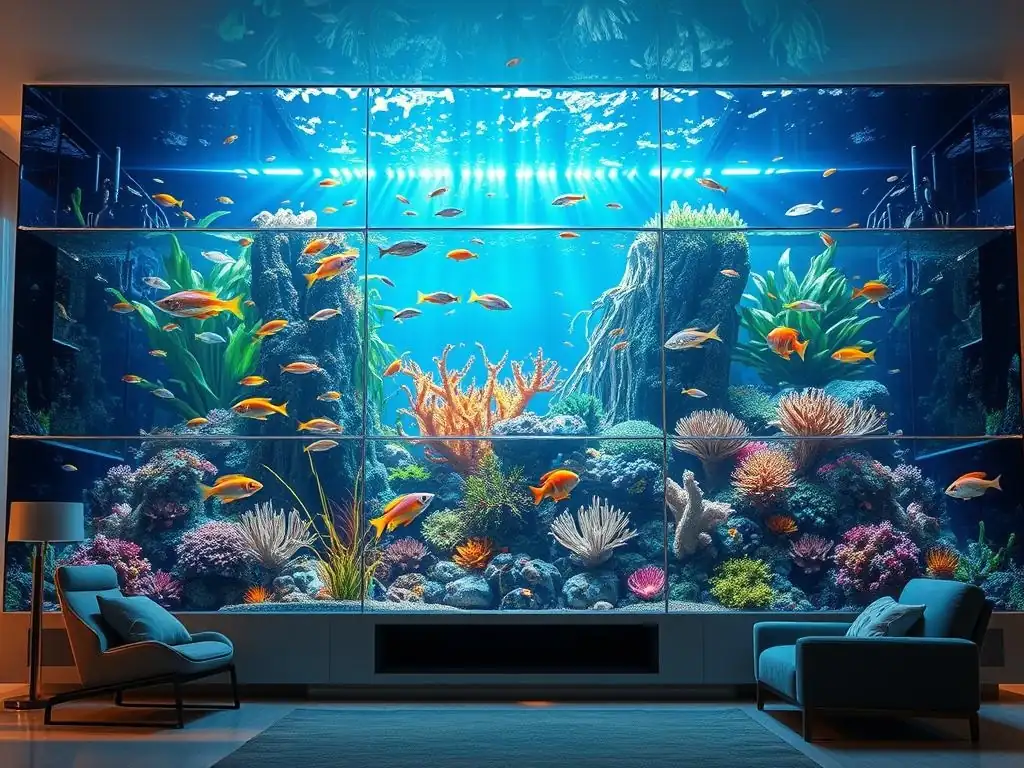
Welcome to Aquarium Mastery!
Ever wondered how to keep your aquatic paradise thriving without draining your wallet? In our latest deep dive, we're unraveling the secrets of the energy efficient aquarium pump. Discover how you can save power without sacrificing performance, ensuring a vibrant and healthy environment for your finned friends. Curious to learn more? Let's dive in!
- Understanding Aquarium Pump Energy Consumption
- Choosing the Right Energy-Efficient Aquarium Pump
- Benefits of Upgrading to an Energy-Efficient Aquarium Pump
- How to Optimize Your Current Aquarium Pump for Energy Efficiency
- Comparing Energy-Efficient Aquarium Pump Models
- Installing and Maintaining Your Energy-Efficient Aquarium Pump
- Troubleshooting Common Issues with Energy-Efficient Aquarium Pumps
- The Future of Energy-Efficient Aquarium Technology
- Conclusion: Investing in Energy-Efficient Aquarium Pumping
-
Frequently Asked Questions
- How much energy can I realistically save by switching to an energy efficient aquarium pump?
- What are the key features I should look for in an energy efficient aquarium pump?
- Are energy efficient aquarium pumps more expensive upfront?
- Will an energy efficient aquarium pump compromise the performance of my aquarium filter or circulation?
- How do I properly maintain my energy efficient aquarium pump to maximize its lifespan and efficiency?
- Final Reflection: The Ripple Effect of Conscious Choices
- Unleash Your Tank's Potential: Take Action for a Greener Aquarium!
Understanding Aquarium Pump Energy Consumption
Why Energy Efficiency Matters for Aquarium Pumps
Aquarium pumps are the unsung heroes of any aquatic setup, tirelessly circulating water, aiding filtration, and ensuring vital oxygenation. Unlike many other aquarium components, pumps often operate 24 hours a day, seven days a week, making them a significant, continuous draw on your household electricity. For instance, a medium-sized return pump for a 75-gallon aquarium might consume anywhere from 40 to 80 watts continuously.
Over the course of a year, an 80-watt pump running non-stop will consume approximately 700 kilowatt-hours (kWh) of electricity. At an average electricity cost of $0.15 per kWh, this equates to over $100 annually for just that single pump.
Investing in an energy-efficient aquarium pump directly translates to substantial long-term savings on your utility bills. Consider upgrading that 80-watt pump to a modern, energy-efficient model that performs the same job with only 40 watts. This simple switch would cut the annual consumption for that pump in half, saving around $50 per year. Over five years, that's a cumulative saving of $250, often offsetting the initial higher cost of the energy-efficient unit and leaving more funds for livestock or other equipment.
Factors Affecting Aquarium Pump Power Usage
Several key factors influence how much power an aquarium pump consumes. The primary determinant is the pump's motor design and its overall efficiency in converting electrical energy into water movement. Traditional AC (Alternating Current) pumps, for example, often have fixed speeds and can be less efficient than modern DC (Direct Current) pumps, which typically feature variable speed control and more advanced motor technology.
The amount of water the pump needs to move, measured in gallons per hour (GPH) or liters per hour (LPH), and the "head pressure" it must overcome (the vertical distance water is pushed, plus resistance from plumbing) also significantly impact power draw. A pump pushing water to a sump 6 feet above the main tank will consume more power than one operating at a 1-foot head.
Beyond the pump's inherent design, external factors and maintenance play a crucial role in its real-world energy consumption. A pump with a clogged impeller, mineral buildup on its internal components, or a partially blocked intake will have to work harder to achieve its desired flow rate. This increased effort translates directly into higher power consumption.
Studies have shown that a pump operating with significant internal resistance due to fouling can draw 10-25% more watts than a clean, optimally functioning unit, diminishing its effectiveness as an energy-efficient aquarium pump. Regular cleaning and proper plumbing setup are therefore essential for maintaining peak efficiency.
Choosing the Right Energy-Efficient Aquarium Pump
Types of Energy-Efficient Aquarium Pumps
DC Aquarium Pumps: A Powerful Energy Saver
DC (Direct Current) aquarium pumps represent the forefront of energy-efficient aquarium pump technology. Their advanced motor design, often incorporating sine wave technology, allows for precise control over motor speed and torque. This translates into several key advantages: significantly lower power consumption for a given flow rate compared to traditional AC pumps, variable speed capabilities, and remarkably quiet operation. For instance, a DC pump might achieve a flow rate of 1500 GPH using just 30-40 watts, whereas an older AC pump for the same flow might consume 60-80 watts.
The variable speed control inherent in most DC pumps is a game-changer for energy efficiency. Aquarists can dial down the flow when maximum power is not needed, such as during feeding times or when the tank's bioload is low, leading to substantial energy savings. These pumps are highly versatile, ideal for sumps, reactors, and closed-loop systems where flow adjustment is critical for optimal performance and energy management. Their cooler running temperatures also contribute to a longer operational lifespan.
AC Aquarium Pumps: Energy-Efficient Options
While DC pumps are generally superior in energy efficiency, not all AC (Alternating Current) aquarium pumps are power hogs. Many modern AC pumps have undergone significant design improvements to enhance their efficiency. Manufacturers have focused on optimizing impeller designs, reducing friction within the motor, and improving overall hydraulic performance to minimize wasted energy. These updated AC models can still be a viable energy-efficient aquarium pump choice, especially for those on a tighter budget or for applications where constant, non-adjustable flow is acceptable.
These improved AC pumps are often found in powerhead designs for internal circulation or as simpler, fixed-output return pumps for sumps. While they typically lack the precise variable speed control of DC units, their optimized internal components mean they can deliver respectable flow rates with a lower wattage draw than their predecessors. When selecting an AC pump, it's crucial to look for models explicitly marketed as "low wattage" or "energy-saving" and to compare their GPH-to-wattage ratio against other options to ensure you're getting a relatively efficient unit for your specific needs.
Key Features to Look for in an Energy-Saving Aquarium Pump
Pump Flow Rate and Tank Size Considerations
Selecting the correct pump flow rate is paramount for energy efficiency. An oversized pump will constantly run at a higher power level than necessary, wasting electricity. Conversely, an undersized pump won't provide adequate circulation or filtration, compromising tank health.
For return pumps, a general guideline is to aim for a flow rate that turns over your tank's total volume 5-10 times per hour for freshwater setups, and 10-20 times per hour for reef tanks, after accounting for head pressure. For example, a 50-gallon freshwater tank might need an effective return of 250-500 GPH, while a 50-gallon reef tank might require 500-1000 GPH. Always consult the pump's performance curve, which illustrates how its flow rate decreases with increasing head pressure, to ensure it meets your actual needs.
Understanding how head pressure impacts a pump's performance is crucial for maximizing the efficiency of your energy-efficient aquarium pump. A pump rated at 1200 GPH with zero head might only deliver 700 GPH if it has to push water up 5 feet and through several elbows. Choosing a pump with a performance curve that aligns with your specific plumbing setup prevents you from overcompensating with a higher-wattage pump than necessary, thereby saving energy. Properly sizing your pump from the outset avoids the need for throttling, which can also reduce efficiency.
Adjustable Flow Control for Optimal Energy Use
Adjustable flow control is arguably one of the most significant features contributing to an energy-efficient aquarium pump. Primarily found in DC pumps, this allows aquarists to precisely regulate the pump's output, matching the flow to the specific needs of their aquarium at different times or for different livestock. For instance, reducing a pump's speed by just 20% can often result in a disproportionately larger reduction in power consumption, sometimes as much as 30-40%. This is because power consumption scales non-linearly with flow rate.
This feature provides immense flexibility and energy savings. You can reduce flow during feeding to prevent food from being swept away, increase it for a few hours daily to stir up detritus, or fine-tune it for sensitive corals that prefer gentler water movement. Some advanced DC pumps even offer pre-programmed modes like "feed mode" or "wave mode," further enhancing their energy-saving capabilities by automating flow adjustments. This level of control ensures you're only using the power absolutely necessary for your current tank conditions.
Low-Wattage Aquarium Pumps: Comparing Brands and Models
When evaluating an energy-efficient aquarium pump, the wattage rating is a critical metric, but it should always be considered in conjunction with the pump's flow rate and head pressure capabilities. A pump with a lower wattage rating that can still deliver the required flow for your tank is inherently more efficient.
For example, if you need a pump that delivers 1000 GPH at a 3-foot head, compare models that meet this requirement and then look at their respective wattage draws. You might find one model achieves this at 35 watts, while another requires 50 watts, making the 35-watt option the clear energy-saving choice.
Reputable brands like Sicce, EcoTech Marine, and Jebao are known for producing a range of energy-efficient aquarium pump models. When comparing, don't just rely on marketing claims; seek out independent reviews and user experiences that often include real-world power consumption data. Many manufacturers provide detailed specifications online, including wattage graphs across different flow rates and head pressures. Looking for certifications or efficiency ratings, if available, can also guide your decision toward the most power-conscious option.
Benefits of Upgrading to an Energy-Efficient Aquarium Pump

Lowering Your Electricity Bill with Energy-Efficient Pumps
The most immediate and tangible benefit of upgrading to an energy-efficient aquarium pump is the direct reduction in your monthly electricity bill. Aquarium equipment, especially pumps, runs continuously, making it a significant contributor to household energy consumption. Consider a typical 120-gallon reef tank setup that might use a 60-watt return pump, two 25-watt powerheads, and perhaps a 20-watt protein skimmer pump.
The total pump wattage could be around 130 watts, consuming approximately 1140 kWh annually. At $0.15/kWh, this is over $170 per year. By upgrading to energy-efficient alternatives that might collectively draw only 70-80 watts, the annual cost could drop to $90-$100, saving $70-$80 annually.
These savings accumulate rapidly. Over the typical 5-7 year lifespan of a quality aquarium pump, the total savings can easily exceed the initial investment, making the upgrade a financially sound decision. Furthermore, as electricity prices tend to rise over time, the long-term benefits of reduced consumption become even more pronounced, providing a consistent financial buffer against increasing utility costs.
Reducing Your Aquarium's Environmental Impact
Beyond financial savings, choosing an energy-efficient aquarium pump contributes positively to environmental sustainability. Electricity generation, particularly in regions still heavily reliant on fossil fuels, is a significant source of greenhouse gas emissions. Every kilowatt-hour of electricity saved translates to a reduction in the demand for power from these sources, thereby lowering your carbon footprint. For the average aquarist, upgrading just a single 80-watt pump to a 40-watt equivalent can prevent the emission of approximately 140-150 kilograms of CO2 annually, assuming typical grid carbon intensity.
This collective effort, when multiplied across thousands of aquarists making similar choices, can lead to a substantial positive environmental impact. By actively seeking out and utilizing energy-efficient aquarium technology, aquarists demonstrate a commitment to responsible hobbykeeping that aligns with broader ecological conservation efforts, fostering a more sustainable approach to the hobby.
Quieter Operation with Modern Aquarium Pumps
A less obvious but equally valuable benefit of modern energy-efficient aquarium pump technology, particularly DC models, is their remarkably quiet operation. Older AC pumps, with their fixed-speed motors and less refined designs, often produce a noticeable hum or vibration that can be disruptive in a quiet home environment. This constant background noise, ranging from 45-55 decibels (dB), is often compared to a quiet conversation or a refrigerator hum.
In contrast, many contemporary DC pumps operate at noise levels below 30 dB, which is akin to a whisper or the rustling of leaves. This significant reduction in operational noise is due to advanced motor technologies, improved bearing systems, and the ability to run at lower, more stable speeds. The result is a much more pleasant living environment for both the aquarist and the aquatic inhabitants, reducing potential stress from constant vibrations and noise pollution within the aquarium system.
How to Optimize Your Current Aquarium Pump for Energy Efficiency
Cleaning Your Aquarium Pump Regularly for Optimal Performance
Even the most energy-efficient aquarium pump can become a power hog if not properly maintained. Over time, calcium deposits, algae, and detritus can build up on the impeller, shaft, and within the volute chamber. This fouling creates friction and resistance, forcing the pump's motor to work harder to maintain its flow rate. A pump with a partially obstructed impeller might draw 15-25% more watts than a clean one while simultaneously delivering reduced flow. This directly translates to wasted electricity and diminished performance.
To counteract this, establish a regular cleaning schedule. Every 2 to 4 months, depending on your tank's bioload and water chemistry, unplug your pump, remove it from the system, and disassemble the impeller and volute cover. Use a small brush to remove any visible debris, and soak the components in a weak acid solution, such as distilled white vinegar or a citric acid solution, for several hours to dissolve stubborn mineral deposits. Rinse thoroughly with fresh water before reassembling and returning the pump to service. This simple routine ensures your pump operates at its peak efficiency.
Adjusting Pump Placement for Efficient Water Circulation
Strategic placement of your aquarium pump can significantly impact its energy efficiency and overall performance. For return pumps in sump systems, minimizing the vertical distance (head pressure) water needs to be pushed will reduce the energy required. Placing the sump directly below the display tank, for instance, is more efficient than having it in a distant cabinet or on a different floor. Additionally, using the shortest possible plumbing runs with minimal bends and larger diameter tubing (e.g., 1-inch instead of 3/4-inch) reduces friction loss, allowing the pump to achieve its target flow with less effort and therefore less power.
For internal circulation pumps or powerheads, optimizing their placement can reduce the need for multiple units or higher-wattage pumps. By positioning them to create a coherent flow pattern that eliminates dead spots and ensures even circulation throughout the tank, you can achieve optimal water movement with fewer watts. Experiment with different angles and heights to find the most effective setup for your specific tank dimensions and aquascaping.
Optimizing Pump Runtime for Specific Aquarium Needs
While main return pumps typically need to run 24/7 to maintain filtration and oxygenation, some auxiliary pumps might not require continuous operation. For example, pumps powering UV sterilizers, media reactors (like GFO or carbon reactors), or protein skimmers (if not the primary filtration) can often be run on a timed schedule. A UV sterilizer, for instance, might be effective running 12-16 hours a day instead of 24, potentially saving 30-50% of its specific energy cost without compromising its function.
Utilizing smart power strips or digital timers can automate these schedules, ensuring that pumps only run when absolutely necessary. This targeted approach to runtime optimization, combined with the inherent efficiency of an energy-efficient aquarium pump, contributes to overall lower electricity consumption for your entire aquarium system. Always ensure that cutting down runtime on any pump does not negatively impact water quality or the health of your aquatic inhabitants.
Comparing Energy-Efficient Aquarium Pump Models

Sicce Syncra SDC 9.0: Features and Energy Consumption
The Sicce Syncra SDC 9.0 is a prime example of a high-performance energy-efficient aquarium pump designed for demanding applications, particularly larger reef and freshwater systems. This DC-controlled pump offers advanced features like a multi-function controller that allows for precise flow rate adjustments, a "feed mode" to temporarily reduce flow, and quiet operation thanks to its synchronous motor and ceramic shaft. It is celebrated for its robust build quality and reliability, making it a popular choice for sumps and closed-loop systems in tanks ranging from 150 to over 300 gallons.
In terms of energy consumption, the Syncra SDC 9.0 demonstrates impressive efficiency for its output. It boasts a maximum flow rate of approximately 2500 GPH (9500 LPH) and a maximum head of around 16 feet. Its power draw is highly variable, ranging from a mere 15 watts at its lowest controllable setting to approximately 85 watts at full power. This wide range of control allows aquarists to precisely match the pump's output to their specific needs, ensuring optimal performance while minimizing electricity usage.
EcoTech Marine Vectra M2: Features and Energy Consumption
The EcoTech Marine Vectra M2 stands out as a premium energy-efficient aquarium pump, renowned for its innovative Mobius app control and exceptional performance. This DC pump offers unparalleled flexibility with multiple operational modes, including constant speed, random flow, and pulsing patterns, making it ideal for creating dynamic water movement in reef aquariums. Its advanced motor technology and high-quality construction contribute to its remarkably quiet operation and long lifespan, often found in sophisticated, high-end setups.
The Vectra M2 delivers a maximum flow rate of up to 2000 GPH (7500 LPH) and can handle a maximum head of about 11.5 feet. Its energy consumption is a testament to its efficiency, varying significantly based on the chosen flow rate and mode. At its lowest settings, it can consume as little as 10 watts, while at maximum output, it typically draws around 80 watts. The ability to fine-tune the flow via the Mobius app allows users to optimize energy use for specific tank conditions, making it a truly smart and power-conscious choice.
Jebao DCP-5000: Features and Energy Consumption
The Jebao DCP-5000 is a highly popular energy-efficient aquarium pump known for offering excellent value and reliable performance at a more accessible price point. This DC-controlled pump provides adjustable flow rates through an external controller, making it a versatile option for both freshwater and saltwater sumps in tanks up to 100-150 gallons. While it may not have all the advanced smart features of premium brands, it delivers solid performance and relatively quiet operation for its category.
This model features a maximum flow rate of approximately 1300 GPH (5000 LPH) and can achieve a maximum head of around 11.5 feet. Its power consumption is commendably low, typically ranging from 10 watts at its minimum setting up to about 40 watts at full power. The Jebao DCP-5000 demonstrates that effective energy efficiency does not always come with a prohibitively high price tag, making it an attractive option for aquarists looking to reduce their electricity bills without breaking the bank.
Installing and Maintaining Your Energy-Efficient Aquarium Pump
Step-by-Step Installation Guide
Proper installation is crucial for ensuring your energy-efficient aquarium pump operates at its peak performance and longevity. First, carefully unpack the pump and inspect all components for any signs of damage. For submersible pumps, ensure they are fully submerged in water before turning them on to prevent dry running, which can cause severe damage. For external pumps, ensure they are placed on a stable, level surface, ideally on a vibration-dampening mat, and that all plumbing connections are secure and leak-free.
Next, connect the inlet and outlet plumbing. For flexible tubing, use appropriate hose clamps to prevent leaks. For rigid PVC plumbing, use unions and PVC cement for a strong, permanent bond. If your pump is a DC model with a separate controller, connect the pump to the controller and then the controller to the power supply, ensuring all connections are snug. Finally, always plug your aquarium pump into a Ground Fault Circuit Interrupter (GFCI) outlet for safety, as this device will trip the power if it detects a ground fault, protecting you and your equipment from electrical hazards.
Regular Maintenance for Long-Term Energy Savings
To ensure your energy-efficient aquarium pump continues to deliver optimal performance and energy savings over its lifespan, regular maintenance is indispensable. The primary maintenance task involves periodic cleaning to prevent the buildup of mineral deposits (like calcium and magnesium) and biological film (algae, bacteria) on the impeller, shaft, and within the volute chamber. This buildup increases friction and forces the pump to draw more power to maintain its flow, undermining its efficiency.
Aim to clean your pump every 2 to 4 months, or more frequently in tanks with high bioloads or hard water. To do this, unplug the pump, remove it from the system, and disassemble the volute cover and impeller. Use a small brush to scrub away visible debris. For stubborn deposits, soak the impeller and volute in a solution of distilled white vinegar or a commercial descaler for several hours, then rinse thoroughly.
While disassembled, inspect the impeller for any signs of wear, cracks, or damage, and check the ceramic shaft and bushings for any grooves. Replace any worn components promptly, as damaged parts can lead to increased noise, reduced flow, and higher power consumption. Lubricate O-rings with silicone grease before reassembly to maintain a good seal.
Troubleshooting Common Issues with Energy-Efficient Aquarium Pumps

Pump Not Working: Common Causes and Solutions
When your energy-efficient aquarium pump suddenly stops working, it can be a frustrating experience, but often the solution is straightforward. The most common cause is a loss of power: check if the power cord is securely plugged in, if the GFCI outlet has tripped (and reset it if it has), or if there's a broader power outage in your home. For DC pumps, the issue might lie with the power supply unit or the controller; ensure all connections are firm and check the controller for any error codes.
Another frequent culprit is a seized or jammed impeller. Unplug the pump, remove it from the water, and carefully disassemble the volute cover to access the impeller. Inspect for any foreign objects like snail shells, sand, or detritus that might be preventing it from spinning. Clean the impeller and its chamber thoroughly, removing any mineral buildup. If the impeller or ceramic shaft is visibly damaged or broken, it will need to be replaced. After clearing any obstructions or replacing parts, reassemble and test the pump.
Reduced Flow Rate: Identifying and Resolving the Problem
A noticeable decrease in the flow rate from your energy-efficient aquarium pump is a common indicator of an underlying issue that impacts its efficiency. The most frequent cause is a clogged intake or impeller. Over time, filter socks, sponges, or even the pump's own intake screen can become laden with detritus, algae, or biological film, restricting water flow into the pump. The impeller itself can also become fouled with mineral deposits or trapped debris, reducing its ability to push water effectively.
To resolve this, first, check and clean any pre-filters or intake screens. Then, perform a thorough cleaning of the pump's impeller and volute chamber as described in the maintenance section. For external pumps, air trapped in the lines can also reduce flow; ensure all plumbing is airtight and properly primed.
Kinked or pinched tubing can also restrict flow, so inspect all plumbing from the pump to the return. If the problem persists after cleaning and checking the plumbing, consider if the head pressure requirements have changed (e.g., a new plumbing setup, or a higher water level in a sump) or if the pump itself is aging and losing efficiency.
Excessive Pump Noise: Troubleshooting and Prevention
While modern energy-efficient aquarium pump models are designed for quiet operation, excessive noise can sometimes develop, indicating a problem. One common cause is air trapped within the pump or the plumbing lines, which can create gurgling or rattling sounds. For submersible pumps, ensure they are fully submerged and that the water level is high enough to prevent air intake. For external pumps, check for air leaks in the intake plumbing or ensure proper priming to eliminate air pockets.
Another significant source of noise is a worn or damaged impeller or ceramic shaft. Over time, these components can develop micro-fractures or wear spots, leading to vibration and rattling. Disassemble the pump and carefully inspect the impeller and shaft for any visible damage or signs of wear. Replace these parts if necessary.
Foreign objects, even small grains of sand or tiny snails, caught in the impeller chamber can also cause grinding noises. Finally, ensure the pump is securely mounted and not vibrating against the aquarium stand or sump walls. Using silicone feet or a rubber mat under the pump can effectively dampen vibrations and reduce noise transmission.
The Future of Energy-Efficient Aquarium Technology
Innovations in Aquarium Pump Design
The quest for the ultimate energy-efficient aquarium pump continues to drive significant innovation in design and materials. Future pumps are likely to incorporate even more sophisticated motor technologies, such as advanced sine wave drivers that provide smoother, virtually silent operation while maximizing electrical-to-mechanical energy conversion.
Improvements in magnetic coupling and ceramic bearing systems will further reduce friction and wear, leading to longer pump lifespans and sustained high efficiency. The integration of advanced computational fluid dynamics (CFD) in impeller and volute design will allow engineers to create shapes that optimize water flow with minimal turbulence and energy loss, pushing the boundaries of GPH-per-watt ratios even further.
Furthermore, expect to see modular designs become more prevalent, allowing aquarists to easily replace specific worn components rather than the entire pump, extending the product's useful life and reducing waste. Materials science will also play a role, with new polymers and composites offering enhanced durability and resistance to mineral buildup, ensuring that the pump maintains its peak efficiency for longer periods between cleanings. These continuous improvements aim to provide powerful, reliable, and incredibly efficient water movement solutions.
Smart Aquarium Pump Systems: Automation and Control
The future of the energy-efficient aquarium pump is intrinsically linked with smart home technology and advanced automation. We are already seeing the proliferation of Wi-Fi-enabled and app-controlled pumps that allow aquarists to adjust flow rates, set custom schedules, and monitor power consumption directly from their smartphones, even remotely. This level of granular control is key to optimizing energy use, allowing for precise flow adjustments based on feeding times, coral needs, or even the time of day, ensuring power is only used when absolutely necessary.
Beyond simple control, future smart pump systems will likely integrate with broader aquarium automation platforms, using data from tank sensors (e.g., temperature, pH, ORP) to dynamically adjust pump output. Imagine a system that automatically increases circulation during periods of high oxygen demand or reduces flow when specific parameters are met, all while minimizing energy draw. These intelligent systems could also provide predictive maintenance alerts, notifying users of impending issues like impeller fouling before they significantly impact performance or energy efficiency, further solidifying the role of the energy-efficient aquarium pump as a cornerstone of sustainable and advanced aquarists.
Conclusion: Investing in Energy-Efficient Aquarium Pumping
Frequently Asked Questions
How much energy can I realistically save by switching to an energy efficient aquarium pump?
Switching to an energy efficient aquarium pump can significantly reduce your energy consumption, often by 30% to 70% compared to older, less efficient models. This translates to lower electricity bills over time.
What are the key features I should look for in an energy efficient aquarium pump?
Look for pumps with electronically commutated (EC) motors, also known as brushless DC motors. These motors are significantly more efficient than traditional AC motors. Also check the wattage rating and compare it to the flow rate (GPH).
Are energy efficient aquarium pumps more expensive upfront?
Generally, energy efficient pumps have a higher initial cost. However, the long-term savings on electricity bills usually offset this initial investment, making them more cost-effective in the long run.
Will an energy efficient aquarium pump compromise the performance of my aquarium filter or circulation?
No, a good energy efficient pump will maintain or even improve performance. Choose a pump with a suitable GPH rating for your aquarium size and filtration needs to ensure proper water circulation and filtration.
How do I properly maintain my energy efficient aquarium pump to maximize its lifespan and efficiency?
Regularly clean the pump's impeller and intake to prevent debris buildup, which can reduce efficiency and cause the pump to work harder. Follow the manufacturer's instructions for routine maintenance and lubrication to ensure optimal performance and longevity.
Final Reflection: The Ripple Effect of Conscious Choices
The insights shared within this article, focusing on energy-efficient aquarium pumps, extend far beyond the glass walls of our aquatic ecosystems. In a world increasingly aware of its environmental footprint, understanding how even seemingly small choices can contribute to significant energy savings is paramount. The pursuit of efficiency, therefore, isn't just about reducing our electricity bills; it's about embracing a more sustainable and responsible way of life.
This journey into the world of aquarium pumps has highlighted the power of informed decision-making. It reminds us that every conscious choice, from selecting an energy-efficient pump to advocating for broader environmental awareness, creates a ripple effect, influencing not only our immediate surroundings but also the health of our planet. We do not inherit the earth from our ancestors; we borrow it from our children.
This proverb encapsulates the responsibility we bear to future generations, urging us to prioritize sustainability in all aspects of our lives.
As you consider the information presented here, I invite you to reflect on the other areas in your life where you can embrace energy efficiency. What small changes can you make today that will contribute to a more sustainable tomorrow? Let the quiet hum of an energy-efficient aquarium pump serve as a constant reminder of the power you possess to make a positive impact on the world, one conscious choice at a time.
Unleash Your Tank's Potential: Take Action for a Greener Aquarium!
Thanks for diving into the world of energy-efficient aquarium pumps! We hope you've discovered practical ways to reduce your environmental footprint while maintaining a thriving aquatic ecosystem. Now, let's put that knowledge into action!
Here are a few steps you can take right now:
- Calculate your current pump's energy consumption and explore upgrading to a more efficient model. Understanding your baseline is the first step to significant savings.
- Share this article with fellow aquarium enthusiasts and spark a conversation about sustainable aquarium practices.
- Consider adding energy-efficient LED lighting to further reduce your aquarium's overall power consumption. Every little bit counts!
What specific brand or model of energy-efficient pump are you most excited to try, and why? Share your thoughts in the comments below!