
BioMedia Showdown: Ceramic Rings vs. BioBalls – Which Builds a Better Bacteria Colony?

Welcome to Aquarium Mastery, where we help you unlock the secrets to a thriving underwater world! Ever wondered if those seemingly simple ceramic rings in your filter are really the best choice for cultivating a powerful bacteria colony? Dive into our latest article, "BioMedia Showdown: Ceramic Rings vs. BioBalls," and discover which biomedia reigns supreme in the battle for biological filtration. Prepare to be surprised – the answer might just change how you maintain your aquarium!
- BioMedia Showdown: Lava Rock vs. MarinePure – Which Builds a Better Bacteria Colony?
- Understanding BioMedia and the Nitrogen Cycle in Aquariums
- Lava Rock for Bacteria Colonization: A Detailed Examination
- MarinePure for Bacteria Colonization: A Detailed Examination
-
Lava Rock vs. MarinePure: A Head-to-Head Comparison for Bacteria Colonies
- Surface Area and Porosity: Which BioMedia Offers More Space for Bacteria?
- Water Flow and Oxygenation: How Each BioMedia Affects Bacteria Growth
- Biofilm Development: Comparing Bacterial Colony Formation on Both Media
- Ease of Maintenance and Cleaning: Which is Easier to Handle?
- Cost-Effectiveness: Which BioMedia Offers the Best Value for Money?
- Real-World Performance: Case Studies of Aquariums Using Lava Rock and MarinePure
- Optimizing Biological Filtration: Tips for Maximizing Bacteria Colony Growth
- Conclusion: Choosing the Right BioMedia for a Thriving Aquarium Bacteria Colony
-
Frequently Asked Questions
- What exactly are ceramic rings and why are they used in aquariums?
- How do ceramic rings contribute to a healthy aquarium ecosystem?
- How do ceramic rings compare to bio-balls in terms of bacteria colonization?
- How often do ceramic rings need to be cleaned or replaced in an aquarium filter?
- Can I use ceramic rings in both freshwater and saltwater aquariums?
- Final Reflection: Cultivating Life's Hidden Architects
- Ignite Your Aquarium's Ecosystem!
BioMedia Showdown: Lava Rock vs. MarinePure – Which Builds a Better Bacteria Colony?
Understanding BioMedia and the Nitrogen Cycle in Aquariums
The Crucial Role of Beneficial Bacteria in Aquarium Health
In any aquatic ecosystem, particularly closed systems like aquariums, the health and survival of aquatic life hinge on the efficient functioning of the nitrogen cycle. This natural process is primarily driven by beneficial bacteria, which convert highly toxic fish waste products into less harmful substances. Specifically, Nitrosomonas bacteria convert ammonia (NH3/NH4+), a potent toxin released by fish respiration and decaying organic matter, into nitrite (NO2-), which is also highly toxic.
Subsequently, Nitrobacter bacteria transform nitrite into nitrate (NO3-), a compound that is significantly less toxic to fish and invertebrates at moderate concentrations. A thriving bacteria colony of these microorganisms is absolutely essential for maintaining stable water parameters, preventing ammonia and nitrite poisoning, and ensuring a healthy, stress-free environment for all aquarium inhabitants. Without these microscopic workers, waste would quickly accumulate to lethal levels.
What is BioMedia and Why is it Important for Biological Filtration?
BioMedia, short for biological media, refers to specialized materials designed to provide an expansive surface area for beneficial bacteria to colonize. Its primary purpose in an aquarium filter is to facilitate biological filtration, the crucial stage of the filtration process where harmful nitrogenous compounds are broken down by bacterial action. Unlike mechanical filtration, which physically removes particles, or chemical filtration, which absorbs dissolved pollutants, biological filtration biologically neutralizes toxins.
The effectiveness of any biological filter is directly proportional to the amount of viable surface area it offers for bacterial growth. Materials like sponge, plastic bio-balls, and even a ceramic rings bacteria colony are common examples, but newer, highly engineered media promise even greater efficiency. By providing optimal conditions for bacterial adhesion and proliferation, biomedia ensures that a robust and stable bacteria colony can establish itself, ready to process the continuous influx of waste products in the aquarium.
Lava Rock and MarinePure: Popular Choices for Biological Filtration
Among the vast array of biomedia available to aquarists, lava rock and MarinePure stand out as two distinct yet highly effective options for establishing a strong biological filter. Lava rock, a natural volcanic material, has been a staple in aquarium filtration for decades due to its inherent porosity and affordability. It offers a straightforward, natural solution for housing beneficial bacteria.
MarinePure, on the other hand, represents a more advanced, engineered approach to biomedia. Developed with specific performance goals in mind, it boasts an incredibly high surface area and a unique pore structure designed to optimize both aerobic and anaerobic bacterial processes. This article will delve into the specifics of each, comparing their properties, advantages, disadvantages, and real-world performance to determine which might be the superior choice for cultivating a thriving bacteria colony in your aquarium.
Lava Rock for Bacteria Colonization: A Detailed Examination
What is Lava Rock and How Does It Work?
Lava rock, also known as volcanic rock or scoria, is an igneous rock formed from the rapid cooling of molten lava. Its characteristic appearance is dark, porous, and lightweight, often with a reddish or black hue. This natural porosity is the key to its effectiveness as a biomedia. As molten rock cools and gases escape, tiny interconnected voids and channels are left behind, creating an intricate internal structure.
When submerged in an aquarium filter, these numerous pores and the rough external surface of the lava rock provide an ideal substrate for beneficial bacteria to attach and multiply. Water flows through and around the rock, carrying dissolved oxygen and nitrogenous waste products (ammonia and nitrite) to the bacteria colony residing within its vast network of microscopic tunnels. The bacteria then convert these harmful compounds, performing the vital nitrification process that keeps aquarium water clean and safe.
Surface Area and Porosity of Lava Rock: Key Factors for Bacteria Growth
The efficacy of lava rock as a biological filter medium is directly linked to its surface area and porosity. While specific figures can vary depending on the geological origin and grade, typical lava rock exhibits a porosity ranging from 30% to 50% by volume. This means a significant portion of its mass is composed of empty space, creating an extensive internal surface area. For bacterial colonization, estimates suggest that good quality lava rock can offer approximately 50 to 100 square feet of surface area per pound (roughly 100-200 square meters per kilogram).
This vast internal surface area, combined with the rock's irregular external texture, provides countless microscopic nooks and crannies where bacteria can anchor themselves, shielded from strong currents. The interconnected nature of the pores also allows for water penetration deep into the rock, ensuring that oxygen and nutrients are delivered to a large portion of the bacteria colony, facilitating efficient nitrification throughout the media.
Advantages of Using Lava Rock in Aquarium Filters
One of the most significant advantages of using lava rock is its cost-effectiveness. It is readily available, often at a fraction of the price of synthetic or engineered biomedia, making it an excellent choice for large filtration systems or budget-conscious aquarists. Its natural appearance also allows it to be used decoratively within the aquarium itself, doubling as both a biological filter and an aesthetic element.
Furthermore, lava rock is exceptionally durable and inert, meaning it won't break down or leach harmful substances into the water over time (though some initial rinsing is recommended to remove dust). It provides a stable, long-lasting home for a robust bacteria colony, capable of handling substantial bioloads in both freshwater and saltwater environments when properly integrated into the filtration system.
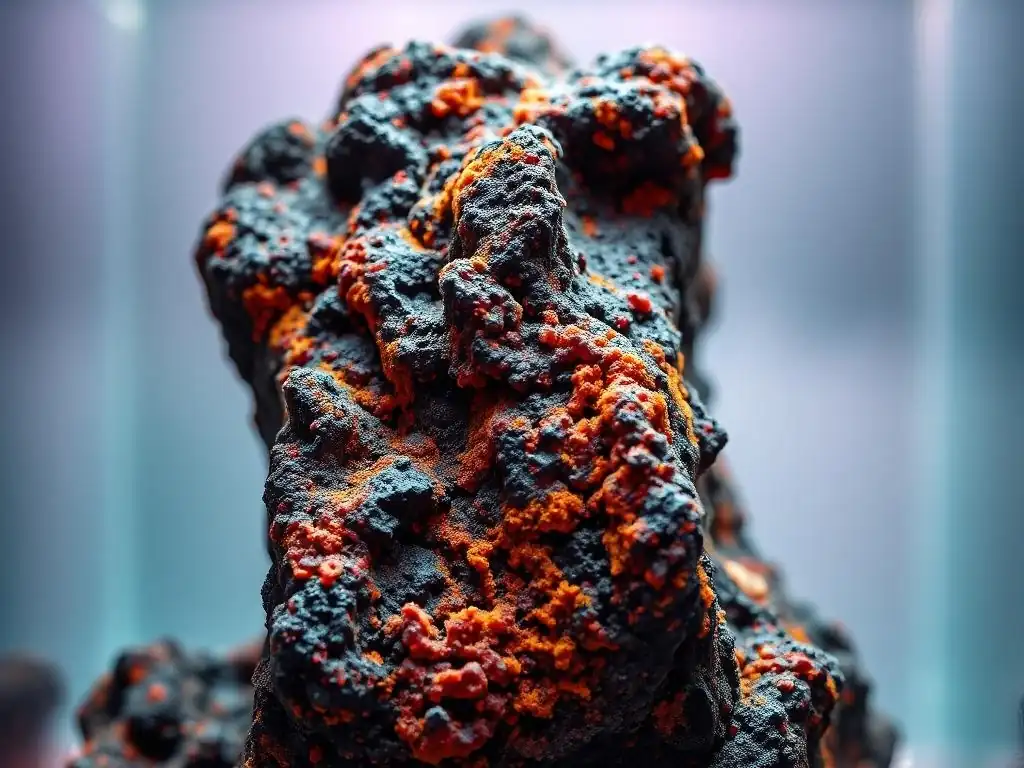
Despite its advantages, lava rock does have some drawbacks. Its weight can be a consideration, especially for large volumes of biomedia, potentially adding significant mass to sumps or external filters. While generally inert, some aquarists report slight fluctuations in water parameters, particularly pH, if the rock is not thoroughly rinsed or if it contains trace minerals that could leach over time, though this is rare with aquarium-grade lava rock.
Another potential issue is its irregular porosity. While beneficial for surface area, the larger, less uniform pores can sometimes trap detritus if the mechanical pre-filtration is inadequate. This can lead to clogging and the formation of anaerobic (oxygen-depleted) zones within the rock, which may hinder the desired aerobic nitrification process and potentially lead to undesirable bacterial activity if not managed. Cleaning can also be challenging without disrupting the established bacteria colony.
Best Practices for Cleaning and Maintaining Lava Rock
Proper maintenance of lava rock is crucial to preserve its resident bacteria colony. Unlike mechanical filter media, biological media should never be cleaned rigorously with tap water or harsh chemicals, as this will destroy the beneficial bacteria. When cleaning is necessary, such as during routine filter maintenance or if detritus buildup is observed, gently rinse the lava rock in old aquarium water that has been siphoned from the tank during a water change.
This gentle rinsing helps remove accumulated sludge without exposing the bacteria to chlorine or drastic temperature changes. It is also advisable to clean only a portion of the biomedia at a time, if possible, to ensure that a significant bacteria colony remains undisturbed to process waste while the rest repopulates. Always ensure that lava rock is placed after mechanical filtration (e.g., filter floss or sponges) to prevent larger particles from clogging its pores and reducing its efficiency.
MarinePure for Bacteria Colonization: A Detailed Examination
What is MarinePure and How Does It Work?
MarinePure, manufactured by Bio-Aquatik, is a state-of-the-art biological filter media made from an inert, highly porous ceramic material, primarily composed of silicon dioxide and aluminum oxide. Unlike natural media like lava rock, MarinePure is engineered with a specific, uniform pore structure designed to maximize both aerobic and anaerobic bacterial colonization within a compact volume. It comes in various shapes, including spheres, cubes, and plates, to suit different filter configurations.
The unique design of MarinePure allows it to support a complete nitrogen cycle within a single piece of media. Aerobic nitrifying bacteria (converting ammonia to nitrite, and nitrite to nitrate) thrive in the oxygen-rich outer layers of the media. Deeper within its intricate, interconnected pores, oxygen levels drop, creating an anoxic environment where anaerobic denitrifying bacteria can flourish, converting nitrates into harmless nitrogen gas (N2) which off-gasses from the water. This dual functionality makes it exceptionally efficient at maintaining low nutrient levels.
Surface Area and Design of MarinePure: Impact on Bacteria Growth
MarinePure is renowned for its extraordinarily high specific surface area, which is a testament to its advanced engineered design. For instance, the 1-inch MarinePure spheres or cubes boast a staggering internal surface area of approximately 150,000 to 250,000 square feet per cubic foot (or roughly 14,000-23,000 square meters per liter). This dwarfs the surface area offered by many traditional biomedia, including typical ceramic rings bacteria colony setups, making it one of the most efficient choices available.
The uniformity and interconnectedness of MarinePure's pores are critical to its performance. This structure ensures optimal water flow throughout the media, delivering nutrients and oxygen to the vast bacteria colony while simultaneously creating the necessary oxygen gradients for both nitrification and denitrification. This controlled environment within the media allows for highly efficient and comprehensive biological filtration, leading to superior water quality.
Advantages of Using MarinePure in Aquarium Filters
The primary advantage of MarinePure is its unparalleled surface area, which translates directly into superior biological filtration capacity. It can host an immense bacteria colony in a relatively small footprint, making it ideal for sumps, reactors, or even hang-on-back filters with limited space. Its ability to facilitate both nitrification and denitrification means it can actively reduce nitrates, a common struggle for many aquarists, without relying solely on water changes.
Furthermore, MarinePure is lightweight and easy to handle, despite its high porosity. It is chemically inert and does not leach any substances into the water, ensuring stable water parameters. Its engineered design also promotes efficient water flow, minimizing the risk of clogging and ensuring that the entire surface area is utilized by the beneficial bacteria.
The most notable disadvantage of MarinePure is its cost. It is significantly more expensive per unit volume compared to traditional biomedia like lava rock or standard ceramic rings bacteria colony options. This higher upfront investment can be a barrier for some aquarists, especially those setting up larger systems.
Another consideration is its relative fragility. While durable in use, MarinePure can be brittle and prone to chipping or breaking if handled roughly, particularly during initial placement or cleaning. Although it is designed to be largely self-cleaning, some users report a fine dust initially, which requires thorough rinsing before introduction into the filter to prevent cloudiness in the aquarium.
Best Practices for Cleaning and Maintaining MarinePure
MarinePure is designed for minimal maintenance due to its highly efficient and self-regulating bacterial populations. For most applications, aggressive cleaning is unnecessary and can even be detrimental to the established bacteria colony. If detritus buildup is observed, a gentle rinse in siphoned aquarium water is sufficient. Avoid using tap water, harsh chemicals, or vigorous scrubbing, as these actions will compromise the delicate bacterial biofilms.
To maximize its long-term effectiveness, it is crucial to ensure excellent mechanical pre-filtration upstream of MarinePure. This prevents larger particulate matter from entering and clogging the media's fine pores, which could reduce its efficiency and potentially lead to undesirable anaerobic conditions where they are not intended. By protecting the media from physical debris, you allow its sophisticated pore structure to remain open for optimal water flow and bacterial function.
Lava Rock vs. MarinePure: A Head-to-Head Comparison for Bacteria Colonies
Surface Area and Porosity: Which BioMedia Offers More Space for Bacteria?
When it comes to raw surface area for bacterial colonization, MarinePure holds a significant advantage over lava rock. MarinePure's engineered structure can provide upwards of 150,000 square feet per cubic foot, a figure that is orders of magnitude higher than the surface area typically offered by natural lava rock (which might be in the range of 50-100 square feet per pound, translating to a much lower volumetric density). This immense surface area means that a smaller volume of MarinePure can potentially support a much larger bacteria colony.
Furthermore, MarinePure's porosity is uniform and highly interconnected, ensuring that nearly all its available surface area is accessible to water flow and, consequently, to beneficial bacteria. Lava rock, while porous, has a more irregular and variable pore structure. While effective, some pores may be less accessible or prone to clogging, potentially limiting the overall usable surface area for a thriving bacteria colony compared to MarinePure's optimized design.
Water Flow and Oxygenation: How Each BioMedia Affects Bacteria Growth
Water flow and oxygenation are critical for the aerobic nitrifying bacteria that form the backbone of an aquarium's biological filter. MarinePure's deliberate design ensures excellent water penetration and consistent flow throughout its internal structure. This uniform flow delivers ample oxygen to the outer, aerobic zones, maximizing the efficiency of ammonia and nitrite conversion, while also creating the necessary low-oxygen zones deeper inside for denitrification.
Lava rock, with its less uniform pore structure, can sometimes experience less consistent water flow. While generally effective, areas with slower flow or larger trapped detritus can become anoxic prematurely, potentially hindering optimal aerobic nitrification. However, in larger sumps with sufficient water movement, lava rock still provides ample oxygenation for a robust bacteria colony focused primarily on nitrification.
Biofilm Development: Comparing Bacterial Colony Formation on Both Media
The type of bacteria colony that develops on each media reflects their structural differences and capabilities. On lava rock, the primary biofilm development is typically aerobic, focusing on the nitrification process (ammonia to nitrite, nitrite to nitrate). While some limited anaerobic zones may occur in deeper, less oxygenated areas, lava rock is predominantly a nitrifying media. It excels at breaking down the initial harmful nitrogenous wastes.
MarinePure, by design, actively promotes the development of both aerobic and anaerobic biofilms simultaneously. Its unique pore structure creates a gradient of oxygen availability, allowing nitrifying bacteria to thrive on the surface and outer layers, while denitrifying bacteria (which convert nitrate to nitrogen gas) establish themselves in the oxygen-depleted core. This dual capacity means MarinePure can support a more comprehensive bacteria colony capable of handling the entire nitrogen cycle, including nitrate reduction.
Ease of Maintenance and Cleaning: Which is Easier to Handle?
In terms of maintenance, MarinePure generally requires less frequent and less aggressive cleaning due to its advanced design and capacity for self-regulation of bacterial populations. Its engineered porosity is less prone to trapping large amounts of detritus compared to some natural media, provided adequate pre-filtration is in place. When cleaning is necessary, a gentle rinse in tank water is usually sufficient, but its fragility necessitates careful handling.
Lava rock, while robust and less prone to breakage, can sometimes accumulate more detritus in its larger, irregular pores, potentially requiring more frequent, albeit gentle, rinsing. Its weight can also make handling larger quantities somewhat cumbersome. However, its natural resilience means it can withstand more physical manipulation during cleaning than the more brittle MarinePure, though care should always be taken to preserve the bacteria colony.
Cost-Effectiveness: Which BioMedia Offers the Best Value for Money?
From a purely upfront cost perspective, lava rock is the clear winner. It is significantly more affordable per unit volume or weight, making it an excellent choice for aquarists on a budget or those setting up very large systems where substantial amounts of biomedia are required. Its low cost combined with its proven effectiveness makes it a highly cost-effective option for establishing a foundational bacteria colony.
MarinePure, while more expensive upfront, offers superior performance in terms of surface area and especially its unique ability to reduce nitrates. For aquarists with high bioloads, sensitive inhabitants (like SPS corals), or those seeking to minimize water changes, the long-term benefits of MarinePure's comprehensive filtration can justify its higher initial investment. Its efficiency can lead to a more stable environment and potentially fewer expenses related to chemical nitrate removers or excessive water top-offs, offering a different kind of value for money.
Real-World Performance: Case Studies of Aquariums Using Lava Rock and MarinePure
Case Study 1: High-Bioload Freshwater Aquarium Using Lava Rock
Consider a 125-gallon freshwater African Cichlid aquarium, known for its high bioload and significant waste production. The filtration system for this tank included a large sump filled with approximately 20 pounds of aquarium-grade lava rock, positioned after mechanical filter socks. For over three years, this setup consistently maintained ammonia and nitrite levels at undetectable (zero) concentrations.
Nitrate levels, while not completely eliminated, remained manageable at 20-30 parts per million (ppm) with a routine 25% weekly water change. The fish displayed vibrant colors and active behavior, with no signs of stress or disease attributable to water quality. This case demonstrates that lava rock, even in a demanding, high-bioload environment, can effectively host a massive bacteria colony capable of robust nitrification, efficiently converting harmful ammonia and nitrite into nitrates, thus ensuring the overall health of the aquatic ecosystem.
Case Study 2: Reef Tank with MarinePure for Nitrate Reduction
In a 75-gallon saltwater reef tank, housing various SPS (Small Polyp Stony) corals and several fish, the owner struggled with persistently high nitrate levels, often reading 40-50 ppm despite regular water changes. To address this, 1 liter of 1-inch MarinePure spheres was introduced into a dedicated media reactor, ensuring optimal water flow through the media.
Within four to six weeks of implementation, the nitrate levels in the tank steadily declined, stabilizing at a much healthier range of 5-10 ppm. This significant reduction in nitrates allowed the SPS corals to exhibit better growth and color. This case illustrates MarinePure's exceptional capacity to not only nitrify but also to reduce nitrates through denitrification, a crucial capability for sensitive reef environments where low nutrient levels are paramount. The engineered structure effectively supported a bacteria colony specialized in both stages of the nitrogen cycle.
Comparing Performance Based on Case Study Observations
These case studies highlight the distinct strengths of each biomedia. The lava rock in the high-bioload freshwater tank proved to be an excellent workhorse for primary nitrification. It effectively handled the constant production of ammonia and nitrite, demonstrating its capability to support a large and active bacteria colony for the initial stages of the nitrogen cycle, ensuring the water remained non-toxic.
Conversely, the MarinePure in the reef tank showcased its advanced capabilities, specifically its ability to facilitate denitrification. While both media can foster a robust bacteria colony, MarinePure's design allowed for the crucial reduction of nitrates, a challenge that many aquarists face, especially in heavily stocked or sensitive setups. This demonstrates that while lava rock is a strong generalist, MarinePure offers specialized performance for complete nitrogen cycle management.
Optimizing Biological Filtration: Tips for Maximizing Bacteria Colony Growth
Maintaining Proper Water Parameters for Beneficial Bacteria
For any bacteria colony to thrive in an aquarium, stable and appropriate water parameters are paramount. Beneficial nitrifying bacteria are highly sensitive to sudden fluctuations in temperature and pH. Ideally, maintain a consistent temperature, typically between 75-80°F (24-27°C) for most tropical aquariums, as drastic shifts can shock or kill bacterial populations.
Equally important is maintaining a stable pH, generally in the neutral to slightly alkaline range (pH 7.0-8.0) for optimal nitrifying bacterial activity. Adequate alkalinity (KH) is also crucial, as it acts as a buffer against pH swings and provides the necessary carbonates that bacteria consume during nitrification. Regularly testing these parameters and making gradual adjustments will ensure a hospitable environment for your bacteria colony.
Combining BioMedia for Enhanced Biological Filtration
To achieve the most comprehensive and robust biological filtration, many experienced aquarists advocate for combining different types of biomedia. This strategy leverages the unique strengths of various materials. For instance, a coarser media like lava rock or traditional ceramic rings bacteria colony can be used for initial, heavy-duty nitrification, providing ample surface area for the primary conversion of ammonia and nitrite.
Following this, a more advanced media like MarinePure can be incorporated to handle the latter stages of the nitrogen cycle, particularly nitrate reduction. This layering approach maximizes total surface area, diversifies bacterial populations, and allows for a more complete and efficient breakdown of nitrogenous waste, leading to superior water quality and a more resilient overall bacteria colony.
The Importance of Adequate Water Flow for BioMedia Effectiveness
Adequate and consistent water flow through all biological media is absolutely critical for its effectiveness. Beneficial bacteria are aerobic, meaning they require oxygen to perform nitrification. Insufficient flow can lead to stagnant areas within the filter, depriving the bacteria colony of essential oxygen and nutrients, which hinders their ability to process waste efficiently.
Conversely, excessively strong, turbulent flow can sometimes dislodge bacteria or prevent proper biofilm formation. The goal is a steady, laminar flow that ensures water penetrates all parts of the biomedia, delivering oxygen and waste products while removing processed nitrates. Proper pump selection and filter design are key to achieving this optimal flow, ensuring every part of your bacteria colony is productive.
Avoiding Over-Cleaning: Protecting Your Bacteria Colonies
One of the most common mistakes aquarists make is over-cleaning their biological filter media. Unlike mechanical filter floss, which should be cleaned or replaced frequently, biological media should be disturbed as little as possible. The beneficial bacteria colony is fragile and susceptible to harsh chemicals, chlorinated tap water, and drastic temperature changes.
When cleaning is absolutely necessary, such as to remove excessive detritus buildup, always perform the rinse gently using siphoned aquarium water, not tap water. Furthermore, avoid cleaning all biological media at once. Instead, clean only a portion (e.g., half) during one maintenance session, allowing the remaining bacteria colony to continue processing waste and repopulate the cleaned section, thus preventing a mini-cycle and maintaining tank stability.
Conclusion: Choosing the Right BioMedia for a Thriving Aquarium Bacteria Colony
Lava Rock vs. MarinePure: Which is the Better Choice for Your Aquarium?
The choice between lava rock and MarinePure ultimately depends on your specific aquarium needs, budget, and filtration goals. Lava rock stands as an excellent, highly cost-effective solution for establishing a robust bacteria colony primarily focused on nitrification. It's a natural, durable, and readily available option that performs admirably in most general freshwater setups, efficiently converting ammonia and nitrite.
MarinePure, while a higher investment, offers superior surface area and the distinct advantage of facilitating both nitrification and denitrification, leading to active nitrate reduction. This makes it the preferred choice for advanced setups, high-bioload tanks, or sensitive ecosystems like reef tanks where maintaining ultra-low nitrate levels is critical. Both are highly effective at fostering a bacteria colony, but their strengths cater to different demands.
Considerations for Freshwater vs. Saltwater Applications
Both lava rock and MarinePure are highly versatile and can be effectively utilized in both freshwater and saltwater aquarium applications. In freshwater tanks, lava rock is a fantastic, economical choice for establishing the primary bacteria colony responsible for ammonia and nitrite removal, especially in larger systems where significant volumes of media are needed.
For saltwater aquariums, particularly reef tanks, MarinePure often gains an edge due to its unparalleled ability to reduce nitrates through denitrification. This is a crucial benefit in reef systems where low nutrient levels are paramount for coral health. While lava rock will still provide excellent nitrification in saltwater, MarinePure offers a more comprehensive solution for managing the entire nitrogen cycle, ensuring a healthy and stable bacteria colony for marine inhabitants.
The Future of BioMedia in Aquarium Filtration
The field of aquarium filtration continues to evolve, with ongoing research focused on developing even more efficient and specialized biomedia. Future advancements may include materials with even higher usable surface areas, more precisely engineered pore structures to optimize specific bacterial processes, or even media infused with beneficial bacterial spores for faster cycling.
Regardless of the innovations, the fundamental goal remains constant: to provide the optimal environment for a dense, diverse, and highly efficient bacteria colony. As aquarists strive for increasingly stable and pristine aquatic environments, the role of advanced biomedia, whether natural or engineered, will continue to be central to achieving healthy, thriving aquariums for years to come.
Frequently Asked Questions
What exactly are ceramic rings and why are they used in aquariums?
Ceramic rings are a type of bio-media used in aquarium filters. They provide a large surface area for beneficial bacteria to colonize, which is crucial for breaking down harmful waste.
How do ceramic rings contribute to a healthy aquarium ecosystem?
Ceramic rings foster a thriving bacteria colony that performs nitrification. This process converts toxic ammonia and nitrites into less harmful nitrates, improving water quality and fish health.
How do ceramic rings compare to bio-balls in terms of bacteria colonization?
While both are bio-media, ceramic rings generally offer a greater surface area per volume compared to bio-balls. This can potentially lead to a larger and more efficient bacteria colony.
How often do ceramic rings need to be cleaned or replaced in an aquarium filter?
Ceramic rings rarely need replacement unless physically damaged. Cleaning should be done sparingly, using old tank water to avoid killing the beneficial bacteria. Avoid tap water.
Can I use ceramic rings in both freshwater and saltwater aquariums?
Yes, ceramic rings are suitable for both freshwater and saltwater aquarium setups. Their inert nature means they won't alter water parameters, making them a versatile filtration option.
The debate surrounding ceramic rings and bio-balls, while seemingly niche, underscores a fundamental truth: the unseen world of bacteria is the bedrock of thriving ecosystems, both natural and artificial. Understanding how to foster these microscopic communities, as we've explored in the context of aquarium filtration, has profound implications for water quality, environmental sustainability, and even our own health. The principles of surface area, porosity, and flow dynamics are not just relevant to fish tanks; they're applicable to bioremediation, wastewater treatment, and countless other fields where harnessing the power of bacteria is key.
This exploration into the microscopic battleground within our filters has highlighted the delicate balance required to create a thriving bacterial colony. It's a reminder that even in seemingly sterile environments, life finds a way, adapting and evolving to fill available niches. The ongoing quest for the "best" biomedia reflects our inherent desire to optimize and improve, to create systems that are not only efficient but also sustainable. As the famous microbiologist Louis Pasteur wisely stated: The role of the infinitely small in nature is infinitely great.
This quote resonates deeply, emphasizing the profound impact of these tiny organisms on the world around us.
Ultimately, the choice between ceramic rings and bio-balls is less about finding a definitive winner and more about understanding the specific needs of your ecosystem. So, as you consider the information presented here, I encourage you to reflect on the broader implications. How can you apply these principles of fostering beneficial microbial life to other areas of your life and community? Consider the unseen forces at play, the delicate balances that sustain us, and the potential for positive change that lies within understanding and nurturing the microscopic world around you.
Ignite Your Aquarium's Ecosystem!
Thanks for diving deep into the world of biological filtration! Now that you understand the nuances of ceramic rings and bio balls, it's time to take action and cultivate a thriving aquatic environment.
Here’s how you can amplify your aquarium's health:
- Measure your current ammonia, nitrite, and nitrate levels. This crucial step will give you a baseline to compare against as you upgrade your biological filtration.
- Consider experimenting with a mix of ceramic rings and bio balls in your filter to leverage the benefits of both media types. Observe your aquarium's parameters over time to see what works best!
- Share this article with fellow aquarium enthusiasts who might be struggling with water quality issues. Helping others strengthens our community!
What fascinating, unexpected discoveries have you made while setting up your biological filtration system?