
Boosting Fish Color Naturally: The Role of Specialized Aquarium Lighting

Welcome to Aquarium Mastery!
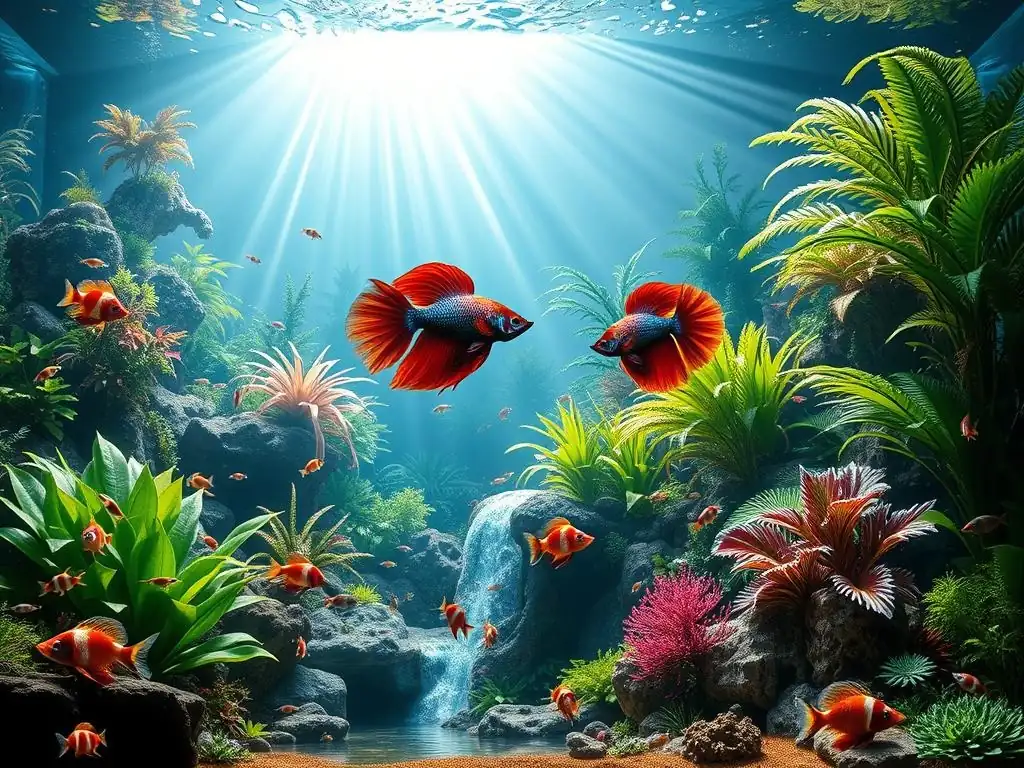
Ever wondered how to unlock the vibrant, natural beauty hidden within your fish? We dive deep into the secrets of aquarium keeping, and today, we're shining a light – literally! – on natural fish color enhancement lighting. Discover how the right light can transform your tank and bring out the breathtaking hues of your aquatic companions. Intrigued? Let's explore the spectrum!
- Understanding Natural Fish Color and Aquarium Lighting
- The Science Behind Natural Fish Color Enhancement Lighting
- Types of Aquarium Lighting for Enhanced Fish Color
- Selecting the Right Natural Fish Color Enhancement Lighting for Your Aquarium
- Setting Up and Maintaining Natural Fish Color Enhancement Lighting
- Troubleshooting Common Issues with Aquarium Lighting and Fish Color
- Real-World Examples: Before and After Natural Fish Color Enhancement Lighting
- Advanced Techniques for Maximizing Fish Color
- Conclusion: Achieving Vibrant, Natural Fish Colors with the Right Lighting
-
Frequently Asked Questions
- How does specialized aquarium lighting enhance natural fish color?
- What type of lighting is best for natural fish color enhancement?
- Can any type of light damage or negatively affect fish colors?
- Does the type of fish affect which lighting is best for color enhancement?
- Besides lighting, what other factors influence fish color?
- Final Reflection: Illuminating Natural Beauty
- Unleash Vibrant Colors: Dive Deeper into Your Aquarium!
Understanding Natural Fish Color and Aquarium Lighting
The Importance of Lighting for Fish Health and Coloration
Lighting in an aquarium serves far more than just aesthetic purposes; it is a fundamental component for the overall health and well-being of your fish, directly influencing their natural coloration. Proper light cycles regulate fish circadian rhythms, reducing stress and promoting natural behaviors such as feeding, schooling, and breeding. When fish are healthy and stress-free, their inherent pigments are more vibrant and consistently displayed.
Insufficient or inappropriate lighting can lead to a host of problems, including dull or faded colors, lethargy, and even suppressed immune systems, making fish more susceptible to disease. For instance, a lack of consistent light can disrupt a fish's internal clock, leading to chronic stress which manifests as muted colors. Therefore, investing in natural fish color enhancement lighting is not just about making your tank look good, but about fostering a thriving, healthy environment for your aquatic inhabitants.
How Light Spectrum Affects Fish Pigmentation
Fish coloration is a complex interplay of various pigments (like carotenoids, purines, and pteridines) and specialized cells called chromatophores. Different wavelengths of light interact with these pigments in unique ways. For example, red pigments in a fish's skin absorb blue-green light and reflect red light, making the fish appear red to our eyes. Similarly, blue pigments interact with yellow-red light.
By providing a light spectrum that emphasizes specific wavelengths, aquarists can enhance the visibility and vibrancy of these pigments. Lights rich in red and blue wavelengths are particularly effective. Blue light, typically around 450-470 nanometers (nm), intensifies blue, purple, and iridescent scales, while red light, often in the 620-660 nm range, significantly boosts red, orange, and yellow hues. This targeted natural fish color enhancement lighting can make a dramatic difference in how your fish's colors are perceived.
Factors Beyond Lighting Influencing Fish Colors (Diet, Water Parameters, Stress)
While specialized lighting is crucial for natural fish color enhancement, it's important to recognize that other significant factors also play a vital role. Diet is paramount; many fish cannot synthesize their own carotenoid pigments (responsible for reds, oranges, and yellows) and must obtain them from their food. Feeding high-quality flakes or pellets rich in ingredients like spirulina, astaxanthin, or krill, which can contain up to 200 mg/kg of astaxanthin, directly contributes to vibrant coloration.
Water parameters are equally critical. Stable and optimal water conditions—including appropriate pH, ammonia-free environments, and low nitrate levels (ideally below 20 ppm)—reduce stress on fish. Stress, whether from poor water quality, overcrowding, or aggressive tank mates, can cause fish to "wash out" their colors as a defense mechanism. A holistic approach that combines excellent water quality, a nutritious diet, and targeted natural fish color enhancement lighting will yield the best results for your fish's vibrancy.
The Science Behind Natural Fish Color Enhancement Lighting
What is Natural Fish Color Enhancement Lighting?
Natural fish color enhancement lighting refers to aquarium light fixtures specifically engineered to bring out the intrinsic vibrancy and richness of fish colors. Unlike standard full-spectrum lights, these systems often feature a finely tuned spectral output, with boosted peaks in specific wavelengths, typically reds and blues, which are known to interact most effectively with fish pigments. The goal is not to artificially "dye" the fish, but to optimize the conditions under which their natural colors are displayed.
These specialized lights aim to mimic the optimal light conditions found in a fish's native habitat, or simply to emphasize the most visually appealing aspects of their coloration. For example, a light designed for natural fish color enhancement might have a color temperature of 8,000K to 12,000K, but with a specific blend of red (660nm) and blue (450nm) diodes that are more pronounced than in a general-purpose fixture. This precise spectral distribution allows the fish's chromatophores to reflect light more vividly, making their existing colors appear more intense and striking.
Key Light Spectrum Components for Vibrant Fish Colors
To achieve truly vibrant fish colors, specific components of the visible light spectrum are essential. Red wavelengths, generally ranging from 620 to 750 nanometers, are critical for enhancing the fiery reds, sunny yellows, and deep oranges found in many popular aquarium species like Discus, Betta fish, and various cichlids. Lights with strong peaks in the 660 nm range are particularly effective for stimulating these warm tones.
Similarly, blue wavelengths, typically between 450 and 495 nanometers, are vital for intensifying blues, purples, and iridescence. Many schooling fish, such as Neon Tetras or Cardinal Tetras, display stunning blues that become electrifying under the right blue-enhanced natural fish color enhancement lighting. Some specialized fixtures also incorporate specific green wavelengths (around 520-530 nm) not only to make green plants pop, but also to provide a balanced contrast that further accentuates red and blue fish colors, making them appear even more vivid to the human eye.
PAR (Photosynthetically Active Radiation) and its Impact on Fish Color
PAR, or Photosynthetically Active Radiation, measures the amount of light within the 400-700 nanometer spectrum that is available for photosynthesis. While primarily relevant for plant growth, PAR levels indirectly impact fish color by contributing to a healthy, balanced aquarium ecosystem. In a planted tank, sufficient PAR (e.g., 30-50 µmol/m²/s for medium-light plants) ensures robust plant growth, which in turn helps maintain stable water parameters by consuming nitrates and providing natural hiding spots, reducing fish stress.
For fish, particularly those from bright, shallow waters, adequate PAR levels can stimulate natural behaviors and overall vitality, which are prerequisites for displaying their best colors. However, it's a delicate balance; excessively high PAR without corresponding CO2 and nutrient levels can lead to rampant algae growth, which is detrimental to the tank's aesthetics and can stress fish. The goal for natural fish color enhancement lighting is to provide sufficient PAR for the overall ecosystem, ensuring that the light's spectral quality can effectively highlight the fish's inherent beauty without causing adverse effects.
Types of Aquarium Lighting for Enhanced Fish Color
LED Lighting for Natural Color Enhancement in Aquariums
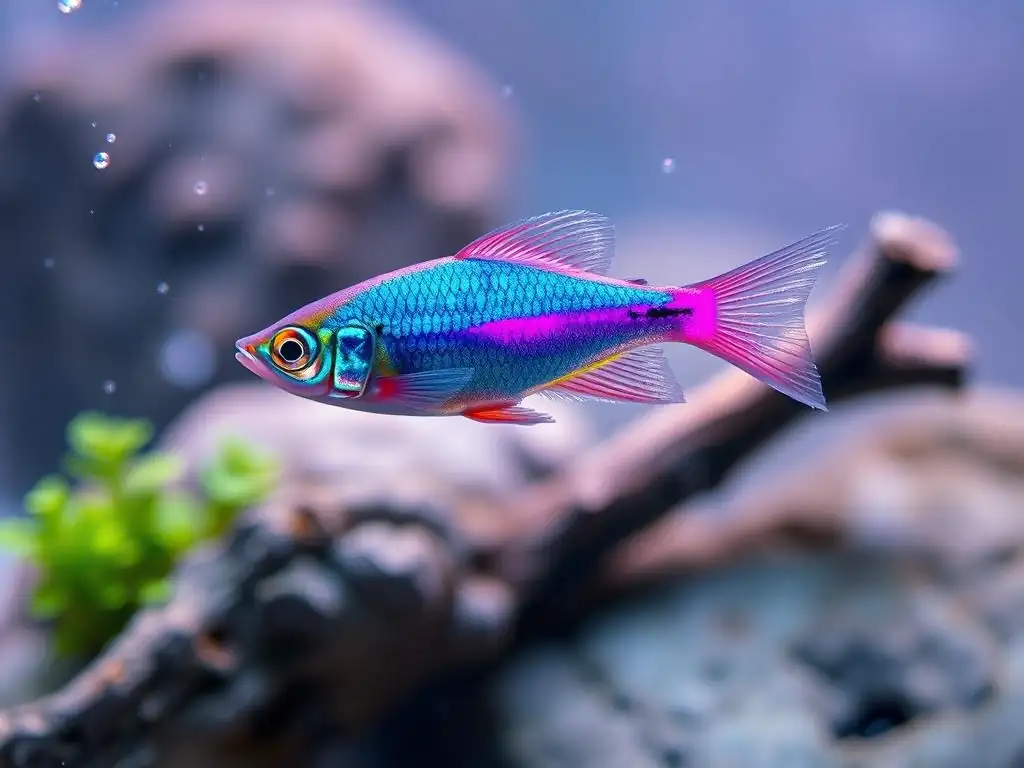
LED (Light Emitting Diode) lighting has become the dominant technology for natural fish color enhancement lighting due to its unparalleled flexibility, energy efficiency, and long lifespan. Modern LED fixtures often incorporate individual red, green, blue, and white (RGBW) diodes, allowing for precise control over the light spectrum. Many high-end units feature app control, enabling users to fine-tune specific wavelengths to perfectly match their fish species' needs or to create stunning visual effects that make colors pop.
The benefits are substantial: LEDs consume significantly less energy—up to 80% less than traditional fluorescent bulbs—and can last for 50,000 hours or more, translating to years of consistent performance without bulb replacement. Brands like Chihiros, Fluval, and Kessil offer specialized LED fixtures with pre-programmed modes or customizable channels that specifically boost reds and blues, providing exceptional natural fish color enhancement. Their ability to deliver targeted wavelengths makes them ideal for showcasing the full vibrancy of your aquatic inhabitants.
Fluorescent Lighting Options for Vibrant Fish Colors
While increasingly overshadowed by LEDs, fluorescent lighting, particularly T5 High Output (HO) and T8 bulbs, still offers viable options for achieving vibrant fish colors. T5 HO bulbs provide good intensity and are available in a variety of color temperatures and spectral outputs. Aquarists can combine different types of fluorescent bulbs to create a custom spectrum. For example, pairing a 6500K "daylight" bulb with a specialized "plant growth" or "color-enhancing" bulb (which typically has boosted red and blue spikes) can effectively bring out fish coloration.
Fluorescent bulbs are generally more affordable upfront than high-end LEDs and are widely available. However, they have a shorter lifespan, typically requiring replacement every 6-12 months as their spectral quality degrades, even if they still appear to be working. They are also less energy-efficient and generate more heat than LEDs. Despite these drawbacks, a carefully selected combination of fluorescent bulbs can still provide effective natural fish color enhancement lighting, especially for hobbyists on a budget.
Metal Halide Lighting and its Effects on Fish Pigmentation (Considerations and Drawbacks)
Metal halide lighting, once a staple for large, deep aquariums and demanding reef tanks, offers extremely high intensity and a broad, powerful spectrum that can certainly make fish colors appear vibrant. Their sheer light output ensures deep penetration into the water column, illuminating fish even in tall tanks. The intense light can contribute to the overall health and vitality of certain fish species, which in turn supports their natural coloration.
However, metal halides come with significant drawbacks that have led to their decline in popularity for general freshwater or fish-only setups. They generate substantial heat, often requiring active cooling solutions, and consume considerable energy. Their bulbs also have a relatively short lifespan, typically needing replacement every 6 to 9 months, and are expensive. While powerful, the practical considerations of heat, energy cost, and maintenance make them less common for hobbyists primarily focused on natural fish color enhancement lighting without the demands of a high-light planted or reef environment.
Selecting the Right Natural Fish Color Enhancement Lighting for Your Aquarium
Matching Lighting to Your Fish Species' Needs
Selecting the ideal natural fish color enhancement lighting begins with understanding the specific needs of your fish species. Fish originate from diverse habitats, each with unique light conditions. For instance, African Cichlids from the bright, clear waters of Lake Malawi often thrive under brighter, blue-enhanced lighting that highlights their iridescent scales and bold patterns. Conversely, species like Discus or many Tetras from Amazonian blackwater rivers prefer dimmer, more diffused light, but still benefit from a spectrum that accentuates their reds and blues without causing stress.
Researching your fish's natural environment is key. For example, a Betta fish, naturally found in shallow, densely vegetated waters, might prefer a less intense light with a warm spectrum that brings out its reds and blues without overwhelming it. Providing lighting that aligns with their natural habitat not only promotes vibrant coloration but also supports their overall well-being and natural behaviors, making the natural fish color enhancement lighting truly effective.
Aquarium Size and Lighting Intensity Considerations
The size of your aquarium, particularly its depth, significantly influences the type and intensity of natural fish color enhancement lighting required. Light diminishes rapidly as it penetrates water; a 24-inch deep tank will need a much more powerful light fixture than a 12-inch deep tank to achieve similar light levels at the substrate.
For instance, a 20-gallon long tank (approx. 12 inches deep) might be adequately lit with a 15-20 watt LED fixture, while a 120-gallon tank (24 inches deep) could require a system ranging from 100-150 watts or more to effectively illuminate the entire water column and enhance fish colors throughout.
Over-lighting can lead to excessive algae growth and stress for fish that prefer dimmer conditions, while under-lighting will result in dull colors and potentially stunted plant growth. Manufacturers often provide PAR ratings or recommended tank sizes for their fixtures. Aim for a light that can provide sufficient intensity across the entire tank, ensuring that the natural fish color enhancement lighting reaches all your aquatic inhabitants, regardless of their position in the water column.
Budget-Friendly Options for Natural Fish Color Enhancement Lighting
Achieving beautiful, naturally enhanced fish colors doesn't always require a significant financial outlay. There are several budget-friendly options that can deliver impressive results. Entry-level LED fixtures from brands like NICREW, Hygger, or Finnex offer surprisingly good spectral quality with adjustable color channels for under $100 for a standard 20-40 gallon tank. These lights often feature a mix of white, red, and blue diodes that are specifically chosen for their color-enhancing properties.
Another cost-effective approach involves utilizing traditional T8 or T5 fluorescent fixtures and carefully selecting specialized bulbs. By combining a standard daylight bulb with one or two "color-enhancing" fluorescent bulbs (often labeled for "plant growth" or "tropical fish"), you can create a custom spectrum that boosts reds and blues without breaking the bank. For a 30-gallon tank, a setup like this could cost as little as $40-$60, providing effective natural fish color enhancement lighting without the premium price tag of high-end LED systems.
Setting Up and Maintaining Natural Fish Color Enhancement Lighting
Installation Tips for Optimal Light Coverage
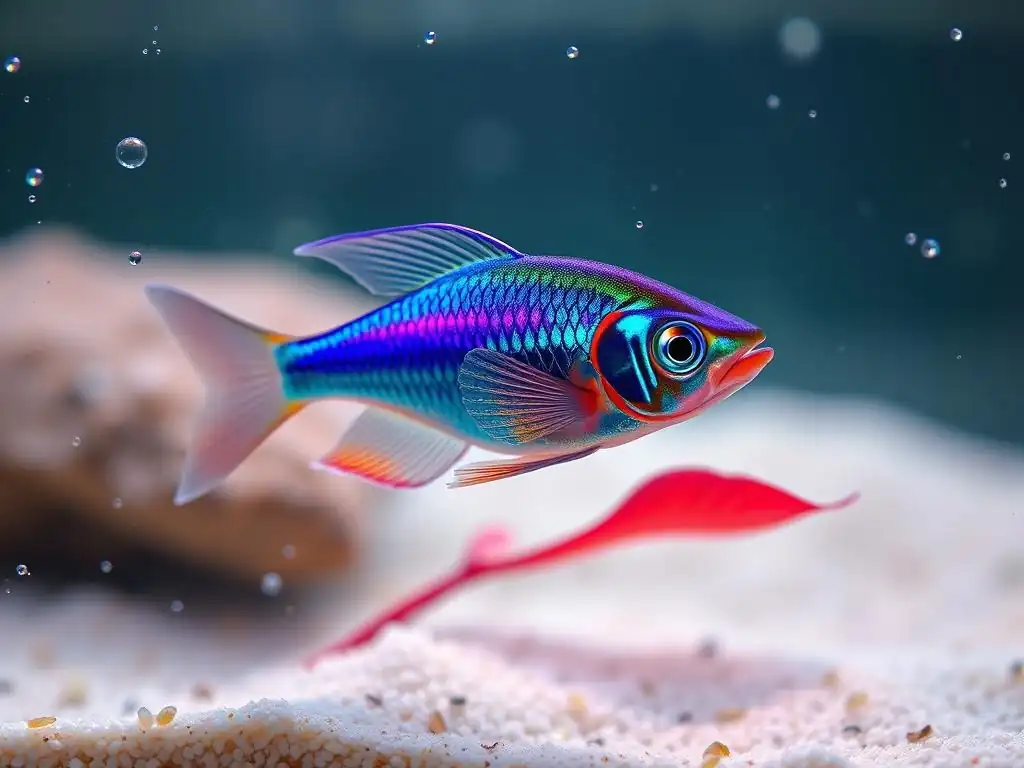
Proper installation of your natural fish color enhancement lighting is crucial for maximizing its effectiveness and ensuring even light distribution across your aquarium. Position the light fixture centrally over the tank to provide uniform illumination and minimize shadowed areas. For wider tanks, consider using multiple smaller fixtures or a single, wider fixture designed to cover the entire footprint. Ensure the light is mounted at an appropriate height above the water surface to prevent splashing, allow for adequate heat dissipation, and provide optimal light spread without causing excessive glare for viewing.
Many modern LED fixtures come with adjustable mounting legs or suspension kits, allowing you to fine-tune the height and angle. This flexibility is particularly beneficial for adapting to different tank depths, plant growth, or simply to find the most aesthetically pleasing setup for your fish's colors. Correct installation ensures that every part of your aquarium benefits from the targeted natural fish color enhancement lighting, promoting vibrant colors throughout the tank.
Lighting Schedules for Promoting Natural Color Development
Establishing a consistent lighting schedule is vital for promoting natural color development and overall fish health. Mimicking a natural day/night cycle, typically an 8-10 hour photoperiod, is ideal for most aquariums. Too long a photoperiod (e.g., 12+ hours) can stress fish, lead to excessive algae growth, and may even suppress color intensity in some species. Conversely, too short a period can hinder plant growth (if applicable) and disrupt fish circadian rhythms, causing them to appear dull or lethargic.
Using an automatic timer is highly recommended to ensure consistency in your lighting schedule. Many advanced natural fish color enhancement lighting systems also offer programmable sunrise and sunset modes, which gradually increase and decrease light intensity over a period (e.g., 30-60 minutes). This gentle transition is less jarring for fish than an abrupt on/off, further reducing stress and encouraging their most vibrant natural coloration.
Maintaining Your Lighting System for Long-Term Color Enhancement
Regular maintenance of your natural fish color enhancement lighting system is essential for ensuring its long-term effectiveness and consistent color enhancement. Over time, dust, hard water spots, and algae can accumulate on the light fixture and the tank's cover glass or acrylic, significantly reducing light penetration. A dirty cover can block up to 20-30% of light output, directly impacting your fish's perceived vibrancy. Wipe down the light fixture and cover weekly with a damp cloth to keep them clean.
For fluorescent bulbs, consistent color enhancement requires timely replacement. Even if they still light up, their spectral output degrades over time, and the specific wavelengths that enhance fish colors diminish. Fluorescent bulbs should typically be replaced every 6-12 months. While LEDs have a much longer lifespan (often several years), ensure their cooling vents are clear to prevent overheating, which can shorten their life and degrade light quality. By keeping your lighting system clean and well-maintained, you ensure continuous, optimal natural fish color enhancement lighting for your aquarium.
Troubleshooting Common Issues with Aquarium Lighting and Fish Color
Faded Colors: Identifying the Lighting Problem
If your fish's vibrant colors suddenly appear faded or dull, the lighting system is often a primary suspect after ruling out diet and water quality. First, check the age of your light bulbs; fluorescent tubes degrade in spectral quality over 6-12 months, even if they still emit light, losing the specific wavelengths crucial for natural fish color enhancement. LEDs, while longer-lasting, can also dim or have individual diodes fail over time, subtly shifting the overall spectrum.
Next, inspect the light fixture and the aquarium cover for dust, water spots, or algae buildup. A dirty surface can significantly block light from reaching your fish. If the lighting seems insufficient for your tank's depth or if the spectrum is generic, consider upgrading to a fixture specifically designed for natural fish color enhancement lighting. Sometimes, simply adjusting the light intensity or photoperiod can resolve the issue, especially if fish are stressed by too much or too little light.
Algae Growth and Lighting Intensity
Excessive algae growth is a common issue directly linked to an imbalance in aquarium lighting. If you observe a rapid proliferation of algae, such as green spot algae on glass, hair algae on plants, or brown diatom algae, your natural fish color enhancement lighting might be too intense, on for too long, or both. Algae thrive on light and nutrients, and an overabundance of light with insufficient CO2 (in planted tanks) or nutrients (like nitrates/phosphates) creates an ideal environment for their growth.
To combat this, first, reduce your photoperiod by 1-2 hours; an 8-hour daily cycle is often sufficient for most tanks. If algae persists, consider lowering the light intensity if your fixture has dimming capabilities. For a standard 10-gallon tank, an LED fixture providing 10-15 watts of output is typically adequate, whereas a 30-watt light on the same tank could easily trigger an algae bloom. Balancing light intensity with the bioload and plant mass is key to maintaining a clean tank and optimizing natural fish color enhancement lighting.
Replacing Bulbs and Maintaining Light Spectrum Integrity
Maintaining light spectrum integrity is crucial for consistent natural fish color enhancement. For fluorescent lighting, this means proactive bulb replacement. Even if a fluorescent bulb still illuminates, its spectrum shifts and weakens significantly after 6-12 months of use. This degradation means the specific red and blue wavelengths vital for enhancing fish colors are no longer effectively emitted, leading to faded coloration over time. Mark your calendar for annual bulb changes to ensure your fish continue to display their best colors.
For LED systems, while individual diode failure is less common, the overall light quality can still degrade. Cheaper LED fixtures might experience inconsistent dimming or color shifts over several years. If you notice a change in how your fish's colors appear, or if certain color channels seem less vibrant, it might be an indication that the LED array is reaching the end of its optimal performance life. Regular cleaning and ensuring proper ventilation for LEDs are also important to prevent premature degradation and maintain the integrity of your natural fish color enhancement lighting.
Real-World Examples: Before and After Natural Fish Color Enhancement Lighting
Case Study 1: Discus and Dramatic Color Improvement
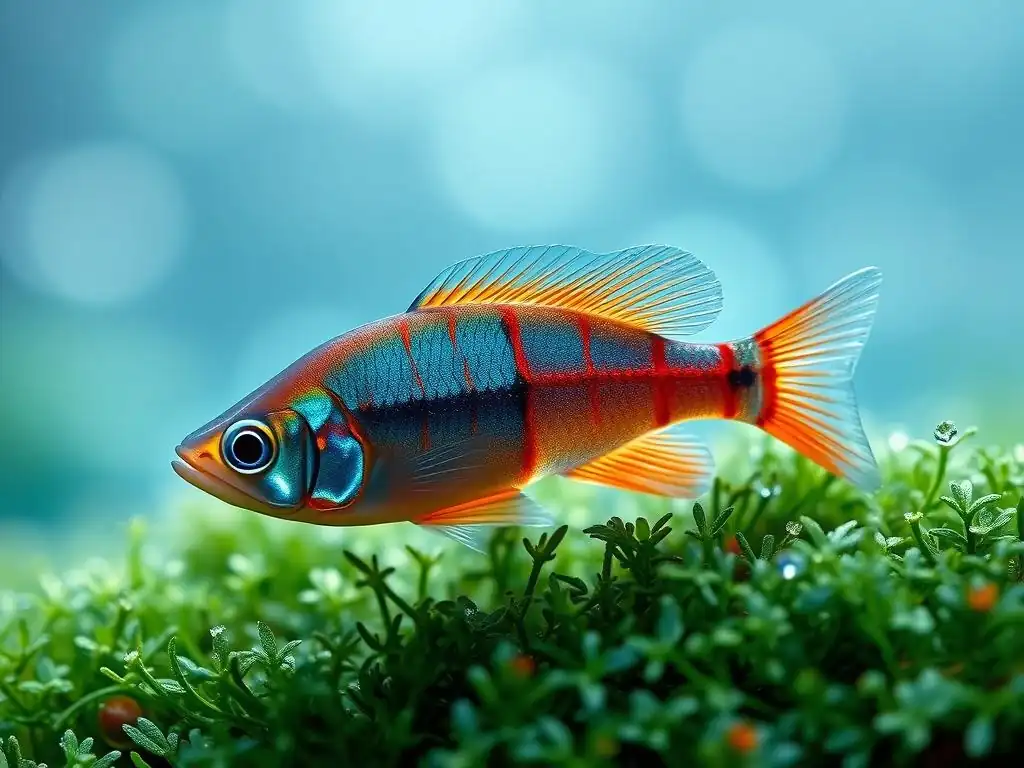
A notable example of natural fish color enhancement lighting's impact can be seen with Discus fish. A hobbyist with three Pigeon Blood Discus in a 75-gallon tank initially used standard 6500K fluorescent tubes. While the fish were healthy, their characteristic red coloration was muted, appearing more orange-brown, and any blue iridescence was barely discernible. After researching natural fish color enhancement lighting, they switched to a specialized LED fixture known for its boosted red (specifically 660nm) and blue (450nm) diodes, such as a high-end Chihiros WRGB II.
Within just three weeks of consistent lighting, the transformation was remarkable. The red hues on the Discus deepened dramatically, becoming a rich, fiery crimson, and their subtle blue patterns emerged with striking clarity. The fish appeared healthier and more vibrant, a testament to how specific wavelengths of light can stimulate and highlight existing pigments, bringing out the full, intended beauty of these magnificent fish. This case illustrates the profound effect of targeted natural fish color enhancement lighting.
Case Study 2: Red Ludwigia and Enhanced Coloration Under Specific Lighting
While primarily focused on fish, the principles of natural fish color enhancement lighting also apply to red-pigmented aquatic plants, often found in the same aquariums. Consider a planted 40-gallon tank featuring Ludwigia repens 'Rubin', a popular stem plant known for its potential to turn deep red. Under generic white LED lighting with a broad spectrum but no specific peaks, the Ludwigia maintained a dull, reddish-brown hue, never reaching its full chromatic potential.
Upon upgrading to an LED system designed for plant growth and color enhancement, which included strong peaks in the red (630-660nm) and blue (450-470nm) ranges, the Ludwigia underwent a stunning transformation. Within a month, its leaves developed a vibrant, intense crimson, almost burgundy, demonstrating how specific light wavelengths provide the necessary energy and stimulus for pigment production. This plant example highlights how comprehensive natural fish color enhancement lighting benefits the entire aquatic ecosystem, making both fish and red plants "pop" with color.
Advanced Techniques for Maximizing Fish Color
Combining Different Lighting Types for Optimal Results
For the dedicated aquarist seeking to maximize natural fish color enhancement, combining different lighting types offers unparalleled control and customization. A common advanced technique involves using a primary full-spectrum LED fixture for general illumination and plant growth, then supplementing it with secondary, specialized LED strips. For instance, an additional blue-dominant LED strip (often referred to as an "actinic" or "moonlight" strip) can be added to highlight the iridescent blues and purples of certain fish, such as African Cichlids or marine fish, creating a striking shimmer effect.
Alternatively, some hobbyists might use a high-PAR LED for their planted tank and integrate a separate, tunable natural fish color enhancement lighting bar that allows for precise adjustment of red and blue channels. This layered approach enables independent optimization of both plant health and fish vibrancy, ensuring that each aspect of the aquarium benefits from targeted spectral output without compromise.
Using Reflectors to Increase Light Intensity
An often-overlooked yet highly effective advanced technique for maximizing natural fish color enhancement is the strategic use of reflectors. For fluorescent and some LED fixtures, particularly those that are not fully enclosed, adding or ensuring the cleanliness of high-quality reflectors can dramatically increase the amount of light directed into the aquarium. A clean, efficient reflector positioned behind the light source can boost usable light output by 30% to 50% compared to an unreflected bulb or a dirty, oxidized reflector.
This increase in light intensity means more of the beneficial wavelengths reach your fish, enhancing their colors without necessarily needing a more powerful or expensive fixture. Regularly cleaning the reflective surfaces (e.g., polished aluminum or highly reflective plastic) helps maintain their efficiency. This cost-effective method ensures that the existing natural fish color enhancement lighting is utilized to its fullest potential, leading to brighter, more vibrant fish.
The Role of Substrate and Background Color in Enhancing Fish Colors
While not a lighting technique per se, the colors of your aquarium's substrate and background play a significant visual role in maximizing the perceived vibrancy of your fish. Darker substrates, such as black sand or dark gravel, and dark backgrounds (e.g., black vinyl, painted glass) create a stark contrast that makes fish colors appear more intense and "pop." Fish often feel more secure over a dark substrate, which can reduce stress and encourage them to display their full coloration rather than attempting to blend into a light environment.
Conversely, very light-colored substrates or backgrounds can sometimes cause fish to lighten their own coloration as a form of camouflage, making their natural hues appear duller. For instance, a bright red Betta against a black background with appropriate natural fish color enhancement lighting will appear far more striking than the same fish against a white substrate. This interplay between environmental color and specialized lighting enhances the overall aesthetic impact of your aquarium and the brilliance of your fish.
Conclusion: Achieving Vibrant, Natural Fish Colors with the Right Lighting
The Long-Term Benefits of Investing in Quality Lighting
Investing in quality natural fish color enhancement lighting is not merely an aesthetic choice; it's a long-term commitment to the health, vitality, and stunning beauty of your aquarium inhabitants. Proper lighting contributes significantly to reduced fish stress, regulated circadian rhythms, and overall well-being, which are all foundational for fish to display their most vibrant, natural colors. High-quality LED fixtures, while a larger initial investment, offer superior energy efficiency (often reducing electricity consumption by 50-80% compared to older technologies) and an exceptionally long lifespan, minimizing replacement costs and environmental impact over many years.
Beyond the immediate visual appeal, consistent, appropriate lighting fosters a stable and thriving aquatic ecosystem. Healthy plants (if applicable) absorb nitrates, improving water quality, and a well-lit environment encourages natural behaviors in fish. This holistic approach ensures that your aquarium is not just a display, but a dynamic, living art piece where your fish can truly flourish and showcase their inherent, brilliant colors, providing immense satisfaction for the aquarist.
Future Trends in Natural Fish Color Enhancement Lighting Technology
The field of natural fish color enhancement lighting is continuously evolving, driven by advancements in LED technology and smart home integration. Future trends point towards even greater customization and automation. Expect to see more fixtures with a wider array of individually controllable LED channels, allowing hobbyists to fine-tune specific wavelengths (e.g., more precise shades of red, blue, green, and UV) to an unprecedented degree, catering to the exact needs of specific fish species or desired visual effects.
Integration with smart home systems and AI-driven algorithms will likely become standard, enabling lights to dynamically adjust spectrum and intensity based on real-time tank conditions, fish behavior, or even external weather patterns. Miniaturization, increased energy efficiency, and more durable, waterproof designs will also continue to improve, making sophisticated natural fish color enhancement lighting more accessible and user-friendly for all levels of aquarists. These innovations promise an even brighter, more colorful future for the aquarium hobby.
Frequently Asked Questions
How does specialized aquarium lighting enhance natural fish color?
Specialized lighting emits specific wavelengths that mimic natural sunlight, which stimulates pigment-producing cells in fish. This results in brighter and more vibrant colors, enhancing their natural beauty.
What type of lighting is best for natural fish color enhancement?
Lighting designed for plant growth and fish color enhancement is ideal. Look for full-spectrum LEDs or T5 fluorescent bulbs with a high color rendering index (CRI).
Can any type of light damage or negatively affect fish colors?
Yes, excessive or unbalanced lighting can stress fish and even bleach their colors. Avoid overly bright lights or those lacking the necessary spectrum for pigment development.
Does the type of fish affect which lighting is best for color enhancement?
Absolutely! Different species have different lighting needs. Research the specific requirements of your fish to choose the optimal lighting for their natural colors.
Besides lighting, what other factors influence fish color?
Water quality, diet, and stress levels all play a significant role. Even with optimal lighting, poor water conditions or inadequate nutrition will hinder color development.
Final Reflection: Illuminating Natural Beauty
The exploration of specialized aquarium lighting for natural fish color enhancement culminates in a powerful realization: the key to unlocking vibrant aquatic beauty lies in understanding and replicating the natural light spectrum. We've seen how specific wavelengths can stimulate pigment production, leading to healthier and more visually stunning fish. This isn't just about aesthetics; it's about providing an environment that allows these creatures to thrive and express their full potential.
This journey into the science of light and color has profoundly impacted my understanding of the delicate balance within an aquarium ecosystem. It's a reminder that responsible fishkeeping extends beyond simply providing food and water; it requires a deep appreciation for their natural needs. In nature, light is not just a source of energy; it's a language that shapes life itself.
This quote perfectly encapsulates the profound influence of light on the development and expression of color in fish, a process we can now actively support through informed lighting choices.
As we conclude, I invite you to reflect on the power you hold to transform your aquarium into a vibrant underwater paradise. Consider the information shared, and embrace the opportunity to select lighting that not only illuminates your tank but also unlocks the natural beauty within your fish. By choosing "natural fish color enhancement lighting," you're not just buying a product; you're investing in the well-being and visual splendor of your aquatic companions. Let your aquarium be a testament to the power of informed care and the beauty of nature, amplified by the right light.
Unleash Vibrant Colors: Dive Deeper into Your Aquarium!
Thank you for exploring the world of aquarium lighting and its impact on fish coloration! We hope you’ve gained valuable insights into enhancing the natural beauty of your aquatic companions. Now, it's time to put that knowledge into action!
Here are a few things you can do right away:
- Evaluate your current aquarium lighting. Take a close look at the spectrum and intensity to see if it's truly bringing out the best in your fish. Consider specialized lighting if you haven’t already.
- Share this article with fellow aquarium enthusiasts! Help them unlock the secrets to vibrant fish colors.
- Start a photo journal documenting your fish's color changes over time as you adjust your lighting. You might be surprised by the transformation!
What subtle color changes have you observed in your fish since adjusting your aquarium lighting? Share your experiences in the comments below!