
Choosing the Right Aquarium Pump: GPH, Head Pressure, and Flow Rate Mastery

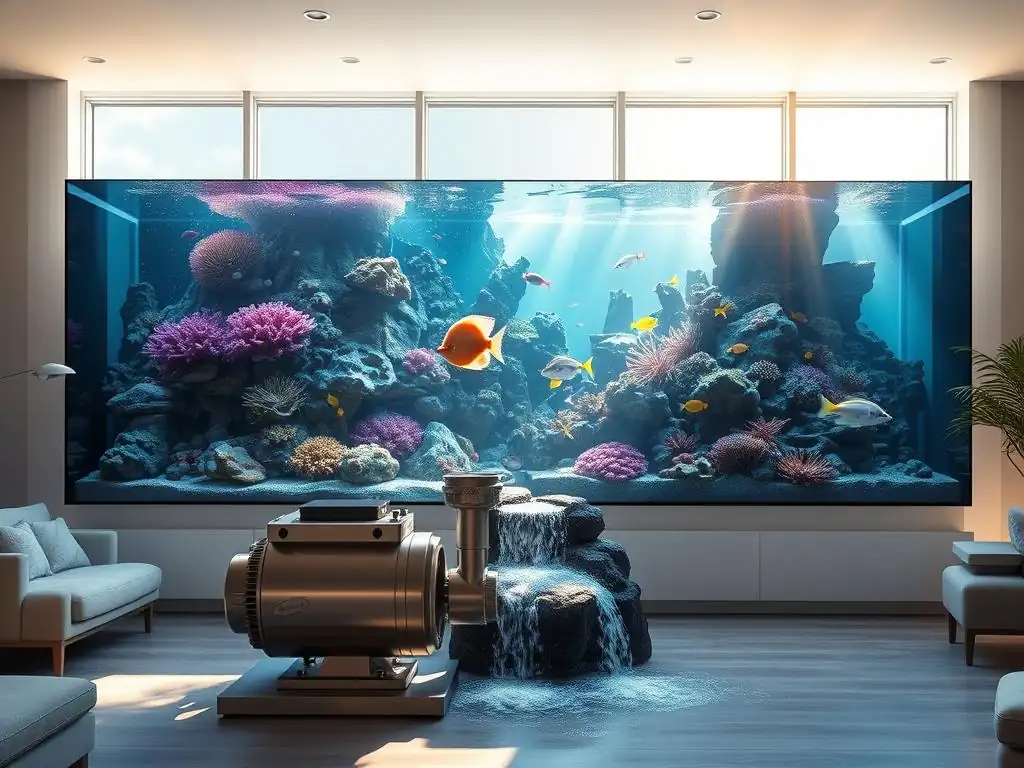
Welcome to Aquarium Mastery, your ultimate guide to thriving aquatic ecosystems!
Ever wondered if your aquarium pump is truly working hard enough to keep your underwater world healthy and vibrant? Dive in to discover everything you need to know about achieving Aquarium Pump Flow Rate perfection. We'll unravel the mysteries of GPH and head pressure, ensuring your fishy friends are swimming in optimal conditions. Ready to unlock the secrets to a perfectly balanced aquarium? Let's explore!
- Understanding Aquarium Pump Flow Rate
- Decoding Aquarium Pump Head Pressure
- Matching Pump Flow Rate to Aquarium Needs
- Types of Aquarium Pumps and Flow Rate
- Factors Affecting Aquarium Pump Performance
- Troubleshooting Aquarium Pump Flow Rate Issues
- Optimizing Aquarium Circulation
- Advanced Aquarium Pump Features
- Selecting the Right Aquarium Pump: A Step-by-Step Approach
- Maximizing Oxygenation Through Effective Flow
- Conclusion: Achieving Optimal Aquarium Health Through Flow Rate
-
Frequently Asked Questions
- What is GPH and why is it important when choosing an aquarium pump?
- How do I calculate the ideal aquarium pump flow rate for my tank size?
- What is "head pressure" and how does it affect my pump's performance?
- Can I use a pump with a higher GPH than recommended for my aquarium?
- What are some common signs that my aquarium pump's flow rate is insufficient?
- Final Reflection: The Living Heartbeat of Your Aquarium
- Unlock the Secrets to Aquarium Bliss!
Understanding Aquarium Pump Flow Rate
Why Aquarium Pump Flow Rate Matters
The aquarium pump flow rate is a critical factor influencing nearly every aspect of an aquarium's health and stability. An inadequate flow rate can lead to "dead spots" where detritus accumulates, fostering anaerobic conditions and promoting nuisance algae growth.
More critically, insufficient circulation hampers the efficient distribution of essential nutrients for plants and corals, and limits oxygen exchange, potentially stressing fish and other aquatic inhabitants. For instance, a 50-gallon freshwater community tank with a pump delivering only 50 gallons per hour (GPH) would likely suffer from poor filtration, leading to cloudy water and elevated ammonia levels due to insufficient water turnover through the filter media.
Conversely, an excessively high aquarium pump flow rate can also be detrimental. Strong, turbulent currents can stress fish, particularly those species that prefer calm waters like Bettas or Gouramis, leading to exhaustion and fin damage. In planted aquariums, overly aggressive flow can uproot delicate plants or prevent CO2 from effectively dissolving and reaching all plant surfaces. In reef tanks, while high flow is generally desired, an unmanaged, direct blast of water can damage sensitive corals. Therefore, mastering the appropriate flow rate is essential for creating a thriving and balanced aquatic ecosystem.
Defining GPH (Gallons Per Hour)
GPH, or Gallons Per Hour, is the standard unit used to measure the aquarium pump flow rate. It quantifies the volume of water a pump is capable of moving in one hour. When you see a pump advertised as "300 GPH," it indicates its maximum theoretical output under ideal conditions, specifically at zero feet of head pressure. This rating is typically determined in laboratory settings with no resistance in the plumbing system.
It's crucial for aquarists to understand that the stated GPH on a pump's packaging is rarely the actual aquarium pump flow rate you will achieve in a real-world setup. Factors like vertical lift, pipe bends, hose length, and especially the resistance from filter media will significantly reduce the effective GPH. For example, a pump rated at 300 GPH might only deliver 200 GPH or less once installed in a sump system with a few feet of vertical lift and a typical filter setup. Always consider the "rated GPH" as a starting point, not the guaranteed operational flow.
Decoding Aquarium Pump Head Pressure
What is Head Pressure?
Head pressure, often referred to simply as "head," is the resistance a pump encounters when pushing water through a system. It is primarily measured in "feet of head" and represents the vertical distance the pump must lift water, combined with any friction encountered within the plumbing. Essentially, it's the total force working against the pump's ability to move water. Every pump has a performance curve that illustrates how its GPH output decreases as the head pressure increases.
For instance, a pump might be rated for 500 GPH at 0 feet of head, but its output could drop to 300 GPH at 3 feet of head, and potentially zero GPH at its maximum rated head, which might be 6 feet. Understanding this relationship is vital, especially for sump setups where water must be pumped upwards from a lower reservoir to the main display tank. Ignoring head pressure can lead to significantly lower than expected aquarium pump flow rate, impacting filtration and circulation efficiency.
Understanding Head Loss
Head loss is the reduction in aquarium pump flow rate due to friction and resistance within the plumbing system. This resistance is not just about vertical lift (static head), but also includes the drag created by water moving through pipes, fittings, and filter media. The longer the pipe, the smaller its diameter, and the more bends (elbows) it contains, the greater the friction head loss will be. Each component adds to the overall resistance the pump must overcome.
Consider a typical aquarium setup: water is pulled from the display tank, travels through an overflow, down to a sump, then is pumped back up. Along this path, there are numerous sources of head loss. A filter filled with dense mechanical media like filter floss can impose significant resistance, sometimes reducing the actual aquarium pump flow rate by 20-40% compared to an empty filter. Similarly, a series of 90-degree elbows can collectively add the equivalent of several feet of straight pipe to the effective head, further diminishing the pump's output.
Calculating Total Dynamic Head (TDH)
Calculating Total Dynamic Head (TDH) is crucial for accurately predicting the real-world aquarium pump flow rate in your specific setup. TDH is the sum of two main components: Static Head and Friction Head. Static Head is the vertical distance (in feet) from the water level in your sump (or pump intake) to the highest point the water must reach (usually the return line's outlet in the display tank). This is a fixed value based on your setup's physical dimensions.
Friction Head, on the other hand, accounts for all the resistance caused by the plumbing itself. This includes the length and diameter of the pipes, the number and type of elbows, valves, and any other restrictions like union fittings or check valves. Even the type of filter media within a canister filter or sump can contribute significantly to friction head.
While precise calculation can be complex, a practical approach involves estimating the equivalent feet of straight pipe for each fitting (e.g., a 90-degree elbow might be equivalent to 1-2 feet of pipe). Summing these equivalents with the actual pipe length provides a rough estimate of total friction. By adding this estimated friction head to the static head, you arrive at the TDH, which you can then use to cross-reference with a pump's performance curve to determine its actual aquarium pump flow rate at that specific head.
Matching Pump Flow Rate to Aquarium Needs
Determining Ideal GPH for Aquarium Sizes
The ideal aquarium pump flow rate is highly dependent on the type and size of your aquarium. For a typical freshwater community tank, a general guideline is to aim for a turnover rate of 4 to 6 times the tank's volume per hour. This means for a 50-gallon freshwater tank, you would ideally want a pump that delivers an effective 200 to 300 GPH through your filtration system. This range ensures adequate circulation for waste removal, oxygenation, and nutrient distribution without creating excessive turbulence that could stress fish or uproot plants.
However, these are just starting points, and specific setups will require adjustments. Heavily planted freshwater tanks might benefit from a slightly higher turnover, perhaps 5-7 times per hour, to ensure CO2 and nutrient delivery to all plant surfaces. Reef aquariums, particularly those housing SPS (small polyp stony) corals, demand significantly higher aquarium pump flow rate for optimal health, often requiring 10-20 times the tank volume per hour for the main return pump, in addition to powerful in-tank wave makers.
Considering Fish Species and Flow Preferences
The specific fish species you keep significantly influences the optimal aquarium pump flow rate. Some fish, like many characins (e.g., Tetras, Danios) or rainbowfish, originate from fast-flowing rivers and thrive in strong currents. For these species, a higher flow rate, perhaps pushing towards the upper end of the recommended GPH for your tank size, can mimic their natural habitat and encourage active, healthy behavior. A 20-gallon tank housing Zebra Danios, for example, might benefit from an effective 150-200 GPH to replicate their preferred dynamic environment.
Conversely, fish species such as Bettas, Gouramis, and certain types of Angelfish prefer calmer, more placid waters. For these inhabitants, an excessive aquarium pump flow rate can cause undue stress, leading to exhaustion, fin damage, and a reluctance to feed. In a 10-gallon tank with a Betta, a pump delivering more than 50-70 GPH might be too strong, requiring flow redirection or a lower-rated pump to ensure the fish's comfort and well-being. Always research the specific flow preferences of your chosen aquatic inhabitants.
Planted Aquariums: Flow Rate for Growth
For planted aquariums, the aquarium pump flow rate plays a crucial role in nutrient and CO2 distribution, directly impacting plant health and growth. Proper circulation ensures that essential macronutrients (like nitrates, phosphates, potassium) and micronutrients, along with injected CO2, reach every plant leaf, preventing nutrient deficiencies and promoting robust growth. Without adequate flow, "dead spots" can form, where nutrients become depleted and CO2 levels drop, leading to stunted growth, yellowing leaves, and often, the proliferation of nuisance algae that outcompetes the plants for limited resources.
An ideal aquarium pump flow rate for a planted tank typically ranges from 5 to 7 times the tank volume per hour, factoring in the resistance from filter media. For a 40-gallon planted tank, an effective 200-280 GPH helps to ensure that nutrients are constantly replenished around the plants. This consistent movement of water helps to prevent the formation of biofilm on leaf surfaces and ensures that all plants, even those in denser groupings, receive the necessary resources for photosynthesis and healthy development, contributing to a vibrant, lush aquascape.
Reef Aquariums: High Flow for Corals
Reef aquariums, especially those housing SPS (small polyp stony) corals, demand significantly higher aquarium pump flow rate compared to freshwater or even FOWLR (Fish Only With Live Rock) marine tanks. Corals, being sessile invertebrates, rely on water movement to bring them food, carry away waste products, and facilitate gas exchange. Stagnant water can lead to coral tissue necrosis, poor coloration, and susceptibility to disease. The flow in a reef tank should ideally be turbulent and random, mimicking natural ocean currents, rather than a constant laminar flow.
While the main return pump provides overall tank turnover, often targeting 10-20 times the tank volume per hour for the primary filtration loop, the in-tank flow generated by wave makers and powerheads is even more critical for corals. For a 75-gallon reef tank, the main return pump might deliver an effective 750-1500 GPH. However, additional powerheads might contribute a combined 2000-4000 GPH of localized, turbulent flow directly around the corals, preventing detritus buildup and ensuring optimal health and growth. This combination of system flow and in-tank circulation is paramount for a thriving reef ecosystem.
Types of Aquarium Pumps and Flow Rate
Submersible Pumps: Versatile Options
Submersible pumps are designed to operate fully submerged within the water, typically inside sumps, refugiums, or as internal filters. Their primary advantage is their quiet operation, as the water dampens any motor noise. They are also generally easy to install and require minimal plumbing. Submersible pumps are available in a wide range of aquarium pump flow rate capacities, from small models suitable for nano tanks (e.g., 50 GPH) to powerful units capable of driving large sumps (e.g., 1000+ GPH).
One key consideration with submersible pumps is their heat transfer. While operating, the motor generates heat, which is dissipated into the aquarium water. In smaller tanks or those sensitive to temperature fluctuations, this can be a minor concern, potentially raising water temperature by 1-2 degrees Fahrenheit. However, for most setups, the heat contribution is negligible. Their compact design and versatility make them a popular choice for various applications, including return pumps for sumps, internal powerheads for circulation, and components of all-in-one aquariums.
External Pumps: High Flow for Large Tanks
External pumps, also known as in-line pumps, are designed to operate outside the aquarium or sump, drawing water in and pushing it back into the system via plumbing. They are typically used for larger aquariums or complex filtration setups where a high aquarium pump flow rate and significant head pressure capability are required. Because they are not submerged, they do not contribute heat directly to the water, which can be advantageous for maintaining stable temperatures in sensitive systems, especially during warmer months.
Installation of external pumps often involves more complex plumbing, requiring bulkheads, unions, and PVC pipe connections. However, this also allows for greater flexibility in system design and easier maintenance. Many high-end external pumps are built with robust components, designed for continuous duty and high efficiency. While they may be noisier than their submersible counterparts due to not being water-dampened, their superior aquarium pump flow rate at higher head pressures makes them indispensable for large display tanks, large sumps, and specific applications like driving protein skimmers or chillers that require strong, consistent flow.
Wave Makers and Powerheads: Creating Dynamic Flow
Wave makers and powerheads are specialized pumps primarily designed to create internal water movement and dynamic aquarium pump flow rate within the display tank, rather than driving the main filtration system. Powerheads typically provide a constant, strong stream of water, while wave makers are often controllable units that can create oscillating, random, or pulsating flow patterns, mimicking natural ocean currents. They are particularly indispensable in reef aquariums for promoting coral health, but also beneficial in large freshwater tanks to eliminate dead spots and provide exercise for fish.
The aquarium pump flow rate of wave makers and powerheads can range from a few hundred GPH for smaller tanks to several thousand GPH for large reef systems. For example, a single compact powerhead might provide 500 GPH for a 30-gallon freshwater tank, while a pair of high-end wave makers in a 120-gallon reef tank could collectively move 8,000-10,000 GPH, creating broad, turbulent flow. Their strategic placement is key to ensuring even distribution of flow, preventing detritus accumulation, and providing the necessary water movement for corals to thrive.
Factors Affecting Aquarium Pump Performance
Filter Media and Impact on Flow
The type and density of filter media significantly impact the actual aquarium pump flow rate delivered to your tank. Mechanical filtration media, such as filter floss, sponges, or filter socks, are designed to trap particulate matter. While essential for water clarity, they are also the primary culprits for flow restriction. As these media become clogged with detritus, their porosity decreases, increasing resistance to water flow and thereby reducing the pump's effective GPH. A heavily fouled filter floss can easily reduce a pump's output by 30-50% within a few weeks if not regularly cleaned or replaced.
Even biological and chemical media, though typically less restrictive than mechanical filters, contribute to head loss. Bio-balls, ceramic rings, activated carbon, or specialized resins all add some degree of resistance. To maintain an optimal aquarium pump flow rate, it's crucial to regularly clean or replace mechanical filter media. Overstuffing filter baskets or sumps with media can also inadvertently restrict flow, so ensure there's adequate space for water to pass through without excessive impedance.
Pipe Diameter and Minimizing Restriction
The diameter of your plumbing pipes has a profound effect on the aquarium pump flow rate and overall system efficiency. Water moving through pipes experiences friction against the pipe walls. The smaller the pipe diameter for a given flow rate, the higher the velocity of the water and, consequently, the greater the friction loss. This increased resistance directly translates to a reduced effective GPH from your pump. For instance, using 3/4-inch PVC pipe for a return line where 1-inch pipe would be more appropriate can significantly choke the flow, reducing the pump's output by 20% or more.
To maximize your aquarium pump flow rate and minimize head loss, it is always recommended to use the largest practical pipe diameter for your system. Doubling the pipe diameter can reduce friction head loss by approximately 75% for the same flow rate, offering a substantial improvement in pump performance and energy efficiency. Additionally, minimizing the number of tight bends (using sweeping elbows instead of sharp 90-degree ones) and keeping pipe runs as short as possible will further reduce friction and help your pump operate closer to its rated capacity.
Pump Maintenance: Ensuring Consistent Flow
Regular maintenance of your aquarium pump is paramount to ensuring a consistent and optimal aquarium pump flow rate. Over time, pumps can accumulate various forms of debris, including algae, calcium deposits, slime, and detritus, particularly on the impeller and within the volute (the impeller housing). This buildup can impede the impeller's rotation, reduce its efficiency, and significantly diminish the pump's GPH output. Neglecting maintenance can lead to a gradual but noticeable drop in flow, often by 10-25% over several months, without any obvious signs until performance is severely compromised.
Routine cleaning involves disconnecting the pump, disassembling the impeller housing, and carefully cleaning the impeller, its shaft, and the volute with a brush and, if necessary, a mild acid solution (like vinegar for calcium deposits). Inspecting the impeller for any signs of wear or damage is also important, as a worn impeller can lead to reduced efficiency and increased noise. Adhering to a regular cleaning schedule, perhaps every 1-3 months depending on water conditions and pump usage, will help maintain the pump's intended aquarium pump flow rate and extend its operational lifespan.
Troubleshooting Aquarium Pump Flow Rate Issues
Identifying Reduced Flow Rate
Detecting a reduced aquarium pump flow rate is crucial for maintaining a healthy aquarium. The most obvious sign is a noticeable decrease in the vigor of the water returning to the display tank from the filter or sump outlet. You might observe less surface agitation, weaker currents within the tank, or a less forceful stream from the return nozzle. For example, if your return line typically creates a strong ripple across the surface but now only produces a gentle gurgle, it's a clear indicator of diminished flow.
Other indicators include an increase in detritus accumulation in areas of the tank that were previously well-circulated, or a sudden increase in nuisance algae growth in traditionally "clean" spots, suggesting the formation of new dead zones. Some pumps might also become audibly louder or produce a straining noise as they work harder against increased resistance. If your water clarity decreases despite regular maintenance, or if fish appear stressed due to poor oxygenation, a reduced aquarium pump flow rate should be among the first things to investigate.
Cleaning and Maintaining Your Aquarium Pump
When troubleshooting reduced aquarium pump flow rate, the first and most effective step is a thorough cleaning and maintenance of the pump. Begin by unplugging the pump from its power source to ensure safety. Carefully remove the pump from its position, whether it's in the sump or part of an external filter. Disassemble the pump's head, which usually involves twisting or unlatching the cover to expose the impeller.
Gently remove the impeller and its ceramic or stainless steel shaft. Inspect both the impeller blades and the internal chamber (volute) for any debris, slime, calcium buildup, or hair-like algae. Use a small brush (a toothbrush works well) to scrub away any deposits. For stubborn calcium buildup, soaking the impeller and volute in a solution of white vinegar and water for 15-30 minutes can help dissolve the deposits. Rinse all components thoroughly with clean water before reassembling the pump. This process often restores the aquarium pump flow rate to its original performance.
Addressing Common Pump Problems
Beyond routine cleaning, several other common problems can lead to a diminished aquarium pump flow rate. One frequent issue is air in the lines, especially with external pumps or sumps. This can manifest as gurgling noises and inconsistent flow. Check all plumbing connections for leaks or loose fittings that might be drawing in air. Ensuring the pump's intake is sufficiently submerged and free of obstructions is also critical.
Another common problem is a damaged or worn impeller. Over time, impellers can wear down, particularly the magnet or the ceramic shaft, leading to inefficient rotation or even seizing. If cleaning doesn't restore full flow, inspecting the impeller for chips, cracks, or excessive play on its shaft is necessary.
Replacing a worn impeller is often a simple and cost-effective solution to restore the proper aquarium pump flow rate. Finally, ensure that no large debris, like substrate or snails, has entered the pump intake and is physically blocking the impeller or the volute, which can cause severe reductions in flow or even pump failure.
Optimizing Aquarium Circulation
Using Multiple Pumps for Flow Distribution
For larger aquariums or complex reef systems, relying on a single return pump for all circulation needs can be inefficient and lead to "dead spots." Optimizing aquarium pump flow rate often involves employing multiple pumps for better flow distribution. Instead of one massive return pump, a slightly smaller main return pump combined with one or more strategically placed powerheads or wave makers within the display tank can create far more effective and dynamic circulation.
This approach allows for precise targeting of specific areas that might otherwise experience stagnant water, ensuring that all parts of the tank receive adequate flow for nutrient delivery and waste removal. For example, in a 180-gallon reef tank, a main return pump delivering 1000 GPH might be supplemented by two 2000 GPH wave makers positioned at opposing ends of the tank. This setup creates chaotic, multi-directional flow, which is highly beneficial for corals, while the main return maintains overall water turnover through the filtration system.
Positioning Pumps and Outlets
Strategic positioning of your aquarium pump flow rate outlets and in-tank circulation devices is fundamental to achieving optimal water movement. The goal is to eliminate dead spots, encourage detritus to remain in suspension for filtration, and ensure even distribution of oxygen, nutrients, and CO2. For return pump outlets, aim to direct the flow towards areas that tend to accumulate detritus or towards the surface for maximum gas exchange. Using split return lines or adjustable nozzles can help distribute the flow more broadly.
For in-tank powerheads or wave makers, consider the overall layout of your aquascape. In a freshwater planted tank, positioning a powerhead to direct flow through dense plant groupings can help prevent nutrient depletion. In a reef tank, powerheads are often placed to create opposing currents, generating turbulent, random flow patterns that mimic natural reef environments. Experimentation with angles and heights is often necessary to find the perfect balance that maximizes aquarium pump flow rate effectiveness without creating uncomfortable blasts for inhabitants.
Incorporating Wave Makers
Wave makers are specialized devices designed to create oscillating, pulsating, or random aquarium pump flow rate patterns within the display tank, making them indispensable for replicating natural reef conditions. Unlike standard powerheads that provide a constant stream, wave makers can vary their output, creating surges and lulls that prevent laminar flow and reduce the likelihood of detritus settling. This dynamic movement is crucial for coral health, as it helps remove waste products from their tissues and brings fresh nutrients and food particles to them.
Modern wave makers often come with advanced controllers that allow for programming various flow modes, including short pulse, long pulse, and even random flow patterns. Some models can sync with each other to create opposing waves, further enhancing turbulence. For a 100-gallon reef tank, two high-quality wave makers each rated for 2,000-4,000 GPH, operating in a synchronized or alternating pattern, can create the ideal chaotic flow that SPS corals thrive in. Incorporating wave makers is a key step towards achieving advanced circulation and maximizing coral vitality in a reef environment.
Advanced Aquarium Pump Features
Variable Speed Pumps: Fine-Tuning Flow Rate
Variable speed pumps, often referred to as DC (direct current) pumps, represent a significant advancement in controlling aquarium pump flow rate. Unlike traditional AC (alternating current) pumps that operate at a fixed speed, DC pumps allow users to precisely adjust their output, typically via a dedicated controller.
This feature provides unparalleled flexibility, enabling aquarists to fine-tune the GPH to perfectly match the specific needs of their aquarium at different times or for different inhabitants. For instance, a single DC return pump might be adjusted from a gentle 200 GPH for feeding time to a robust 800 GPH for normal operation.
Beyond precise flow control, variable speed pumps also offer several other benefits. They are generally more energy-efficient than their AC counterparts, consuming less power for the same GPH output. This can lead to noticeable savings on electricity bills over time. Furthermore, their adjustable nature often translates to quieter operation, as the motor can run at lower, less noisy speeds when full power isn't required. This adaptability makes them ideal for sumped systems where adjusting the aquarium pump flow rate can help dial in skimmer performance or manage water levels during evaporation.
Smart Pumps with Controllable Flow
Taking the concept of variable speed a step further, smart pumps integrate advanced technology to offer even greater control over aquarium pump flow rate and system automation. These pumps often connect to a central aquarium controller or a dedicated app via Wi-Fi, allowing aquarists to program intricate flow schedules, monitor performance, and receive alerts. This level of control enables features like automatic reduction of flow during feeding times to prevent food from being immediately pulled into the overflow, or ramping up flow during specific periods to stir detritus.
Many smart pumps also incorporate safety features, such as dry-run protection, which automatically shuts off the pump if water levels drop too low, preventing damage. Some models can even integrate with other smart aquarium devices, creating a cohesive automated ecosystem. For example, a smart return pump might slow down if a leak is detected by a sensor, or increase its aquarium pump flow rate when a specific parameter needs more rapid processing through filtration. This level of programmability and connectivity offers unprecedented convenience and precision for maintaining optimal aquarium conditions.
Energy-Efficient Pumps: Reducing Consumption
In an era of increasing energy costs, the efficiency of an aquarium pump flow rate is a significant consideration for many aquarists. Energy-efficient pumps are designed to deliver the required GPH while consuming less wattage, thereby reducing long-term operating expenses. While all pumps convert electrical energy into mechanical work, some designs are inherently more efficient at this conversion, minimizing wasted energy in the form of heat. DC pumps, as mentioned, are generally more energy-efficient than traditional AC pumps due to their motor design and variable speed capabilities.
Choosing an energy-efficient pump can lead to substantial savings over the lifespan of the equipment. For example, a highly efficient DC pump delivering 500 GPH might consume only 20 watts, whereas an older or less efficient AC pump of similar output could consume 35-40 watts. Over a year of continuous operation, this difference of 15-20 watts can translate to a notable reduction in electricity consumption and associated costs, making the initial higher investment in an energy-efficient pump a wise financial decision for many aquarists.
Selecting the Right Aquarium Pump: A Step-by-Step Approach
Step 1: Determine Aquarium Volume and Needs
The first crucial step in selecting the right aquarium pump is to accurately determine your aquarium's total water volume and the specific needs of its inhabitants. This involves not only the volume of your display tank but also any external filtration systems like sumps or refugiums. For a typical freshwater community tank, aim for 4-6 times turnover per hour, while heavily planted tanks might benefit from 5-7 times. Reef aquariums, particularly those with SPS corals, will require significantly higher turnover rates, often 10-20 times the tank volume for the main system flow, plus additional in-tank wave makers.
- Task: Calculate total system volume (display tank + sump/refugium).
- Task: Identify the type of aquarium (freshwater community, planted, reef, FOWLR).
- Task: Research the specific flow preferences of your chosen fish and corals.
Step 2: Calculate Required GPH
Once you know your aquarium's volume and the target turnover rate, you can calculate the effective aquarium pump flow rate you need. Multiply your total system volume by the desired turnover rate. For example, a 75-gallon freshwater tank aiming for 5 times turnover needs an effective 375 GPH. Remember, this is the actual flow delivered after accounting for head pressure and friction.
- Task: Multiply total system volume by desired turnover rate (e.g., 75 gallons * 5 = 375 GPH).
- Task: This calculated GPH is your target effective flow rate.
Step 3: Evaluate Head Pressure
This is where many aquarists make mistakes. You need to estimate the total dynamic head (TDH) your pump will operate against. Measure the vertical distance from the pump's normal water level (e.g., in the sump) to the highest point the water must be pushed (e.g., the top of the display tank's return line). Then, estimate the friction loss from plumbing:
- Task: Measure static head (vertical lift in feet).
- Task: Estimate friction head from pipe length, diameter, and fittings (elbows, valves, filter media). Refer to general guidelines or online calculators for equivalent feet of pipe for fittings.
- Task: Add static head and friction head to get Total Dynamic Head (TDH).
- Task: Consult pump performance curves (provided by manufacturers) to find a pump whose rated GPH at your calculated TDH meets or slightly exceeds your required effective GPH.
Step 4: Choose Pump Type and Features
Based on your required effective aquarium pump flow rate and TDH, select the appropriate pump type. For sumps, you'll generally choose between submersible and external pumps. Consider features like variable speed control (DC pumps), energy efficiency, noise level, and smart features if you desire advanced automation.
- Task: Decide between submersible (quieter, less plumbing) and external (higher flow/head, no heat transfer to tank, more plumbing).
- Task: Evaluate if features like variable speed, smart control, or energy efficiency are important for your budget and operational preferences.
Step 5: Monitor and Maintain Your Pump
After installation, monitor the actual aquarium pump flow rate and the overall health of your aquarium. Observe surface agitation, detritus accumulation, and fish behavior. Regularly clean the pump's impeller and housing to prevent buildup that can reduce flow over time. Adjust flow rates if using a variable speed pump to fine-tune circulation as your aquarium matures or needs change.
- Task: Observe initial flow and adjust pump settings if using a variable speed model.
- Task: Implement a routine cleaning schedule for the pump (e.g., every 1-3 months).
- Task: Periodically check for signs of reduced flow (e.g., less surface agitation, detritus buildup).
Maximizing Oxygenation Through Effective Flow
Relationship Between Water Flow and Oxygen
The relationship between aquarium pump flow rate and oxygenation is fundamental to the health of any aquatic environment. Oxygen is primarily dissolved into aquarium water through gas exchange at the water's surface. Water flow, particularly flow that creates surface agitation, dramatically increases the surface area exposed to the air, thereby facilitating the efficient transfer of oxygen from the atmosphere into the water and the release of carbon dioxide from the water. Without adequate flow, the water can become stagnant, leading to depleted oxygen levels, especially at night when plants consume oxygen.
This is why even in heavily planted tanks that produce oxygen during the day, sufficient flow is crucial to distribute that oxygen throughout the tank and ensure replenishment during the dark hours. In freshwater tanks, low oxygen can stress fish, making them gasp at the surface or become lethargic. In marine and reef tanks, stable oxygen levels are even more critical for invertebrates and beneficial bacteria. An optimal aquarium pump flow rate ensures a constant renewal of the water's surface, maximizing this vital gas exchange process and maintaining high dissolved oxygen levels throughout the aquarium.
Surface Agitation for Oxygen Exchange
Achieving robust surface agitation is the most effective way to maximize oxygen exchange in an aquarium, and it is directly controlled by the aquarium pump flow rate. The return nozzle from your filter or sump should ideally be positioned to create ripples or a gentle chop on the water's surface.
This constant movement breaks the surface tension, allowing for continuous contact between the water and the air, which is where the primary oxygen absorption occurs. A lack of surface agitation often results in a thin, oily film forming on the water's surface, which further impedes gas exchange and can give the tank a dull, unhealthy appearance.
For tanks where the main filter's return doesn't provide enough agitation, supplemental devices can be used. Air stones, driven by an air pump, create a column of bubbles that rise to the surface, breaking the surface tension as they burst. Powerheads can also be angled upwards to create targeted surface turbulence. In sumped systems, ensuring the return pump's aquarium pump flow rate is sufficient to create a strong enough stream back into the display tank is paramount for this critical surface agitation, ensuring a well-oxygenated and healthy environment for all inhabitants.
Conclusion: Achieving Optimal Aquarium Health Through Flow Rate
Mastering aquarium pump flow rate is not merely a technical detail; it is a cornerstone of successful aquarium keeping. From understanding the nuances of GPH and head pressure to strategically selecting and maintaining your pumps, every decision impacts the delicate balance of your aquatic ecosystem. An appropriately chosen and well-maintained pump ensures efficient filtration, optimal nutrient and CO2 distribution, and crucial oxygenation, all of which are vital for the health and vitality of your fish, plants, and corals.
By carefully considering your tank's specific needs, applying the principles of head pressure, and embracing the advantages of modern pump technology, you can achieve a perfectly calibrated circulation system. This detailed approach to aquarium pump flow rate not only prevents common issues like dead spots and stressed inhabitants but also fosters a thriving, vibrant, and aesthetically pleasing underwater world, truly reflecting the mastery of your aquatic endeavors.
Frequently Asked Questions
What is GPH and why is it important when choosing an aquarium pump?
GPH stands for Gallons Per Hour and represents the pump's flow rate. It's crucial because it determines how effectively the pump circulates water and filters waste in your aquarium.
How do I calculate the ideal aquarium pump flow rate for my tank size?
A general rule is to aim for a flow rate that cycles the entire tank volume at least four to six times per hour. Use your tank's volume in gallons to determine the required GPH.
What is "head pressure" and how does it affect my pump's performance?
Head pressure refers to the vertical distance the pump needs to push water. A higher head pressure reduces the actual flow rate delivered by the pump, so consider this when choosing.
Can I use a pump with a higher GPH than recommended for my aquarium?
While possible, an excessively high GPH can create turbulent conditions that stress fish and uproot plants. It's generally better to err on the side of slightly lower rather than excessively higher flow.
What are some common signs that my aquarium pump's flow rate is insufficient?
Signs include poor water clarity, algae blooms, and fish gasping for air at the surface. These indicate inadequate circulation and insufficient oxygenation due to a pump that's not powerful enough.
Final Reflection: The Living Heartbeat of Your Aquarium
The intricacies of aquarium pump selection, as we've explored, are not merely technical specifications; they are the vital pulse of a thriving aquatic ecosystem. Understanding GPH, head pressure, and flow rate is no longer just about choosing the right equipment, but about ensuring the health and well-being of the delicate life within your glass walls, a responsibility that resonates deeply in a world increasingly aware of its impact on fragile environments.
This journey into the mechanics of water movement underscores how seemingly small choices can have profound ripple effects. My own experience with a poorly chosen pump taught me the invaluable lesson of prioritizing the needs of the ecosystem over initial cost savings. The best aquarium is a stable aquarium,
as many seasoned aquarists wisely say, and a properly sized pump is fundamental to that stability. The continuous flow of water, meticulously calculated, becomes a silent guardian, nurturing life and preventing stagnation.
Now, armed with this knowledge, I urge you to look beyond the numbers and consider the living, breathing world you are creating. Let the principles of aquarium pump flow rate mastery guide you not just in selecting equipment, but in cultivating a deeper understanding of the delicate balance within your aquatic haven. Embrace the responsibility, and witness the flourishing beauty that awaits.
Unlock the Secrets to Aquarium Bliss!
Thank you for diving into the world of aquarium pumps with us! We hope you've gained valuable insights into GPH, head pressure, and flow rates to create the perfect aquatic environment. Now, let's put that knowledge into action!
Here are a few things you can do right now:
- Calculate the ideal GPH for your specific tank size and setup. It's time to apply what you've learned and ensure optimal water circulation!
- Explore different pump models based on your calculations. Consider innovative options like wave makers or adjustable flow pumps to further enhance your aquarium's ecosystem.
- Share your newfound expertise! Help fellow aquarium enthusiasts by contributing your insights and experiences on aquarium forums and social media groups.
What exciting new aquatic setup will you create with your pump mastery?