
Choosing Your First Aquarium Automation System: Features to Look For

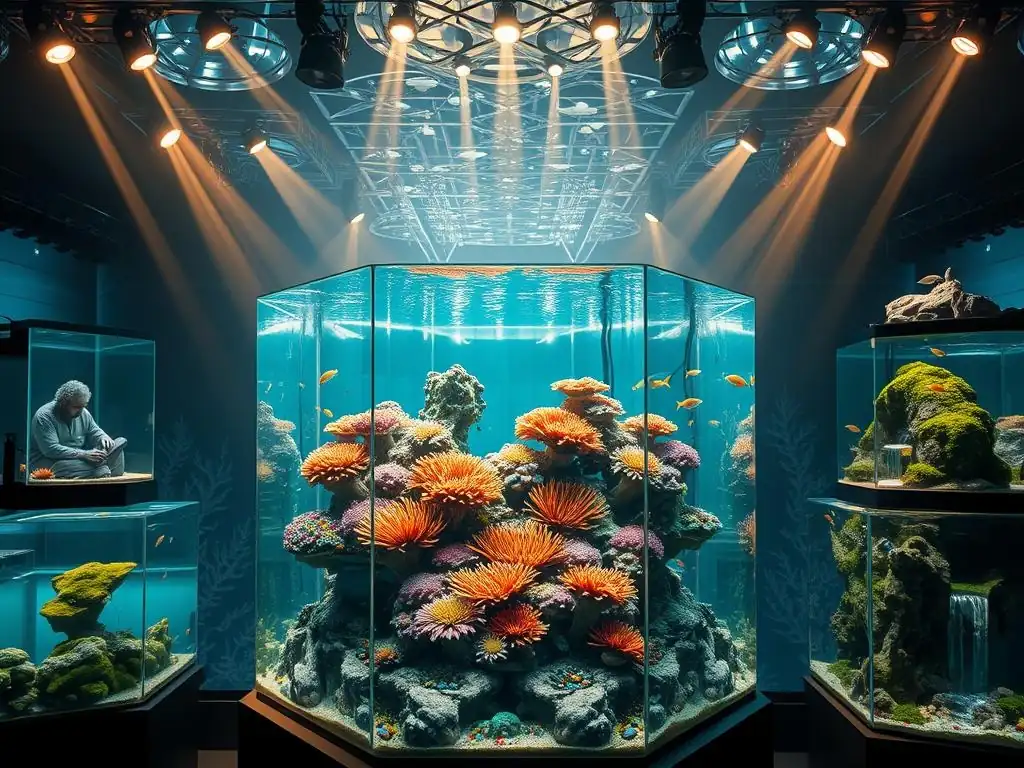
Welcome to Aquarium Mastery, where we're passionate about helping you create thriving underwater worlds!
Ready to take your aquarium keeping to the next level? Today, we're diving deep into the world of aquarium automation. Are you tired of constant manual adjustments and want more consistent, healthy parameters for your fish? Then you're in the right place. Join us as we explore the best aquarium automation systems and uncover the must-have features to look for when choosing your first system. Let's unlock a new level of efficiency and enjoyment in your aquarium hobby!
- Understanding Aquarium Automation: A Beginner's Guide
- Key Features to Look For in Your First Aquarium Automation System
-
Frequently Asked Questions
- What exactly is aquarium automation and why should I consider it?
- What are the most essential features to look for in an aquarium automation system for a beginner?
- How much does a decent aquarium automation system typically cost?
- Can aquarium automation systems completely replace manual aquarium maintenance?
- Are aquarium automation systems compatible with both freshwater and saltwater aquariums?
- Final Reflection: Embracing the Future of Aquascaping
- Unleash the Future of Your Aquarium Today!
Understanding Aquarium Automation: A Beginner's Guide
What is Aquarium Automation and Why is it Important?
Aquarium automation refers to the use of technology to monitor, control, and maintain various parameters and tasks within an aquarium, often without direct human intervention. This can range from simple programmable timers for lighting to complex integrated systems that manage water chemistry, feeding, and even water changes.
The primary goal of automation is to create a stable and optimal environment for aquatic life, reducing the manual effort required by the aquarist and minimizing the risk of human error. For instance, a basic automated system might ensure your lights turn on at 8 AM and off at 6 PM daily, while a more advanced setup could detect a sudden pH drop and automatically dose a buffer solution to stabilize it, preventing stress or harm to sensitive fish and corals.
The importance of aquarium automation cannot be overstated, particularly for maintaining delicate ecosystems like reef tanks or heavily planted freshwater aquariums where stable parameters are critical. Fluctuations in temperature, pH, or nutrient levels can lead to algae outbreaks, fish diseases, or coral bleaching. An automated system provides consistent monitoring and precise control, ensuring that water parameters remain within desired ranges 24/7. This consistency is vital for the long-term health and vibrancy of your aquatic inhabitants, making an automated setup a strong contender for the best aquarium automation system for serious hobbyists.
Benefits of Using an Automated Aquarium System
The adoption of an automated aquarium system offers numerous benefits, significantly enhancing the hobbyist experience and the well-being of the aquarium's inhabitants. Firstly, it provides unparalleled stability in water parameters. For example, a precise dosing pump can maintain calcium and alkalinity levels within a narrow range of 400-450 ppm and 7-9 dKH respectively, crucial for stony coral growth, far more consistently than manual dosing. This stability reduces stress on fish and invertebrates, leading to healthier, more vibrant aquatic life and fewer disease outbreaks.
Secondly, automation significantly reduces the time and effort required for routine maintenance tasks. Imagine not having to manually test water parameters daily or weekly, or remembering to turn lights on and off. An automated system can handle these tasks, freeing up the aquarist's time for observation and enjoyment.
This convenience is particularly appealing to busy individuals or those with multiple tanks. Furthermore, many systems offer remote monitoring and control via smartphone apps, allowing aquarists to check on their tank's status and make adjustments even when away from home, providing peace of mind and making it arguably the best aquarium automation system for modern living.
Debunking Common Myths About Aquarium Automation
Several misconceptions often deter aquarists from exploring automation. One prevalent myth is that aquarium automation is prohibitively expensive, only accessible to professional aquarists or those with large budgets. While initial setup costs can vary, from a few hundred dollars for basic controllers to several thousand for comprehensive systems, the long-term benefits in terms of livestock health, reduced chemical waste, and saved time often justify the investment. Moreover, the market now offers modular systems, allowing aquarists to start with essential features and expand as their needs and budget permit, making a top aquarium automation system more attainable than perceived.
Another common myth is that automated systems remove the "hobby" aspect, turning aquarium keeping into a hands-off, unengaging chore. On the contrary, automation frees up time from tedious tasks like manual water testing and parameter adjustments, allowing aquarists to focus more on observing their fish, understanding their behavior, and identifying subtle issues that automation might not detect.
It enhances the hobby by providing a stable foundation, enabling aquarists to delve deeper into advanced topics like specific coral propagation or complex aquascaping, rather than being bogged down by daily maintenance. This allows for a deeper appreciation of the aquatic environment, rather than diminishing it, solidifying the appeal of the best aquarium automation system.
Key Features to Look For in Your First Aquarium Automation System
Essential Monitoring Capabilities for Automated Aquariums
An effective aquarium automation system begins with robust monitoring capabilities, providing real-time data on critical water parameters. Without accurate data, any automated adjustments would be based on guesswork, potentially leading to instability. Modern systems utilize a range of probes and sensors to continuously measure vital metrics, sending data to a central controller or cloud-based platform for analysis and action. This constant vigilance allows for immediate detection of deviations from ideal ranges, triggering alerts or automated responses. For instance, a sudden temperature drop below 76°F in a tropical tank could immediately activate a heater, preventing thermal shock to sensitive fish.
Beyond simple measurement, the best aquarium automation system will offer comprehensive logging and trending of data. This historical data is invaluable for identifying long-term patterns, understanding the tank's unique consumption rates of specific elements, and troubleshooting subtle issues that might not be apparent from a single data point. For example, consistently declining pH levels over several days, even if within acceptable range, could indicate an underlying problem like insufficient gas exchange or excessive organic decomposition, prompting the aquarist to investigate before a crisis occurs.
Temperature Monitoring and Control
Accurate temperature monitoring and control are fundamental to any successful aquarium, especially for sensitive species. Most tropical freshwater and saltwater aquariums thrive within a narrow range of 76°F to 82°F (24.4°C to 27.8°C). An automated system typically employs a high-precision temperature probe that constantly feeds data to the controller.
If the temperature deviates from the set point, the system can automatically activate or deactivate heaters or chillers to bring the water back into the desired range. For example, if the temperature drops to 75°F, the controller might engage a 300-watt heater until the temperature returns to 78°F, then switch it off.
Advanced temperature control features might include programmable temperature ramps for specific species or situations, or safety cut-offs to prevent overheating if a heater malfunctions. Some systems also offer redundancy, allowing for two heaters to be controlled independently, providing a fail-safe in case one fails or gets stuck on. This level of precision and reliability in maintaining a stable thermal environment is a hallmark of the best aquarium automation system for ensuring livestock health.
pH Level Monitoring and Adjustment
pH is a critical parameter, representing the acidity or alkalinity of the water, and its stability is paramount for aquatic life. Freshwater aquariums typically range from pH 6.5 to 7.5, while saltwater reef tanks require a stable pH of 8.1 to 8.4. An automated system uses a pH probe to continuously monitor this value. If the pH drifts out of the desired range, the system can be programmed to take corrective action, such as activating a CO2 regulator for planted tanks (to lower pH) or a dosing pump for buffer solutions (to raise pH in reef tanks).
For instance, in a heavily stocked reef tank, respiration can cause nocturnal pH dips. An automated system can detect a drop to 8.0 and trigger a doser to add a small amount of alkalinity buffer to raise it back to 8.2 before it becomes detrimental. Conversely, in a planted tank, if the pH rises above 7.0 due to excessive aeration, the system could increase CO2 injection to bring it back down to an optimal 6.8 for plant growth. This precise, automatic adjustment capability is a key differentiator for the best aquarium automation system.
Salinity Monitoring (for Saltwater Aquariums)
Salinity, or specific gravity, is a measure of the dissolved salt content in saltwater aquariums and is crucial for the health of marine fish, invertebrates, and corals. The ideal range for most reef tanks is 1.025 to 1.026 specific gravity, or 35 ppt (parts per thousand) salinity. Automated systems utilize conductivity probes to continuously measure salinity. Evaporation, a constant factor in saltwater tanks, increases salinity. An auto top-off (ATO) system, often integrated with the automation controller, detects dropping water levels and automatically adds freshwater to compensate for evaporation, thereby maintaining stable salinity.
Beyond just ATO integration, some advanced systems can alert the user if salinity deviates significantly due to issues like over-dosing of freshwater or a leak. While direct automated adjustment of salinity by adding saltwater is less common due to the complexities of mixing and storing saltwater, the precise monitoring and integration with ATO are invaluable. The ability to track salinity trends over time also helps in understanding evaporation rates and ensuring the ATO system is functioning optimally, making this a vital feature of the best aquarium automation system for marine environments.
Automated Dosing Systems: Ensuring Optimal Water Parameters
Automated dosing systems are indispensable for maintaining stable water chemistry in advanced aquariums, particularly reef tanks that consume essential elements like calcium, alkalinity, and magnesium. These systems consist of precise peristaltic pumps connected to reservoirs of liquid supplements, which are then dosed into the aquarium at programmed intervals. This eliminates the need for manual daily or weekly dosing, ensuring consistent levels of vital nutrients for coral growth and overall water stability. For a moderately stocked reef tank, typical daily consumption of alkalinity might be 0.5-1.0 dKH and calcium 5-10 ppm, which automated dosers can replenish precisely.
The integration of dosing pumps with the main automation controller allows for intelligent dosing based on real-time parameter monitoring. For example, if the system detects a drop in alkalinity below 8.0 dKH, it can automatically increase the daily dose of alkalinity solution until the desired level of 8.5 dKH is restored. This proactive adjustment prevents swings and maintains a more stable environment than manual methods. When evaluating the best aquarium automation system, the precision and programmability of its integrated dosing capabilities are paramount.
Understanding Dosing Schedules and Nutrient Requirements
Effective automated dosing relies on a clear understanding of your aquarium's specific nutrient consumption rates. These rates vary significantly based on tank size, stocking density (especially coral load in reef tanks), lighting intensity, and even feeding habits. Initially, aquarists often determine these rates through manual testing over several weeks, observing how quickly parameters like calcium, alkalinity, and magnesium deplete. For instance, a 100-gallon reef tank with growing SPS corals might consume 15 ml of calcium solution and 20 ml of alkalinity solution daily.
Once these consumption rates are established, the automated dosing system can be programmed to dispense the required volumes throughout the day. Spreading the daily dose into multiple smaller doses (e.g., 24 doses over 24 hours, or one dose every hour) helps prevent sudden spikes in parameter levels and mimics the natural, continuous uptake by corals and other organisms. The best aquarium automation system will offer highly customizable dosing schedules, allowing for micro-adjustments and the ability to link dosing to other parameters or events, such as turning off during water changes.
Choosing the Right Dosing Pump for Your Needs
Selecting the appropriate dosing pump is crucial for reliable and accurate nutrient delivery. Key considerations include the number of channels (how many different liquids it can dose), dosing accuracy, and reliability. Most hobbyist-grade dosing pumps offer 1 to 4 channels, with some advanced units providing up to 8 or more, allowing for dosing of multiple elements (e.g., Calcium, Alkalinity, Magnesium, trace elements, nitrates, phosphates, or even liquid foods). Accuracy is measured by the minimum dose volume and deviation from the programmed amount; high-quality pumps can dose as little as 0.1 ml with minimal error.
Reliability is equally important, as a stuck pump or inaccurate dosing can quickly lead to parameter swings. Look for pumps with durable stepper motors and high-quality tubing. Integration with your main automation controller is also a major factor; some systems come with proprietary dosing pumps, while others allow for third-party pump integration. For example, a hobbyist might need a 3-channel pump for a reef tank (Ca, Alk, Mg) and choose a unit known for its long-term stability and precise control, ensuring it complements their best aquarium automation system setup.
Lighting Control: Simulating Natural Light Cycles
Lighting is one of the most visible and impactful aspects of an aquarium, crucial for plant growth in freshwater tanks and coral health in reef systems. Automated lighting control goes far beyond simple on/off timers, allowing aquarists to simulate natural light cycles, including dawn, dusk, and even lunar phases. This gradual change in light intensity reduces stress on fish and allows for more natural behavior, while specific light spectrums and intensities optimize photosynthesis for plants and corals. For example, many planted tanks benefit from a 10-12 hour photoperiod with a peak intensity during the middle hours.
The best aquarium automation system will offer highly customizable lighting schedules, supporting multiple lighting fixtures and channels (e.g., white, blue, red, green LEDs). This level of control allows aquarists to fine-tune their lighting to meet the specific needs of their inhabitants, from low-light tolerant Anubias to demanding SPS corals that require high PAR (Photosynthetically Active Radiation). The ability to program these complex schedules and have them execute flawlessly every day is a significant advantage over manual control.
Programmable Lighting Schedules for Plant Growth
For freshwater planted aquariums, precise control over lighting duration and intensity is vital for healthy plant growth and to prevent algae outbreaks. A typical automated lighting schedule for a planted tank might involve a gradual ramp-up of light over 30-60 minutes in the morning, a peak intensity period of 6-8 hours, followed by a gradual ramp-down over another 30-60 minutes in the evening. This mimics natural sunrise and sunset, reducing stress on fish. The total photoperiod generally ranges from 8 to 12 hours, depending on plant species and CO2 injection levels.
The automation system allows for programming specific light spectrums at different times. For instance, red and blue channels might be emphasized during peak growth periods to maximize chlorophyll absorption, while white light provides overall illumination. If a tank is experiencing algae issues, the system can temporarily reduce the intensity or duration of the light, or even implement a siesta period (a midday light break) to help combat it. This level of dynamic control over light is a key feature of the best aquarium automation system for planted tank enthusiasts.
Dimming and Sunrise/Sunset Simulation
Dimming capabilities and sunrise/sunset simulation are hallmark features of advanced automated lighting. Instead of an abrupt on/off, which can startle fish and stress corals, these features provide a gentle transition. A typical sunrise simulation might involve slowly increasing the intensity of blue LEDs over 30 minutes, followed by a gradual introduction of white LEDs, mimicking the natural progression of daylight. The process is reversed for sunset. This smooth transition reduces stress on the inhabitants, allowing them to acclimate gradually to light changes.
Many modern LED fixtures are designed to integrate seamlessly with automation controllers, often using standard communication protocols like 0-10V or proprietary connections. This allows the controller to precisely manage the intensity of individual color channels, creating a truly dynamic lighting experience. Some systems even offer cloud-based weather simulations, adding random cloud cover or lightning effects, further enhancing the natural feel of the aquarium. This sophisticated control over the visual and biological aspects of lighting makes it an essential component of the best aquarium automation system.
Automated Water Changes: Maintaining Pristine Water Quality
Automated water changes represent one of the most significant time-saving and water quality-enhancing features an aquarium automation system can offer. Manual water changes, while essential, can be laborious and messy, especially for larger tanks. An automated system can be programmed to periodically remove a set volume of old water and replace it with fresh, temperature-matched, and properly mixed new water, ensuring consistent water parameters and nutrient export without manual intervention. For example, a system might perform a 5% water change daily or a 10% water change twice a week.
This continuous or frequent small-volume water exchange is often more beneficial than large, infrequent manual changes, as it minimizes parameter swings and stress on livestock. The precision of automated water changes ensures that exactly the right amount of water is replaced, preventing overfilling or under-filling. This feature elevates an automation system from merely convenient to a truly comprehensive solution for maintaining a pristine aquatic environment, making it a strong contender for the best aquarium automation system for serious hobbyists.
Setting Up Automated Water Change Schedules
Setting up an automated water change schedule involves programming the frequency and volume of water to be exchanged. The frequency can range from daily small changes (e.g., 1-2%) to weekly or bi-weekly larger changes (e.g., 10-20%). The volume is typically calculated as a percentage of the total tank volume.
For example, for a 100-gallon tank, a 5% daily water change would involve removing 5 gallons of old water and replacing it with 5 gallons of new water. The automation controller manages the sequence: turning on the drain pump, then turning it off after the desired volume is removed, and finally activating the refill pump until the tank level is restored.
Safety features are crucial for automated water changes. The system should include redundant level sensors in both the display tank and the sump (if applicable) to prevent overflows or dry runs. It should also monitor the source of new water, ensuring there's enough available before initiating a refill. Some advanced systems can even pause other functions, like dosing or protein skimming, during the water change process to prevent issues. The sophistication and reliability of these schedules are key to identifying the best aquarium automation system.
Choosing the Right Pump and Plumbing for Water Changes
The selection of pumps and plumbing components is critical for a reliable automated water change system. Two pumps are typically required: one to drain old water and one to refill with new water. Both should be appropriately sized for the volume of water being moved and the height they need to pump. For draining, a simple utility pump or even a strong powerhead can suffice. For refilling, a robust, quiet, and reliable pump is essential, often integrated with the new saltwater or freshwater mixing station.
Plumbing involves setting up dedicated lines for draining and refilling, often routed discreetly behind the tank or within the stand. Ball valves or check valves may be incorporated to prevent back siphoning or accidental flow. It's vital to use aquarium-safe tubing and fittings (e.g., PVC or high-quality silicone tubing) to prevent leaching of harmful chemicals. The design should also consider maintenance and potential blockages. A well-designed, robust plumbing system ensures that the automated water changes function flawlessly, making it a critical aspect of implementing the best aquarium automation system.
Frequently Asked Questions
What exactly is aquarium automation and why should I consider it?
Aquarium automation involves using technology to automatically manage tasks in your aquarium. It can help maintain consistent water parameters and reduce the manual effort required for tank upkeep, leading to healthier fish.
What are the most essential features to look for in an aquarium automation system for a beginner?
For beginners, focus on systems that offer automated water testing, automatic top-off (ATO) functionality, and basic temperature control. These are the most crucial aspects to simplify initial tank management.
How much does a decent aquarium automation system typically cost?
The cost varies, but a decent entry-level system with essential features generally ranges from $200 to $500. More comprehensive systems with advanced capabilities can cost significantly more.
Can aquarium automation systems completely replace manual aquarium maintenance?
No, while automation significantly reduces the workload, it doesn't eliminate manual maintenance entirely. You'll still need to perform regular water changes, clean the tank, and observe your fish for signs of illness.
Are aquarium automation systems compatible with both freshwater and saltwater aquariums?
Some systems are designed for both, while others are specifically tailored to either freshwater or saltwater. Always check the product specifications to ensure compatibility with your aquarium type.
Final Reflection: Embracing the Future of Aquascaping
The journey into aquarium automation, as we've explored, is about more than just convenience; it's about unlocking the full potential of your aquatic ecosystem. In a world increasingly reliant on technology, understanding and implementing these systems is becoming less of a luxury and more of a necessity for responsible and thriving aquariums.
This exploration of aquarium automation has profoundly influenced my perspective on the hobby, highlighting the delicate balance between technology and nature. Witnessing the potential for enhanced stability and growth through automated systems underscores the importance of informed decision-making. The future belongs to those who believe in the beauty of their dreams.
- Eleanor Roosevelt. This quote resonates deeply, reminding us that the dream of a flourishing, self-sustaining aquarium is now within reach, powered by innovation and careful planning.
As you consider integrating automation into your own aquarium, remember that the "best aquarium automation system" is ultimately the one that best suits your unique needs and aspirations. Take the knowledge you've gained here, reflect on your specific aquarium goals, and embrace the opportunity to create a truly thriving and automated aquatic world. Your journey to a more vibrant and sustainable aquarium starts now.
Unleash the Future of Your Aquarium Today!
Thank you for diving into the world of aquarium automation with us! We hope this article has empowered you with the knowledge to choose the perfect system for your needs. Now, let's turn that knowledge into action.
- Take the plunge and research your top three aquarium automation systems based on the features discussed, focusing on compatibility with your current setup.
- Share this article with a fellow aquarium enthusiast to spark a conversation and compare notes on automation experiences.
- Consider starting small: implement one automated task (e.g., lighting control) this week to gradually experience the benefits and build your confidence.
Which single automation feature will have the biggest impact on your aquarium's health and your peace of mind? Share your thoughts in the comments below!