
The Climate Control Trifecta: Integrating Filters, Heaters & Chillers Seamlessly (Advanced Guide)

Welcome to Aquarium Mastery!
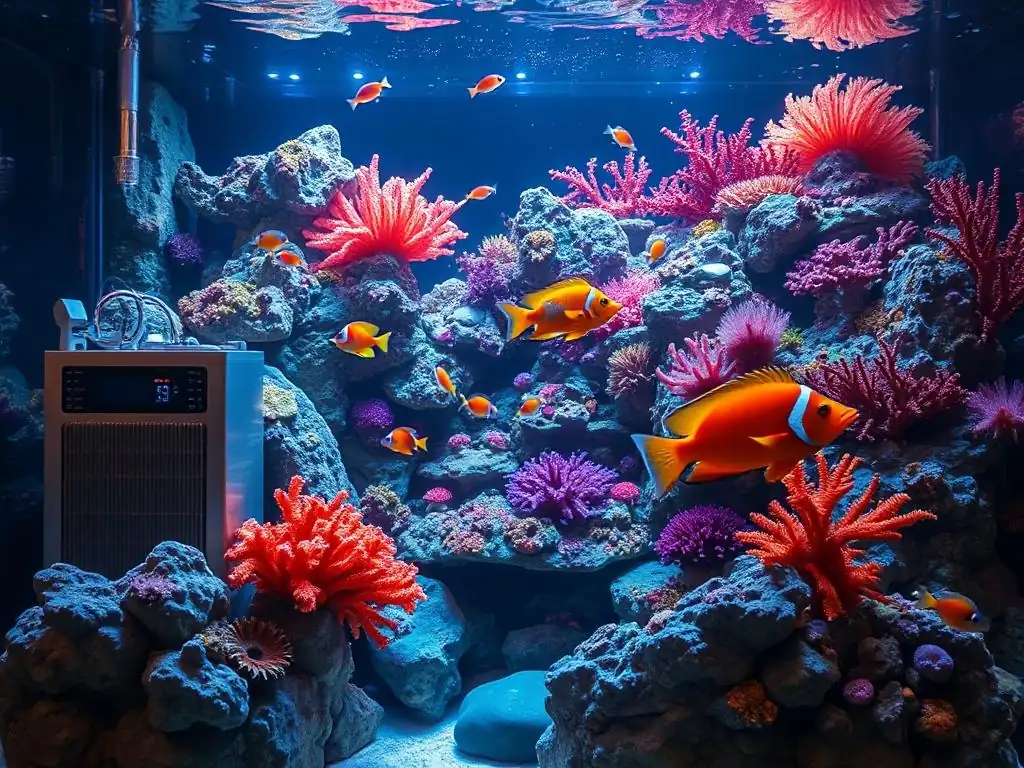
Ever wondered how to achieve perfect saltwater aquarium conditions, ensuring your delicate ecosystem thrives? This guide dives deep into saltwater aquarium temperature control, revealing the secrets to integrating filters, heaters, and chillers for a truly seamless and stable environment. Unlock the "Climate Control Trifecta" and say goodbye to temperature-related woes. Intrigued? Let's get started and transform your aquarium into a haven for your aquatic friends!
- Understanding Saltwater Aquarium Temperature Control: The Foundation of a Thriving Ecosystem
- Part 1: Mastering Saltwater Aquarium Filtration for Optimal Temperature Stability
- Part 2: Saltwater Aquarium Heaters: Precision and Reliability
- Part 3: Saltwater Aquarium Chillers: Cooling Power for Tropical Reefs
- Part 4: Integrating Filtration, Heating, and Chilling for Seamless Saltwater Aquarium Temperature Management
- Part 5: Troubleshooting Common Saltwater Aquarium Temperature Control Issues
- Part 6: Advanced Techniques for Saltwater Aquarium Temperature Stability
- Conclusion: Achieving Saltwater Aquarium Temperature Mastery
-
Frequently Asked Questions
- How crucial is temperature control in a saltwater aquarium?
- What are the core components of a comprehensive temperature control system for a saltwater aquarium?
- When should I consider using a chiller in my saltwater aquarium setup?
- How do filters contribute to temperature stability in a saltwater aquarium?
- What are some common mistakes to avoid when setting up a temperature control system for a saltwater aquarium?
- Final Reflection: The Delicate Balance of Marine Life
- Ignite Your Aquarium's Potential!
Understanding Saltwater Aquarium Temperature Control: The Foundation of a Thriving Ecosystem
Why Precise Temperature Regulation is Crucial for Saltwater Aquariums
Maintaining a stable and precise temperature is not merely a recommendation but a critical imperative for the health and longevity of a saltwater aquarium. Marine organisms, from delicate corals to robust fish, are adapted to the remarkably stable temperatures of their natural ocean environments, which typically fluctuate by only a fraction of a degree over extended periods.
In a closed aquarium system, even a swing of 2-3°F (approximately 1-1.5°C) within a 24-hour cycle can induce significant stress, leading to compromised immune systems, increased susceptibility to diseases like Ich or bacterial infections, and for corals, potentially fatal bleaching events. The ideal range for most reef aquariums is a narrow window, typically between 75-82°F (24-28°C), with many aquarists aiming for a consistent 78°F (25.5°C) to optimize coral growth and fish metabolism.
Beyond stress, temperature directly influences vital biological processes within the aquarium. Higher temperatures reduce the solubility of dissolved oxygen, which can be detrimental in heavily stocked tanks or those with high biological oxygen demand. For instance, water at 82°F holds about 15% less oxygen than water at 75°F.
Conversely, temperatures below the optimal range can slow down the metabolic rates of fish and invertebrates, leading to reduced feeding, sluggish behavior, and stunted growth. For corals, consistent warmth is essential for the symbiotic zooxanthellae algae to photosynthesize effectively, producing the energy the coral needs to thrive. Therefore, meticulous saltwater aquarium temperature control is the bedrock upon which a flourishing marine ecosystem is built.
The Interplay of Filtration, Heating, and Cooling in a Marine Environment
While often viewed as distinct components, filtration, heating, and cooling systems in a saltwater aquarium are intricately interconnected and must operate in harmony to achieve optimal saltwater aquarium temperature control. Filtration, for example, is not just about water clarity and nutrient removal; the pumps associated with sumps, protein skimmers, and return lines generate heat. A typical return pump for a 150-gallon reef tank might add 0.5-1°F to the system's temperature due to its continuous operation and energy conversion. This constant thermal input must be accounted for when sizing heaters or chillers.
Conversely, a robust and well-maintained filtration system can indirectly aid temperature stability. By efficiently removing organic waste, it reduces the biological load, minimizing the potential for exothermic decomposition processes that can contribute minor heat. More critically, proper flow from filtration ensures that heated or cooled water is uniformly distributed throughout the entire aquarium, preventing localized hot or cold spots that can stress inhabitants.
For instance, a clogged filter sock reducing flow by 20% could lead to a 1-2°F temperature differential between the main display tank and the sump, compromising the overall effectiveness of your saltwater aquarium temperature control strategy. A holistic approach, where each component supports the others, is key to creating a truly stable marine environment.
Part 1: Mastering Saltwater Aquarium Filtration for Optimal Temperature Stability
How Biological Filtration Affects Water Temperature
Biological filtration, the cornerstone of any healthy saltwater aquarium, relies on beneficial bacteria to convert toxic ammonia and nitrite into less harmful nitrate. This nitrification process, while vital for water quality, is an exothermic reaction, meaning it generates a small amount of heat.
While the heat contribution from bacterial activity itself is minor—perhaps contributing only 0.1-0.2°F to a large system—the efficiency of these bacteria is profoundly temperature-dependent. Their activity peaks within the optimal range for most reef tanks (75-82°F), but dramatically slows down below 68°F (20°C) and can be severely inhibited or even killed off above 86°F (30°C), leading to dangerous ammonia spikes.
More significantly, the pumps and powerheads driving biological filtration, such as those feeding sumps, biopellet reactors, or fluidized bed filters, contribute a constant heat load to the system. A powerful return pump, rated at 200 watts, for example, can convert a substantial portion of that energy into heat, potentially adding 1-2°F to a 100-gallon system over 24 hours.
This continuous heat input, alongside the metabolic heat from the marine inhabitants themselves (e.g., a large tang can generate a small amount of heat), is a fundamental factor in the overall thermal budget of the aquarium and a key consideration for precise saltwater aquarium temperature control.
Mechanical Filtration: Reducing Heat Load and Maintaining Clarity
Mechanical filtration plays a crucial role in removing particulate matter from the water column, such as uneaten food, fish waste, and detritus. While mechanical filters themselves do not directly generate significant heat (aside from the associated pumps), their efficiency indirectly impacts the thermal stability of the system.
By preventing the accumulation and decomposition of organic waste, mechanical filtration reduces the overall biological load, which in turn minimizes the minor heat generated by extensive bacterial decomposition processes. For example, a 50-gallon reef tank without adequate mechanical filtration might see a faster buildup of detritus, leading to increased bacterial activity and a slightly higher baseline temperature.
Furthermore, the proper functioning of mechanical filtration is essential for maintaining optimal flow rates throughout the entire aquarium system. Clogged filter socks or sponges can significantly restrict water flow from the display tank to the sump, or through external canister filters. A reduction in flow rate, even by 20-30%, can lead to inefficient heat transfer from heaters or chillers, resulting in uneven temperatures within the tank or reduced effectiveness of the temperature control devices.
For instance, if a chiller is plumbed into a system with a partially blocked filter, the chilled water might not circulate effectively, leading to warmer zones in the main display. Regular maintenance, such as changing filter socks every 3-7 days depending on bioload, is therefore vital for consistent saltwater aquarium temperature control.
Chemical Filtration: Minimizing Temperature Fluctuations Through Water Quality
Chemical filtration, utilizing media like activated carbon, granular ferric oxide (GFO), or specialized resins, removes dissolved organic compounds (DOCs), phosphates, nitrates, and other impurities that mechanical and biological filtration cannot. While these media do not directly influence the water temperature, their role in maintaining pristine water quality is paramount for overall system resilience, which indirectly supports stable saltwater aquarium temperature control. High levels of DOCs, for example, can contribute to bacterial blooms, which consume dissolved oxygen and can make the marine environment more susceptible to stress from even minor temperature fluctuations.
By effectively removing pollutants, chemical filtration helps maintain stable water parameters, such as alkalinity (dKH), calcium (ppm), and magnesium (ppm), which are crucial for coral health and overall system stability. A tank with consistently good water chemistry, facilitated by regular chemical media exchange (e.g., activated carbon every 2-4 weeks, GFO as needed based on phosphate testing), is inherently more robust and less prone to adverse reactions from slight temperature swings.
For instance, corals in an environment with stable alkalinity (e.g., 8-9 dKH) are better equipped to handle a temporary 1°F rise in temperature than those already stressed by fluctuating or low alkalinity. Therefore, chemical filtration contributes to a more forgiving environment, enhancing the overall effectiveness of your saltwater aquarium temperature control efforts.
Part 2: Saltwater Aquarium Heaters: Precision and Reliability
Selecting the Right Aquarium Heater for Your Tank Size and Climate
Choosing the correct heater for your saltwater aquarium is fundamental for effective saltwater aquarium temperature control. The primary factor is the tank's volume, but ambient room temperature and insulation also play significant roles. A general rule of thumb is to provide 3-5 watts per gallon of water.
For example, a 75-gallon reef tank would typically require between 225-375 watts of heating power. However, if your aquarium is in a cold room (e.g., below 65°F or 18°C) or experiences significant temperature drops overnight, opting for the higher end of this range, or even slightly exceeding it, is advisable. Using two smaller heaters instead of one large one is often recommended for redundancy; if one fails, the other can still provide some heat, preventing a catastrophic temperature crash.
Consider the material and design of the heater. Submersible heaters made from shatter-resistant quartz or titanium are generally preferred for saltwater environments due to their durability and resistance to corrosion. Titanium heaters, while often more expensive, offer superior heat conductivity and are virtually unbreakable, making them a long-term investment for precise saltwater aquarium temperature control. Always select a heater with an integrated thermostat or, even better, use an external temperature controller for enhanced accuracy and safety.
Types of Aquarium Heaters: Submersible, In-Line, and Substrate
For saltwater aquarium temperature control, several types of heaters are available, each with distinct advantages and applications. Submersible heaters are the most common type, designed to be fully submerged in the aquarium or sump. They are available in various wattages and lengths, offering versatility in placement. Their direct contact with the water ensures efficient heat transfer, and many models come with integrated thermostats for convenience. However, their visibility can be a aesthetic concern in display tanks, and they can sometimes create localized hot spots if flow is insufficient.
In-line heaters are plumbed directly into the return line from the sump, heating the water as it passes through. These heaters are completely out of sight, making them ideal for minimalist setups. They offer excellent heat distribution as the warmed water is immediately circulated throughout the system. However, they require specific plumbing configurations and can be more complex to install. They are often chosen for larger, more advanced reef systems where precise saltwater aquarium temperature control and aesthetics are paramount.
Substrate heaters, less common in saltwater setups, are heating cables placed under the substrate. While they provide gentle, even heating of the substrate, promoting root growth in planted freshwater tanks, their application in reef tanks is limited. The primary heat source for a saltwater aquarium should be designed for consistent, overall water column heating rather than localized substrate warming. For robust saltwater aquarium temperature control, submersible or in-line heaters remain the preferred choice.
Precise Temperature Setting and Calibration for Saltwater Heaters
Achieving precise saltwater aquarium temperature control requires more than just plugging in a heater; it demands careful setting and regular calibration. Most aquarium heaters come with a built-in thermostat that allows you to set a desired temperature. However, these internal thermostats can sometimes be inaccurate by a few degrees. Therefore, it is absolutely crucial to use a high-quality, calibrated external thermometer, or even two, placed at opposite ends of the tank, to verify the actual water temperature. Digital thermometers with probes offer excellent accuracy, often within ±0.5°F.
To calibrate, set your heater to the desired temperature (e.g., 78°F) and allow at least 24 hours for the tank to stabilize. Then, compare the reading on your external thermometer(s) to the heater's setting. Adjust the heater's dial incrementally until your external thermometer consistently reads the target temperature.
For superior accuracy and safety, many advanced aquarists opt for an external temperature controller. These devices use a separate probe to monitor tank temperature and switch the heater on or off, providing a much tighter temperature differential (e.g., ±0.2°F) than most integrated heater thermostats. This method offers the most reliable saltwater aquarium temperature control.
Heater Placement and Safety Considerations for Saltwater Aquariums
Proper heater placement is vital for efficient heat distribution and safety in a saltwater aquarium. For submersible heaters, the ideal location is typically in the sump, where they are out of sight and less likely to be disturbed by tank inhabitants. If a sump is not available, place the heater in an area of high water flow within the display tank, such as near a powerhead or return nozzle.
This ensures that the heated water is quickly dispersed throughout the system, preventing localized hot spots that can harm corals or fish. Avoid placing heaters directly on the substrate or against glass where they might cause excessive localized heating. For a 100-gallon tank, two 150-watt heaters placed in separate corners of the sump or display tank can provide more even heating and redundancy.
Safety is paramount when dealing with electrical equipment and water. Always ensure your heaters are fully submerged when operating; running a heater partially or completely out of water can cause it to overheat and potentially crack or melt, posing a fire hazard. Use drip loops on all power cords to prevent water from traveling down the cord and into electrical outlets.
Consider using a Ground Fault Circuit Interrupter (GFCI) outlet for all aquarium equipment, which will trip and cut power if an electrical short or leakage occurs. Regularly inspect heater cords for damage and the glass tube for cracks. Adhering to these safety practices is crucial for reliable saltwater aquarium temperature control and the well-being of your home and aquatic life.
Part 3: Saltwater Aquarium Chillers: Cooling Power for Tropical Reefs
When is a Chiller Necessary for Saltwater Aquarium Temperature Control?
While heaters combat cold, chillers are essential for maintaining optimal saltwater aquarium temperature control in environments prone to overheating. A chiller becomes necessary when the ambient room temperature consistently pushes the aquarium's temperature above the ideal range of 75-82°F (24-28°C), particularly for reef tanks where stable temperatures are critical. This is common in warmer climates, during summer months, or in homes with inadequate air conditioning. Factors like powerful lighting systems (especially older metal halides, which can add 2-5°F to a tank), high-wattage pumps, and limited evaporation (e.g., tanks with tight-fitting lids) all contribute to heat gain, necessitating a chiller.
Even if your room temperature is generally stable, the cumulative heat generated by equipment in a heavily stocked reef tank can lead to a consistent temperature creep. For instance, a 180-gallon reef tank with a 400W metal halide light, two 60W return pumps, and three 30W powerheads can generate enough heat to raise the water temperature by several degrees above ambient.
If your tank consistently reaches 80°F or higher, and fans alone cannot bring it down, investing in a chiller is a proactive measure to protect your valuable marine inhabitants and ensure precise saltwater aquarium temperature control, preventing stress, coral bleaching, and disease.
Choosing the Right Size Aquarium Chiller: BTU Calculation and Flow Rate
Selecting the correct size chiller is critical for effective saltwater aquarium temperature control. Chillers are rated by their cooling capacity, often expressed in horsepower (HP) or British Thermal Units per hour (BTUs/hr). A common guideline is to choose a chiller that can handle 1.5 to 2 times your tank volume in gallons.
For example, a 100-gallon tank might require a 1/4 HP chiller. However, a more precise method involves calculating the required BTU removal based on your specific heat load and desired temperature drop. This calculation considers factors like ambient room temperature, desired tank temperature, and the total wattage of all heat-generating equipment (lights, pumps).
Beyond horsepower, the chiller's recommended flow rate is equally important. Each chiller is designed to operate efficiently within a specific GPH (gallons per hour) range. If the flow rate through the chiller is too low, the water stays in the chiller too long, potentially freezing the heat exchange coil.
If the flow rate is too high, the water passes through too quickly, and the chiller cannot effectively cool it. For instance, a 1/4 HP chiller might require a flow rate between 300-600 GPH. Ensure your return pump or a dedicated pump can provide the necessary flow within this optimal range for efficient saltwater aquarium temperature control and to prevent damage to the chiller.
Different Types of Aquarium Chillers: Drop-In vs. In-Line
When considering a chiller for saltwater aquarium temperature control, the two primary types are drop-in and in-line models, each with distinct installation and operational characteristics. Drop-in chillers feature a titanium coil that is simply placed directly into the sump or display tank. This design offers ease of installation, as no complex plumbing is required; you just drop the coil in and connect the power.
They are often a more budget-friendly option and can be a good choice for smaller tanks or temporary cooling solutions. However, the coil is visible in the water, which can be an aesthetic drawback, and it takes up valuable space within the sump.
In-line chillers, by far the more popular and widely used option for serious reef keepers, are plumbed directly into the aquarium's water circulation system, typically on the return line from the sump before the water re-enters the display tank. This design keeps the chiller unit itself outside the aquarium, maintaining a clean and uncluttered look for the display.
In-line chillers offer more precise temperature control and are generally more efficient for larger systems, as they cool the entire water volume as it circulates. While their installation requires some basic plumbing knowledge and components like tubing and barbed fittings, their superior performance, aesthetics, and ability to be easily integrated with external controllers make them the preferred choice for long-term, reliable saltwater aquarium temperature control.
Chiller Placement, Plumbing, and Maintenance for Optimal Performance
Proper placement, plumbing, and routine maintenance are crucial for maximizing the efficiency and lifespan of your aquarium chiller, ensuring consistent saltwater aquarium temperature control. Placement: Chillers generate heat as they cool, so they require adequate ventilation. Position the chiller in a well-ventilated area, leaving at least 6-12 inches of clearance around all sides (especially the air intake and exhaust vents).
Avoid placing it in an enclosed cabinet without proper airflow, as this will lead to reduced efficiency and potential overheating of the chiller itself. For example, a chiller operating in a confined space might consume 20% more energy and struggle to lower the temperature by the desired amount.
Plumbing: In-line chillers are typically plumbed using flexible tubing (e.g., vinyl or PVC) from the return pump or a dedicated pump, through the chiller, and back to the sump or display. Ensure all connections are secure to prevent leaks, using hose clamps where appropriate. Verify that the flow rate from your pump matches the chiller's recommended GPH range for optimal cooling. Maintenance: Regularly clean the chiller's air intake filter to prevent dust and debris from accumulating, which can significantly reduce cooling efficiency.
A clogged filter can decrease cooling capacity by 10-20% and increase power consumption. Periodically check the titanium heat exchange coil for any buildup and clean it if necessary, following the manufacturer's instructions. By adhering to these guidelines, you ensure your chiller performs optimally, providing reliable saltwater aquarium temperature control.
Part 4: Integrating Filtration, Heating, and Chilling for Seamless Saltwater Aquarium Temperature Management
Designing a Comprehensive System for Consistent Temperature
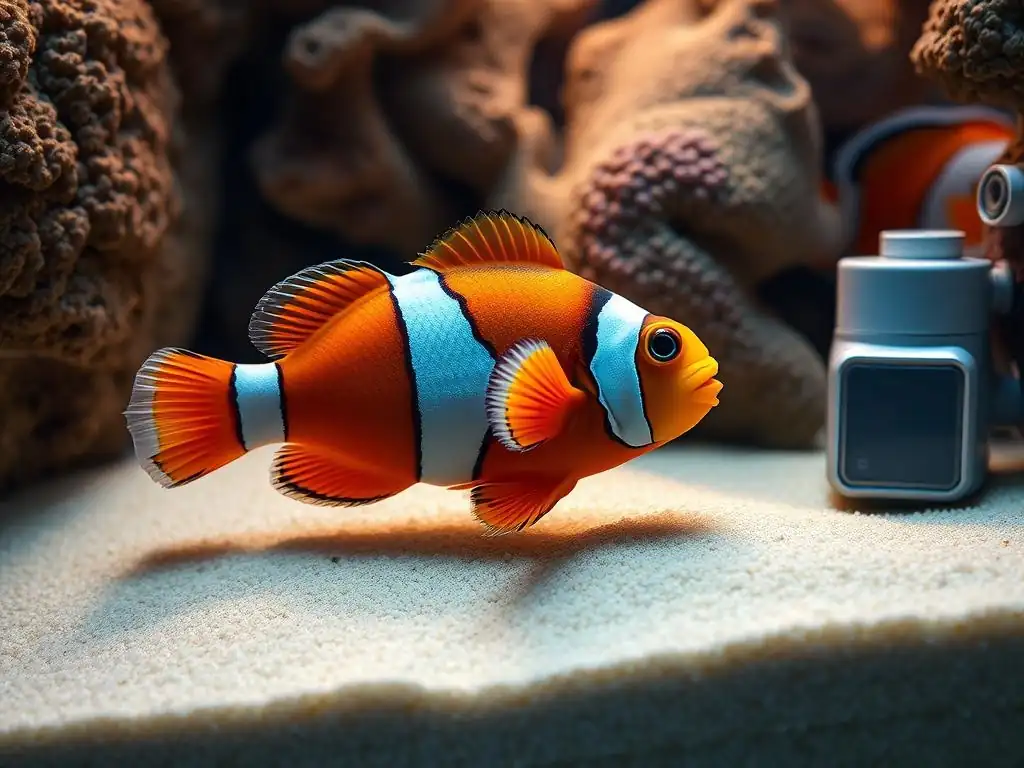
Designing a comprehensive system for saltwater aquarium temperature control involves a strategic integration of filtration, heating, and chilling components, rather than treating them as isolated units. The goal is to create a harmonious environment where all elements work in concert to maintain a stable temperature, typically within a narrow 0.5-1°F fluctuation. Begin by assessing your total system volume, including the sump, and calculating the heat load from all equipment (lights, pumps, skimmers).
For example, a 150-gallon system running a 250W LED light, a 100W return pump, and a 50W protein skimmer will consistently introduce about 400W of heat. This baseline heat input will determine the required cooling capacity of your chiller.
Simultaneously, consider your ambient room temperature fluctuations. If your room drops below 70°F (21°C) at night or in winter, you'll need sufficient heating. A 150-gallon tank might need two 200W heaters for redundancy and adequate warming. The filtration system, particularly the return pump, plays a dual role: it circulates water for heating/cooling and contributes to the heat load. By selecting appropriately sized heaters and chillers based on your specific heat gains and losses, and ensuring your filtration provides optimal flow through these devices, you lay the groundwork for superior saltwater aquarium temperature control.
Connecting Heaters and Chillers to Filtration Systems: A Step-by-Step Guide
Seamless integration of heaters and chillers into your filtration system is key to efficient saltwater aquarium temperature control. For most advanced setups utilizing a sump, the process is straightforward:
- Heater Placement: Submersible heaters are typically placed in a dedicated compartment within the sump, or simply laid horizontally on the bottom, ensuring they are fully submerged and in an area of good flow. This allows the return pump to distribute the heated water throughout the system. For a 120-gallon tank, two 150W heaters might be placed in the return section of the sump.
- Chiller Plumbing (In-Line): The chiller is usually plumbed into the return line after the water has passed through the main filtration stages (mechanical, biological, chemical) in the sump, and before it goes back to the display tank. This ensures that only clean water passes through the chiller, preventing clogs.
- Step 1: Identify the return pump's output line.
- Step 2: Cut the return line and insert a "T" fitting or divert the flow to a dedicated pump for the chiller.
- Step 3: Connect one side of the "T" (or the dedicated pump's output) to the chiller's "in" port using appropriately sized flexible tubing (e.g., 3/4" or 1" ID vinyl tubing). Secure with hose clamps.
- Step 4: Connect the chiller's "out" port back to the return line leading to the display tank, or directly into the display tank's return nozzle. Ensure the tubing length is minimized to reduce head pressure.
- Flow Optimization: Verify that the return pump provides adequate flow for both the chiller's requirements (e.g., 400-800 GPH for a 1/4 HP chiller) and the overall tank turnover rate (typically 10-20 times display volume per hour). If your return pump cannot meet both needs, a separate, dedicated pump for the chiller might be necessary.
- Controller Integration: Both heaters and chillers should be plugged into an external temperature controller. The controller's probe is placed in the sump or display tank (away from direct heater/chiller output) to accurately monitor the water temperature. The controller then switches the heater or chiller on/off as needed to maintain the set point, providing precise saltwater aquarium temperature control.
This systematic approach ensures that all components work together efficiently for optimal thermal stability.
Optimizing Flow Rates for Efficient Temperature Exchange
Optimizing flow rates is a critical, yet often overlooked, aspect of efficient saltwater aquarium temperature control when integrating heaters and chillers. Both devices rely on the continuous movement of water to effectively transfer heat. If the flow rate through a heater is too low, the water around it can become excessively hot, potentially stressing corals or fish that come into direct contact. Conversely, if the flow rate is too high, the heater may struggle to raise the overall tank temperature efficiently, as the heat is dispersed too quickly.
For chillers, the flow rate is even more critical. Each chiller model specifies an optimal GPH (gallons per hour) range for efficient operation. If the flow is below this range, water may remain in the chiller's heat exchange coil for too long, leading to the risk of freezing the coil and damaging the unit.
If the flow is above the recommended range, the water passes through too quickly, and the chiller cannot extract enough heat, resulting in inefficient cooling and increased energy consumption. For example, a 1/4 HP chiller might have an optimal flow range of 300-600 GPH.
Using a pump that delivers 200 GPH would be too low, while a 1000 GPH pump would be too high. Using a flow meter or a simple bucket test to measure your actual pump output, and adjusting with ball valves if necessary, ensures that your heaters and chillers operate within their most efficient parameters, leading to reliable saltwater aquarium temperature control and lower energy bills.
Using Controllers and Automation for Precise Saltwater Aquarium Temperature Regulation
For the most precise and reliable saltwater aquarium temperature control, integrating an external temperature controller or a comprehensive aquarium automation system is indispensable. While many heaters and chillers have built-in thermostats, these often have a wider temperature differential (e.g., ±2°F) and can be prone to calibration drift.
An external controller, however, uses a separate, highly accurate temperature probe (often with ±0.1°F accuracy) placed in the sump or display tank. This probe continuously monitors the water temperature and sends signals to the controller, which then precisely switches the heater or chiller on or off to maintain the desired set point, typically within a very tight range of ±0.2-0.5°F.
Advanced aquarium automation systems (e.g., Apex, Hydros) take this a step further, offering multiple temperature probes, logging capabilities, and the ability to control heaters and chillers based on complex rules. For instance, you can program a chiller to activate if the temperature exceeds 78.5°F and a heater to activate if it drops below 77.5°F, creating a precise 1°F deadband. These systems can also send alerts (email, text message) if temperatures deviate significantly, allowing for proactive intervention.
Furthermore, some controllers can manage fan operation, automatically turning on cooling fans if the temperature rises before the chiller needs to engage. This level of automation provides unparalleled peace of mind and ensures consistently optimal saltwater aquarium temperature control, reducing stress on inhabitants and preventing costly equipment failures.
Part 5: Troubleshooting Common Saltwater Aquarium Temperature Control Issues
Diagnosing Temperature Swings and Fluctuations
Temperature swings and fluctuations are common issues that can plague saltwater aquariums, often signaling problems with your saltwater aquarium temperature control system. The first step in diagnosing these issues is consistent monitoring. If you're observing daily temperature swings of more than 1-2°F, begin by checking your thermometer(s) against a known accurate source or using multiple thermometers to rule out faulty readings. Next, examine your heating and cooling equipment. Is your heater cycling on and off too frequently, or not at all? Is your chiller running constantly, or failing to engage?
Investigate external factors. Is the room temperature fluctuating significantly throughout the day or night? Are there direct drafts or sunlight hitting the tank? Check the flow through your heater and chiller; reduced flow due to clogged filters or weak pumps can lead to inefficient temperature exchange and localized hot/cold spots.
For instance, a return pump that has lost 20% of its flow due to impeller wear can cause a chiller to run longer without achieving the desired temperature. Finally, consider the heat load from your lighting schedule; older metal halide lights can raise tank temperatures by 3-5°F during their on-cycle, necessitating a chiller to compensate. Systematically checking these elements will help pinpoint the source of temperature instability.
Addressing Overheating Problems in Saltwater Aquariums
Overheating is a critical issue that can rapidly stress or even kill marine inhabitants. When addressing overheating problems in saltwater aquariums, the first step is immediate action to bring the temperature down. This can involve floating frozen water bottles in the sump (never directly in the display), directing a fan across the water surface for evaporative cooling (can drop temperature by 2-4°F), or performing small, frequent water changes with cooler (but not excessively cold) water. Once the immediate crisis is averted, diagnose the root cause for long-term saltwater aquarium temperature control.
Common culprits include inadequate chiller sizing, a malfunctioning chiller, or excessive heat input. If you don't have a chiller, and your tank consistently reaches 80°F+, it's likely time to invest in one, ensuring it's appropriately sized (e.g., 1/4 HP for a 75-gallon reef tank). If you have a chiller, check if its air intake filter is clogged, which can reduce efficiency by up to 20%.
Verify the chiller's fan is operating and that there's ample ventilation around the unit. Also, inspect the chiller's pump and plumbing for blockages that restrict flow. Finally, evaluate your lighting; switching from high-heat metal halide or T5HO lighting to more efficient LED fixtures can significantly reduce the heat load on your tank, often by 1-2°F.
Resolving Under-Heating Issues in Saltwater Aquariums
Under-heating can be equally detrimental to marine life, slowing down metabolism, making fish lethargic, and inhibiting coral growth. When confronted with under-heating issues in saltwater aquariums, a systematic approach is necessary to restore optimal saltwater aquarium temperature control. First, confirm the accuracy of your thermometer(s) with a reliable reference. Then, check your heater(s). Is the heater plugged in? Is its thermostat set correctly? Many heaters have indicator lights (e.g., red for heating, green for off) that can help diagnose if they are receiving power and attempting to heat.
If the heater is working, consider its wattage relative to your tank size and ambient room temperature. A single 100-watt heater might be insufficient for a 50-gallon tank in a room that regularly drops to 65°F (18°C). Adding a second heater for redundancy and increased heating capacity is often a good solution.
Inspect the heater for any visible damage, such as cracks in the glass tube, which would necessitate replacement. Also, ensure there is adequate water flow around the heater, especially if it's in a low-flow area of the sump or display tank; poor circulation can lead to inefficient heat distribution. Finally, if using an external temperature controller, verify its settings and ensure its probe is functioning correctly and positioned away from direct heater output.
Dealing with Chiller Malfunctions and Maintenance
Chiller malfunctions can quickly lead to overheating, jeopardizing your entire saltwater aquarium. When a chiller fails to maintain the desired temperature, begin by checking the basics. Is the chiller plugged in? Is its power switch on? Is the temperature controller (if external) set correctly and receiving power? Many chillers have error codes or diagnostic lights; consult your chiller's manual for their meanings.
A common issue is reduced cooling efficiency due to a clogged air intake filter. Dust and debris accumulate, restricting airflow to the condenser, causing the chiller to work harder and less effectively. Clean the filter monthly, or more frequently in dusty environments. Another frequent problem is restricted water flow through the chiller, often caused by a weak pump, clogged plumbing, or dirty heat exchange coils.
Check your pump's output and inspect tubing for kinks or blockages. If you suspect the internal coil is fouled, follow the manufacturer's instructions for cleaning (often involves circulating a mild acid solution). If the chiller runs but doesn't cool, or makes unusual noises, it might indicate a refrigerant leak or compressor failure, which typically requires professional repair or replacement. Regular maintenance, as outlined in Part 3, can prevent many of these issues, ensuring consistent saltwater aquarium temperature control.
Part 6: Advanced Techniques for Saltwater Aquarium Temperature Stability
Implementing a Sump System for Enhanced Temperature Control
Implementing a sump system is one of the most effective advanced techniques for enhanced saltwater aquarium temperature control. A sump significantly increases the total water volume of your system (often by 15-30%), which inherently provides greater thermal stability. A larger body of water heats up and cools down more slowly, buffering against minor temperature fluctuations caused by external factors or equipment cycling. For instance, a 100-gallon display tank with a 20-gallon sump will experience smaller temperature swings than a standalone 100-gallon tank.
Beyond increased volume, a sump offers an ideal, dedicated space for all temperature-controlling equipment. Heaters can be placed in a high-flow section of the sump, out of sight and away from direct contact with inhabitants. Chillers can be plumbed in-line with the return pump, ensuring uniform cooling of the entire water volume before it re-enters the display tank. This centralized location for heating and cooling equipment, combined with the continuous circulation provided by the return pump, ensures that temperature regulation is efficient and evenly distributed throughout the entire system, leading to superior saltwater aquarium temperature control.
Utilizing Insulated Tanks for Improved Temperature Retention
For hobbyists seeking to maximize saltwater aquarium temperature control and minimize energy consumption, utilizing insulated tanks or adding insulation to existing setups is an advanced yet highly effective technique. Standard glass aquariums are poor insulators, allowing significant heat transfer to and from the surrounding environment. An acrylic aquarium, due to the material's properties, offers slightly better insulation than glass. However, purpose-built insulated tanks or adding external insulation takes thermal stability to the next level.
Insulating the back and sides of an aquarium with rigid foam insulation (e.g., 1-inch thick XPS foam board with an R-value of approximately 5 per inch) can dramatically reduce heat loss in colder environments and heat gain in warmer rooms. For example, a 75-gallon tank insulated on three sides could see a reduction in heater run-time by 15-20% in a 68°F room.
Similarly, in a warm climate, insulation helps the chiller work less by preventing ambient heat from penetrating the tank walls. While insulating the front of the display tank is not practical, focusing on the hidden sides and bottom, and particularly the sump, can significantly improve the efficiency of your heating and cooling equipment and contribute to superior saltwater aquarium temperature control.
Exploring Alternative Cooling Methods: Fans and Evaporation
While chillers provide powerful and precise cooling, exploring alternative cooling methods like fans and evaporative cooling can be highly effective for minor temperature reductions and are often used in conjunction with chillers for optimal saltwater aquarium temperature control. Evaporative cooling works on the principle that as water evaporates from the surface, it removes heat energy from the remaining water. This is why a simple clip-on fan directed across the water surface of your sump or display tank can effectively lower the water temperature by 2-5°F, depending on ambient humidity and air movement.
For instance, a 50-gallon tank in a low-humidity room might see a 3°F drop with a single 4-inch fan running continuously. This method is energy-efficient compared to a chiller and can often be sufficient for tanks that only experience slight overheating.
However, a significant drawback is the increased evaporation, which necessitates more frequent top-offs with RODI water to maintain salinity. While fans alone might not be enough for heavily lit or very warm tanks, they serve as an excellent first line of defense against rising temperatures, reducing the workload on your primary chiller and providing a cost-effective component of your overall saltwater aquarium temperature control strategy.
Monitoring and Logging Temperature Data for Proactive Adjustments
For the most proactive and advanced saltwater aquarium temperature control, continuous monitoring and logging of temperature data are indispensable. Relying solely on a single thermometer can mask subtle but persistent temperature trends or fluctuations. Utilizing an aquarium controller (e.g., Neptune Apex, GHL Profilux, Hydros Control) equipped with a highly accurate temperature probe allows for real-time data collection, which can then be logged and graphed over extended periods (days, weeks, months).
This data logging provides invaluable insights. For example, you might discover that your tank consistently peaks at 80°F during the afternoon when your lights are on, and drops to 76°F overnight. This 4°F swing, while perhaps within the tolerable range, indicates areas for optimization.
By analyzing the data, you can identify patterns related to ambient room temperature, lighting cycles, or even equipment performance. This allows you to make informed, proactive adjustments, such as fine-tuning your heater and chiller set points, adjusting fan usage, or even modifying lighting schedules to minimize temperature spikes. Proactive monitoring and data analysis transform reactive problem-solving into predictive maintenance, ensuring unparalleled saltwater aquarium temperature control and a consistently stable environment for your marine inhabitants.
Conclusion: Achieving Saltwater Aquarium Temperature Mastery
Maintaining a Stable and Healthy Environment for Your Marine Inhabitants
Achieving mastery in saltwater aquarium temperature control is not merely about setting a number on a thermostat; it's about creating a consistently stable and healthy environment that mimics the natural ocean conditions your marine inhabitants thrive in. This advanced guide has illuminated how filtration, heating, and cooling systems are not isolated entities, but rather a climate control trifecta that must be seamlessly integrated.
From understanding the critical physiological impacts of temperature fluctuations on delicate corals and sensitive fish to meticulously selecting and positioning your heaters and chillers, every component plays a vital role. By optimizing flow rates, leveraging external controllers for precise regulation, and even considering advanced techniques like sumps and tank insulation, aquarists can mitigate the common pitfalls of temperature instability.
A well-managed thermal environment reduces stress, enhances metabolic efficiency, and significantly boosts the immune response of your aquatic life, leading to vibrant growth, natural behaviors, and a thriving ecosystem.
The Importance of Continuous Monitoring and Adjustment
The journey to saltwater aquarium temperature mastery is an ongoing process that demands continuous monitoring and proactive adjustment. The dynamic nature of a closed aquarium system, coupled with environmental variables like seasonal changes in ambient room temperature, necessitates vigilance.
Regularly checking your thermometers, analyzing logged temperature data from advanced controllers, and promptly addressing any deviations from your target range are critical practices. Understanding how the heat generated by your pumps and lighting contributes to the overall thermal budget, and how efficient filtration aids in heat distribution, allows for informed decisions.
Whether it's cleaning a chiller's air filter, adjusting a heater's set point, or adding a fan for evaporative cooling, small, consistent adjustments based on real-time data ensure that your saltwater aquarium temperature control remains precise. This proactive approach not only safeguards your valuable marine inhabitants but also provides immense satisfaction in cultivating a truly stable, resilient, and beautiful slice of the ocean.
Frequently Asked Questions
How crucial is temperature control in a saltwater aquarium?
Maintaining a stable temperature is absolutely vital for the health of your saltwater aquarium. Fluctuations can stress fish and invertebrates, making them susceptible to disease. Consistent temperature is key to a thriving ecosystem.
What are the core components of a comprehensive temperature control system for a saltwater aquarium?
The "Climate Control Trifecta" refers to the integrated use of filters, heaters, and chillers. Filters maintain water quality, heaters regulate low temperatures, and chillers prevent overheating, working together seamlessly.
When should I consider using a chiller in my saltwater aquarium setup?
Chillers are necessary if your aquarium's temperature consistently exceeds the ideal range due to factors like ambient heat, powerful lighting, or pumps. They are essential for sensitive species that require precise temperature control.
How do filters contribute to temperature stability in a saltwater aquarium?
While not directly controlling temperature, filters maintain water quality. Poor water quality can stress fish and invertebrates, making them more vulnerable to temperature fluctuations. Healthy water helps them tolerate temperature changes.
What are some common mistakes to avoid when setting up a temperature control system for a saltwater aquarium?
A common mistake is underestimating the tank's volume when selecting heaters or chillers. Also, failing to monitor temperature regularly can lead to undetected problems and potential harm to your aquarium inhabitants.
Final Reflection: The Delicate Balance of Marine Life
The intricate dance of maintaining a saltwater aquarium, as explored in this guide, underscores the critical importance of precise environmental control for thriving aquatic ecosystems. The integration of filters, heaters, and chillers isn't merely a technical exercise; it's a commitment to the delicate balance that sustains life within those glass walls, mirroring the fragility of our planet's own oceans.
This pursuit of optimal "saltwater aquarium temperature control" has profoundly influenced the hobby, pushing aquarists to become more informed and responsible stewards. The dedication required to master these systems highlights a deeper connection to the natural world, fostering a greater appreciation for the complexities of marine environments. In the end, we will conserve only what we love; we will love only what we understand; and we will understand only what we are taught.
- Baba Dioum. This quote perfectly encapsulates the journey of an aquarist, from novice to expert, driven by a love for the ocean and a desire to understand its secrets.
As you reflect on the principles outlined in this guide, consider how you can apply this dedication to precision and balance in other aspects of your life. Let the meticulous care you invest in your saltwater aquarium serve as a reminder to champion sustainability and environmental responsibility in the wider world. The future of our oceans, and indeed our planet, depends on our collective commitment to understanding and protecting the delicate ecosystems that sustain us all.
Ignite Your Aquarium's Potential!
Thanks for diving deep into the world of climate control! We hope this guide has given you the tools and knowledge to optimize your aquarium's environment. Now, let's put that knowledge into action!
Here are some next steps you can take:
- Re-evaluate your current climate control setup. Identify any areas that could benefit from an upgrade or adjustment based on what you’ve learned.
- Share this guide with fellow aquarium enthusiasts. Help them conquer climate control in their own tanks.
- Experiment with different filter media combinations to maximize water clarity and chemical balance, and document your findings in an aquarium journal.
Ready to create the perfect aquatic paradise? Share your biggest climate control challenge in the comments below!