
Decoding Skimmer Technology: A Guide to Choosing the Most Efficient Model for Your Aquarium


Welcome to Aquarium Mastery, where we transform aquarium dreams into reality!
Curious about achieving crystal-clear water and a thriving aquatic ecosystem? Dive in! This guide, "Decoding Skimmer Technology: A Guide to Choosing the Most Efficient Model for Your Aquarium," unlocks the secrets to efficient aquarium skimmer selection. Discover how to choose the perfect skimmer to keep your tank sparkling and your fish happy. Ready to master the art of water quality? Let's explore!
- The Ultimate Guide to Efficient Aquarium Skimmer Selection
-
Types of Aquarium Skimmers: A Comprehensive Overview
- In-Sump Skimmers: Powerhouse Filtration for Larger Tanks
- Hang-On-Back (HOB) Skimmers: Convenient Filtration for Smaller Setups
- Internal Skimmers: Direct Immersion for Maximum Efficiency
- Needle Wheel Skimmers: Enhanced Bubble Production for Superior Waste Removal
- Venturi Skimmers: Simple and Effective Waste Removal
-
Key Factors in Determining Skimmer Efficiency
- Aquarium Size and Bioload: Matching Skimmer Capacity to Your Tank
- Pump Performance: Optimizing Water Flow for Effective Skimming
- Bubble Production: The Importance of Fine and Consistent Bubbles
- Collection Cup Design: Maximizing Waste Removal and Minimizing Maintenance
- Skimmer Placement: Positioning for Optimal Performance
-
Top Efficient Aquarium Skimmer Models: Reviews and Recommendations
- Reef Octopus Regal 250-INT Protein Skimmer: Premium Performance for Large Reef Tanks
- Bubble Magus Curve 7 Protein Skimmer: Reliable and Efficient for Medium-Sized Aquariums
- Red Sea ReefWave 300 Protein Skimmer: Advanced Technology for Optimized Skimming
- AquaMaxx Q-2 Protein Skimmer: Compact and Powerful for Nano and Small Reef Tanks
- Troubleshooting Common Skimmer Problems
- Maximizing Skimmer Efficiency: Tips and Tricks for a Pristine Aquarium
- Conclusion: Investing in Efficient Aquarium Skimmer Selection for a Thriving Ecosystem
- Frequently Asked Questions
- Final Reflection: Navigating the Waters of Efficient Aquarium Skimming
- Unlock Pristine Waters: Dive Deeper into Skimmer Mastery!
The Ultimate Guide to Efficient Aquarium Skimmer Selection
Why Efficient Skimmer Selection is Crucial for a Healthy Aquarium
Efficient aquarium skimmer selection is paramount for maintaining a thriving and stable aquatic environment, particularly in saltwater and reef aquariums. Protein skimmers, often considered the "kidneys" of a marine tank, actively remove dissolved organic compounds (DOCs) before they can break down into harmful nitrates and phosphates. This preventative action significantly reduces the bioload on your filtration system, leading to clearer water, improved water parameters, and a healthier habitat for your fish, corals, and invertebrates. Without effective skimming, organic waste accumulates, fostering nuisance algae growth and potentially stressing sensitive marine organisms due to fluctuating water chemistry.
The impact of a well-chosen protein skimmer extends beyond just water clarity. It plays a critical role in oxygenating the water, as the bubble action facilitates gas exchange, expelling carbon dioxide and increasing dissolved oxygen levels, which are vital for all aerobic life forms in the aquarium.
For instance, in a typical reef tank, a high-performing skimmer can remove up to 30-50% of the daily organic waste produced by livestock, preventing a cascade of water quality issues. This proactive removal of organic pollutants is far more effective than reactive methods like water changes, making the right skimmer an indispensable component for long-term aquarium success and stability.
Understanding Protein Skimming: The Science Behind Crystal-Clear Water
Protein skimming, also known as foam fractionation, operates on the principle of surface tension and the hydrophobic nature of organic compounds. Water molecules exhibit strong cohesive forces, creating surface tension. When air bubbles are introduced into the water column, they create an enormous surface area. Many organic waste molecules, such as proteins, amino acids, and phenols, are "surface-active" – meaning they have both hydrophobic (water-fearing) and hydrophilic (water-loving) ends. The hydrophobic ends of these molecules readily attach to the air-water interface of the rising bubbles.
As millions of tiny bubbles ascend through the skimmer's reaction chamber, they accumulate these dissolved organic compounds. The bubbles then coalesce into a dense foam at the top of the skimmer's neck. This protein-laden foam overflows into a collection cup, where it condenses into a dark, often foul-smelling liquid known as skimmate.
The efficiency of this process hinges on several factors, including the volume of air introduced, the size and consistency of the bubbles (smaller, more uniform bubbles offer greater surface area for adhesion), and the contact time between the bubbles and the water. By continuously removing these organic pollutants before they fully decompose, protein skimmers prevent the formation of nitrates and phosphates, thereby maintaining the pristine water quality essential for delicate aquatic ecosystems.
Types of Aquarium Skimmers: A Comprehensive Overview
In-Sump Skimmers: Powerhouse Filtration for Larger Tanks
In-sump skimmers are designed to operate within a dedicated sump, a separate reservoir typically located beneath the main display tank. This setup allows for a larger, more robust skimmer body and reaction chamber, maximizing contact time between water and air bubbles. They are widely regarded as the most efficient and powerful option for marine and reef aquariums, particularly those with volumes ranging from 75 gallons up to several hundred gallons, or even commercial systems. Their integration into a sump also helps maintain a clean, uncluttered look in the main display tank.
The performance of in-sump skimmers is often superior due to their ability to draw water directly from the sump, where water flow is typically stable and consistent, free from the turbulent conditions of the main display. This consistent water level and flow allow the skimmer to operate at its optimal efficiency point.
Many high-end in-sump models incorporate advanced features like adjustable gate valves for precise foam production control, and integrated DC pumps that offer variable speed settings for fine-tuning performance based on the tank's bioload and specific needs. For example, a heavy feeding schedule might require a slightly "wetter" skimmate, which can be achieved through these adjustments.
Advantages of In-Sump Skimmers: Performance & Stability
In-sump skimmers offer unparalleled performance and contribute significantly to the stability of a marine aquarium. Their larger reaction chambers and longer contact times allow for the removal of a greater volume of dissolved organic compounds compared to other skimmer types. This superior waste extraction directly translates to lower nitrate and phosphate levels, which are critical for preventing nuisance algae outbreaks and promoting healthy coral growth. Many models are engineered with advanced cone or hybrid cone bodies that optimize bubble transition into the collection cup, further enhancing skimmate production.
Furthermore, being housed in a sump isolates the skimmer from the main display, minimizing noise and vibrations that might otherwise disturb the tank inhabitants or the aquarist. The stable water level within the sump ensures that the skimmer operates consistently, eliminating fluctuations in performance often seen with hang-on-back units affected by display tank water level changes. This consistent operation is vital for maintaining stable water parameters, which is a cornerstone of successful reef keeping. For instance, a well-tuned in-sump skimmer can help maintain nitrates below 5 ppm and phosphates below 0.03 ppm in a mature reef system.
Disadvantages of In-Sump Skimmers: Space Requirements & Initial Cost
Despite their superior performance, in-sump skimmers come with specific drawbacks, primarily concerning space and cost. The most significant limitation is the requirement for a dedicated sump, which means they are not suitable for all-in-one tanks or setups without a pre-existing overflow system. A sump itself requires considerable space, typically beneath the aquarium stand, which might not be available in smaller living spaces or for aquarists who prefer a minimalist setup. Installing a sump also often involves intricate plumbing, including bulkheads, return pumps, and potentially a refugium, adding complexity to the initial setup.
The initial investment for an in-sump skimmer is generally higher than for other types. High-performance models, especially those rated for larger aquariums (e.g., 200+ gallons), can range from $300 to over $1000, depending on the brand, pump type, and features. This cost does not include the sump itself or the necessary plumbing components. While the long-term benefits in terms of water quality and reduced maintenance often justify this investment for serious aquarists, the upfront expense and the need for dedicated space can be prohibitive for beginners or those with budget constraints.
Hang-On-Back (HOB) Skimmers: Convenient Filtration for Smaller Setups
Hang-On-Back (HOB) skimmers are designed for aquariums without a sump, offering a convenient and often space-saving alternative for protein skimming. These units typically hang on the back rim of the aquarium, drawing water from the display tank, processing it, and returning the skimmed water directly back into the tank. They are a popular choice for smaller to medium-sized marine and reef tanks, commonly ranging from 20 to 75 gallons, or for all-in-one aquariums where space for internal equipment is limited. Their appeal lies in their ease of installation and minimal intrusion into the tank's aquascape.
While generally smaller in footprint and capacity compared to in-sump models, modern HOB skimmers have improved significantly in efficiency, often incorporating advanced pump designs like needle wheels to generate fine, consistent bubbles. They are a practical solution for aquarists who want the benefits of protein skimming without the commitment or complexity of a full sump system. However, their performance can sometimes be affected by fluctuating water levels in the display tank, which can alter the skimmer's internal water height and impact foam production. Regular monitoring and adjustment may be necessary to maintain optimal efficiency.
Advantages of HOB Skimmers: Easy Installation & Space-Saving Design
The primary advantage of HOB skimmers is their straightforward installation process. Most models are "plug-and-play," requiring no complex plumbing or modifications to the aquarium. They simply hang on the back edge of the tank, with an intake tube extending into the water and a return spout directing skimmed water back in. This makes them an excellent choice for beginners or those seeking a quick and easy upgrade to their filtration system. For instance, setting up a HOB skimmer typically takes less than 15 minutes, whereas a sump-based system could take hours or even a full day.
Furthermore, HOB skimmers are a significant space-saver, especially for aquarists without a cabinet or stand large enough to accommodate a sump. By hanging externally, they keep the inside of the display tank free of bulky equipment, allowing for more aquascaping possibilities and maximizing swimming space for fish. This design also often makes collection cup removal and cleaning more accessible, as the cup is easily reached from outside the tank. For nano reef tanks (e.g., 10-30 gallons) or smaller all-in-one setups, an efficient HOB skimmer selection can provide essential waste removal without compromising tank aesthetics or internal space.
Disadvantages of HOB Skimmers: Limited Capacity & Potential Noise
Despite their convenience, HOB skimmers do have limitations, particularly regarding their capacity and potential for noise. Due to their compact design, HOB skimmers typically have smaller reaction chambers and less powerful pumps compared to their in-sump counterparts. This limits their ability to handle heavy bioloads or larger aquarium volumes effectively.
For instance, a HOB skimmer rated for a 75-gallon tank might struggle to keep up with a heavily stocked reef, whereas an in-sump model of similar rating would perform robustly. This means that for heavily populated tanks, a HOB skimmer might not provide sufficient organic waste removal, potentially leading to elevated nutrient levels over time.
Another common disadvantage is the potential for noise. Because the pump and skimmer body are exposed on the back of the tank, vibrations can transmit directly to the glass, creating an audible hum or rattling sound. While some manufacturers have implemented design improvements to mitigate noise, HOB skimmers are generally louder than sumped units. Additionally, the external placement can sometimes be aesthetically less appealing to some aquarists, and the skimmer's performance can be more sensitive to evaporation or water level fluctuations in the display tank, requiring more frequent adjustments to maintain optimal foam production.
Internal Skimmers: Direct Immersion for Maximum Efficiency
Internal skimmers are compact protein skimmers designed to be fully submerged and operate directly inside the display aquarium. They are particularly popular for nano and pico reef tanks (typically under 30 gallons) or all-in-one (AIO) aquariums that feature dedicated filtration compartments within the tank itself, eliminating the need for a separate sump or external hang-on unit. Their direct immersion allows for immediate processing of tank water, potentially leading to very efficient waste removal for their size.
These skimmers are often characterized by their small footprint and ingenious designs that maximize bubble contact time within a confined space. Many internal skimmers utilize highly efficient DC pumps with needle wheel impellers to generate a dense, fine foam. While they occupy space within the tank or its integrated filtration section, their discreet design and often quiet operation make them an attractive option for aquarists prioritizing aesthetics and minimal external equipment. For example, some AIO tanks come with custom-fit internal skimmers designed specifically for their rear chambers, ensuring seamless integration and optimal performance.
Advantages of Internal Skimmers: High Performance & Minimal Footprint
Internal skimmers, especially those designed for nano and small reef tanks, offer surprisingly high performance for their compact size. By being directly immersed in the aquarium water, they immediately draw in water and begin the skimming process, leading to efficient removal of dissolved organics. Many modern internal skimmers incorporate advanced pump technology, such as optimized needle wheel impellers, which produce an extremely fine and consistent bubble stream essential for effective protein extraction. This direct contact and efficient bubble production allow them to punch above their weight in terms of waste removal for their rated volume.
Their most significant advantage, however, is their minimal footprint and discreet nature. For nano tanks or all-in-one aquariums where space is at a premium, internal skimmers are often the only viable skimming option. They fit snugly into small rear chambers or corners of the display, leaving the main viewing area uncluttered. This makes them ideal for aquarists who prefer a clean, minimalist look without sacrificing essential filtration. Furthermore, being submerged often contributes to quieter operation, as the water itself helps dampen pump noise and vibrations, making them a good choice for living spaces where noise is a concern.
Disadvantages of Internal Skimmers: Tank Intrusion & Higher Price Point
While efficient for their size, internal skimmers do present some disadvantages, primarily concerning their visibility and cost. Unless they are housed within a dedicated rear filtration chamber of an all-in-one tank, internal skimmers are visible inside the main display. This can be considered an aesthetic drawback for aquarists who prefer an entirely natural and equipment-free view of their aquascape. Their presence can also take up valuable real estate within the tank, potentially limiting aquascaping options or swimming space for fish, especially in very small volumes like pico tanks (under 10 gallons).
Another factor to consider is their price point. Despite their smaller size, high-quality internal skimmers, particularly those designed for efficient protein extraction in demanding nano reef environments, can be surprisingly expensive. Some premium models for tanks under 30 gallons can cost upwards of $150-$250, which is comparable to or even exceeds the price of some entry-level HOB or in-sump skimmers rated for larger tanks. This higher cost per gallon of capacity can be a significant consideration for budget-conscious aquarists, particularly given their limited applicability to larger systems.
Needle Wheel Skimmers: Enhanced Bubble Production for Superior Waste Removal
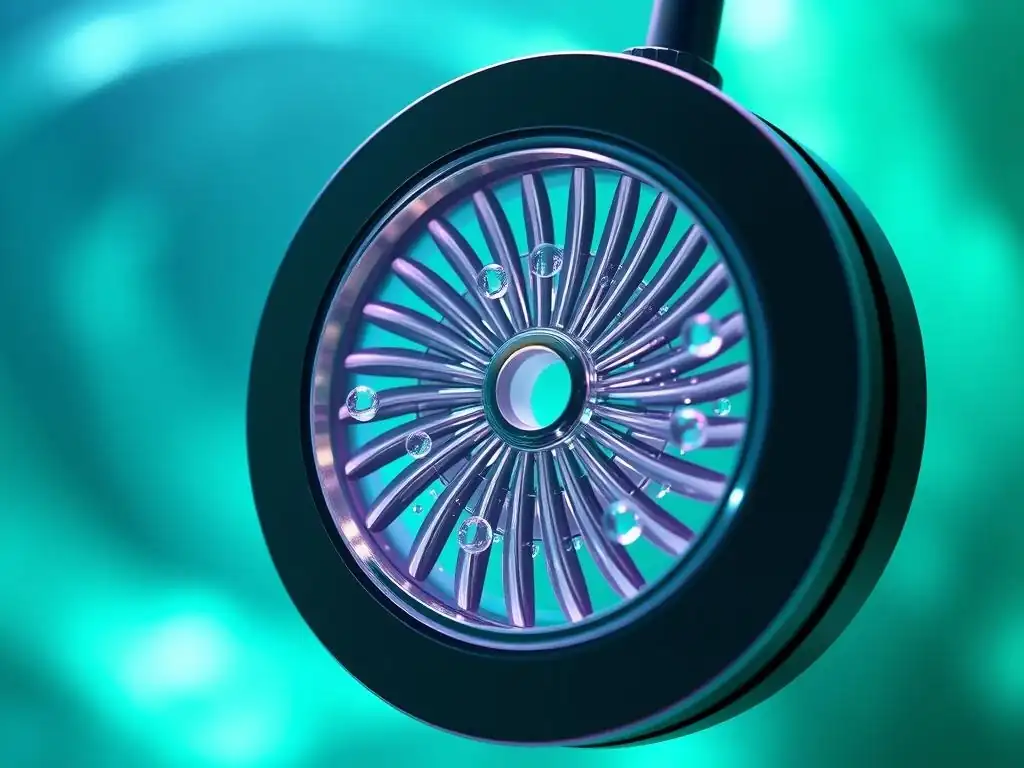
Needle wheel skimmers represent the most prevalent and arguably the most efficient design in modern protein skimming technology. Their core innovation lies in the impeller design, which features numerous fine pins or "needles" arranged radially. As the pump rotates, these pins shred the incoming air and water mixture into an extremely dense and fine cloud of micro-bubbles. This method generates a significantly higher volume of air bubbles compared to traditional venturi or airstone skimmers, drastically increasing the surface area available for dissolved organic compounds to attach to.
The high density and uniform size of the micro-bubbles produced by needle wheel impellers are crucial for superior protein extraction. More bubbles mean more interfaces for organic molecules to bind to, leading to a more effective removal of skimmate. This technology is widely adopted across all types of skimmers—in-sump, HOB, and internal—due to its proven effectiveness in delivering a consistent and rich foam. For instance, a well-designed needle wheel skimmer can produce a foam head that is several inches thick, rapidly collecting dark, concentrated skimmate, indicating efficient organic waste removal from the aquarium water.
Advantages of Needle Wheel Skimmers: Efficient Protein Extraction & Oxygenation
The primary advantage of needle wheel skimmers is their exceptional efficiency in protein extraction. The sheer volume and fine consistency of the bubbles they produce create an unparalleled surface area for organic waste adhesion. This leads to the removal of more dissolved organic compounds from the water column, resulting in clearer water, lower nitrate and phosphate levels, and a healthier aquatic environment. Many aquarists report a noticeable improvement in water clarity and reduced nuisance algae growth after upgrading to a high-quality needle wheel skimmer.
Beyond waste removal, the intense aeration generated by needle wheel pumps also provides significant oxygenation to the aquarium water. The continuous influx of fine air bubbles facilitates robust gas exchange, increasing dissolved oxygen (DO) levels. High DO levels are vital for the respiration of fish, corals, and beneficial aerobic bacteria that process waste.
In a typical reef tank, a needle wheel skimmer can elevate DO levels by 1-2 ppm, contributing to overall system health and stability. This dual benefit of superior waste removal and enhanced oxygenation makes needle wheel skimmers a cornerstone of efficient aquarium skimmer selection for demanding marine systems.
Disadvantages of Needle Wheel Skimmers: Potential for Clogging & Higher Energy Consumption
Despite their high efficiency, needle wheel skimmers do have some drawbacks. One common issue is the potential for the needle wheel impeller to become clogged or fouled over time. Detritus, biofilm, or even small snails can accumulate on the fine pins of the impeller, reducing its ability to shred air effectively and leading to a significant drop in bubble production and overall skimming performance. This necessitates more frequent maintenance and cleaning of the pump impeller compared to simpler pump designs. For example, some users report needing to clean their needle wheel pump every 1-3 months to maintain peak efficiency.
Another consideration is that the pumps used in needle wheel skimmers, especially those designed for larger tanks, often have higher energy consumption compared to simpler venturi-driven units. While many modern skimmers incorporate energy-efficient DC pumps, the power required to generate such a dense and fine bubble stream can still contribute noticeably to electricity bills over time, particularly for larger models running 24/7. Aquarists must weigh the benefits of superior performance against the slightly increased maintenance and operational costs when making their efficient aquarium skimmer selection.
Venturi Skimmers: Simple and Effective Waste Removal
Venturi skimmers utilize a simple yet effective method for air induction, relying on the Venturi effect. In this design, water is forced through a constricted nozzle (the Venturi injector), which creates a localized drop in pressure. This pressure differential draws air into the water flow through a small air intake line, mixing it with the water before it enters the skimmer's reaction chamber. This straightforward mechanism makes Venturi skimmers relatively robust and less prone to the clogging issues that can affect more complex impeller designs.
While they may not produce the same volume or fineness of bubbles as advanced needle wheel skimmers, Venturi skimmers are known for their reliability and consistent performance. They are often found in older skimmer models or in entry-level units due to their simpler construction and lower manufacturing cost. For aquarists seeking a no-frills, dependable skimmer that gets the job done without complex adjustments, a Venturi skimmer can be a perfectly viable option, especially for tanks with moderate bioloads or as a supplementary filtration method.
Advantages of Venturi Skimmers: Reliable Operation & Cost-Effective Option
Venturi skimmers are renowned for their robust and reliable operation. With fewer moving parts and a less intricate air-mixing mechanism compared to needle wheel designs, they are generally less prone to mechanical failures or clogging. This makes them a "set-and-forget" option for many aquarists, requiring less frequent maintenance of the air induction components. Their simplicity often translates into a longer operational lifespan with minimal fuss, providing consistent performance over extended periods.
From a financial perspective, Venturi skimmers are typically a more cost-effective option than their needle wheel counterparts. Their simpler design and manufacturing process result in lower retail prices, making them an attractive choice for budget-conscious aquarists or those new to marine aquariums who want to experience the benefits of protein skimming without a significant initial investment. For instance, a basic Venturi skimmer for a 50-gallon tank might cost 30-50% less than an equivalent needle wheel model, offering a good balance between performance and affordability for efficient aquarium skimmer selection.
Disadvantages of Venturi Skimmers: Limited Performance Compared to Other Types
The primary disadvantage of Venturi skimmers is their generally limited performance compared to more advanced designs like needle wheel skimmers. The Venturi effect typically produces fewer and often larger air bubbles than a needle wheel impeller. This larger bubble size and lower bubble density mean there is less total surface area available for dissolved organic compounds to adhere to. Consequently, Venturi skimmers are less efficient at removing a wide spectrum of organic waste, particularly in heavily stocked tanks or those with high bioloads.
While they can certainly remove some skimmate, the quality and quantity of the skimmate produced by a Venturi skimmer may not match that of a high-performance needle wheel unit. This can lead to a slower reduction in nutrient levels and potentially less pristine water quality over time.
For demanding reef systems housing sensitive corals or a large number of fish, a Venturi skimmer might not provide the aggressive organic removal necessary to maintain optimal parameters. Aquarists with such setups often find themselves needing to perform more frequent water changes or supplement with other filtration methods to compensate for the skimmer's lower efficiency.
Key Factors in Determining Skimmer Efficiency
Aquarium Size and Bioload: Matching Skimmer Capacity to Your Tank
Selecting an efficient aquarium skimmer begins with accurately assessing your aquarium's size and its anticipated bioload. Skimmer manufacturers typically provide a "rated capacity" in gallons, but it's crucial to understand that this rating is often optimistic and based on a lightly stocked, fish-only system.
For a heavily stocked reef tank with numerous corals and fish, or a system with large, messy eaters, you should aim for a skimmer rated for 1.5 to 2 times your actual tank volume. For example, if you have a 100-gallon reef tank with a moderate to heavy bioload, an efficient aquarium skimmer selection would be a model rated for 150-200 gallons.
The bioload refers to the total amount of organic waste produced by the inhabitants of your aquarium. A tank with a few small fish and soft corals will have a significantly lower bioload than a tank densely packed with large fish and nutrient-demanding SPS corals. Under-sizing your skimmer for your bioload will lead to inefficient waste removal, resulting in elevated nitrates and phosphates, cloudy water, and persistent algae issues.
Conversely, over-skimming a very lightly stocked tank can sometimes remove beneficial trace elements too quickly, though this is less common and generally less problematic than under-skimming. Always prioritize a skimmer that can comfortably handle your expected bioload, not just the tank volume.
Pump Performance: Optimizing Water Flow for Effective Skimming
The pump is the heart of any protein skimmer, and its performance is a critical factor in determining overall skimming efficiency. An efficient skimmer pump must be capable of two main tasks: drawing in the correct volume of aquarium water and generating a consistent and optimal flow of air.
Key metrics include the pump's water flow rate (often measured in liters per hour or gallons per hour) and its air intake rate (measured in liters per hour or cubic feet per minute). A high-quality skimmer pump will provide a balanced ratio of air to water, ensuring the creation of a dense, fine bubble mixture.
Modern skimmers often utilize DC (direct current) pumps, which offer several advantages over traditional AC (alternating current) pumps. DC pumps are generally more energy-efficient, consuming less power for the same output, which can lead to noticeable savings on electricity bills over time. For instance, a DC pump might consume 20-30% less energy than an equivalent AC pump.
Furthermore, many DC pumps are controllable, allowing aquarists to adjust the pump speed and, consequently, the air and water flow. This fine-tuning capability is invaluable for optimizing skimmer performance, allowing for adjustments based on the tank's bioload, feeding schedule, or even after adding water supplements that can temporarily affect foam production.
Bubble Production: The Importance of Fine and Consistent Bubbles
The quality and quantity of bubbles produced are arguably the most vital elements for efficient protein skimming. The fundamental principle of foam fractionation relies on the surface area of the bubbles attracting and binding dissolved organic compounds. Therefore, the finer and more consistent the bubbles, the greater the total surface area within the skimmer's reaction chamber, leading to more effective and aggressive waste removal. Ideally, a high-performing skimmer will generate a thick, creamy column of micro-bubbles that are almost uniform in size, resembling a dense white cloud rather than large, sporadic bubbles.
Needle wheel impellers excel at this, shearing air and water into millions of tiny bubbles, typically ranging from 0.1 to 1.0 millimeters in diameter. These ultra-fine bubbles provide significantly more binding sites for proteins and other organics compared to larger bubbles, which have a lower surface area-to-volume ratio. Consistent bubble production ensures a steady flow of organic-laden foam into the collection cup, preventing periods of inefficient skimming. When evaluating an efficient aquarium skimmer selection, observing the bubble column in operation (if possible) or reviewing detailed product demonstrations can provide valuable insight into its bubble-generating capabilities and overall efficiency.
Collection Cup Design: Maximizing Waste Removal and Minimizing Maintenance
The design of the collection cup is a crucial, yet often overlooked, factor in overall skimmer efficiency and user convenience. An optimally designed collection cup should allow for easy removal and cleaning, as regular emptying of skimmate is essential to prevent re-dissolving concentrated waste back into the aquarium water. Cups with wide openings and smooth interior surfaces simplify the process, making it less of a chore. For example, a cup that can be twisted off with a quarter turn is far more convenient than one requiring multiple clamps or tools.
Beyond ease of cleaning, the volume of the collection cup is also important. A larger cup capacity means less frequent emptying, which is particularly beneficial for heavily stocked tanks that produce a lot of skimmate. For a 100-gallon heavily stocked reef, a collection cup that can hold at least 500-750ml of skimmate before needing to be emptied is ideal, allowing for several days of operation.
Furthermore, the neck of the collection cup, where the foam rises and condenses, should be tapered to facilitate the upward movement and concentration of the foam, leading to darker, more concentrated skimmate. Some advanced designs also include a drain fitting on the cup, allowing for connection to an external waste container for even less frequent manual emptying.
Skimmer Placement: Positioning for Optimal Performance
Proper skimmer placement is critical for maximizing its efficiency, particularly for in-sump models. For in-sump skimmers, the ideal placement is in a chamber with a stable and consistent water level. Fluctuations in water level, even by an inch or two, can significantly impact the skimmer's performance by altering the height of the foam column and the air-to-water ratio within the reaction chamber. Many sumps include a dedicated skimmer chamber with baffles to maintain a constant water depth, typically around 8-10 inches, depending on the skimmer's specifications.
The skimmer should also be placed in an area of the sump that receives relatively clean, but not overly turbulent, water. Placing it immediately after the drain line from the display tank might introduce too much micro-bubbles or turbulence, which can hinder foam production. Instead, positioning it after a filter sock or a preliminary baffling system ensures it receives water with fewer large particulates, allowing it to focus on dissolved organics.
For hang-on-back and internal skimmers, ensuring the pump intake is fully submerged and free from obstructions, and that the unit is level, will optimize its performance. Avoid placing skimmers near powerheads or return pumps that create excessive localized turbulence, as this can disrupt bubble formation and reduce efficiency.
Top Efficient Aquarium Skimmer Models: Reviews and Recommendations
The Reef Octopus Regal 250-INT is renowned among advanced aquarists for its high-end performance and robust build quality, making it an excellent choice for large and heavily stocked reef aquariums, typically ranging from 200 to 400 gallons. This in-sump skimmer is engineered to provide aggressive and consistent protein removal, crucial for maintaining pristine water parameters in demanding systems. Its reputation for quiet operation and ease of adjustment further solidifies its position as a top-tier efficient aquarium skimmer selection for serious reef keepers.
Constructed with high-quality cast acrylic, the Regal 250-INT is built for durability and long-term reliability. It is designed to sit directly in the sump, requiring a stable water depth generally between 7 to 9 inches for optimal performance. Users consistently report its ability to pull out dark, concentrated skimmate, indicating highly effective removal of dissolved organic waste. While its premium performance comes with a higher price point, the long-term benefits in terms of water quality and reduced maintenance often justify the investment for dedicated aquarists with large systems.
Features: Refined Cone Body, Adjustable Gate Valve, Sicce Pump
The Reef Octopus Regal 250-INT boasts several key features that contribute to its superior performance. It incorporates a refined cone body design, which is scientifically proven to enhance bubble transition and foam concentration as it rises to the collection cup. This conical shape minimizes turbulence within the reaction chamber, allowing for more efficient adhesion of organic compounds to the air bubbles.
The skimmer also features a precision adjustable gate valve, providing aquarists with granular control over the internal water level and foam production. This allows for fine-tuning the skimmer to produce either "wet" or "dry" skimmate, depending on the tank's specific needs and bioload.
At its core, the Regal 250-INT is powered by a high-quality, custom-modified Sicce Syncra pump, a well-regarded name in aquarium pump technology. This pump is specifically designed for protein skimmer applications, delivering a powerful yet energy-efficient combination of water and air flow. For instance, the Sicce pump in this model typically pulls in around 2,000-2,500 liters of air per hour, ensuring a dense and consistent bubble stream for optimal protein extraction. The combination of these features results in a highly effective and stable skimming operation.
Benefits: High Waste Removal, Quiet Operation, Easy Fine-Tuning
The benefits of the Reef Octopus Regal 250-INT are manifold, making it a standout choice for efficient aquarium skimmer selection. Its primary advantage is its exceptionally high waste removal capacity. Thanks to its optimized cone body and powerful Sicce pump, it consistently extracts a significant amount of dissolved organic compounds, visibly improving water clarity and helping to maintain ultra-low nitrate and phosphate levels crucial for sensitive corals. Many users report a substantial reduction in nuisance algae and a noticeable improvement in coral health and coloration after implementing this skimmer.
Another significant benefit is its quiet operation. Despite its powerful pump, the Regal 250-INT is known for running silently, a crucial factor for aquariums located in living areas. This is attributed to its high-quality construction, robust pump, and effective vibration dampening. Finally, the adjustable gate valve and the stable performance of the Sicce pump allow for incredibly easy and precise fine-tuning. Aquarists can quickly dial in the desired skimmate consistency without constant adjustments, ensuring consistent and optimal performance with minimal effort. This combination of powerful filtration, quiet operation, and user-friendly adjustments provides excellent value for large-scale reef systems.
Bubble Magus Curve 7 Protein Skimmer: Reliable and Efficient for Medium-Sized Aquariums
The Bubble Magus Curve 7 is a highly popular and widely recommended in-sump protein skimmer, particularly favored for medium-sized marine and reef aquariums, typically ranging from 100 to 200 gallons. It has earned its reputation for delivering consistent and reliable performance at a more accessible price point compared to some ultra-premium models. The Curve 7 is often cited as an excellent balance between cost, efficiency, and ease of use, making it a strong contender for aquarists seeking an efficient aquarium skimmer selection without breaking the bank.
Its distinctive "wine bottle" cone shape is a hallmark of its design, optimized to facilitate the natural rise and concentration of foam. This skimmer is known for its ability to produce a substantial amount of dark, nutrient-rich skimmate, indicating effective removal of organic pollutants. It operates best in a sump with a stable water depth of approximately 9.5 to 11 inches. The Bubble Magus Curve 7 is a workhorse that consistently performs, contributing significantly to water quality and overall tank health in moderately to heavily stocked systems.
Features: Bubble Plate, Cone Body, Efficient Water Usage
The Bubble Magus Curve 7 incorporates several design elements aimed at maximizing skimming efficiency. A key feature is its innovative bubble plate, strategically positioned at the base of the skimmer's reaction chamber. This plate disperses the incoming air-water mixture evenly, ensuring that the micro-bubbles are distributed uniformly across the entire cross-section of the skimmer body. This even distribution prevents channeling and maximizes contact time between the bubbles and the dissolved organic compounds, leading to more efficient waste extraction.
The skimmer also utilizes a classic cone-shaped body, which is highly effective at guiding the protein-laden foam upwards and concentrating it as it approaches the collection cup. This design minimizes turbulence and promotes laminar flow, allowing for the stable formation of a dense foam head. Powering the Curve 7 is a custom-designed Rock SP1000 needle wheel pump, known for its robust performance and ability to generate a fine, consistent bubble stream while maintaining relatively efficient water usage. This pump typically pulls in around 500-600 liters of air per hour, a respectable volume for its rated capacity.
Benefits: Consistent Performance, User-Friendly Design, Value for Money
The Bubble Magus Curve 7 delivers consistent and reliable performance, which is a major benefit for aquarists. Once properly tuned, it tends to maintain stable skimmate production without requiring frequent adjustments, making it a dependable component of the filtration system. Users often commend its ability to pull out noticeably dark skimmate day after day, confirming its effectiveness in removing organic waste. This consistency reduces the burden of nutrient management and contributes to a more stable and healthy aquarium environment.
Another significant advantage is its user-friendly design. The collection cup is easy to remove and clean, featuring a simple twist-off mechanism. The skimmer also generally has a small footprint for its capacity, fitting well into various sump configurations. Perhaps its most compelling benefit is the exceptional value for money it offers. Priced typically in the $250-$350 range, the Curve 7 delivers performance comparable to skimmers costing significantly more. This combination of consistent efficiency, ease of maintenance, and competitive pricing makes it an excellent and popular choice for aquarists seeking an efficient aquarium skimmer selection for medium-sized marine setups.
Red Sea ReefWave 300 Protein Skimmer: Advanced Technology for Optimized Skimming
The Red Sea ReefWave 300 represents a leap in protein skimmer technology, integrating smart control features and advanced design for optimized performance in medium to large reef aquariums, typically suitable for tanks from 150 to 300 gallons. Part of Red Sea's comprehensive Reefer and Red Sea MAX systems, this skimmer is designed to offer exceptional efficiency and user convenience through smart automation and real-time monitoring. It caters to aquarists who appreciate cutting-edge technology and desire precise control over their filtration.
The ReefWave 300 is an in-sump model that focuses on energy efficiency and quiet operation, utilizing a high-performance DC pump. Its intelligent design aims to provide a consistent and effective skimming process, adapting to the dynamic needs of a thriving reef environment. While it commands a premium price, its advanced features and integration into the Red Sea ecosystem appeal to those looking for a sophisticated and highly controllable protein skimmer solution.
Features: Smart Skimming Control, Integrated Sensors, Quiet DC Pump
The Red Sea ReefWave 300 is packed with advanced features that set it apart. Its most prominent is the "Smart Skimming Control," which allows aquarists to manage and fine-tune the skimmer's performance via Red Sea's ReefBeat app. This app provides detailed control over pump speed, operational modes (e.g., quiet mode, feeding pause), and even maintenance reminders. The skimmer also incorporates integrated sensors that monitor critical parameters, such as water level, to help prevent overflowing and ensure consistent operation.
Powering the ReefWave 300 is a high-quality, quiet DC pump, specifically designed to be energy-efficient while delivering optimal air and water flow. This DC pump not only allows for precise speed control but also contributes significantly to the skimmer's remarkably quiet operation, making it suitable for living spaces where noise is a concern. The skimmer also features a unique "diffusion chamber" that evenly distributes fine bubbles throughout the reaction chamber, maximizing contact time and enhancing protein extraction efficiency.
Benefits: Automated Adjustments, Real-Time Monitoring, Energy Efficiency
The Red Sea ReefWave 300 offers substantial benefits, particularly for tech-savvy aquarists. The automated adjustments via the ReefBeat app provide unprecedented control and convenience. Users can easily adjust skimmer intensity, set feeding pauses, and even schedule maintenance routines from their smartphone, eliminating the need for manual adjustments at the skimmer itself. This smart control allows the skimmer to adapt seamlessly to changes in bioload or water parameters, ensuring consistent optimal performance.
Real-time monitoring capabilities, provided by the integrated sensors, give aquarists immediate feedback on the skimmer's status and any potential issues, such as overflowing. This proactive notification system helps prevent common skimmer problems before they become significant. Furthermore, the efficient DC pump and optimized design contribute to significant energy efficiency, reducing operational costs over time compared to older AC pump models. This combination of smart control, monitoring, and energy savings makes the Red Sea ReefWave 300 an incredibly advanced and efficient aquarium skimmer selection for modern reef systems.
AquaMaxx Q-2 Protein Skimmer: Compact and Powerful for Nano and Small Reef Tanks
The AquaMaxx Q-2 Protein Skimmer is specifically designed for nano and smaller reef aquariums, typically ranging from 20 to 60 gallons. It is an in-sump model that manages to pack substantial skimming power into a remarkably compact footprint, making it an ideal choice for sumps with limited space or for aquarists running all-in-one (AIO) tanks with dedicated skimmer chambers. The Q-2 is highly regarded for its ability to produce a strong, consistent skimmate, often outperforming larger skimmers in its class, cementing its reputation as an excellent efficient aquarium skimmer selection for smaller setups.
Despite its small stature, the AquaMaxx Q-2 is built with quality materials and features a robust design that ensures reliable operation. It typically requires a stable water depth of approximately 6.5 to 8 inches in the sump for optimal performance. Its popularity stems from its effective waste removal capabilities in smaller volumes, which are often more susceptible to rapid nutrient fluctuations due to their limited water volume. This skimmer provides the critical protein extraction needed to maintain a pristine and stable environment for delicate nano reef inhabitants.
Features: Small Footprint, High Bubble Production, Easy to Clean
The AquaMaxx Q-2 Protein Skimmer is designed with a very small footprint, typically measuring only about 4.5 inches by 4.5 inches at its base. This compact size allows it to fit into tight sump compartments or the rear chambers of many popular all-in-one nano aquariums where larger skimmers simply wouldn't fit. Its small size, however, belies its powerful performance, which is largely attributed to its efficient pump and precise design.
At its core, the Q-2 utilizes a custom-designed needle wheel pump that excels at producing a high volume of very fine, consistent bubbles. This superior bubble production is crucial for maximizing the surface area available for dissolved organic compounds to adhere to, leading to impressive skimmate collection for its size. For instance, this compact pump can generate approximately 150-200 liters of air per hour, a significant amount for a skimmer of this scale. Additionally, the skimmer features a simple, easy-to-remove collection cup and a straightforward design that simplifies maintenance and cleaning, ensuring consistent long-term performance.
Benefits: Effective Filtration in Limited Space, Simple Operation, Affordable
The AquaMaxx Q-2 offers several compelling benefits for nano and small reef tank enthusiasts. Its most significant advantage is its ability to provide highly effective filtration in extremely limited spaces. For aquarists with compact sumps or AIO tanks, the Q-2 often represents one of the few truly efficient skimming options available. It ensures that even small volumes of water receive the critical protein removal necessary to prevent nutrient buildup and maintain water quality.
Beyond its space-saving design, the Q-2 is also known for its simple and straightforward operation. Once installed and initially adjusted, it typically runs consistently without requiring constant tinkering, making it ideal for both beginners and experienced aquarists who prefer a "set-and-forget" approach to their equipment. Finally, the AquaMaxx Q-2 is generally more affordable than larger, high-capacity skimmers, often priced in the $150-$200 range. This combination of powerful performance for its size, ease of use, and reasonable cost makes it an excellent and accessible choice for efficient aquarium skimmer selection in nano and smaller reef systems.
Troubleshooting Common Skimmer Problems
Skimmer Not Producing Skimmate: Identifying and Resolving the Issue
If your protein skimmer is not producing skimmate, or is producing very little, it indicates a problem with its efficiency. The first step is to check the water level in the skimmer's chamber (for in-sump models). If the water level is too low, the foam column cannot properly form and rise into the collection cup. Adjust the skimmer's gate valve or raise the skimmer on a stand to achieve the manufacturer's recommended water depth, typically within a 0.5-inch tolerance. For HOB or internal skimmers, ensure the tank's water level is consistent and within their operating range.
Next, inspect the air intake line and the pump's air silencer. Blockages from salt creep, dust, or debris can restrict air flow, significantly reducing bubble production. Clean the air line with a pipe cleaner and ensure the silencer is clear.
Also, check the pump's impeller for any obstructions or buildup; even small pieces of detritus or a loose magnet can impair its ability to generate fine bubbles. A thorough cleaning of the pump, typically every 3-6 months, can restore performance. Lastly, consider the tank's organic load; a very clean tank with low bioload might naturally produce less skimmate, as there are fewer organics to remove.
Skimmer Overflowing: Preventing and Managing Excessive Foam Production
An overflowing skimmer, where the collection cup rapidly fills with clear or very light skimmate, is a common issue that can quickly dilute your skimmate and even flood your sump. The most frequent cause is a sudden drop in water surface tension, often triggered by additives. Dosing certain supplements like amino acids, coral foods, or even some trace elements can temporarily reduce water surface tension, causing the skimmer to go into overdrive. If this occurs, reduce the skimmer's air intake or lower the internal water level (via the gate valve) until the overflow subsides, then slowly readjust.
Another common culprit is recent large water changes, especially if the new saltwater mix has residual surfactants or if the fresh RO/DI water contains impurities. Allow the tank to stabilize for 12-24 hours after a water change before expecting normal skimmer operation. Physical disturbances, such as a large hand in the tank during maintenance or introducing new rocks, can also release trapped organics, leading to a temporary overflow.
Ensure the skimmer is sitting level and stably; any tilting can cause uneven foam rise and overflowing. Persistent overflowing might also indicate an undersized skimmer for your bioload, where it's constantly overwhelmed.
Skimmer Making Too Much Noise: Quieting Down Your Skimmer for a Peaceful Aquarium
Excessive noise from a protein skimmer can be a significant annoyance in an otherwise peaceful aquarium setup. The first area to investigate is the pump itself. Vibrations can be transmitted through the skimmer body to the sump or aquarium glass. Ensure the skimmer is sitting on a level surface and consider placing it on a foam mat or rubber feet specifically designed to absorb vibrations. Many modern skimmers come with rubber feet, but adding an extra layer can often help.
Next, check the pump's impeller. A buildup of detritus, salt creep, or even a foreign object (like a tiny snail) can cause the impeller to become unbalanced and vibrate excessively, leading to a loud humming or rattling sound. Disassemble and thoroughly clean the impeller and its chamber. Also, inspect the air intake line and silencer; a partially clogged air line can cause the pump to work harder and make more noise.
Ensure the air silencer is clean and properly seated. If the skimmer is drawing air from a confined space, a muffled sound can also occur. Sometimes, simply adjusting the skimmer's water level or air intake slightly can reduce sympathetic vibrations and quiet the unit down.
Skimmer Efficiency Declining: Maintaining Optimal Performance Over Time
Over time, even the most efficient aquarium skimmer can experience a decline in performance if not properly maintained. The most common reason for reduced efficiency is the buildup of biofilm and detritus inside the skimmer body, on the collection cup neck, and within the pump. A slimy film on the skimmer's neck prevents foam from rising smoothly, leading to a "lazy" skimmate that doesn't reach the collection cup. Regular cleaning of the collection cup (daily to weekly) and wiping the skimmer neck (every few days) is crucial.
Beyond the collection cup, a full breakdown and cleaning of the skimmer body and pump are necessary every 3-6 months, depending on your tank's bioload. This involves soaking the components in a vinegar or citric acid solution to dissolve stubborn salt creep and organic buildup. Ensure the air intake line and silencer are also thoroughly cleaned during this process.
Furthermore, ensure the water level in the sump remains consistent; evaporation can lower the water level, affecting skimmer performance. Finally, check for any wear and tear on the pump's impeller or ceramic shaft, as damaged components can significantly reduce air intake and bubble production, necessitating replacement.
Maximizing Skimmer Efficiency: Tips and Tricks for a Pristine Aquarium
Regular Cleaning and Maintenance: Keeping Your Skimmer in Top Condition
Regular cleaning and maintenance are paramount to ensuring your protein skimmer operates at peak efficiency and continues to pull out maximum organic waste. The collection cup should be emptied and rinsed daily or every few days, depending on your tank's bioload and how quickly it fills. This prevents the concentrated skimmate from breaking down and re-dissolving back into the aquarium water, which would negate the skimmer's purpose. For example, a heavily stocked reef tank might produce 50-100ml of dark skimmate daily, necessitating frequent emptying.
Beyond the collection cup, the skimmer's neck, where the foam rises, should be wiped clean at least once a week. A slimy biofilm accumulates here, hindering the smooth ascent of the foam and reducing overall efficiency. A simple paper towel or sponge can effectively remove this.
Every 1-3 months, a more thorough cleaning of the entire skimmer body, pump, and impeller is recommended. Disassemble the unit and soak the components in a 50/50 mix of white vinegar and RO/DI water for several hours to dissolve stubborn salt creep and organic deposits. This systematic approach ensures consistent and effective protein extraction, contributing significantly to your overall efficient aquarium skimmer selection.
Adjusting Water Level: Optimizing Foam Production for Efficient Skimming
Maintaining the correct and consistent water level within the skimmer's operating chamber is critical for optimizing foam production and overall efficiency. For in-sump skimmers, manufacturers specify an ideal operating water depth, often ranging from 7 to 11 inches. Deviations from this range, even by an inch, can significantly impact the skimmer's performance. If the water level is too high, the skimmer will produce a very "wet" skimmate (clear, watery), indicating that the foam is not properly concentrating. If it's too low, the skimmer might produce very little or no skimmate, as the foam column cannot reach the collection cup.
Regularly check the water level in your sump and use an auto top-off (ATO) system to prevent daily fluctuations due to evaporation. An ATO system maintains a stable water level, which in turn ensures the skimmer operates at its most efficient setting without constant manual adjustments. For skimmers with adjustable gate valves, fine-tune the internal water level to achieve your desired skimmate consistency – typically a darker, tea-colored liquid indicates efficient organic removal. Observing the foam head and making small, incremental adjustments over a few days will help dial in the optimal setting for your specific tank's bioload.
Using Skimmer Supplements: Enhancing Protein Removal and Water Clarity
While protein skimmers are highly effective on their own, certain practices and supplements can indirectly enhance their performance or improve overall water clarity. For instance, carbon dosing methods, such as using vinegar, vodka, or bio-pellets, promote the growth of beneficial bacteria that consume nitrates and phosphates. As these bacteria proliferate and consume dissolved organic compounds, they themselves become a source of easily skimmable material, thereby increasing the skimmer's output of dark skimmate. This is an indirect but powerful way to boost the skimmer's effectiveness.
Conversely, be aware that certain additives can temporarily inhibit skimmer performance. Products containing oils, fats, or certain types of coral foods can reduce the water's surface tension, causing the skimmer to over-skim or produce excessive, watery foam. If you notice your skimmer overflowing after dosing, reduce its air intake or temporarily raise the skimmer until the effect passes.
Activated carbon can also be used in conjunction with a skimmer to remove yellowing compounds and further polish the water, creating a synergistic effect for crystal-clear water. While not directly "skimmer supplements," these practices contribute to an environment where the skimmer can perform at its peak.
Matching Skimmer to Stocking Levels: Avoiding Over-Skimming and Nutrient Depletion
Properly matching your efficient aquarium skimmer selection to your tank's actual and anticipated stocking levels is crucial for long-term success. While it's generally recommended to "oversize" a skimmer for a marine or reef tank to handle potential increases in bioload, there is a theoretical point of "over-skimming" in very lightly stocked systems. In a tank with minimal fish and corals, an aggressively oversized skimmer might remove beneficial trace elements and even some beneficial bacteria too rapidly, potentially leading to nutrient depletion and issues with coral health.
Conversely, and far more commonly, an undersized skimmer for a heavily stocked tank will struggle to keep up with the organic waste production. This leads to perpetually elevated nitrate and phosphate levels, fostering nuisance algae growth (e.g., hair algae, cyanobacteria) and stressing sensitive corals.
For example, a 75-gallon reef tank with a dense population of SPS corals and multiple tangs will require a skimmer rated for at least 120-150 gallons to effectively manage the high bioload. Regularly assess your tank's inhabitants and feeding habits, and if you plan to increase your bioload significantly, consider upgrading your skimmer to maintain optimal water quality and ensure a thriving ecosystem.
Conclusion: Investing in Efficient Aquarium Skimmer Selection for a Thriving Ecosystem
The journey to a successful and pristine marine or reef aquarium is multifaceted, but investing in efficient aquarium skimmer selection stands out as one of the most impactful decisions an aquarist can make. Protein skimmers are the frontline defense against dissolved organic pollutants, tirelessly working to remove waste before it can degrade into harmful nitrates and phosphates. This proactive approach not only results in crystal-clear water but also fosters a stable aquatic environment, crucial for the delicate balance required by sensitive fish and vibrant corals.
From the robust powerhouses of in-sump models like the Reef Octopus Regal 250-INT to the convenient versatility of HOB units such as the Bubble Magus Curve 7, and the compact efficiency of the AquaMaxx Q-2 for nano tanks, there is an ideal skimmer for nearly every setup. Understanding the science behind their operation, the nuances of different types, and the key factors influencing their efficiency — such as pump performance, bubble production, and proper placement — empowers aquarists to make an informed choice.
Regular maintenance and careful adjustments further ensure these vital pieces of equipment perform at their peak. Ultimately, a well-chosen and diligently maintained protein skimmer is not merely a piece of equipment; it is a cornerstone of a thriving, healthy, and visually stunning aquatic ecosystem, safeguarding your investment and providing endless enjoyment.
Frequently Asked Questions
What is an aquarium skimmer and why is it important?
An aquarium skimmer, also known as a protein skimmer, is a filtration device that removes organic waste before it decomposes. This helps maintain water quality and prevents the build-up of harmful substances like nitrates.
How does an aquarium skimmer work?
Skimmers create tiny air bubbles that attract organic molecules. These molecules adhere to the bubbles, which rise to the top and form a protein-rich foam that is collected in a cup for disposal, effectively removing waste.
What factors should I consider when choosing an aquarium skimmer?
Tank size is crucial – select a skimmer rated for your aquarium's volume. Consider the bioload, with heavily stocked tanks needing more powerful skimmers. Also, research different skimmer types like in-sump or hang-on.
What are the different types of aquarium skimmers available?
Common types include in-sump skimmers, which are placed in a sump below the main tank, and hang-on skimmers, which attach to the back of the tank. Choosing the right type depends on space and setup.
How often should I clean my aquarium skimmer?
The collection cup should be cleaned regularly, typically every few days to weekly, depending on the amount of waste collected. This ensures optimal performance and prevents overflow.
The quest for a pristine aquarium environment is an ongoing endeavor, and as we've explored, efficient aquarium skimmer selection is paramount to achieving this goal. The technologies and models available are constantly evolving, reflecting a growing understanding of aquatic ecosystems and the delicate balance required to maintain them. Understanding these advancements is no longer a luxury, but a necessity for responsible aquarium keeping in today's world.
This journey into skimmer technology has highlighted the profound impact these devices have on the health and vitality of our aquatic companions. The ability to effectively remove organic waste before it breaks down is not just about aesthetics; it's about creating a thriving, sustainable environment for the creatures we cherish. The best way to predict the future is to create it.
- Peter Drucker. This quote resonates deeply, reminding us that our choices in aquarium technology directly shape the future of our underwater worlds.
Now, armed with this knowledge, I encourage you to reflect on your own aquarium setup and the role your skimmer plays within it. Consider the specific needs of your inhabitants and the long-term benefits of investing in an efficient and well-suited model. Let this guide serve as a springboard for informed decision-making, empowering you to cultivate a vibrant and flourishing aquatic ecosystem for years to come.
Unlock Pristine Waters: Dive Deeper into Skimmer Mastery!
Thanks for exploring the world of aquarium skimmers with us! We hope you've gained valuable insights into choosing the perfect model to keep your underwater ecosystem thriving. Now, it's time to take action and elevate your aquarium game.
Here's what you can do next:
- Research specific skimmer models based on the tips from this guide to find the ideal fit for your aquarium's size and bioload.
- Share this article with fellow aquarium enthusiasts to spread the word about effective skimmer technology.
- Surprise your aquarium by testing its water parameters and using a more efficient skimmer model!
Ready to transform your aquarium into a crystal-clear paradise? What water parameters do you plan to monitor first to assess your skimmer's effectiveness?