
Beyond Brightness: A Buyer's Guide to Programmable Aquarium LED Systems

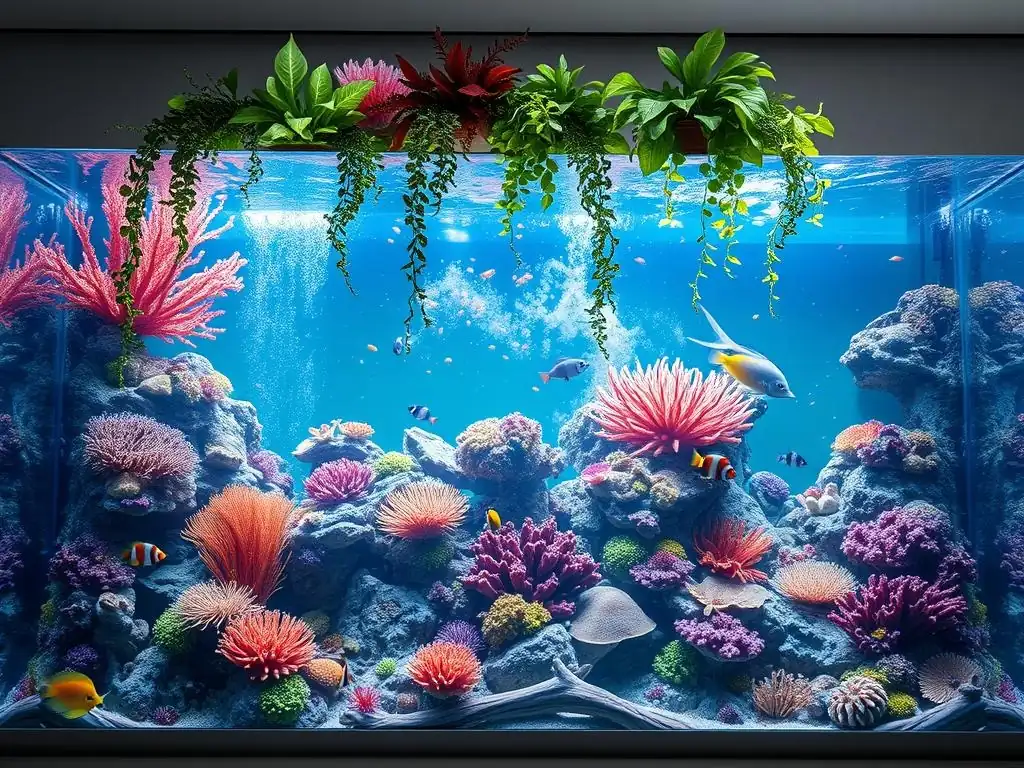
Welcome to Aquarium Mastery!
Ready to take your aquarium lighting to the next level? Imagine controlling the sunrise and sunset in your tank, creating a truly dynamic and thriving ecosystem. Dive into our comprehensive Programmable Aquarium LED System Review and discover how these innovative lights can revolutionize your aquatic world. Intrigued? Let's illuminate the possibilities!
- Understanding Programmable Aquarium LED Lighting Systems
- Key Features to Consider When Choosing a Programmable Aquarium LED System
- Programmable Aquarium LED System Review: Top Picks for 2024
- Setting Up and Programming Your New Aquarium LED System
- Troubleshooting Common Issues with Programmable Aquarium LEDs
- Maximizing Plant Growth and Coral Color with Programmable LEDs
- Conclusion: Investing in a Programmable Aquarium LED System for a Thriving Aquarium
-
Frequently Asked Questions
- What are the main benefits of using a programmable aquarium LED system?
- How do I choose the right size and wattage of LED system for my aquarium?
- What is the importance of color spectrum control in a programmable LED system?
- Can a programmable LED system help prevent algae growth in my aquarium?
- Where can I find detailed reviews and comparisons of different programmable aquarium LED systems?
- Final Reflection: Illuminating the Future of Aquatic Life
- Illuminate Your Aquarium's Potential!
Understanding Programmable Aquarium LED Lighting Systems
What are Programmable Aquarium LEDs and Why Do You Need One?
Programmable aquarium LED systems represent the pinnacle of modern aquarium lighting technology, offering aquarists unprecedented control over their tank's illumination. Unlike traditional fluorescent or metal halide lights that typically offer only on/off functionality or a fixed spectrum, programmable LEDs allow users to precisely adjust light intensity, color spectrum, and photoperiod throughout the day. This advanced capability mimics natural light cycles, providing a dynamic environment that closely replicates the sun's journey from dawn to dusk, crucial for the well-being of aquatic life.
The necessity for a programmable aquarium LED system arises from the complex lighting requirements of diverse aquatic ecosystems. For instance, photosynthetic plants and corals have specific needs for certain wavelengths and light intensities to thrive, and these needs often change throughout their life cycle. A programmable LED system facilitates optimal growth by delivering tailored light, reducing the stress on inhabitants from abrupt light changes, and allowing for hands-off automation of daily routines. This investment ensures a healthier, more vibrant aquatic display with minimal manual intervention, making it a cornerstone of any high-tech aquarium setup.
The Benefits of Using a Programmable LED System for Your Aquarium
-
Improved Plant Growth and Coral Health
Programmable aquarium LED systems provide the precise spectral control essential for robust plant growth and vibrant coral health. For freshwater planted tanks, specific wavelengths like deep red (around 660 nm) and blue (around 450 nm) are vital for chlorophyll absorption, directly fueling photosynthesis and promoting lush foliage.
In a reef environment, the symbiotic zooxanthellae within corals primarily rely on blue light (400-500 nm) for their photosynthetic processes, which in turn provides energy for the coral host. By fine-tuning these specific channels, aquarists can achieve optimal Photosynthetically Active Radiation (PAR) levels, preventing light deficiencies or excesses that can stunt growth or lead to bleaching.
For example, a low-light planted tank might require PAR levels of 20-40 µmol/m²/s at the substrate, while a demanding SPS coral reef tank could necessitate 250-450 µmol/m²/s at the coral tips. A programmable aquarium LED system allows for the precise delivery of these varied PAR levels across different zones of the tank, ensuring every inhabitant receives its ideal light dose. This granular control over intensity and spectrum directly translates into faster growth rates for plants and more vibrant coloration and calcification for corals, making a noticeable difference in the overall vitality of the aquatic ecosystem.
-
Realistic Sunrise and Sunset Simulation
One of the standout features of a programmable aquarium LED system is its ability to simulate natural sunrise and sunset cycles. Instead of an abrupt "on" or "off" switch, these systems gradually increase light intensity and shift spectrum over a set period, typically 30 to 90 minutes. This slow transition mimics the natural progression of light in aquatic environments, significantly reducing stress on fish and invertebrates. Sudden changes in light can startle fish, leading to erratic behavior and potentially impacting their long-term health.
Beyond stress reduction, realistic sunrise and sunset simulations encourage more natural behaviors in tank inhabitants, such as schooling, feeding, and even breeding cycles. For instance, many fish species exhibit more relaxed and natural nocturnal behaviors when not subjected to sudden darkness. This gradual transition also allows the human eye to adjust, enhancing the aesthetic enjoyment of the aquarium as it slowly comes to life in the morning and gracefully fades into the night.
-
Customizable Light Spectrum for Optimal Color Rendition
A key advantage of a programmable aquarium LED system is its capacity for extensive light spectrum customization. Modern programmable LEDs typically feature multiple channels of individually controllable colors, including cool white, warm white, royal blue, deep blue, red, green, and sometimes even UV or far-red.
This allows aquarists to tailor the light output not only for biological needs but also to visually enhance the colors of their fish, plants, and corals. For instance, increasing blue channels can make marine fish and corals "pop" with vibrant fluorescence, while a balanced blend of red and green can bring out the lush greens and subtle reds in freshwater plants.
The ability to adjust the spectrum also plays a crucial role in replicating specific natural habitats. A freshwater setup might aim for a color temperature around 6500K-8000K, similar to midday sun, to best support plant growth and natural fish coloration. In contrast, a marine reef tank often benefits from a cooler spectrum, ranging from 10,000K to 20,000K, which is rich in blue light to promote coral health and mimic deeper ocean conditions. This flexibility ensures that the aesthetic appeal of the aquarium is maximized while simultaneously providing the precise light requirements for all inhabitants.
-
Reduced Algae Growth Through Spectral Control
While light is essential for photosynthetic life, an imbalanced or excessive photoperiod from non-programmable lights can often fuel nuisance algae blooms. A programmable aquarium LED system offers a significant advantage in this regard by allowing precise control over both intensity and spectrum, which can be critical in managing algae. By limiting the wavelengths that primarily benefit undesirable algae (often specific green and yellow ranges) and ensuring that the light is optimally absorbed by desired plants or corals, aquarists can create a more competitive environment in the tank.
Furthermore, the ability to set a consistent and appropriate photoperiod (e.g., 8-10 hours for most planted tanks or reefs) and to gradually ramp light up and down helps prevent the sudden spikes in light availability that can trigger algae growth. If an algae outbreak occurs, the programmable system allows for a targeted reduction in overall intensity or a slight shift in spectrum to starve the algae, without necessarily depriving the main inhabitants of essential light. This fine-tuning capability is a powerful tool in maintaining a clean and clear aquarium.
-
Energy Efficiency and Long Lifespan
Programmable aquarium LED systems are renowned for their superior energy efficiency compared to traditional lighting methods like fluorescent tubes or metal halide lamps. LEDs typically consume 50% to 70% less electricity to produce comparable light output. For example, replacing a 250-watt metal halide fixture with a 100-watt programmable LED system can lead to significant monthly savings on electricity bills, potentially hundreds of dollars annually depending on usage and local energy costs.
Beyond energy savings, LEDs boast an exceptionally long operational lifespan, often exceeding 50,000 hours. This translates to over 5 years of continuous use before experiencing significant lumen depreciation, whereas fluorescent bulbs typically need replacement every 6-12 months and metal halides every 1-2 years. The extended lifespan of a programmable aquarium LED system reduces the frequency and cost of bulb replacements, making it a more environmentally friendly and economically sound long-term investment for any aquarist.
Key Features to Consider When Choosing a Programmable Aquarium LED System
Light Spectrum and Color Control: The Foundation of a Great LED
-
Full Spectrum vs. Specific Wavelength Control: Which is Right for You?
When evaluating a programmable aquarium LED system, understanding its spectral capabilities is paramount. "Full spectrum" LEDs aim to provide a broad range of wavelengths from ultraviolet (UV) to infrared (IR), typically covering 380nm to 780nm. These systems are often a good starting point for mixed freshwater tanks or less demanding reef setups, offering a balanced light profile that supports general plant and coral health while appearing visually pleasing. They simplify the process by providing a comprehensive light blend without requiring deep knowledge of specific wavelength needs.
In contrast, systems with "specific wavelength control" offer individual channels for distinct colors, such as deep blue (450nm), royal blue (470nm), cool white (6500K), red (660nm), and green (520nm). This granular control is essential for advanced planted tanks and high-end reef systems, allowing aquarists to precisely dial in the exact wavelengths and intensities required by specific photosynthetic pigments in plants and corals. While more complex to program, this precision can lead to optimized growth rates, enhanced coloration, and the ability to target specific biological processes, making it the preferred choice for those seeking maximum control and performance.
-
Understanding PAR (Photosynthetically Active Radiation) and PUR (Photosynthetically Usable Radiation)
When selecting a programmable aquarium LED system, aquarists frequently encounter the terms PAR and PUR, both crucial for assessing light quality. PAR, or Photosynthetically Active Radiation, measures the total amount of light within the 400-700 nanometer range that is available for photosynthesis. It provides a general indication of light intensity for plants and corals.
For example, a low-light planted tank might require 20-40 PAR at the substrate, while a high-light SPS reef tank could demand 250-450+ PAR at the coral tips to ensure robust growth and coloration. Manufacturers often provide PAR maps or values for their fixtures, which are vital for matching the light to your specific tank's needs.
PUR, or Photosynthetically Usable Radiation, is a more refined concept that focuses on the specific wavelengths actually absorbed and utilized by photosynthetic organisms' pigments, such as chlorophyll and phycoerythrin. While PAR measures the total light available, PUR considers the efficiency of light absorption. For instance, plants primarily absorb red and blue light, reflecting much of the green.
A programmable aquarium LED system that can be tuned to deliver high PUR by concentrating light in these peak absorption wavelengths (e.g., 450nm blue and 660nm red) will be more efficient at promoting growth than a light with high PAR but a less optimal spectrum. Although PUR is harder to measure directly without specialized equipment, understanding its principle helps in selecting lights with strong red and blue channels.
-
The Importance of Red, Blue, and Green Channels for Plant and Coral Health
The individual control over red, blue, and green channels in a programmable aquarium LED system is fundamental to optimizing light for both plant and coral health. Red light, particularly in the 620-700nm range (with a peak around 660nm deep red), is crucial for plant photosynthesis, chlorophyll production, stem elongation, and flowering. For corals, while less dominant than blue, some red light can support certain symbiotic algae and enhance specific coral pigments, contributing to a broader and more natural appearance.
Blue light, especially royal blue (450-470nm), is arguably the most vital spectrum for marine aquariums, as it penetrates water most effectively and is the primary energy source for zooxanthellae, the symbiotic algae living within corals. In freshwater, blue light contributes to compact plant growth and photoperiodic responses. Green light (500-600nm), while absorbed less efficiently by chlorophyll and zooxanthellae, is essential for overall visual balance, making the tank appear brighter and more natural to the human eye. It also reflects off plant leaves and coral tissue, helping to illuminate shaded areas and enhance the overall color rendition of the aquarium.
-
Spectrum Analysis Example
A high-quality programmable aquarium LED system designed for a demanding reef tank might feature dedicated channels for deep blue (450nm), royal blue (470nm), cool white (10,000K-14,000K), red (660nm), green (520nm), and even UV (380-420nm) or violet (400-420nm). Each of these channels can be independently adjusted from 0% to 100% intensity, allowing for thousands of unique spectral combinations. For instance, a reef aquarist might set blue channels at 80-100% intensity during peak hours, white at 20-40%, and red/green at 5-10% to foster strong coral growth and vibrant fluorescence, mimicking the blue-rich light found in deeper ocean waters.
Conversely, a planted freshwater tank might utilize a programmable aquarium LED system with strong white (6500K-8000K), red (660nm), and green (520nm) channels. A typical setting might involve white at 70-80%, red at 40-50%, and blue at 20-30% during the peak photoperiod. This balance promotes lush green foliage, encourages red coloration in specific plant species, and provides ample light for photosynthesis. The ability to fine-tune these channels allows aquarists to optimize for specific plant demands, such as increasing red to encourage flowering or stem growth, or slightly reducing it to control certain types of algae.
Programmability and Control Options: Fine-Tuning Your Lighting
-
Built-in Timers vs. External Controllers: Weighing the Options
When considering a programmable aquarium LED system, the method of control is a significant factor. Many entry-level and mid-range fixtures come with built-in timers and basic controllers, often integrated directly into the light unit or as a small inline remote. These are generally simple to operate, allowing for basic on/off scheduling, ramp-up/down functions, and sometimes pre-set color cycles. Their primary advantage is simplicity and reduced clutter, as they eliminate the need for additional external hardware. However, their programmability is often limited to a few time points and broad spectrum adjustments.
For more advanced control, external controllers offer far greater flexibility and precision. These dedicated units, often sold separately, can manage multiple fixtures, integrate with other aquarium equipment (e.g., wavemakers, pH monitors), and provide extensive customization over every aspect of the light schedule, including multi-point intensity changes, detailed spectrum adjustments, and weather simulations. While they involve an additional cost and a slightly more complex setup, an external controller allows for unparalleled fine-tuning, making it an essential component for serious aquarists looking to maximize the potential of their programmable aquarium LED system.
-
Smartphone App Control: Convenience and Flexibility
The advent of smartphone app control has revolutionized the usability of programmable aquarium LED systems, offering unparalleled convenience and flexibility. Most modern high-end and many mid-range LED fixtures are now controllable via dedicated mobile applications, compatible with both iOS and Android devices. These apps typically feature intuitive graphical interfaces that allow users to easily set up complex light schedules, adjust individual color channels, and create custom weather effects like thunderstorms or cloud cover with a few taps.
The primary benefit of app control lies in its accessibility. Aquarists can make real-time adjustments from anywhere within Wi-Fi range of their tank, without needing to physically interact with the light fixture or a separate controller box. Many apps also provide visual representations of the light schedule, making it easier to understand and fine-tune the daily light cycle. This level of control enhances the user experience, making the sophisticated features of a programmable aquarium LED system remarkably easy to manage and adapt to changing tank needs.
-
Cloud Connectivity and Remote Access
Stepping beyond local Wi-Fi control, some premium programmable aquarium LED systems offer cloud connectivity and remote access capabilities. This advanced feature allows aquarists to monitor and adjust their lighting schedule from virtually anywhere in the world, as long as they have an internet connection. For example, if you're on vacation and realize your light intensity is too high or low, you can log into the system via a web portal or the mobile app and make immediate changes, ensuring the well-being of your tank inhabitants without needing to be physically present.
Cloud connectivity also facilitates over-the-air firmware updates, ensuring your programmable aquarium LED system always has the latest features and bug fixes without manual intervention. This level of remote management provides unparalleled peace of mind, especially for those with complex or high-value aquariums. While it typically comes with a higher price tag, the convenience and security offered by cloud-connected lighting systems are invaluable for busy aquarists or those who travel frequently.
-
Dimmable Channels and Gradual Light Transitions
The ability to dim individual color channels is a cornerstone feature of any effective programmable aquarium LED system, offering granular control over light intensity and spectrum. This allows aquarists to fine-tune the exact amount of light reaching different parts of the tank, crucial for accommodating the varying light requirements of diverse plant and coral species. For instance, a user might run blue channels at 80% for corals while keeping white channels at 30% to prevent algae in a mixed reef, or adjust red channels to promote growth in specific freshwater plants.
Crucially, dimmable channels enable gradual light transitions, simulating natural sunrise, sunset, and moonlight cycles. Instead of an abrupt on/off, the light slowly ramps up or down over 30 to 90 minutes. This smooth transition significantly reduces stress on fish and invertebrates, preventing "light shock" and promoting more natural behaviors. A well-designed programmable aquarium LED system will allow independent ramp times for each channel, creating complex and natural-looking light patterns throughout the day, enhancing both the health of the inhabitants and the visual appeal of the aquarium.
Coverage and Light Penetration: Ensuring Uniform Illumination
-
Tank Size and Shape Considerations
Effective light coverage and penetration are critical for the health and aesthetics of an aquarium, and these factors are heavily influenced by the tank's size and shape. For standard rectangular tanks, a programmable aquarium LED system should ideally span most of the tank's length to ensure even illumination from end to end. For example, a 48-inch long tank would typically benefit from a 48-inch long LED fixture, or potentially two 24-inch fixtures for more flexible placement and redundancy.
The depth of the tank is equally important, as water significantly attenuates light. Deeper tanks (e.g., 24 inches or more) require more powerful LEDs with narrower beam angles to ensure sufficient Photosynthetically Active Radiation (PAR) reaches the substrate or deeper-dwelling corals. Conversely, shallower, wider tanks might benefit from LEDs with broader lens angles to achieve maximum spread. Understanding these dimensions is crucial for selecting a programmable aquarium LED system that can uniformly illuminate the entire water column without creating significant shadowed areas or hot spots.
-
Lens Angle and Light Distribution
The lens angle of a programmable aquarium LED system plays a pivotal role in how light is distributed across the tank and how deeply it penetrates the water column. Wider lens angles, such as 120 degrees, provide a broad spread of light, making them suitable for shallower tanks where uniform coverage across a wide footprint is desired. However, this wider spread often comes at the cost of intensity at depth, as the light is dispersed over a larger area.
Conversely, narrower lens angles, typically 60 to 90 degrees, concentrate the light into a more focused beam. These are ideal for deeper tanks or for targeting specific high-light demanding corals or plants, as they allow for greater light penetration and higher Photosynthetically Active Radiation (PAR) levels at depth. The trade-off is that narrower angles can create more pronounced "spotlighting" or uneven illumination if not properly positioned or if insufficient fixtures are used. A well-designed programmable aquarium LED system often incorporates a mix of lens angles or allows for modular lens replacement to fine-tune light distribution.
-
Multiple Fixture Setup for Larger Aquariums
For larger aquariums, particularly those exceeding 36-48 inches in length or very deep setups, a single programmable aquarium LED system may not provide uniform coverage and sufficient Photosynthetically Active Radiation (PAR) across the entire tank footprint. In such cases, utilizing multiple smaller fixtures often proves to be a more effective solution. For example, instead of one 72-inch fixture, two 36-inch or three 24-inch LEDs can be strategically placed to minimize shadowing and ensure consistent light levels from one end of the tank to the other.
This multi-fixture approach offers several benefits: improved PAR distribution, especially in complex aquascapes, greater flexibility in creating different light zones for diverse inhabitants, and redundancy in case one unit fails. It also allows for more precise control over the light environment, as each fixture can be programmed independently or synchronized, enabling aquarists to achieve optimal light penetration and spread even in very large or unusually shaped tanks.
-
Coverage Example
For a standard 48-inch long, 18-inch deep, 75-gallon freshwater planted tank, a single 48-inch programmable aquarium LED system specifically designed for planted tanks might provide sufficient coverage and target PAR levels (e.g., 50-70 PAR at the substrate for medium-light plants). Such a fixture would typically feature a balanced spectrum with strong red and blue components for plant growth, complemented by white and green for visual appeal, ensuring uniform illumination across the entire length and depth without significant dark spots.
However, for a 24-inch deep reef tank of the same 48-inch length, two 24-inch high-power reef-specific programmable aquarium LED systems would likely be necessary. These specialized fixtures, often rich in blue and UV spectrums with narrower optics, would be positioned strategically to achieve the desired high PAR levels (e.g., 200-300+ PAR at the coral tips) and even light distribution required for demanding SPS and LPS corals throughout the tank. This dual-fixture setup mitigates shadowing and ensures robust coral growth and coloration across the entire reefscape.
Cooling and Heat Dissipation: Preventing Overheating
-
Active Cooling (Fans) vs. Passive Cooling (Heatsinks)
Effective heat dissipation is paramount for the longevity and performance of any programmable aquarium LED system. LEDs generate significant heat, and prolonged operation at high temperatures drastically reduces their lifespan and light output. Manufacturers employ two primary cooling methods: active cooling, which involves integrated fans to draw heat away from the LED diodes, and passive cooling, which relies on large aluminum heatsinks to radiate heat into the surrounding air.
Active cooling systems, while highly efficient at managing heat from high-power LEDs, can introduce noise into the environment and are potential points of failure due to moving parts that can accumulate dust or seize over time. Passive cooling, on the other hand, is completely silent and highly reliable, as it has no moving parts.
However, it requires larger, heavier heatsinks to be effective, which can make fixtures bulkier. Many modern programmable aquarium LED systems utilize a hybrid approach, combining a large heatsink with strategically placed, low-noise fans that only activate when necessary, offering a balance of efficiency and quiet operation.
-
Temperature Monitoring and Automatic Dimming
Advanced programmable aquarium LED systems often incorporate sophisticated temperature monitoring capabilities coupled with automatic dimming features. These systems utilize internal thermal sensors to continuously monitor the operating temperature of the LED array. If the temperature exceeds a predefined safe threshold, typically around 60-70°C, the system will automatically reduce the light intensity to prevent overheating. This proactive measure is crucial for protecting the delicate LED diodes from thermal damage, which can lead to premature failure or significant lumen depreciation over time.
This automatic dimming not only safeguards the longevity of the programmable aquarium LED system but also ensures consistent performance. Without such a feature, prolonged exposure to high temperatures could cause the light output to degrade significantly, impacting plant growth or coral health. While a minor reduction in light output might occur during these protective dimming events, it is a small trade-off for extending the overall lifespan of the expensive LED fixture and maintaining its long-term reliability.
-
The Impact of Heat on LED Lifespan
Heat is the primary enemy of LED lifespan and performance. While LEDs are rated for tens of thousands of hours (e.g., 50,000 hours or more), this rating is based on optimal operating temperatures. When a programmable aquarium LED system consistently operates at elevated temperatures due to inadequate cooling, the semiconductors within the LED diodes degrade much faster.
This accelerated degradation manifests as "lumen depreciation," where the light output diminishes significantly over a shorter period than expected. For instance, an LED fixture designed to last 50,000 hours might lose 20-30% of its initial brightness in just a year or two if constantly overheating.
Moreover, excessive heat can also damage other electronic components within the fixture, such as power drivers and control boards, leading to complete system failure. Therefore, investing in a programmable aquarium LED system with a robust and efficient cooling solution, whether active, passive, or hybrid, is not just about performance, but about protecting your investment and ensuring the light delivers its promised output and lifespan for years to come.
Build Quality and Durability: Investing in Longevity
-
Water Resistance and Corrosion Protection
Given the inherently humid and often corrosive environment of an aquarium, the water resistance and corrosion protection of a programmable aquarium LED system are paramount for its longevity. Look for fixtures with an Ingress Protection (IP) rating, with IP67 or IP68 being ideal, indicating protection against splashes, dust, and even temporary immersion. This level of sealing prevents moisture from penetrating the delicate internal electronics, which can cause short circuits, corrosion, and premature failure.
Beyond the IP rating, the materials used in construction are critical. Anodized aluminum is commonly used for heatsinks and housings due to its excellent heat dissipation properties and resistance to rust and corrosion, especially in saltwater environments where salt spray can rapidly degrade unprotected metals. High-quality, marine-grade plastics and stainless steel hardware further enhance durability, ensuring that the programmable aquarium LED system can withstand the demanding conditions of an aquarium setup for many years.
-
Materials Used in Construction
The choice of materials in a programmable aquarium LED system is a key indicator of its overall build quality and expected durability. High-grade aluminum alloys, such as 6063 aluminum, are frequently used for the main body and heatsinks due to their superior thermal conductivity, which is essential for efficient heat dissipation and extending LED lifespan. This material also offers good corrosion resistance when properly anodized, crucial in a humid aquarium environment.
For optical components, high-quality acrylic or glass lenses are preferred for their clarity and resistance to yellowing or degradation over time. Cheaper plastics can become brittle, scratch easily, and diminish light transmission. Internal components, such as wiring and circuit boards, should be well-sealed and protected from moisture. Furthermore, stainless steel hardware is often employed for mounting brackets and screws to prevent rust and ensure structural integrity. Investing in a programmable aquarium LED system constructed with these durable materials ensures it will withstand the test of time and maintain its performance.
-
Warranty and Customer Support
The warranty offered by a manufacturer and the quality of their customer support are critical considerations when investing in a programmable aquarium LED system. A robust warranty, typically ranging from 2 to 5 years, signals the manufacturer's confidence in their product's durability and reliability. It provides peace of mind, knowing that you are protected against defects in materials or workmanship for a significant period after purchase. Always review the warranty terms to understand what is covered and for how long.
Beyond the warranty period, the availability and responsiveness of customer support are invaluable, especially for complex high-tech equipment like a programmable aquarium LED system. Good customer support can assist with initial setup, troubleshooting, software updates, and potential replacement parts. Researching user reviews regarding a brand's customer service experience can provide insight into their commitment to post-purchase support, which can be just as important as the product's features.
Programmable Aquarium LED System Review: Top Picks for 2024
- Features: This premium programmable aquarium LED system boasts 8+ independently controllable color channels, including dedicated UV, deep blue, royal blue, cool white, warm white, red, green, and far-red diodes. It offers cloud connectivity for remote access, an intuitive smartphone app with advanced scheduling options (e.g., lunar cycles, weather simulations), and integrated PAR monitoring capabilities. Its robust active and passive cooling system ensures optimal performance and longevity, even under continuous high-intensity operation, typically maintaining LED junction temperatures below 55°C.
- Pros: Delivers unparalleled spectral control and intensity, allowing for highly customized light recipes ideal for demanding SPS corals and high-light planted tanks. Its uniform PAR distribution minimizes hot spots and shadowing. The build quality features marine-grade aluminum and IP67 water resistance, ensuring exceptional durability. Remote access and advanced app features provide ultimate convenience and flexibility for fine-tuning.
- Cons: The significant upfront cost is a major barrier for many aquarists. Its extensive features can be overwhelming for beginners, requiring a steeper learning curve to fully utilize its potential. The active cooling fans, while quiet, may produce a faint hum in extremely silent environments.
- Who is this for?: Dedicated reef aquarists aiming for maximum SPS coral growth and coloration, professional aquascapers with high-tech planted tanks, and enthusiasts who demand the absolute best in control, performance, and long-term reliability for their prized aquatic displays.
- Affiliate Link to Purchase: [Check latest pricing and availability from reputable online retailers]
Mid-Range Choice: Versatile LED - Great Features at a Reasonable Price
- Features: This versatile programmable aquarium LED system typically offers 4-6 individually dimmable color channels (e.g., white, blue, red, green), controllable via a user-friendly smartphone app or a basic inline controller. It supports gradual sunrise and sunset simulations, custom photoperiods, and often includes pre-set lighting modes for different aquarium types (e.g., freshwater planted, marine fish-only, mixed reef). Cooling is usually a combination of a substantial passive heatsink with an optional or temperature-controlled fan.
- Pros: Provides an excellent balance of advanced features and affordability, making it accessible to a wider range of aquarists. It delivers ample Photosynthetically Active Radiation (PAR) for most medium-to-high light demanding plants and corals. The setup process is generally straightforward, and the app interface is intuitive, allowing for easy customization of light schedules and spectrum. Build quality is typically solid, offering good durability.
- Cons: May lack some of the granular spectral control (e.g., specific UV or far-red diodes) found in premium models. While effective, the cooling system might not handle extreme ambient temperatures as efficiently as top-tier units. The app may not offer cloud connectivity, limiting remote access to within local Wi-Fi range.
- Who is this for?: Intermediate aquarists looking to upgrade from basic lighting, those with mixed reef tanks, moderately planted freshwater aquariums, or anyone seeking a feature-rich programmable aquarium LED system without the premium price tag.
- Affiliate Link to Purchase: [Find this versatile programmable aquarium LED system from leading online stores]
Budget-Friendly Option: Entry-Level LED - An Affordable Programmable LED
- Features: This entry-level programmable aquarium LED system typically includes 2-3 basic color channels (e.g., white, blue, red) and offers essential programmability through a built-in controller or a simple smartphone app. Key features include basic on/off timing, gradual ramp-up and ramp-down for sunrise/sunset effects, and adjustable intensity. It generally relies on passive cooling via an aluminum heatsink.
- Pros: Highly affordable, making programmable lighting accessible to beginners or those on a tight budget. It provides a significant upgrade over traditional fluorescent or static LED lights by offering basic customization and automated daily cycles. It's energy-efficient and has a longer lifespan than conventional bulbs. The setup is typically very simple, and the controls are straightforward for new users.
- Cons: Limited spectral control and lower Photosynthetically Active Radiation (PAR) output, making it less suitable for demanding high-light plants or SPS corals. The build quality may not be as robust as mid-range or premium options, and the warranty period might be shorter. Advanced features like cloud connectivity or intricate weather simulations are typically absent.
- Who is this for?: Beginners entering the aquarium hobby, owners of nano tanks, low-tech planted freshwater aquariums, or fish-only setups looking for basic programmable light cycles and enhanced aesthetics without a significant financial outlay.
- Affiliate Link to Purchase: [Explore this affordable programmable aquarium LED system at various online retailers]
Specialized Reef Lighting: Coral Focused LED - Designed for Coral Growth
- Features: This specialized programmable aquarium LED system is engineered with a heavy emphasis on blue and UV spectrums, featuring multiple channels of deep blue (450nm), royal blue (470nm), and violet/UV (380-420nm) diodes, often complemented by a minimal amount of cool white, red, and green. It's designed to deliver extremely high Photosynthetically Active Radiation (PAR) levels at depth, with specialized optics for intense penetration and spread, and often includes features to enhance coral fluorescence. Robust active cooling systems are standard due to the high power output.
- Pros: Optimized for the photosynthetic needs of diverse corals, especially demanding SPS (Small Polyp Stony) and LPS (Large Polyp Stony) species, promoting rapid growth and vibrant coloration. The intense blue spectrum significantly enhances coral fluorescence, creating a stunning visual display. Built for durability in saltwater environments with high water resistance and corrosion protection.
- Cons: Generally more expensive than general-purpose LEDs due to specialized diode arrays and advanced optics. The spectrum is heavily skewed towards blue, which may not be aesthetically pleasing to all users and is less suitable for freshwater planted tanks. The high intensity requires careful acclimatization of new corals to prevent bleaching.
- Who is this for?: Dedicated reef aquarists, particularly those focusing on growing a wide variety of SPS and LPS corals, or anyone aiming to maximize coral growth, health, and fluorescence in their saltwater aquarium.
- Affiliate Link to Purchase: [Discover this specialized programmable aquarium LED system designed for reef tanks]
Setting Up and Programming Your New Aquarium LED System
Mounting Options: Choosing the Right Placement
-
Fixture Brackets vs. Hanging Kits
When setting up your new programmable aquarium LED system, selecting the appropriate mounting option is crucial for optimal light distribution and tank aesthetics. Fixture brackets, which typically attach directly to the tank rim or sit on top, offer a clean, integrated look and are generally easier to install. They are often ideal for smaller to medium-sized tanks (up to 48 inches) and setups where a minimalist appearance is desired, as they keep the light close to the water surface. However, their height adjustability is often limited, which can restrict fine-tuning of light intensity and spread.
Hanging kits, which suspend the light fixture from the ceiling or a dedicated stand, provide superior flexibility in height adjustment, allowing aquarists to precisely control the light's intensity and spread over the tank. Raising the light increases coverage but reduces Photosynthetically Active Radiation (PAR) at depth, while lowering it concentrates PAR but narrows the spread. Hanging kits also promote better heat dissipation around the fixture and offer a more open, professional look, particularly for larger or custom-built aquariums. While installation might be slightly more involved, the adjustability benefits often outweigh the effort for serious aquarists.
-
Adjusting Height for Optimal Light Penetration
The height at which your programmable aquarium LED system is mounted above the water surface significantly impacts light penetration and intensity within the tank. As light travels through air and water, its intensity diminishes, a principle known as the inverse square law. Mounting the fixture too high will result in lower Photosynthetically Active Radiation (PAR) levels at the substrate or coral level, potentially leading to stunted plant growth or coral recession. For instance, raising a light from 6 inches to 12 inches above the water can reduce PAR by roughly 50-70%, depending on the fixture's optics.
Conversely, mounting the light too low can create excessively high PAR levels, leading to light shock, bleaching in corals, or rampant algae growth in freshwater tanks. The ideal height depends on the specific LED fixture's power, optics, and the light requirements of your tank inhabitants. It is often recommended to start with the light mounted higher than initially anticipated (e.g., 10-12 inches for a 24-inch deep tank) and gradually lower it over several weeks while observing the response of your plants and corals, using a PAR meter if available for precise measurements.
Programming Your Light Schedule: Simulating Natural Conditions
-
Sunrise and Sunset Simulation: Gradual Light Transitions
One of the most valuable features of a programmable aquarium LED system is its ability to simulate natural sunrise and sunset conditions through gradual light transitions. Instead of a sudden jolt of light or abrupt darkness, the system slowly ramps up the intensity and shifts the spectrum over a set period, typically ranging from 30 minutes to 2 hours. This gentle change mimics the natural dawn and dusk cycles, significantly reducing stress on fish and invertebrates, preventing "light shock" that can startle or disorient them.
To program this, you typically set a start time for the "sunrise" phase (e.g., 6:00 AM) and then define the duration of the ramp-up (e.g., 60 minutes). During this period, individual color channels (e.g., blue, white, red) gradually increase from 0% intensity to their desired daytime levels. The "sunset" phase operates in reverse, gradually dimming the lights back down to 0% or a low moonlight setting. This seamless transition promotes more natural behaviors, encourages breeding in some species, and enhances the overall well-being of your aquatic inhabitants.
-
Daytime Intensity and Color Spectrum
Programming the daytime intensity and color spectrum on your programmable aquarium LED system is crucial for meeting the specific biological needs of your tank inhabitants. For a heavily planted freshwater aquarium, a typical peak daytime schedule might involve running white channels at 70-80% intensity, red channels at 40-50% for robust plant growth, and blue channels at 20-30% for compact form. The total photoperiod at peak intensity typically ranges from 6 to 8 hours, preceded and followed by sunrise/sunset ramps.
For a reef aquarium with demanding SPS corals, the daytime spectrum will be significantly different. Blue and royal blue channels might run at 80-100% intensity, while white channels are kept lower, perhaps 20-40%, to achieve a bluer, actinic look that enhances coral fluorescence and supports zooxanthellae. Red and green channels might be used sparingly (5-10%) to provide visual balance. The peak photoperiod for reefs is often longer, around 8-10 hours. Consistent application of these settings, once optimized, is key to maintaining a stable and thriving aquatic environment.
-
Moonlight Simulation for Night Viewing
Many programmable aquarium LED systems offer the capability for moonlight simulation, providing a very low-intensity blue light after the main daytime cycle. This feature typically involves setting a deep blue channel to a minimal intensity, often 1-5% of its maximum output, for a few hours during the night. The subtle blue glow mimics the natural moonlight that penetrates aquatic environments, offering several benefits for both the aquarist and the tank inhabitants.
For the aquarist, moonlight simulation allows for nocturnal viewing of the aquarium, revealing fascinating behaviors of fish and invertebrates that are often hidden during the day. For the inhabitants, it provides a gentle period of illumination, preventing complete darkness which can be stressful for some species and allowing them to navigate their environment safely. While beneficial, it's advisable to limit moonlight duration to a few hours or omit it entirely if you notice it contributing to nuisance algae growth, as some algae can still photosynthesize under very low light conditions.
-
Sample Light Schedule
For a freshwater planted tank, a sample light schedule utilizing a programmable aquarium LED system might look like this:
- 6:00 AM - 7:00 AM: Sunrise (gradual ramp-up from 0% blue/red to 20% white, 10% red)
- 7:00 AM - 1:00 PM: Morning Peak (70% white, 40% red, 30% blue)
- 1:00 PM - 5:00 PM: Midday Peak (80% white, 50% red, 40% blue)
- 5:00 PM - 6:00 PM: Sunset (gradual ramp-down to 0% white/red, 5% blue)
- 6:00 PM - 9:00 PM: Moonlight (5% blue)
- 9:00 PM - 6:00 AM: Off
This provides a total of 11 hours of light, with 8 hours of significant intensity, fostering lush plant growth and a natural diurnal rhythm.
For a reef tank, a schedule prioritizing blue light for coral health and coloration could be:
- 8:00 AM - 9:00 AM: Sunrise (ramp-up from 0% to 10% white, 30% blue)
- 9:00 AM - 1:00 PM: Morning Peak (20% white, 60% blue, 5% red)
- 1:00 PM - 6:00 PM: Midday Peak (30% white, 80% blue, 10% red, 5% UV)
- 6:00 PM - 7:00 PM: Sunset (ramp-down to 0% white/red/UV, 10% blue)
- 7:00 PM - 11:00 PM: Moonlight (5% deep blue)
- 11:00 PM - 8:00 AM: Off
This schedule provides 15 hours of light, with 9 hours of significant intensity, heavily skewed towards blue wavelengths critical for coral photosynthesis and fluorescence.
Fine-Tuning Your Settings: Monitoring Plant and Coral Response
-
Observing Plant Growth and Coral Coloration
After initially programming your new aquarium LED system, continuous observation of your tank's inhabitants is paramount for fine-tuning the light settings. For freshwater planted tanks, signs of healthy growth include vibrant green leaves, pearling (small oxygen bubbles on leaves), and robust stem elongation. Conversely, stunted growth, pale leaves, or excessive algae on plant surfaces might indicate too little or too much light, respectively.
In a reef tank, healthy corals will exhibit good polyp extension, vibrant coloration, and visible tissue growth. Bleaching (loss of color), browning, or retraction of polyps can signal light stress, either from excessive intensity or an incorrect spectrum. Monitoring these visual cues provides invaluable feedback, guiding adjustments to your programmable aquarium LED system's output. It's crucial to make changes gradually and observe for several days before making further modifications.
-
Adjusting Light Intensity and Spectrum Based on Visual Cues
Based on your observations of plant growth and coral coloration, you can make informed adjustments to your programmable aquarium LED system's intensity and spectrum. If plants appear leggy or corals are fading, a slight increase in overall intensity (e.g., 5-10% increments) or a boost in specific growth-promoting channels (more red for plants, more blue for corals) might be necessary. Conversely, if you observe signs of light stress, such as algae coating plant leaves or coral bleaching, reducing the peak intensity or shortening the photoperiod by 30-60 minutes can alleviate the issue.
For algae control, specifically targeting the spectrum can be effective. If green hair algae is prevalent, slightly reducing green and yellow channels while maintaining adequate red and blue might help. Always make adjustments gradually, allowing several days for your tank inhabitants to respond before making further changes. This iterative process of observation and adjustment ensures your programmable aquarium LED system is perfectly tailored to your aquarium's evolving needs.
-
Preventing Algae Growth Through Light Control
While light is essential for plants and corals, it's also a primary fuel for nuisance algae. A key benefit of a programmable aquarium LED system is its ability to precisely control light parameters to minimize algae outbreaks. The most common cause of algae is excessive light intensity or an overly long photoperiod. It is recommended to start with a lower intensity, perhaps 50-60% of the fixture's maximum output, and gradually increase it over several weeks only if your desired inhabitants show signs of needing more light.
Consistency in the photoperiod is also crucial; avoid erratic on/off times, as this can stress beneficial organisms and create opportunities for algae to proliferate. For most tanks, an 8-10 hour peak photoperiod is sufficient. Additionally, some specific algae types thrive under certain wavelengths. By fine-tuning your programmable aquarium LED system's spectrum, such as slightly reducing red or green channels if those are contributing to a specific algae bloom, you can help tip the balance in favor of your plants or corals, making light control a powerful tool in algae prevention.
Troubleshooting Common Issues with Programmable Aquarium LEDs
Flickering Lights: Identifying and Resolving the Problem
Flickering lights in a programmable aquarium LED system can be a frustrating issue, often indicating a problem with power delivery or internal components. The most common culprits include loose connections in the power cord, adapter, or between modular light sections. Always start by checking all physical connections, ensuring they are securely seated and free from corrosion.
A faulty power supply or LED driver is another frequent cause; if the power supply is not providing stable voltage or current, the LEDs will flicker. Replacing the power supply with a known good one or a new unit of the correct specifications can often resolve this.
Less commonly, flickering can be due to internal wiring issues within the fixture itself, which may require professional repair or replacement under warranty. Overheating can also cause LEDs to flicker as a protective measure; ensure the fixture has adequate airflow and its cooling system (fans or heatsinks) is functioning properly. In rare cases, incompatibility between the LED fixture and an external dimmer or controller not designed for it can also lead to flickering. If all basic checks fail, consulting the manufacturer's troubleshooting guide or contacting customer support for your programmable aquarium LED system is advisable.
Uneven Light Distribution: Improving Coverage
Uneven light distribution in an aquarium illuminated by a programmable aquarium LED system can result in shadowed areas, stunted growth in certain regions, or disproportionate algae growth in others. This issue often stems from incorrect fixture placement, an insufficient number of lights for the tank's dimensions, or an inappropriate lens angle. For instance, a single fixture on a very long tank (e.g., 60 inches or more) may provide excellent light directly beneath it but significantly less at the ends.
To improve coverage, first, reassess your fixture's mounting height; raising the light can broaden its spread, while lowering it concentrates the light. For larger tanks, consider adding a second or even third smaller programmable aquarium LED system to ensure more uniform Photosynthetically Active Radiation (PAR) across the entire footprint.
Additionally, check the lens angle of your LEDs; wider angles (e.g., 120 degrees) are better for broad, shallow tanks, while narrower angles (e.g., 60-90 degrees) provide deeper penetration but a more focused beam. Finally, rearrange hardscape and plants to minimize self-shadowing and allow light to reach all parts of the tank.
Overheating: Preventing Damage to Your LED Fixture
Overheating is a critical issue for any programmable aquarium LED system, as sustained high temperatures significantly reduce the lifespan and performance of the LED diodes and other electronic components. Common causes include inadequate airflow around the fixture, clogged cooling fans (if present), continuous operation at maximum intensity in a warm environment, or a faulty internal temperature sensor. The internal temperature of LED diodes should ideally remain below 70°C for optimal longevity.
To prevent overheating, ensure there is ample ventilation around your programmable aquarium LED system; do not enclose it in a tightly sealed canopy without proper airflow. If your fixture has active cooling fans, regularly clean them of dust and salt creep to ensure they operate efficiently. Consider reducing the peak intensity of your light schedule, especially during periods of high ambient room temperature. Many advanced programmable aquarium LED systems include built-in thermal protection that automatically dims the light to prevent damage; if this feature is frequently engaging, it indicates a need to address the underlying heat issue.
Algae Blooms: Adjusting Light Settings to Control Algae Growth
Algae blooms are a common frustration for aquarists, and while often linked to nutrient imbalances, improper lighting from a programmable aquarium LED system can be a significant contributing factor. Excessive light intensity, an overly long photoperiod, or an imbalanced spectrum can provide ideal conditions for nuisance algae to proliferate. For instance, a photoperiod exceeding 10-12 hours can often trigger green hair algae or diatoms, even in a tank with moderate nutrient levels.
To combat algae through light control, first, reduce your peak light intensity by 10-20% and/or shorten your photoperiod to 6-7 hours for a period of 1-2 weeks. This starves the light-dependent algae, allowing beneficial organisms to gain a competitive edge. Additionally, fine-tune your programmable aquarium LED system's spectrum; while red and blue light are crucial for plants and corals, excessive green or yellow can sometimes fuel certain types of nuisance algae.
Gradually increase light intensity and duration once the bloom is under control, always monitoring the tank's response. Remember that light control is most effective when combined with proper nutrient management and regular tank maintenance.
Maximizing Plant Growth and Coral Color with Programmable LEDs
Optimizing the Light Spectrum for Specific Species
-
Red Light for Plant Growth
For freshwater planted aquariums, optimizing the red light spectrum with a programmable aquarium LED system is critical for robust plant growth and overall biomass. Red wavelengths, particularly deep red around 660 nanometers, are highly absorbed by chlorophyll 'a' and 'b', the primary pigments responsible for photosynthesis in plants. Supplying ample red light directly fuels the energy production process, leading to lush, dense foliage, stronger stem elongation, and encouraging flowering in some aquatic plant species.
When fine-tuning your programmable aquarium LED system, increasing the intensity of the dedicated red channel during the peak photoperiod can significantly boost plant vitality. However, it's a delicate balance; too much red light without sufficient blue or white can sometimes lead to leggy growth or, in conjunction with excess nutrients, may encourage certain types of nuisance algae. Therefore, observe your plants' response carefully and adjust the red intensity (e.g., aiming for 30-50% of peak white intensity) to achieve optimal, compact growth and vibrant coloration.
-
Blue Light for Coral Coloration
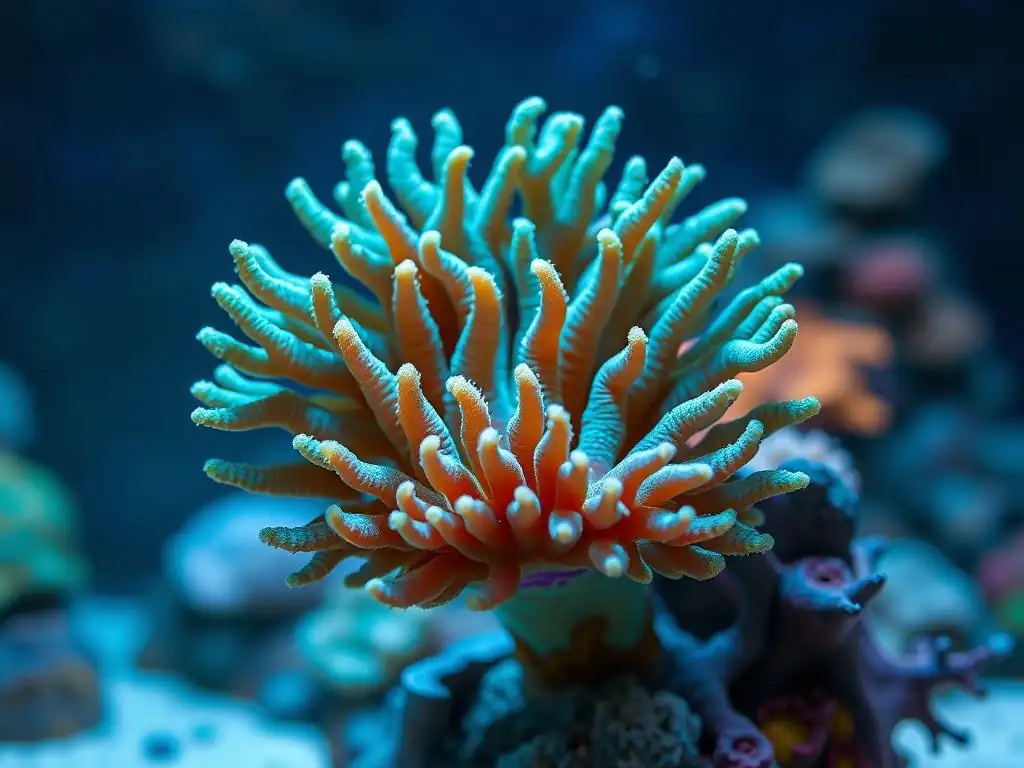
In marine reef aquariums, the blue light spectrum is paramount for both coral health and enhancing their vibrant coloration, making it a primary focus when optimizing a programmable aquarium LED system. Blue wavelengths, particularly royal blue (450-470 nanometers), penetrate water most effectively and are the primary energy source for zooxanthellae, the symbiotic algae living within coral tissues. These algae perform photosynthesis, providing the majority of the coral's nutritional requirements. A strong blue component also triggers fluorescence in many corals, causing them to "pop" with dazzling greens, reds, and purples under the light.
To maximize coral coloration and growth, reef aquarists typically run their blue channels (deep blue, royal blue, violet/UV) at high intensities, often 80-100% during peak hours, with white channels set at a lower percentage (e.g., 20-40%) to achieve an actinic look. This blue-heavy spectrum mimics the light conditions found in natural reef environments and directly supports the metabolic processes of the corals. Consistent application of this optimized blue light from your programmable aquarium LED system is key to achieving stunning coral displays and robust health.
-
Green Light for Overall Color Rendition
While red and blue light are crucial for photosynthesis in plants and corals, the green light channel in a programmable aquarium LED system plays a vital role in the overall aesthetic and visual balance of the aquarium. Green wavelengths (around 520-560 nanometers) are largely reflected by chlorophyll, which is why plants appear green to the human eye. However, this reflection is beneficial: it allows green light to penetrate deeper into the water column and reflect off surfaces, illuminating shaded areas and making the entire aquascape appear brighter and more natural.
Without a balanced green component, the aquarium can look monochromatic, either too blue (in reef tanks) or too red/white (in planted tanks). By incorporating a moderate amount of green light (e.g., 5-15% intensity) from your programmable aquarium LED system, you enhance the vibrancy of your fish's colors, bring out the lushness of green plants, and improve the overall clarity and depth perception of the aquarium. It ensures that the tank is not just biologically optimal but also visually stunning to the human observer.
Using Light to Combat Algae Growth
-
Adjusting the Red-to-Blue Ratio
While light is essential for desired aquatic life, an imbalanced spectrum can inadvertently fuel nuisance algae. One strategy to combat algae growth with a programmable aquarium LED system is to carefully adjust the red-to-blue ratio. Some studies suggest that an excessive proportion of red light, particularly in the presence of elevated nutrients, can favor the growth of certain types of nuisance algae, such as green hair algae or cyanobacteria.
If you observe a persistent algae bloom despite controlling nutrients, consider slightly reducing the intensity of your red channel (e.g., by 5-10%) while maintaining adequate blue and white light. This subtle shift in spectrum can make the light environment less hospitable for specific algae strains without significantly impacting the growth of your plants or corals, which rely heavily on blue and white light. This targeted spectral adjustment with your programmable aquarium LED system is a sophisticated tool in your algae management arsenal, working in conjunction with proper husbandry.
-
Reducing Light Intensity During Algae Blooms
The most direct and often effective method for combating light-dependent algae blooms using a programmable aquarium LED system is to reduce the overall light intensity. Nuisance algae, much like plants and corals, rely on light for photosynthesis. By significantly reducing the amount of light available, you effectively starve the algae, inhibiting their growth and allowing the ecosystem to rebalance.
During an algae bloom, consider reducing your peak light intensity by 20-30% and/or shortening your photoperiod to 6-7 hours for a period of 1-2 weeks. This temporary reduction will stress the algae more than your established plants or corals, which can draw on nutrient reserves. Once the algae bloom is under control, gradually increase the intensity and photoperiod back to optimal levels over several days or weeks, while simultaneously addressing any underlying nutrient imbalances. This controlled reduction in light, facilitated by your programmable aquarium LED system, is a powerful tool in reclaiming a clean and clear aquarium.
Conclusion: Investing in a Programmable Aquarium LED System for a Thriving Aquarium
The Long-Term Benefits of a High-Quality Lighting System
Investing in a high-quality programmable aquarium LED system is one of the most impactful decisions an aquarist can make for the long-term health, beauty, and sustainability of their aquatic environment. These advanced lighting solutions offer unparalleled control over light intensity, spectrum, and duration, allowing for precise replication of natural light cycles and optimization for the specific needs of plants, corals, and fish. The ability to fine-tune the light promotes robust growth, vibrant coloration, and natural behaviors, leading to a more stable and thriving ecosystem.
Beyond the immediate benefits to tank inhabitants, a programmable aquarium LED system offers significant advantages in terms of energy efficiency and longevity. With typical lifespans exceeding 50,000 hours and significantly lower power consumption compared to traditional lighting, these systems lead to substantial savings on electricity bills and reduce the frequency and cost of bulb replacements. This combination of superior biological support, aesthetic enhancement, and economic efficiency makes a high-quality programmable aquarium LED system a wise and rewarding investment for any dedicated aquarist.
Where to Buy and What to look for.
When considering where to purchase your programmable aquarium LED system, it is highly recommended to buy from reputable aquarium specialty stores, either online or local fish stores. These retailers often provide expert advice, comprehensive product information, and reliable customer support, which can be invaluable for a high-tech purchase. Ensure the retailer offers a clear warranty policy and has a good track record for customer service, as troubleshooting or future support might be necessary for such a sophisticated piece of equipment.
When evaluating a programmable aquarium LED system, focus on several key features outlined in this guide. Prioritize models that offer extensive light spectrum and color control, with multiple individually dimmable channels for precise customization. Assess the programmability and control options, opting for smartphone app control and cloud connectivity if remote access and advanced scheduling are important to you.
Critically evaluate the coverage and light penetration capabilities to ensure it matches your tank's dimensions and inhabitants' needs. Finally, always check the cooling and heat dissipation methods, along with the overall build quality and warranty, to ensure you are investing in a durable and long-lasting product. Reading a comprehensive programmable aquarium LED system review for specific models can also provide valuable insights from other users.
Frequently Asked Questions
What are the main benefits of using a programmable aquarium LED system?
Programmable LED systems offer greater control over the light spectrum and intensity, allowing you to simulate natural day/night cycles. This can promote better plant growth and fish health.
How do I choose the right size and wattage of LED system for my aquarium?
Consider your tank's dimensions and the specific needs of your plants and fish. A higher wattage is generally needed for deeper tanks or those with demanding plant species.
What is the importance of color spectrum control in a programmable LED system?
Different color spectrums promote different aspects of plant growth and can enhance the colors of your fish. Programmability allows you to fine-tune the spectrum for optimal results.
Can a programmable LED system help prevent algae growth in my aquarium?
Yes, by carefully controlling the light intensity and duration, you can limit the light available for algae growth. Certain spectrums can also favor plant growth over algae.
Where can I find detailed reviews and comparisons of different programmable aquarium LED systems?
Websites like AquariumMastery.com often provide in-depth reviews and comparisons of different brands and models. Look for reviews that consider features, reliability, and price.
Final Reflection: Illuminating the Future of Aquatic Life
The journey through the world of programmable aquarium LED systems reveals more than just technical specifications; it highlights a growing understanding of the intricate relationship between light and aquatic ecosystems. This understanding is now more crucial than ever, as we strive to recreate natural environments within our homes, ensuring the health and vibrancy of our underwater companions in a sustainable and responsible manner.
The ability to precisely control the light spectrum and intensity within our aquariums has profoundly influenced the hobby, moving beyond mere aesthetics to a deeper appreciation for the biological needs of corals and fish. This shift towards informed decision-making is a testament to the power of knowledge and its impact on responsible pet ownership. In the right light, at the right time, everything is extraordinary.
- Aaron Rose. This quote perfectly encapsulates the potential of programmable LEDs to unlock the extraordinary beauty and health of our aquatic worlds.
As you consider the information presented, I encourage you to reflect on the power you now hold to shape the environment within your aquarium. By embracing the possibilities offered by programmable LED systems, you are not simply purchasing a light; you are investing in the well-being of your aquatic inhabitants and contributing to a more sustainable and enriching aquarium experience. Let the knowledge gained illuminate your path towards creating a thriving underwater paradise.
Illuminate Your Aquarium's Potential!
Thank you for diving into the world of programmable aquarium LEDs! We hope you've gained valuable insights into creating the perfect aquatic environment. Now, let's turn that knowledge into action!
Here are some steps you can take to further explore and optimize your aquarium's lighting:
- Start programming! Experiment with different lighting schedules on your current or a newly purchased programmable LED system to see how they impact plant growth and coral coloration.
- Share your newfound knowledge! Discuss your aquarium lighting strategies and settings with fellow hobbyists on forums or social media groups.
- Consider photographing your aquarium before and after implementing your new lighting schedule to showcase the difference.
What's one small adjustment you can make to your aquarium lighting setup this week to see a noticeable improvement?