
Installing and Setting Up Your Aquarium Pump: A Beginner's Illustrated Guide

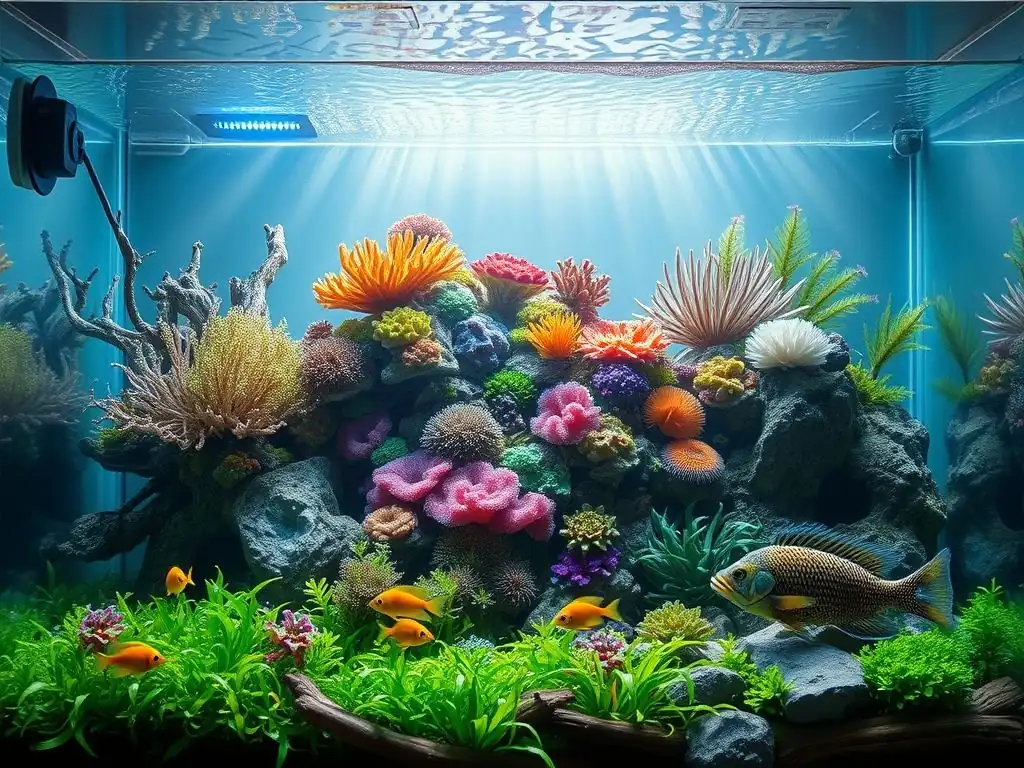
Welcome to Aquarium Mastery, your ultimate guide to the captivating world of aquariums!
Curious about keeping your aquatic ecosystem thriving? Then you're in the right place! Let's dive right into ensuring the heart of your aquarium, your pump, is working flawlessly. Discover everything you need to know about best aquarium pump installation in our illustrated guide below. Unlock the secrets to a healthy and vibrant underwater world – your journey to Aquarium Mastery starts now! What crucial step are most beginners missing? Keep reading to find out!
- Introduction to Aquarium Pumps and Their Importance
-
Frequently Asked Questions
- How do I choose the right size aquarium pump for my tank?
- Where is the best location to install my aquarium pump?
- What are some common mistakes to avoid during aquarium pump installation?
- How often should I clean my aquarium pump to maintain its performance?
- What safety precautions should I take when installing an aquarium pump?
- Final Reflection: The Silent Heart of Aquatic Life
- Dive Deeper: Unlock Your Aquarium's Full Potential!
Introduction to Aquarium Pumps and Their Importance
Understanding the Role of Aquarium Pumps in a Healthy Ecosystem
Aquarium pumps are the unsung heroes of a thriving aquatic environment, playing a pivotal role in maintaining water quality and overall ecosystem health. Their primary function is to facilitate water movement, which is essential for numerous biological and chemical processes within the tank. Without adequate circulation, an aquarium can quickly develop stagnant areas where oxygen levels plummet, and harmful toxins like ammonia and nitrite accumulate.
For instance, in a 50-gallon freshwater tank, a pump ensuring a turnover rate of 4-6 times per hour means the entire water volume is circulated every 10-15 minutes, preventing dead spots and ensuring uniform temperature distribution. This constant flow aids in the efficient transport of waste materials to the filter and distributes vital nutrients to aquatic plants, mimicking natural aquatic environments.
Beyond basic circulation, aquarium pumps are integral to the functionality of various life support systems. They power filtration units, whether they are hang-on-back filters, canister filters, or sumps, by drawing water through filter media to remove particulate matter and dissolved organic compounds. Furthermore, pumps are crucial for protein skimmers in saltwater setups, which remove organic waste before it breaks down into harmful nitrates.
In planted tanks, pumps help distribute CO2 evenly, ensuring all plants receive the necessary carbon for photosynthesis. A well-chosen and properly installed pump, often a key component of the best aquarium pump installation, ensures that oxygen-rich water reaches all inhabitants, from the smallest copepod to the largest cichlid, supporting their respiration and overall vitality.
Why Proper Aquarium Pump Installation is Crucial
The success of your aquarium's life support system hinges significantly on the correct installation of its pump. An improperly installed pump can lead to a cascade of problems, ranging from inefficient water circulation and poor filtration to excessive noise and premature equipment failure. For example, a pump that is not securely placed or has kinked tubing might only achieve 50% of its advertised flow rate, leaving large sections of the tank poorly oxygenated.
This can stress fish, leading to weakened immune systems and susceptibility to diseases like Ich, which can spread rapidly through a compromised ecosystem. The initial effort put into a meticulous installation ensures that your investment in the pump translates directly into a healthier, more stable aquarium.
Moreover, the long-term performance and energy efficiency of your pump are directly impacted by its installation. A pump experiencing undue strain due to blockages, air pockets, or improper sizing will consume more electricity and wear out faster. For instance, an external pump operating with insufficient head pressure due to an overly long or narrow return line might draw 20% more power than necessary to achieve its flow, adding to your electricity bill over time.
The best aquarium pump installation practices also prioritize safety, ensuring electrical connections are secure and away from water, preventing potential hazards. By adhering to recommended guidelines, aquarists can prevent common issues such as cavitation, which damages impellers, and significantly extend the operational lifespan of their valuable equipment, saving on replacement costs and maintenance headaches.
Frequently Asked Questions
How do I choose the right size aquarium pump for my tank?
The correct pump size depends on your tank volume. Generally, you want a pump that circulates the entire tank volume four to six times per hour. Refer to the pump's GPH (gallons per hour) rating and match it to your tank size.
Where is the best location to install my aquarium pump?
The ideal location depends on the type of pump and its intended function. Submersible pumps are placed inside the tank, while external pumps are outside. Ensure proper tubing connections and secure mounting.
What are some common mistakes to avoid during aquarium pump installation?
One common mistake is improper tubing connections, leading to leaks or reduced flow. Another is neglecting to prime the pump (for external pumps) before starting it, which can damage the impeller.
How often should I clean my aquarium pump to maintain its performance?
Regular cleaning is essential. Aim to clean your pump every 1-3 months, depending on the bioload of your tank. This prevents debris buildup and ensures optimal water flow.
What safety precautions should I take when installing an aquarium pump?
Always unplug the pump before performing any maintenance or adjustments. Ensure the pump and electrical connections are properly grounded to prevent electrical hazards. Keep electrical cords away from water.
Final Reflection: The Silent Heart of Aquatic Life
The journey of setting up an aquarium is more than just assembling a glass box; it's about creating a thriving ecosystem. As we've explored the intricacies of aquarium pump installation, it's clear that mastering this seemingly simple task is fundamental to the health and vitality of our underwater worlds. A properly installed pump isn't just a piece of equipment; it's the silent heart, circulating life and ensuring the well-being of its inhabitants.
This guide, hopefully, has demystified the process, empowering even the most novice aquarist to confidently tackle pump installation. Beyond the technical steps, however, lies a deeper understanding of responsibility and care for the delicate balance within our aquariums. The quiet hum of a well-functioning pump is a constant reminder of our commitment to creating a healthy and enriching environment for our aquatic companions. The best way to observe a fish is to become a fish.
- Jacques Cousteau. This quote reminds us that understanding the needs of our fish is paramount, and a properly installed pump is a crucial step in that direction.
Now, armed with this knowledge, I encourage you to approach your aquarium with renewed confidence and a deeper appreciation for the vital role your pump plays. Don't just install it; understand it, maintain it, and let it be a testament to your dedication to the beautiful, miniature world you've created. Take the plunge, ensure the flow, and watch your aquatic ecosystem flourish.
Dive Deeper: Unlock Your Aquarium's Full Potential!
Thank you for taking the time to learn about setting up your aquarium pump! We hope you now feel confident in creating a thriving aquatic environment for your finned friends. Ready to put your knowledge into action?
- Get hands-on: Properly install your aquarium pump!: Don't let this newfound knowledge sit idle. This is the single most important step towards a healthy tank.
- Share this guide with fellow aquarium enthusiasts! Help others create a vibrant and healthy aquatic world.
- Experiment with different pump settings to optimize water flow and oxygenation for your specific fish and plants. Document your findings and learn through observation.
What's the first fish species you're planning to introduce into your perfectly oxygenated aquarium?