
Overheating Alert! What to Do When Your Aquarium Heater Goes Rogue (Emergency Guide)

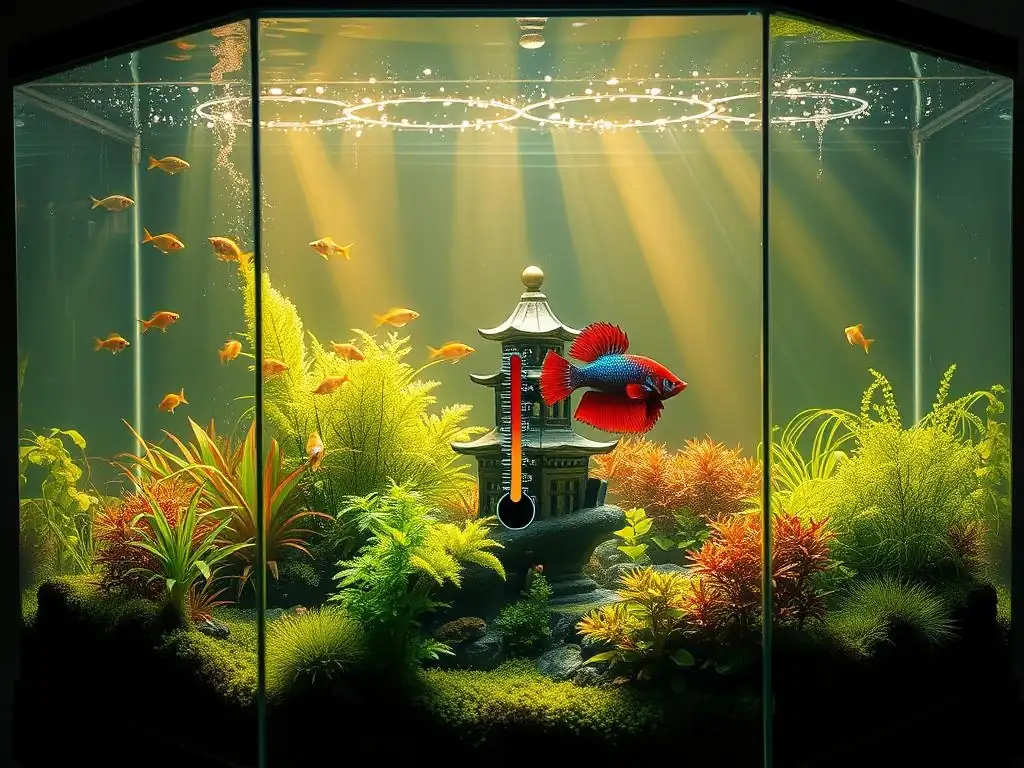
Welcome to Aquarium Mastery!
Is your aquarium heater acting a little... too enthusiastic? Don't panic! This can be a common issue, and we're here to help. Dive into our comprehensive guide on aquarium heater overheating problems and learn how to quickly diagnose the issue, protect your fish, and prevent it from happening again. Get ready to troubleshoot and keep your aquatic friends safe and comfortable! What secrets does your heater hold, and how can you unlock the key to a stable aquarium temperature? Let's find out!
- Understanding Aquarium Heater Overheating Problems: A Critical Guide
- Immediate Actions: What to Do When You Suspect Your Aquarium Heater is Overheating
- Preventing Future Aquarium Heater Malfunctions: Proactive Measures
- Troubleshooting Common Aquarium Heater Overheating Issues
- Selecting a Reliable Replacement Aquarium Heater
- Long-Term Aquarium Temperature Management
- Recognizing the Signs of a Healthy Aquarium Heater
- Understanding Aquarium Heater Safety Features
- Dealing with a Tank That Has Overheated: Post-Incident Recovery
-
Frequently Asked Questions
- What are the most common causes of aquarium heater overheating?
- How can I identify if my aquarium heater is overheating?
- What immediate steps should I take if my aquarium heater is overheating?
- How do I choose the right size heater for my aquarium to prevent overheating issues?
- Can inadequate water flow cause an aquarium heater to overheat, and if so, how do I fix it?
- Final Reflection: Navigating the Heated Waters of Aquarium Care
- Prevent Aquarium Meltdown: Act Now!
Understanding Aquarium Heater Overheating Problems: A Critical Guide
Why Aquarium Heaters Overheat: Identifying the Root Cause
Aquarium heaters can overheat for several critical reasons, often stemming from internal component failure. The most common culprit is a malfunctioning thermostat, which gets stuck in the "on" position, causing the heating element to continuously generate heat regardless of the actual water temperature.
This can be due to a degraded bimetallic strip or a faulty electronic sensor, which typically have a lifespan of 3-5 years before experiencing significant wear. For instance, a heater designed for a 30-gallon tank might continuously run in a 20-gallon tank if its thermostat fails, rapidly elevating the water temperature by several degrees within a few hours.
Beyond thermostat failure, manufacturing defects or physical damage can also lead to an aquarium heater overheating problem. A hairline crack in the glass casing, perhaps from accidental impact during maintenance or improper handling, can allow water to seep in, leading to a short circuit or erratic operation. Poor quality control in budget-friendly models might result in improperly calibrated thermostats or inferior wiring, making them more prone to failure. For example, some anecdotal reports suggest that certain unbranded heaters have a failure rate of up to 15-20% within the first year, often manifesting as a heater stuck on.
The Dangers of an Overheating Fish Tank
An overheated fish tank poses severe and immediate threats to aquatic life. Elevated water temperatures significantly reduce the concentration of dissolved oxygen, which is vital for fish respiration. For instance, water at 78°F (25.5°C) holds approximately 8.3 mg/L of oxygen, but at 86°F (30°C), this drops to about 7.6 mg/L, representing a nearly 10% reduction. Fish subjected to such conditions will exhibit rapid gill movement, gasp at the surface, and may eventually suffocate due to oxygen deprivation. Sensitive species like Neon Tetras or Discus can suffer irreversible organ damage or death within hours if temperatures exceed 84°F (29°C).
Furthermore, prolonged exposure to high temperatures severely stresses the immune systems of fish, making them highly susceptible to opportunistic diseases like Ich (white spot disease) and bacterial infections. The beneficial nitrifying bacteria responsible for processing harmful ammonia and nitrite in the biological filter are also sensitive to extreme temperature fluctuations; a sudden spike to 90°F (32°C) or higher can decimate these bacterial colonies, leading to a dangerous ammonia spike. Plant life in the aquarium can also "melt" or decay rapidly in overheated conditions, further polluting the water and contributing to an already toxic environment.
Immediate Actions: What to Do When You Suspect Your Aquarium Heater is Overheating
Step-by-Step Emergency Response for Overheated Aquarium Heaters
When you suspect an aquarium heater overheating problem, immediate action is crucial to save your aquatic inhabitants. First, visually confirm the high temperature using an accurate thermometer; if it's significantly above your set point (e.g., 85°F/29.5°C when set to 78°F/25.5°C), proceed. Immediately unplug the faulty heater from the power outlet. Do not attempt to remove the heater from the water while it is still hot, as this can cause it to crack due to thermal shock, potentially releasing harmful substances or causing electrical hazards.
Once the heater is unplugged, begin gradually cooling the water. For a tank that has overheated, rapid temperature drops can be as dangerous as the overheating itself. You can float sealed bags of ice or frozen water bottles in the tank; for a 50-gallon tank, two 1-liter frozen bottles can reduce the temperature by approximately 1-2°F (0.5-1°C) per hour.
Alternatively, perform small, frequent water changes (e.g., 10-15% of the tank volume every 30-60 minutes) using water that is slightly cooler than the current tank temperature, but not cold. Aim to reduce the temperature by no more than 2°F (1°C) per hour to minimize stress on your fish.
Monitoring Water Temperature: Crucial First Steps
Accurate and continuous monitoring of water temperature is a crucial first step in managing an overheating incident. It is highly recommended to have at least two independent thermometers in your aquarium for cross-verification, such as one digital and one traditional glass or stick-on thermometer. This helps confirm the initial high reading and ensures that your cooling efforts are effective. A discrepancy of more than ±1°F (±0.5°C) between thermometers suggests one might be inaccurate, making a third thermometer a wise investment.
After taking initial cooling measures, you must monitor the water temperature frequently. Check the temperature every 15-30 minutes for the first few hours, and then hourly until the temperature stabilizes within a safe range for your fish (typically 75-80°F or 24-27°C for most tropical species). This vigilance ensures that the temperature doesn't drop too rapidly, which can induce thermal shock, or continue to rise if the heater wasn't the sole issue or if residual heat is still dissipating. Consistent monitoring helps you maintain a controlled and gradual return to optimal conditions.
Disconnecting the Faulty Heater: Safety Precautions
When dealing with a suspected aquarium heater overheating problem, electrical safety is paramount. Always ensure the heater is unplugged from the power outlet before you attempt to touch it or remove it from the water. Even if you believe the heater is off, never assume it is safe to handle while still connected to electricity, as internal faults could still pose an electrocution risk. Allow the heater to cool down significantly in the tank water for at least 30-60 minutes after unplugging it before attempting removal.
Once the heater has cooled, carefully remove it from the aquarium. Avoid any sudden movements that could cause it to break. Once removed, do not attempt to repair the heater yourself. Most aquarium heaters are sealed units, and any attempt to open or tamper with them can lead to further electrical hazards, water leakage, or complete failure. Properly dispose of the faulty heater according to your local electronic waste recycling guidelines. It is always safer to replace a malfunctioning heater with a new, reliable unit rather than risking a dangerous repair.
Preventing Future Aquarium Heater Malfunctions: Proactive Measures
Choosing the Right Size Aquarium Heater for Your Tank Volume
Selecting the correct wattage for your aquarium heater is a critical proactive measure to prevent future aquarium heater overheating problems and ensure stable temperatures. A widely accepted guideline is to use 3-5 watts of heating power per gallon of tank volume. For example, a 20-gallon tank typically requires a 50-100 watt heater, while a 55-gallon tank would benefit from a 150-200 watt unit. Using an undersized heater can cause it to run continuously to maintain the desired temperature, shortening its lifespan and increasing the likelihood of failure.
Conversely, significantly oversizing a heater can also be problematic. While it might seem like a good idea to have extra power, an oversized heater can heat the water too rapidly if its thermostat malfunctions, leading to a swift and dangerous temperature spike. Consider your ambient room temperature as well; if your room is consistently cool (e.g., below 68°F or 20°C), you might lean towards the higher end of the wattage range or even opt for two smaller heaters to provide redundancy and more even heat distribution.
Regular Maintenance and Inspection of Your Aquarium Heating System
Regular maintenance and inspection are essential for prolonging the life of your aquarium heater and catching potential aquarium heater overheating problems before they escalate. During your weekly or bi-weekly water changes, take a moment to visually inspect the heater. Look for any signs of cracks in the glass casing, corrosion on the heating element, or mineral deposits (like limescale) that might have accumulated on the surface. A thin layer of calcium buildup can insulate the heater, forcing it to work harder and less efficiently, potentially leading to premature failure.
Periodically, cross-check your heater's accuracy against an independent, calibrated thermometer. If your heater's internal thermostat consistently reads 2-3°F (1-1.5°C) differently from your external thermometer, it might be a sign of calibration drift or an impending thermostat failure. Some higher-quality heaters, like the Eheim Jager series, offer a re-calibration feature, allowing you to adjust their internal thermostat for greater accuracy. Cleaning off any algae or mineral deposits with a soft cloth and warm water (after unplugging and cooling) will also improve efficiency and lifespan.
Best Practices for Aquarium Heater Placement and Submersion
Proper placement and submersion are vital for the efficient and safe operation of your aquarium heater. For submersible heaters, ensure they are fully immersed in water according to the manufacturer's instructions. Operating a submersible heater partially exposed to air can cause localized overheating of the heating element, leading to stress on the components, cracking of the glass, or even melting of plastic parts. Conversely, non-submersible heaters must never be submerged past their designated waterline, as this poses a severe electrical hazard.
Optimal placement involves positioning the heater near an area of good water flow, such as near a filter intake or a powerhead outlet. This ensures that the heated water is quickly circulated throughout the entire tank, preventing the formation of "hot spots" directly around the heater and promoting even temperature distribution. Avoid burying the heater directly in the substrate, as this can impede heat dissipation and make it difficult to clean or inspect. Proper placement not only enhances efficiency but also reduces the risk of an aquarium heater overheating problem due to insufficient heat dissipation.
Troubleshooting Common Aquarium Heater Overheating Issues
Thermostat Failure: Diagnosis and Solutions
Thermostat failure is arguably the most common aquarium heater overheating problem. The primary symptom of a failing thermostat is the heater's indicator light remaining continuously on, even when the tank's water temperature significantly exceeds the set point. You will observe the water temperature steadily climbing, often by 5-10°F (2.5-5°C) or more above the desired range, within a matter of hours. This indicates that the internal switch designed to cut power once the set temperature is reached is no longer functioning.
If you diagnose a thermostat failure, the immediate solution is to unplug the heater. There is no reliable user-serviceable fix for a faulty thermostat within a sealed aquarium heater. Attempting to repair it can be dangerous and is not recommended. The only long-term solution is to replace the entire heater. Consider investing in a heater with an external temperature controller as a safety backup, which can override a failing internal thermostat by cutting power if the temperature exceeds a set threshold, providing an extra layer of protection against an aquarium heater overheating problem.
Electrical Problems: Identifying and Addressing Potential Hazards
Electrical problems associated with aquarium heaters can be extremely dangerous, potentially leading to electrocution or fire. Signs of electrical issues include frayed power cords, visible water ingress into the heater unit itself or the plug, or a tripped GFCI (Ground Fault Circuit Interrupter) outlet. A GFCI is designed to trip within milliseconds (typically 5-25 ms) if it detects a current imbalance of 5 milliamps or more, indicating a potential leakage of current and a severe shock hazard. If your GFCI trips repeatedly when the heater is plugged in, it's a strong indicator of an internal electrical fault.
If you suspect any electrical problems, do not touch the water or the equipment until you have completely shut off the power to the entire tank at the circuit breaker. Electrical faults are serious and demand immediate attention.
Always ensure all aquarium equipment cords have a proper "drip loop," which is a loop in the cord lower than the electrical outlet, designed to prevent any water that runs down the cord from reaching the electrical outlet. Never use extension cords or power strips on the floor where they could be exposed to water spills, further reducing the risk of an aquarium heater overheating problem tied to electrical shorts.
Heater Stuck "On": Immediate Solutions and Long-Term Fixes
A heater stuck "on" is a specific manifestation of thermostat failure and is a critical aquarium heater overheating problem. You can confirm this state by observing that the heater's indicator light remains illuminated constantly, even when the water temperature is significantly above the desired setting. Unlike a heater that is merely undersized and running continuously to reach temperature, a heater stuck "on" will cause the temperature to climb indefinitely until unplugged or a safety mechanism (like an external controller) intervenes.
The immediate solution for a heater stuck "on" is to unplug it from the power source to stop the heating process. As with other thermostat failures, there is no reliable long-term fix for a heater that is stuck "on"; it must be replaced. To prevent future occurrences, consider upgrading to a heater with robust safety features, such as an integrated thermal cut-off switch, or pairing your new heater with an external temperature controller. These devices act as a crucial fail-safe, cutting power to the heater if the temperature exceeds a predefined maximum, thereby preventing a catastrophic overheating event.
Selecting a Reliable Replacement Aquarium Heater
Top-Rated Aquarium Heaters: Reviews and Recommendations
When replacing a faulty heater, investing in a reliable, top-rated model is paramount to prevent future aquarium heater overheating problems. Brands consistently praised for their durability, accuracy, and safety features include Eheim Jager, Fluval, Hydor, and Cobalt Aquatics. Eheim Jager heaters, for example, are renowned for their shatter-resistant borosilicate glass, precise TruTemp dial for re-calibration, and robust construction, making them a popular choice among serious aquarists.
Fluval heaters are often lauded for their sleek design and advanced features, including integrated thermal sensors and shatter-resistant casings. Hydor's Theo and ETH lines offer excellent performance and reliability, particularly with their external thermal cut-off for added safety. For larger or more sensitive setups, Cobalt Aquatics Neo-Therm heaters are favored for their ultra-slim design, precise electronic thermostat (accurate to ±0.5°F or 0.3°C), and integrated thermal protection, which automatically shuts the unit off if it runs dry or overheats. Researching user reviews and professional comparisons can help you select a model that best fits your tank size and specific needs.
Features to Look for in a Safe and Efficient Fish Tank Heater
When selecting a new aquarium heater, prioritize specific features that enhance safety and efficiency to mitigate the risk of an aquarium heater overheating problem. Look for heaters with overheat protection or an automatic shut-off mechanism. This feature, often a thermal fuse or bimetallic switch, will automatically cut power to the heating element if the internal temperature exceeds a dangerous threshold, typically around 95-100°F (35-38°C). Some advanced models also include dry-run protection, which deactivates the heater if it's removed from water or if the water level drops too low, preventing it from overheating in air.
Beyond safety, consider the heater's construction and accuracy. Shatter-resistant glass (like borosilicate glass) or durable plastic/titanium casings are preferable, especially for tanks with large or boisterous fish. A clearly visible and accurate temperature indicator is also essential. For efficiency, look for heaters with precise thermostats (e.g., ±1°F or 0.5°C accuracy) and even heat distribution. Titanium or stainless steel heating elements are more resistant to corrosion, making them particularly suitable for saltwater aquariums and extending the heater's overall lifespan.
Ensuring Proper Installation of Your New Aquarium Heater
Proper installation is crucial for the safe and effective operation of your new aquarium heater and to prevent future aquarium heater overheating problems. Always read and meticulously follow the manufacturer's instructions, as specific models may have unique requirements for placement, minimum water level, and initial calibration. Incorrect installation is a common cause of premature heater failure or inaccurate temperature control. For most submersible heaters, ensuring full immersion is paramount; never operate them partially exposed to air.
After installing the new heater, it is critical to monitor the tank's water temperature with an independent, accurate thermometer for at least 24-48 hours. This allows you to verify that the heater is maintaining the desired temperature consistently and accurately before you fully rely on it. During this initial period, make small adjustments to the heater's thermostat as needed to fine-tune the temperature. This proactive testing phase helps confirm that your new heater is functioning correctly and provides peace of mind regarding its reliability and accuracy.
Long-Term Aquarium Temperature Management
Investing in a Reliable Aquarium Thermostat
For long-term temperature management and as a crucial safeguard against an aquarium heater overheating problem, investing in a reliable external aquarium thermostat (also known as a temperature controller) is highly recommended. This device acts as a fail-safe: your heater plugs into the controller, and the controller's probe is placed in the tank. If the heater's internal thermostat malfunctions and causes the temperature to exceed a user-set upper limit (e.g., 80°F/26.5°C), the external controller automatically cuts power to the heater, preventing a catastrophic overheating event.
Many modern external thermostats, such as the Inkbird ITC-308, offer dual outlets, allowing you to plug in both a heater and a chiller, providing comprehensive temperature control. They typically feature digital displays for precise temperature readings, audible alarms for out-of-range temperatures, and high accuracy (often ±1°F or 0.5°C). While an additional cost, an external thermostat provides an invaluable layer of protection, particularly for expensive or sensitive fish collections, by acting as a redundant safety switch should your primary heater fail.
Exploring Alternative Heating Methods: Backup Options
While traditional submersible heaters are the most common, exploring alternative or supplemental heating methods can provide backup options and enhance temperature stability, reducing the reliance on a single point of failure. One effective strategy is to use multiple smaller heaters instead of one large one. For example, in a 100-gallon tank, two 100-watt heaters are safer than a single 200-watt unit. If one heater fails or gets stuck on, the other can still provide some warmth, and the risk of a catastrophic temperature spike from a single malfunctioning unit is significantly reduced.
Another alternative involves under-gravel heating cables or heating mats. While typically not sufficient as the sole heat source for most tropical tanks, these can provide supplemental warmth and promote plant root growth. They usually operate at lower wattages and offer a more diffused, gentle heat, thereby reducing the risk of rapid temperature fluctuations or localized hot spots. These methods can contribute to overall temperature stability, acting as a subtle backup that complements your primary submersible heater.
Maintaining Consistent Water Parameters: Preventing Stress on Your Fish
Maintaining consistent water parameters, especially temperature, is paramount for the long-term health and well-being of your fish. Fluctuations in temperature, even within acceptable ranges, can significantly stress fish, weakening their immune systems and making them more susceptible to disease. Aim to keep your aquarium temperature stable within a narrow range of 1-2°F (0.5-1°C) of the ideal temperature for your specific fish species. For instance, Discus fish require very stable temperatures around 82-86°F (28-30°C), and even minor drops can induce severe stress.
Beyond temperature, regular monitoring of other water parameters such as ammonia, nitrite, and nitrate is crucial, particularly after any temperature-related incident. High temperatures can negatively impact the beneficial bacteria in your biological filter, potentially leading to dangerous ammonia or nitrite spikes. Daily water testing for at least a week after an overheating event allows you to identify and promptly address any imbalances. Performing small, frequent water changes (e.g., 10-20% daily) and using beneficial bacteria supplements can help re-establish the nitrogen cycle and minimize further stress on your fish.
Recognizing the Signs of a Healthy Aquarium Heater
Normal Operating Temperatures for Various Fish Species
Recognizing the normal operating temperatures for your specific fish species is key to identifying an aquarium heater overheating problem early. Most tropical freshwater fish thrive in a range of 75-82°F (24-28°C), with specific species like Discus preferring the higher end (82-86°F or 28-30°C) and Goldfish preferring cooler temperatures (65-72°F or 18-22°C). Marine fish generally require slightly higher and more stable temperatures, typically between 76-82°F (24-28°C). Understanding these specific ranges allows you to quickly discern if your heater is functioning correctly or if it's setting the temperature too high.
A healthy heater's indicator light should cycle on and off periodically, signifying that its internal thermostat is actively regulating the temperature by engaging and disengaging the heating element. If the light is constantly illuminated, it's a strong indicator that the heater is either undersized for the tank volume and running continuously to reach the set temperature, or, more critically, its thermostat has failed and it's stuck "on," leading to a potential aquarium heater overheating problem. Observing this cycling pattern provides confidence in your heater's proper function.
Routine Checks and Maintenance Schedules for Optimal Performance
Implementing routine checks and maintenance schedules for your aquarium heater is vital for optimal performance and early detection of issues. On a daily basis, briefly observe your heater's indicator light and glance at your tank thermometer to ensure the temperature is within the desired range. During your weekly or bi-weekly water changes, take the opportunity to perform a more thorough visual inspection of the heater. Look for any visible cracks, signs of corrosion, or excessive mineral buildup on the glass or plastic casing.
Proactive replacement can also be a part of an optimal maintenance schedule. Even without visible signs of failure, many experienced aquarists choose to replace their aquarium heaters every 3-5 years as a preventative measure. Given that the cost of a new heater is relatively low compared to the value of your fish and the potential damage from an aquarium heater overheating problem, this proactive replacement significantly reduces the likelihood of a catastrophic failure. This approach ensures you're always relying on a heater that is within its expected operational lifespan.
Specific Brands/Models and Potential Overheating Issues
While most reputable aquarium heater brands strive for high quality, it's important to be aware that specific models or budget brands have, at times, been associated with higher rates of thermostat failure or aquarium heater overheating problems. Historically, some unbranded or very inexpensive heaters have been reported by the aquarium community to have less accurate thermostats or a higher tendency to get stuck in the "on" position, leading to dangerous temperature spikes. This often stems from lower-grade components or less stringent quality control processes.
Before purchasing a new heater, it is highly advisable to conduct thorough research by checking recent user reviews on reputable aquarium forums (e.g., Reddit's r/aquariums), online retail platforms, and dedicated aquatic equipment review sites. Look for patterns in feedback, specifically regarding reliability, temperature accuracy, and any reported instances of heaters failing or overheating. Community feedback can often highlight recurring issues with certain models, helping you make an informed decision and avoid purchasing a heater known for potential aquarium heater overheating problems.
Understanding Aquarium Heater Safety Features
Automatic Shut-Off Mechanisms: How They Work and When They Activate
Many quality aquarium heaters incorporate automatic shut-off mechanisms, a critical safety feature designed to prevent an aquarium heater overheating problem. The most common mechanism is a thermal cut-off or thermal fuse. This component is designed to trip and permanently cut power to the heating element if the internal temperature of the heater itself exceeds a dangerous threshold, typically around 95-100°F (35-38°C). This acts as a last line of defense, preventing the heater from reaching temperatures that could crack the glass, melt components, or pose a fire hazard.
Another important safety feature found in advanced heaters is dry-run protection. This mechanism detects if the heater is removed from the water or if the water level in the tank drops below a safe operating level. When a dry-run condition is detected, the heater automatically shuts off, preventing the heating element from overheating in air. Overheating in air can cause significant damage to the heater, leading to cracking, melting, or even igniting nearby flammable materials. Understanding these mechanisms helps aquarists appreciate the engineering behind safe heater operation.
Grounding and Electrical Safety: Protecting Your Aquarium and Yourself
Electrical safety is paramount in any aquatic environment, and proper grounding is a cornerstone of protecting both your aquarium and yourself from an aquarium heater overheating problem leading to electrical hazards. All aquarium equipment, including heaters, should ideally be plugged into a GFCI (Ground Fault Circuit Interrupter) outlet. A GFCI is an essential safety device that detects even small imbalances in electrical current (as little as 5 milliamps) and rapidly shuts off power within milliseconds, preventing potentially fatal electric shocks.
Beyond GFCI protection, practicing proper cord management is crucial. Always create a "drip loop" for every electrical cord connected to your aquarium equipment. A drip loop is a segment of the cord that hangs below the level of the electrical outlet, ensuring that any water that might run down the cord drips onto the floor instead of entering the outlet. Avoid placing power strips or electrical outlets directly on the floor or in areas where they could be exposed to water spills, further minimizing the risk of electrical shorts and potential aquarium heater overheating problems caused by compromised wiring.
Importance of a Proper Aquarium Heater Guard
The importance of using a proper aquarium heater guard cannot be overstated, as it provides a crucial layer of protection against direct contact with the hot heating element, preventing both harm to your fish and potential damage to the heater. A heater guard, typically a plastic cage or sleeve, prevents curious or large fish (such as cichlids, plecos, or even larger goldfish) from accidentally bumping into or directly touching the heater's hot surface, which can cause severe burns or stress.
For example, a heater operating at 78°F (25.5°C) can have a surface temperature significantly higher, potentially reaching 100-120°F (38-49°C) at the element.
In addition to protecting fish, a heater guard also safeguards the heater itself from accidental impacts during routine tank maintenance, such as gravel vacuuming or rearranging decorations. This physical barrier can prevent cracks in glass heaters or damage to delicate components, which could otherwise lead to an aquarium heater overheating problem or other malfunctions. For tanks with aggressive or boisterous species, a robust heater guard is an essential accessory to ensure the long-term safety and integrity of your heating system.
Dealing with a Tank That Has Overheated: Post-Incident Recovery
Gradual Temperature Adjustment: Minimizing Stress on Your Fish
After an aquarium heater overheating problem, the recovery process for your tank and its inhabitants must prioritize gradual temperature adjustment to minimize stress on your fish. Just as rapid heating is dangerous, a rapid drop in temperature can induce severe thermal shock, which can be lethal. Aim for a temperature reduction of no more than 1-2°F (0.5-1°C) per hour. Drastic changes, such as a sudden 5°F (2.5°C) drop, can cause irreparable damage to fish organs and lead to death.
To achieve this gradual cooling, employ methods like directing a small fan across the water surface, which increases evaporative cooling. Float sealed bags of ice or frozen water bottles in the tank, removing them periodically as the temperature approaches the desired range. Perform small, frequent water changes (e.g., 5-10% of the tank volume every 30-60 minutes) using water that is slightly cooler than the tank, but not cold. This controlled approach allows your fish to acclimatize slowly to the decreasing temperature, significantly improving their chances of recovery.
Monitoring Fish Behavior: Identifying Signs of Heat Stress
Post-overheating, vigilant monitoring of your fish's behavior is crucial for identifying signs of heat stress and guiding your recovery efforts. Look for symptoms such as rapid gill movement, gasping at the water surface (indicating oxygen deprivation), lethargy, loss of appetite, erratic swimming, or disorientation. Fish may also appear pale, develop stress stripes, or clamp their fins. These behaviors are clear indicators that your fish are suffering from the effects of the elevated temperature and require continued support.
During the recovery period, minimize any additional stressors on your fish. Keep the aquarium lights dimmed or off, as bright light can further agitate stressed fish. Provide plenty of hiding spots using plants or decor, allowing fish to feel secure. Observe them closely for several days following the incident, as their immune systems will be compromised, making them more susceptible to secondary infections like Ich or bacterial diseases. Early detection of these signs allows for prompt intervention and improves the prognosis for your aquatic inhabitants.
Addressing Potential Ammonia Spikes After an Overheating Event
An aquarium heater overheating problem can severely impact the delicate balance of the nitrogen cycle, potentially leading to dangerous ammonia and nitrite spikes. High temperatures can stress or even kill the beneficial nitrifying bacteria responsible for converting toxic ammonia into less harmful nitrates. Additionally, any stressed or deceased fish or decaying plant matter resulting from the overheating event will contribute to a rapid increase in ammonia levels, creating a toxic environment for surviving fish.
To address potential ammonia spikes, immediately begin daily testing of your water parameters (ammonia, nitrite, and nitrate) for at least a week following the incident. Be prepared to perform frequent, small water changes (10-20% daily) to keep ammonia and nitrite levels below 0.25 ppm. Using a high-quality beneficial bacteria supplement (such as Seachem Stability or API Quick Start) can help re-establish the biological filter more quickly. While activated carbon can help remove some organic pollutants, consistent water changes are the most effective method for reducing toxic ammonia and nitrite levels and aiding your fish's recovery.
Frequently Asked Questions
What are the most common causes of aquarium heater overheating?
The most common causes include a stuck thermostat, insufficient water flow around the heater, or the heater being improperly sized for the tank volume.
How can I identify if my aquarium heater is overheating?
Look for signs like rapid temperature increases on your thermometer, distressed fish behavior, or even visible damage to the heater itself, such as melting or cracking.
What immediate steps should I take if my aquarium heater is overheating?
Immediately unplug the heater to prevent further temperature spikes. Then, monitor the tank temperature closely and take steps to cool the water gradually if needed.
How do I choose the right size heater for my aquarium to prevent overheating issues?
Generally, you need around 3-5 watts per gallon of water. Always consult a heater sizing chart and consider your ambient room temperature when making your selection.
Can inadequate water flow cause an aquarium heater to overheat, and if so, how do I fix it?
Yes, poor water flow can definitely cause overheating by creating hot spots. Improve circulation by adjusting your filter output or adding a powerhead to the tank.
The potential for aquarium heater overheating problems is a stark reminder of the delicate balance within our aquatic ecosystems and the responsibility we bear as caretakers. While this guide offers immediate solutions to prevent disaster, it also underscores the importance of proactive maintenance and a deep understanding of the technology we rely on to sustain life within our glass walls. Ignoring the warning signs can have devastating consequences, highlighting the need for vigilance and preparedness in the aquarium hobby.
This topic has profoundly influenced the aquarium community, fostering a culture of shared knowledge and mutual support. The anxiety and helplessness felt when facing a potential tank disaster are universal among aquarists, and this guide aims to alleviate that stress by providing actionable steps and preventative measures. The best way to predict the future is to create it,
Peter Drucker's words resonate deeply here, urging us to actively shape the health and stability of our aquariums through informed choices and responsible practices.
As you close this guide, take a moment to reflect on the commitment you've made to the lives within your aquarium. Consider the lessons learned about equipment maintenance, early detection, and the importance of a well-researched emergency plan. Let this knowledge empower you to not only prevent future overheating incidents but also to cultivate a thriving and harmonious aquatic environment for years to come. Your dedication makes all the difference.
Prevent Aquarium Meltdown: Act Now!
Thanks for diving into our guide on tackling aquarium heater issues. We hope you're now equipped to handle overheating emergencies and ensure a safe environment for your aquatic friends. Ready to take action?
Here's what you can do right away:
- Immediately unplug the malfunctioning heater. This is the most crucial step to prevent further temperature spikes.
- Carefully monitor the water temperature every hour for the next 24 hours, even after implementing cooling methods.
- Share your experiences! What's the most unusual method you've used to cool down an overheated aquarium?