
The Science of Shimmer: Creating Stunning Visual Effects with Aquarium Lighting

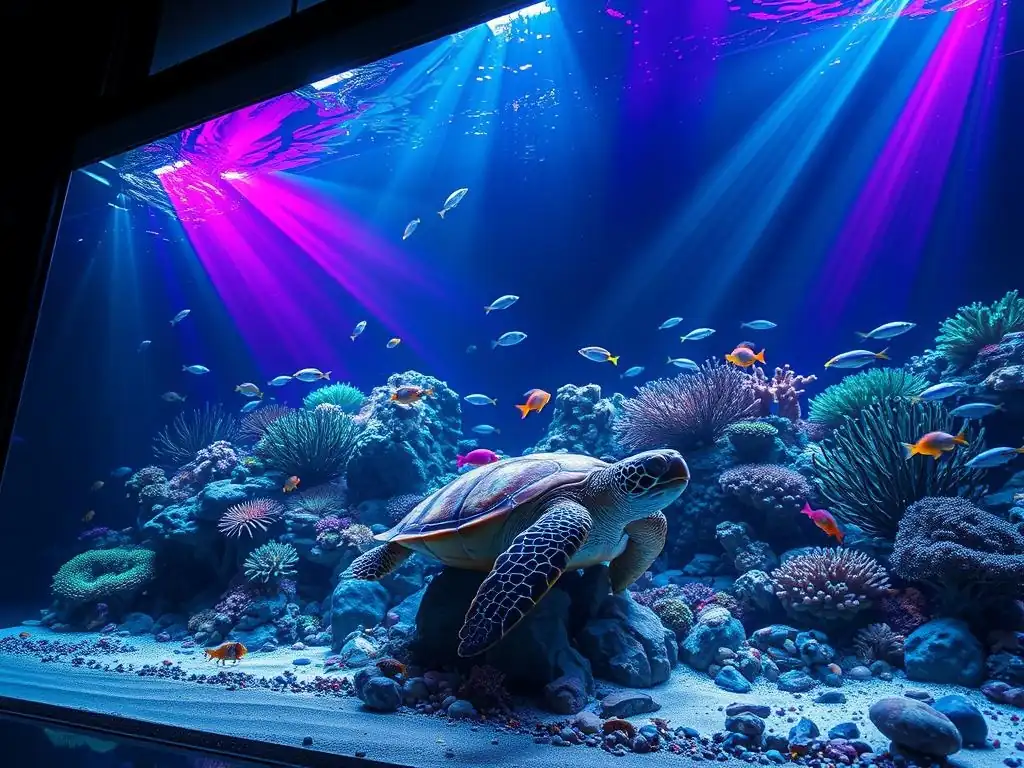
Welcome to Aquarium Mastery, where we unlock the secrets to thriving aquatic ecosystems! Ever wondered how to transform your aquarium into a breathtaking underwater paradise? We're diving deep into the science behind captivating aquarium aesthetics, starting with the mesmerizing world of the aquarium lighting color spectrum. Unlock the power of light and discover how to create stunning visual effects that will leave you, and your aquatic inhabitants, in awe! Read on to illuminate your understanding and master the art of aquarium lighting!
- Understanding Shimmer in Aquariums: An Introduction to Light and Water
- The Physics Behind Aquarium Shimmer: Refraction, Reflection, and Water Movement
- Achieving Optimal Shimmer: Choosing the Right Aquarium Lighting
- The Aquarium Lighting Color Spectrum and Its Impact on Shimmer
- Optimizing Water Parameters for Maximum Shimmer Effect
- Beyond Lighting: Enhancing Shimmer with Substrate and Decor
- Troubleshooting Common Shimmer Issues in Aquariums
- Advanced Techniques for Creating Unique Shimmer Effects
- Conclusion: Mastering the Art of Shimmer in Your Aquarium
-
Frequently Asked Questions
- How does the aquarium lighting color spectrum affect the appearance of my fish?
- What is the ideal aquarium lighting color spectrum for plant growth in a freshwater tank?
- How does the lighting color spectrum influence algae growth in my aquarium?
- Can the aquarium lighting color spectrum impact the behavior of my fish?
- How do I choose the right aquarium lighting color spectrum for a saltwater reef tank?
- Final Reflection: Embracing the Aquatic Lightscape
- Ignite Your Aquarium's Sparkle!
Understanding Shimmer in Aquariums: An Introduction to Light and Water
What is Shimmer and Why is it Desirable in Aquariums?
Shimmer, in the context of aquariums, refers to the captivating, dancing patterns of light and shadow that ripple across the substrate, rocks, and corals within the tank. These dynamic patterns are created as light from the fixture interacts with the agitated surface of the water, mimicking the natural effect of sunlight passing through water in oceans and rivers. It's a highly desirable aesthetic feature because it adds a sense of realism, movement, and vibrancy to the aquatic environment, transforming a static display into a living, breathing ecosystem.
Beyond mere aesthetics, the presence of strong shimmer can evoke the feeling of shallow, sun-drenched waters, similar to the vibrant, high-energy zones found on natural coral reefs or sunlit riverbeds. This visual cue not only enhances the viewer's experience but also contributes to the overall perception of a healthy and dynamic aquatic habitat. Many aquarists actively pursue this effect to bring a piece of the wild into their homes, creating a more immersive and visually stimulating experience.
The Role of Aquarium Lighting in Creating Natural Shimmer Effects
The type and quality of aquarium lighting are paramount in generating prominent and natural-looking shimmer effects. Shimmer is predominantly produced by "point source" lighting, which means light emanating from a concentrated area rather than a diffuse, widespread source. When light from a strong, focused source hits the constantly moving and undulating water surface, it is refracted and reflected at varying angles, casting the characteristic shimmering patterns onto the surfaces below.
In contrast, diffuse light sources, such as traditional fluorescent tubes, spread light more evenly across the water's surface, resulting in a much softer or almost imperceptible shimmer. For optimal shimmer, a light fixture that projects light downwards in a relatively narrow beam, or one composed of many small, intense light emitters, is essential. The interaction between this focused light and the water's dynamic surface is the fundamental mechanism behind creating those stunning visual effects.
The Physics Behind Aquarium Shimmer: Refraction, Reflection, and Water Movement
How Light Interacts with Water to Produce Shimmering Patterns
The phenomenon of shimmer is a direct result of two primary optical principles: refraction and reflection, combined with the dynamic nature of the water's surface. When light travels from air into water, it bends, a process known as refraction. The degree to which light bends depends on the angle at which it strikes the water and the refractive index of the water itself. As the water's surface is constantly agitated by flow, waves, and ripples, the angles at which light enters the water are continuously changing.
Each ripple acts like a tiny, moving lens, focusing and dispersing light in ever-changing patterns on the tank's bottom and decor. Simultaneously, some light is reflected off the water's surface. The interplay of these varying angles of refraction and reflection, caused by the undulating water, creates the moving, flickering patterns we perceive as shimmer. A highly focused light source enhances this effect because the light rays are more coherent before they interact with the water's surface.
The Importance of Water Surface Agitation for Enhanced Shimmer
Water surface agitation is the critical catalyst for producing dynamic and pronounced shimmer. Without movement on the water's surface, light would penetrate relatively uniformly, resulting in a static, uninteresting illumination. It is the constant rippling, waving, and breaking of the water's surface that creates the ever-changing "lenses" and "mirrors" necessary for shimmer. Powerheads, filter outlets, and even air stones contribute to this agitation by creating flow that breaks the surface tension and generates ripples.
The intensity and type of surface agitation directly influence the character of the shimmer. A gentle, broad ripple might create soft, undulating patterns, while more vigorous, choppy surface movement can produce sharper, more defined flickers. For instance, a 100-gallon reef tank might utilize powerheads with a combined flow rate of 2,000-4,000 gallons per hour (GPH) to ensure adequate surface agitation, translating to 20-40 times the tank volume, thereby maximizing the shimmering effect across the entire aquarium.
Achieving Optimal Shimmer: Choosing the Right Aquarium Lighting
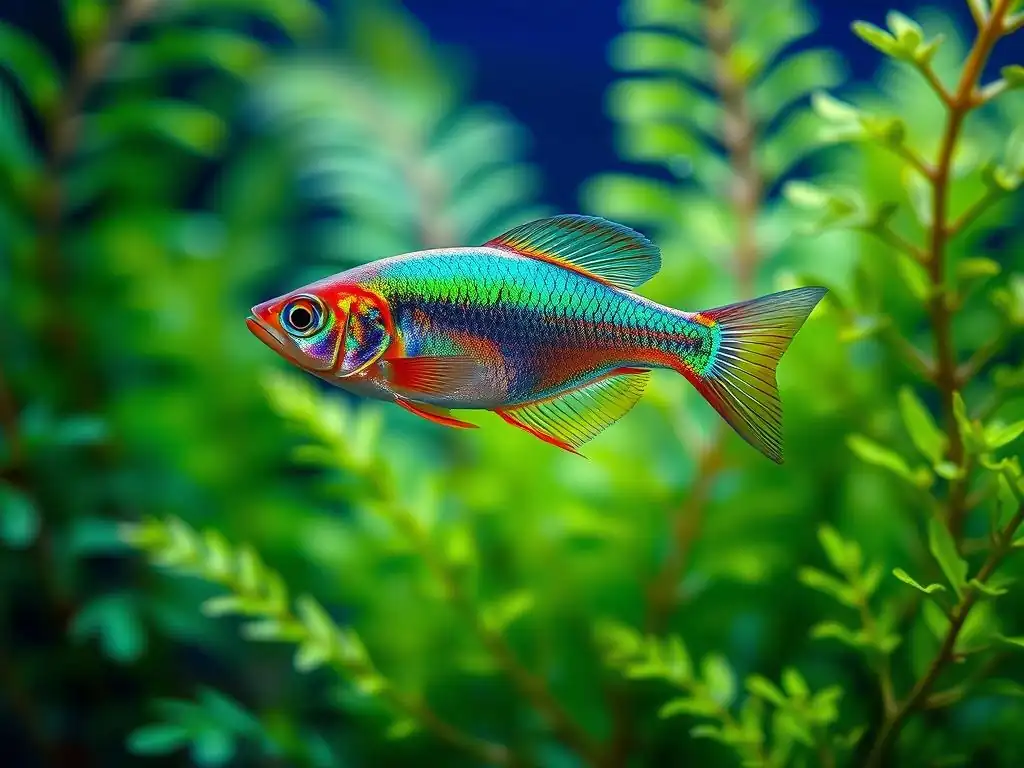
Exploring Different Types of Aquarium Lights for Shimmer Effects
Metal Halide Lighting: High Intensity and Shimmer Potential
Metal halide lights were once the gold standard for high-intensity reef tank illumination and are renowned for their exceptional shimmer. These lights operate as true "point sources," meaning all the light emanates from a single, concentrated arc tube. This focused emission, combined with their very high intensity, results in incredibly sharp, distinct, and dynamic shimmer patterns that closely mimic natural sunlight. A typical 250-watt metal halide bulb can produce PAR (Photosynthetically Active Radiation) readings well over 500 µmol·m⁻²·s⁻¹ at the water's surface, ensuring strong light penetration and pronounced shimmer.
However, metal halides come with significant drawbacks, including high heat output, substantial energy consumption, and a relatively short bulb lifespan (typically 9-12 months for optimal performance). While their shimmer effect is arguably unmatched in its raw intensity, the operational costs and heat management challenges have led many aquarists to seek more energy-efficient alternatives, particularly those exploring the versatility of the aquarium lighting color spectrum offered by newer technologies.
LED Lighting: Achieving Shimmer with Focused Light Sources
LED (Light Emitting Diode) lighting has rapidly become the most popular choice for modern aquariums, offering excellent shimmer potential alongside superior energy efficiency and control. Unlike a single metal halide bulb, an LED fixture is composed of numerous individual diodes, each acting as a small point source. When these diodes are grouped together and focused with lenses, they collectively create powerful, directed light beams that interact beautifully with the water's surface to produce crisp, appealing shimmer.
Many high-end LED fixtures allow for individual control over the intensity and aquarium lighting color spectrum of different diode clusters, enabling aquarists to fine-tune both the visual appeal and the specific light requirements for corals or plants. For example, fixtures utilizing high-power Cree or Luxeon LEDs can achieve PAR values comparable to or even exceeding metal halides, while consuming significantly less energy. The modular nature of LED arrays also means that the shimmer can appear more nuanced and distributed compared to the singular, all-encompassing shimmer of a metal halide.
T5 Fluorescent Lighting: Creating Subtle Shimmer Effects
T5 fluorescent lighting, particularly T5 High Output (HO) bulbs, are highly efficient and provide excellent, even light distribution, making them a popular choice for planted tanks and mixed reef aquariums. However, due to their linear, tube-like design, T5s are considered a more diffuse light source compared to metal halides or focused LEDs. This means that while they provide ample illumination and a broad aquarium lighting color spectrum for photosynthesis, their ability to create pronounced shimmer is limited.
The shimmer produced by T5s is generally much softer, more subtle, and less dynamic than that from point source lights. Instead of distinct flickers, one might observe a gentle undulation of light and shadow. While a 54-watt T5HO bulb can deliver strong PAR (e.g., 200-300 µmol·m⁻²·s⁻¹ at the water's surface), its linear form prevents the sharp light bending necessary for intense shimmer. Aquarists who prioritize a strong shimmer effect often combine T5s with a supplemental LED or metal halide fixture to gain the benefits of both light types.
Factors Influencing Shimmer: Intensity, Angle, and Placement of Aquarium Lights
The quality and prominence of shimmer are significantly influenced by the intensity, angle, and placement of your aquarium lights. Higher intensity lights, particularly those with a focused beam, will generally produce more noticeable and sharper shimmer patterns. This is because more light energy is available to be refracted and reflected by the water's surface. For instance, increasing the wattage or PAR output of a light fixture often leads to a more pronounced shimmer effect.
The angle at which light strikes the water surface is also crucial. Lights positioned directly overhead and perpendicular to the water surface tend to create the most direct and intense shimmer. If lights are angled significantly, the shimmer may appear distorted or less uniform.
Furthermore, the distance between the light fixture and the water surface plays a role; lights positioned closer to the water (within safe operating parameters, typically 6-12 inches for LEDs) will often produce sharper, more defined shimmer patterns due to the reduced spread of the light beam before it hits the water. Proper placement ensures that the light's full potential for shimmer is realized.
The Aquarium Lighting Color Spectrum and Its Impact on Shimmer
Understanding the Relationship Between Color Temperature and Shimmer Quality
The aquarium lighting color spectrum, often described by color temperature in Kelvin (K), significantly influences the perceived quality and crispness of shimmer. Lights with higher color temperatures, typically in the range of 10,000K to 20,000K (cool white to actinic blue), tend to produce a sharper, more defined shimmer. This is because blue and white light wavelengths penetrate water more effectively and scatter less than warmer, redder wavelengths, leading to a clearer, more distinct projection of the shimmering patterns onto the substrate and decor.
Conversely, warmer color temperatures, such as 6,500K (daylight white), which have a higher proportion of red and yellow light, can make the shimmer appear softer, more diffuse, and less distinct. While these warmer lights are excellent for plant growth and enhancing fish coloration, they may not yield the highly desired crisp, dynamic shimmer that many reef aquarists seek. Therefore, selecting an aquarium lighting color spectrum biased towards cooler temperatures is often preferred for maximizing shimmer quality.
Utilizing Specific Wavelengths to Enhance Shimmer and Color Rendition
Beyond broad color temperature, specific wavelengths within the aquarium lighting color spectrum play a role in both shimmer enhancement and overall color rendition. Blue wavelengths, particularly those around 450-470 nanometers (nm), are crucial. These wavelengths penetrate deep into the water column and are highly effective at creating crisp, vibrant shimmer. Many LED fixtures include dedicated blue diodes to maximize this effect, often alongside white diodes for general illumination.
While blue light enhances shimmer, a balanced spectrum that includes white light (typically 6,500K to 12,000K) ensures that the shimmer appears natural and that the colors of fish, corals, and plants are rendered accurately. Some aquarists also incorporate small amounts of red (620-660 nm) and green (520-530 nm) light to complete the aquarium lighting color spectrum, which, while not directly contributing to shimmer, ensures a fuller visual experience and supports photosynthesis in plants and symbiotic algae.
The Impact of Color Spectrum on Coral Fluorescence Under Shimmer
The aquarium lighting color spectrum has a particularly dramatic impact on coral fluorescence when combined with shimmer. Many corals contain fluorescent proteins that absorb light at one wavelength (e.g., blue light) and re-emit it at a longer, visible wavelength (e.g., green, yellow, or red). Actinic blue light, typically in the 420-470 nm range, is highly effective at exciting these proteins, causing corals to "pop" with vibrant colors.
When these corals are bathed in a shimmering light that includes a strong actinic blue component, the fluorescent colors appear to dance and pulsate with the moving light patterns. This creates a mesmerizing, dynamic display where the corals' own emitted light flickers and shifts, enhancing their perceived vibrancy and depth. The interplay between the crisp shimmer from the light source and the excited fluorescence from the corals, driven by the specific aquarium lighting color spectrum, transforms the reef tank into a truly spectacular visual experience.
Optimizing Water Parameters for Maximum Shimmer Effect
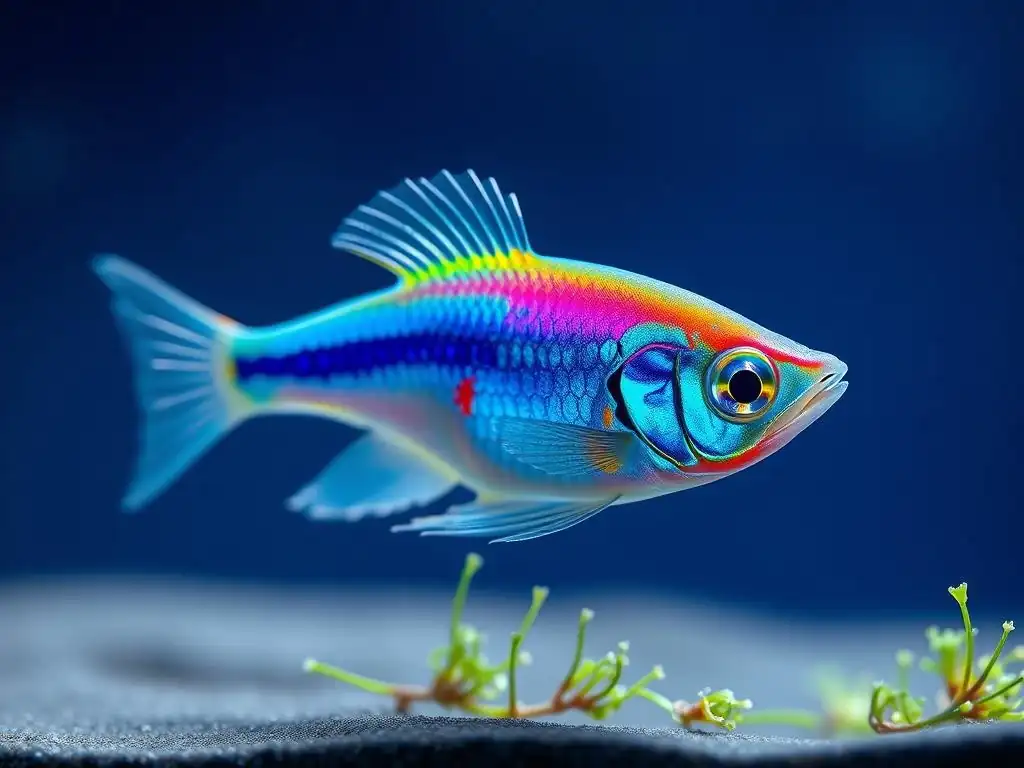
The Impact of Water Clarity on Light Penetration and Shimmer
Water clarity is a fundamental requirement for achieving optimal shimmer in an aquarium. Turbid or cloudy water, caused by suspended particulates, bacterial blooms, or excessive microalgae, significantly scatters and absorbs light before it can reach the substrate or decor. This scattering effect diffuses the light, preventing the sharp, focused beams necessary for crisp shimmer patterns. Think of trying to project a clear image through a foggy window; the result is blurry and indistinct.
To maximize shimmer, the water must be crystal clear. This is achieved through consistent maintenance practices, including regular water changes (e.g., 10-20% weekly or bi-weekly), effective mechanical filtration (filter socks, sponges, filter floss), and often chemical filtration (activated carbon, GFO) to remove dissolved organics and phosphates that can contribute to cloudiness or algae blooms. A well-maintained tank with pristine water will allow light to penetrate deeply and cleanly, resulting in the most pronounced and visually striking shimmer.
Maintaining Ideal Water Movement for Dynamic Shimmer Patterns
As previously discussed, water movement is indispensable for creating dynamic shimmer. However, it's not just about having "some" movement; it's about maintaining ideal water movement. The goal is to create consistent, broad surface agitation without excessive splashing or violent turbulence that might stress inhabitants or create unsightly salt creep. Powerheads, wavemakers, and even the outflow from canister filters or sumps can be strategically positioned to achieve this.
For a typical 75-gallon reef tank, a total flow rate of 1,500 to 3,000 GPH might be targeted across multiple powerheads to ensure widespread surface rippling. This level of flow ensures that the water's surface is constantly undulating, providing the ever-changing angles for light refraction and reflection that produce dynamic shimmer. Insufficient surface movement will result in a static, glass-like surface, leading to minimal or no noticeable shimmer, regardless of the light fixture used.
The Role of Salinity in Light Refraction and Shimmer
While not as immediately impactful as water clarity or movement, salinity does play a subtle role in light refraction and, consequently, shimmer. The refractive index of water, which dictates how much light bends when it passes through it, is influenced by its dissolved solids content, i.e., salinity. Freshwater has a different refractive index than saltwater. Within saltwater aquariums, maintaining a stable and appropriate salinity (e.g., 1.025-1.026 specific gravity for most reef tanks) ensures consistent light interaction.
Significant fluctuations in salinity, though rare in well-maintained tanks, could theoretically alter the light's bending characteristics, thereby subtly affecting the shimmer's appearance. However, the primary reason to maintain stable salinity is for the health and well-being of the aquatic inhabitants. Consistent water parameters, including salinity, contribute to an overall healthy environment, which in turn supports clear water and active water movement—the two most critical factors for optimizing shimmer.
Beyond Lighting: Enhancing Shimmer with Substrate and Decor
Selecting Substrate Materials that Reflect and Diffuse Light
The choice of substrate material can significantly enhance or diminish the perceived shimmer effect in an aquarium. Light-colored substrates, such as white aragonite sand or pale gravel, are highly reflective. When shimmering light patterns hit these surfaces, they bounce back more efficiently, making the shimmer appear brighter, more distinct, and more widespread throughout the tank. This reflection amplifies the dynamic play of light and shadow.
Conversely, dark substrates, like black sand or dark gravel, absorb more light rather than reflecting it. While they can create a dramatic contrast for colorful fish and corals, they tend to absorb the shimmering light patterns, making them less apparent or even invisible. The grain size of the substrate can also play a role; finer, lighter sands can diffuse the light more evenly, creating a soft glow beneath the shimmer, while coarser, reflective gravel might produce sharper, more fragmented reflections.
Incorporating Rocks and Other Decor to Create Shadow and Shimmer Play
Strategic placement of rocks, live rock, and other aquarium decor is crucial for maximizing the visual impact of shimmer. By creating varied topography with peaks, valleys, and overhangs, aquarists can design areas where shimmering light hits directly, casting bright patterns, alongside areas that fall into shadow. This interplay of light and shadow enhances the three-dimensionality of the shimmer, making it appear more dynamic and natural.
For example, a tall, irregular rock structure will have surfaces that catch the light and shimmer intensely, while other sides will be in constant, moving shadow. This contrast adds depth and interest, preventing the shimmer from appearing flat or uniform. The movement of fish or invertebrates within these light and shadow zones further accentuates the dynamic nature of the tank, turning the shimmer into an active participant in the aquatic scene.
Optimizing Decoration Placement for Dynamic Shimmer Patterns
Optimizing decoration placement goes beyond simply arranging rocks; it involves considering how the light will interact with every surface to create a visually engaging shimmer display. Avoid placing large, flat decor pieces directly under the primary light source if the goal is maximum shimmer, as they might create uniform bright spots rather than dynamic patterns. Instead, aim for varied shapes and textures that can catch and diffuse the shimmering light in interesting ways.
Consider the height and position of corals or plants as well. Taller corals or plants can create their own moving shadows as they sway in the current, adding another layer of complexity to the shimmering patterns. By thoughtfully arranging decor with different heights, textures, and orientations, aquarists can guide the shimmering light to highlight specific features, create depth, and ensure that the dynamic effects of the aquarium lighting color spectrum are fully appreciated throughout the entire display.
Troubleshooting Common Shimmer Issues in Aquariums
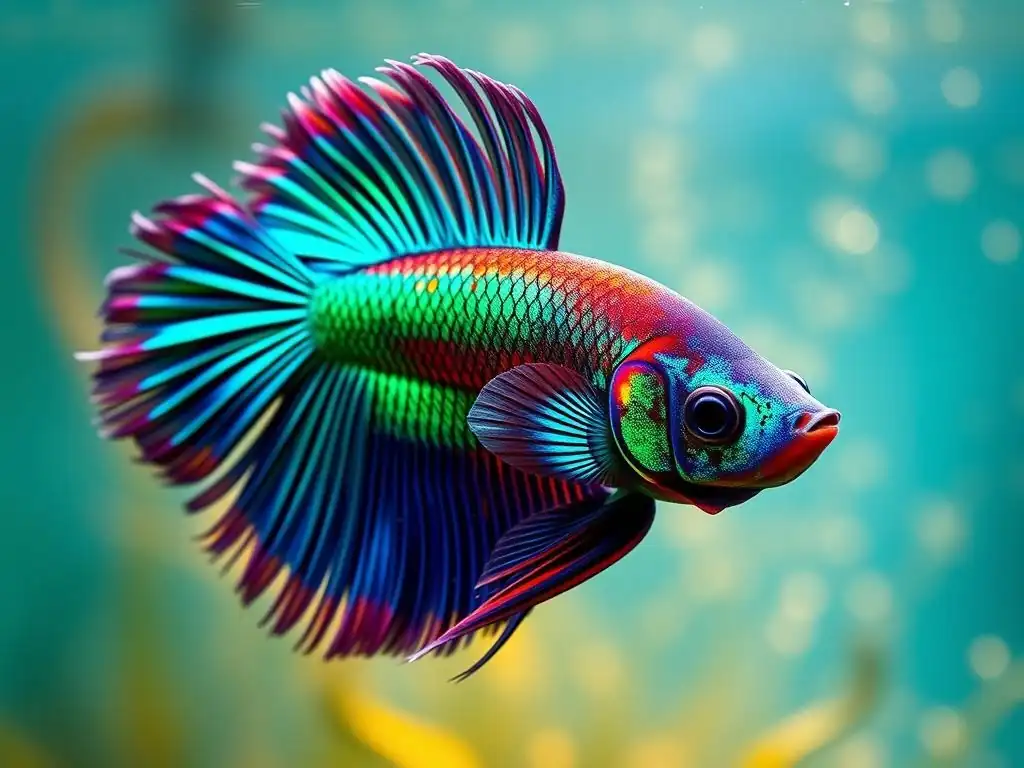
Addressing Poor Shimmer Due to Insufficient Light Intensity
One of the most common reasons for lackluster shimmer is insufficient light intensity from the aquarium fixture. If the light source isn't powerful enough or is too diffuse, it won't create the sharp, focused beams required for pronounced shimmer. This can be due to an undersized fixture for the tank's depth, aging bulbs (especially fluorescents and metal halides, which degrade in intensity over 9-12 months), or the light being positioned too far from the water surface.
To troubleshoot, first check the specifications of your light fixture relative to your tank size. For a 24-inch deep tank, a high-quality LED fixture might need to be 8-12 inches above the water to maximize shimmer, whereas a weaker fixture might need to be closer, or simply won't produce strong shimmer at all. If using older bulbs, consider replacing them, as a 250-watt metal halide bulb can lose up to 30% of its PAR output in a year. Upgrading to a more powerful or point-source light system is often the most effective solution.
Resolving Shimmer Problems Caused by Excessive Algae Growth
Excessive algae growth, whether on the aquarium glass, decor, or suspended in the water, is a major impediment to good shimmer. Algae on the glass or rockwork acts as a physical barrier, blocking light from reaching the substrate and scattering the light that does get through. Green water, caused by a bloom of suspended microalgae, creates extreme turbidity, effectively turning the tank into a murky soup that completely diffuses any potential shimmer.
To resolve this, manual cleaning of the glass and decor is essential. For green water, addressing the root cause—usually excess nutrients (nitrates over 10 ppm, phosphates over 0.03 ppm) and light imbalance—is key. This involves regular water changes, reducing feeding, ensuring proper filtration, and potentially using a UV sterilizer to kill free-floating algae. Once the water clears and surfaces are free of algae, the light can penetrate unimpeded, allowing the shimmer to return to its full glory.
Eliminating Surface Film to Maximize Shimmer
A persistent, oily-looking film on the water's surface, often referred to as protein film or biofilm, is another common culprit for diminished shimmer. This film dampens the ripples and waves on the water's surface, preventing the light from being properly refracted and reflected. Essentially, it creates a static barrier that negates the dynamic interaction between light and water movement, resulting in a dull or non-existent shimmer.
Eliminating surface film is typically straightforward. Increasing surface agitation by adjusting powerhead or filter outflow to break the surface tension is often sufficient. Adding an air stone can also help. For more persistent films, a surface skimmer, either integrated into a filter or as a standalone unit, is highly effective at drawing in and removing the film. Regular water changes also help reduce the organic compounds that contribute to film formation. A clean, agitated surface is paramount for vibrant shimmer.
Advanced Techniques for Creating Unique Shimmer Effects
Utilizing Dimmers and Controllers to Adjust Shimmer Intensity
Modern aquarium lighting, particularly high-end LED fixtures, often comes equipped with dimmers and programmable controllers. These tools offer unprecedented control over the aquarium lighting color spectrum, intensity, and photoperiod, which in turn allows for fine-tuning of shimmer intensity. By gradually increasing or decreasing the light intensity throughout the day, aquarists can simulate natural dawn and dusk cycles, where shimmer slowly builds or fades.
Furthermore, some advanced controllers allow for "cloud cover" simulations, where light intensity temporarily dips and then rises, mimicking the passage of clouds overhead. This creates dynamic, transient changes in shimmer prominence, adding another layer of realism to the aquarium. Experimenting with different intensity ramps and daily schedules can yield unique and captivating shimmer effects that evolve throughout the day.
Experimenting with Light Placement and Angles for Custom Shimmer Patterns
Beyond standard overhead placement, experimenting with the exact position and angle of your light fixture(s) can create custom shimmer patterns that highlight specific areas or features within the aquarium. While direct overhead placement typically yields the most uniform shimmer, slightly offsetting a point-source light or angling it subtly can direct more intense shimmer to a particular rock formation or coral colony, making it "pop" more.
For larger tanks, using multiple, individually placed light sources can create layered shimmer effects. For instance, two smaller LED fixtures positioned slightly apart can generate overlapping shimmer patterns that interact in complex ways, adding depth and visual interest that a single, larger fixture might not achieve. This level of customization allows aquarists to sculpt the light and shimmer to their precise aesthetic vision.
Combining Multiple Light Sources for Layered Shimmer Effects
A sophisticated technique for achieving truly unique and layered shimmer effects involves combining different types of light sources. A common strategy is to pair a powerful point-source light (like a high-intensity LED or a metal halide) for crisp, primary shimmer with a more diffuse light source (like T5 fluorescents) for broad, even illumination and a full aquarium lighting color spectrum.
The T5s can provide a consistent baseline of light, ensuring uniform PAR coverage for growth, while the LED or metal halide fixture provides the dominant, dynamic shimmer. This combination allows the aquarist to achieve both excellent light penetration and growth support, alongside the spectacular visual appeal of intense shimmer. The resulting effect is a rich, complex interplay of light that can make the aquarium feel incredibly vibrant and alive, demonstrating a true mastery of aquarium lighting color spectrum and its visual impact.
Conclusion: Mastering the Art of Shimmer in Your Aquarium
Recap of Key Principles for Achieving Stunning Visual Effects
Achieving stunning shimmer in your aquarium is an art form rooted in understanding key principles of light and water interaction. It fundamentally relies on the use of point-source lighting, such as high-intensity LEDs or metal halides, which produce the focused beams necessary for crisp patterns. Crucially, constant and appropriate water surface agitation is essential, as the dynamic ripples act as lenses, refracting and reflecting light to create the signature dancing patterns. Maintaining crystal-clear water is paramount, as any turbidity will diffuse light and diminish the shimmer. Furthermore, careful consideration of the aquarium lighting color spectrum, especially the blue and white wavelengths, enhances both the appearance of shimmer and the vibrancy of your tank's inhabitants. Finally, strategic placement of reflective substrates and varied decor amplifies the visual impact, creating a dynamic interplay of light and shadow.
Further Resources for Aquarium Lighting and Shimmer Optimization
Mastering the art of shimmer is an ongoing journey of experimentation and refinement. Aquarists are encouraged to delve deeper into the specifics of aquarium lighting color spectrum and its effects on various aquatic life, particularly for specialized setups like planted tanks or SPS-dominated reef systems. Resources on PAR (Photosynthetically Active Radiation) measurements, light fixture reviews, and advanced controller programming can provide invaluable insights. Engaging with experienced aquarists in online forums and local clubs offers opportunities to learn from real-world examples and troubleshoot unique challenges. By continuously learning and applying these principles, you can transform your aquarium into a mesmerizing display of light, movement, and color.
Frequently Asked Questions
How does the aquarium lighting color spectrum affect the appearance of my fish?
The color spectrum significantly impacts how your fish appear. Certain wavelengths enhance specific colors, making your fish more vibrant. For example, red and blue wavelengths can intensify these colors in fish that display them.
What is the ideal aquarium lighting color spectrum for plant growth in a freshwater tank?
For optimal plant growth, a full spectrum is generally recommended. This includes red and blue light, crucial for photosynthesis. Specific plant species may have slightly different needs.
How does the lighting color spectrum influence algae growth in my aquarium?
Certain parts of the light spectrum, particularly red light, can promote algae growth. Maintaining a balanced spectrum and controlling light intensity are crucial to minimize algae blooms.
Can the aquarium lighting color spectrum impact the behavior of my fish?
Yes, the color of light can affect fish behavior. For instance, overly bright or intense lighting can stress some species. A natural color spectrum often promotes more relaxed and natural behaviors.
How do I choose the right aquarium lighting color spectrum for a saltwater reef tank?
Reef tanks require specific light spectrums to support corals. Often, actinic blue light is used to promote coral growth and fluorescence. Research the specific needs of the corals you keep.
Okay, here's a final reflection designed to conclude your article "The Science of Shimmer: Creating Stunning Visual Effects with Aquarium Lighting," while also subtly reinforcing the keyword "Aquarium lighting color spectrum" and adhering to the structure you provided:
Final Reflection: Embracing the Aquatic Lightscape
The exploration of aquarium lighting color spectrum is not merely a technical exercise; it's a journey into understanding how light shapes the underwater world and influences the very essence of aquatic life. The principles we've discussed, from spectral output to shimmer effects, are increasingly relevant as aquarists strive to create not just visually appealing, but also biologically thriving ecosystems within their homes. The power to manipulate light, to mimic the sun's rays filtering through the ocean's depths, is now firmly in the hands of the informed aquarist.
This journey into the science of shimmer has profoundly impacted how we perceive the delicate balance within our aquariums. Understanding the nuances of the aquarium lighting color spectrum allows us to move beyond simple illumination and into a realm of artistic expression and responsible stewardship. The best view comes after the hardest climb.
This quote, often applied to life's challenges, resonates deeply with the aquarist's pursuit of the perfect aquatic environment. It's a testament to the dedication required to master the art and science of aquarium lighting.
As you consider the information presented, remember that the true beauty of an aquarium lies not just in its aesthetic appeal, but in the health and vitality of its inhabitants. Let the knowledge of the aquarium lighting color spectrum empower you to create a vibrant, thriving ecosystem that reflects your passion and commitment to the aquatic world. Embrace the science, experiment with the possibilities, and illuminate your underwater world with intention and care.
Ignite Your Aquarium's Sparkle!
Thanks for diving into the science of shimmer and learning how to transform your aquarium with the magic of lighting! Now that you understand the principles, it's time to put that knowledge into action and unlock the full potential of your underwater world.
Here are a few things you can do right now:
- Start experimenting with your current lighting setup. Try adjusting the angle and intensity to see how different settings affect the shimmer. Note the changes and identify what settings create the most stunning visual effects.
- Share your newfound knowledge! Post a picture of your aquarium’s shimmer on social media with the hashtag #AquariumShimmer and inspire others to explore this captivating effect.
- Consider researching different types of aquarium lighting technology to further enhance the shimmer effect in your aquarium.
What unique lighting configurations will you test to achieve that perfect, dazzling shimmer in your aquarium?