
Upgrading Your Tank's Core Systems: A Guide to Better Filtration, Heating & Cooling

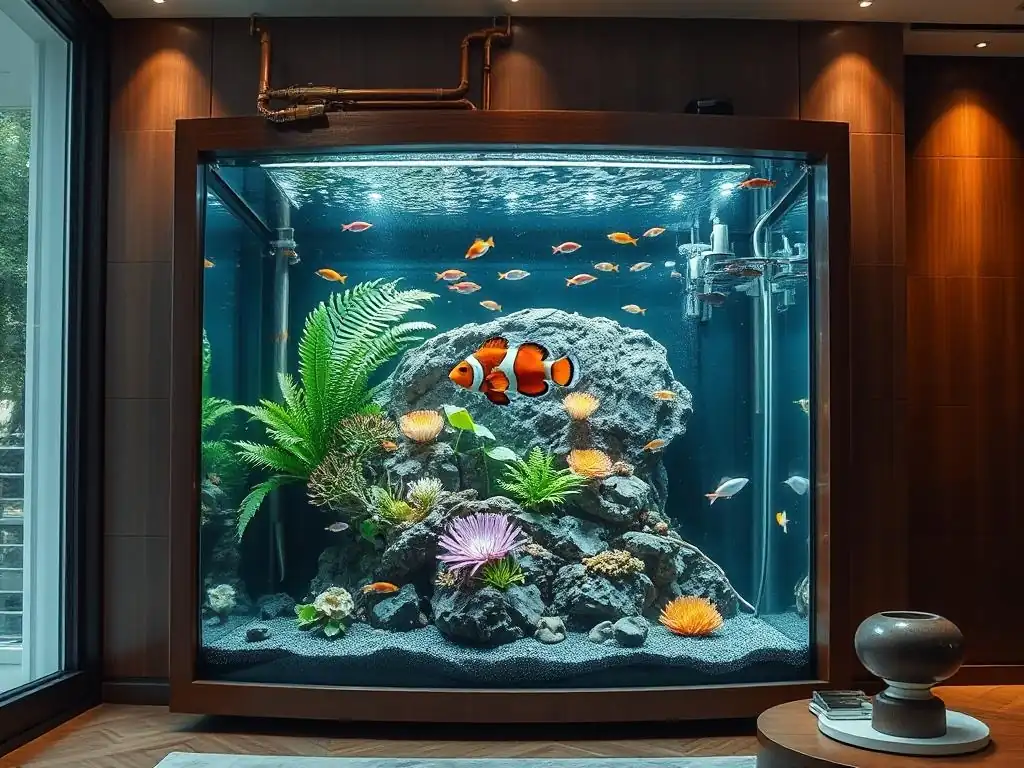
Welcome to Aquarium Mastery, where your underwater dreams become reality!
Ever wondered if your current setup is truly providing the optimal environment for your aquatic friends? Dive into our latest article, " Upgrading Your Tank's Core Systems: A Guide to Better Filtration, Heating & Cooling," and discover how better aquarium filtration systems can dramatically improve water quality and the overall health of your tank. Ready to unlock the secrets to a thriving aquatic ecosystem? Let's get started!
- Optimizing Aquarium Core Systems: Filtration, Heating & Cooling for a Thriving Ecosystem
- Understanding Core Aquarium System Importance
- Enhancing Aquarium Filtration
- Optimizing Aquarium Heating for Stability
- Implementing Aquarium Cooling Solutions
- Maintaining Upgraded Aquarium Systems
- Advanced Techniques for Aquarium Health
- Case Studies: Successful Aquarium System Upgrades
- Conclusion: Investing in a Healthy Aquarium
-
Frequently Asked Questions
- How does a better aquarium filtration system benefit my fish?
- What are the main types of aquarium filtration systems, and which is best?
- How often should I clean or replace my aquarium filtration system's components?
- What are some signs that my current aquarium filtration system is inadequate?
- How do I choose the right aquarium filtration system for my specific aquarium?
- Final Reflection: The Ever-Evolving Ecosystem
- Transform Your Tank: Dive Deeper Now!
Optimizing Aquarium Core Systems: Filtration, Heating & Cooling for a Thriving Ecosystem
Understanding Core Aquarium System Importance
Why Optimal Filtration, Heating, and Cooling Are Crucial
The fundamental health and stability of any aquarium ecosystem hinge upon three core systems: filtration, heating, and cooling. These components act as the life support, directly influencing water quality, temperature consistency, and ultimately, the well-being of all aquatic inhabitants. Inadequate performance in any of these areas can lead to chronic stress for fish and invertebrates, making them highly susceptible to diseases like Ich (white spot disease) or bacterial infections, and can even result in catastrophic tank crashes where an entire population is lost due to toxic conditions or extreme temperatures.
Each system plays a distinct yet interconnected role. Filtration diligently removes harmful waste products, preventing the buildup of ammonia and nitrite which are lethal even at low concentrations. Heating ensures that fish, many of which are poikilothermic (cold-blooded), maintain optimal metabolic rates and immune function. Conversely, cooling prevents overheating, a common issue in warmer climates or with powerful lighting, which can drastically reduce dissolved oxygen levels and cause severe stress or death, especially for sensitive species. For instance, a mere 2-3°F deviation from a stable temperature can significantly stress delicate fish like Discus or many types of corals.
Evaluating Your Current Aquarium Setup's Limitations
Before embarking on upgrades, a thorough assessment of your existing aquarium setup is crucial to identify potential limitations. Visible signs of inadequacy include persistent cloudy water despite regular water changes, chronic algae blooms, fish gasping at the surface (indicating low oxygen or high toxins), frequent disease outbreaks, or noticeable temperature fluctuations throughout the day. These symptoms often point to an undersized or inefficient filtration system, an unreliable heater, or a lack of proper cooling.
To perform a practical evaluation, start by measuring your current filter's flow rate against your tank's volume. A general guideline for effective filtration is to achieve a water turnover rate of 4-6 times the tank volume per hour. If your 50-gallon tank's filter only processes 150 gallons per hour (3x turnover), it might be struggling to keep up with the bioload, suggesting a need for better aquarium filtration systems.
Similarly, check your heater wattage against the tank size (a common rule is 3-5 watts per gallon) and use a separate, reliable thermometer to verify temperature stability over a 24-hour period. Inconsistent readings or significant daily swings (e.g., more than 1°F) indicate heating or cooling deficiencies.
Enhancing Aquarium Filtration
Selecting the Right Aquarium Filter
Achieving truly pristine water quality, essential for a thriving aquatic environment, necessitates a multi-stage approach to filtration. No single type of filter media or filtration stage can comprehensively purify aquarium water; rather, a synergistic combination of mechanical, biological, and chemical processes is required. The goal is to remove both solid particulate matter and invisible dissolved pollutants, leading to crystal-clear water, stable parameters, and a noticeable reduction in common issues like algae and fish stress.
When considering an upgrade for better aquarium filtration systems, the "right" filter is one that offers robust capabilities across all three filtration stages, tailored to your specific tank's bioload, size, and inhabitants. This often means moving beyond basic filter cartridges and embracing systems that allow for custom media selection and ample media volume. The efficiency of your filter directly impacts the health of your aquatic ecosystem, making this selection a cornerstone of successful aquarium keeping.
Mechanical Filtration: Removing Debris
Mechanical filtration serves as the first line of defense in any effective filtration system, physically removing particulate matter from the water column. This includes uneaten food, fish waste, decaying plant matter, and other suspended debris. By trapping these large particles, mechanical filtration prevents them from breaking down into harmful ammonia and nitrites, thus significantly reducing the overall organic load on the aquarium. Common mechanical media include filter floss, sponges, and filter socks, designed to capture debris of varying sizes.
The efficiency of mechanical filtration is often quite high, with well-designed systems capable of removing 70-90% of visible particulate matter. Regular cleaning or replacement of mechanical media is paramount, typically on a weekly or bi-weekly basis, depending on the tank's bioload. Neglecting this step causes the trapped detritus to decompose within the filter itself, releasing nitrates and phosphates back into the water, effectively turning the filter into a source of pollution rather than a purifier. This undermines the very purpose of a better aquarium filtration system.
Biological Filtration: The Nitrogen Cycle
Biological filtration is arguably the most critical component of any aquarium system, responsible for detoxifying highly toxic nitrogenous waste products through the nitrogen cycle. This process relies on beneficial nitrifying bacteria (primarily Nitrosomonas and Nitrobacter) that colonize surfaces within the filter. Nitrosomonas bacteria convert ammonia (NH3/NH4+), a direct byproduct of fish waste and decaying organic matter, into nitrite (NO2-). Subsequently, Nitrobacter bacteria convert nitrite, which is also highly toxic, into relatively less harmful nitrate (NO3-).
To facilitate this vital process, biological filtration media are designed with an immense surface area, providing ample space for bacterial colonization. Examples include ceramic rings, bio-balls, bio-sponges, and specialized porous rocks. Some advanced ceramic media can boast over 1,000 square feet of surface area per liter, supporting a vast colony of beneficial bacteria capable of processing significant amounts of ammonia and nitrite. Adequate biological filtration is the bedrock upon which a stable and healthy aquatic environment is built, making it an indispensable part of any better aquarium filtration system.
Chemical Filtration: Addressing Water Parameters
Chemical filtration targets dissolved organic compounds, odors, discoloration, heavy metals, and specific toxins that mechanical and biological filtration cannot remove. This stage employs various specialized media that adsorb or absorb these undesirable substances from the water column, leading to clearer water and more stable parameters. While not always strictly necessary for every aquarium, chemical filtration can be a powerful tool for fine-tuning water quality and addressing specific issues.
Common chemical media include activated carbon, which excels at removing tannins (responsible for yellow-tinted water), odors, and certain medications. Specialized resins like Purigen are highly effective at removing dissolved organic waste, nitrates, and nitrites, often producing crystal-clear water. Phosphate removers, such as granular ferric oxide (GFO), are crucial for controlling nuisance algae by stripping phosphates from the water. It's important to note that chemical media typically have a finite lifespan, usually 2-4 weeks for activated carbon, and must be replaced regularly to maintain their efficacy.
Optimizing Existing Aquarium Filter Performance
For aquarists not yet ready for a complete filter replacement, significant improvements can still be made to an existing setup. This often involves enhancing the internal media configuration and ensuring optimal water flow. Even seemingly minor adjustments can lead to a noticeably better aquarium filtration system, improving water clarity and stability without the immediate need for a new unit.
Simple yet effective upgrades include supplementing current filtration with additional devices like sponge filters, which provide excellent biological and mechanical filtration, or adding powerheads to increase overall water circulation within the tank, ensuring that more water passes through the main filter. Replacing old or basic filter media with higher-quality, higher-surface-area alternatives can also dramatically boost the filter's capacity for beneficial bacteria and pollutant removal.
Adding Media Baskets and Specialized Media
Many existing hang-on-back (HOB) and canister filters can be significantly upgraded by replacing standard cartridges with custom media baskets or chambers. These allow aquarists to select and layer specialized filtration media tailored to their specific tank's needs, moving beyond the often-limited capabilities of generic filter inserts. For instance, instead of a simple carbon pad, one can integrate high-quality activated carbon, a dedicated biological media like ceramic rings, or even specific resins for targeted parameter control.
Examples of specialized media that can be added include GFO for phosphate control, particularly beneficial in reef tanks struggling with algae, or specialized nitrate-reducing resins for freshwater tanks with high nitrate levels. Bio-pellets, another advanced option, provide a carbon source for nitrate-reducing bacteria. By customizing the media, an aquarist can transform a standard filter into a much more robust and effective filtration powerhouse, achieving a truly better aquarium filtration system.
Increasing Flow Rate for Filtration Efficiency
The effectiveness of any aquarium filter is directly tied to the volume of water it processes per hour, known as its flow rate. A general guideline for optimal filtration efficiency is to achieve a water turnover rate of 4 to 10 times the tank volume per hour, depending on the bioload and the specific needs of the aquatic inhabitants. Insufficient flow can lead to "dead spots" in the aquarium where waste accumulates and oxygen levels drop, undermining the efforts of even the best filtration media.
There are several methods to increase the effective flow rate through your existing filtration system. This could involve thoroughly cleaning clogged intake tubes and impellers, which often restrict flow, or even upgrading the filter's pump impeller if the manufacturer offers a higher-performance option. For tanks with inherently low-flow filters, adding supplementary powerheads or internal circulation pumps can significantly improve water movement, ensuring that more water passes through the filter for purification, thus contributing to a much better aquarium filtration system.
Choosing a High-Performance Aquarium Filter
When existing filters are simply insufficient or a new, larger tank is being set up, investing in a high-performance aquarium filter is the most impactful step towards achieving superior water quality and a thriving ecosystem. These advanced filtration units are designed with larger media capacities, more powerful pumps, and greater versatility, allowing for comprehensive multi-stage filtration that can handle higher bioloads and maintain stable parameters with greater ease.
Selecting a high-performance filter involves considering factors such as the filter's total volume (which dictates media capacity), its actual flow rate (not just the pump rating, but the real-world flow after media resistance), ease of maintenance, and energy efficiency. While the initial cost might be higher, the long-term benefits of reduced water quality issues, healthier fish, and less frequent troubleshooting often outweigh the expense, making it a worthwhile investment for a truly better aquarium filtration system.
Canister Filters: Power and Versatility
Canister filters are external, sealed filtration units that offer robust multi-stage filtration, making them an excellent choice for tanks ranging from approximately 20 gallons up to several hundred gallons. Their design allows for a large volume of filtration media, enabling comprehensive mechanical, biological, and chemical filtration within a single, compact unit that sits outside the aquarium, often hidden in a cabinet below.
Typically, canister filters boast impressive flow rates, often ranging from 100 to over 500 gallons per hour (GPH), providing excellent water turnover. Their sealed nature also contributes to quiet operation and minimal evaporation. The ability to customize media trays with specific media types—such as high-surface-area bio-media, activated carbon, or specialized resins—makes them incredibly versatile. This adaptability, combined with their powerful performance, positions canister filters as a leading choice for those seeking better aquarium filtration systems for medium to large setups.
Sump Systems: Maximizing Filtration
Sump systems represent the pinnacle of aquarium filtration, predominantly used for larger aquariums (typically 50 gallons and above) and especially prevalent in saltwater reef tanks. A sump is essentially an external reservoir, usually placed below the main display tank, connected via an overflow system that drains water into the sump and a return pump that sends filtered water back to the main tank. This design offers unparalleled flexibility and benefits.
The primary advantages of a sump include a significant increase in total system water volume, which inherently adds stability to water parameters. They provide vast space for unlimited customization of filtration media, allowing for large quantities of mechanical, biological, and chemical media. Moreover, sumps allow for the integration of various specialized equipment like protein skimmers, refugiums, reactors (for carbon, GFO, or biopellets), and auto top-off systems, all hidden from view. A well-designed sump is arguably the most comprehensive and effective approach to achieving a better aquarium filtration system for advanced aquarists.
Hang-on-Back (HOB) Filters: Performance Upgrades
While often associated with beginner setups, many modern hang-on-back (HOB) filters have evolved significantly to offer performance comparable to smaller canister filters, making them a viable option for a better aquarium filtration system in tanks up to approximately 75 gallons where a canister or sump might not be feasible or desired. These advanced HOB models go beyond simple cartridge designs, featuring larger media baskets, adjustable flow rates, and the capacity for custom media.
High-performance HOB filters like the AquaClear series or Seachem Tidal filters are designed with multiple media chambers, allowing users to select and layer their preferred mechanical, biological, and chemical media. They often boast features like self-priming pumps, surface skimmers, and clear impellers for easy maintenance. While they may not offer the sheer volume or versatility of a sump, these upgraded HOBs can provide significantly improved filtration and water quality compared to basic models, making them an excellent choice for many mid-sized aquariums.
Optimizing Aquarium Heating for Stability
Selecting Correct Aquarium Heater Wattage
Selecting the correct heater wattage is crucial for maintaining a stable and consistent temperature in your aquarium, which is vital for the health of your aquatic inhabitants. A commonly cited guideline is to use 3 to 5 watts per gallon of tank volume for maintaining a temperature rise of about 5-10°F above average room temperature (e.g., keeping a 78°F tank in a 70°F room). For instance, a 50-gallon tank would typically require a 150W to 250W heater.
However, several factors can influence the actual wattage needed: the ambient room temperature (colder rooms require more wattage), the desired tank temperature (tropical fish needing 80°F+ will require more heat than temperate species), and whether the tank is open-top (more heat loss through evaporation). It's often safer and more reliable to use two smaller heaters at opposite ends of a tank rather than one large heater.
For example, two 100W heaters in a 50-gallon tank provide redundancy and better heat distribution than a single 200W unit, minimizing the risk of a complete heater failure leading to a rapid temperature drop.
Types of Aquarium Heaters: Immersion, Substrate, External
Aquarium heaters come in various types, each with its own advantages and ideal applications. The most common are immersion heaters, which are fully submersible and placed directly within the tank. These are cost-effective, easy to install, and widely available. They come in glass or titanium models, with titanium generally being more durable and resistant to breaking. While convenient, their integrated thermostats can sometimes be less precise, necessitating a separate thermometer for verification.
Substrate heaters, often resembling heating cables, are buried under the substrate. They gently warm the substrate, creating convection currents that draw nutrient-rich water down to plant roots and push oxygenated water up, benefiting planted tanks. They are typically used in conjunction with a main immersion heater. External inline heaters are designed to be plumbed into the return line of a canister filter or sump system. They keep the heater out of the display tank, offering a cleaner aesthetic and often more precise temperature control, making them popular for advanced setups where tank aesthetics are a priority.
Heater Placement for Uniform Temperature
Proper heater placement is as critical as selecting the correct wattage to ensure uniform temperature distribution throughout the aquarium. Incorrect placement can lead to "hot spots" and "cold spots," causing stress to fish and potentially impacting sensitive corals or plants. In smaller tanks (under 20 gallons), a single heater usually suffices if placed in an area with good water flow.
For larger aquariums (50 gallons and above), it is often recommended to use two smaller heaters placed at opposite ends of the tank, ideally near the outflow of a filter or a powerhead. This ensures that the heated water is quickly dispersed throughout the entire volume, preventing stratification.
Heaters designed for full submersion should always be completely underwater, and unless specifically a substrate heater, they should not be buried in the substrate, as this can impede heat dissipation and lead to overheating or premature failure. Avoid placing heaters directly against the glass, as heat can dissipate unevenly through the tank wall.
Troubleshooting Heater Issues
Aquarium heaters are critical components, and their failure can quickly lead to disastrous consequences for your aquatic inhabitants. Common heater issues include complete failure (no heat, indicator light off), being stuck in the "on" position (leading to overheating), or being stuck in the "off" position (resulting in underheating). The first step in troubleshooting is always to check the power supply; ensure the heater is securely plugged in and its circuit breaker hasn't tripped.
If the power is fine, observe the heater's indicator light (if present) and feel the unit for warmth. If there's no heat or light, the heater has likely failed and needs replacement. If the tank is overheating, the thermostat is likely stuck on. Conversely, if it's underheating, the thermostat might be stuck off, or the heater is simply undersized for the tank's needs. Always use a separate, reliable thermometer to verify the tank's actual temperature, as built-in heater thermostats can be notoriously inaccurate. It's generally recommended to replace heaters every 2-3 years, as their reliability decreases with age.
Implementing Aquarium Cooling Solutions
Understanding the Need for Chillers
While heating is a primary concern for most aquarists, cooling is equally vital, especially in warm climates, during summer months, or for tanks housing cold-water species or sensitive reef inhabitants. Overheating can be as detrimental, if not more so, than underheating. When water temperatures rise significantly above ideal ranges, several critical issues emerge: dissolved oxygen levels plummet, fish metabolic rates increase leading to stress and reduced immune function, and corals in saltwater tanks become highly susceptible to bleaching and death (e.g., temperatures consistently above 82°F can trigger coral bleaching).
For specific inhabitants like Fancy Goldfish or Axolotls, which thrive in cooler temperatures (e.g., 65-75°F), or for many marine invertebrates that require stable temperatures typically below 80°F, active cooling becomes an absolute necessity. Relying solely on ambient room temperature can lead to dangerous daily temperature spikes, making a dedicated cooling solution an essential investment for maintaining a healthy and stable aquatic environment.
Types of Aquarium Chillers: Thermoelectric vs. Compressor
Aquarium chillers primarily come in two types: thermoelectric (Peltier) and compressor-based. Thermoelectric chillers are generally smaller, quieter, and more affordable. They work by using the Peltier effect to transfer heat, making them suitable for smaller tanks (typically under 20 gallons) or for situations where only a minor temperature drop (2-4°F) is required. While compact, they are less energy-efficient for significant cooling needs and their cooling capacity diminishes rapidly with increasing ambient temperatures.
Compressor-based chillers, on the other hand, operate much like a refrigerator or air conditioner. They are significantly more powerful, capable of handling larger tanks (50 gallons up to several hundred gallons) and achieving substantial temperature drops (5-15°F or more). While more expensive and larger in footprint, they are considerably more energy-efficient for sustained, heavy-duty cooling. These units typically require a dedicated pump to circulate water through them and are the preferred choice for reef tanks or large freshwater setups in warm environments.
Installing and Maintaining Chillers
Proper installation and routine maintenance are crucial for the efficient and long-term operation of an aquarium chiller. Most chillers are installed inline with the aquarium's filtration system, typically on the return line from a canister filter or sump, or with a dedicated pump circulating water through the unit. It is essential to ensure that the chiller is placed in a well-ventilated area, as it dissipates heat into the surrounding room. Restricting airflow can severely reduce its efficiency and potentially lead to overheating of the unit itself.
Maintenance typically involves regularly cleaning the chiller's condenser coils, often located at the back or sides of the unit. Dust and debris buildup on these coils can act as an insulator, preventing efficient heat exchange and forcing the chiller to work harder, consuming more energy and potentially shortening its lifespan. A soft brush or vacuum cleaner can be used for this task, usually on a quarterly basis. Additionally, routinely check all plumbing connections for leaks and ensure that the water flow rate through the chiller matches the manufacturer's recommendations for optimal performance.
Alternative Cooling Methods: Fans and Evaporation
While dedicated chillers offer the most precise and powerful cooling, several alternative methods can provide temporary or supplemental temperature reduction, primarily through evaporative cooling. Aquarium cooling fans are the most common and effective of these alternatives. By blowing air across the water surface, these fans accelerate evaporation, which is a highly efficient cooling process. A good set of cooling fans can typically reduce water temperature by 2-5°F, depending on humidity and air movement in the room.
The main drawback of fan cooling is the increased rate of water evaporation, necessitating more frequent top-offs with fresh RO/DI water to maintain stable salinity (especially in saltwater tanks) and water levels. Other temporary methods include floating sealed bags of ice (to avoid diluting water parameters), reducing room temperature with air conditioning, or even turning off powerful lights for a period. However, these are generally considered short-term solutions and do not offer the consistent, precise temperature control of a dedicated chiller.
Maintaining Upgraded Aquarium Systems
Regular Water Testing and Adjustments
Even with the most advanced and better aquarium filtration systems, along with optimized heating and cooling, regular water testing remains the cornerstone of responsible aquarium husbandry. Upgraded systems make maintaining stable parameters significantly easier, but they do not eliminate the need for diligent monitoring. Key parameters to test frequently include ammonia, nitrite, nitrate, pH, and temperature. For saltwater tanks, salinity, alkalinity, calcium, and magnesium are also critical.
The results of these tests provide invaluable insights, guiding necessary adjustments to your maintenance routine. For example, consistently elevated nitrate levels (e.g., above 20 ppm in a freshwater tank or 5 ppm in a reef tank) despite robust filtration might indicate overfeeding, an aging filter media, or a need for larger or more frequent water changes. Similarly, fluctuating pH could prompt a review of buffering capacity or the type of chemical filtration used. Testing acts as your aquarium's diagnostic tool, ensuring your upgraded systems are performing optimally and allowing for proactive intervention before problems escalate.
Cleaning and Replacing Filter Media
Proper and timely maintenance of filter media is paramount to ensuring your better aquarium filtration system operates at its peak efficiency. The cleaning and replacement schedule varies significantly depending on the type of media:
- Mechanical Media (Sponges, Filter Floss, Filter Socks): These should be cleaned or replaced most frequently, typically weekly or bi-weekly. This prevents trapped detritus from decomposing and releasing nitrates and phosphates back into the water. When cleaning sponges, gently rinse them in old tank water removed during a water change to preserve beneficial bacteria.
- Chemical Media (Activated Carbon, Resins, GFO): These media have a finite lifespan as their adsorptive capacity becomes exhausted. Activated carbon is generally effective for 2-4 weeks, while resins and GFO may last longer, depending on the organic load. Always follow manufacturer recommendations for replacement. Using exhausted chemical media can lead to the "dumping" of adsorbed pollutants back into the water.
- Biological Media (Ceramic Rings, Bio-balls, Bio-sponges): These should be disturbed as little as possible to protect the beneficial bacterial colonies. Only clean them if they are visibly clogged with detritus, and always do so gently, rinsing them in old tank water to avoid a significant bacterial die-off. Biological media typically does not need regular replacement unless it physically degrades or becomes irreparably clogged.
Calibrating Temperature Controls
Maintaining a precise and stable temperature is fundamental to the health of aquarium inhabitants, and this relies heavily on the accuracy of your heating and cooling controls. Regular calibration of heater thermostats and chiller set points against a reliable, independent thermometer is a critical maintenance task. Many built-in heater thermostats can have a variance of 1-3°F from their dial setting, meaning that setting a heater to 78°F might actually result in a tank temperature of 76°F or 80°F.
For both heaters and chillers, use a high-quality digital thermometer with a probe placed in the tank to verify the actual water temperature. Compare this reading to the temperature displayed on your heater or chiller. If there's a discrepancy, adjust the heater's dial or chiller's set point accordingly until the desired temperature is consistently achieved. Performing this check at least monthly ensures that your upgraded heating and cooling systems are consistently providing the stable environment your aquatic life needs.
Advanced Techniques for Aquarium Health
Integrating UV Sterilizers for Water Clarity
Ultraviolet (UV) sterilizers are advanced pieces of equipment that can significantly enhance water clarity and reduce disease transmission in an aquarium. They work by passing aquarium water through a chamber containing a UV-C lamp. The UV-C light targets and destroys the DNA of free-floating microorganisms, including single-celled algae (which cause green water), bacteria, viruses, and free-swimming stages of parasites like Ich.
While not a substitute for a better aquarium filtration system, a UV sterilizer complements it by addressing microscopic threats. For example, a 9W UV unit can effectively control green water algae in a 50-gallon tank when properly sized for flow rate. Proper integration typically involves placing the UV unit after the biological filtration stage, ensuring that the water entering the sterilizer is already free of larger debris that could block the UV light. Regular bulb replacement (typically every 6-12 months) is crucial, as the UV-C output degrades over time.
Utilizing Protein Skimmers for Waste Removal [Saltwater]
Protein skimmers are indispensable components of a better aquarium filtration system, particularly for saltwater and reef tanks. Their primary function is to remove dissolved organic compounds (DOCs) from the water column before they can break down into problematic nitrates and phosphates. This process, known as foam fractionation, involves injecting fine air bubbles into a column of water. Organic waste molecules, being amphiphilic, adhere to the surface of these bubbles and are then carried upwards into a collection cup, where they form a dark, foul-smelling foam.
By physically removing these organic pollutants, protein skimmers significantly reduce the bioload on the biological filter, leading to much lower nitrate and phosphate levels. This is especially critical in reef tanks, where low nutrient levels are essential for coral health and to prevent nuisance algae outbreaks. A well-sized protein skimmer, often rated for a tank volume 1.5 to 2 times the actual tank size (e.g., a skimmer rated for 100 gallons on a 75-gallon tank), can remove a substantial amount of waste daily, contributing immensely to water quality and stability.
Automated Water Changes for Consistency
For the ultimate in water quality stability and reduced manual labor, automated water change systems represent an advanced technique for aquarium health. These systems utilize precise pumps and controllers to slowly and continuously remove a small amount of old aquarium water while simultaneously adding an equal amount of fresh, pre-mixed (for saltwater) or dechlorinated (for freshwater) water. This constant, gradual exchange mimics natural environments and prevents the "shock" of large, infrequent manual water changes.
The benefits of automated water changes are substantial: they maintain incredibly stable water parameters, minimizing stress for sensitive fish and corals. This consistency can lead to improved growth rates, enhanced coloration, and a significant reduction in water quality-related issues. While the initial investment in equipment (dosing pumps, reservoirs, controllers) can be considerable, the long-term gains in tank health, stability, and convenience make it a highly desirable upgrade for serious aquarists seeking the pinnacle of aquarium management.
Case Studies: Successful Aquarium System Upgrades
Example 1: Enhancing a Reef Tank with Improved Filtration
A 75-gallon reef tank, established for two years, was consistently struggling with nuisance algae (diatoms and green hair algae) and fluctuating nitrate levels, often reading between 25-30 ppm. The initial filtration consisted of a small hang-on-back (HOB) filter with limited media capacity and an undersized protein skimmer rated for a 50-gallon tank. Despite weekly 10% water changes, the system couldn't keep pace with the bioload.
The owner decided to upgrade to a comprehensive sump system. A 20-gallon sump was installed below the tank, incorporating a larger, high-performance protein skimmer rated for 100 gallons, a dedicated refugium section with macroalgae (Chaetomorpha) to absorb nutrients, and two media reactors—one for granular ferric oxide (GFO) to remove phosphates, and another for biopellets to facilitate nitrate reduction.
Within 4-6 weeks of the upgrade, nitrate levels consistently dropped to below 5 ppm, phosphates became undetectable, and the nuisance algae began to recede dramatically. Corals showed improved polyp extension and more vibrant coloration, demonstrating how a significantly better aquarium filtration system directly translated to a healthier and more visually appealing reef environment.
Example 2: Stabilizing a Freshwater Tank's Temperature
A 40-gallon heavily planted freshwater aquarium, home to a small group of sensitive Discus fish, was experiencing daily temperature swings of 3-4°F. The tank was heated by a single 100W immersion heater, and the room temperature fluctuated between 68°F at night and 75°F during the day. The Discus, which prefer stable temperatures around 84°F, were visibly stressed, exhibiting clamped fins and occasional bouts of Ich.
To address this instability, the owner replaced the single 100W heater with two 150W heaters placed at opposite ends of the tank to ensure even heat distribution. Crucially, these heaters were then plugged into an external digital temperature controller equipped with a highly accurate probe. The controller was set to maintain 84.0°F, with a precise differential of 0.5°F.
Within days of the upgrade, the tank's temperature stabilized within a remarkably tight range of 84.0-84.5°F, consistently. The Discus fish showed immediate signs of improvement: increased activity, robust feeding, and a complete cessation of stress-related symptoms and disease outbreaks. This case highlights the profound impact that precise and stable temperature control has on the well-being of sensitive aquatic species.
Conclusion: Investing in a Healthy Aquarium
Upgrading your aquarium's core systems—filtration, heating, and cooling—is not merely an expense but a crucial investment in the long-term health, stability, and aesthetic appeal of your aquatic ecosystem. These fundamental components are the lifeblood of your tank, directly influencing water quality, temperature consistency, and the overall well-being of your fish, invertebrates, and plants. By moving beyond basic setups and embracing more robust, efficient, and precise equipment, you lay the groundwork for a truly thriving aquatic environment.
The benefits of such an investment are manifold: clearer water, more stable and ideal water parameters, a significant reduction in common aquarium problems like algae and disease, and ultimately, happier, healthier, and more vibrant inhabitants. Whether it's implementing a better aquarium filtration system like a high-capacity canister filter or a comprehensive sump, ensuring precise temperature control with reliable heaters and chillers, or integrating advanced techniques like UV sterilizers, each upgrade contributes to a more resilient and enjoyable aquarium experience.
Taking the time to assess your current needs and make informed choices will yield a rewarding aquatic paradise for years to come.
Frequently Asked Questions
How does a better aquarium filtration system benefit my fish?
A better filtration system improves water quality by removing harmful toxins and organic waste. This creates a healthier and more stable environment, reducing stress and disease in your fish.
What are the main types of aquarium filtration systems, and which is best?
The main types are mechanical, chemical, and biological filtration. The "best" system depends on your tank size and inhabitants, but a combination of all three is generally recommended for optimal water quality.
How often should I clean or replace my aquarium filtration system's components?
Cleaning frequency depends on the type of filter and the bioload of your tank. Generally, you should rinse mechanical filter media weekly, replace chemical media as recommended (typically monthly), and avoid disturbing the biological filter media unless absolutely necessary.
What are some signs that my current aquarium filtration system is inadequate?
Signs include cloudy water, high levels of ammonia or nitrites, excessive algae growth, and frequent fish diseases. These indicate the system isn't effectively removing waste products and needs upgrading.
How do I choose the right aquarium filtration system for my specific aquarium?
Consider your tank size, the types of fish you keep, and your budget. Research different systems and read reviews. A larger filter is generally better than a smaller one, providing greater capacity and efficiency.
Final Reflection: The Ever-Evolving Ecosystem
The principles of maintaining a thriving aquarium, as we've explored, are not merely about technical upgrades; they are about fostering a balanced ecosystem. The pursuit of better aquarium filtration systems is, in essence, a pursuit of a healthier, more vibrant underwater world. This resonates deeply today, as we increasingly recognize the interconnectedness of all ecosystems, both natural and artificial, and the importance of responsible stewardship.
The impact of understanding and implementing effective filtration, heating, and cooling extends beyond the glass walls of our tanks. It teaches us about the delicate balance of nature, the importance of proactive maintenance, and the consequences of neglect. My own journey into aquarium keeping has been a constant learning experience, revealing the subtle nuances of aquatic life and the profound responsibility that comes with creating and maintaining a thriving environment. In nature, nothing is perfect and everything is perfect. Trees can be contorted, bent in weird ways, and they're still beautiful.
- Alice Walker. This quote reminds us that even within the controlled environment of an aquarium, embracing the natural processes and striving for balance, rather than sterile perfection, is key.
Now, as you consider the information presented in this guide, I invite you to reflect on your own role as a caretaker. Whether you're a seasoned aquarist or just beginning your journey, remember that every decision you make, from selecting the right filtration system to carefully monitoring the temperature, has a direct impact on the lives within your tank. Embrace the challenge, continue to learn, and strive to create not just an aquarium, but a thriving, balanced ecosystem that reflects your dedication to the well-being of its inhabitants.
Transform Your Tank: Dive Deeper Now!
Thanks for exploring the ins and outs of aquarium core systems! We hope this guide empowered you with the knowledge to create a thriving aquatic environment. Now, let's put that knowledge into action!
Here are some ways to enhance your aquarium's health and vitality:
- Schedule a maintenance day for your tank to assess and upgrade one of your core systems. Prioritize filtration for immediate impact!
- Share this article with a fellow aquarist. Help them conquer their aquarium challenges and spread the knowledge!
- Research an uncommon fish species that could thrive in a tank with your newly upgraded systems, expanding your aquarium's biodiversity.
What specific core system upgrade are you most excited to tackle first in your aquarium?