
Carpeting Plants and Shrimp: A Match Made in Heaven?

Welcome to Aquarium Mastery!
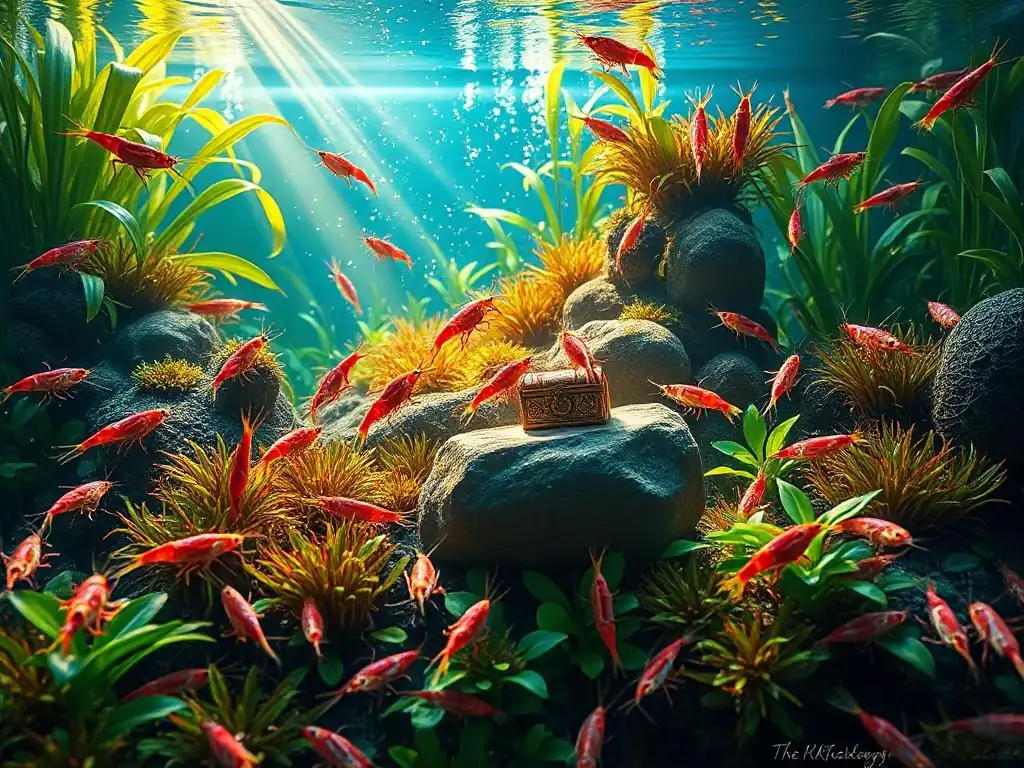
Ever wondered if you could create a breathtaking, living carpet in your freshwater aquarium, perfectly complementing your vibrant shrimp colony? Our latest deep dive explores the secrets to achieving just that – a stunning shrimp carpeting freshwater aquarium. Discover which plants thrive alongside your tiny friends, the essential water parameters, and the expert tips to avoid common pitfalls. Intrigued? Let's uncover the magic!
- Shrimp Carpeting Freshwater Aquarium: A Match Made in Heaven?
- Understanding the Synergy: Shrimp and Carpeting Plants in Freshwater Aquariums
-
Top Carpeting Plants for Shrimp-Keeping Success
- Dwarf Hairgrass (Eleocharis parvula): A Classic Choice for Shrimp Tanks
- Monte Carlo (Micranthemum 'Monte Carlo'): Easy Carpeting for Beginners
- Glossostigma elatinoides (Glosso): Demanding Beauty for Experienced Aquarists
- Pearl Weed (Hemianthus callitrichoides 'Cuba'): The Smallest Carpeting Plant
- Other Suitable Carpeting Plants for Shrimp Tanks
- Setting Up Your Shrimp Carpeting Aquarium: A Step-by-Step Guide
- Introducing Shrimp to Your Carpeting Aquarium
- Troubleshooting Common Issues in Shrimp Carpeting Aquariums
- Maintaining a Thriving Shrimp Carpeting Aquarium
- Conclusion: Creating a Harmonious Shrimp and Plant Ecosystem
-
Frequently Asked Questions
- How do carpeting plants benefit shrimp in a freshwater aquarium?
- Which carpeting plants are best suited for a shrimp-focused freshwater aquarium?
- What are the ideal water parameters for both carpeting plants and shrimp?
- How do I prevent shrimp from uprooting newly planted carpeting plants?
- What type of substrate is best for both carpeting plants and shrimp in a freshwater aquarium?
- Final Reflection: Cultivating Underwater Harmony
- Unleash Your Dream Aquascape!
Shrimp Carpeting Freshwater Aquarium: A Match Made in Heaven?
Understanding the Synergy: Shrimp and Carpeting Plants in Freshwater Aquariums
The Appeal of Carpeting Plants in Shrimp Tanks
The allure of carpeting plants in a freshwater aquarium, particularly one dedicated to shrimp, is undeniable. These low-growing plants form a dense, lush green carpet across the substrate, transforming a simple tank into a miniature, vibrant landscape.
This natural aesthetic not only enhances the visual appeal of the shrimp carpeting freshwater aquarium but also creates a sense of depth and tranquility, mimicking the dense aquatic flora found in natural habitats where many dwarf shrimp species thrive. The uniform growth of plants like Dwarf Hairgrass or Monte Carlo provides a visually stunning foreground that highlights the delicate movements and vibrant colors of the shrimp, making them stand out against the verdant backdrop.
Beyond their beauty, carpeting plants offer significant practical advantages for shrimp keepers. A thick carpet helps to stabilize the substrate, preventing it from being disturbed by the shrimp's foraging activities or water flow. More importantly, these plants provide a vast network of hiding spots and safe havens. For vulnerable shrimplets, a dense carpet offers crucial protection from potential predators, even small fish, and significantly increases their survival rates. This natural cover reduces stress for the shrimp, encouraging more active and natural behaviors within the freshwater shrimp carpeting tank.
Why Shrimp Love Carpeting Plants: A Natural Habitat
Shrimp, especially popular dwarf species like Neocaridina (e.g., Cherry Shrimp) and Caridina (e.g., Crystal Red Shrimp), exhibit a strong affinity for carpeting plants because these plants closely replicate their natural environments. The extensive surface area provided by the dense foliage of a carpet plant becomes an ideal breeding ground for biofilm and microalgae, which are primary food sources for many omnivorous and detritivorous shrimp.
Shrimp constantly graze on these surfaces, consuming the microscopic organisms and detritus that accumulate, effectively becoming part of the tank's cleaning crew. This constant foraging activity on the plant surfaces is not only essential for their nutrition but also for their natural behavior.
Furthermore, carpeting plants offer unparalleled shelter and security for shrimp, particularly during vulnerable periods such as molting. When a shrimp sheds its old exoskeleton, it is soft and defenseless, making it susceptible to predation or stress. A dense carpet provides immediate, secure hiding places where shrimp can retreat until their new exoskeleton hardens. For breeding shrimp, these plants serve as safe nurseries for shrimplets, offering protection from larger tank inhabitants and providing readily available microscopic food sources. This natural sanctuary significantly boosts the successful propagation of shrimp in a shrimp carpeting freshwater aquarium.
Benefits of a Planted Shrimp Tank: Beyond Aesthetics
The advantages of incorporating carpeting plants into a shrimp tank extend far beyond mere aesthetics, contributing significantly to the overall health and stability of the aquatic ecosystem. Plants are natural filters, actively absorbing nitrates, phosphates, and other harmful compounds that accumulate from fish waste, uneaten food, and decaying organic matter.
This nutrient uptake directly contributes to superior water quality, reducing the burden on the filtration system and minimizing the frequency of large water changes. By outcompeting nuisance algae for these essential nutrients, a heavily planted shrimp carpeting freshwater aquarium often experiences fewer algae outbreaks, leading to a cleaner and more visually appealing environment.
Moreover, during photosynthesis, carpeting plants release oxygen into the water, which is vital for the respiration of shrimp and beneficial bacteria. While external aeration might still be necessary, a dense plant carpet significantly contributes to the dissolved oxygen levels, especially in a low-tech setup without CO2 injection.
This consistent oxygen supply helps maintain stable water parameters and reduces stress for the shrimp, leading to healthier, more active inhabitants. The presence of a thriving plant ecosystem also helps to buffer pH fluctuations, creating a more stable and forgiving environment that is crucial for the long-term well-being and successful breeding of sensitive dwarf shrimp species.
Top Carpeting Plants for Shrimp-Keeping Success
Dwarf Hairgrass (Eleocharis parvula): A Classic Choice for Shrimp Tanks
Dwarf Hairgrass (Eleocharis parvula) is a perennial favorite among aquarists aiming for a natural, grassy foreground in their tanks. It consists of very thin, bright green blades that grow vertically, eventually spreading horizontally via runners to form a dense, lawn-like carpet. Its fine texture and vibrant color make it an ideal choice for replicating a natural riverbed or lake bottom, providing an authentic backdrop for any shrimp carpeting freshwater aquarium. While it can be a bit slow to establish initially, especially without CO2, its resilience and stunning mature appearance make the effort worthwhile.
For shrimp, Dwarf Hairgrass is an exceptional choice. Its dense growth provides an intricate network of narrow spaces, offering perfect hiding spots for adult shrimp and, more critically, for newly hatched shrimplets. These tiny shrimp can navigate the dense blades with ease, finding refuge from larger tank mates and accessing a rich source of biofilm and microalgae that naturally accumulates on the plant surfaces.
The sheer surface area offered by a mature Dwarf Hairgrass carpet ensures a continuous supply of grazing opportunities, promoting healthy growth and vibrant coloration in shrimp. Its robust root system also helps to stabilize the substrate, preventing shrimp from accidentally uprooting it during their foraging activities.
Care Tips for Dwarf Hairgrass in Shrimp Aquariums
- Lighting: Requires moderate to high lighting (e.g., 40-60 PAR at substrate level) for robust, dense growth. Lower light can lead to taller, sparser growth.
- Substrate: Benefits greatly from a nutrient-rich aquasoil or a fine-grained inert substrate supplemented with root tabs. A minimum of 2-3 inches of substrate is recommended for root development.
- CO2 Injection: Highly recommended for rapid and dense carpeting. With CO2, it can carpet within 2-4 months. Without it, growth is significantly slower, and a full carpet may take 6-12 months or longer. Aim for 20-30 ppm CO2.
- Fertilization: Benefits from regular liquid fertilization providing macro and micronutrients. Ensure fertilizers are shrimp-safe, avoiding high copper content.
- Trimming: Regular trimming (every 3-4 weeks once established) is crucial to prevent the carpet from becoming too thick and shading lower layers, which can lead to melting. Use sharp, long scissors for a clean cut.
Monte Carlo (Micranthemum 'Monte Carlo'): Easy Carpeting for Beginners
Micranthemum 'Monte Carlo' is widely regarded as one of the most beginner-friendly carpeting plants, making it an excellent choice for those new to setting up a shrimp carpeting freshwater aquarium. It features small, rounded, bright green leaves that grow in a compact, dense mat. Unlike some other carpeting plants, Monte Carlo roots easily and spreads relatively quickly, even in moderate light conditions, making the carpeting process less daunting. Its vibrant color and fine texture create a visually appealing, uniform carpet that beautifully complements the delicate nature of dwarf shrimp.
Monte Carlo is particularly beneficial for shrimp due to its dense, cushion-like growth habit. This creates an incredibly intricate habitat where shrimp can forage, hide, and breed with ease. The tightly packed leaves offer numerous surfaces for the growth of biofilm, a vital food source for all shrimp, especially the newly hatched shrimplets. Furthermore, its robust nature means it can withstand the constant grazing and movement of shrimp without easily being uprooted or damaged. The resilience of Monte Carlo makes it a practical and aesthetically pleasing addition to any freshwater shrimp carpeting tank.
Maintaining Monte Carlo in Shrimp-Friendly Conditions
- Lighting: Moderate to high lighting (e.g., 30-50 PAR) is ideal for dense, low growth. Lower light can cause it to grow taller and less compact.
- Substrate: Thrives in nutrient-rich aquasoils. A fine-grained substrate is preferred to allow its delicate roots to spread effectively.
- CO2 Injection: While it can grow without CO2, injection significantly accelerates growth and promotes a denser, more compact carpet. Aim for 15-25 ppm CO2 for optimal results.
- Fertilization: Benefits from a balanced liquid fertilizer regime, ensuring both macro and micronutrients are available. Always verify fertilizers are shrimp-safe.
- Trimming: Regular trimming is essential to maintain a low profile and prevent lower layers from suffocating. Trim every 2-3 weeks once the carpet is established, using sharp scissors.
Glossostigma elatinoides (Glosso): Demanding Beauty for Experienced Aquarists
Glossostigma elatinoides, commonly known as Glosso, is famous for being one of the smallest and fastest-growing carpeting plants, capable of forming an incredibly dense, bright green carpet. Its tiny, spatulate leaves create a truly manicured and vibrant foreground, making it a highly sought-after plant for high-tech aquascapes. However, its demanding nature means it is generally recommended for experienced aquarists who can provide the precise conditions it requires. When successfully grown, Glosso can transform a shrimp carpeting freshwater aquarium into a breathtaking miniature landscape.
Despite its high demands, Glosso offers unique benefits for shrimp. Its extremely compact and low-growing habit creates a very fine, dense mat close to the substrate, providing an unparalleled foraging ground and hiding spot for even the smallest shrimplets. The sheer density of the leaves means a vast surface area for biofilm to colonize, ensuring a constant and abundant food source for grazing shrimp. For those who can meet its stringent requirements, Glosso provides an exquisite and functional carpet that enhances both the aesthetic and ecological value of the freshwater shrimp carpeting tank.
Successfully Growing Glosso with Shrimp: Key Considerations
- Lighting: Requires very high lighting (e.g., 60-80+ PAR) to maintain its low-growing, compact form. Insufficient light will cause it to stretch vertically.
- Substrate: A rich, active aquasoil is crucial for providing the necessary nutrients and promoting strong root development.
- CO2 Injection: Absolutely essential for successful Glosso growth. Consistent CO2 injection at high levels (25-35 ppm) is required to prevent melting and promote dense carpeting.
- Fertilization: Needs a comprehensive fertilization regime, including both macro and micronutrients, to support its rapid growth. Monitor nutrient levels closely to avoid deficiencies.
- Water Parameters: Prefers soft, slightly acidic water. Stability is key; avoid drastic fluctuations in water parameters.
Pearl Weed (Hemianthus callitrichoides 'Cuba'): The Smallest Carpeting Plant
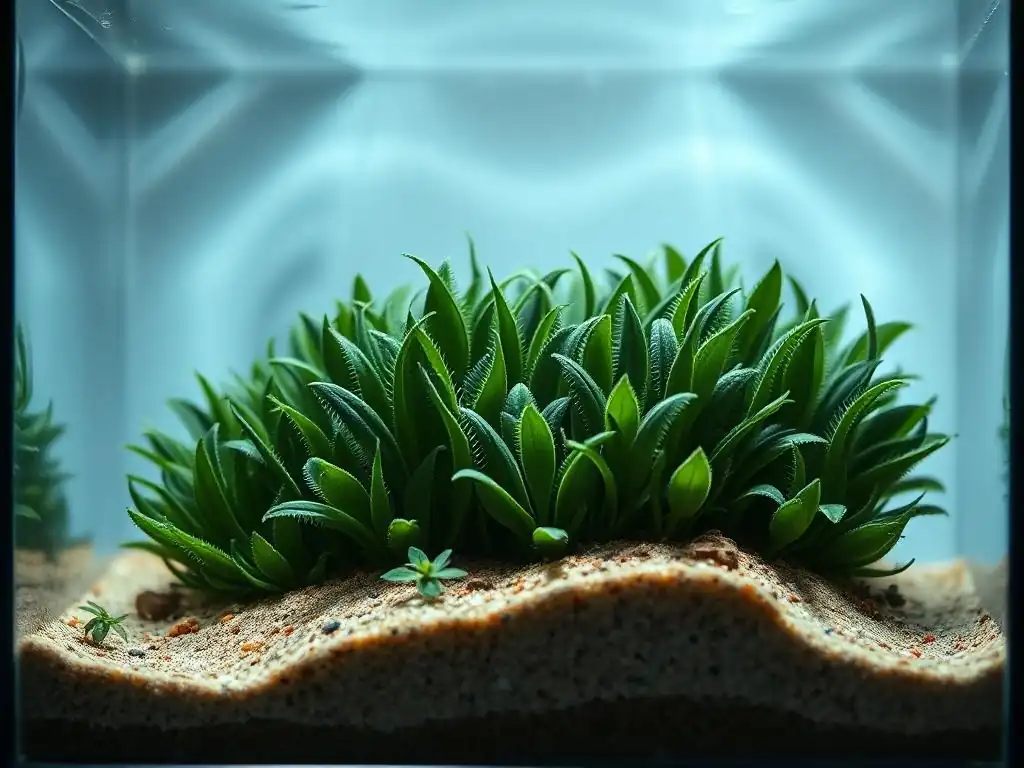
Hemianthus callitrichoides 'Cuba', often simply called HC Cuba or Dwarf Baby Tears, is renowned as the smallest carpeting plant in the aquarium hobby. Its tiny, round leaves, typically only 1-2 mm in diameter, create an incredibly fine and intricate carpet that appears almost moss-like. When thriving, it forms a breathtakingly dense, bright green foreground, making it a prized choice for nano tanks and high-tech aquascapes seeking a truly miniature aesthetic. Its delicate appearance belies its relatively demanding care requirements, but the results are undeniably stunning in a shrimp carpeting freshwater aquarium.
For shrimp keepers, HC Cuba offers a unique advantage due to its minuscule size and dense growth. The tight, low-lying carpet provides an exceptional level of detail and an ideal environment for the smallest of inhabitants. Shrimplets can easily navigate and hide within its intricate structure, finding abundant biofilm and detritus to graze upon. The compact nature of the plant ensures that the shrimp remain visible against the lush green backdrop, allowing their beauty to be appreciated. Its fine texture also adds a delicate touch to the overall aquascape, enhancing the natural feel of the freshwater shrimp carpeting tank.
Pearl Weed and Shrimp: A Delicate Balance
- Lighting: Requires very high lighting (e.g., 60-80+ PAR) to maintain its compact, carpeting growth. Without sufficient light, it will grow leggy and struggle to carpet.
- Substrate: A nutrient-rich aquasoil is essential. Its tiny root system needs a fine-grained substrate to anchor properly and absorb nutrients.
- CO2 Injection: Absolutely critical for healthy growth and successful carpeting. Consistent CO2 levels (25-35 ppm) are necessary to prevent melting and promote dense, vibrant growth.
- Fertilization: A comprehensive fertilization routine with macro and micronutrients is vital due to its fast growth rate and high light/CO2 demands. Pay close attention to iron levels.
- Water Parameters: Prefers soft, slightly acidic water with stable parameters. Sensitive to ammonia and nitrite spikes, emphasizing the need for a fully cycled tank before introduction.
Other Suitable Carpeting Plants for Shrimp Tanks
While Dwarf Hairgrass, Monte Carlo, Glosso, and Pearl Weed are popular choices, several other carpeting plants can thrive in a shrimp carpeting freshwater aquarium, offering diverse textures and growth habits. Staurogyne repens, for instance, is a robust and adaptable plant that, with proper trimming and good light, can form a beautiful, slightly taller carpet of broad, vibrant green leaves. It's less demanding than Glosso or HC Cuba and provides excellent perching and grazing spots for shrimp.
Another excellent option is Marsilea hirsuta, which resembles a four-leaf clover and spreads slowly but steadily, creating a unique, natural-looking carpet. It's relatively undemanding and offers good cover.
Hydrocotyle tripartita 'Japan' is another versatile plant that can be trained to carpet with sufficient light and trimming. Its distinctive clover-like leaves create a bubbly, vibrant green foreground that shrimp adore for foraging and hiding. Cryptocoryne parva, though a very slow grower, forms a dense, low carpet of narrow leaves and is an excellent choice for low-tech freshwater shrimp carpeting tank setups that prioritize stability and minimal intervention. These alternative plants offer aquarists a wider range of aesthetic choices while still providing the essential benefits of shelter, foraging surfaces, and water quality improvement for a thriving shrimp population.
Setting Up Your Shrimp Carpeting Aquarium: A Step-by-Step Guide
Choosing the Right Substrate for Carpeting Plants and Shrimp
The foundation of any successful shrimp carpeting freshwater aquarium lies in the selection of the appropriate substrate. For carpeting plants, a nutrient-rich active substrate is highly recommended. Products like ADA Aqua Soil, Fluval Stratum, or UNS Controsoil are excellent choices as they provide essential nutrients directly to the plant roots and possess cation exchange capacity (CEC), which allows them to absorb and release nutrients as needed.
These substrates also typically buffer the water to a slightly acidic pH (around 6.0-6.8), which is ideal for many popular carpeting plants and beneficial for Caridina shrimp species like Crystal Reds or Bee Shrimp. A depth of at least 2 to 3 inches (5-7.5 cm) is recommended to allow for robust root development and anchoring of the carpet.
When considering shrimp, the substrate choice is equally critical. While active substrates are beneficial for plants and Caridina shrimp, Neocaridina shrimp (e.g., Cherry Shrimp) are more adaptable and can thrive in a wider range of parameters, including inert substrates like fine gravel or sand. If using inert substrates, it's crucial to supplement with root tabs beneath the carpet plants to provide localized nutrients.
Regardless of the type, ensure the substrate material is not sharp-edged, which could potentially injure delicate shrimp. Moreover, avoid substrates that leach unwanted minerals or heavy metals, as shrimp are highly sensitive to sudden changes or contaminants in their water. Always rinse new inert substrates thoroughly to remove dust, though active soils should generally not be rinsed to preserve their buffering capacity.
Lighting Requirements for Lush Carpeting in Shrimp Tanks
Adequate lighting is paramount for achieving a dense and vibrant carpet in a shrimp carpeting freshwater aquarium. Plants convert light energy into chemical energy through photosynthesis, and carpeting plants, in particular, often require moderate to high light intensity to stay low-growing and spread effectively.
Light intensity is commonly measured in Photosynthetically Active Radiation (PAR), with ranges typically falling between 20-30 PAR for low light, 30-50 PAR for moderate light, and 50-80+ PAR for high light setups at the substrate level. Most popular carpeting plants like Monte Carlo or Dwarf Hairgrass thrive with moderate to high PAR levels (e.g., 40-60 PAR).
However, balancing light intensity is crucial to prevent the proliferation of nuisance algae, which can quickly overwhelm a planted tank and stress shrimp. A common photoperiod of 6 to 8 hours per day is generally recommended. Utilizing a light timer is essential for maintaining consistency, as irregular light cycles can stress both plants and shrimp.
For a high-tech freshwater shrimp carpeting tank with CO2 injection, higher light levels are more easily managed as the plants can utilize the abundant carbon. For lower-tech setups, moderate light is preferable to avoid an algae explosion. Investing in a quality LED light fixture with adjustable intensity and spectrum control allows for fine-tuning to meet the specific needs of your chosen carpeting plants and maintain a healthy balance.
CO2 Injection: Is it Necessary for a Shrimp Carpeting Tank?
Carbon dioxide (CO2) is a vital nutrient for plant growth, and its injection can dramatically accelerate the growth rate and density of carpeting plants in a shrimp carpeting freshwater aquarium. While some hardy carpeting plants like Monte Carlo or Dwarf Hairgrass can grow without supplemental CO2, especially under moderate light, achieving a lush, compact carpet within a reasonable timeframe (e.g., 2-4 months) often necessitates CO2 injection.
CO2 provides plants with the carbon they need for photosynthesis, leading to stronger, healthier growth, vibrant colors, and significantly faster spreading. For demanding carpeting plants like Glosso or HC Cuba, CO2 injection is not just beneficial but absolutely essential for their survival and successful carpeting.
However, CO2 injection requires careful monitoring when shrimp are present, as excessively high or rapidly fluctuating CO2 levels can be detrimental to their health. The ideal CO2 level for a planted tank is generally between 20-30 parts per million (ppm). Levels above 30 ppm can reduce the pH too drastically and lower the dissolved oxygen, leading to shrimp distress or even death.
Using a CO2 drop checker is highly recommended to monitor levels visually, along with a reliable regulator and diffuser. Introducing CO2 gradually and ensuring proper water circulation to distribute it evenly are key steps to maintaining a safe and thriving freshwater shrimp carpeting tank for both plants and shrimp.
Fertilization: Nutrient Management for Plants and Shrimp
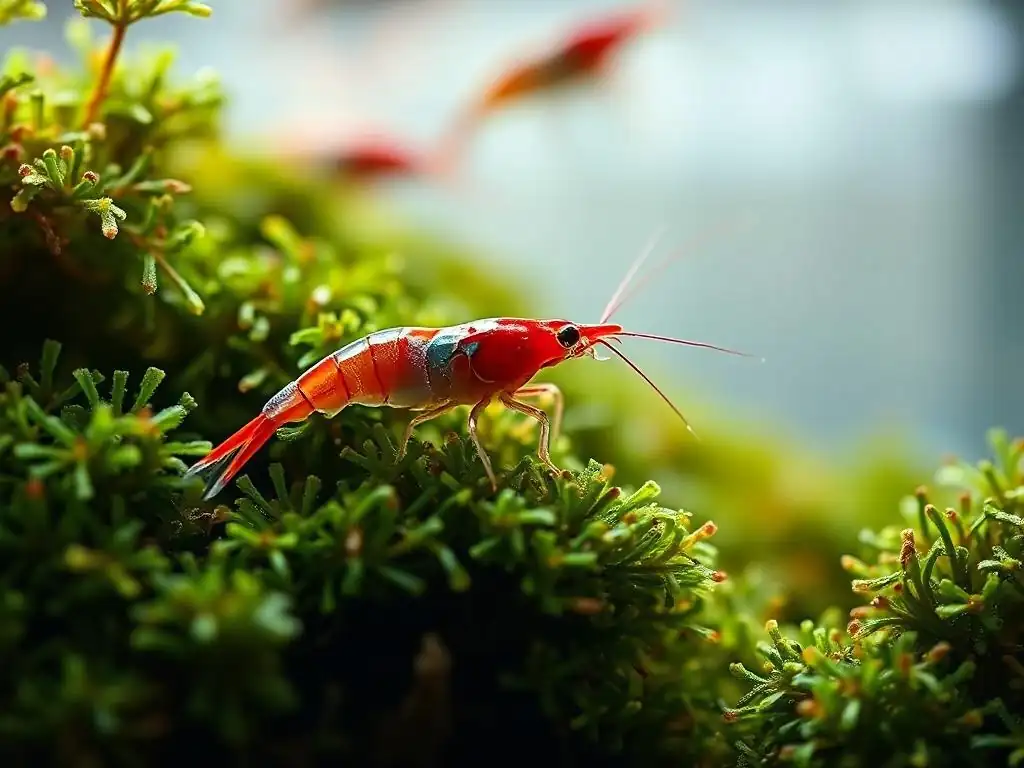
Effective fertilization is crucial for the healthy growth of carpeting plants in a shrimp carpeting freshwater aquarium, but it must be approached with caution due to shrimp sensitivity. Plants require both macro-nutrients (Nitrogen, Phosphorus, Potassium - NPK) and micro-nutrients (Iron, Manganese, Boron, Zinc, Copper, etc.). While a nutrient-rich substrate can provide some nutrients, especially for root feeders, liquid fertilizers are often necessary to supplement the water column, particularly for stem and carpeting plants that absorb nutrients through their leaves. A balanced fertilization regime ensures plants remain vibrant and healthy, outcompeting algae for available nutrients.
The primary concern for shrimp keepers is the presence of copper in many common plant fertilizers. Even trace amounts of copper can be highly toxic to shrimp, leading to illness or death. Therefore, it is imperative to use fertilizers explicitly labeled as "shrimp-safe" or "copper-free."
Examples include Seachem Flourish, Brightwell Aquatics FlorinMulti, or specific NPK and micro-nutrient blends designed for invertebrate tanks. It's also advisable to start with a lower dose than recommended and gradually increase it while closely monitoring shrimp behavior. Regular water testing for nitrates and phosphates can help fine-tune the dosing schedule, ensuring plants receive adequate nutrients without over-dosing, maintaining a healthy balance in your freshwater shrimp carpeting tank.
Water Parameters: Creating an Ideal Environment for Both
Establishing and maintaining stable water parameters is perhaps the most critical aspect of a successful shrimp carpeting freshwater aquarium, as both plants and shrimp have specific requirements. While there is some overlap, finding the perfect balance is key.
Most dwarf shrimp species, especially the popular Neocaridina (e.g., Cherry, Blue Dream), prefer slightly alkaline to neutral water with a pH of 6.5-7.8, a General Hardness (GH) of 6-10 dGH, and a Carbonate Hardness (KH) of 0-6 dKH. Caridina species (e.g., Crystal Red, Bee Shrimp) are more particular, thriving in soft, acidic water with a pH of 5.5-6.5, a GH of 4-6 dGH, and a KH of 0-1 dKH.
Carpeting plants generally prefer slightly acidic to neutral water (pH 6.0-7.5) and benefit from moderate hardness for essential mineral uptake. Active substrates often aid in buffering the pH to a lower, more stable range, which aligns well with Caridina shrimp and many plants. Using RO/DI water remineralized to specific GH/KH targets with products like Salty Shrimp GH/KH+ (for Neocaridina) or Salty Shrimp GH+ (for Caridina) is the most reliable way to achieve and maintain precise water parameters.
Regular testing for pH, GH, KH, nitrates, and nitrites is indispensable. Consistent water parameters reduce stress on both plants and shrimp, promoting robust growth and breeding success in the shrimp carpeting freshwater aquarium.
Introducing Shrimp to Your Carpeting Aquarium
Acclimation Process: Minimizing Stress for Your Shrimp
The acclimation process is a critical step that significantly impacts the survival and long-term health of shrimp when introducing them to a new shrimp carpeting freshwater aquarium. Shrimp are highly sensitive to sudden changes in water parameters, including temperature, pH, GH, KH, and Total Dissolved Solids (TDS). A rapid change can induce severe stress, leading to molting issues, lethargy, or even immediate death.
The drip acclimation method is universally recommended as the safest approach. This involves slowly introducing tank water into the bag containing the shrimp over an extended period, typically 1 to 3 hours, allowing the shrimp to gradually adjust to the new water chemistry.
To perform drip acclimation, place the shrimp and their original water in a clean container. Use airline tubing to siphon water from the aquarium into the container, tying a knot in the tubing or using an airline valve to control the drip rate to about 1-2 drips per second. Once the volume of water in the container has roughly quadrupled, carefully net the shrimp and transfer them to the freshwater shrimp carpeting tank, discarding the old water.
Avoid pouring the original water into your aquarium. Patience during this process minimizes stress, ensuring a smooth transition for your new inhabitants and significantly increasing their chances of thriving in their new, densely planted home.
Shrimp-Safe Medications and Treatments: A Crucial Consideration
When issues like disease or parasite outbreaks arise in a shrimp carpeting freshwater aquarium, selecting the right medication is paramount, as many common aquarium treatments are highly toxic to shrimp. The vast majority of medications designed for fish contain copper, which is lethal to invertebrates, even in very small concentrations. Other problematic ingredients can include certain dyes, heavy metals, or strong chemicals that disrupt the delicate biological balance of a shrimp tank. Always check the active ingredients list carefully before introducing any medication.
For this reason, it is always advisable to treat sick shrimp in a separate quarantine tank if possible, to avoid contaminating the main freshwater shrimp carpeting tank. If treatment in the main tank is unavoidable, research shrimp-safe alternatives. Products like Seachem SulfaPlex or specific herbal remedies are sometimes considered safer, but even then, caution is advised.
Prevention is always the best strategy: maintaining excellent water quality, providing a stable environment, and ensuring a balanced diet will significantly reduce the likelihood of shrimp falling ill. If a shrimp does appear sick, often small, frequent water changes with remineralized water can help alleviate stress and promote recovery without resorting to harsh chemicals.
Avoiding Algae Blooms: Maintaining a Clean and Healthy Ecosystem
Algae blooms can be a persistent challenge in any planted aquarium, but they are particularly undesirable in a shrimp carpeting freshwater aquarium as they can obscure the plants, coat the shrimp, and indicate an imbalance in the ecosystem. Common causes include excessive light intensity or duration, nutrient imbalances (too much or too little of certain nutrients), and insufficient CO2. While some algae are natural and provide grazing for shrimp, uncontrolled blooms can smother carpeting plants, reduce oxygen levels at night, and look unsightly.
The best defense against algae is a thriving plant mass. Healthy carpeting plants will outcompete algae for available nutrients. Strategies to avoid and combat algae include:
- Consistent Lighting: Maintain a stable photoperiod (e.g., 6-8 hours) and appropriate PAR levels for your plants.
- Nutrient Management: Provide balanced fertilization. Too much nitrate or phosphate can fuel algae, but too little can starve plants and give algae an advantage.
- Adequate CO2: Ensure stable CO2 levels (20-30 ppm) to promote strong plant growth.
- Regular Maintenance: Perform weekly 10-20% water changes to remove excess nutrients and detritus.
- Manual Removal: Physically remove large patches of algae with a brush or siphon during water changes.
- Algae Eaters: Introduce shrimp-safe algae eaters like Amano shrimp or Nerite snails, which can help control nuisance algae without harming your primary shrimp population or plants.
Troubleshooting Common Issues in Shrimp Carpeting Aquariums
Plant Melt: Understanding and Preventing Plant Decay
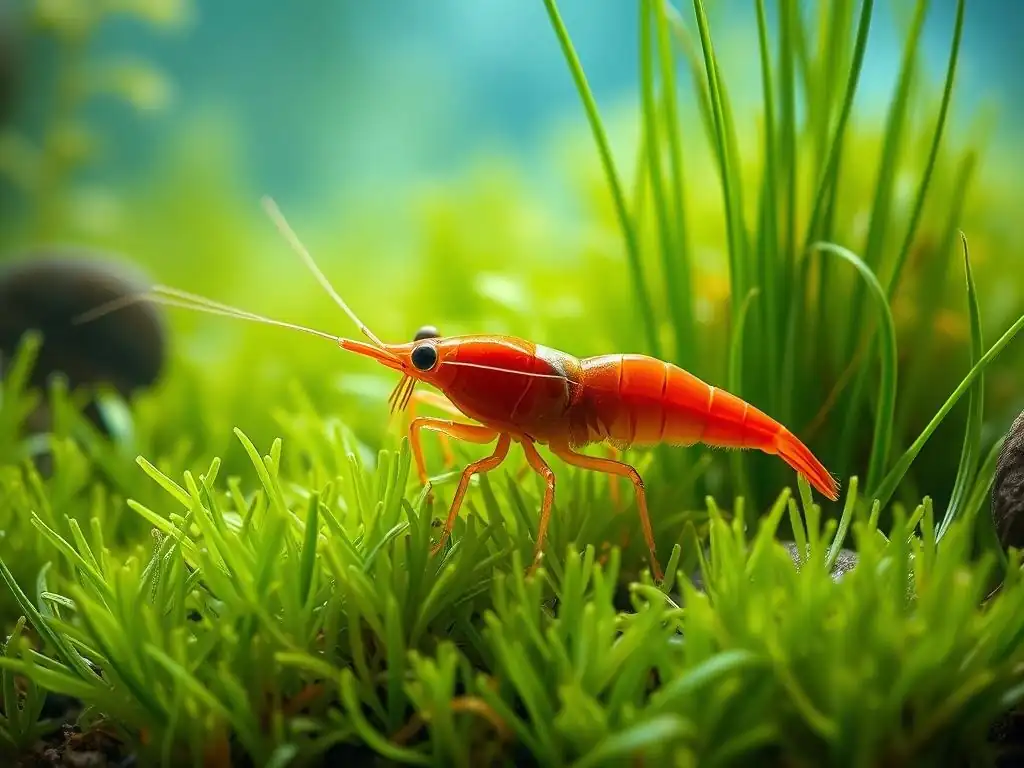
Plant melt, characterized by leaves turning translucent, brown, or mushy and disintegrating, is a common and concerning issue in a shrimp carpeting freshwater aquarium. It often occurs shortly after planting, particularly with tissue culture or emersed-grown plants transitioning to submerged conditions, but can also signal underlying problems. Common causes include sudden changes in water parameters (temperature, pH, hardness), nutrient deficiencies (especially CO2 or macro/micronutrients), inadequate lighting, or poor water circulation preventing nutrients from reaching the plants.
To prevent and address plant melt, several factors must be carefully managed. First, ensure a stable environment: avoid drastic fluctuations in temperature or water chemistry. If using CO2, maintain consistent levels (20-30 ppm). Provide adequate lighting tailored to the specific carpeting plant's needs.
Ensure proper fertilization with shrimp-safe products, making sure all essential macro and micronutrients are available. Good water flow across the carpet helps deliver nutrients and CO2 directly to the plant leaves. While some initial melt is normal as plants adapt, persistent melting indicates a deeper issue that needs immediate attention to prevent the loss of your valuable carpet and maintain a healthy freshwater shrimp carpeting tank.
Algae Control in Planted Shrimp Tanks
Algae is a natural part of any aquatic ecosystem, but an uncontrolled bloom can quickly become problematic in a shrimp carpeting freshwater aquarium, outcompeting plants and making the tank unsightly. Common types include green spot algae (hard green spots on glass/leaves), hair algae (long, stringy green strands), and black beard algae (BBA, tough black tufts). Each often indicates a specific imbalance: green spot suggests low phosphates or CO2; hair algae points to excess light or nutrients; BBA indicates fluctuating CO2 or poor water flow.
Effective algae control in a shrimp-safe environment relies on a multi-pronged approach. First, address the root cause by optimizing lighting duration and intensity, ensuring stable and adequate CO2 levels, and maintaining balanced fertilization. Regularly prune decaying plant matter and perform consistent water changes (10-20% weekly) to remove excess nutrients. Manual removal of algae during maintenance is crucial; use an algae scraper for glass and gently remove it from plants.
Introducing natural algae eaters like Amano shrimp or Nerite snails can provide biological control. Avoid harsh chemical algaecides, as many are toxic to shrimp. A healthy, thriving carpet of plants naturally outcompetes algae, making it the best long-term solution for a pristine freshwater shrimp carpeting tank.
Shrimp Health Problems: Early Detection and Treatment
Shrimp health problems in a shrimp carpeting freshwater aquarium can manifest in various ways, often signaling underlying environmental stress or disease. Common signs of distress include lethargy, unusual swimming patterns (e.g., erratic darting, constant upward swimming), loss of color, white rings forming around the body (molting issues), or visible parasites/fungal growths. The primary causes are typically poor water quality (ammonia, nitrite, high nitrates), unstable parameters (pH, GH, KH swings), lack of essential minerals for molting, or inadequate nutrition.
Early detection is key to successful treatment. Regularly observe your shrimp for any changes in behavior or appearance. If issues arise, immediately test your water parameters. For molting issues, ensure adequate GH levels and provide mineral supplements designed for shrimp (e.g., Salty Shrimp GH/KH+ for Neocaridina, Salty Shrimp GH+ for Caridina).
If water quality is poor, perform small, targeted water changes (e.g., 10-15% daily) with properly remineralized water until parameters stabilize. For suspected bacterial or fungal infections, isolate affected shrimp in a quarantine tank and use shrimp-safe medications if available. Maintaining consistent, optimal water parameters and providing a stress-free environment with plenty of foraging opportunities in your shrimp carpeting freshwater aquarium is the best preventative measure against most health issues.
Maintaining a Thriving Shrimp Carpeting Aquarium
Regular Water Changes: Maintaining Water Quality
Regular water changes are fundamental to the long-term health and stability of any shrimp carpeting freshwater aquarium. While plants do absorb nitrates, they cannot entirely eliminate all dissolved organic compounds and waste products that accumulate over time. Consistent water changes, typically 10-20% weekly or bi-weekly, help to replenish essential minerals that plants and shrimp consume, remove accumulated nitrates and other pollutants, and maintain overall water clarity. This routine prevents the build-up of harmful substances that can stress shrimp, leading to molting problems, illness, or death.
For sensitive shrimp species, such as Caridina, using reverse osmosis/deionized (RO/DI) water remineralized to precise parameters is highly recommended. This allows for complete control over the water's mineral content, ensuring consistency and preventing the introduction of unwanted contaminants often found in tap water (e.g., chlorine, chloramines, heavy metals). For Neocaridina, dechlorinated tap water may be sufficient if its parameters are suitable and stable. Always match the temperature of the new water to the tank water to prevent thermal shock, and ensure any replacement water is properly conditioned and remineralized before adding it to your freshwater shrimp carpeting tank.
Trimming and Pruning: Keeping Your Carpet Lush and Healthy
Regular trimming and pruning are essential maintenance tasks for a thriving shrimp carpeting freshwater aquarium. Carpeting plants, especially fast growers like Monte Carlo or Dwarf Hairgrass, can become too dense if left untrimmed. Over time, the lower layers of the carpet can be shaded by the upper growth, leading to melting and detritus buildup underneath. This can create anaerobic pockets, release harmful gases, and compromise the health of both the plants and the shrimp. Trimming encourages new, bushier growth and maintains the desired low-lying aesthetic.
The frequency of trimming depends on the plant's growth rate and the desired carpet height, typically every 2-4 weeks. For plants like Dwarf Hairgrass, a "haircut" approach is best, trimming the top half of the blades with long, sharp aquascaping scissors. For Monte Carlo or HC Cuba, gentle shearing of the top layer helps maintain density.
After trimming, use a fine-mesh net or siphon to remove any floating plant debris, as decaying matter can foul the water. Regular pruning not only keeps your carpet looking pristine but also ensures proper light penetration and water circulation, vital for the health of your freshwater shrimp carpeting tank and its inhabitants.
Monitoring Shrimp Behavior: Recognizing Signs of Stress or Illness
Consistent monitoring of shrimp behavior is one of the most effective ways to gauge the health of your shrimp carpeting freshwater aquarium ecosystem. Healthy shrimp are typically active, constantly foraging on plants, substrate, and decor, and exhibit vibrant coloration appropriate for their species. They will move gracefully, and their antennae will be constantly twitching as they explore their environment. Regular observations can help you detect subtle changes that might indicate stress, illness, or impending problems within the tank.
Signs of stress or illness include lethargy, lack of appetite, unusual swimming (e.g., darting, swimming erratically, or constantly trying to climb out of the water), dull or faded coloration, visible white rings around the body (often a sign of molting issues), or the presence of parasites/fungal growths. If you notice any of these signs, the first step is to immediately test your water parameters (pH, GH, KH, ammonia, nitrite, nitrate) to identify any imbalances.
Often, small, targeted water changes with properly remineralized water can alleviate stress. Early intervention based on behavioral changes can prevent minor issues from escalating into major health crises, ensuring your shrimp carpeting freshwater aquarium remains a thriving and harmonious environment.
Conclusion: Creating a Harmonious Shrimp and Plant Ecosystem
The journey of cultivating a shrimp carpeting freshwater aquarium is a truly rewarding experience, demonstrating a harmonious synergy between delicate invertebrates and lush aquatic flora. As we've explored, carpeting plants offer far more than just aesthetic appeal; they provide essential shelter, abundant foraging surfaces for biofilm, and contribute significantly to water quality and oxygenation, creating a stable and enriching habitat for various dwarf shrimp species. From the classic elegance of Dwarf Hairgrass to the miniature charm of Pearl Weed, selecting the right plants and providing their specific care ensures a vibrant, thriving carpet.
Establishing such an ecosystem requires careful attention to detail, particularly in choosing the right substrate, providing appropriate lighting and CO2, and managing nutrients with shrimp-safe fertilizers. The delicate balance of water parameters, combined with a diligent acclimation process for new shrimp, lays the foundation for success.
While challenges like plant melt or algae may arise, consistent maintenance—including regular water changes, precise trimming, and vigilant monitoring of shrimp behavior—will ensure a resilient and beautiful setup. Ultimately, a well-maintained freshwater shrimp carpeting tank is indeed a match made in heaven, offering a miniature world of captivating beauty and intricate natural processes that will captivate any aquarist.
Frequently Asked Questions
How do carpeting plants benefit shrimp in a freshwater aquarium?
Carpeting plants offer shelter and security for shrimp, especially young shrimplets, by providing a safe haven from predators. They also create a surface for biofilm growth, which is a crucial food source for shrimp.
Which carpeting plants are best suited for a shrimp-focused freshwater aquarium?
Plants like Dwarf Hairgrass, Monte Carlo, and Pearlweed are popular choices. They are relatively easy to grow and provide dense coverage while being shrimp-safe and offering sufficient surface area for grazing.
What are the ideal water parameters for both carpeting plants and shrimp?
Generally, a slightly acidic to neutral pH (6.5-7.5), moderate hardness, and a temperature between 72-78°F are suitable. Maintaining stable water parameters is crucial to the health of both the plants and the shrimp.
How do I prevent shrimp from uprooting newly planted carpeting plants?
Ensure the plants have well-established root systems before introducing shrimp. Using plant weights or burying the roots securely in the substrate can also help.
What type of substrate is best for both carpeting plants and shrimp in a freshwater aquarium?
A nutrient-rich substrate specifically designed for aquatic plants, such as aquarium soil or substrate, is ideal. This will provide the necessary nutrients for healthy plant growth and a stable environment for the shrimp.
Final Reflection: Cultivating Underwater Harmony
The principles of creating a thriving shrimp carpeting freshwater aquarium extend far beyond just aquascaping; they represent a microcosm of ecological balance and mindful creation. What began as a guide to selecting the right plants and shrimp species culminates in a deeper understanding of how intentional design can foster vibrant, self-sustaining ecosystems, even within the confines of a glass tank. This pursuit of harmony is increasingly relevant today, as we seek to understand and replicate natural processes in a world grappling with environmental challenges.
The allure of a lush, carpeted aquarium lies not only in its aesthetic appeal but also in its ability to mirror the beauty and complexity of nature. My own journey into this hobby has taught me the profound interconnectedness of all living things, even the smallest shrimp and the most delicate plant. In nature, nothing exists alone.
- Rachel Carson. This quote perfectly encapsulates the essence of a successful shrimp carpeting aquarium, where each element plays a vital role in the overall health and well-being of the ecosystem. It's a constant reminder that even in controlled environments, understanding and respecting natural principles is paramount.
Now, as you contemplate the possibilities of your own shrimp carpeting freshwater aquarium, I encourage you to see it as more than just a decorative piece. Let it be a canvas for experimentation, a testament to your dedication to creating a balanced ecosystem, and a daily reminder of the beauty and fragility of the natural world. Embrace the challenges, celebrate the successes, and allow the lessons learned within your aquarium to inspire a deeper appreciation for the interconnectedness of life, both above and below the water's surface.
Unleash Your Dream Aquascape!
Thanks for diving into the world of carpet plants and shrimp! We hope you've discovered some exciting new possibilities for your aquarium. Now it's time to bring that vision to life.
Here are a few ways to take your aquascaping journey to the next level:
- Start Planning: Dive deep by selecting the perfect carpet plant and shrimp species for your aquarium. Consider the needs of both, and how they'll thrive together!
- Share Your Vision: Create a mood board of your dream aquascape, including layout ideas, plant selections, and even shrimp varieties. Share it with the aquarium community for inspiration!
- Experiment with CO2 levels: Don't be afraid to experiment (cautiously) to find the sweet spot where plants flourish and shrimp stay happy!
Ready to turn your aquarium into a stunning underwater paradise?