
Dwarf Hairgrass (Eleocharis Acicularis): Achieving a MeadowLike Carpet

Welcome to Aquarium Mastery!
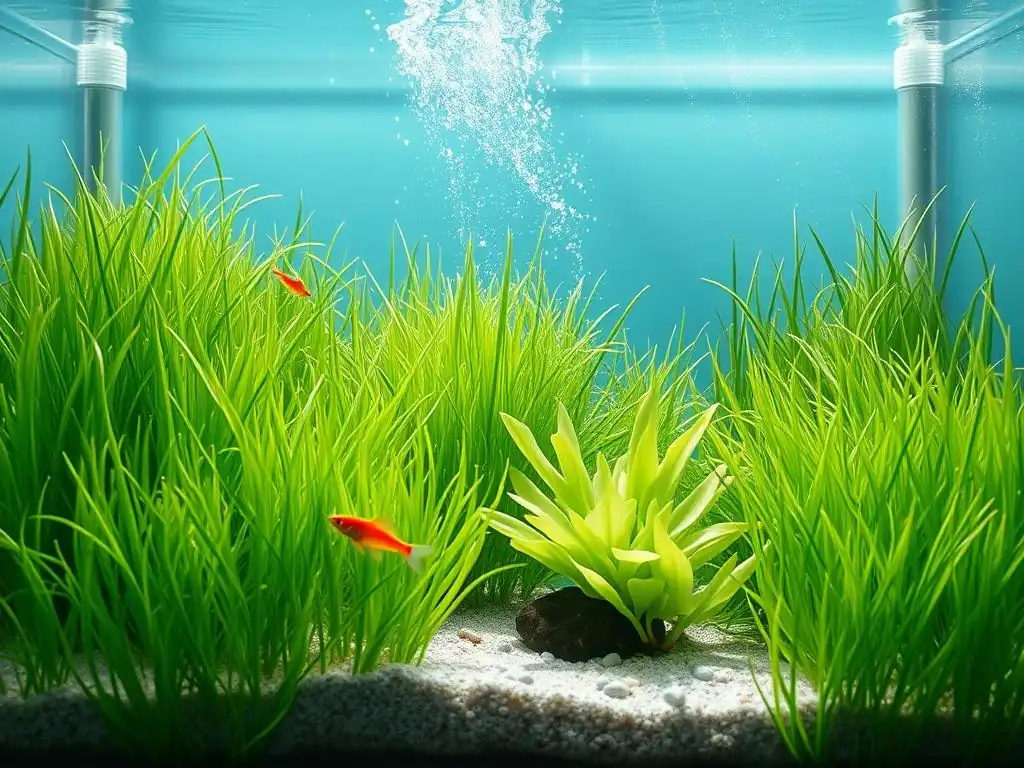
Ever dreamed of a lush, vibrant meadow teeming with life at the bottom of your aquarium? Achieving that stunning carpet of Dwarf Hairgrass is easier than you might think. Dive in to learn the secrets of Dwarf hairgrass aquarium carpet care and unlock the potential of your aquascape. Ready to transform your tank? Let's get started!
- Dwarf Hairgrass (Eleocharis Acicularis): Achieving a Meadow-Like Carpet in Your Aquarium
- Understanding Dwarf Hairgrass: An Introduction to Eleocharis Acicularis
- Essential Conditions for Dwarf Hairgrass Aquarium Carpet Success
- Planting and Propagating Dwarf Hairgrass for a Dense Carpet
- Dwarf Hairgrass Aquarium Carpet Care: Troubleshooting Common Issues
- Achieving a Stunning Dwarf Hairgrass Aquarium Carpet: Advanced Techniques
-
Frequently Asked Questions
- How much light does dwarf hairgrass need to thrive as a carpet?
- What type of substrate is best for establishing a dwarf hairgrass carpet?
- How often should I trim my dwarf hairgrass carpet?
- What are the most common problems encountered when growing a dwarf hairgrass carpet, and how can I fix them?
- Is CO2 injection necessary for a successful dwarf hairgrass carpet?
- Final Reflection: Cultivating Underwater Meadows
- Cultivate Your Dream Aquarium: Start Your Dwarf Hairgrass Meadow Today!
Dwarf Hairgrass (Eleocharis Acicularis): Achieving a Meadow-Like Carpet in Your Aquarium
Understanding Dwarf Hairgrass: An Introduction to Eleocharis Acicularis
What is Dwarf Hairgrass? Identifying Eleocharis Acicularis
Dwarf hairgrass, scientifically known as Eleocharis acicularis, is a popular aquatic plant among aquascapers renowned for its ability to form lush, green carpets in freshwater aquariums. It belongs to the sedge family (Cyperaceae) and is characterized by its slender, needle-like blades that typically grow to a height of 3 to 7 centimeters, though they can reach up to 15 cm in less intense lighting or without trimming. This plant propagates readily through runners, sending out new plantlets horizontally across the substrate, which eventually interlink to create a dense, verdant lawn.
Originating from various parts of the world, including North America, Europe, and Asia, Eleocharis acicularis thrives in shallow, clear, slow-moving water bodies. Its fine texture and vibrant green color make it an ideal choice for creating a natural, meadow-like aesthetic in planted tanks, providing a striking contrast to larger-leaved plants and hardscape elements. Understanding its natural growth habit is key to successful dwarf hairgrass aquarium carpet care and achieving a thriving display.
Benefits of Using Dwarf Hairgrass in Your Freshwater Aquarium
Beyond its undeniable aesthetic appeal, using dwarf hairgrass offers several practical benefits for a freshwater aquarium ecosystem. Its dense carpeting growth provides excellent hiding spots and foraging grounds for small fish, such as celestial pearl danios and various species of nano fish, as well as for shrimp and their fry. This creates a more secure and natural environment, reducing stress for inhabitants and potentially increasing breeding success.
Furthermore, as a live plant, dwarf hairgrass contributes significantly to the aquarium's water quality. It absorbs excess nitrates and other nutrients from the water column, effectively competing with undesirable algae and helping to maintain a healthier, more stable environment. A well-established dwarf hairgrass aquarium carpet also aids in substrate stability, preventing fine particles from being disturbed and keeping the water clearer. The substantial biomass of a healthy carpet also contributes to oxygen production through photosynthesis, benefiting all aquatic life.
Dwarf Hairgrass Varieties: Exploring Different Eleocharis Species for Aquascaping
While Eleocharis acicularis is the standard dwarf hairgrass, several other Eleocharis species are commonly used in aquascaping, each offering unique characteristics for achieving different carpet effects. Eleocharis parvula, often marketed as Dwarf Hairgrass 'Mini', is a smaller variant, typically reaching only 2-4 cm in height. Its extremely fine blades and compact growth habit make it perfect for nano tanks or for creating a truly miniature, dense carpet in larger aquariums. This variety often forms an even tighter dwarf hairgrass aquarium carpet.
Another notable species is Eleocharis vivipara, commonly known as Tall Hairgrass or Viviparous Hairgrass. Unlike its carpeting relatives, E. vivipara grows significantly taller, often exceeding 20 cm, and propagates by producing plantlets directly on its blades, which then root into the substrate.
While not a carpeting plant in the traditional sense, it can be used to create a background "grassland" effect or a contrasting texture behind a dwarf hairgrass carpet. Choosing the right Eleocharis species depends on the desired scale and aesthetic of your aquascape, with E. acicularis and E. parvula being the primary choices for a true dwarf hairgrass aquarium carpet.
Essential Conditions for Dwarf Hairgrass Aquarium Carpet Success
Optimal Lighting for Dwarf Hairgrass Growth and Carpet Formation
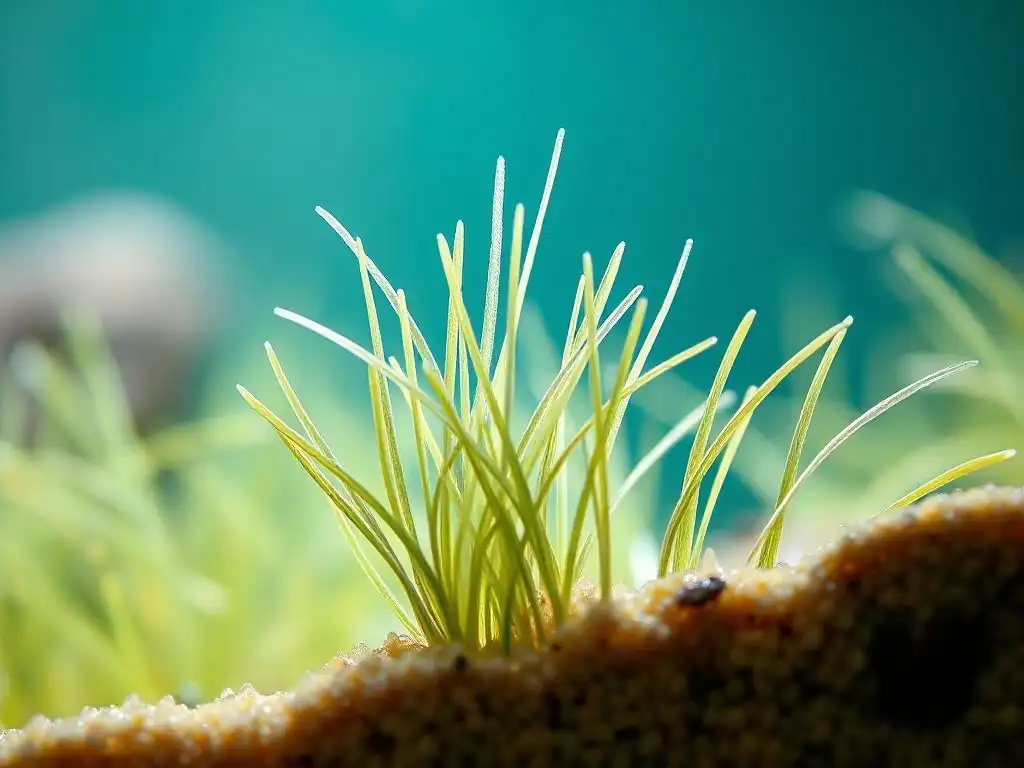
Achieving a dense and healthy dwarf hairgrass aquarium carpet critically depends on providing adequate lighting. Dwarf hairgrass requires medium to high light intensity to thrive and carpet effectively. Insufficient light will lead to stretched, leggy growth as the plant attempts to reach the light source, failing to form the desired dense mat. For a successful carpet, aim for a light duration of 8-10 hours per day.
For typical setups, a light fixture providing at least 30-50 PAR (Photosynthetically Active Radiation) at the substrate level is recommended for moderate growth, while 50-80+ PAR is ideal for rapid, dense carpeting. Quality LED lights designed for planted tanks are excellent for this purpose, offering adjustable intensity and spectrum. For instance, a 20-gallon long tank with a high-output LED fixture (e.g., a Chihiros WRGB II Slim 60 or an ONF Flat Nano+) can easily provide the necessary PAR levels to encourage robust dwarf hairgrass growth and a thick dwarf hairgrass aquarium carpet.
PAR (Photosynthetically Active Radiation) Requirements for Eleocharis Acicularis
PAR measures the amount of light available for photosynthesis, and for Eleocharis acicularis, it is a crucial metric. To achieve a vibrant and compact dwarf hairgrass aquarium carpet, aim for a PAR level of approximately 50-80 µmol/m²/s at the substrate. Lower PAR values (e.g., 20-40 µmol/m²/s) will result in slower growth and potentially taller, less dense individual blades, hindering the carpeting effect. Conversely, excessively high PAR (above 100 µmol/m²/s) without sufficient CO2 and nutrients can lead to algae outbreaks and plant stress.
Monitoring PAR levels with a dedicated PAR meter can optimize your lighting setup, though for most hobbyists, choosing a reputable planted tank light system with known PAR outputs for their tank depth is sufficient. For example, a 24-inch deep tank might require a more powerful fixture or longer run times than a 12-inch deep tank to achieve the same substrate PAR. Consistent lighting is a key component of effective dwarf hairgrass aquarium carpet care.
CO2 Injection: Is it Necessary for a Lush Dwarf Hairgrass Carpet?
While dwarf hairgrass can survive without CO2 injection in very low-tech setups, achieving a truly lush, dense, and rapidly carpeting dwarf hairgrass aquarium carpet almost invariably requires supplemental CO2. Carbon dioxide is a primary nutrient for photosynthesis, and in a planted aquarium, its availability often becomes the limiting factor for robust plant growth. Without CO2 injection, growth will be significantly slower, and the carpet may be sparse or struggle to establish.
For optimal growth rates and to encourage the horizontal runner propagation that forms a thick carpet, aim for a CO2 concentration of 25-35 ppm (parts per million) in your aquarium water. This can be achieved through a pressurized CO2 system with a diffuser and regulator. Monitoring CO2 levels with a drop checker is highly recommended to ensure consistency and prevent over-dosing, which can be harmful to fish. The combination of high light and consistent CO2 is paramount for successful dwarf hairgrass aquarium carpet care.
Substrate Selection: Choosing the Best Aquarium Soil for Dwarf Hairgrass
The right substrate is fundamental for the successful establishment and long-term health of a dwarf hairgrass aquarium carpet. As a heavy root feeder, dwarf hairgrass benefits immensely from nutrient-rich substrates. Inert substrates like sand or gravel alone will not provide the necessary nutrients for sustained, vigorous growth, leading to nutrient deficiencies and poor carpeting.
Aquatic plant soils, often referred to as aquasoils, are highly recommended. These substrates are typically composed of baked clay granules, rich in humic acids, iron, and other essential trace elements. Brands like ADA Aqua Soil Amazonia, Fluval Stratum, or UNS Controsoil are excellent choices. These specialized soils provide a soft, porous medium that allows roots to penetrate easily and absorb nutrients efficiently, promoting a strong root system essential for a dense dwarf hairgrass aquarium carpet.
Nutrient-Rich Substrates and Root Development in Eleocharis
Nutrient-rich substrates play a critical role in the robust root development of Eleocharis acicularis. Unlike many stem plants that absorb nutrients primarily through their leaves, dwarf hairgrass relies heavily on its root system to draw vital macronutrients (like nitrogen, phosphorus, and potassium) and micronutrients (such as iron, manganese, and zinc) directly from the substrate. A high-quality aquasoil provides a sustained release of these elements, supporting the extensive network of fine roots that Eleocharis develops.
This deep root system not only anchors the plant firmly but also facilitates the rapid production of runners, which are essential for forming a dense dwarf hairgrass aquarium carpet. Without adequate substrate nutrition, roots will be weak, and the plant will struggle to spread, leading to a patchy or non-existent carpet. For ongoing dwarf hairgrass aquarium carpet care, supplementing with root tabs can further enhance nutrient availability, especially in older substrates where initial nutrients may be depleted.
Water Parameters: Maintaining Ideal Conditions for Dwarf Hairgrass
Maintaining stable and appropriate water parameters is crucial for the health and vitality of a dwarf hairgrass aquarium carpet. While Eleocharis acicularis is relatively adaptable, optimal conditions promote the fastest growth and densest carpeting. Consistency is more important than hitting exact numbers.
The ideal temperature range for dwarf hairgrass is between 20°C and 28°C (68°F to 82°F). Temperatures outside this range can slow growth or cause stress. A pH range of 6.0 to 7.5 is generally well-tolerated, with slightly acidic conditions (pH 6.5-6.8) often favored when using CO2 injection, as this improves CO2 solubility. Water hardness (GH and KH) can be soft to moderately hard, with GH typically between 3-8 dGH and KH between 3-6 dKH being suitable. Regular water changes (20-30% weekly) help replenish trace elements and remove accumulated nitrates, contributing to effective dwarf hairgrass aquarium carpet care.
Temperature, pH, and Water Hardness for Healthy Growth
Specific water parameters directly influence the metabolic processes of Eleocharis acicularis. Temperatures between 22-26°C (72-79°F) are commonly cited as optimal, promoting vigorous growth without encouraging excessive algae. Lower temperatures will slow growth considerably, while higher temperatures can stress the plant and increase its metabolic rate, requiring more nutrients and CO2.
Regarding pH, a slightly acidic to neutral range (6.5-7.2) is generally preferred, especially in CO2-injected tanks. This pH range optimizes nutrient uptake and CO2 availability. For water hardness, dwarf hairgrass can tolerate a range, but soft to medium-hard water (TDS 100-250 ppm) is typically ideal. Extremely hard water can sometimes hinder nutrient absorption, while overly soft water may lack essential minerals. Regular testing of these parameters is part of comprehensive dwarf hairgrass aquarium carpet care, ensuring a stable environment for your carpet to flourish.
Planting and Propagating Dwarf Hairgrass for a Dense Carpet
Step-by-Step Guide to Planting Dwarf Hairgrass in Your Aquarium
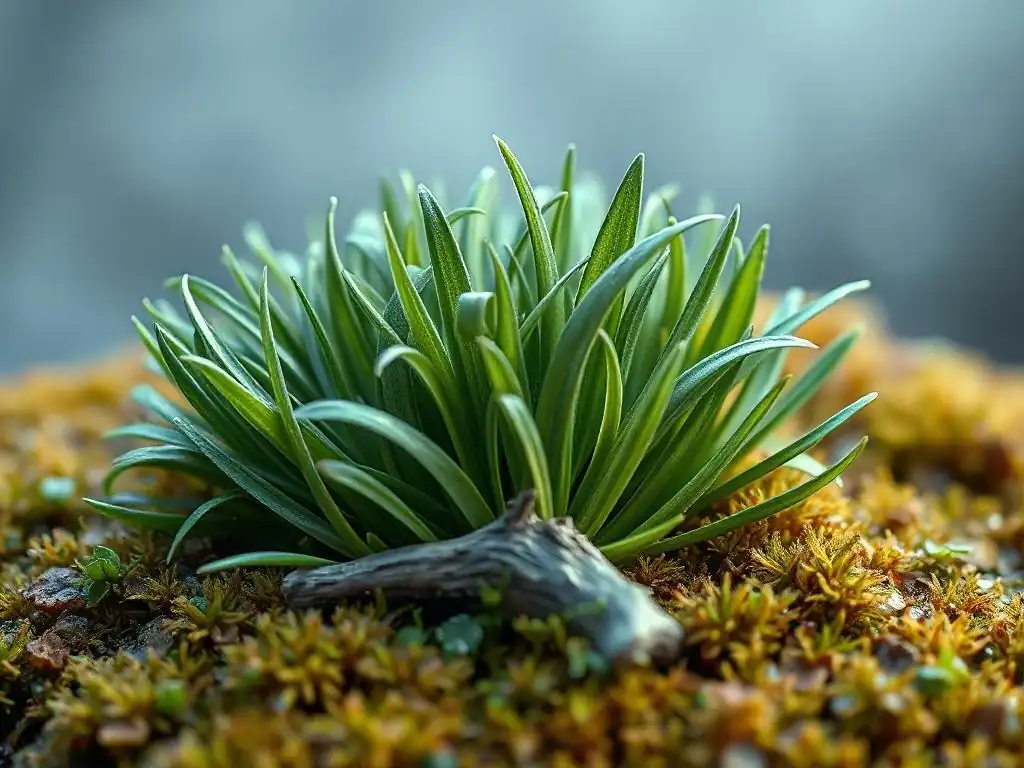
Planting dwarf hairgrass correctly is crucial for its initial establishment and subsequent carpeting. Begin by separating the plant into small portions, often called "plugs" or "clumps," each containing 5-10 individual blades and a small root mass. Using fine-tipped tweezers, plant each plug individually into the substrate, spacing them about 1-2 cm apart in a grid pattern. Ensure that the roots are fully buried and the base of the blades is just at the substrate surface.
This meticulous planting technique, though time-consuming, is vital. Closely spaced plugs will allow the plant to spread more quickly and form a dense dwarf hairgrass aquarium carpet. For a standard 20-gallon tank, you might need 10-15 pots or tissue culture cups of dwarf hairgrass to achieve a full carpet within 2-3 months under optimal conditions. Patience is key, as the plant needs time to root and send out runners.
The Dry Start Method vs. Submerged Planting
When establishing a dwarf hairgrass aquarium carpet, aquascapers often choose between two primary planting methods: the dry start method (DSM) or traditional submerged planting. The dry start method involves planting the dwarf hairgrass in a moist, nutrient-rich substrate with minimal water, keeping the tank covered to maintain high humidity. This method allows the plant to grow emersed, accessing atmospheric CO2, which is significantly more abundant than dissolved CO2 in water. It can lead to extremely rapid and dense carpeting within 4-8 weeks before the tank is flooded.
Conversely, submerged planting involves filling the tank with water immediately after planting. While simpler, it typically results in slower initial growth and carpeting, as the plant needs to transition from its emersed form (if grown in tissue culture) to its submerged form, and CO2 is often a limiting factor without injection. For a quick and robust dwarf hairgrass aquarium carpet, the dry start method is often preferred, but both methods can be successful with diligent dwarf hairgrass aquarium carpet care.
Propagating Dwarf Hairgrass: Creating More Plants from Existing Carpets
Propagating dwarf hairgrass is relatively straightforward, as the plant naturally spreads via runners. Once your dwarf hairgrass aquarium carpet has established and thickened, you can easily harvest new plants to expand your carpet or share with others. Simply identify a section of dense growth, gently pull up a small clump that includes roots and runners, and then carefully separate the runners into smaller individual plantlets or plugs.
Each runner segment with a few blades and roots can be replanted elsewhere in the tank using the same method as initial planting. This method not only helps to propagate new plants but also encourages denser growth in the original carpet by stimulating the plant to send out more runners. Regular propagation and thinning are essential aspects of long-term dwarf hairgrass aquarium carpet care, ensuring the carpet remains vibrant and healthy.
Trimming and Maintenance: Keeping Your Dwarf Hairgrass Carpet Healthy
Regular trimming is a critical aspect of maintaining a healthy and aesthetically pleasing dwarf hairgrass aquarium carpet. Without trimming, the carpet can become too dense, shading the lower layers of the plant and leading to melting or detaching from the substrate. Use long, sharp aquascaping scissors to trim the carpet, much like mowing a lawn, aiming to cut about one-third to half of the plant's height.
It is generally recommended to trim your dwarf hairgrass carpet every 2-4 weeks, depending on its growth rate. After trimming, perform a water change to remove any floating plant debris, which can otherwise decompose and contribute to nutrient spikes or algae issues. Consistent trimming encourages the plant to send out more runners and grow denser horizontally, rather than vertically, contributing to a more compact and vibrant dwarf hairgrass aquarium carpet.
Preventing Algae Growth in Dwarf Hairgrass Carpets
Algae growth is a common challenge in any planted tank, and a dense dwarf hairgrass aquarium carpet can sometimes become a target, especially for types like hair algae or green dust algae. The best defense against algae is maintaining optimal growing conditions for your dwarf hairgrass: consistent high light, stable CO2 levels (25-35 ppm), and balanced nutrient dosing. A healthy, fast-growing carpet will outcompete algae for available nutrients.
If algae does appear, manual removal with tweezers or a toothbrush can be effective for localized spots. Reducing light intensity or duration temporarily can also help. Introducing algae-eating inhabitants like Amano shrimp ( Caridina multidentata) or Otocinclus catfish can provide biological control. For severe outbreaks, a targeted spot treatment with a liquid carbon source (e.g., glutaraldehyde products) can be effective, applied carefully with a syringe directly to the affected areas. Consistent dwarf hairgrass aquarium carpet care, including proper nutrient management and cleanliness, significantly reduces algae risks.
Dwarf Hairgrass Aquarium Carpet Care: Troubleshooting Common Issues
Identifying and Addressing Dwarf Hairgrass Melting
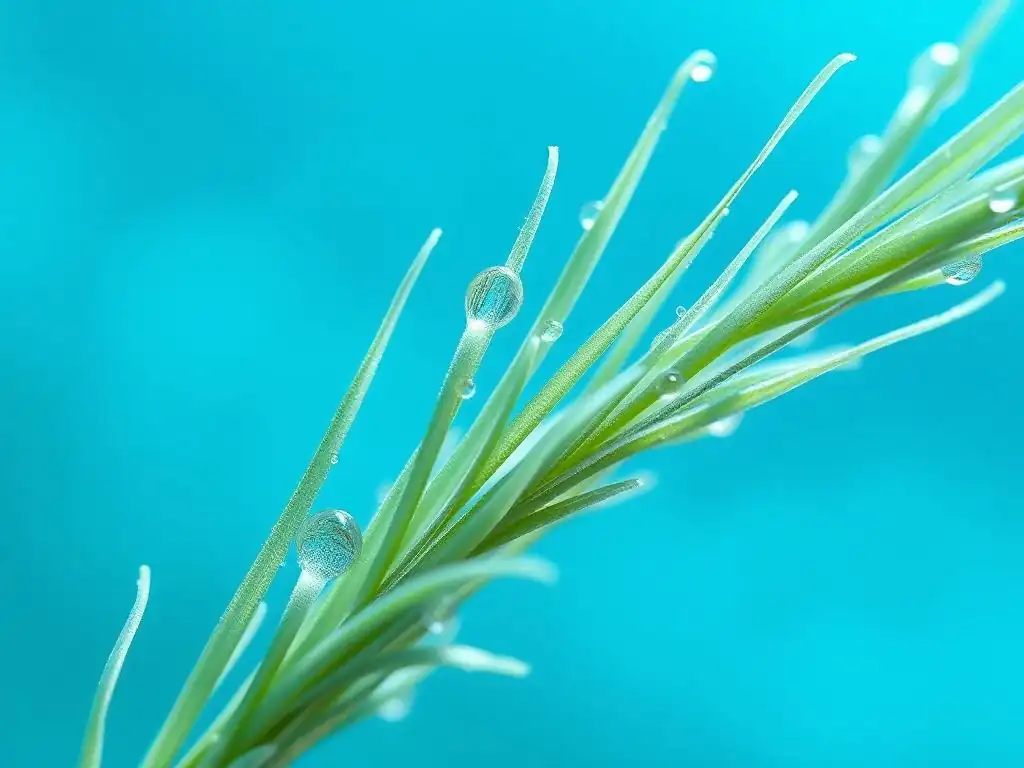
Dwarf hairgrass melting, characterized by blades turning translucent, brown, or mushy, is a common issue, especially during the initial planting phase or when conditions are unstable. This phenomenon, often called "melt," occurs as the plant adapts to new water parameters, lighting, or CO2 levels, particularly when transitioning from emersed (dry start or tissue culture) to submerged growth. It can also be a sign of severe nutrient deficiency or environmental stress.
To address melting, first ensure all essential parameters are optimal: consistent CO2 injection (25-35 ppm), adequate lighting (50-80 PAR), and a nutrient-rich substrate. Perform small, frequent water changes (e.g., 10-15% every other day for a week) to remove decaying plant matter and provide fresh minerals. Trim away any severely melted portions to prevent them from fouling the water. Patience is key; often, the plant will recover and send out new, healthy growth once stable conditions are re-established. Consistent dwarf hairgrass aquarium carpet care helps minimize melt.
Dealing with Algae on Dwarf Hairgrass
Algae on a dwarf hairgrass aquarium carpet can be unsightly and detrimental to plant health, blocking light and nutrient uptake. Common types include green hair algae, which forms long, stringy strands, and black beard algae (BBA), which appears as dark, fuzzy tufts. Algae typically signifies an imbalance in the aquarium, often related to inconsistent CO2, fluctuating nutrient levels, or excessive light.
To combat algae, first verify your CO2 levels are stable and within the optimal range (25-35 ppm). Increase water flow to ensure CO2 and nutrients reach all parts of the carpet. Evaluate your fertilization routine, ensuring macro and micronutrients are balanced. Manual removal is effective for hair algae – twirl it around a toothbrush.
For BBA, spot treatment with a liquid carbon product, like glutaraldehyde, can be highly effective when applied directly to the algae with a syringe. Introducing a healthy population of Amano shrimp can also significantly help in controlling green algae. Effective dwarf hairgrass aquarium carpet care includes proactive algae management.
Black Beard Algae (BBA) and Dwarf Hairgrass: Prevention and Removal
Black Beard Algae (BBA), or Audouinella sp., is a particularly stubborn form of algae that often attaches firmly to plant leaves, including dwarf hairgrass, and hardscape. Its presence on a dwarf hairgrass aquarium carpet is a strong indicator of unstable CO2 levels, often fluctuating between high and low throughout the day, or insufficient CO2 for the given light intensity. It can also be exacerbated by inconsistent nutrient dosing.
Prevention is key: maintain stable CO2 injection (target 30 ppm), ensure consistent nutrient dosing, and avoid large fluctuations in light. If BBA appears on your dwarf hairgrass, manual removal by trimming affected blades is an option, though time-consuming. For more widespread issues, a targeted spot treatment with a liquid carbon supplement (e.g., Seachem Flourish Excel or similar glutaraldehyde-based products) can be highly effective.
Turn off the filter, apply 1-2 ml per 10 gallons directly to the BBA with a syringe, wait 15-20 minutes, then turn the filter back on. Repeat daily for several days until the BBA turns red or white, indicating it's dying. This focused approach is an important aspect of dwarf hairgrass aquarium carpet care.
Nutrient Deficiencies in Dwarf Hairgrass: Recognizing the Signs
Even with a nutrient-rich substrate, dwarf hairgrass can exhibit signs of nutrient deficiencies, especially in high-tech setups with rapid growth. Recognizing these signs is crucial for prompt intervention and maintaining a healthy dwarf hairgrass aquarium carpet. Common deficiencies include yellowing of older leaves (nitrogen or potassium), stunted growth (nitrogen, phosphorus), or pale new growth (iron, manganese).
If your dwarf hairgrass is growing slowly despite adequate light and CO2, or if the color appears faded, review your fertilization strategy. Ensure you are dosing a comprehensive liquid fertilizer that includes both macronutrients (N-P-K) and micronutrients (trace elements). Root tabs can also be replenished every 3-6 months to provide concentrated nutrients directly to the plant's roots, which are essential for its growth. Regular water testing for nitrates and phosphates can help identify if macronutrient levels are too low. Proactive nutrient management is a core component of effective dwarf hairgrass aquarium carpet care.
Iron Deficiency and Its Impact on Eleocharis Acicularis
Iron is a vital micronutrient for all aquatic plants, playing a critical role in chlorophyll production and enzyme function. For Eleocharis acicularis, an iron deficiency typically manifests as chlorosis, where new growth appears pale yellow or almost white, while older leaves may retain some green. This contrasts with nitrogen deficiency, which usually affects older leaves first, causing overall yellowing.
If you suspect iron deficiency in your dwarf hairgrass aquarium carpet, check your water parameters and fertilization routine. Ensure your liquid fertilizer includes chelated iron, which is more readily available for plant uptake in aquarium water. Dosing an iron-specific supplement can quickly resolve the issue. Aim for an iron concentration of approximately 0.05-0.1 mg/L in the water column. Using an iron-rich aquasoil or supplementing with iron-rich root tabs will also provide a continuous supply of this essential element directly to the roots, which is paramount for vibrant green dwarf hairgrass.
Achieving a Stunning Dwarf Hairgrass Aquarium Carpet: Advanced Techniques
Fertilization Strategies for Optimal Dwarf Hairgrass Growth
For an exceptionally lush and dense dwarf hairgrass aquarium carpet, a comprehensive fertilization strategy is essential, moving beyond just a nutrient-rich substrate. While the substrate provides foundational nutrients, the water column needs regular replenishment of both macro and micronutrients, especially in high-light, high-CO2 setups. Many aquascapers adopt the Estimative Index (EI) dosing method, which involves dosing a surplus of nutrients to ensure no deficiencies, followed by large weekly water changes (50% or more) to reset nutrient levels.
Alternatively, the Proportional Dosing method (PPS-Pro or similar) involves dosing nutrients based on estimated plant uptake, often in smaller, more frequent amounts. Regardless of the method, ensure your fertilization includes nitrates (NO3), phosphates (PO4), potassium (K), and a full spectrum of trace elements, particularly iron. For example, a target of 10-20 ppm NO3, 1-2 ppm PO4, and 10-20 ppm K per week, along with daily or every-other-day trace element dosing, is often effective for a thriving dwarf hairgrass aquarium carpet.
Liquid Fertilizers and Root Tabs: A Balanced Approach
A balanced approach utilizing both liquid fertilizers and root tabs is highly effective for optimal dwarf hairgrass aquarium carpet care. Liquid fertilizers, dosed into the water column, provide readily available macronutrients and micronutrients that plants can absorb through their leaves and, to some extent, their roots. This ensures that all plants in the aquarium receive a baseline level of essential nutrients, supporting overall growth.
Root tabs, on the other hand, are specifically designed to deliver concentrated nutrients directly into the substrate, where heavy root feeders like dwarf hairgrass can access them efficiently. These tabs typically contain a slow-release formulation of iron, potassium, nitrogen, and other trace elements. Placing root tabs beneath your dwarf hairgrass carpet every 3-6 months, especially in areas showing slower growth or paler coloration, ensures a continuous supply of vital nutrients directly to its extensive root system. This dual approach maximizes nutrient availability and promotes a robust, vibrant dwarf hairgrass aquarium carpet.
Aquascaping with Dwarf Hairgrass: Design Ideas and Inspiration
Dwarf hairgrass is a versatile plant that can dramatically enhance the aesthetic of an aquascape, providing a natural, serene meadow-like foundation. In Iwagumi style aquascapes, dwarf hairgrass is often the primary plant, creating a minimalist yet impactful landscape around carefully placed rocks. Its uniform texture creates a sense of scale and depth, making the hardscape elements appear larger and more imposing.
For Dutch-style aquascapes, while not traditionally dominant, dwarf hairgrass can be used as a foreground accent or to provide a contrasting texture to the more colorful stem plants. In nature aquariums, it perfectly mimics natural grasslands or riverbeds, providing a realistic habitat for fish and invertebrates.
Consider using Eleocharis parvula for a more delicate, high-detail foreground, especially in nano tanks, while standard Eleocharis acicularis offers a slightly taller, more robust carpet. The key is to leverage its carpeting habit to create a coherent and visually appealing base for your entire aquatic landscape, making dwarf hairgrass aquarium carpet care an integral part of the design process.
Companion Plants for Dwarf Hairgrass: Creating a Harmonious Ecosystem
Selecting appropriate companion plants for your dwarf hairgrass aquarium carpet can enhance the overall beauty and ecological balance of your aquascape. Given dwarf hairgrass's preference for high light and CO2, choose other plants that thrive under similar conditions. For the midground, plants like Staurogyne repens, Hydrocotyle tripartita 'Japan', or Bucephalandra species provide excellent textural contrast and can help transition from the foreground carpet to taller background plants.
In the background, tall stem plants such as Rotala rotundifolia, Ludwigia repens, or Myriophyllum mattogrossense create lush green or red backdrops, adding depth and color. Ensure these background plants don't excessively shade the dwarf hairgrass carpet. For hardscape elements, attaching mosses like Java moss or Christmas moss to rocks and driftwood can create a natural, aged look that complements the fresh green of the carpet. Creating a diverse plant ecosystem not only looks appealing but also contributes to a more stable and healthy environment, simplifying overall dwarf hairgrass aquarium carpet care.
Frequently Asked Questions
How much light does dwarf hairgrass need to thrive as a carpet?
Dwarf hairgrass requires high-intensity lighting for optimal carpet growth. Insufficient light leads to leggy growth and potential die-off. Aim for at least 30-50 PAR.
What type of substrate is best for establishing a dwarf hairgrass carpet?
A nutrient-rich substrate, such as aquarium soil or a fertilized substrate, is crucial. This provides the necessary nutrients for the roots to develop and spread effectively.
How often should I trim my dwarf hairgrass carpet?
Regular trimming encourages horizontal growth and prevents the grass from becoming too dense. Trim with sharp scissors when it reaches a height of 2-3 inches.
What are the most common problems encountered when growing a dwarf hairgrass carpet, and how can I fix them?
Common issues include algae growth, melting, and lack of growth. Ensure proper lighting, CO2 levels, and nutrient balance to combat these problems.
Is CO2 injection necessary for a successful dwarf hairgrass carpet?
While not always essential, CO2 injection significantly promotes faster and denser growth. It allows the plant to uptake nutrients more efficiently, resulting in a healthier carpet.
Final Reflection: Cultivating Underwater Meadows
The journey to achieving a lush, vibrant dwarf hairgrass carpet in an aquarium is more than just a technical exercise; it's a testament to the power of patience and understanding in creating a miniature ecosystem. This pursuit of a thriving underwater landscape mirrors our broader responsibility to cultivate balance and harmony within the natural world. The dedication required to nurture these delicate plants reflects a deeper appreciation for the intricate beauty that exists even in the smallest of environments.
The allure of a dwarf hairgrass carpet extends beyond mere aesthetics; it represents a desire to bring a slice of nature into our homes, fostering a connection with the aquatic world. This connection, I believe, is vital in a world increasingly disconnected from the natural rhythms of life. In nature, nothing is perfect and everything is perfect. Trees can be contorted, bent in weird ways, and they're still beautiful.
- Alice Walker. This quote perfectly encapsulates the beauty found in the imperfections of a natural aquarium, reminding us that the journey is just as important as the destination.
Now, as you gaze upon your own aquarium, or perhaps contemplate starting your own underwater meadow, I invite you to consider the lessons learned from cultivating dwarf hairgrass. Let the patience, the attention to detail, and the appreciation for natural balance inspire you to cultivate similar qualities in your own life. Embrace the challenge, celebrate the small victories, and remember that even the smallest efforts can contribute to a more beautiful and harmonious world, both within and beyond the glass.
Cultivate Your Dream Aquarium: Start Your Dwarf Hairgrass Meadow Today!
Thanks for diving deep into the world of dwarf hairgrass! We hope this guide has inspired you to create your own stunning aquascape. Now, let's turn that inspiration into action.
Here's how you can get started:
- Take the plunge and plant your first batch of dwarf hairgrass! Remember to trim the roots for optimal growth and spread.
- Share your progress! Post photos of your dwarf hairgrass journey on social media using #AquariumMasteryMeadow.
- Explore unique substrate combinations to optimize growth and discover what works best for your aquarium.
What innovative aquascaping idea will you bring to life with your dwarf hairgrass carpet?