
The Estimative Index (EI) Dosing Method: A Guide for Lush Growth

Welcome to Aquarium Mastery!
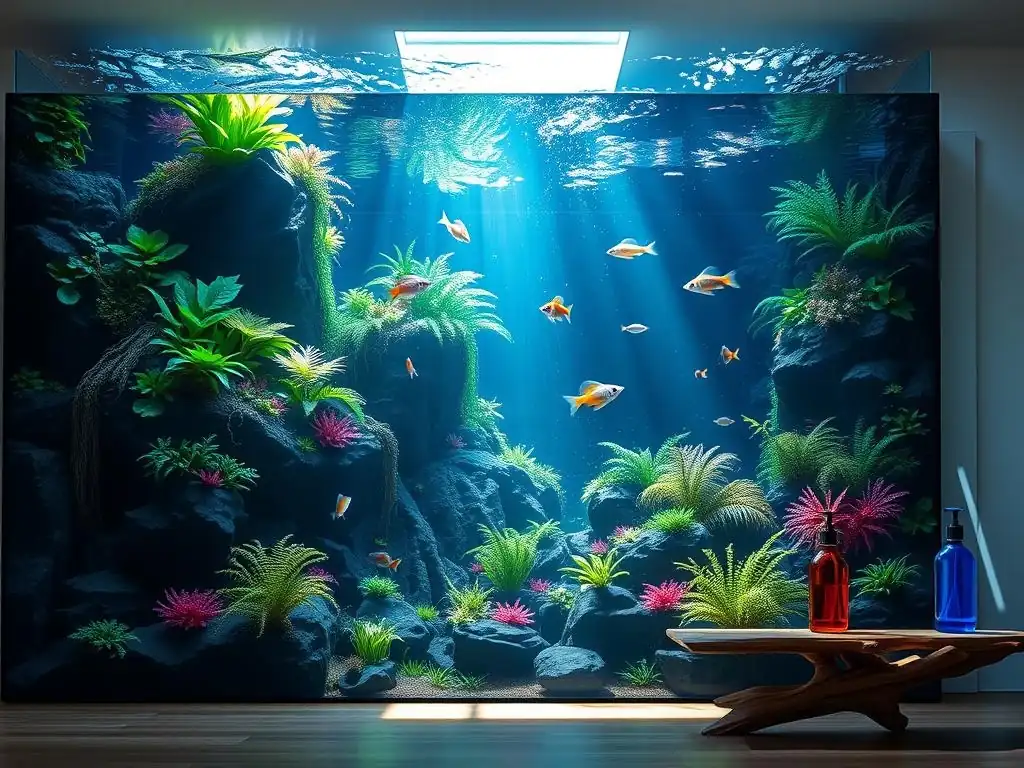
Ever wondered how to achieve that lush, vibrant planted aquarium you've always dreamed of? Dive in and explore the secrets to thriving aquatic ecosystems! Our comprehensive guide begins with a deep dive into EI dosing for aquariums, a proven method for unlocking explosive plant growth. Curious to know how to provide your aquatic plants with everything they need without overdoing it? Read on and discover the key to a flourishing underwater garden!
- The Estimative Index (EI) Dosing Method: A Guide for Lush Growth in Planted Aquariums
- Understanding the Estimative Index (EI) Dosing Method for Planted Tanks
- Setting Up Your Planted Aquarium for EI Dosing Success
- EI Dosing Schedule: A Step-by-Step Guide
- Fine-Tuning EI Dosing for Optimal Plant Health
- Troubleshooting Common Issues with EI Dosing
- Advanced EI Dosing Techniques
- Benefits of EI Dosing for Planted Aquariums
-
Frequently Asked Questions
- What is the Estimative Index (EI) Dosing method, and why is it used?
- How does EI dosing differ from other fertilization methods?
- What nutrients are typically included in an EI dosing regime?
- How often should I perform water changes when using EI dosing?
- Is EI dosing suitable for all types of planted aquariums?
- Final Reflection: Cultivating Aquatic Harmony
- Ignite Your Aquarium: Unveil the Power of EI!
The Estimative Index (EI) Dosing Method: A Guide for Lush Growth in Planted Aquariums
Understanding the Estimative Index (EI) Dosing Method for Planted Tanks
What is EI Dosing and How Does it Promote Plant Growth?
The Estimative Index (EI) dosing method is a popular and effective fertilization strategy for planted aquariums, designed to provide aquatic plants with all necessary macronutrients and micronutrients in non-limiting quantities. Unlike methods that aim to precisely measure and replace consumed nutrients, EI dosing operates on the principle of providing an estimated excess of all vital nutrients.
This ensures that nutrient availability never becomes a bottleneck for plant growth, allowing plants to grow robustly and reach their full genetic potential, provided other factors like CO2 and light are also optimized. The core idea behind EI dosing for aquariums is to eliminate nutrient deficiencies entirely, promoting lush, healthy growth.
This approach promotes plant growth by ensuring that plants can absorb whatever nutrients they need, whenever they need them, without any specific nutrient running out. For instance, if a plant requires potassium for enzyme activation and photosynthesis, EI dosing guarantees that potassium is always readily available in the water column.
The method accounts for the varied and unpredictable uptake rates of different plant species under diverse lighting and CO2 conditions. By maintaining a constant surplus, plants are never stressed by nutrient scarcity, leading to vibrant coloration, strong root systems, and significantly faster growth rates compared to tanks where nutrients might be intermittently depleted.
The Core Principles of EI Fertilization in Aquariums
The foundation of EI fertilization rests on three primary principles: providing non-limiting nutrient levels, performing regular and significant water changes, and acknowledging the critical roles of CO2 and light. Firstly, the method ensures that macronutrients (nitrogen, phosphorus, potassium) and micronutrients (iron, manganese, zinc, boron, copper, molybdenum) are consistently present in the water column in concentrations high enough to meet any plant demand.
For example, target levels often aim for nitrate (NO3) at 10-20 ppm, phosphate (PO4) at 1-2 ppm, and potassium (K) at 10-20 ppm, with trace elements also present. This "estimative" approach means precise testing for individual nutrient consumption is largely unnecessary, simplifying the routine for aquarists.
Secondly, a cornerstone of successful EI dosing for aquariums is the routine, large weekly water change, typically 50% or more of the tank's volume. This regular water change serves multiple crucial purposes: it resets the nutrient levels, preventing any single nutrient from accumulating to potentially harmful concentrations over time, and it removes organic waste products that can contribute to algae growth. This "reset" mechanism is vital because, while nutrients are dosed in excess, plants don't absorb all of them.
Without large water changes, certain elements could build up, potentially leading to imbalances or fostering algae. Finally, EI dosing assumes that CO2 injection and adequate lighting are also provided, as these are equally, if not more, important factors for vigorous plant growth. Nutrients alone cannot compensate for insufficient light or carbon dioxide.
EI Dosing vs. Other Aquarium Fertilization Methods: A Comparison
When comparing EI dosing for aquariums to other fertilization strategies, distinct differences emerge in philosophy and application. One common alternative is the PPS-Pro (Perpetual Preservation System) method, which focuses on daily, precise dosing of nutrients based on estimated daily plant uptake, often involving more frequent water testing to fine-tune dosages. While PPS-Pro aims for minimal excess and precise nutrient management, EI dosing embraces a generous surplus, relying on large weekly water changes to prevent buildup, which can be less demanding in terms of daily calculations and testing for many hobbyists.
Another contrast lies with substrate-based fertilization or the use of root tabs, which primarily deliver nutrients to plant roots. While beneficial for heavy root feeders like Cryptocorynes and Echinodorus, these methods often don't provide sufficient water column nutrients for stem plants or epiphytes that absorb nutrients directly from the water.
EI dosing, conversely, ensures a rich supply of nutrients in the entire water column, benefiting all plant types regardless of their primary nutrient uptake mechanism. Leaner dosing methods, such as those that target very low nutrient levels to control algae, often result in slower or less robust plant growth due to nutrient limitation, a scenario EI dosing actively seeks to avoid by prioritizing plant health and growth through nutrient abundance.
Setting Up Your Planted Aquarium for EI Dosing Success
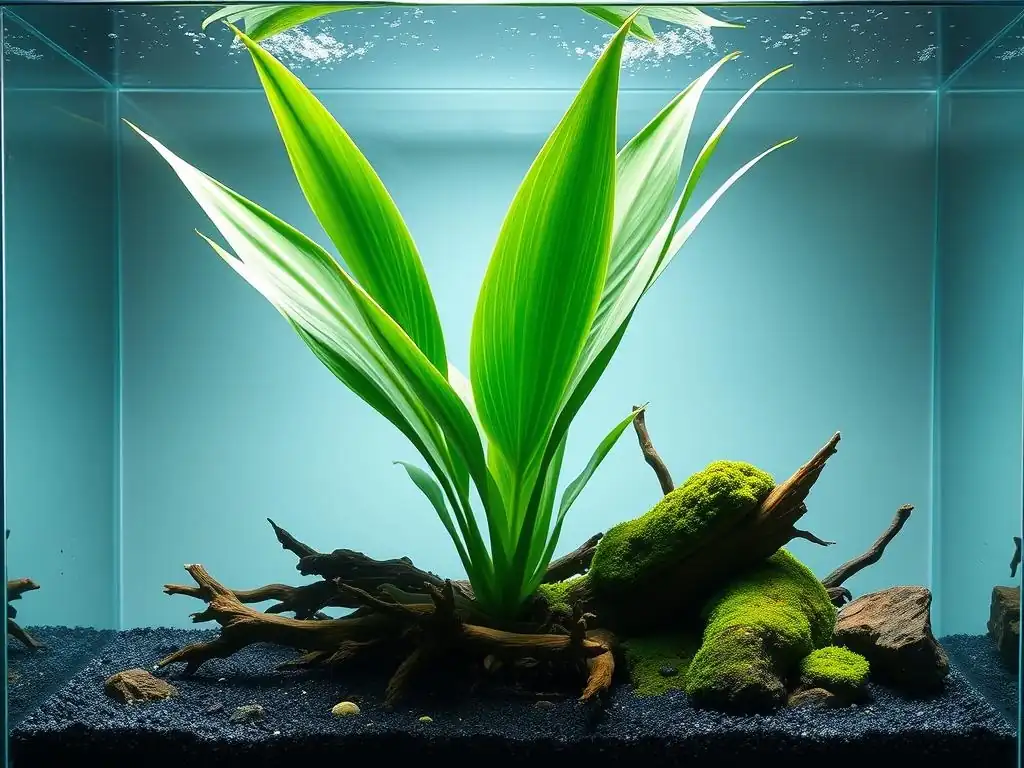
Essential Equipment for EI Dosing: Aquarium, Filter, Light, CO2 System, Test Kits, Fertilizers
To embark on the journey of EI dosing for aquariums, a foundational setup is crucial. The primary component is, of course, the aquarium itself, ideally one with sufficient volume to allow for stable water parameters. A robust filtration system, such as a canister filter or powerful hang-on-back filter, is necessary to maintain water clarity and biological filtration, even though nutrient management is handled by dosing and water changes.
More importantly, high-quality lighting tailored to the needs of your aquatic plants is non-negotiable. For lush growth, medium to high light levels (e.g., 50-80 PAR at the substrate for demanding plants) are often required to drive the photosynthesis that consumes the abundant nutrients provided by EI dosing.
Beyond the basics, a reliable CO2 injection system is paramount for EI dosing success. Plants utilize CO2 as their primary carbon source for photosynthesis, and in a high-light, high-nutrient environment, atmospheric CO2 is rarely sufficient. A pressurized CO2 system, complete with a regulator, diffuser, and solenoid valve, ensures a consistent CO2 concentration, typically aiming for 25-35 ppm in the water, which is crucial for maximizing nutrient uptake and growth.
While EI dosing minimizes the need for daily nutrient testing, a master freshwater test kit (including tests for pH, GH, KH, ammonia, nitrite, and nitrate) is still valuable for troubleshooting and initial setup. Finally, the specific fertilizers are key: dry salts for macronutrients (Potassium Nitrate, Monopotassium Phosphate, Potassium Sulfate) and a comprehensive micronutrient mix (e.g., CSM+B) are preferred for their cost-effectiveness and purity when practicing EI dosing for aquariums.
Determining Your Aquarium's Volume for Accurate EI Calculations
Accurate calculation of your aquarium's water volume is a critical first step for precise EI dosing. While tank manufacturers provide advertised volumes (e.g., 20-gallon, 55-gallon, 125-gallon), these figures represent the gross volume and do not account for the displacement caused by substrate, rocks, driftwood, or equipment within the tank. To determine the actual water volume, measure the tank's internal length, width, and height in inches.
Multiply these three dimensions to get the cubic inches, then divide by 231 (the number of cubic inches in one US gallon) to find the gross volume in gallons. For example, a tank measuring 30"x12"x16" would have a gross volume of (30 1216)/231 = 24.85 gallons.
Once the gross volume is established, estimate the displacement. A good rule of thumb for a heavily planted tank with substrate and decor is to reduce the gross volume by 10-20%. So, for a 25-gallon tank, the actual water volume might be closer to 20-22 gallons. More precisely, you can measure the volume of water added during a complete fill-up, subtracting any known volumes of displacement items.
This accurate net volume is essential because EI dosing instructions are typically given per gallon or per 10 gallons. Using an overestimated volume will lead to underdosing, potentially causing nutrient deficiencies, while underestimating will result in overdosing, which, while buffered by water changes, is less efficient. Precise volume ensures that the "estimative" part of EI dosing for aquariums is based on a solid foundation.
Understanding Nutrient Requirements for Different Plant Types
While EI dosing provides an excess of all essential nutrients, understanding the general nutrient requirements of different aquatic plant types can help in fine-tuning your approach and plant selection. Broadly, plants can be categorized by their growth rate and nutrient uptake mechanisms. Fast-growing stem plants, such as Rotala species, Ludwigia, and Hygrophila, are heavy feeders.
They rapidly absorb macronutrients like nitrogen (N), phosphorus (P), and potassium (K) from the water column to support their quick development and frequent pruning requirements. These plants thrive under the non-limiting nutrient conditions provided by EI dosing, often showing immediate positive responses to consistent fertilization.
Conversely, slow-growing plants like Anubias, Bucephalandra, and many types of Cryptocorynes have lower overall nutrient demands and often absorb nutrients more slowly, sometimes preferring root absorption. While they still benefit from the comprehensive nutrient supply of EI dosing, they are less prone to showing rapid deficiency symptoms if nutrient levels fluctuate slightly.
Similarly, carpeting plants (e.g., Hemianthus callitrichoides 'Cuba', Glossostigma elatinoides) also benefit from robust water column nutrients, especially during their initial establishment phase, to spread quickly. Understanding these generalized needs helps aquarists select plant species that will flourish under EI dosing for aquariums, ensuring the entire planted ecosystem remains vibrant and healthy.
EI Dosing Schedule: A Step-by-Step Guide
Calculating EI Dosing Amounts
Calculating the precise amounts for EI dosing involves using dry salts and considering your aquarium's net water volume. The goal is to achieve target concentrations for macronutrients and micronutrients that are consistently in excess. For a standard 20-gallon (approx.
75-liter) planted aquarium, a common starting point for macronutrients might be: 1/4 teaspoon of Potassium Nitrate (KNO3) three times a week for nitrogen and potassium, 1/16 teaspoon of Monopotassium Phosphate (KH2PO4) three times a week for phosphorus and potassium, and 1/4 teaspoon of Potassium Sulfate (K2SO4) three times a week for additional potassium. For micronutrients, typically 1/8 teaspoon of a comprehensive trace mix (like CSM+B) three times a week is recommended. These are approximate starting points; precise calculators are widely available online for various tank sizes.
To be more specific, let's consider a 50-gallon aquarium. A common weekly target for nitrates (NO3) is 15-20 ppm, phosphates (PO4) 1-2 ppm, and potassium (K) 15-20 ppm, with iron (Fe) around 0.2-0.5 ppm. To achieve these levels, you'd dissolve specific amounts of dry salts into stock solutions.
For instance, to make a macronutrient solution, you might dissolve 120 grams of KNO3, 15 grams of KH2PO4, and 80 grams of K2SO4 into 500 ml of distilled water. Dosing 10 ml of this solution per 10 gallons of water would provide roughly 7.5 ppm NO3, 1.2 ppm PO4, and 5 ppm K. A separate micronutrient solution could involve dissolving 20 grams of CSM+B in 500 ml of water, with 10 ml per 10 gallons providing approximately 0.2 ppm Fe. These calculations ensure that the EI dosing for aquariums maintains consistently high nutrient levels, preventing any deficiencies.
Weekly Water Change Routine for EI Dosing
The weekly water change is an indispensable component of the EI dosing method, serving as the "reset button" for your aquarium's water column. It is recommended to perform a large water change, typically 50% or more of the tank's net volume, once a week.
This routine is crucial for preventing the long-term buildup of nutrients that plants don't absorb, as well as organic waste products that can accumulate in a heavily fertilized and planted environment. For example, in a 75-gallon planted tank, changing 35-40 gallons of water weekly effectively dilutes any excess nutrients and removes dissolved organic compounds, maintaining water quality and preventing algae proliferation.
The process is straightforward: first, turn off your CO2 system and any pumps that might be affected by the lowered water level. Then, drain at least half of the tank's water using a gravel vacuum to simultaneously remove detritus from the substrate. While the water is draining, you can trim plants or perform other maintenance tasks.
Once drained, slowly refill the tank with dechlorinated water that is temperature-matched to minimize stress on fish and plants. After refilling, resume your CO2 injection and pumps. This consistent weekly reset is fundamental to the stability and success of EI dosing for aquariums, allowing for generous nutrient additions throughout the week without concerns about harmful long-term accumulation.
Macro and Micro Nutrient Solutions for EI Dosing
For practical and precise EI dosing, preparing concentrated stock solutions of macronutrients and micronutrients is highly recommended. This approach simplifies the daily or every-other-day dosing regimen, ensuring consistent delivery of nutrients. For macronutrients, a common method involves creating a single solution by dissolving specific amounts of Potassium Nitrate (KNO3), Monopotassium Phosphate (KH2PO4), and Potassium Sulfate (K2SO4) in a designated volume of distilled or RO water.
For example, for a 500ml stock solution, one might dissolve 100 grams of KNO3, 10 grams of KH2PO4, and 60 grams of K2SO4. This solution would then be dosed typically 2-3 times a week, providing the bulk of the N, P, and K.
Separately, a micronutrient stock solution is prepared, typically using a high-quality trace mix like CSM+B (Chelated Trace Mix with Boron). For a 500ml solution, dissolving 20-25 grams of CSM+B is common. This solution is also dosed 2-3 times a week, usually on alternate days from the macronutrients to prevent any potential interaction or precipitation, although this is often a minor concern.
These stock solutions should be stored in opaque, airtight bottles in a cool, dark place to maintain their stability and prevent degradation. This systematic approach to preparing and dosing macro and micro nutrient solutions is key to the simplicity and effectiveness of EI dosing for aquariums, ensuring plants always have access to a balanced and abundant nutrient supply.
Fine-Tuning EI Dosing for Optimal Plant Health
Recognizing Nutrient Deficiency Symptoms in Aquatic Plants
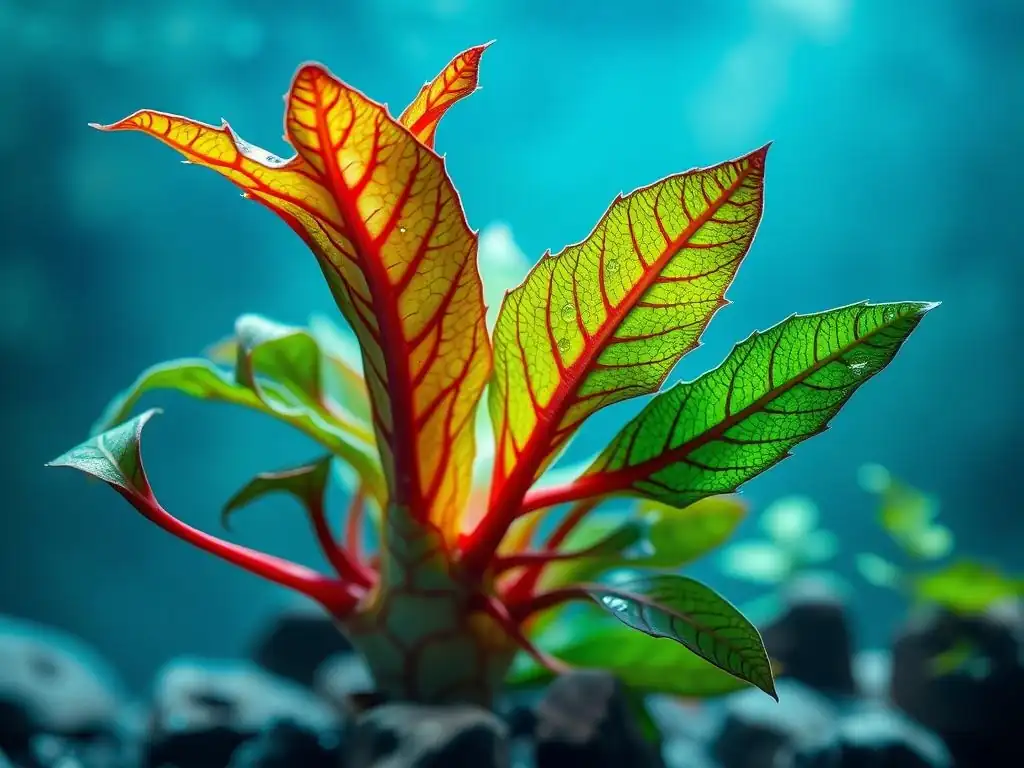
While EI dosing aims to prevent nutrient deficiencies, understanding their symptoms is crucial for fine-tuning and troubleshooting, especially if other factors like CO2 or light are suboptimal. Nitrogen (N) deficiency often manifests as general yellowing (chlorosis) of older leaves, as the plant reallocates nitrogen to new growth. Phosphorous (P) deficiency can lead to stunted growth, dark green coloration, and sometimes red or purple tints on leaves, particularly on older foliage.
Potassium (K) deficiency is characterized by yellowing leaf edges, holes (necrosis) in older leaves, or general weakness. For instance, a common sign of K deficiency in Sword plants (Echinodorus) is pinholes appearing on older leaves.
Micronutrient deficiencies also present distinct symptoms. Iron (Fe) deficiency, one of the most common, causes severe chlorosis in new growth, with leaves appearing pale yellow or white while veins remain green. This is particularly noticeable in red plant varieties, which may lose their vibrant coloration.
Boron (B) deficiency can lead to distorted new growth and stunted root tips, while Manganese (Mn) deficiency might cause yellowing between the veins of new leaves, similar to iron but often less severe. Regularly observing your plants for these specific signs, even with EI dosing for aquariums, allows you to identify potential issues quickly and adjust your dosing or other parameters, such as CO2 or flow, accordingly, ensuring optimal plant health.
Adjusting EI Dosing Based on Plant Response and Algae Growth
Although EI dosing provides a generous excess of nutrients, fine-tuning based on plant response and algae presence is an ongoing process. If plants show signs of nutrient deficiencies despite consistent dosing, the issue is often not a lack of nutrients but rather insufficient CO2, inadequate lighting, or poor water circulation preventing nutrient delivery to the leaves.
In such cases, increasing the CO2 level to 25-30 ppm or ensuring better light penetration might be more effective than simply increasing nutrient doses. For example, if new growth is stunted and pale, even after ensuring proper EI dosing, checking CO2 levels with a drop checker (aiming for lime green) is the next logical step.
Conversely, if an increase in algae (e.g., green spot algae, hair algae) is observed, it's rarely a direct result of excess nutrients from EI dosing itself, as the weekly water change prevents harmful buildup. More often, algae indicates an imbalance in the system: fluctuating CO2 levels, too much light, inconsistent photoperiods, or insufficient plant mass to outcompete the algae for nutrients. For instance, a sudden bloom of green hair algae might suggest a CO2 deficiency rather than too much iron.
Before reducing nutrient doses, focus on optimizing CO2, ensuring stable lighting, and increasing plant mass. Only after confirming all other parameters are ideal should minor adjustments to EI dosing for aquariums be considered, perhaps slightly reducing general macro doses if growth is excessively rapid and difficult to manage.
The Role of CO2 in EI Dosing and Planted Tank Success
CO2 injection is arguably the single most critical factor for success in a high-tech planted aquarium utilizing EI dosing. While EI provides all the mineral nutrients, CO2 serves as the primary carbon source for photosynthesis, the process by which plants convert light energy into chemical energy for growth.
Without adequate CO2, plants cannot effectively utilize the abundant nutrients provided by EI dosing, leading to stunted growth, nutrient lockout (where nutrients are present but cannot be absorbed), and increased susceptibility to algae. For example, a common target for dissolved CO2 in a planted tank is 25-35 ppm, which can be monitored using a CO2 drop checker (aiming for a lime green color) or through pH/KH measurements.
The synergy between CO2, light, and EI dosing is paramount. High light levels drive intense photosynthesis, which in turn demands a constant and ample supply of CO2 and mineral nutrients. If any of these three pillars are deficient, the entire system can falter.
For instance, if you have high light and provide generous EI dosing for aquariums, but your CO2 levels are low (e.g., below 15 ppm), plants will struggle to grow, and algae will likely proliferate, taking advantage of the unutilized light and nutrients. Therefore, investing in a reliable pressurized CO2 system with accurate control and ensuring consistent CO2 levels throughout the photoperiod is not just beneficial, but absolutely essential for realizing the full potential of the Estimative Index method and achieving lush, vibrant plant growth.
Troubleshooting Common Issues with EI Dosing
Dealing with Algae Blooms in EI Dosed Aquariums
Algae blooms are a common concern in planted aquariums, and while often attributed to "too many nutrients," in an EI dosed tank, they are almost never caused by the nutrient levels themselves due to the weekly water changes. Instead, algae in EI dosed aquariums typically signal an imbalance in the system, most frequently related to CO2, lighting, or insufficient plant mass.
For example, an erratic or insufficient supply of CO2 (e.g., fluctuating between 10 ppm and 25 ppm throughout the day) is a leading cause of algae, as plants become stressed and cannot outcompete algae for available light and nutrients. Similarly, excessive light intensity or duration (e.g., more than 8-10 hours, or PAR levels exceeding 80 µmol·m⁻²·s⁻¹ at the substrate without sufficient CO2) can overwhelm plants and favor algae growth.
To combat algae in an EI dosed tank, the primary focus should be on optimizing CO2 levels, ensuring they are stable and consistently within the 25-35 ppm range throughout the entire photoperiod. This often means running CO2 for an hour or two before the lights come on and turning it off an hour before lights go out. Secondly, evaluate your lighting; consider reducing intensity, duration, or both.
For instance, if you have a high-powered LED light, try dimming it to 70% or reducing your photoperiod from 10 hours to 7-8 hours. Increasing plant mass, especially fast-growing stem plants, also helps, as they act as a "nutrient sponge," directly outcompeting algae. Only after addressing these primary factors should you consider minor adjustments to your EI dosing for aquariums, as nutrient limitation can stress plants further.
Addressing Plant Stunting or Poor Growth with EI
If your aquatic plants are exhibiting stunted growth, pale coloration, or general poor health despite consistent EI dosing, it's highly improbable that a lack of nutrients is the root cause. The Estimative Index method is designed to provide nutrients in non-limiting quantities. The most frequent culprit for poor plant growth in an EI system is insufficient or fluctuating CO2.
Plants require a stable and ample supply of carbon dioxide (e.g., 25-35 ppm) to photosynthesize efficiently and utilize the abundant nutrients provided. If CO2 levels drop too low or fluctuate wildly throughout the day, plants will "starve" for carbon, leading to stunted new growth, melting leaves, or a general lack of vigor. A common scenario is a drop checker showing blue or light green, indicating CO2 levels below optimal.
Another significant factor contributing to poor growth is inadequate lighting. While high light can cause algae if not matched with CO2, too little light will also hinder plant growth, regardless of nutrient availability. Ensure your lighting provides sufficient PAR (Photosynthetically Active Radiation) for your chosen plant species at the substrate level (e.g., 30-50 PAR for medium light plants, 50-80+ PAR for high light plants).
Additionally, poor water circulation can prevent nutrients and CO2 from reaching all plant leaves, especially in densely planted areas. Check for dead spots in your tank where water flow is minimal. By systematically troubleshooting CO2, lighting, and circulation before considering changes to your EI dosing for aquariums, you can effectively resolve most cases of plant stunting or poor growth.
Managing Nutrient Imbalances in Planted Tanks
Even with the comprehensive nature of EI dosing, perceived nutrient imbalances can sometimes arise, though they are usually symptoms of other underlying issues. The beauty of the EI method is that the weekly 50% water change effectively resets the water column, preventing any single nutrient from accumulating to detrimental levels or becoming excessively dominant. Therefore, true nutrient imbalances (e.g., potassium being too high leading to calcium uptake issues) are rare in properly maintained EI setups.
What often appears as an imbalance is actually a symptom of CO2 deficiency, which inhibits nutrient uptake, or an issue with micronutrient availability. For example, if new leaves are pale (indicating iron deficiency), it's more likely that the iron isn't being chelated properly in your water or that CO2 is too low for absorption, rather than a lack of iron being dosed.
To address perceived imbalances, first re-evaluate your CO2 injection to ensure stable, optimal levels throughout the photoperiod, as this is the most common limiting factor. Second, check the quality and freshness of your micronutrient mix; some chelated trace elements can degrade over time, especially if exposed to light or air. If using tap water, consider its mineral content (GH, KH) as very soft or very hard water can sometimes affect nutrient availability or chelation.
For instance, very high pH can reduce iron availability. Instead of adjusting individual macronutrient doses, focus on maintaining the consistent EI dosing for aquariums schedule and optimizing the foundational elements of CO2, light, and water parameters. This holistic approach will typically resolve any apparent nutrient imbalances and restore plant health.
Advanced EI Dosing Techniques
EI Dosing with Leaner Nutrient Levels
While the standard Estimative Index method promotes non-limiting nutrient levels, some advanced aquarists choose to implement EI dosing with slightly leaner nutrient levels, particularly in tanks with very high light, very efficient CO2, or a desire to manage growth rates. This approach involves reducing the standard recommended doses by a certain percentage, perhaps 20-30%, while still maintaining the core principles of regular dosing and large weekly water changes.
For example, instead of aiming for 20 ppm NO3, one might target 10-15 ppm. This technique is often employed in ultra-high-tech setups where plant growth is exceptionally vigorous, and a slight reduction in nutrients can help manage biomass or reduce the frequency of pruning without causing deficiencies.
However, implementing leaner EI dosing for aquariums requires a deeper understanding of plant physiology and a keen eye for deficiency symptoms. It is not recommended for beginners, as the margin for error is smaller. Aquarists adopting this method often monitor plant health more closely and may occasionally perform tests for nitrates or phosphates to confirm that levels are not dropping too low.
The success of leaner dosing still heavily relies on perfectly optimized CO2 and lighting; any fluctuations in these areas will quickly lead to plant stress and algae. The goal is not to starve the plants, but to find the sweet spot where growth is robust but perhaps slightly less explosive, making maintenance more manageable.
EI Dosing for Slow-Growing Plants
While EI dosing is often associated with high-growth, high-tech planted tanks, it is equally effective for aquariums primarily featuring slow-growing plants like Anubias, Bucephalandra, Java Ferns, and Cryptocorynes. These plants still benefit from a consistent supply of nutrients, even if their uptake rates are considerably lower than fast-growing stem plants.
The non-limiting nature of EI dosing ensures that these plants always have access to the elements they need for steady, healthy development, preventing the subtle deficiencies that can still plague them in under-fertilized tanks. For example, Anubias can still suffer from potassium deficiency (yellowing edges, holes) or iron deficiency (pale new leaves) if nutrients are scarce.
For tanks dominated by slow-growing plants, the standard EI dosing for aquariums schedule might be slightly adjusted, not by reducing the concentration of the stock solutions, but by reducing the frequency of dosing. Instead of dosing macros and micros three times a week, one might dose them twice a week, or even just once a week, especially if plant biomass is low.
The weekly 50% water change remains crucial to prevent any nutrient buildup, even with reduced dosing frequency. This tailored approach ensures that slow-growing plants receive all necessary nutrients without excessive accumulation, leading to robust, disease-resistant specimens with vibrant coloration, without encouraging excessive algae growth due to unutilized nutrients.
Long-Term Maintenance and Monitoring of EI Dosed Aquariums
Long-term success with EI dosing for aquariums hinges on consistent maintenance and diligent monitoring, even if daily testing is minimized. The weekly 50% water change is the cornerstone of this long-term stability, as it continually resets the water column and removes any accumulated organic waste. Beyond this, regular trimming of fast-growing plants is essential to prevent them from shading out slower-growing species and to maintain a balanced aesthetic.
Over time, the substrate can become compacted or depleted of localized nutrients, even though EI primarily focuses on water column dosing. Periodically (e.g., every 6-12 months), gently stirring the top layer of the substrate or adding root tabs near heavy root feeders can be beneficial.
Monitoring involves observing plant health and growth patterns. Are all plants showing vibrant colors and robust growth? Is new growth healthy and free of distortions? Are there any signs of algae proliferation?
These visual cues are far more informative than precise water tests in an EI system. While not strictly necessary, occasional testing for nitrates (e.g., monthly) can provide a general sense of nutrient levels and confirm that your dosing and water change routine is effective. For example, if nitrate levels are consistently below 5 ppm before the weekly water change, it might indicate that your dosing needs a slight increase, or that your plants are consuming more than anticipated. Continuous observation and minor adjustments based on the tank's overall health are key to sustained success with EI dosing.
Benefits of EI Dosing for Planted Aquariums
Achieving Vibrant Colors and Robust Growth with EI
One of the most striking benefits of implementing EI dosing for aquariums is the transformative effect it has on the vibrancy and growth of aquatic plants. By ensuring that all essential macronutrients and micronutrients are consistently available in non-limiting quantities, plants are able to fully express their genetic potential. This means that red plants like Rotala 'Red' or Alternanthera reineckii 'Mini' will develop much deeper, richer red hues, while green plants will exhibit a lush, intense green. The abundance of nutrients fuels rapid and robust growth, leading to denser bushiness, stronger stems, and healthier root systems.
For instance, in an EI-dosed tank with optimal CO2 and lighting, a fast-growing stem plant like Ludwigia repens might grow several inches per week, requiring regular trimming to maintain its shape. This vigorous growth directly correlates with the plant's ability to efficiently photosynthesize and build biomass when all necessary building blocks are readily supplied.
The elimination of nutrient deficiencies also reduces plant stress, making them more resilient to algae and disease. This leads to an aesthetically superior planted aquarium where plants are not merely surviving but truly thriving, creating a dynamic and visually stunning underwater landscape that is the hallmark of successful EI dosing for aquariums.
Simplifying Aquarium Fertilization with the EI Method
Despite its scientific basis, the Estimative Index method significantly simplifies the process of aquarium fertilization for the hobbyist. Unlike methods that require daily water testing and precise calculations to replace consumed nutrients, EI dosing operates on a straightforward "dose and reset" principle.
Once the initial stock solutions are prepared and a dosing schedule (e.g., three times a week for macros, three times a week for micros, alternating days) is established, the routine becomes highly predictable and easy to follow. The reliance on a large weekly water change eliminates the need for constant monitoring of individual nutrient levels, as any excess is simply removed.
This simplicity means aquarists can spend less time worrying about complex chemistry and more time enjoying their aquarium. For example, rather than meticulously testing for nitrate, phosphate, and potassium every few days, an EI user only needs to ensure their weekly water change is performed and their predetermined doses are added. This "set it and forget it" approach to nutrient management, coupled with the confidence that plants are always well-fed, makes EI dosing for aquariums particularly appealing to those seeking a highly effective yet manageable fertilization strategy for their planted tanks.
Creating a Thriving Ecosystem with EI Dosing and Balanced Nutrients
The ultimate benefit of EI dosing for aquariums extends beyond just lush plant growth; it contributes to the creation of a truly thriving and balanced aquatic ecosystem. Healthy, fast-growing plants are the foundation of a stable planted tank. They actively absorb excess nutrients that could otherwise fuel algae, provide ample oxygen through photosynthesis, and create a natural filtration system that benefits fish and invertebrates. When plants are growing vigorously due to the non-limiting nutrient supply from EI dosing, they outcompete algae for resources, naturally keeping unwanted algal blooms at bay.
Furthermore, a dense canopy of healthy plants provides vital shelter and foraging opportunities for aquarium inhabitants, contributing to their well-being and reducing stress. The consistent nutrient availability also supports the beneficial bacteria in the filter and substrate, enhancing the overall biological filtration capacity of the tank. By focusing on providing an abundance of all necessary elements – light, CO2, and a full spectrum of macro and micronutrients via EI dosing – aquarists can cultivate a vibrant, self-sustaining miniature ecosystem where plants, fish, and beneficial microorganisms flourish in harmony, creating a beautiful and stable environment for all its inhabitants.
Frequently Asked Questions
What is the Estimative Index (EI) Dosing method, and why is it used?
EI dosing is a method of aquarium fertilization that involves adding excess nutrients to the water column weekly. This prevents nutrient deficiencies and ensures rapid plant growth.
How does EI dosing differ from other fertilization methods?
Unlike other methods that rely on specific test results, EI dosing aims to provide non-limiting nutrient levels. It relies on regular water changes to prevent nutrient buildup to harmful levels.
What nutrients are typically included in an EI dosing regime?
EI dosing usually includes macronutrients like Nitrates (NO3), Phosphates (PO4), and Potassium (K), as well as micronutrients like iron (Fe), manganese (Mn), boron (B), and zinc (Zn). The exact composition depends on the plant species.
How often should I perform water changes when using EI dosing?
A 50% water change is typically performed weekly to reset the nutrient levels after the week's dosing. This prevents the excessive accumulation of nutrients, which can cause algae blooms.
Is EI dosing suitable for all types of planted aquariums?
While effective, EI dosing is best suited for densely planted tanks with high light and CO2. It may not be necessary or even beneficial for low-tech tanks with slower plant growth rates.
Final Reflection: Cultivating Aquatic Harmony
The principles of EI dosing for aquariums, as explored throughout this guide, are not merely about adding nutrients; they represent a fundamental shift towards understanding and actively managing the delicate balance within our aquatic ecosystems. Today, as aquascaping gains popularity and the desire for vibrant, thriving planted tanks intensifies, the need for reliable and effective fertilization methods like EI dosing has never been more critical.
This method, rooted in providing an abundance of nutrients, has profoundly influenced the way we approach planted aquariums, moving away from fear of excess and towards a confident understanding of plant needs. My own journey with EI dosing has transformed my aquariums from struggling ecosystems to flourishing underwater gardens, and the satisfaction derived from witnessing such growth is immeasurable. The best time to plant a tree was 20 years ago. The second best time is now.
This ancient proverb perfectly encapsulates the spirit of EI dosing – embracing proactive action to cultivate long-term success.
Now, armed with the knowledge of EI dosing, I encourage you to reflect on your own aquascaping journey. Consider how you can apply these principles not just to achieve lush growth, but to foster a deeper connection with the natural world within your glass box. Embrace the abundance, observe the results, and let the vibrant life you cultivate inspire a greater appreciation for the delicate balance of our planet.
Ignite Your Aquarium: Unveil the Power of EI!
Thanks for diving into the Estimative Index (EI) and discovering how it can unlock vibrant growth in your planted aquarium! Now it's time to put that knowledge into action and witness the difference for yourself.
- Calculate and Implement: Determine your tank's volume and start with the recommended EI dosing amounts. Observe your plants closely and adjust as needed!
- Explore Beyond the Basics: Research alternative nutrient solutions or methods, and share your findings in online forums.
- Share Your Success: Post before-and-after photos of your thriving aquatic plants on social media, inspiring other aquascapers!
Ready to take the plunge and transform your aquarium into a lush, green paradise?