
Troubleshooting Gracilaria: Why Isn't My Red Macroalgae Thriving? Aquarium Mastery Insights

Welcome to Aquarium Mastery!
Is your Gracilaria algae looking a little… lackluster? You're not alone! Many aquarists struggle to get this beautiful red macroalgae to thrive. But don't worry, you've come to the right place. We're diving deep into the common issues that plague Gracilaria and, more importantly, providing you with the solutions you need to get it flourishing. Intrigued? Let's uncover the secrets to a vibrant and healthy Gracilaria algae ecosystem in your aquarium!
- Troubleshooting Gracilaria: Why Isn't My Red Macroalgae Thriving?
- Introduction to Gracilaria Algae in Saltwater Aquariums
- Identifying Gracilaria Algae Problems: A Visual Guide
- Key Water Parameter Issues Affecting Gracilaria Growth
- Lighting Requirements for Thriving Gracilaria Algae
- Addressing Nutrient Deficiencies in Gracilaria Algae
- Dealing with Pests and Predators Affecting Gracilaria
- Optimizing Water Flow for Healthy Gracilaria Algae
- Gracilaria Algae Problems Solution: A Step-by-Step Troubleshooting Guide
- Preventing Future Gracilaria Algae Problems
- Conclusion: Achieving Thriving Gracilaria
- Frequently Asked Questions
- Final Reflection: Cultivating Resilience in Our Aquatic Ecosystems
- Ignite Your Gracilaria Growth!
Troubleshooting Gracilaria: Why Isn't My Red Macroalgae Thriving?
Introduction to Gracilaria Algae in Saltwater Aquariums
Understanding the Benefits of Gracilaria in Reef Tanks
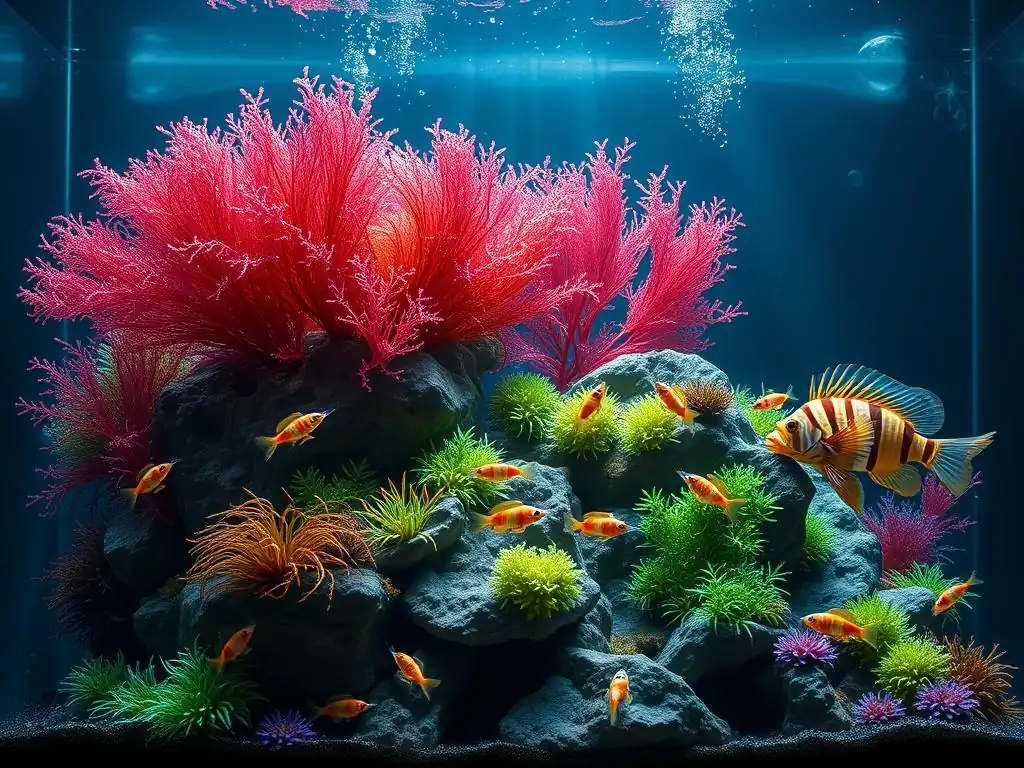
Gracilaria, a vibrant red macroalgae, is a highly valued addition to many saltwater aquariums, particularly in refugiums. Its primary benefit lies in its exceptional ability to act as a natural filter, effectively absorbing excess nitrates and phosphates from the water column. In a well-established refugium, a healthy bed of Gracilaria can significantly reduce nitrate levels, often bringing them down from problematic highs of 20 ppm or more to undetectable or very low levels (under 5 ppm) within a week in a moderately stocked system, thereby outcompeting undesirable nuisance algae like diatoms and cyanobacteria.
Beyond nutrient export, Gracilaria contributes to the overall health and stability of the reef ecosystem. It oxygenates the water through photosynthesis, helping to maintain stable pH levels, especially when lit on a reverse photoperiod to the main display. Furthermore, its dense structure provides an excellent habitat and breeding ground for beneficial microfauna such as copepods and amphipods. A thriving Gracilaria bed can support a robust population of these tiny crustaceans, which then serve as a continuous, natural food source for finicky eaters like mandarin dragonets and other small reef inhabitants in the display tank.
Common Reasons for Gracilaria Growth Issues
While generally hardy, Gracilaria can exhibit growth issues when its environmental needs are not met. The most common culprits behind poor Gracilaria health typically fall into several categories: improper water parameters, inadequate lighting, nutrient deficiencies, the presence of pests or predators, and insufficient water flow. Often, aquarists find that a combination of these factors contributes to the decline of their red macroalgae. Understanding these potential stressors is the first step toward a successful Gracilaria algae problems solution.
Gracilaria is quite sensitive to sudden or drastic changes in its environment, making it a valuable indicator species for overall tank health. For instance, a rapid drop in water quality or a significant shift in lighting conditions can cause noticeable stress symptoms within days. Recognizing these early signs of distress, such as fading color or stunted growth, allows aquarists to intervene promptly and prevent a complete loss of their beneficial macroalgae, maintaining the stability of their reef system.
Identifying Gracilaria Algae Problems: A Visual Guide
Discoloration of Gracilaria: Diagnosing the Causes
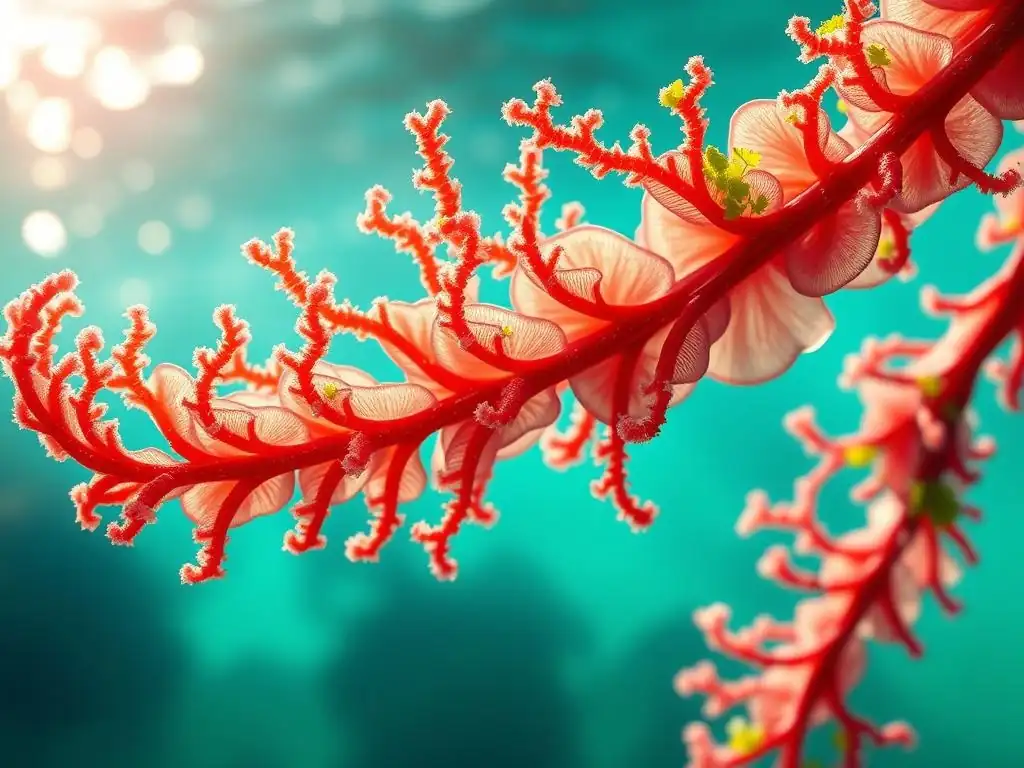
One of the most immediate visual indicators of Gracilaria algae problems is discoloration. Healthy Gracilaria typically exhibits a rich, deep red or maroon hue. If your red macroalgae begins to turn pale, pink, or even translucent white, this often points to bleaching.
This bleaching is frequently caused by excessive light intensity (too high PAR) or a severe lack of essential nutrients, particularly iron. For example, Gracilaria exposed to sustained PAR levels exceeding 250-300 in a refugium, especially if recently introduced, can begin to show signs of bleaching within 48 to 72 hours, transitioning from a deep red to a pale, almost translucent pink.
Conversely, if Gracilaria turns a dull brown or black, it might be suffering from insufficient light or a buildup of organic detritus leading to poor water quality. This browning indicates that the algae's photosynthetic pigments are not functioning optimally, often due to inadequate light spectrum or intensity. In some cases, a dark, slimy appearance can also signal dying tissue, possibly from prolonged exposure to stagnant water or elevated levels of decaying organic matter within the algae bed.
Slow or Stunted Growth in Red Macroalgae
Another common issue observed in struggling Gracilaria is slow or stunted growth. A healthy Gracilaria culture, under optimal conditions, can often double its biomass within 2 to 3 weeks, visibly expanding and producing new fronds. If you notice that your macroalgae is not increasing in volume over several weeks, or if new growth appears minimal and weak, it's a clear sign that something is amiss. This lack of growth typically stems from insufficient nutrient availability (nitrates, phosphates, or trace elements) or inadequate lighting conditions.
When Gracilaria exhibits stunted growth, its primary function as a nutrient export mechanism is severely compromised. This means it's not consuming excess nitrates and phosphates as effectively as it should, which can lead to an increase in these compounds in the water column and potentially trigger outbreaks of nuisance algae in the main display tank. Addressing the underlying cause of stunted growth is crucial for maintaining water quality and achieving a balanced reef environment.
Gracilaria Algae Fragmentation and Deterioration
The deterioration and fragmentation of Gracilaria are alarming signs that require immediate attention. This problem manifests as pieces of the macroalgae breaking off, dissolving, or appearing to "melt" away. Such deterioration can be triggered by rapid and significant swings in water parameters, such as a sudden drop in salinity, extreme temperature fluctuations, or a crash in alkalinity. For instance, a sudden decrease in Specific Gravity by 0.003 to 0.005 units over a few hours can cause the tips of Gracilaria fronds to begin disintegrating within 24 hours due to osmotic shock.
Beyond parameter instability, poor water quality, prolonged exposure to stagnant water (dead spots), or damage from pests can also lead to fragmentation. When Gracilaria begins to deteriorate, it not only loses its beneficial nutrient export capacity but can also release trapped nutrients and decaying organic matter back into the water, potentially worsening water quality. Swift identification and correction of the underlying issue are vital to save the remaining macroalgae and prevent further system instability.
Key Water Parameter Issues Affecting Gracilaria Growth
The Importance of Salinity for Gracilaria Health
Salinity is a foundational water parameter for all marine life, and Gracilaria is no exception. While somewhat tolerant, this red macroalgae thrives best in stable salinity levels typically found in natural reef environments, ranging from 1.023 to 1.026 Specific Gravity (SG), or 32-35 parts per thousand (ppt).
Fluctuations outside this range, especially rapid drops or spikes, can cause significant stress to the Gracilaria, leading to cell damage and deterioration. For example, maintaining a consistent salinity below 1.020 SG for more than a week can lead to noticeable stress, including fading color and reduced growth, as the algae struggles to maintain its internal osmotic balance.
Consistent monitoring with a reliable refractometer or digital salinity tester is crucial. Ensure that top-off water is pure RODI water to prevent salinity creep from evaporation. Gradual adjustments are key; if salinity needs to be raised or lowered, do so slowly, ideally no more than 0.001 SG per day, to allow the Gracilaria and other tank inhabitants to acclimate without experiencing osmotic shock.
Nitrate and Phosphate Levels: Finding the Right Balance for Gracilaria
Gracilaria, like all photosynthetic organisms, requires nitrates and phosphates to grow. These are its primary macronutrients. However, finding the right balance is critical: too high levels can lead to nuisance algae outbreaks in the display tank, while too low levels can starve the Gracilaria itself, hindering its growth and nutrient export capabilities. Ideal ranges for thriving Gracilaria are typically nitrates between 0.5 ppm and 5 ppm, and phosphates between 0.01 ppm and 0.05 ppm. Many aquarists aim for "detectable but low" levels to ensure the macroalgae has enough fuel without encouraging undesirable algae in the main tank.
In ultra-low nutrient systems (ULNS) that aggressively remove nitrates and phosphates (e.g., via GFO, biopellets, or vodka dosing), Gracilaria can paradoxically starve. If nitrate test kits consistently read 0 ppm and phosphates are undetectable for prolonged periods (e.g., several weeks), Gracilaria growth will likely cease or even recede, as it lacks the essential building blocks for new tissue. In such cases, a slight increase in feeding or a reduction in nutrient export methods might be necessary to provide just enough nutrients for the macroalgae to thrive.
Maintaining Stable pH and Alkalinity for Optimal Gracilaria Growth
Stable pH and alkalinity (carbonate hardness, dKH) are vital for the metabolic processes of Gracilaria, much like they are for corals. Gracilaria generally prefers a pH range of 8.0 to 8.4 and an alkalinity range of 7 to 11 dKH. Significant fluctuations in these parameters can severely stress the macroalgae and inhibit its growth. For instance, daily pH swings exceeding 0.2 units can negatively impact Gracilaria's photosynthetic efficiency and overall health.
Proper aeration, consistent water changes, and, if necessary, buffering solutions or calcium reactors (for systems with high demand) help maintain these crucial parameters within an optimal range. While photosynthesis by Gracilaria itself can cause a slight diurnal pH swing (rising during the day, falling at night), extreme or rapid changes indicate underlying issues. A consistent and stable environment is a key Gracilaria algae problems solution, promoting robust growth and efficient nutrient uptake.
Lighting Requirements for Thriving Gracilaria Algae
Understanding PAR (Photosynthetically Active Radiation) for Macroalgae
Light is the fuel for Gracilaria's photosynthesis, and understanding Photosynthetically Active Radiation (PAR) is crucial for its healthy growth. PAR measures the amount of light available for photosynthesis, regardless of the light source. Gracilaria typically thrives in moderate PAR levels, generally ranging from 50 to 150 PAR, depending on the species and the desired growth rate. Too little PAR will result in slow, stunted growth and a dull appearance, while excessive PAR can lead to bleaching, where the algae turns pale or white as its photosynthetic pigments are damaged.
While a PAR meter is the most accurate way to measure light, most aquarists estimate PAR based on their light fixture's specifications and the depth at which the Gracilaria is placed. It's important to remember that light intensity diminishes rapidly with water depth. Placing Gracilaria too close to a high-intensity LED light source in a shallow refugium, where PAR could easily exceed 200 or even 300, is a common cause of bleaching within a few days or weeks, preventing effective nutrient export.
Choosing the Right Light Spectrum for Red Macroalgae
Not all light is created equal when it comes to growing red macroalgae. Gracilaria, being a red alga, primarily utilizes specific wavelengths for photosynthesis, notably in the blue (around 450-470 nm) and red (around 620-670 nm) spectrums. While full-spectrum white light with a strong blue component can be effective, dedicated refugium lights are often optimized to emit these specific wavelengths, providing the most efficient energy for Gracilaria's unique photosynthetic pigments.
Using a light fixture specifically designed for macroalgae growth, which often emphasizes a blend of blue and red LEDs, can significantly enhance Gracilaria's health and growth rate compared to using a generic household bulb or a display tank light that may not provide the optimal spectrum. For example, a light with a strong blue peak around 460 nm and a red peak around 660 nm will be far more effective for Gracilaria photosynthesis than a purely white light with limited spectral contribution in these key ranges.
Adjusting Light Intensity to Prevent Gracilaria Algae Problems
Adjusting light intensity is a critical step in troubleshooting Gracilaria algae problems solution. If your Gracilaria is showing signs of bleaching (pale, white), the light is likely too intense. This can be remedied by dimming the light, raising the light fixture further from the water surface, or reducing the photoperiod. Conversely, if the Gracilaria appears brown, dull, or exhibits very slow growth, it might be receiving insufficient light, and increasing the intensity or photoperiod could be beneficial.
A typical photoperiod for Gracilaria in a refugium ranges from 12 to 18 hours, often set on a reverse schedule to the main display tank to help stabilize nighttime pH dips. If Gracilaria shows signs of bleaching, reducing the photoperiod by 2-4 hours initially, or dimming the light by 10-20%, can often reverse the damage and restore its vibrant red coloration within a week or two. Observe the algae's response and make small, iterative adjustments until optimal growth and color are achieved.
Addressing Nutrient Deficiencies in Gracilaria Algae
Iron Supplementation for Red Macroalgae Coloration
Beyond nitrates and phosphates, iron is a crucial micronutrient for Gracilaria, playing a vital role in chlorophyll production and maintaining its characteristic red pigmentation. A deficiency in iron can cause your red Gracilaria to appear pale, yellowish, or even greenish, indicating a lack of the necessary pigments. While some iron is introduced through salt mixes and trace element supplements, it is quickly utilized in active reef systems and can become depleted, especially with vigorous macroalgae growth.
Regular supplementation with a high-quality chelated iron product designed for marine aquariums can significantly improve Gracilaria's color and growth. Dosing at recommended rates, often around 0.05-0.1 ppm weekly, can help restore vibrant coloration and robust health. Since direct testing for iron in home aquariums is often impractical, observing the algae's coloration and growth rate serves as the primary indicator for the need for iron supplementation.
The Role of Trace Elements in Gracilaria Health
While iron often gets specific attention, other trace elements are equally vital for the overall health and metabolic processes of Gracilaria. Elements such as manganese, iodine, potassium, and magnesium, though needed in smaller quantities, are essential for various enzymatic reactions, cell structure, and photosynthetic efficiency. While regular water changes with a good quality salt mix replenish many of these, systems with heavy macroalgae growth can deplete them more rapidly.
If nitrates, phosphates, iron, and lighting are all optimized, yet Gracilaria growth remains suboptimal, a comprehensive trace element supplement might be beneficial. For example, some aquarists report improved growth, resilience, and even deeper coloration in Gracilaria when consistently supplementing iodine, aiming for levels around 0.06 ppm. Always follow the manufacturer's dosing instructions and monitor your tank's response to avoid over-dosing, which can lead to adverse effects.
Testing and Adjusting Nutrient Levels for Optimal Growth
A proactive approach to Gracilaria algae problems solution involves consistent testing and careful adjustment of nutrient levels. Regularly test for nitrates and phosphates using reliable test kits. If these are consistently undetectable, consider increasing feeding slightly or reducing other nutrient export methods to ensure the Gracilaria has enough to grow. If Gracilaria appears pale, despite adequate N and P, consider iron supplementation.
The process of adjusting nutrient levels should be iterative and based on both test results and visual observation of your Gracilaria. Make small changes and observe the algae's response over several days or even a week before making further adjustments. Avoid chasing "zero" nitrates and phosphates if your goal is to grow macroalgae, as this can starve them. A balanced approach ensures enough nutrients for Gracilaria while keeping nuisance algae at bay.
Dealing with Pests and Predators Affecting Gracilaria
Identifying and Removing Common Macroalgae Pests
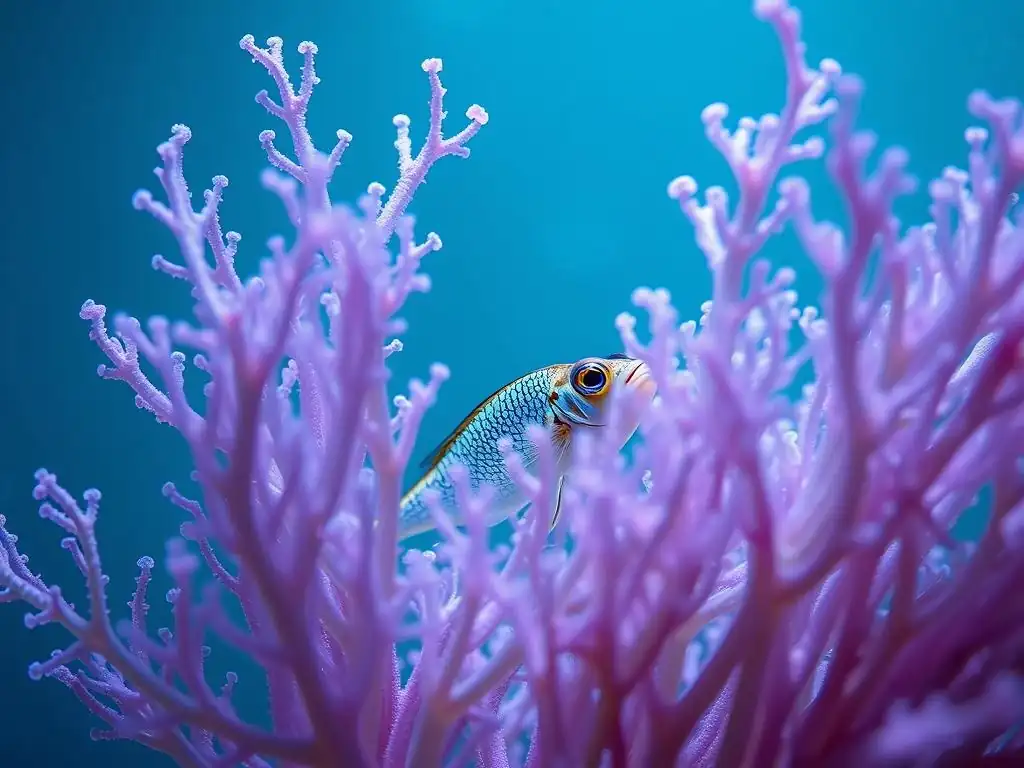
Even beneficial macroalgae like Gracilaria can fall victim to pests. While less common than coral pests, certain flatworms, nudibranchs, or even specific types of snails can graze on Gracilaria, causing thinning patches, bite marks, or overall deterioration. It's crucial to regularly inspect your Gracilaria visually for any unusual inhabitants or signs of damage. For instance, some species of Berghia nudibranchs, typically introduced for Aiptasia control, have been observed to graze on macroalgae if their primary food source is depleted.
If pests are identified, manual removal is often the safest and most effective method. Carefully inspect and remove any visible pests with tweezers. For persistent or widespread infestations, a brief freshwater dip (e.g., 30-60 seconds in RODI water, but research species-specific tolerance) can sometimes dislodge pests, though this should be done with caution to avoid stressing the macroalgae itself. Prevention through proper quarantine of new additions is always the best strategy.
Preventing Fish and Invertebrates from Eating Gracilaria
One of the most common reasons Gracilaria fails to thrive in a display tank is direct consumption by herbivorous fish and invertebrates. Many popular reef inhabitants, such as tangs, rabbitfish, some angelfish, sea urchins, and certain snails, view Gracilaria as a delicious and readily available food source. If your Gracilaria is disappearing rapidly or constantly appears grazed, these tank inhabitants are the likely culprits.
For this reason, Gracilaria is most successfully grown in a dedicated refugium or sump, where it is isolated from hungry grazers. If you wish to keep Gracilaria in your main display tank, carefully research the dietary habits of your fish and invertebrate species. Ensure herbivorous fish are well-fed with other green foods, such as nori, to potentially reduce their grazing pressure on the Gracilaria, though this is not always a guaranteed Gracilaria algae problems solution.
Aiptasia Anemones and Their Impact on Gracilaria
While Aiptasia anemones are not direct predators of Gracilaria, their presence in a refugium can indirectly impact the macroalgae's health and growth. Aiptasia are opportunistic and can rapidly proliferate, outcompeting Gracilaria for space, light, and nutrients within the refugium. Their stinging nematocysts can also irritate or damage Gracilaria tissue if they grow in close proximity, leading to localized deterioration of the macroalgae.
Controlling Aiptasia within the refugium is an important aspect of maintaining a healthy Gracilaria culture. Methods include targeted Kalkwasser injections, commercial Aiptasia-killing solutions (like Aiptasia-X), or introducing natural predators such as Berghia nudibranchs (though ensure they don't then graze on your macroalgae if their primary food source is gone). Keeping the refugium clean and free of nuisance organisms contributes significantly to a thriving Gracilaria bed.
Optimizing Water Flow for Healthy Gracilaria Algae
The Importance of Circulation for Nutrient Uptake
Adequate water flow is often an overlooked, yet critical, factor for the health and growth of Gracilaria. Proper circulation ensures that the macroalgae receives a continuous supply of fresh nutrients (nitrates, phosphates, trace elements) from the water column, and simultaneously helps to remove metabolic waste products that the algae releases. In stagnant water, a localized zone of nutrient depletion can form around the Gracilaria, effectively starving it even if overall tank nutrient levels are sufficient.
Gentle, tumbling flow is ideal for Gracilaria, promoting even growth and preventing the accumulation of detritus within its fronds. This constant, gentle movement ensures that all parts of the macroalgae are exposed to nutrient-rich water, maximizing its photosynthetic efficiency and nutrient uptake capacity. Without sufficient flow, Gracilaria may appear stunted, pale, or even begin to deteriorate from the inside out.
Preventing Dead Spots That Hinder Gracilaria Growth
Dead spots, areas within the refugium or tank with little to no water movement, are detrimental to Gracilaria health. These stagnant zones allow detritus, uneaten food, and other organic matter to settle and accumulate within the dense macroalgae bed. This accumulation can lead to anaerobic conditions, fostering the growth of undesirable bacteria and potentially releasing harmful compounds. Furthermore, detritus can smother Gracilaria, blocking light and nutrient uptake, leading to localized decay and Gracilaria algae problems solution.
Strategic placement of powerheads or ensuring that the return pump outflow creates sufficient, gentle turbulence throughout the Gracilaria bed can prevent dead spots. Aim for a flow pattern that gently sways all parts of the macroalgae, ensuring detritus remains suspended or is directed towards mechanical filtration. Regularly siphoning any accumulated detritus from the refugium floor also contributes to a cleaner, healthier environment for Gracilaria.
Choosing the Right Powerhead or Wave Maker for Your Tank
For a Gracilaria refugium, the goal is gentle, dispersed flow, not turbulent, high-intensity current. A small, low-flow powerhead or even simply directing the outflow from the main tank's return pump appropriately can be sufficient. Avoid strong, direct blasts of water, which can tear or damage the delicate fronds of the Gracilaria. The ideal flow should gently tumble the macroalgae, allowing it to move freely without being pinned against the sides or bottom.
Consider adjustable powerheads or those designed for a broad, gentle flow pattern rather than a narrow jet. For a typical 20-gallon refugium, a powerhead rated for 200-400 GPH (gallons per hour) might be appropriate, depending on its spread pattern and how densely packed the Gracilaria is. The key is to observe the movement of the algae itself; if it's gently swaying and no detritus is settling, your flow is likely optimized.
Gracilaria Algae Problems Solution: A Step-by-Step Troubleshooting Guide
Step 1: Testing and Adjusting Water Parameters
The initial and most crucial step in any Gracilaria algae problems solution is a comprehensive assessment of your water parameters. Begin by testing salinity, temperature, pH, alkalinity, nitrates, and phosphates using reliable and recently calibrated test kits. Document all your readings.
If any parameters are outside the optimal ranges (e.g., salinity 1.023-1.026 SG, nitrates 0.5-5 ppm, phosphates 0.01-0.05 ppm, pH 8.0-8.4, alkalinity 7-11 dKH), adjust them slowly and incrementally. For instance, if salinity is low, raise it gradually by no more than 0.001 SG per day. If nitrates or phosphates are excessively high, perform a small water change (e.g., 10-15%) or temporarily reduce feeding.
Step 2: Optimizing Lighting Conditions for Gracilaria
Once water parameters are stable, evaluate your lighting setup. Observe your Gracilaria for signs of too much or too little light. If the algae is bleaching (pale, white), reduce the light intensity by dimming the fixture, raising it higher, or shortening the photoperiod by 2-4 hours. If Gracilaria appears dull, brown, or exhibits very slow growth, it may need more light; consider increasing intensity or extending the photoperiod, typically to 12-18 hours. Ensure your light fixture provides the appropriate spectrum for red macroalgae, with strong blue and red wavelengths.
Step 3: Addressing Nutrient Deficiencies and Supplementation
After optimizing water parameters and lighting, focus on specific nutrient needs. If nitrates and phosphates are consistently undetectable, and Gracilaria growth is stunted, consider slightly increasing feeding or reducing other nutrient export methods to provide just enough macronutrients. If Gracilaria is pale despite adequate N and P, it likely needs iron. Begin supplementing a chelated iron product at the manufacturer's recommended dosage, often around 0.05-0.1 ppm weekly, and observe for improved coloration and growth over 1-2 weeks. Avoid over-dosing, which can fuel nuisance algae.
Step 4: Managing Pests and Predators Affecting Gracilaria
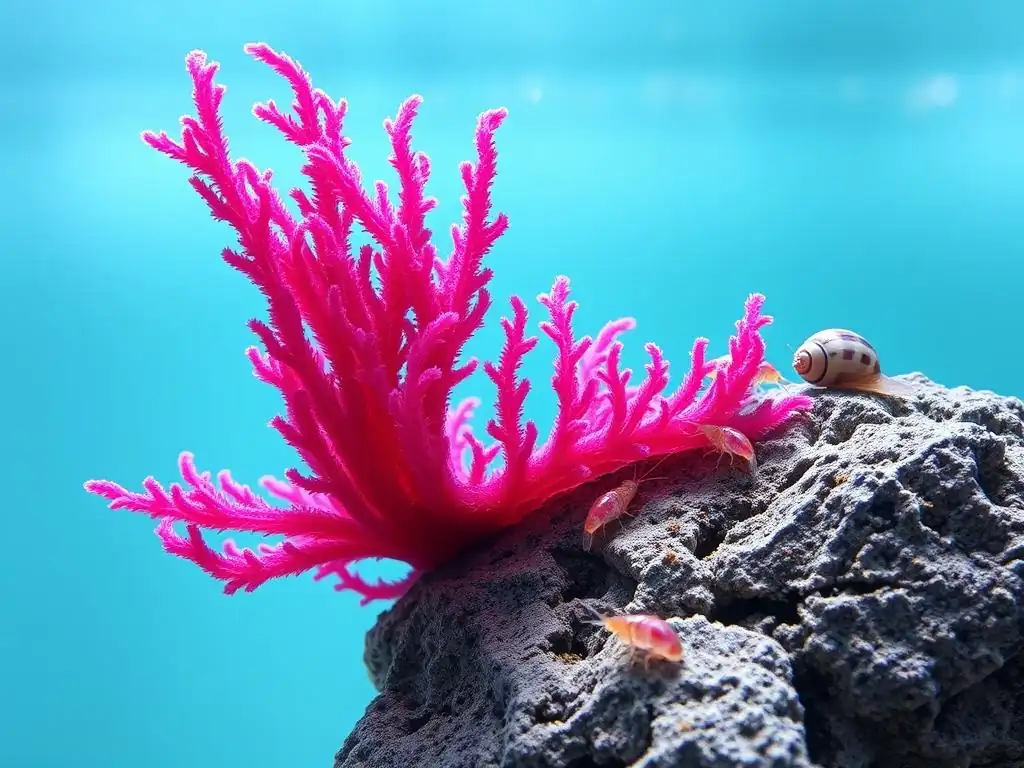
Perform a thorough visual inspection of your Gracilaria and the surrounding refugium area for any signs of pests (e.g., flatworms, nudibranchs, Aiptasia) or grazing damage. If pests are identified, manually remove them. For Aiptasia, targeted treatments like Kalkwasser or commercial solutions can be effective. If Gracilaria is in the display tank and being eaten, consider relocating it to a refugium or ensuring that herbivorous fish are well-fed with alternative green foods. Preventing pest introduction through proper quarantine of new additions is a crucial long-term Gracilaria algae problems solution.
Step 5: Ensuring Adequate Water Flow and Circulation
Finally, assess the water flow around your Gracilaria. Look for any dead spots where detritus accumulates or where the algae appears stagnant. The goal is a gentle, tumbling flow that keeps all parts of the Gracilaria swaying, ensuring constant nutrient delivery and waste removal. Adjust the placement of your powerhead, or add a small, low-flow powerhead if necessary, to eliminate stagnant areas. Regular siphoning of detritus from the refugium floor will also help maintain a clean and healthy environment for your macroalgae.
Preventing Future Gracilaria Algae Problems
Regular Water Testing and Maintenance Practices
The cornerstone of preventing future Gracilaria algae problems is establishing and adhering to a consistent water testing and maintenance schedule. Test key parameters such as salinity, pH, alkalinity, nitrates, and phosphates weekly or bi-weekly. Regularly perform water changes, typically 10-20% monthly, to replenish essential trace elements and remove accumulated wastes that can hinder Gracilaria growth. Beyond testing, dedicate time to cleaning your refugium; this includes siphoning out any settled detritus and pruning excess Gracilaria. Pruning not only maintains vigorous growth but also ensures continuous nutrient export by removing nutrient-laden biomass from the system.
Quarantine New Additions to Prevent Pest Introduction
One of the most effective preventative measures against pests affecting Gracilaria is a strict quarantine protocol for all new additions to your aquarium. This applies not only to fish and corals but also to any new macroalgae or live rock. Before introducing new Gracilaria to your refugium, visually inspect it thoroughly for any hitchhikers, such as small Aiptasia anemones, nudibranchs, or undesirable snails.
A brief freshwater dip (e.g., 30-60 seconds in RODI water, with caution) can sometimes dislodge unwanted organisms, though always research specific species tolerance beforehand. A dedicated quarantine tank for all new inhabitants significantly reduces the risk of introducing detrimental pests that could harm your established Gracilaria culture.
Monitoring Gracilaria Growth and Adjusting as Needed
Continuous observation is a powerful tool for preventing Gracilaria algae problems solution. Regularly observe your Gracilaria's color, growth rate, and overall appearance. Is it a vibrant red, or is it paling? Are new fronds appearing, or is it shrinking?
This visual feedback often provides the earliest indication of subtle shifts in your tank's environment before they become major issues. Be prepared to make small, iterative adjustments to your lighting photoperiod or intensity, water flow, or even nutrient levels based on these observations. For example, if you notice a slight paling, a minor increase in iron supplementation or a slight reduction in light might be all that's needed to correct the course, preventing a full-blown decline.
Conclusion: Achieving Thriving Gracilaria
Achieving thriving Gracilaria in your saltwater aquarium is a rewarding endeavor that significantly contributes to the overall health and stability of your reef system. By diligently addressing the common Gracilaria algae problems solution, from optimizing water parameters and lighting to managing nutrient levels, pests, and water flow, you can cultivate a robust and vibrant macroalgae culture. Remember, consistency in care, regular observation, and a proactive approach to troubleshooting are the keys to long-term success. A healthy Gracilaria refugium acts as a powerful natural filter, providing a stable, nutrient-controlled environment that benefits all inhabitants of your marine aquarium.
Frequently Asked Questions
Why is my Gracilaria algae turning white or bleaching?
Bleaching in Gracilaria often indicates a lack of nutrients or insufficient lighting. Ensure your tank has proper levels of nitrate, phosphate, and iron, and that your lighting is adequate for Gracilaria's needs.
What causes Gracilaria algae to melt or disintegrate?
Melting Gracilaria can be due to rapid changes in water parameters such as salinity or temperature. Maintain stable conditions and avoid large water changes to prevent stress.
How do I prevent my fish from eating my Gracilaria algae?
Some fish species are known to graze on Gracilaria. Consider introducing algae-eating fish that won't target Gracilaria or provide the algae with a protected area in the tank.
What are the ideal water parameters for Gracilaria algae growth?
Gracilaria thrives in stable conditions with a specific gravity of 1.024-1.026, a temperature of 72-78°F (22-26°C), and adequate nitrate and phosphate levels. Regular water testing is crucial.
How often should I prune or trim my Gracilaria algae?
Regular pruning promotes healthy growth. Trim back overgrown sections to improve water circulation and light penetration to the rest of the algae.
Final Reflection: Cultivating Resilience in Our Aquatic Ecosystems
The challenges we face in cultivating Gracilaria algae, as explored throughout this article, are ultimately a microcosm of the larger environmental hurdles we encounter in maintaining healthy aquatic ecosystems. Understanding and addressing the specific needs of this seemingly simple red macroalgae unveils profound insights into the delicate balance required for thriving aquatic life. By mastering the art of troubleshooting Gracilaria problems, we gain valuable experience applicable to broader conservation efforts.
This journey into the intricacies of Gracilaria cultivation has not only deepened our understanding of its specific requirements but also highlighted the interconnectedness of all living things within an aquarium environment. The subtle nuances of water chemistry, lighting, and nutrient availability, so crucial for Gracilaria's success, mirror the complexities of larger ecosystems. The care of one life is the care of all life.
This quote resonates deeply as we consider the ripple effect of our actions, both within the confines of an aquarium and in the vastness of the ocean.
Now, armed with this knowledge and a renewed appreciation for the delicate balance of aquatic life, I encourage you to reflect on your own role in fostering healthy environments. Whether you're a seasoned aquarist or just beginning your journey, consider how you can apply these lessons to create thriving ecosystems, both within your tanks and beyond. Let's cultivate resilience, not just in our Gracilaria, but in our commitment to a healthier planet.
Ignite Your Gracilaria Growth!
Thanks for diving deep into the world of Gracilaria with Aquarium Mastery! We hope you’ve gained valuable insights into nurturing this vibrant macroalgae. Ready to take your aquarium to the next level?
Here’s how you can turn your Gracilaria dreams into reality:
- Prioritize PAR: Invest in a PAR meter to precisely measure light levels in your tank. Adjust lighting to achieve the optimal PAR range for Gracilaria to boost growth.
- Consider culturing copepods in your refugium: This can provide a natural food source for your tank and create a more balanced ecosystem.
- Share your Gracilaria success (or struggles!) in our Aquarium Mastery community forum. Let's learn from each other!
What's one specific lighting adjustment you'll make this week to encourage better Gracilaria growth?