
Sagittaria Subulata: The Versatile GrassLike Rosette for Foreground or Midground

Welcome to Aquarium Mastery!
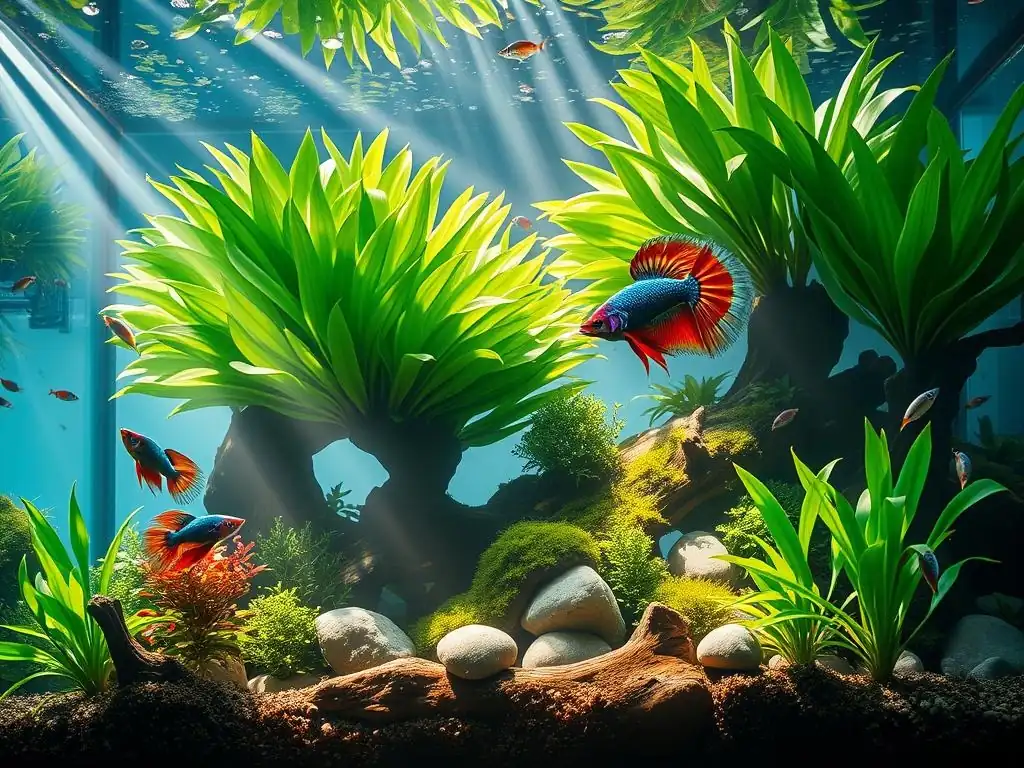
Ever dreamt of a lush, vibrant aquarium teeming with life? Sagittaria subulata, with its grass-like elegance, might just be the secret ingredient you've been searching for. Dive into our comprehensive guide to Sagittaria subulata aquarium care and discover how this versatile plant can transform your tank, whether you're aiming for a captivating foreground carpet or a striking midground accent. Curious to learn more? Let's unlock the secrets to cultivating thriving Sagittaria subulata!
- Sagittaria Subulata: The Versatile Aquatic Plant for Aquariums
- Understanding Sagittaria Subulata: A Comprehensive Guide
- Optimal Aquarium Care for Sagittaria Subulata
- Planting and Propagation Techniques
- Aquarium Design: Placement and Aesthetics
- Common Issues and Troubleshooting
- Sagittaria Subulata Varieties
- Sagittaria Subulata vs. Similar Aquarium Plants
- Sagittaria Subulata: Ideal for All Aquarists
-
Frequently Asked Questions
- What are the ideal water parameters for Sagittaria subulata in an aquarium?
- How much light does Sagittaria subulata need to grow well in an aquarium?
- What kind of substrate is best for planting Sagittaria subulata in an aquarium?
- How do you propagate Sagittaria subulata in an aquarium?
- What are some common problems encountered when growing Sagittaria subulata and how can I fix them?
- Final Reflection: Cultivating Growth, Rooted in Simplicity
- Unleash the Greenery: Transform Your Aquarium Now!
Sagittaria Subulata: The Versatile Aquatic Plant for Aquariums
Understanding Sagittaria Subulata: A Comprehensive Guide
What is Sagittaria Subulata? An Introduction
Sagittaria subulata, commonly known as Dwarf Sagittaria or Narrow-leaf Sagittaria, is a highly popular and adaptable freshwater aquatic plant belonging to the Alismataceae family. Native to North and South America, it naturally thrives in a variety of aquatic environments, from slow-moving rivers and marshes to the margins of ponds. Its distinctive grass-like appearance and rosette growth form make it a favorite for aquarists looking to create a natural, lush aesthetic in their tanks, particularly in the foreground or midground.
This resilient plant typically grows in clumps, sending out runners that develop into new plantlets, allowing it to spread rapidly and form a dense carpet. While often marketed as a dwarf plant, its height can vary significantly based on environmental conditions, usually ranging from 2 to 6 inches (5 to 15 cm) but capable of reaching up to 12 inches (30 cm) or more in deeper tanks or lower light.
Its linear, bright to dark green leaves offer a fine texture that contrasts beautifully with broader-leaved plants, making Sagittaria subulata aquarium care a rewarding experience for both novice and experienced hobbyists.
Benefits of Choosing Sagittaria Subulata
Choosing Sagittaria subulata offers numerous benefits for a planted aquarium. Aesthetically, it excels at creating a vibrant, natural-looking carpet or a dense midground bush, providing a lush green foundation that enhances the overall beauty of the aquascape. Its ability to spread via runners allows for the rapid establishment of a solid plant mass, quickly transforming a bare substrate into a lively aquatic landscape. Beyond its visual appeal, Sagittaria subulata also contributes significantly to the health and stability of the aquarium ecosystem.
From an ecological perspective, Sagittaria subulata acts as a natural filter, efficiently absorbing excess nitrates, phosphates, and other pollutants from the water column. This helps to maintain pristine water quality, reducing the frequency of water changes and inhibiting the growth of undesirable algae. Furthermore, its dense foliage provides essential shelter and foraging grounds for small fish, shrimp, and fry, offering a sense of security and promoting natural behaviors. Its relatively easy Sagittaria subulata aquarium care requirements, coupled with its ecological advantages, make it an excellent choice for a wide range of freshwater setups.
Optimal Aquarium Care for Sagittaria Subulata
Lighting Requirements
Sagittaria subulata is remarkably adaptable when it comes to lighting, but its growth habit and overall health are significantly influenced by light intensity. Under low light conditions (approximately 10-15 PAR), Sagittaria subulata tends to grow taller and more leggy, stretching towards the light source, which makes it suitable for midground placement. In contrast, moderate to high lighting (around 20-40 PAR) encourages a more compact, shorter growth, leading to a dense, carpeting effect ideal for the foreground. It's recommended to provide a consistent photoperiod of 8 to 10 hours per day to ensure stable growth and prevent stress.
For optimal Sagittaria subulata aquarium care, full-spectrum LED lights are highly recommended as they provide the necessary wavelengths for robust photosynthesis and vibrant coloration. While the plant can survive in lower light, achieving that desirable dense carpet requires sufficient light penetration to the substrate. Fluctuations in lighting intensity or duration can lead to stunted growth or increased susceptibility to algae, so maintaining a stable and appropriate lighting regimen is crucial for a thriving Sagittaria subulata display.
Water Parameters for Optimal Growth
Temperature and pH Levels
Maintaining stable water parameters is paramount for the successful Sagittaria subulata aquarium care. This plant thrives in a broad temperature range, ideally between 68°F and 82°F (20°C to 28°C). While it can tolerate slight deviations, consistent temperatures within this range promote steady growth and prevent stress. Sudden or drastic temperature swings should be avoided, as they can lead to melting or stunted development of the plant.
Regarding pH, Sagittaria subulata prefers slightly acidic to neutral water conditions, with an optimal pH range of 6.0 to 7.5. Although it can adapt to slightly higher pH levels, maintaining consistency is more important than hitting an exact number within this range. For instance, a pH of 6.8 is generally well-tolerated. Extreme pH values outside this range, such as below 5.5 or above 8.0, can hinder nutrient uptake and compromise the plant's health, making careful monitoring a key aspect of Sagittaria subulata aquarium care.
Water Hardness Considerations
Water hardness, encompassing both General Hardness (GH) and Carbonate Hardness (KH), also plays a role in the health of Sagittaria subulata. This plant is quite tolerant but generally prefers soft to moderately hard water. An ideal GH range is typically 3-8 dGH (approximately 50-150 ppm), while a KH of 3-8 dKH (approximately 50-150 ppm) is also suitable. Very hard water, exceeding 12 dGH, can sometimes impede nutrient absorption, particularly for certain micronutrients.
The KH level is particularly important as it contributes to the buffering capacity of the water, helping to stabilize pH. A stable KH ensures that the pH does not fluctuate wildly, which can be detrimental to aquatic plants, including Sagittaria subulata. Regular testing of both GH and KH, perhaps on a bi-weekly basis, allows aquarists to monitor these parameters and make necessary adjustments to ensure optimal Sagittaria subulata aquarium care.
Substrate and Fertilization
Choosing the Right Substrate
As a rosette plant that primarily feeds through its roots, Sagittaria subulata greatly benefits from a nutrient-rich substrate. Specialized aquatic plant substrates, such as aquasoil (e.g., ADA Aqua Soil, Fluval Stratum), are highly recommended as they provide a slow release of essential macro and micronutrients directly to the roots. These substrates also have a granular texture that allows for excellent root penetration and aeration, promoting robust growth.
If using inert gravel or sand, it is crucial to supplement the substrate with a layer of nutrient-rich plant soil beneath or by incorporating root tabs. A minimum substrate depth of 2 to 3 inches (5 to 7.5 cm) is advisable to allow sufficient space for the roots to establish deeply and for runners to spread effectively. Proper substrate choice forms the foundation for successful Sagittaria subulata aquarium care.
Fertilization Strategies: Liquid vs. Root Tabs
A comprehensive fertilization strategy often combines both root tabs and liquid fertilizers for optimal Sagittaria subulata aquarium care. Root tabs, such as Seachem Flourish Tabs or API Root Tabs, are indispensable for delivering long-term, concentrated nutrients directly to the plant's root system, where Sagittaria subulata primarily absorbs its macronutrients like nitrogen, phosphorus, and potassium. These tabs are typically inserted into the substrate near the plant every 3 to 4 months, depending on the brand and plant density.
While root tabs cater to the roots, liquid fertilizers (e.g., Seachem Flourish, Easy Green) supplement the water column with essential trace elements and micronutrients, such as iron, manganese, and boron, which can be absorbed through the leaves. Dosing frequency for liquid fertilizers varies depending on the aquarium's plant load, fish stock, and water change schedule, but a common practice is once or twice weekly. A balanced fertilization approach ensures that Sagittaria subulata receives all necessary nutrients for vibrant health and vigorous growth.
Planting and Propagation Techniques
Planting Sagittaria Subulata: A Detailed Guide
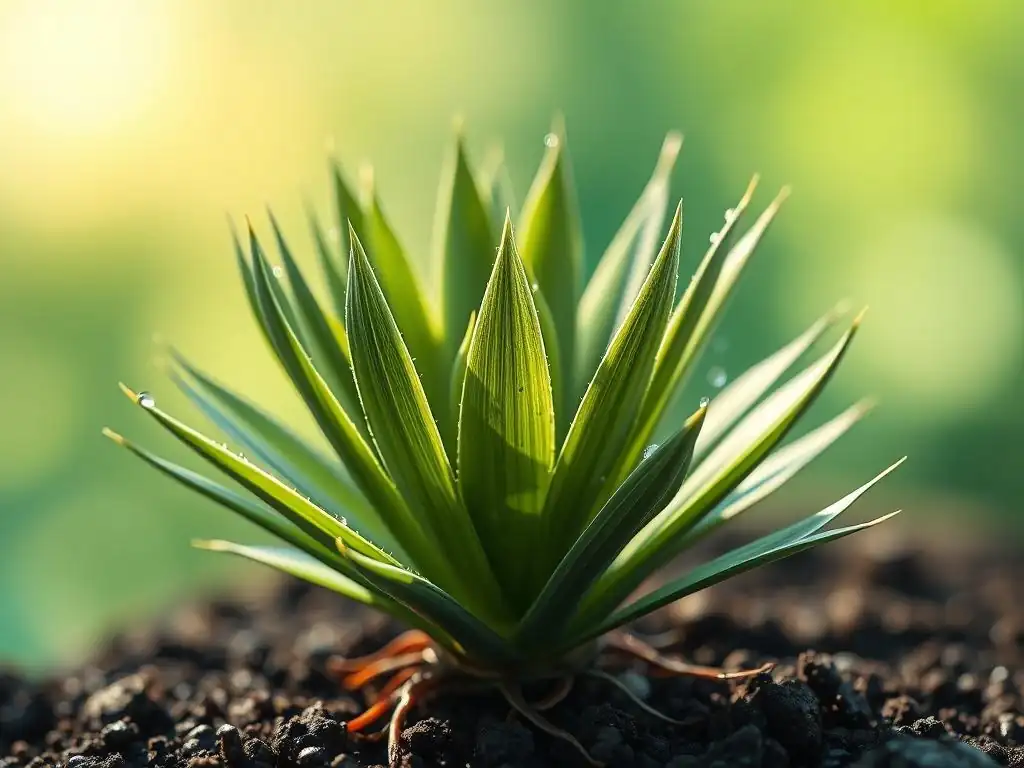
Proper planting is crucial for the initial success and long-term health of Sagittaria subulata. When you receive the plants, gently separate individual plantlets from any bundles, taking care not to damage the delicate roots. It's often beneficial to trim any excessively long or damaged roots to about 1 inch (2.5 cm) to encourage new root growth once planted. Using specialized aquascaping tweezers is highly recommended for precision planting.
Carefully insert each plantlet into the substrate, ensuring that the crown – the point where the leaves meet the roots – is just above the substrate line. Burying the crown can lead to rot and melt, hindering the plant's establishment. For a carpeting effect, space individual plants approximately 1 to 2 inches (2.5 to 5 cm) apart; they will quickly fill in the gaps with runners. After planting, it's normal for some older leaves to melt as the plant transitions to its new submerged environment; new, healthier growth will soon emerge, signifying successful Sagittaria subulata aquarium care.
Propagation Methods
Runners and Offsets: Natural Propagation
Sagittaria subulata is a prolific spreader, primarily propagating through the natural production of runners. These are horizontal stolons that grow along or just beneath the substrate surface, extending outwards from the mother plant. Along these runners, new plantlets, or offsets, will develop at intervals. Each offset will form its own small rosette of leaves and a root system, gradually establishing itself as an independent plant.
This natural propagation method allows Sagittaria subulata to quickly colonize available substrate space, forming a dense, grassy mat over time. In a healthy, well-nourished aquarium, you can expect to see new runners and plantlets appearing within a few weeks to a month after initial planting. This rapid, natural spread is one of the key reasons for its popularity in aquascaping and simplifies Sagittaria subulata aquarium care for those aiming for a lush carpet.
Separating and Replanting Runners
While Sagittaria subulata propagates naturally, aquarists can also actively manage its spread by separating and replanting offsets. Once an offset has developed a few leaves and a robust root system, typically 1 to 2 inches (2.5 to 5 cm) long, it can be carefully detached from the mother plant's runner using sharp scissors. Ensure that the new plantlet has sufficient roots to sustain itself independently.
After separation, these new plantlets can be replanted elsewhere in the aquarium using the same method as initial planting, either to fill in bare spots, create new clumps, or even share with other hobbyists. This manual propagation technique allows for precise control over the plant's distribution within the tank, making it an efficient way to achieve a desired aquascape layout and an integral part of advanced Sagittaria subulata aquarium care.
Aquarium Design: Placement and Aesthetics
Using Sagittaria Subulata as a Foreground Plant
Sagittaria subulata is an exceptional choice for the foreground of an aquarium, particularly when aiming for a dense, grass-like carpet. Under moderate to high lighting conditions and often with supplemental CO2, this plant tends to stay shorter, typically between 2 to 4 inches (5 to 10 cm) tall. Its narrow, linear leaves create a fine texture that mimics a natural meadow, providing a visually appealing transition from the substrate to taller elements in the tank.
To achieve a dense foreground carpet, plant individual rosettes relatively close together, about 1 inch (2.5 cm) apart. The plant will then spread rapidly via runners, quickly filling in the gaps and forming a continuous green expanse. Regular trimming of any taller leaves will encourage denser, more compact growth and maintain the desired low-lying effect. This strategic placement highlights the versatility inherent in Sagittaria subulata aquarium care.
The adaptability of Sagittaria subulata also makes it an excellent choice for the midground of an aquarium. In deeper tanks or under lower light conditions (e.g., 10-15 PAR), Sagittaria subulata tends to grow taller, often reaching 6 to 12 inches (15 to 30 cm) or more. This taller growth habit allows it to form dense, bushy clumps that can serve as a natural partition or a backdrop for smaller foreground plants.
In the midground, Sagittaria subulata can effectively hide equipment like heaters or filter intakes, while also providing ample cover and a sense of security for shy fish species. Its ability to grow to varying heights based on environmental factors means aquarists can intentionally manipulate its size through lighting adjustments to fit their aquascaping vision. This flexibility further underscores the plant's value in diverse aquascaping designs and its ease of Sagittaria subulata aquarium care.
Combining with Other Plants
Sagittaria subulata integrates seamlessly with a wide array of other aquatic plants, allowing aquarists to create diverse and visually dynamic aquascapes. For foreground compositions, its fine texture contrasts beautifully with broader-leaved carpeting plants like Staurogyne repens or Cryptocoryne parva, providing layered depth. It also pairs well with open substrate areas, emphasizing the clean lines of hardscape elements such as driftwood or rocks.
In the midground, Sagittaria subulata serves as an excellent transitional plant. Its dense growth can provide a lush base for taller stem plants like Rotala species or Ludwigia, creating a sense of volume and depth. It also complements plants with contrasting leaf shapes, such as Anubias barteri or various Cryptocoryne species, by adding a vertical, grass-like element. Strategic combination with other plants enhances the aesthetic appeal and overall health of the aquarium, making Sagittaria subulata aquarium care an integral part of a thriving planted tank.
Common Issues and Troubleshooting
Addressing Melting Issues
Melting, where leaves turn translucent, mushy, or disintegrate, is a common issue faced by aquarists with new Sagittaria subulata plants. This is particularly frequent when plants grown emersed (out of water) in nurseries are transitioned to submerged conditions in an aquarium. Initial melting is often a temporary adjustment phase, and new, healthy submerged growth will soon replace the old leaves. However, persistent melting indicates a more serious underlying problem that requires immediate attention for effective Sagittaria subulata aquarium care.
Common causes for prolonged melting include sudden drastic changes in water parameters (temperature, pH, hardness), insufficient essential nutrients (especially potassium or nitrogen), or inadequate CO2 levels. To address this, ensure water parameters are stable and within the ideal ranges discussed previously. If CO2 injection is used, aim for a consistent level of 20-30 ppm. Supplement with liquid fertilizers and root tabs if nutrient deficiencies are suspected. Regularly trim away any melted leaves to prevent them from decaying and negatively impacting water quality.
Dealing with Algae Growth
Algae growth on Sagittaria subulata leaves is typically a symptom of an imbalance within the aquarium, rather than an inherent problem with the plant itself. Common culprits include excessive light intensity or duration, insufficient CO2, or an imbalance of nutrients in the water column. Green spot algae, appearing as small, hard green dots, often indicates low phosphate levels or insufficient CO2. Hair algae or thread algae can signify an excess of nutrients, particularly nitrates or phosphates, combined with inadequate plant mass to outcompete them.
To combat algae, first, assess and adjust your lighting schedule and intensity; reducing the photoperiod to 8 hours might help. If you use CO2, ensure optimal levels are maintained. Perform more frequent water changes, perhaps 25-30% weekly, to reduce excess nutrients. Increasing the overall plant mass in the tank can help outcompete algae for available nutrients. Manually remove as much algae as possible from the Sagittaria subulata leaves during water changes, but remember that addressing the root cause is key for long-term control and successful Sagittaria subulata aquarium care.
Stunted Growth: Causes and Solutions
Stunted growth in Sagittaria subulata, characterized by unusually small leaves, slow or no new growth, and a generally unhealthy appearance, can be attributed to several factors. The most frequent causes are nutrient deficiencies, particularly a lack of macronutrients like nitrogen or phosphorus, or crucial micronutrients such as iron. Insufficient CO2 availability is another major contributor, as plants require carbon for photosynthesis. Inadequate lighting, cold water temperatures, or extreme water hardness can also inhibit growth.
To resolve stunted growth, begin by testing your water parameters to ensure they fall within the optimal ranges for Sagittaria subulata aquarium care. If nutrient deficiencies are identified, supplement with a comprehensive liquid fertilizer and ensure root tabs are replaced regularly. If CO2 injection is not used, consider adding it, or if it is, verify that levels are consistent and adequate (e.g., 20-30 ppm). Evaluate your lighting system to confirm it provides sufficient intensity and duration. Maintaining stable, optimal conditions across all parameters is essential for robust and healthy Sagittaria subulata growth.
Sagittaria Subulata Varieties
Dwarf Sagittaria Subulata
When aquarists refer to "Dwarf Sagittaria," they are most commonly referring to Sagittaria subulata itself, particularly when grown under conditions that encourage its shorter, more compact form. This isn't a distinct botanical variety but rather a growth habit achieved through specific environmental factors. Under moderate to high lighting and often with supplemental CO2, Sagittaria subulata will typically grow only 2 to 4 inches (5 to 10 cm) tall, spreading densely via runners to create a lush, grass-like carpet in the foreground.
This "dwarf" manifestation is highly sought after for aquascaping due to its ability to form a vibrant green carpet, providing a natural and aesthetically pleasing base for the entire aquarium. Its fine texture and compact growth make it ideal for smaller tanks or for creating detailed foregrounds in larger setups. Achieving and maintaining this dwarf form requires consistent attention to lighting, CO2, and nutrient availability, making it a key focus in Sagittaria subulata aquarium care.
Giant Sagittaria Subulata
While typically considered a foreground or midground plant, Sagittaria subulata can also exhibit a "giant" growth form under certain conditions, often reaching heights of 12 to 24 inches (30 to 60 cm) or even more. This occurs primarily in deeper tanks or under lower light intensity, where the plant stretches its leaves upwards in an attempt to reach more light. Sometimes, very tall Sagittaria species are mistakenly identified as Sagittaria gigantea or Sagittaria platyphylla, but S. subulata itself is capable of significant vertical growth.
When allowed to grow tall, Sagittaria subulata becomes an excellent background plant, forming a dense, tall green wall that provides excellent cover for larger fish and helps to conceal aquarium equipment. This adaptability in height, from a compact carpet to a towering backdrop, showcases the plant's versatility and makes it a valuable asset for various aquascape designs, demonstrating the wide range of possibilities within Sagittaria subulata aquarium care.
Sagittaria Pusilla: A Smaller Alternative
Sagittaria pusilla is a distinct species that is often confused with or marketed as "Dwarf Sagittaria," particularly for nano tanks. While visually similar to Sagittaria subulata with its narrow, grass-like leaves, Sagittaria pusilla is genuinely smaller, typically growing to a maximum height of 1 to 3 inches (2.5 to 7.5 cm) regardless of light conditions or CO2 levels. Its leaves are generally finer and shorter than those of Sagittaria subulata.
This consistently miniature size makes Sagittaria pusilla an ideal choice for very small aquariums or for creating extremely detailed foreground carpets where Sagittaria subulata might eventually grow too tall. While its care requirements are similar, its predictable small stature offers a reliable option for aquascapers seeking a truly tiny grass-like plant for their intricate designs. Understanding this distinction is important for precise plant selection in advanced Sagittaria subulata aquarium care contexts.
Sagittaria Subulata vs. Similar Aquarium Plants
Sagittaria Subulata vs. Vallisneria
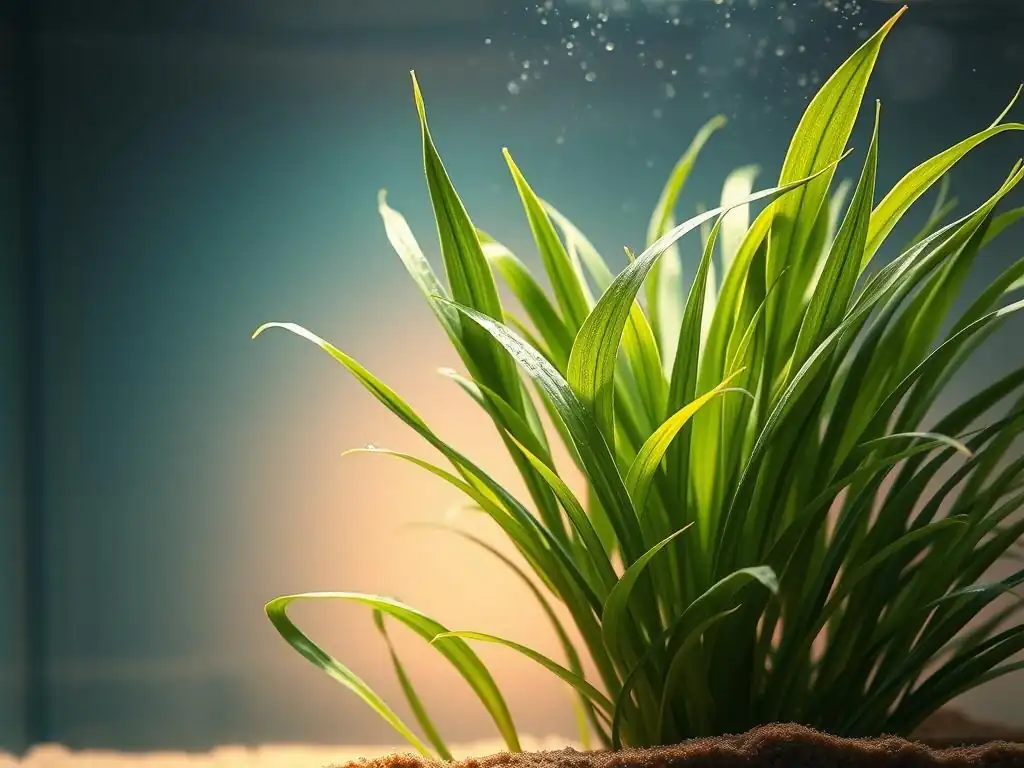
Sagittaria subulata and Vallisneria (commonly known as "Val") are both popular grass-like aquatic plants that propagate via runners, but they differ significantly in size, texture, and ideal placement. Vallisneria species, such as Jungle Val ( Vallisneria americana) or Corkscrew Val ( Vallisneria spiralis), typically grow much taller, often reaching 12 to 36 inches (30 to 90 cm) or more, with broader leaves that can be straight or spiraled. In contrast, Sagittaria subulata generally stays much shorter, particularly when carpeted, ranging from 2 to 12 inches (5 to 30 cm) with finer, linear leaves.
Due to its considerable height, Vallisneria is almost exclusively used as a background plant, creating a dense green curtain. Sagittaria subulata, however, is versatile enough for both foreground (when kept short) and midground placement. Both are relatively undemanding in terms of aquarium care, but Vallisneria is often more tolerant of harder, alkaline water, while Sagittaria subulata prefers slightly softer, more neutral conditions. Their distinct growth habits make them suitable for different roles in an aquascape.
Sagittaria Subulata vs. Eleocharis Parvula (Dwarf Hairgrass)
Sagittaria subulata is often compared to Eleocharis parvula, commonly known as Dwarf Hairgrass, as both are used to create green carpeting effects in aquariums. However, their textures and care requirements differ. Dwarf Hairgrass forms a much finer, denser carpet of extremely thin, needle-like blades, typically growing no more than 2 inches (5 cm) tall, creating a true "lawn" effect. Sagittaria subulata, while grass-like, has noticeably broader leaves and can grow significantly taller, offering a slightly coarser texture.
In terms of aquarium care, Dwarf Hairgrass generally demands higher light intensity, consistent CO2 injection, and a nutrient-rich substrate to achieve a dense, sprawling carpet, making it a more challenging plant for beginners. Sagittaria subulata, on the other hand, is much more forgiving; it can carpet effectively with moderate light and without CO2 (though CO2 enhances its density and growth rate), making its Sagittaria subulata aquarium care considerably easier for those new to planted tanks or seeking a less demanding carpet option.
Sagittaria Subulata: Ideal for All Aquarists
Benefits for Planted Tanks
Sagittaria subulata offers a multitude of benefits that make it an ideal choice for nearly all types of planted tanks, from beginner setups to high-tech aquascapes. Its robust growth habit and efficient nutrient absorption contribute significantly to water quality by consuming excess nitrates and phosphates, thereby helping to mitigate algae growth and reduce the need for frequent water changes. This natural filtration ability fosters a healthier and more stable aquatic environment for fish and invertebrates.
Furthermore, its ability to produce oxygen through photosynthesis contributes to higher dissolved oxygen levels in the water, which is crucial for the well-being of aquatic inhabitants. Its dense foliage provides excellent hiding spots and a sense of security for shy fish, fry, and shrimp, mimicking their natural habitats. The plant's versatility in forming either a short, dense carpet or a taller, midground bush, combined with its relatively easy Sagittaria subulata aquarium care, positions it as a foundational plant for creating aesthetically pleasing and ecologically balanced aquariums.
Tips and Tricks for a Thriving Aquarium
To ensure your Sagittaria subulata thrives and contributes beautifully to your aquarium, several tips and tricks can be employed. Firstly, consistently maintain stable water parameters within the optimal ranges for temperature (68-82°F), pH (6.0-7.5), and hardness (GH 3-8 dGH). Fluctuations are more detrimental than slight deviations from the ideal. Secondly, provide adequate lighting; moderate to high light will encourage a dense, carpeting growth, while lower light will result in taller plants. A consistent photoperiod of 8-10 hours is recommended.
Thirdly, prioritize substrate nutrition. As a root feeder, Sagittaria subulata benefits immensely from a nutrient-rich substrate or regular replenishment with root tabs (every 3-4 months). Supplement with liquid fertilizers for trace elements, especially if you have a heavily planted tank. Consider CO2 injection for faster, denser growth, particularly if aiming for a lush carpet; aim for 20-30 ppm.
Regularly trim any yellowing or algae-covered leaves to redirect the plant's energy towards new, healthy growth. Finally, observe your plant closely for any signs of deficiencies or stress, and adjust your Sagittaria subulata aquarium care routine accordingly. Patience and consistent monitoring are key to a thriving Sagittaria subulata display.
Frequently Asked Questions
What are the ideal water parameters for Sagittaria subulata in an aquarium?
Sagittaria subulata thrives in a wide range of water conditions. However, optimal growth is achieved with a temperature between 68-82°F (20-28°C), a pH of 6.5-7.5, and moderate water hardness.
How much light does Sagittaria subulata need to grow well in an aquarium?
Sagittaria subulata can adapt to different light levels, but it benefits from moderate to high lighting. Insufficient light can lead to leggy growth, while sufficient light promotes dense, compact growth.
What kind of substrate is best for planting Sagittaria subulata in an aquarium?
This plant prefers a nutrient-rich substrate that allows its roots to establish quickly. Using a substrate enriched with root tabs or a complete aquarium soil will promote healthy growth.
How do you propagate Sagittaria subulata in an aquarium?
Sagittaria subulata propagates readily through runners. Simply separate the new plantlets that sprout from the runners and replant them in the substrate.
What are some common problems encountered when growing Sagittaria subulata and how can I fix them?
Common issues include melting leaves due to shipping stress or poor water quality. Ensure good water parameters and consider using liquid fertilizers to provide essential nutrients.
Final Reflection: Cultivating Growth, Rooted in Simplicity
The journey of understanding Sagittaria subulata aquarium care extends beyond mere technical instructions; it speaks to our innate desire to nurture life and create miniature ecosystems within our homes. The enduring popularity of this unassuming plant highlights a fundamental truth: beauty and complexity can often be found in the simplest of forms, offering a readily accessible entry point into the captivating world of aquascaping.
My own experiences with Sagittaria subulata have taught me patience and the importance of observation. Watching its subtle growth, adapting to different conditions, is a constant reminder that even the smallest actions can yield significant results. The best time to plant a tree was 20 years ago. The second best time is now.
This ancient proverb resonates deeply with the aquarist's journey, urging us to embrace the present moment and cultivate the seeds of beauty and balance in our aquatic environments.
Now, as you consider the information shared about Sagittaria subulata, I invite you to reflect on the potential for growth, both within your aquarium and within yourself. Embrace the challenges, experiment with different approaches, and allow the simple elegance of this plant to inspire a deeper connection with the natural world. The beauty you create will not only enrich your own life but also serve as a testament to the power of patience, observation, and the enduring allure of the aquatic realm.
Unleash the Greenery: Transform Your Aquarium Now!
Thank you for diving into the world of Sagittaria subulata with us! We hope you've discovered how this versatile plant can elevate your aquascape. Now it's time to bring that knowledge to life and create a thriving underwater paradise.
Here are some actionable steps you can take right now:
- Go Green: Plant Your Own Sagittaria subulata Today!: Source healthy specimens from a reputable aquarium store or online vendor and watch your aquarium flourish.
- Experiment with placement: Try planting Sagittaria subulata in different areas of your tank to find the perfect aesthetic balance and observe how its growth adapts.
- Share Your Success: Post photos of your Sagittaria subulata-filled aquarium on social media using #AquariumMastery – inspire others with your aquatic journey!
Ready to start designing your dream aquascape with Sagittaria subulata?