
Livebearer Legacy: Essential Techniques for Birthing and Rearing Healthy Livebearer Fry

Welcome to Aquarium Mastery, fellow aquarist!
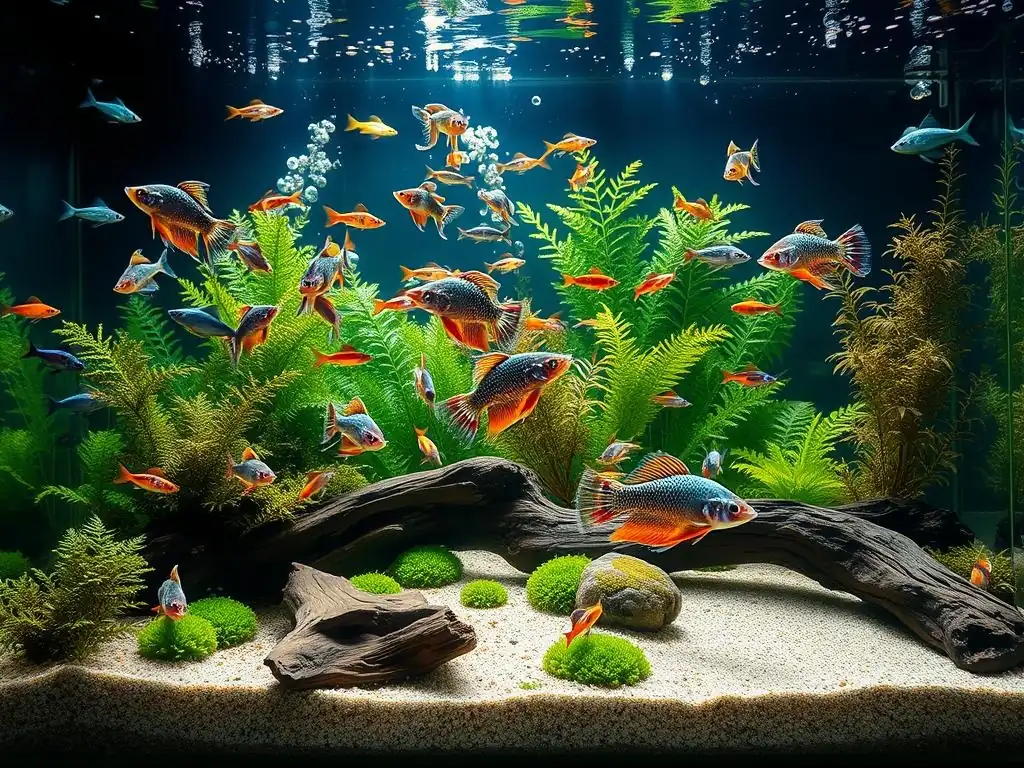
Ever wondered how to ensure your livebearer fry thrive from day one? We're diving deep into the fascinating world of livebearer breeding and rearing. This journey starts with understanding the crucial techniques that separate surviving fry from simply existing. Get ready to unlock the secrets to healthy livebearer fry rearing and ensure your aquarium is teeming with vibrant life. Ready to build your livebearer legacy? Let's explore!
- Understanding Livebearer Reproduction for Successful Fry Rearing
- Essential Techniques for Raising Healthy Livebearer Fry
- Optimizing Fry Growth and Development: Advanced Techniques
- Transitioning Livebearer Fry to the Main Aquarium
- Livebearer Fry Rearing: Species-Specific Considerations
- Troubleshooting Common Livebearer Fry Rearing Problems
-
Frequently Asked Questions
- How can I tell when my livebearer is about to give birth?
- What is a "breeding box" or "fry saver" and is it necessary?
- What do livebearer fry eat and how often should I feed them?
- What are the ideal water parameters for raising livebearer fry?
- How can I prevent diseases and ensure healthy growth in my livebearer fry?
- Final Reflection: Nurturing New Beginnings
- Dive Deeper: Unleash the Potential of Your Livebearer Brood!
Understanding Livebearer Reproduction for Successful Fry Rearing
Identifying Pregnant Livebearers: Key Indicators and Signs
Identifying a pregnant livebearer is the crucial first step towards successful healthy livebearer fry rearing. The most reliable indicator is the development of a "gravid spot," a darkened area near the anal fin, which becomes more pronounced as the gestation progresses. This spot, visible in species like guppies, mollies, platies, and swordtails, is the transparent skin allowing visibility of the developing fry's eyes. For instance, a female guppy's gravid spot will significantly darken and expand over her typical 21-30 day gestation period.
Beyond the gravid spot, behavioral changes offer further clues. As birth approaches, pregnant females often become more reclusive, seeking out hiding spots among plants or decorations. Their abdomen will also develop a noticeably "boxy" or squared-off appearance, particularly in the last few days before birth. Observing these combined physical and behavioral signs allows aquarists to anticipate the arrival of new fry, with a single guppy capable of producing anywhere from 20 to 100 fry in a single brood, while larger mollies might yield 50 to 200.
Creating an Ideal Birthing Environment for Livebearers
To ensure healthy livebearer fry rearing from the outset, establishing an ideal birthing environment is paramount. This typically involves setting up a dedicated breeding tank, ideally 5-10 gallons for smaller livebearers, or ensuring the main tank is heavily planted. The water parameters in this environment must be stable and within the species' preferred range, generally a temperature of 76-80°F (24-27°C) and a pH consistent with the species' natural habitat (e.g., pH 7.0-8.0 for most common livebearers). Providing dense floating plants like Hornwort, Guppy Grass, or Java Moss offers immediate refuge for newborn fry from potential predation.
Minimizing stress for the expectant mother is equally vital. This includes maintaining a calm environment, dim lighting, and ensuring no aggressive tank mates are present. Excessive stress can lead to premature births, reabsorption of fry, or even the mother consuming her own offspring. While breeding boxes are an option, they can be stressful for the female; a heavily planted tank allowing the mother to give birth naturally and the fry to scatter into cover is often less stressful and contributes more effectively to the overall success of healthy livebearer fry rearing.
The Importance of Livebearer Breeding Tanks and Fry Protection
The primary reason for using a dedicated livebearer breeding tank or a heavily planted main tank is to protect the vulnerable fry from predation. Adult fish, including the fry's own parents, will readily consume newborn fry if given the opportunity. In a separate breeding tank, the mother can be safely removed shortly after giving birth, ensuring the fry's complete safety. Without such protection, the survival rate of fry in a community tank can be alarmingly low, often less than 10%, due to the high likelihood of them being eaten.
A well-designed fry tank, even a modest 5-gallon setup, can dramatically increase the survival rates of livebearer fry to 70-90% or higher. This dedicated space allows for precise control over water quality and feeding, both critical elements for healthy livebearer fry rearing. The absence of predators also means the fry can grow without constant stress, leading to more robust and healthier development compared to fry constantly hiding and competing for limited resources in a busy community aquarium.
Essential Techniques for Raising Healthy Livebearer Fry
Nutritional Needs of Newborn Livebearer Fry: First Foods and Feeding Schedules
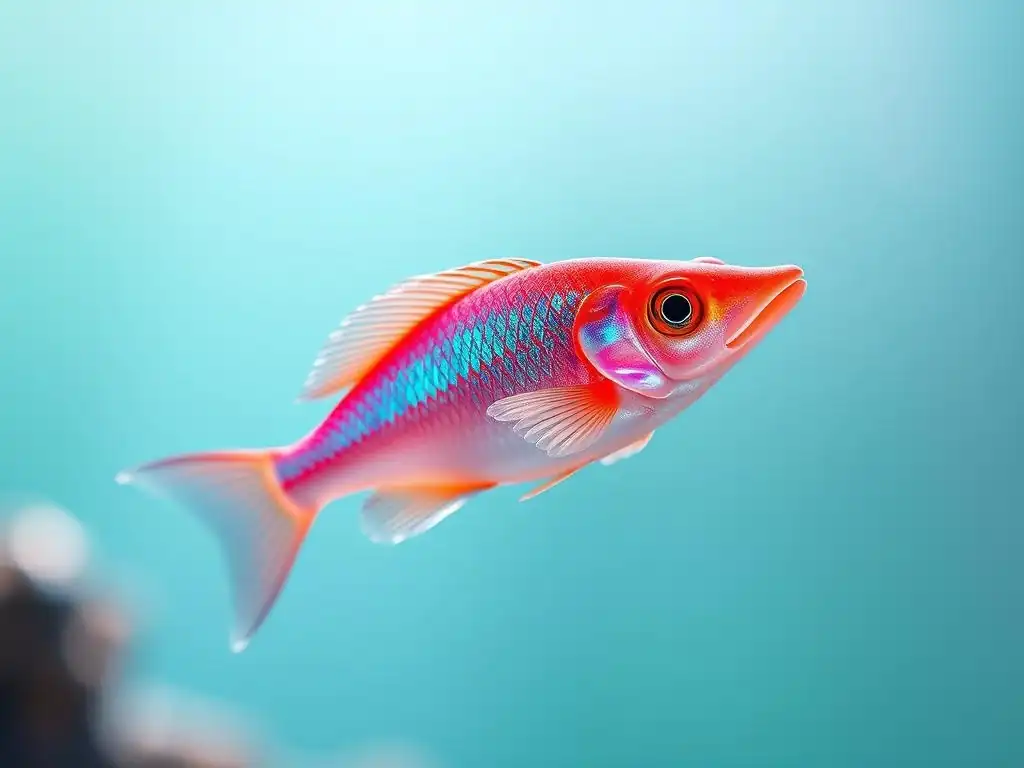
Newborn livebearer fry, despite their diminutive size, possess a high metabolic rate and require constant nutrition. Their tiny mouths necessitate extremely fine foods as their first meals. Infusoria, microscopic organisms, are often the perfect initial food source for the first 24-48 hours, followed swiftly by newly hatched brine shrimp or microworms. These protein-rich live foods are essential for their rapid growth and development. Feeding should be frequent, typically 3-5 times a day, in small amounts that can be consumed within a few minutes to prevent water fouling.
The quality of the initial diet directly impacts the long-term health and growth of the fry. Newly hatched brine shrimp, for instance, boast a protein content of 60-70%, providing the crucial building blocks for rapid cellular development. Fry fed consistently with such high-protein live foods can exhibit remarkable growth, with some guppy fry doubling their size within the first two weeks of life, a testament to the importance of early nutrition for healthy livebearer fry rearing.
Culturing Live Food for Livebearer Fry: A Beginner's Guide
Culturing live foods at home is a cost-effective and highly beneficial practice for healthy livebearer fry rearing. Infusoria can be easily cultured by placing a small piece of organic material, such as a banana peel or a few lettuce leaves, in a jar of aged tank water for a few days; the decaying matter promotes the growth of these microorganisms.
For newly hatched brine shrimp, a simple setup involves a soda bottle, an air pump, and a saltwater solution (approximately 1 tablespoon of non-iodized salt per liter of water) with brine shrimp cysts, which typically hatch within 24-36 hours at 78-80°F (25-27°C).
Microworms and vinegar eels are other excellent, easy-to-culture options that provide a continuous supply of nutritious live food. Microworms, for example, thrive on a simple substrate of oatmeal and yeast, offering a steady source of protein for fry during their critical first few weeks. The consistent availability of these live foods ensures that fry receive optimal nutrition, leading to faster growth and stronger immune systems, which are foundational for healthy livebearer fry rearing.
Commercial Fry Food Options: Selecting the Best for Your Livebearer Fry
While live foods are generally considered superior, several high-quality commercial fry food options can supplement or substitute when live cultures are not feasible. Finely crushed, high-protein flake food, specifically ground to a powder, can be suitable; look for flakes with a protein content of at least 40-50%. Specialized commercial fry foods, often labeled as "fry powder" or "liquid fry food," are also available and formulated with the specific nutritional needs and tiny mouthparts of newborn fry in mind.
When selecting commercial options, prioritize those fortified with essential vitamins and, ideally, spirulina or other color-enhancing ingredients. Brands like Hikari First Bites or Sera Micron are examples of reputable choices that provide balanced nutrition. Although perhaps not offering the exact growth rates of live foods, these commercial options can still support robust and healthy livebearer fry rearing when used as part of a consistent feeding regimen and combined with excellent water quality.
Maintaining Optimal Water Quality for Livebearer Fry Development
Optimal water quality is arguably the single most critical factor in healthy livebearer fry rearing. Fry are exceptionally sensitive to pollutants, and even minute amounts of ammonia or nitrite can be lethal. Therefore, a fully cycled tank or meticulous daily monitoring of water parameters (ammonia 0 ppm, nitrite 0 ppm, nitrate below 20 ppm) is non-negotiable. Their high metabolism and frequent feeding contribute significantly to waste production, making water quality management a constant priority.
Consistency in temperature and pH is equally vital. Sudden fluctuations, even a drop of a few degrees Fahrenheit (1.5-2°C), can severely stress fry, weakening their immune systems and making them susceptible to disease. Maintaining a stable temperature, typically around 78°F (25.5°C) for most common livebearers, and a consistent pH level within their species-specific range, provides the stable environment crucial for their delicate development and contributes significantly to healthy livebearer fry rearing.
The Role of Water Changes in Healthy Fry Growth
Frequent, small water changes are far more beneficial for livebearer fry than large, infrequent ones. Daily 10-20% water changes are often recommended for fry tanks to diligently remove uneaten food and metabolic waste, thereby preventing toxic ammonia and nitrite buildups. This consistent removal of pollutants is especially critical given the high feeding demands and rapid growth of young fish, which generate substantial biological load.
When performing water changes, use a small, gentle siphon to carefully remove water from the bottom of the tank, where waste accumulates, ensuring no fry are accidentally sucked up. Always replace with dechlorinated water that is temperature-matched to prevent shock. For instance, a daily 15% water change in a 10-gallon fry tank, which equates to removing just 1.5 gallons, can dramatically improve the living conditions and foster the rapid, healthy livebearer fry rearing you aim for.
Choosing the Right Filtration System for a Livebearer Fry Tank
Selecting the appropriate filtration system is crucial to avoid harming delicate livebearer fry. Strong power filters or hang-on-back filters with powerful intakes can easily suck up tiny fry or create excessive current that stresses them. Instead, gentle filtration methods are highly recommended. Sponge filters, powered by an air pump, are the ideal choice for a fry tank due to their gentle flow and dual filtration capabilities.
Sponge filters provide both mechanical filtration, trapping particulate matter, and excellent biological filtration, offering a vast surface area for beneficial bacteria to colonize. This bacterial colony efficiently processes ammonia and nitrite, maintaining the pristine water quality essential for healthy livebearer fry rearing. For a typical 10-gallon fry tank, a small, air-driven sponge filter is usually sufficient to ensure proper water circulation and biological stability without posing a threat to the young fish.
Preventing Diseases in Livebearer Fry: Common Ailments and Treatment Options
Prevention is the cornerstone of disease management in livebearer fry. Maintaining consistently high water quality, providing optimal nutrition, and ensuring stable temperatures are the best defenses against illness. Fry, with their underdeveloped immune systems, are particularly vulnerable to common aquarium diseases such as Ich (white spot disease), fungal infections, and bacterial ailments.
Overcrowding is a significant stressor that compromises fry immunity and facilitates disease transmission. A general guideline for healthy livebearer fry rearing is to allow approximately 1 gallon of water per 10-15 fry during their first month of life. Adhering to this density reduces competition for resources, minimizes stress, and significantly lowers the risk of disease outbreaks, which can decimate a brood quickly.
Identifying Early Signs of Illness in Livebearer Fry
Prompt identification of illness is critical for successful intervention in fry. Aquarists should observe their fry daily for any deviation from normal behavior or appearance. Common symptoms of illness include lethargy, clamped fins held close to the body, erratic or jerky swimming, and refusal to eat. Physical signs can manifest as small white spots (Ich), fuzzy white or gray growths (fungus), or red streaks and frayed fins (bacterial infections).
Early detection dramatically increases the chances of successful treatment. For example, if just one or two fry exhibit a few white spots, immediate action might prevent a widespread Ich outbreak that could otherwise decimate an entire brood within 24-48 hours. Consistent daily observation is therefore a vital practice in ensuring healthy livebearer fry rearing.
Natural Remedies and Medications for Fry Diseases
For mild cases of illness or as a preventative measure, certain natural remedies can be beneficial, though always research species tolerance. A slight increase in water temperature (e.g., to 82-84°F or 28-29°C for Ich, if the species can tolerate it) can sometimes accelerate the life cycle of parasites, making them easier to eliminate. Adding non-iodized aquarium salt at a low concentration (e.g., 1 teaspoon per 5 gallons) can aid in osmoregulation for stressed fry and deter some external parasites.
For more severe or persistent infections, specific medications may be necessary, but extreme caution is advised as fry are highly sensitive. Often, half doses or even quarter doses are recommended. Medications containing methylene blue or malachite green can be effective against Ich, while broad-spectrum antibiotics might be used for bacterial infections. Always follow manufacturer instructions meticulously and ensure the medication is safe for fry and any scaleless fish, if present, to preserve the goal of healthy livebearer fry rearing.
Optimizing Fry Growth and Development: Advanced Techniques
Grading and Separating Livebearer Fry for Uniform Growth
Within a single brood of livebearer fry, it is common to observe varying growth rates, with some individuals growing significantly faster than others. This disparity can lead to issues where larger fry outcompete smaller ones for food, potentially stunting the development of the slower growers. Grading involves periodically separating fry into different rearing tanks based on their size, typically after 3-4 weeks when differences become noticeable.
This practice ensures that all fry receive adequate nutrition and reduces competition and potential bullying from larger tank mates. For example, if you have a batch of 50 guppy fry, separating the largest 10-15 individuals into a separate grow-out tank can significantly improve the growth rate and overall health of the remaining smaller fry. This targeted approach to healthy livebearer fry rearing promotes more uniform development across the entire brood, maximizing the potential of each individual fish.
Enhancing Coloration in Livebearer Fry Through Diet and Environment
The vibrant coloration that makes livebearers so appealing can be significantly enhanced during the fry stage through proper diet and environmental factors. Foods rich in carotenoids, such as spirulina, astaxanthin, or high-quality color-enhancing flake foods, play a crucial role in intensifying the red, orange, and yellow pigments in species like guppies and platies. Incorporating these ingredients from an early age helps develop their full genetic color potential.
Environmental factors also contribute to optimal coloration. Providing a dark substrate and background in the fry tank can encourage fish to display more intense colors as a natural camouflage response. Additionally, consistent, appropriate lighting is important for overall health and color vibrancy. By focusing on a carotenoid-rich diet and a suitable environment from the outset, aquarists can cultivate visually stunning and healthy livebearer fry rearing.
Maximizing Survival Rates: Common Mistakes to Avoid During Fry Rearing
Maximizing survival rates in livebearer fry rearing hinges on avoiding several common pitfalls. Overfeeding is a frequent mistake that leads to rapid water pollution, ammonia spikes, and disease outbreaks. Conversely, underfeeding can result in starvation or stunted growth. Insufficient water changes allow toxins to accumulate, while overcrowding creates stress and fosters the spread of illness. Finally, sudden fluctuations in temperature or pH can shock delicate fry, leading to immediate mortality or long-term health issues.
To mitigate these risks, implement precise feeding schedules (e.g., small meals 3-5 times daily), perform daily 10-20% water changes, and adhere to appropriate stocking densities (e.g., allowing approximately 1 gallon per 10-15 fry initially). Using a reliable heater and thermometer to maintain stable water parameters is also non-negotiable. By diligently avoiding these mistakes, aquarists can dramatically boost their healthy livebearer fry rearing survival rates from a typical 50% to over 90% in many cases.
Transitioning Livebearer Fry to the Main Aquarium
Gradual Acclimation Techniques for Young Livebearers
Once livebearer fry reach a sufficient size, typically 1-2 months old and around 0.5-1 inch long, they can be transitioned to the main aquarium. However, direct transfer can be highly stressful due to differences in water parameters (temperature, pH, hardness, nitrates). Gradual acclimation is crucial to prevent shock and ensure their continued well-being. The drip acclimation method is highly recommended, slowly introducing water from the main tank to the fry's current water over an extended period.
To perform drip acclimation, place the fry in a clean bucket or container with their existing tank water. Using a length of airline tubing, siphon water from the main aquarium into the bucket, controlling the flow with a knot or valve to a slow drip (e.g., 1-2 drips per second). Allow this process to continue for 1-2 hours until the volume of water in the bucket has doubled or tripled, effectively matching the parameters. This gentle transition is vital for maintaining healthy livebearer fry rearing as they integrate into their new home.
Selecting Compatible Tank Mates for Juvenile Livebearers
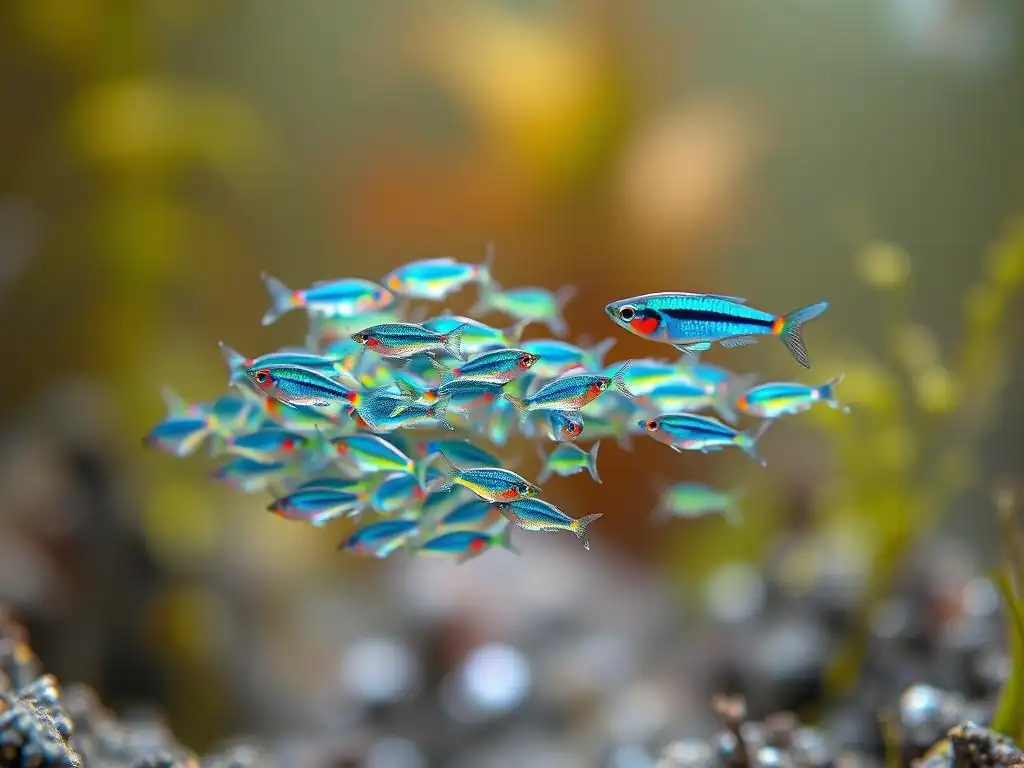
When introducing juvenile livebearers to the main aquarium, careful consideration must be given to selecting compatible tank mates. Prioritize peaceful, non-aggressive fish that are significantly smaller than the juvenile livebearers, ensuring they cannot be perceived as food. Excellent choices include other livebearers of similar size, small schooling fish like Neon Tetras or Harlequin Rasboras, and peaceful bottom dwellers such as Corydoras catfish.
Conversely, it is imperative to avoid large, predatory, or overly aggressive fish. Species like Angelfish, larger Cichlids, or certain Barbs will view even well-grown juvenile livebearers as a food source. Even seemingly peaceful fish can predate on smaller inhabitants if the opportunity arises. Ensuring the main tank is adequately furnished with hiding spots (dense plants, caves, driftwood) further enhances the safety and continued healthy livebearer fry rearing within the community environment.
Monitoring Fry Health Post-Introduction to the Main Tank
After successfully transitioning livebearer fry to the main aquarium, continuous monitoring of their health and behavior is essential for the first few days to a week. Observe them closely for any signs of stress, such as clamped fins, excessive hiding, rapid breathing, or reluctance to eat. Also, watch for any signs of bullying or harassment from existing tank mates, which could impact their ability to thrive.
Continue to provide high-quality food, perhaps offering smaller, more frequent meals initially to ensure the new arrivals are able to compete effectively for sustenance amidst the larger, more established inhabitants. Maintaining excellent water quality in the main tank is paramount, as any decline could quickly compromise the health of the newly introduced, still developing livebearers. Diligent observation and proactive care are key to ensuring their sustained healthy livebearer fry rearing in the community setting.
Livebearer Fry Rearing: Species-Specific Considerations
Rearing Guppy Fry: Special Requirements and Considerations
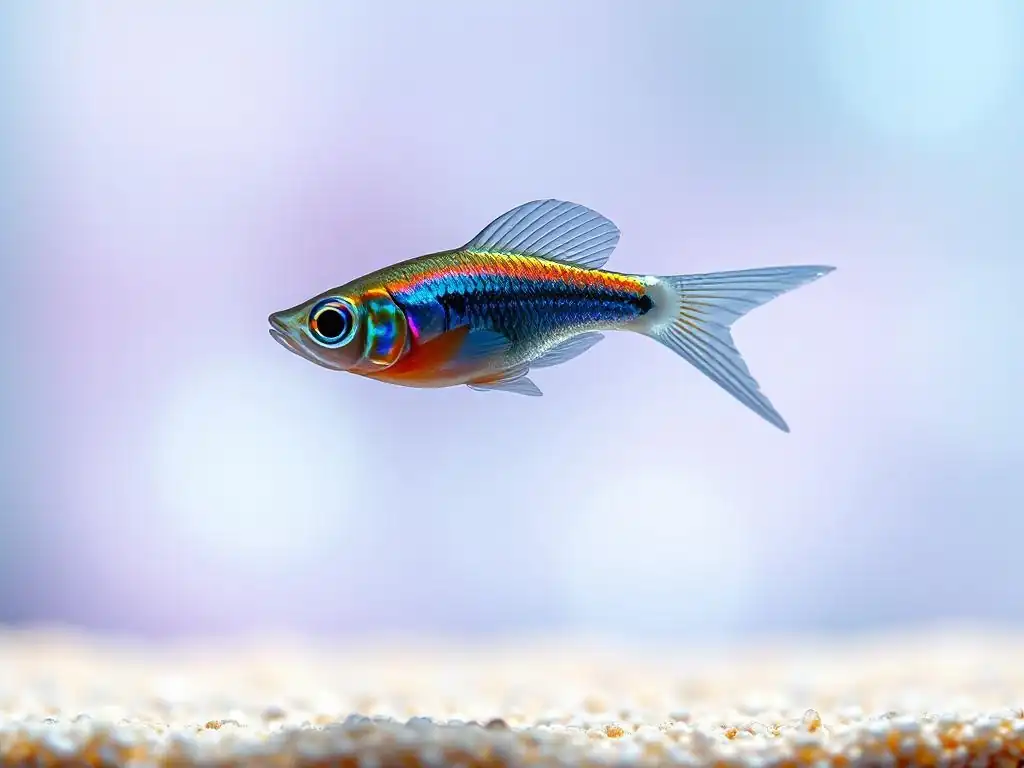
Guppy fry are renowned for being among the easiest livebearer fry to raise, making them an excellent choice for beginners in healthy livebearer fry rearing. They are relatively hardy, adapt well to various water conditions within their preferred range (pH 7.0-8.0, temperature 75-80°F or 24-27°C), and exhibit rapid growth. Emphasize a diet rich in protein, such as newly hatched brine shrimp, microworms, or high-quality micro-pellets, to support their fast development.
A key consideration with guppy fry is their prolific breeding. A single female guppy can produce 50-100 fry every 3-4 weeks, and these fry can reach sexual maturity in as little as 2-3 months. This rapid reproductive cycle means that managing population growth is a significant aspect of long-term guppy healthy livebearer fry rearing, often requiring strategies for rehoming or providing for a continually expanding population.
Raising Molly Fry: Optimizing Growth and Color Development
Molly fry are typically larger at birth than guppy fry and also benefit immensely from a diet of live foods like newly hatched brine shrimp. Unlike guppies, mollies, especially sailfin varieties, often thrive in harder, more alkaline water (pH 7.5-8.5) and can benefit from the addition of a small amount of aquarium salt (e.g., 1 teaspoon per 5-10 gallons) to their water, which aids in osmoregulation and overall vitality.
To optimize their vibrant color development, especially in varieties like black mollies or dalmatian mollies, a varied diet that includes spirulina-based foods is highly recommended. Mollies can produce very large broods, sometimes exceeding 100-200 fry, necessitating ample space in their rearing tank to prevent overcrowding and ensure robust, healthy livebearer fry rearing for all individuals.
Caring for Platy Fry: Ensuring a Healthy and Vibrant Population
Platy fry share many care similarities with guppy fry, being relatively hardy and fast-growing. However, they benefit from a diet that incorporates more vegetable matter. Alongside protein-rich live foods or micro-pellets, including spirulina flakes or finely crushed blanched vegetables like zucchini or peas, can significantly contribute to their overall health and vibrant coloration. Their preferred water parameters are generally a pH of 7.0-8.0 and temperatures between 72-78°F (22-26°C).
Platies exhibit an incredible array of color forms and patterns. To maintain specific strains and ensure a healthy and vibrant population, careful observation of fry development and, if desired, selective breeding are important. A female platy can produce 20-80 fry every 4-6 weeks, making consistent feeding, pristine water quality, and appropriate space essential elements for successful healthy livebearer fry rearing.
Swordtail Fry Care: Tips for Maximizing Survival Rates
Swordtail fry are generally the largest of the common livebearer fry at birth, which makes them slightly less vulnerable to predation by very small fish, but they are still easily consumed by adult tank mates. Due to their potential adult size (males can reach 4-5 inches, females even larger), they require ample space in their rearing tank to grow without stunting. A 10-gallon tank is a good start for a small brood, but they will quickly outgrow it.
Their diet should be a balanced mix of high-quality protein (e.g., newly hatched brine shrimp, micro-pellets) and some plant-based foods (e.g., spirulina flakes). Ensuring good water flow and oxygenation in their tank is also beneficial for their robust development. Female swordtails can drop 30-100 fry, and their generally hardy nature makes them a rewarding species for healthy livebearer fry rearing when provided with consistent care and adequate growing space.
Troubleshooting Common Livebearer Fry Rearing Problems
Addressing High Fry Mortality Rates: Identifying and Resolving Issues
High fry mortality rates are a common and disheartening problem in livebearer rearing, almost always pointing to underlying environmental or nutritional deficiencies. The leading culprits are poor water quality (especially spikes in ammonia or nitrite), inadequate feeding (leading to starvation), or the onset of disease. The immediate step upon observing high mortality should be to thoroughly test all water parameters. Check for uneaten food accumulating on the substrate, which rapidly degrades water quality.
Review your feeding regimen: Are the fry receiving enough food? Is the food small enough for them to consume? If water quality is the issue, increase the frequency and volume of small water changes. If starvation is suspected, increase feeding frequency with appropriate, highly nutritious foods. For example, if 50% of a guppy brood dies within the first week, it strongly indicates critical issues with either water quality or a severe lack of accessible food, directly impacting healthy livebearer fry rearing.
Dealing with Stunted Growth in Livebearer Fry
Stunted growth in livebearer fry, where individuals fail to reach expected size milestones within a given timeframe, is typically a result of chronic poor water quality, insufficient nutrition, or overcrowding. Fry in overcrowded conditions release growth-inhibiting hormones into the water, which can severely impede their development even if food is plentiful. A common indicator is guppy fry not reaching 0.5 inches in length by 3 weeks of age.
The solutions involve addressing these core issues. Increase the tank size to reduce crowding, providing more personal space for each fry. Perform more frequent and larger water changes to dilute growth-inhibiting hormones and remove waste. Most importantly, ensure a higher quality and quantity of food, focusing on protein-rich options like newly hatched brine shrimp. Implementing these changes can often reverse stunting and promote more vigorous, healthy livebearer fry rearing.
Preventing Fin Rot and Other Common Fry Diseases
Fin rot, a bacterial infection characterized by frayed, disintegrated, or bloody fins, is a common ailment in fry often triggered by poor water quality, stress, or physical injury. Other prevalent diseases include Ich (Ichthyophthirius multifiliis), appearing as tiny white spots on the body and fins, and fungal infections, which manifest as cotton-like growths. These diseases can spread rapidly through a vulnerable fry population.
The best defense against fin rot and most other fry diseases is proactive prevention: maintaining pristine water conditions, ensuring stable temperatures, and rigorously avoiding overcrowding. For fin rot, improving water quality through increased water changes is often sufficient for recovery. For Ich, a slight temperature increase (if tolerated by the species) and the addition of aquarium salt can be beneficial. Medications should always be a last resort for fry due to their sensitivity, and used with extreme caution to ensure the continued healthy livebearer fry rearing of the remaining population.
Frequently Asked Questions
How can I tell when my livebearer is about to give birth?
Look for a swollen abdomen, a darkened gravid spot near the anal fin, and signs of isolation or erratic behavior. These are key indicators that your livebearer is close to giving birth.
What is a "breeding box" or "fry saver" and is it necessary?
A breeding box is a small, often plastic, container used to separate the pregnant female or newly born fry from the adults. It's not always necessary, but it can increase fry survival rates by preventing them from being eaten.
What do livebearer fry eat and how often should I feed them?
Livebearer fry need small, frequent feedings of high-protein food. Options include commercially available fry food, crushed flake food, or live foods like baby brine shrimp. Feed them 2-3 times a day.
What are the ideal water parameters for raising livebearer fry?
Maintain stable water parameters similar to the adult tank. This includes a temperature between 72-78°F (22-26°C), a pH around 7.0-7.5, and regular water changes to keep ammonia and nitrite levels at zero.
How can I prevent diseases and ensure healthy growth in my livebearer fry?
Ensure excellent water quality through regular water changes and proper filtration. Provide a varied and nutritious diet and observe the fry closely for any signs of illness. Quarantine any sick fish immediately.
Final Reflection: Nurturing New Beginnings
The journey of rearing healthy livebearer fry, as we've explored, is more than just a technical process; it's a testament to the delicate balance of life and the responsibility we hold as custodians of these miniature ecosystems. The techniques discussed, from optimizing water parameters to providing appropriate nutrition, are not merely guidelines, but rather a framework for ensuring the survival and thriving of these fascinating creatures in our care.
This dedication to responsible fishkeeping extends far beyond the aquarium glass. It's a reflection of our commitment to understanding and respecting the natural world, fostering a deeper appreciation for the interconnectedness of all living things. As we nurture these tiny lives, we are, in essence, nurturing a greater awareness within ourselves. The greatness of a nation and its moral progress can be judged by the way its animals are treated.
- Mahatma Gandhi. This quote, though often applied to larger animals, resonates deeply with the care we provide to even the smallest of our aquatic companions.
Now, as you embark on your own journey of healthy livebearer fry rearing, I encourage you to embrace the principles we've discussed. Observe, adapt, and never stop learning. Let the vibrant energy of these tiny fish inspire you to cultivate patience, responsibility, and a profound respect for the delicate beauty of life. Your dedication will not only ensure the survival of these fry, but also enrich your own life with the joy and wonder of witnessing new beginnings.
Dive Deeper: Unleash the Potential of Your Livebearer Brood!
Thank you for exploring the fascinating world of livebearer fry! Now that you're equipped with essential birthing and rearing techniques, it's time to put your knowledge into action and watch your fish thrive. Ready to take the next step?
Here's how:
- Prioritize Your Fry: Dedicate a separate, well-maintained nursery tank to ensure the highest survival rates for your precious fry. This will provide them a safe, stress-free environment to grow.
- Experiment with unexpected foods:Discover the delights of powdered spirulina or finely ground, hard-boiled egg yolk! This might surprise you and will provide a varied diet for your fry.
- Share your success: Document your fry-rearing journey with photos and videos, and then post it to Aquarium Mastery forum to inspire others!
What unique approach will you take to maximize the health and happiness of your livebearer fry?