🐠 Aquarium Filtration, Heaters & Chillers: Reviews & Setup Guides
Build a healthier, more stable aquarium with expert guidance from Aquarium Mastery. This subcategory covers aquarium filters, aquarium heaters, aquarium chillers, water circulation, temperature control, and equipment maintenance for freshwater and saltwater tanks. Discover practical reviews, setup tutorials, buying advice, troubleshooting tips, and equipment comparisons designed to help beginners and experienced aquarists create reliable aquatic environments for fish, plants, corals, and invertebrates.
🔧 Aquarium Filter Reviews and Setup Guides
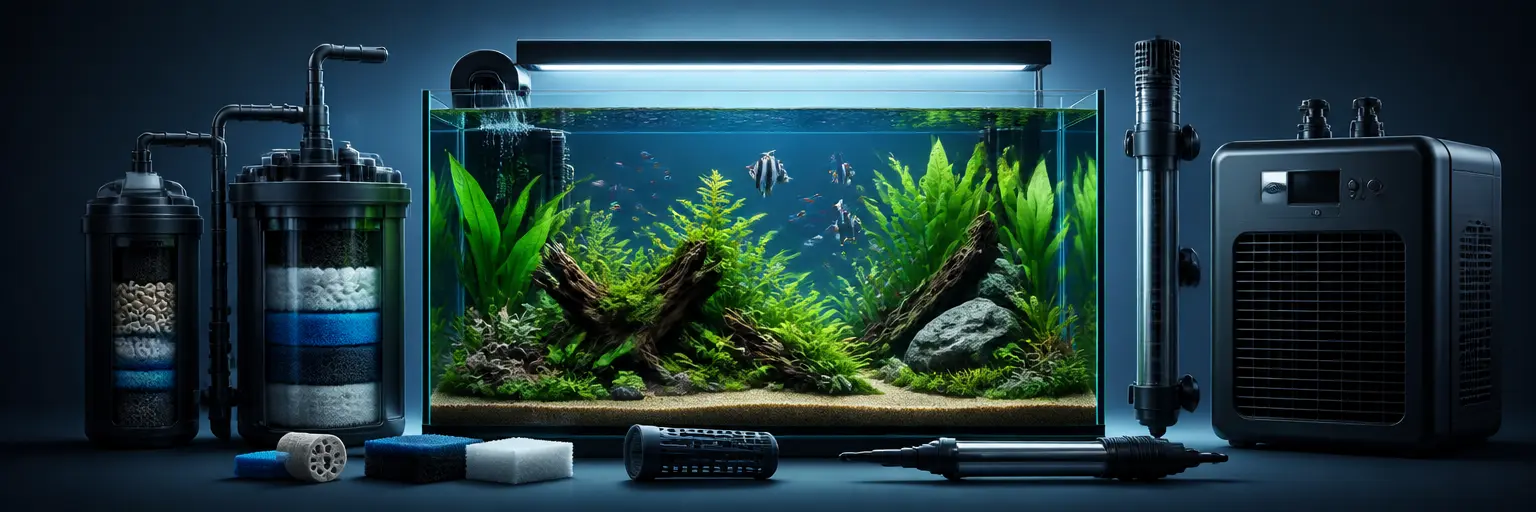
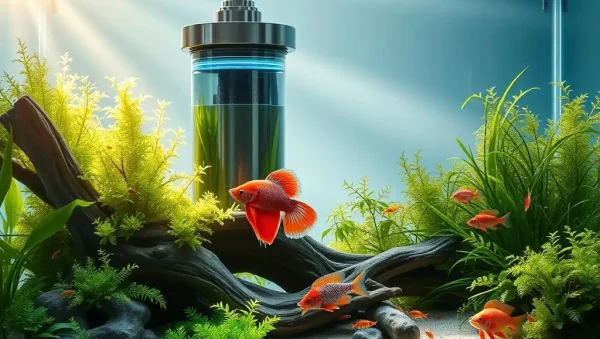
Learn how to choose the best filtration system for your aquarium, including hang-on-back filters, canister filters, sponge filters, internal filters, undergravel filters, sump filtration, and protein skimmers. Our guides explain filter capacity, flow rate, mechanical filtration, biological filtration, chemical media, aquarium size ratings, and the differences between freshwater and marine filtration systems.
Expect detailed aquarium filter reviews and step-by-step installation advice covering media arrangement, intake placement, water flow, cycling, noise reduction, and routine cleaning. You will also find guidance for selecting filtration based on tank volume, fish stocking levels, planted aquarium requirements, turtle tanks, reef aquariums, and high-bioload setups.
🌡️ Aquarium Heaters and Temperature Control
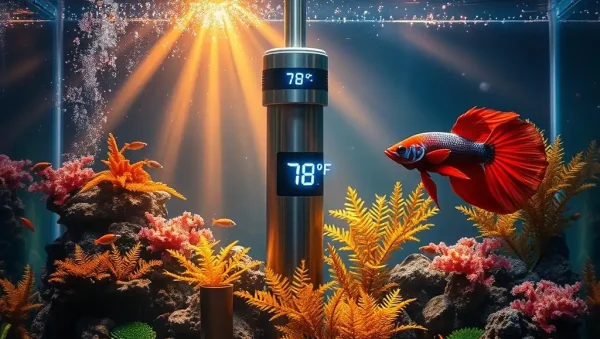
Maintain stable water conditions with advice on submersible aquarium heaters, adjustable heaters, preset heaters, titanium heaters, heater controllers, and dual-heater systems. Learn how to calculate the correct heater wattage, position a heater safely, prevent temperature swings, and select reliable equipment for tropical freshwater fish, goldfish, shrimp, marine fish, and reef tanks.
Our setup guides explain aquarium heater installation, calibration, thermostat accuracy, overheating prevention, and safe operation. Articles also cover heater guards, temperature monitoring, digital thermometers, backup heaters, and the importance of stable temperatures for fish health, metabolism, immunity, breeding, and coral vitality.
❄️ Aquarium Chillers and Cooling Solutions
Explore aquarium chiller reviews and cooling methods for tanks affected by warm room temperatures, strong aquarium lighting, or heat-producing equipment. Topics include thermoelectric chillers, compressor chillers, cooling fans, temperature controllers, and marine aquarium cooling systems for freshwater planted tanks, reef aquariums, axolotl habitats, and other temperature-sensitive setups.
Find practical advice on selecting the right aquarium chiller capacity, improving ventilation, reducing evaporation, and installing cooling equipment safely. These guides explain how to maintain consistent water temperature without stressing fish, corals, shrimp, or aquatic plants, while also helping you balance energy efficiency, noise, cost, and long-term performance.
🧪 Filtration, Heating, and Water Chemistry
Reliable equipment supports stable water chemistry. Learn how aquarium filtration affects ammonia, nitrite, nitrate, beneficial bacteria, oxygen levels, water clarity, and aquarium cycling. You will discover how to match filter media and flow rates with water testing routines, maintenance schedules, fish species, plant density, and aquarium stocking levels.
Our content also explains how temperature influences biological filtration and fish health. Whether you are setting up a community aquarium, African cichlid tank, planted aquarium, shrimp tank, saltwater fish-only system, or reef aquarium, you can use these guides to create a balanced environment and prevent common problems such as cloudy water, algae growth, ammonia spikes, and unstable temperatures.
🧼 Aquarium Equipment Maintenance and Troubleshooting
Keep aquarium equipment working efficiently with maintenance checklists for cleaning filter media, replacing worn parts, inspecting heater cords, removing mineral deposits, servicing pumps, and checking chiller performance. Proper equipment maintenance improves reliability, water quality, energy efficiency, and aquarium safety.
Get solutions for common issues such as a noisy aquarium filter, weak water flow, cloudy water, a heater that will not turn on, temperature fluctuations, excessive evaporation, overheating, and a chiller that is not cooling. Clear troubleshooting steps help you identify problems quickly while protecting fish, plants, corals, and beneficial bacteria.
🛒 Aquarium Equipment Buying Guides and Comparisons
Make informed purchasing decisions with comparisons based on tank size, aquarium type, flow rate, wattage, temperature range, noise level, reliability, maintenance requirements, and budget. Our guides help you compare aquarium filters, heaters, chillers, pumps, controllers, thermometers, and replacement parts before investing in new equipment.
Whether you need equipment for a nano aquarium, large freshwater tank, planted aquascape, reef aquarium, breeding setup, or quarantine tank, Aquarium Mastery provides practical recommendations. Expect transparent explanations of features, advantages, limitations, installation requirements, and ideal use cases so you can choose equipment that fits your aquarium goals.
❓ Frequently Asked Questions About Aquarium Filtration, Heaters & Chillers
What type of aquarium filter is best for my tank?
The best filter depends on aquarium size, fish population, maintenance preferences, and tank type. Canister filters offer strong, flexible filtration for larger tanks, while hang-on-back filters are convenient for many community aquariums. Sponge filters are excellent for shrimp tanks, fry, quarantine aquariums, and setups where gentle flow is important. Saltwater and reef aquariums may also require live rock, sumps, refugiums, or protein skimmers.
How many watts should my aquarium heater have?
A common guideline is approximately 3–5 watts per gallon, although room temperature, aquarium size, insulation, and the desired water temperature affect the final choice. A properly sized adjustable heater should be paired with a reliable thermometer. For large aquariums, using two smaller heaters can provide more even heating and backup protection if one unit fails.
Do I need an aquarium chiller?
You may need a chiller if your aquarium consistently exceeds the safe temperature range for its inhabitants. Chillers are especially useful for reef tanks, axolotl aquariums, cold-water species, and tanks exposed to hot rooms or powerful lighting. Before buying one, improve ventilation, reduce direct sunlight, and consider aquarium fans, while monitoring temperature with an accurate thermometer.
How often should aquarium filter media be cleaned?
Filter media should be inspected regularly and cleaned when flow becomes restricted or debris accumulates. Rinse biological media gently in removed aquarium water rather than tap water to protect beneficial bacteria. Mechanical media may require more frequent cleaning, while chemical media should be replaced according to the manufacturer’s instructions. Avoid replacing all media at once, as this can disrupt the biological cycle.
What temperature is best for a freshwater or saltwater aquarium?
The ideal temperature depends on the species and aquarium type. Many tropical freshwater fish thrive around 24–28°C (75–82°F), while marine aquariums commonly remain near 24–26°C (75–79°F). Always research the requirements of individual fish, corals, plants, and invertebrates. The most important factor is usually stable temperature without rapid fluctuations, supported by a dependable heater, thermometer, or chiller.