Troubleshooting Your Aquarium CO2 System: Leaks, Inconsistent Flow, and Algae
🌿 Discover essential tips for Aquarium CO2 system troubleshooting to fix leaks, ensure consistent flow, and prevent algae buildup, helping you maintain…
Read article
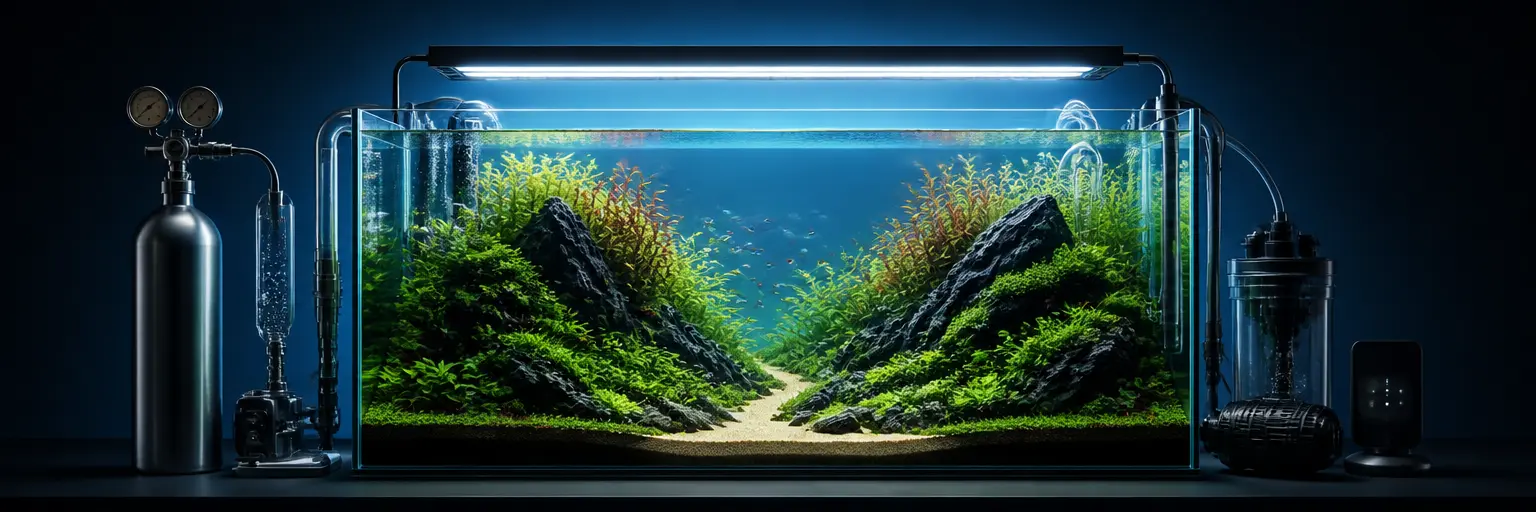
Discover smarter ways to build a thriving aquarium with expert guidance on aquarium lighting, CO2 systems, pumps, and automation technology 🐠✨ Learn how to enhance plant growth, maintain stable water conditions, improve filtration and circulation, and simplify daily maintenance with reliable aquarium equipment. Whether you manage a freshwater planted tank or a saltwater reef aquarium, Aquarium Mastery helps you choose efficient, compatible gear for healthier aquatic life and a more beautiful, balanced setup.
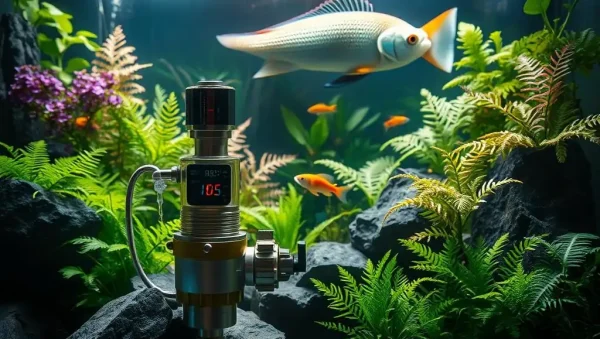
🌿 Discover essential tips for Aquarium CO2 system troubleshooting to fix leaks, ensure consistent flow, and prevent algae buildup, helping you maintain…
Read article
🌟 Discover the best aquarium light types—LED, fluorescent, and halogen—and learn how to choose the perfect lighting for your freshwater or saltwater…
Read article
🌊 Ensure your aquatic ecosystem thrives by maintaining safe aquarium CO2 levels. Proper precautions prevent equipment hazards and promote healthy fish and…
Read article
🌟 Discover how energy-efficient LED aquarium lighting can reduce your LED aquarium lighting cost while keeping your tank vibrant and healthy. AquariumMastery.com…
Read article
😊 Discover if automated water changer benefits aquarium enthusiasts by simplifying maintenance, ensuring consistent water quality, and saving time. Read on at…
Read article
🌊 Transition seamlessly from manual to automated aquarium maintenance schedule with AquariumMastery.com. Our step-by-step guide ensures your freshwater or saltwater tank stays…
Read article
🌱 Unlock the full potential of your CO2 injection planted aquarium with expert tips on enhancing plant growth, maintaining optimal water chemistry,…
Read article
🌟 Ensure vibrant, healthy aquariums with expert Pressurized CO2 system maintenance tips. Learn how to properly refill, clean, and extend the lifespan…
Read article
🌟 Discover how a remote aquarium monitoring system setup transforms tank management, allowing you to effortlessly oversee water quality, temperature, and more…
Read article
🌊 Master the essentials of selecting the perfect aquarium pump flow rate to ensure optimal water circulation, maintain healthy aquatic environments, and…
Read article
🌟 Unlock the secrets of aquarium lighting color spectrum to create mesmerizing visual effects. Discover how strategic lighting enhances your aquatic environment,…
Read article
🌟 Discover the key differences between inline and in-tank CO2 diffusers with our comprehensive CO2 diffuser installation guide. Learn pros, cons, and…
Read articleBuild a healthier, more attractive, and easier-to-manage aquarium with expert guidance on aquarium lighting, CO2 injection systems, water pumps, filtration flow, and automation technology. This Aquarium Mastery subcategory covers the essential equipment that supports plant growth, water circulation, oxygenation, temperature stability, and reliable daily maintenance in both freshwater and saltwater aquariums. Whether you are designing a planted nano tank, a high-tech aquascape, a reef aquarium, or a large community setup, you will find practical advice for selecting, installing, adjusting, and troubleshooting modern aquarium equipment.
Discover how to choose the best aquarium LED lights for low-light plants, demanding carpeting species, colorful fish, and marine corals. Articles explain brightness, spectrum, color temperature, PAR, photoperiods, dimming, mounting height, and light distribution so you can match lighting intensity to your aquarium size and livestock. You will also learn how lighting affects photosynthesis, fish behavior, algae growth, and the visual appearance of your aquascape.
Expect practical guidance on setting a reliable aquarium lighting schedule, using sunrise and sunset effects, and preventing common problems such as excessive algae, stressed fish, or leggy plant growth. Comparisons of freshwater planted tank lights, reef lighting systems, programmable LED fixtures, and budget-friendly options help you make an informed purchase based on performance, energy efficiency, and long-term reliability.
Learn how aquarium CO2 injection improves plant growth, color, density, and carpet formation in high-tech planted tanks. This section covers pressurized CO2 systems, regulators, solenoid valves, bubble counters, diffusers, inline atomizers, disposable cartridges, and DIY CO2 alternatives. Clear explanations help beginners understand how dissolved carbon dioxide works alongside light, nutrients, and substrate to support healthy aquatic plants.
You can also expect advice on CO2 dosage, bubble rates, drop checkers, diffuser placement, timing, and safe adjustments. Detailed troubleshooting helps identify issues such as unstable CO2 levels, poor plant growth, fish gasping, green spot algae, and excessive surface agitation. The goal is to achieve stable CO2 distribution without compromising fish health or water quality.
Explore aquarium water pumps designed for filtration, circulation, return flow, wavemaking, and oxygen exchange. Guides cover submersible pumps, external pumps, powerheads, circulation pumps, wave makers, air pumps, and adjustable DC models for freshwater and saltwater aquariums. You will learn how to calculate flow rate, head height, turnover, and circulation requirements for different tank sizes and filtration systems.
Helpful recommendations explain how to create gentle, even flow for planted tanks and fish, as well as stronger turbulent movement for reef aquariums and coral systems. You will also find solutions for dead spots, noisy pumps, excessive current, clogged impellers, vibration, overheating, and inconsistent water movement. Choosing the right pump helps improve filtration efficiency, oxygenation, nutrient distribution, and overall aquarium stability.
Make aquarium care more consistent with modern aquarium automation equipment, including smart plugs, automatic feeders, dosing pumps, temperature controllers, water-level sensors, leak detectors, lighting timers, and Wi-Fi aquarium controllers. This section explains how technology can automate feeding, lighting, fertilization, top-off systems, water changes, and equipment monitoring while reducing daily maintenance demands.
Expect balanced advice about the benefits and limitations of smart aquarium devices. Guides focus on safe installation, backup plans, calibration, power outages, app connectivity, sensor accuracy, and routine testing. Automation should support—not replace—regular observation, so you will learn how to combine reliable technology with manual checks for safer, more predictable aquarium management.
Find practical instructions for installing and connecting aquarium lights, CO2 equipment, pumps, timers, controllers, tubing, valves, and electrical accessories. Articles help you evaluate equipment compatibility with tank dimensions, filtration type, freshwater or saltwater conditions, plant requirements, coral needs, and available cabinet space. Special attention is given to cable management, drip loops, waterproof connections, and safe equipment placement.
Troubleshooting guides address flickering lights, failed timers, blocked CO2 diffusers, leaking regulators, noisy pumps, weak circulation, air locks, overheating, and automation failures. You will learn how to identify the likely cause, perform safe checks, clean components, replace worn parts, and decide when a device should be repaired or replaced. These resources are designed to reduce equipment downtime and protect valuable fish, plants, invertebrates, and corals.
The best planted aquarium light depends on plant type, tank depth, and aquascaping goals. Low-light plants can thrive under moderate LED lighting, while carpeting plants and red, high-demand species usually require stronger output and consistent spectrum. Choose a fixture with adjustable intensity and a programmable timer to control the aquarium photoperiod and reduce algae risk.
No. Low-tech planted aquariums can grow successfully without injected CO2 when they contain undemanding plants and moderate lighting. However, pressurized CO2 is highly beneficial for demanding plants, dense carpets, rapid growth, and vibrant coloration. If you use strong lighting, stable CO2 levels are often essential for maintaining balance between light, nutrients, and plant growth.
Required flow varies by aquarium type, filtration system, and livestock. Many freshwater tanks benefit from steady circulation that distributes heat, oxygen, and nutrients without creating excessive current. Reef aquariums commonly need stronger and more varied movement for corals. Rather than relying only on a pump’s advertised flow rate, consider head height, pipe restrictions, filter media, and the swimming preferences of your fish.
Aquarium automation can be worthwhile for busy aquarists, large systems, planted tanks, reef aquariums, and anyone who wants consistent lighting, dosing, temperature monitoring, or top-off control. Automated equipment improves convenience and consistency, but it must be maintained and tested. Use manual checks and backup procedures because a failed sensor, pump, or internet connection can affect water quality and livestock safety.
Start by cleaning impellers, intake screens, diffusers, and filter components regularly. Ensure pumps are properly seated, use vibration-absorbing pads, remove trapped air, and confirm that tubing is not kinked or rubbing against the cabinet. Noise can also indicate a worn impeller, low water level, blocked intake, or misaligned component. Prompt maintenance helps keep your aquarium quiet and prevents equipment damage.