🐠 Premium Fish & Coral Foods: Top Picks & Nutritional Reviews
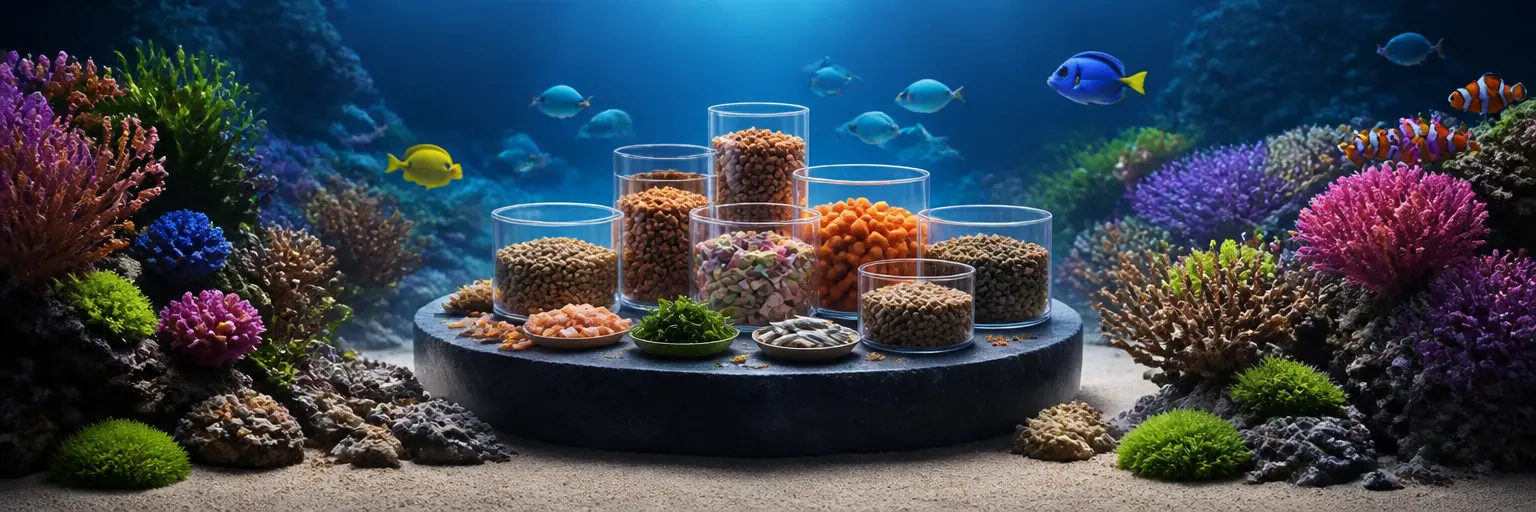
Discover carefully researched recommendations for premium fish food, reef coral food, marine aquarium nutrition, and high-quality freshwater feeding at Aquarium Mastery. This subcategory helps aquarists compare pellets, flakes, frozen foods, freeze-dried options, gel diets, coral supplements, and specialized formulas for healthy growth, vivid coloration, strong immunity, and excellent water quality. Every guide focuses on practical feeding advice, ingredient quality, nutritional value, feeding frequency, and compatibility with different aquarium species.
🌟 Premium Aquarium Food Reviews
Explore detailed reviews of the best premium fish foods and coral foods for freshwater, saltwater, reef, planted, community, cichlid, marine fish, and nano aquariums. Articles examine protein sources, marine ingredients, vitamins, minerals, omega fatty acids, color-enhancing nutrients, digestibility, pellet size, and suitability for carnivorous, herbivorous, and omnivorous fish.
Readers can expect balanced comparisons that explain the strengths and limitations of each product. We highlight whether a food supports healthy fish growth, vibrant coloration, coral polyp extension, reef nutrition, breeding condition, and long-term aquarium health, helping you select products that provide value without relying on confusing marketing claims.
🧪 Nutritional Quality & Ingredient Analysis
Learn how to read aquarium food labels and identify high-quality ingredients. Our nutritional reviews consider whole seafood, krill, spirulina, algae, shrimp, plankton, squid, fish meal, binders, preservatives, and added vitamins. You will also learn why protein, fat, fiber, ash, moisture, and amino acid content matter for different aquatic animals.
We explain how ingredient quality affects digestion, waste production, coloration, immunity, and water clarity. This information is useful when comparing premium formulas with budget foods and when choosing diets for sensitive fish, reef-safe systems, marine invertebrates, shrimp, snails, corals, and other aquarium inhabitants.
🪸 Reef & Coral Feeding Guides
Find practical guidance on feeding soft corals, LPS corals, SPS corals, anemones, filter feeders, clams, and other reef aquarium invertebrates. Reviews cover liquid coral foods, powdered coral nutrition, amino acid supplements, zooplankton, phytoplankton, marine snow, and targeted feeding products.
Each guide explains how much coral food to use, how often to feed, when to feed, and how to reduce the risk of excess nutrients. You will also learn the difference between broadcast feeding and target feeding, how to observe feeding responses, and how nutrition works alongside lighting, flow, filtration, and stable reef water parameters.
🐟 Freshwater & Marine Fish Diets
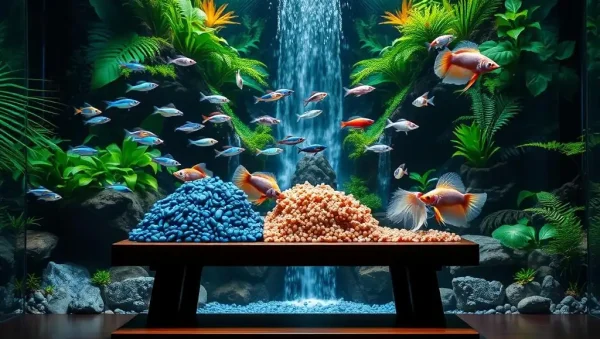
Choose suitable food for popular aquarium fish, including bettas, tetras, guppies, goldfish, angelfish, discus, African cichlids, plecos, marine community fish, clownfish, tangs, wrasses, gobies, and predatory species. Our content compares floating, slow-sinking, sinking, soft, and micro-sized foods for different feeding behaviors.
Readers will find advice for building a varied feeding plan using high-quality pellets, flakes, frozen foods, live foods, algae-based diets, and occasional treats. We explain how species-specific nutrition can support healthy body shape, natural behavior, digestion, coloration, and resistance to common aquarium health problems.
🍤 Frozen, Freeze-Dried & Live Food Comparisons
Understand the differences between frozen brine shrimp, mysis shrimp, bloodworms, daphnia, chopped seafood, freeze-dried foods, and cultured live foods. These options can provide valuable variety and are especially useful for picky eaters, juvenile fish, conditioning pairs, marine predators, and fish recovering from stress.
Our reviews discuss storage, preparation, portion control, contamination risks, nutritional value, and convenience. You will learn how to use supplemental foods responsibly while avoiding overfeeding, uneaten food, nutrient spikes, cloudy water, algae blooms, and poor aquarium hygiene.
💧 Feeding for Better Water Quality
Premium food is only beneficial when it is fed correctly. Learn how food selection and feeding habits affect ammonia, nitrite, nitrate, phosphate, dissolved organic waste, algae growth, protein skimming, mechanical filtration, and overall aquarium maintenance.
We provide practical strategies for measuring portions, using feeding rings, removing leftovers, adjusting food for stocking levels, and coordinating meals with water changes. These tips help aquarists maintain cleaner water, healthier livestock, stable reef parameters, and a more attractive aquarium.
❓ Frequently Asked Questions About Premium Fish & Coral Foods
🐠 What makes premium fish food different from standard aquarium food?
Premium fish food typically uses more digestible proteins, higher-quality marine or plant ingredients, targeted vitamins, and species-appropriate nutrition. A good formula should support growth, coloration, immune health, digestion, and reduced waste rather than simply contain a high crude-protein percentage.
🪸 How often should I feed coral food?
Feeding frequency depends on coral species, aquarium maturity, lighting, flow, and nutrient levels. Many reef aquariums benefit from small feedings once or several times per week. Start with a conservative amount, observe coral response, and monitor nitrate and phosphate before increasing the dosage.
🍽️ Should fish receive pellets, flakes, frozen food, or a combination?
A varied diet is usually best. High-quality pellets or flakes can provide daily nutrition, while frozen or live foods add variety and stimulate natural feeding behavior. Combining several suitable food types helps cover different nutritional needs, although portions should remain small enough to be consumed quickly.
💧 Can premium aquarium food cause algae problems?
Any food can contribute to algae growth when it is overfed or poorly consumed. Excess proteins and nutrients can raise nitrate and phosphate. Feed appropriate portions, remove uneaten food, maintain effective filtration, and test water regularly to keep your aquarium balanced.
🔍 How do I choose the best food for my aquarium fish?
Begin by identifying each species’ natural diet and feeding position. Select food based on carnivorous, herbivorous, or omnivorous requirements, mouth size, sinking or floating behavior, and life stage. Aquarium Mastery reviews can help you compare ingredients, nutrition, feeding performance, price, and water-quality impact before purchasing.