🐠 Routine Aquarium Maintenance: Feeding, Cleaning, Algae & Pest Control
Welcome to Aquarium Mastery’s complete guide to routine aquarium maintenance, including fish feeding, aquarium cleaning, algae control, and pest prevention. Whether you maintain a freshwater aquarium, planted tank, reef aquarium, or saltwater fish-only system, this subcategory provides practical advice for keeping your aquarium healthy, attractive, and biologically stable. Learn how to build a reliable maintenance schedule, protect water quality, care for fish and plants or corals, and troubleshoot common aquarium problems before they become serious.
🗓️ Aquarium Maintenance Schedules for Consistent Care
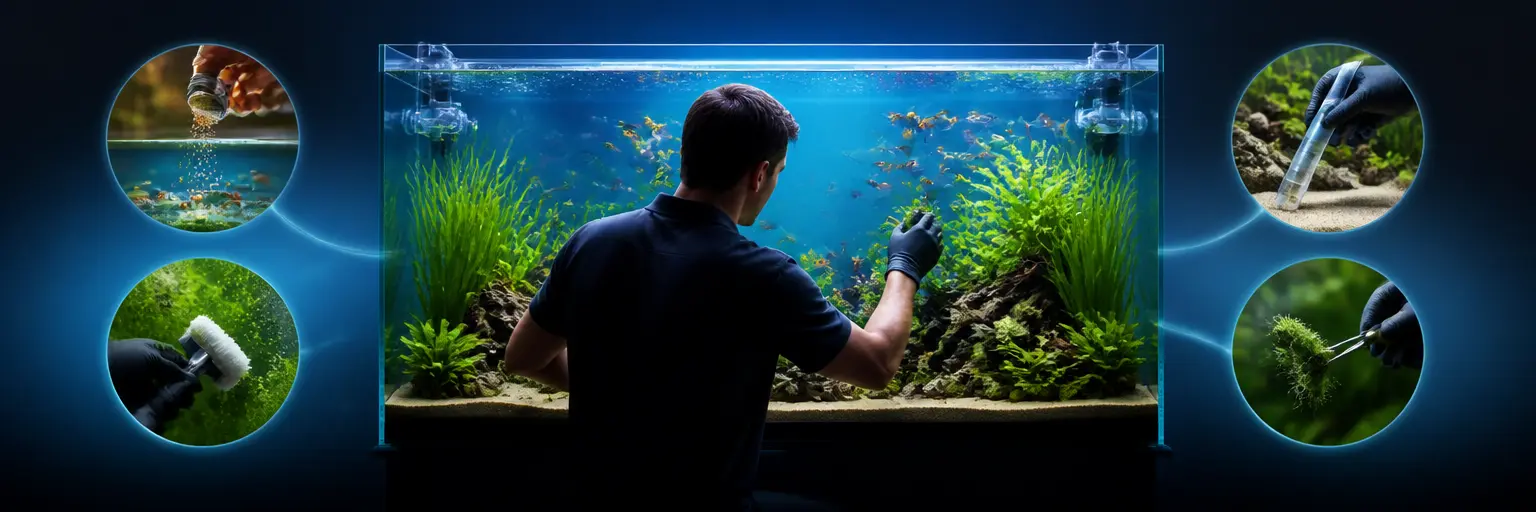
Discover how to create a simple daily, weekly, and monthly aquarium maintenance schedule that fits your tank size, livestock, filtration system, and aquarium type. Articles cover essential tasks such as observing fish behavior, checking equipment, testing water parameters, inspecting plants and corals, replacing filter media, and performing partial water changes.
Readers can expect practical checklists for freshwater and saltwater aquariums, including planted tanks and reef systems. Consistent maintenance helps stabilize temperature, pH, ammonia, nitrite, nitrate, salinity, and other important water chemistry parameters while reducing stress, disease, algae growth, and unexpected aquarium problems.
🍽️ Fish Feeding Tips and Nutrition
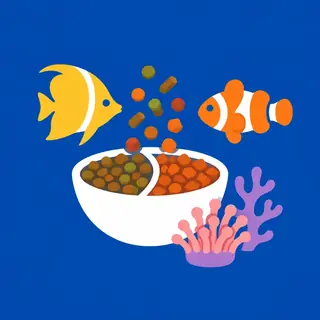
Learn how to feed aquarium fish correctly with guidance on portion sizes, feeding frequency, diet variety, and species-specific nutrition. Our resources explain how to choose flakes, pellets, frozen foods, live foods, algae wafers, coral foods, and specialized diets while avoiding the common mistake of overfeeding aquarium fish.
Proper feeding supports healthy growth, vibrant coloration, natural behavior, and strong immune function. You will also learn how to recognize uneaten food, manage feeding competition, use vacation feeders safely, and adjust feeding routines for community aquariums, nano tanks, breeding systems, herbivorous fish, carnivores, invertebrates, and reef inhabitants.
🧽 Aquarium Cleaning and Water Change Techniques
Explore safe and effective methods for cleaning aquarium glass, gravel, sand, decorations, filter components, tubing, and aquarium equipment. Detailed guidance helps you remove waste without destroying beneficial bacteria or disturbing fish, plants, corals, and invertebrates. You will also find advice for freshwater tank cleaning and saltwater aquarium maintenance.
Learn how to perform partial water changes, vacuum substrate, clean algae from aquarium glass, and maintain filters without causing sudden changes in water chemistry. The focus is on healthy cleaning practices that preserve biological filtration, improve water clarity, reduce nitrate buildup, and create a stable environment for aquatic life.
🌿 Algae Control for Freshwater and Saltwater Aquariums
Find practical strategies for identifying and controlling green spot algae, hair algae, thread algae, brown diatoms, blue-green algae, black beard algae, and other common aquarium algae. Articles explain how lighting duration, nutrient levels, water flow, maintenance habits, and excess fish food can contribute to algae growth.
Readers can expect balanced algae control solutions, including manual removal, improved aquarium cleaning, lighting adjustments, nutrient management, aquatic plants, algae-eating fish, shrimp, snails, refugiums, and carefully selected treatments. Rather than relying only on chemicals, Aquarium Mastery emphasizes long-term algae prevention through stable water parameters and responsible aquarium care.
🦠 Aquarium Pest Control and Prevention
Learn how to identify and manage unwanted aquarium pests such as planaria, hydra, pest snails, detritus worms, algae pests, copepods, and other organisms that may appear in freshwater or saltwater systems. Guides explain which creatures are harmless, beneficial, or potentially problematic so you can respond appropriately.
Discover preventative techniques including quarantining new fish and plants, inspecting decorations, cleaning equipment, controlling excess food, and maintaining good aquarium hygiene. When treatment is necessary, readers can compare mechanical removal, biological control, husbandry improvements, and species-safe products while protecting beneficial bacteria and sensitive livestock.
🪴 General Plant, Coral, and Aquatic Life Care
Routine aquarium maintenance is essential for healthy aquatic plants, corals, fish, and invertebrates. Learn how to remove damaged leaves, prune fast-growing aquarium plants, inspect coral tissue, manage detritus, maintain circulation, and identify early signs of nutrient deficiencies, stress, disease, or poor water quality.
These resources help aquarists balance lighting, carbon dioxide, fertilizers, trace elements, flow, feeding, and filtration. Whether you keep a low-tech planted aquarium, high-tech aquascape, soft coral reef, or mixed reef tank, you can find practical information for promoting steady growth and improving the overall appearance of your aquarium.
🧪 Water Testing and Aquarium Troubleshooting
Understand how routine testing can reveal hidden aquarium problems before fish or corals show severe symptoms. Learn about ammonia, nitrite, nitrate, pH, hardness, alkalinity, phosphate, salinity, calcium, magnesium, and temperature, along with recommended testing practices for different aquarium setups.
Our troubleshooting guidance covers cloudy aquarium water, foul odors, dying plants, sudden algae blooms, fish gasping, unexplained livestock deaths, unstable pH, high nitrate, and recurring pest outbreaks. By connecting symptoms with likely causes, readers can make informed changes instead of applying unsuitable treatments or making sudden adjustments.
❓ Frequently Asked Questions About Routine Aquarium Maintenance
How often should I clean my aquarium?
Most aquariums benefit from weekly observation and routine maintenance, including checking equipment, removing visible waste, cleaning algae, and testing important water parameters. A partial water change is commonly performed weekly or every two weeks, although the ideal schedule depends on stocking levels, filtration, feeding, plant growth, and nitrate accumulation.
How often should I feed aquarium fish?
Many adult aquarium fish do well when fed once or twice daily in small portions. Offer only what the fish can consume within a few minutes, then remove excess food if necessary. Feeding requirements vary by species, age, activity level, and diet, so always consider the natural feeding behavior of your livestock.
What is the best way to control algae in an aquarium?
The most effective approach is to correct the underlying causes of algae growth. Reduce excess nutrients, avoid overfeeding, control lighting duration and intensity, perform regular water changes, clean aquarium surfaces, maintain suitable flow, and keep healthy aquatic plants or corals. Algae-eating livestock may help, but they should not replace good aquarium husbandry.
Are pest snails and worms always harmful?
No. Many small snails, detritus worms, copepods, and amphipods are harmless or beneficial aquarium cleaners. They often become noticeable because of excess food, accumulated organic waste, or mature aquarium conditions. Control may be needed only when their population becomes excessive or they damage plants, compete with livestock, or affect the appearance of the aquarium.
How can I prevent aquarium maintenance problems?
Use a consistent maintenance routine, quarantine new fish and plants, avoid overstocking, feed responsibly, test water regularly, clean equipment safely, and make gradual adjustments. Keeping written records of water parameters, water changes, livestock additions, and treatments can help identify trends and prevent recurring issues in both freshwater and saltwater aquariums.