Aquarium Buffers Explained: Safely Adjusting KH & pH for Optimal Water
🌟 Discover how Safe KH pH buffers help aquarists effectively regulate water chemistry, ensuring a stable environment for your fish and plants.…
Read article
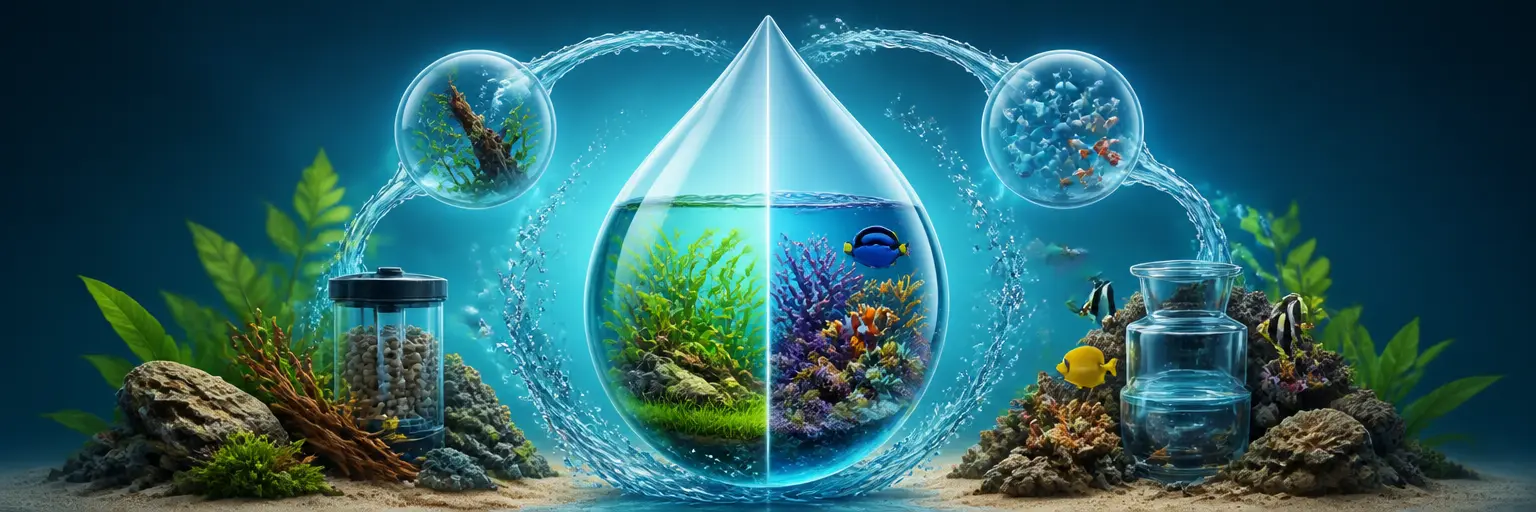
Master aquarium water parameters with confidence 🐠💧 Learn how to balance freshwater and saltwater chemistry, understand the nitrogen cycle, perform effective water changes, and manage treatment safely for healthier fish, plants, corals, and invertebrates. Explore practical, SEO-friendly aquarium water management guidance from Aquarium Mastery to prevent common issues, stabilize tank conditions, and create a thriving aquatic environment.
🌟 Discover how Safe KH pH buffers help aquarists effectively regulate water chemistry, ensuring a stable environment for your fish and plants.…
Read article
🌊 Master effective phosphate nitrate algae control to keep your freshwater and saltwater tanks pristine. This comprehensive guide from AquariumMastery.com empowers aquarists…
Read article
🌊 Discover essential tips for tap water aquarium safety, ensuring your fish thrive. Learn how to effectively treat and maintain optimal water…
Read article
🌊 Discover essential tips for New Tank Syndrome prevention to keep your aquarium healthy. Learn how proper setup, water chemistry, and maintenance…
Read article
🌊 Ensure your aquarium’s health with essential tap water aquarium testing. Discover key tests and treatments to maintain optimal water quality, ensuring…
Read article
🌿 Discover essential nitrate management strategies to maintain safe nitrate levels in your aquarium. Proper control ensures a healthy environment for aquatic…
Read article
🌊 Discover the essential differences in saltwater aquarium water chemistry versus freshwater, including key parameters like salinity, pH, and mineral content, to…
Read article
🌊 Unlock the secret to a thriving aquarium with our expert tips on fostering freshwater aquarium beneficial bacteria growth, ensuring a healthier,…
Read article
🌱 Discover how to transform your nitrogen cycle aquarium from toxic to tolerable with our detailed visualization guides. AquariumMastery.com offers expert tips…
Read article
🌊 Master the essentials of reef tank chemistry by balancing calcium, alkalinity, and magnesium to ensure a thriving, healthy coral environment. AquariumMastery.com…
Read article
🌟 Discover how to combat Old Tank Syndrome with effective old tank syndrome treatment techniques. Learn essential strategies to revive and maintain…
Read article
🌊 Discover the essential Saltwater Tank Top Off Guide to maintain stable salinity levels, crucial for your marine ecosystem's health. Proper top-offs…
Read articleWelcome to Mastering Water Parameters at Aquarium Mastery, your practical resource for freshwater and saltwater aquarium chemistry, water testing, the nitrogen cycle, water changes, and aquarium water management. Healthy aquarium water is the foundation of thriving fish, shrimp, corals, and aquatic plants. Explore clear, evidence-based guidance on pH, ammonia, nitrite, nitrate, hardness, alkalinity, salinity, temperature, and nutrient control so you can create a stable aquatic environment and prevent common aquarium problems before they become serious.
Learn how to measure and manage essential freshwater aquarium parameters, including pH, GH, KH, ammonia, nitrite, nitrate, temperature, and dissolved oxygen. Our guides explain suitable water conditions for community tanks, planted aquariums, shrimp tanks, cichlid aquariums, betta setups, and species-specific habitats.
Discover how tap water, bottled water, reverse osmosis water, aquarium conditioners, driftwood, substrate, rocks, and biological activity can affect chemistry. You will find practical advice for identifying unstable parameters and making gradual adjustments without causing unnecessary stress to aquarium livestock.
Saltwater aquariums require careful control of salinity, specific gravity, pH, alkalinity, calcium, magnesium, ammonia, nitrite, nitrate, and phosphate. This subcategory provides guidance for marine fish-only systems, fish-only-with-live-rock aquariums, soft coral tanks, mixed reefs, and advanced reef aquariums.
Understand how evaporation changes salinity, how salt mixes should be prepared, and why stable reef tank water parameters are essential for coral health. Learn about testing routines, supplementation, trace elements, nutrient export, and safe parameter corrections for long-term marine aquarium success.
The nitrogen cycle is one of the most important concepts in aquarium keeping. Learn how beneficial bacteria convert toxic ammonia into nitrite and then nitrate, how biological filtration works, and why a new aquarium must be properly cycled before adding fish or sensitive invertebrates.
Explore fishless cycling, cycling with livestock, bacterial supplements, ammonia sources, quarantine systems, and ways to recognize an incomplete or unstable cycle. Our nitrogen cycle guides help you interpret test results and respond safely to ammonia spikes, nitrite problems, new tank syndrome, and biological filter disruptions.
Discover how to plan effective freshwater and saltwater water changes based on aquarium size, stocking level, filtration, feeding habits, plant growth, and nitrate accumulation. Learn how to prepare replacement water, match temperature and chemistry, use a gravel vacuum, and avoid common water change mistakes.
Regular maintenance supports stable water quality and reduces waste, pollutants, algae growth, and disease risk. Find guidance on water change frequency, partial versus large water changes, marine water mixing, dechlorination, top-off water, and maintenance schedules designed for busy aquarists.
Learn how to choose and use liquid test kits, test strips, digital meters, refractometers, and other aquarium water testing equipment. Our troubleshooting resources explain what unusual readings may indicate and how to confirm test results before taking corrective action.
Find safe solutions for cloudy water, green water, algae blooms, high ammonia, elevated nitrate, low pH, unstable KH, low oxygen, chlorine exposure, and sudden fish deaths. Each guide emphasizes slow, measured corrections and responsible treatment rather than risky chemical changes.
Different aquatic organisms have different water chemistry requirements. Compare recommended ranges for tropical freshwater fish, coldwater species, livebearers, African cichlids, South American fish, freshwater shrimp, aquatic plants, marine fish, corals, and reef invertebrates.
Use these guides to match livestock with compatible water conditions instead of forcing unsuitable parameters. You will also learn why stability is often more important than chasing a perfect number, particularly in established aquariums with healthy biological filtration.
For most aquariums, regularly test ammonia, nitrite, nitrate, pH, temperature, and hardness. Freshwater aquariums may also require GH and KH testing, while saltwater and reef aquariums commonly require salinity, alkalinity, calcium, magnesium, and phosphate testing.
In a properly cycled aquarium, ammonia and nitrite should generally read 0 ppm. Any detectable level can harm fish and invertebrates, especially at higher pH and temperature. Test the water, reduce feeding, check filtration, and perform an appropriate partial water change when necessary.
Many aquariums benefit from a weekly water change of approximately 10–30%, although the ideal schedule depends on stocking, filtration, plants, feeding, and nitrate levels. Test results should guide your routine. Always prepare replacement water carefully and match its temperature and major chemistry parameters.
To lower nitrate, perform consistent partial water changes, remove organic waste, clean filtration media correctly, avoid overfeeding, maintain an appropriate livestock level, and consider live plants or nutrient export methods. In reef tanks, protein skimming, refugiums, and controlled feeding can also help manage nitrate.
Only adjust pH when there is a clear need and when the change can be maintained safely. Sudden pH changes may stress aquatic animals. First test KH, GH, source water, substrate, and decorations, then use gradual methods such as natural buffering materials or properly selected water treatment practices.