
Essential Powerhead Maintenance for SPS Tanks: Maintaining Peak Flow Performance

Welcome to Aquarium Mastery!
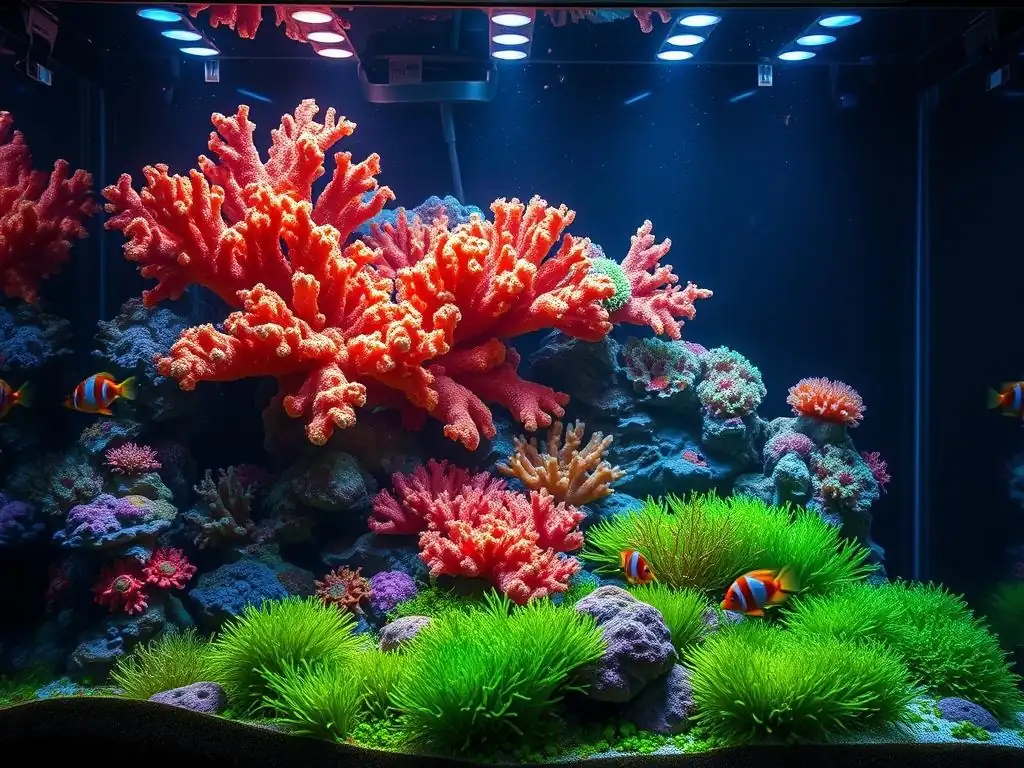
Ever wondered how to keep your delicate SPS corals thriving in a vibrant, healthy environment? Maintaining optimal water flow is key, and that's where powerheads come in. But are you really maximizing their potential? Dive into our expert guide on SPS tank powerhead maintenance tips and unlock the secrets to keeping your reef tank flourishing. Ready to take control and ensure peak flow performance? Let's get started!
- Understanding the Importance of Powerhead Maintenance for SPS Coral Tanks
-
SPS Tank Powerhead Maintenance: A Step-by-Step Guide
- Gathering the Necessary Tools for Powerhead Cleaning
- Step 1: Disconnecting and Removing the Powerhead from the SPS Tank
- Step 2: Disassembling the Powerhead for Thorough Cleaning
- Step 3: Cleaning the Powerhead Components
- Step 4: Reassembling the Powerhead
- Step 5: Testing and Reinstalling the Powerhead in the SPS Aquarium
- Troubleshooting Common Powerhead Issues in SPS Tanks
- Optimizing Powerhead Placement and Flow Patterns in SPS Aquariums
- Choosing the Right Powerhead for Your SPS Coral Tank
- Advanced Powerhead Maintenance Techniques for SPS Reefs
- The Benefits of Proper Powerhead Maintenance for SPS Corals
- Powerhead Maintenance Frequency: How Often Should You Clean?
- Long-Term Powerhead Care for Thriving SPS Colonies
- SPS Coral Health and Powerhead Maintenance: A Summary
-
Frequently Asked Questions
- What is the primary reason for performing regular powerhead maintenance in an SPS tank?
- How often should I be cleaning my powerheads in an SPS tank?
- What tools and materials are typically needed for powerhead maintenance?
- What are the signs that my powerheads require immediate maintenance?
- Can I use soap or detergents to clean my powerheads?
- Final Reflection: Sustaining the Heartbeat of Your Reef
- Unleash Your Reef's True Potential!
Understanding the Importance of Powerhead Maintenance for SPS Coral Tanks
Why Consistent Water Flow is Crucial for SPS Coral Health
Consistent and robust water flow is absolutely paramount for the health and vitality of Small Polyp Stony (SPS) corals. These corals, such as Acropora, Montipora, and Seriatopora, naturally inhabit high-energy reef environments where powerful currents deliver essential nutrients and efficiently remove metabolic waste products. Without adequate flow, SPS corals cannot effectively absorb dissolved organic matter, calcium, alkalinity, and other trace elements necessary for their rapid calcification and skeletal growth. Moreover, insufficient water movement leads to the accumulation of detritus on coral tissue, which can cause tissue necrosis, especially in delicate species.
Beyond nutrient delivery, strong and consistent flow prevents the formation of "dead spots" within the aquarium where oxygen levels might deplete and waste products settle. It also aids in gas exchange, ensuring that carbon dioxide is removed and oxygen is replenished around the coral polyps. For example, a typical SPS dominant reef tank often aims for a water turnover rate of 20 to 40 times the tank volume per hour to mimic natural reef conditions, highlighting the critical role of well-functioning powerheads in achieving this dynamic environment.
The Impact of Powerhead Performance on SPS Growth and Coloration
The performance of your powerheads directly dictates the growth rates and coloration of your SPS corals. Optimal flow ensures that every coral polyp is exposed to fresh, nutrient-rich water, facilitating efficient photosynthesis by the symbiotic zooxanthellae within the coral tissue. This, in turn, allows the corals to produce the necessary energy for calcification and vibrant pigmentation. Inadequate flow, on the other hand, can lead to stunted growth, pale coloration, or even tissue loss, particularly at the base of the coral where detritus may accumulate.
Conversely, excessively strong or direct laminar flow can also be detrimental, potentially causing tissue stripping or "burning" on one side of the coral. The goal is to create turbulent, random flow patterns that mimic the natural surge of a reef, ensuring that all sides of the coral receive intermittent exposure to flow without constant bombardment.
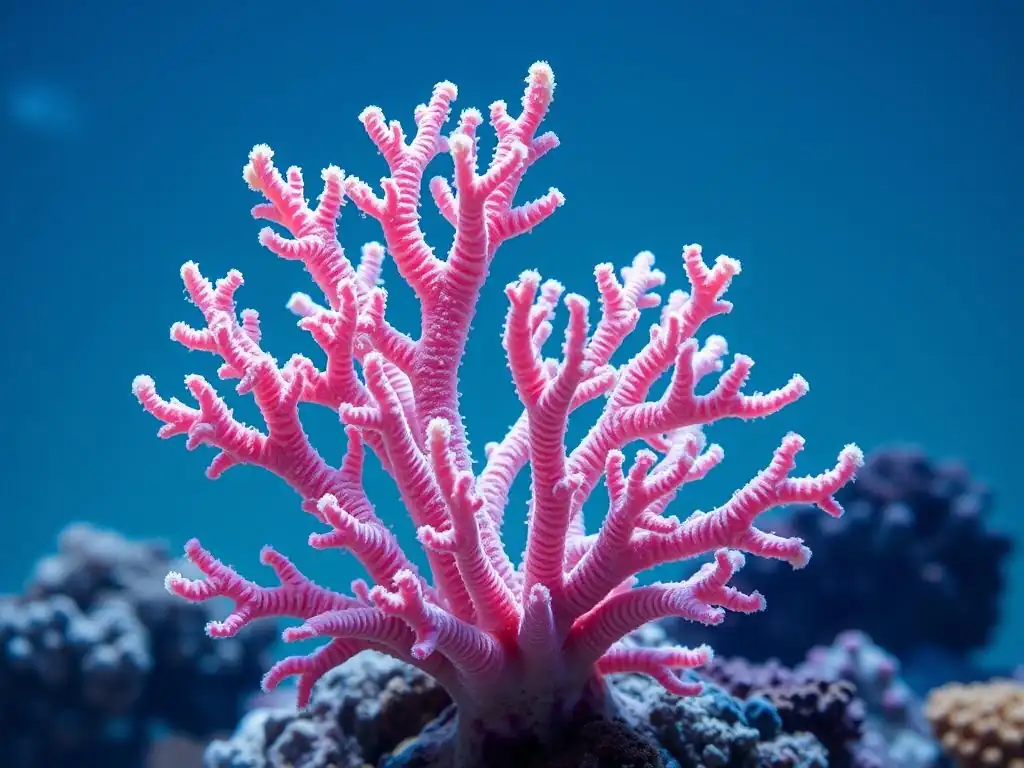
A well-maintained powerhead operating at peak efficiency ensures the precise, consistent water movement that SPS corals require, leading to robust skeletal growth, denser tissue, and the rich, deep colors that aquarists strive for, such as the vibrant blues of Acropora millepora or the deep purples of Montipora digitata.
SPS Tank Powerhead Maintenance: A Step-by-Step Guide
Gathering the Necessary Tools for Powerhead Cleaning
Before embarking on your SPS tank powerhead maintenance, it's crucial to gather all the necessary tools to ensure a smooth and efficient process. You will need a clean bucket or container dedicated to aquarium use, an old toothbrush or a small, soft-bristled brush, white distilled vinegar (often used at a 1:1 ratio with water for soaking), and several paper towels or a clean cloth. Having your powerhead's instruction manual or a diagram handy can also be beneficial, especially if it's your first time disassembling a particular model.
Safety should always be a priority. Ensure your hands are clean and dry before handling electrical components, and always unplug the powerhead from its power source before attempting to remove it from the tank. Preparing your workspace by laying down a towel or old newspaper can help contain any drips and protect your surfaces during the cleaning process.
Step 1: Disconnecting and Removing the Powerhead from the SPS Tank
The first physical step in SPS tank powerhead maintenance is carefully disconnecting and removing the unit from your aquarium. Begin by unplugging the powerhead from its electrical outlet to eliminate any risk of electric shock. Next, gently detach the powerhead from its mounting bracket or magnet inside the tank. It's important to move slowly and deliberately to avoid bumping or damaging delicate SPS corals, which can be brittle.
Once detached, carefully lift the powerhead out of the water. It’s advisable to place the removed powerhead immediately into a small bucket or container filled with aquarium water. This prevents the impeller and internal components from drying out, which can cause calcium and salt deposits to harden and become more difficult to remove. This immediate transfer also minimizes the amount of saltwater dripping onto your floor or cabinet.
Step 2: Disassembling the Powerhead for Thorough Cleaning
With the powerhead safely out of the tank and in your prepared workspace, the next critical step for effective SPS tank powerhead maintenance is its careful disassembly. Most powerheads are designed for easy breakdown, typically involving twisting off the outer cage or unlatching clips. Consult your powerhead's manual if you encounter any difficulty.
Removing the Impeller and Casing
Once the outer cage or cover is removed, you will gain access to the impeller and its housing. The impeller is usually held in place by a magnetic force or a small ceramic shaft. Gently pull or slide the impeller out, along with its shaft and any associated bushings or rubber grommets. Take note of how these small parts are assembled, as correct reassembly is vital for the powerhead's quiet and efficient operation.
Inspecting for Debris and Obstructions
With the impeller and casing separated, thoroughly inspect all components for any debris or obstructions. Common culprits include strands of algae, tiny snails or their shells, grains of sand, detritus, or even small pieces of live rock. Even a minuscule obstruction, such as a single hermit crab shell fragment, can significantly impede the impeller's rotation, leading to reduced flow, increased noise, or even complete powerhead stoppage. Pay close attention to the impeller blades, the shaft, and the internal housing where the impeller spins.
Step 3: Cleaning the Powerhead Components
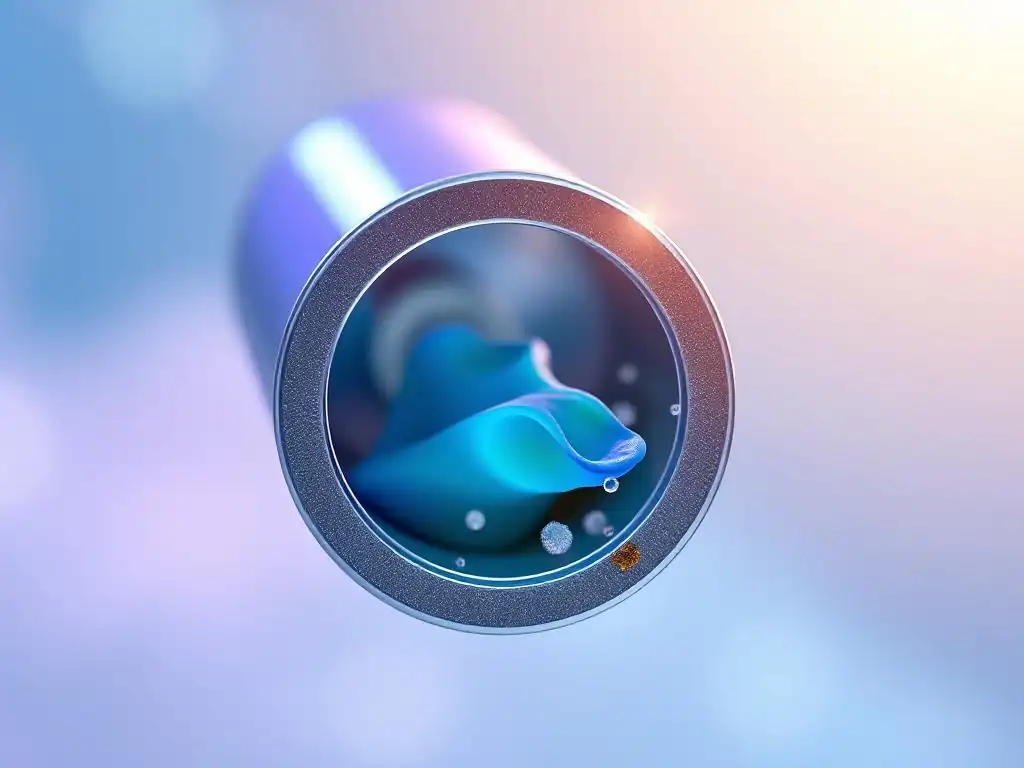
This is where the bulk of your SPS tank powerhead maintenance happens. Each component needs careful attention to remove buildup that can hinder performance.
Removing Algae and Biofilm Buildup
Using your old toothbrush or a small, soft-bristled brush, meticulously scrub all visible algae, biofilm, and detritus from the powerhead's casing, impeller blades, and shaft. Pay particular attention to crevices and tight spots where buildup tends to accumulate. For instance, the leading edges of impeller blades are prone to developing a thin film of algae, which, even if barely visible, can subtly reduce efficiency. A thorough manual scrub ensures that the majority of the organic material is removed before any further treatment.
Soaking in Vinegar Solution (if necessary)
For stubborn calcium deposits, coralline algae, or persistent biofilm that manual scrubbing alone cannot remove, a vinegar soak is highly effective. Prepare a solution of white distilled vinegar and water, typically at a 1:1 ratio, in a clean container. Submerge all the disassembled powerhead components (excluding any electrical parts that should never be submerged, like the motor body itself if it's not sealed) into the solution.
Allow them to soak for 30 minutes to several hours, or even overnight for severe buildup. The acetic acid in the vinegar will dissolve the mineral deposits, making them easy to brush away afterwards. For example, a powerhead with a thick layer of pink coralline algae might require a 2-3 hour soak to completely loosen the calcified growth.
Step 4: Reassembling the Powerhead
Once all components are sparkling clean and rinsed thoroughly with fresh water to remove any vinegar residue, it's time to reassemble your powerhead. This step in SPS tank powerhead maintenance is crucial for ensuring the unit operates correctly and quietly.
Ensuring Proper Alignment of Parts
Carefully reinsert the impeller shaft into its designated slot within the powerhead body, followed by the impeller itself. Ensure that the impeller is seated correctly and spins freely without any resistance. Many impellers are magnetic and will snap into place. Misalignment of the impeller or shaft can lead to excessive noise, vibrations, and reduced flow even after a thorough cleaning.
Double-check that all rubber bushings or grommets are correctly positioned, as these help to dampen vibrations and ensure smooth operation. Finally, reattach the outer casing or cage securely, ensuring all clips or twists are properly engaged. A correctly reassembled powerhead should feel solid and ready for reinstallation.
Step 5: Testing and Reinstalling the Powerhead in the SPS Aquarium
Before putting the powerhead back into your main SPS tank, it's a good practice to test it in a separate bucket of clean water. Plug it in and observe its operation. It should start smoothly, run quietly, and produce a strong, consistent flow. If you notice any unusual noises, vibrations, or weak flow, immediately unplug it and re-examine the components for any missed debris or misalignment. This pre-test can save you the hassle of repeated removal from your display tank.
Once satisfied with its performance, carefully reinstall the powerhead in your SPS aquarium. Ensure it is securely mounted and positioned at the desired angle to optimize water circulation and minimize dead spots. Re-plug the powerhead into its power source, and observe the immediate impact on your corals and the overall water movement. A well-maintained powerhead will immediately provide the robust flow essential for your SPS colonies to thrive.
Troubleshooting Common Powerhead Issues in SPS Tanks
Identifying Reduced Flow Rates
Reduced flow rates are a common indicator that your powerhead requires attention, and recognizing the signs early is key for effective SPS tank powerhead maintenance. In an SPS tank, signs of diminished flow include detritus settling on coral branches or rockwork, corals not extending their polyps as fully, or a noticeable decrease in the overall water movement within the aquarium. For instance, if you observe a fine layer of brown detritus accumulating on the lower branches of an Acropora colony, it's a strong signal that the flow in that area is insufficient.
A consistent 15-20% drop in expected flow from a powerhead can lead to long-term stress for SPS corals, impacting their growth and coloration. Your first course of action should always be to unplug and inspect the powerhead for visible blockages or excessive buildup.
Addressing Noisy Powerheads
A noisy powerhead is not only irritating to the aquarist but often signals an underlying issue that needs addressing during SPS tank powerhead maintenance. Common causes of increased noise include a misaligned impeller, debris lodged within the impeller housing, or worn-out components such as the impeller shaft or bushings. A powerhead that previously ran silently but now emits a rattling, grinding, or humming sound indicates a problem.
For example, a tiny grain of sand or a snail shell fragment can cause a distinct grinding noise as the impeller rotates. To troubleshoot, begin by unplugging the unit and thoroughly disassembling and cleaning it, paying extra attention to the impeller and its shaft. If the noise persists after a meticulous cleaning and proper reassembly, consider replacing the impeller or shaft, as these are often the first parts to show wear.
Dealing with Powerhead Stoppages
A powerhead stoppage can be particularly alarming in an SPS tank, as a sudden loss of flow can quickly stress corals. The primary causes of a complete stoppage are usually a severe blockage, a motor failure, or an interruption in power. If your powerhead stops, first check its power connection and the circuit breaker. If power is confirmed, immediately unplug the unit and remove it from the tank.
Disassemble the powerhead completely and inspect every component for any foreign objects that could be jamming the impeller. Small snails, large pieces of detritus, or even a piece of macroalgae can completely seize an impeller. If, after a thorough cleaning, the powerhead still fails to start or operates erratically, it might indicate a motor failure, in which case replacement is often the only viable option.
Optimizing Powerhead Placement and Flow Patterns in SPS Aquariums
Creating Random Flow for Enhanced SPS Health
Creating random, turbulent flow patterns is paramount for the health of SPS corals, mimicking the dynamic water movement found on natural reef crests. Unlike laminar (one-directional) flow, which can "burn" or irritate coral tissue on one side while leaving the other starved, random flow ensures that all sides of an SPS colony receive intermittent exposure to nutrient-rich water. This promotes symmetrical growth and helps to strengthen the coral tissue, making it more resilient.
Achieving random flow often involves using multiple powerheads with varying flow patterns, or specialized wavemakers that oscillate or pulse. For example, two powerheads placed on opposite sides of a 100-gallon SPS tank, programmed to alternate their flow every few minutes, can create a highly beneficial, chaotic flow pattern that benefits all corals.
Avoiding Dead Spots in Your SPS Tank
Dead spots – areas within the aquarium where water movement is minimal – are detrimental to SPS coral health and overall tank cleanliness. These low-flow zones allow detritus, uneaten food, and other organic waste to settle and accumulate, leading to localized nutrient spikes, reduced oxygen levels, and the proliferation of nuisance algae. Over time, this detritus buildup can smother and kill coral tissue, especially at the bases of colonies.
During your SPS tank powerhead maintenance and placement, strategically position powerheads to ensure comprehensive coverage throughout the entire tank, including behind large rock formations, under overhangs, and around the bases of large SPS colonies. Regularly observing where detritus settles after feeding can help identify and eliminate these problematic dead spots.
Adjusting Powerhead Angles for Optimal Circulation
The angle at which your powerheads are directed plays a significant role in optimizing water circulation for SPS corals. Rather than aiming powerheads directly at corals, which can cause tissue damage or constant stress, it's often more beneficial to direct the flow towards the back glass, side walls, or even towards other powerheads. This creates indirect, turbulent flow patterns that bounce off surfaces, generating the desirable chaotic movement.
Experiment with subtle adjustments to the powerhead's angle and position. For instance, aiming a powerhead slightly upwards towards the water surface can create surface agitation for gas exchange, while directing it towards the middle of a rock structure can help dislodge detritus and circulate water through the aquascape. Even a 10-degree change in angle can dramatically alter the flow dynamics in a 60-gallon SPS tank, improving overall water distribution.
Choosing the Right Powerhead for Your SPS Coral Tank
Factors to Consider When Selecting a Powerhead
Selecting the appropriate powerhead is a critical decision for any SPS coral tank, directly impacting the long-term success of your reef. Several key factors must be considered. Firstly, the tank size (in gallons or liters) and the desired total flow rate are paramount; SPS tanks typically require high turnover, often aiming for 20-40 times the tank volume per hour. Secondly, consider the coral density and type of SPS you plan to keep; delicate species might require less direct, but still turbulent, flow.
Thirdly, noise level and energy consumption are practical considerations for the aquarist. Lastly, look at features such as controller compatibility, wave-making capabilities, and the ease of SPS tank powerhead maintenance. For example, a 150-gallon SPS tank might require a total of 3000-6000 GPH of flow, which could be achieved with two or three high-quality powerheads.
Recommended Powerhead Brands for SPS Aquariums
When it comes to powerheads for SPS aquariums, several brands have consistently proven their reliability and performance, becoming staples in the advanced reefing community. Ecotech Marine's Vortech series, particularly the MP10, MP40, and MP60 models, are highly regarded for their external motor design, which minimizes heat transfer to the water and simplifies SPS tank powerhead maintenance, as the wet-side is easily accessible. Maxspect Gyre pumps, such as the XF230 or XF350, are favored for their unique cross-flow technology that creates broad, sweeping sheets of flow, effectively eliminating dead spots in larger tanks.
Tunze Stream pumps, like the 6040 or 6055, are known for their robust build quality, quiet operation, and wide flow patterns, making them excellent choices for deep tanks. While these brands represent a higher initial investment, their durability, advanced features, and proven performance translate into long-term benefits for a thriving SPS reef.
Advanced Powerhead Maintenance Techniques for SPS Reefs
Using Wave Makers to Simulate Natural Reef Conditions
Beyond basic flow, advanced SPS tank powerhead maintenance techniques often involve integrating wave makers to simulate the dynamic, oscillating currents of natural reef environments. Wave makers are specialized powerheads or controllers that create alternating flow patterns, mimicking the ebb and flow of ocean tides and surges.
This continuous change in water direction and intensity is incredibly beneficial for SPS corals, as it helps to strengthen their skeletal structure, promotes more symmetrical growth, and ensures that detritus is constantly dislodged from their delicate polyps. For instance, a wavemaker might alternate flow from one side of the tank to the other every 30-60 seconds, creating a subtle yet effective "swash" motion that mimics the natural movement of water across a reef flat.
Programming Powerheads for Dynamic Flow Patterns
Modern powerheads often come equipped with sophisticated controllers that allow for programming dynamic flow patterns throughout the day and night. This capability is a cornerstone of advanced SPS tank powerhead maintenance, as it enables aquarists to fine-tune the environment to precisely match the needs of their corals. For example, you can program higher flow rates during the day when corals are actively photosynthesizing and feeding, and then reduce the flow during nighttime hours when metabolic activity is generally lower.
Many controllers offer pre-set modes, such as "Reef Crest" or "Lagoon Random," which automatically vary flow intensity and direction. Some advanced setups even integrate with aquarium controllers to synchronize flow patterns with lighting cycles or feeding events, providing an unparalleled level of environmental control.
Implementing a Regular Maintenance Schedule for Long-Term Performance
For the long-term health of an SPS reef, implementing a rigorous and regular powerhead maintenance schedule is not merely a suggestion but a necessity. This goes beyond just cleaning when flow visibly decreases. A proactive approach involves scheduling specific times for powerhead inspection and cleaning, much like other routine tank maintenance tasks.
For instance, many experienced SPS aquarists perform a quick inspection of their powerheads during their weekly water change, checking for visible algae buildup or unusual noise. A more thorough disassembly and cleaning is often scheduled bi-weekly or monthly, depending on the tank's bioload and nutrient levels. This consistent approach to SPS tank powerhead maintenance prevents minor issues from escalating into major problems, ensuring that your flow devices operate at peak efficiency and contribute to a stable, thriving SPS environment for years.
The Benefits of Proper Powerhead Maintenance for SPS Corals
Increased Growth Rates and Vibrant Coloration
The most rewarding benefits of diligent SPS tank powerhead maintenance are undoubtedly the increased growth rates and vibrant coloration of your corals. Consistent, optimal water flow ensures that SPS corals receive a constant supply of calcium, alkalinity, and other essential trace elements necessary for calcification, leading to robust skeletal growth.
Furthermore, efficient nutrient delivery and waste removal support the health of the symbiotic zooxanthellae within the coral tissue, which are responsible for the corals' stunning colors. A well-maintained powerhead operating at full capacity ensures that corals are not starved of resources or stressed by detritus accumulation, allowing them to exhibit their full genetic potential for rapid growth, often seeing Acropora tips grow 0.5 to 1 inch per month under ideal conditions, and display their most intense blues, purples, and greens.
Reduced Algae Growth and Improved Water Quality
Proper powerhead maintenance plays a crucial role in reducing nuisance algae growth and significantly improving overall water quality in an SPS tank. By ensuring robust and turbulent flow throughout the aquarium, powerheads prevent detritus and uneaten food from settling on rockwork, sand, or coral bases. This detritus is a primary fuel source for undesirable algae, such as hair algae or cyanobacteria.
When powerheads are clean and operating efficiently, these organic wastes are kept in suspension, allowing them to be more effectively removed by mechanical filtration (e.g., filter socks or roller mats) and protein skimming. This reduction in available nutrients directly translates to less algae growth, clearer water, and a healthier environment for your delicate SPS colonies, demonstrating the indirect yet powerful impact of consistent SPS tank powerhead maintenance tips.
Extended Lifespan of Your Powerheads and SPS Corals
Investing time in proper SPS tank powerhead maintenance not only benefits your corals but also extends the lifespan of your valuable equipment. Regular cleaning prevents calcium buildup, algae, and other debris from accumulating on impellers and shafts, which are common causes of premature wear, increased noise, and eventual motor failure. A powerhead that is consistently clean and running smoothly experiences less friction and stress on its internal components, potentially lasting for five years or more rather than just two or three.
Simultaneously, healthy, unstressed SPS corals, thriving in an environment with consistent and adequate flow, are far more resilient to diseases, pests, and environmental fluctuations. This proactive approach ensures both your investment in equipment and your living coral colonies enjoy a longer, healthier existence.
Powerhead Maintenance Frequency: How Often Should You Clean?
Determining the Ideal Cleaning Schedule Based on Tank Conditions
The ideal frequency for SPS tank powerhead maintenance is not a one-size-fits-all answer; it largely depends on the specific conditions of your aquarium. Factors such as bioload (how many fish and corals), feeding habits (heavy or light), the presence of nuisance algae, and the stability of your water parameters (especially calcium and alkalinity, which can contribute to mineral buildup) all play a role. For a moderately stocked SPS tank with stable parameters, a thorough cleaning of powerheads every 4 to 6 weeks is often sufficient.
However, in heavily fed tanks, those with higher bioloads, or systems experiencing issues with nuisance algae, bi-weekly or even weekly quick cleans might be necessary. Observing your powerheads for visible algae buildup, reduced flow, or increased noise will be your best indicator for when a cleaning is due.
Recognizing the Signs That Your Powerhead Needs Maintenance
Being able to recognize the tell-tale signs that your powerhead needs maintenance is crucial for proactive SPS tank powerhead maintenance. The most obvious indicator is a visible reduction in water flow emanating from the unit. You might also notice an increase in audible noise, such as a humming, rattling, or grinding sound, indicating an imbalance or obstruction in the impeller.
Visible algae or mineral buildup on the powerhead's external casing or internal components is another clear sign. Furthermore, if you observe detritus settling in areas that previously had good flow, or if your SPS corals appear less extended or vibrant despite stable water parameters, it could point to diminished powerhead performance. For example, if a Tunze 6055, typically known for its quiet operation, starts humming noticeably louder, it's a strong signal for immediate inspection.
Long-Term Powerhead Care for Thriving SPS Colonies
Preventing Calcium Buildup and Other Deposits
Long-term SPS tank powerhead care focuses heavily on preventing the accumulation of calcium buildup, coralline algae, and other mineral deposits that can severely impede performance. While regular cleaning is the primary defense, maintaining stable water parameters, particularly calcium (aim for 400-450 ppm) and alkalinity (aim for 7-9 dKH), can also reduce precipitation on equipment.
Using high-quality RO/DI water for all top-offs and saltwater mixing is also crucial, as impurities in tap water can contribute to mineral scaling. Consider incorporating a small, dedicated pump or a low-flow area in your sump to "tumble" spare powerhead parts in a weak vinegar solution periodically, ensuring they remain free of micro-deposits even when not in use, a key aspect of advanced SPS tank powerhead maintenance tips.
Inspecting for Wear and Tear on Powerhead Components
A vital aspect of long-term SPS tank powerhead maintenance is routinely inspecting the individual components for signs of wear and tear. The impeller, its ceramic or metal shaft, and any associated rubber bushings or grommets are the most susceptible parts. During each cleaning session, carefully examine these components for cracks, chips, excessive scoring, or any deformation.
A worn impeller blade, for instance, might not be immediately visible but can significantly reduce flow efficiency over time. The shaft, if scratched or pitted, can cause increased friction and noise. Proactive inspection allows you to identify and address these issues before they lead to complete powerhead failure or significant underperformance, which could stress your SPS corals.
Replacing Powerhead Parts When Necessary
Despite the best SPS tank powerhead maintenance practices, certain components will eventually wear out and require replacement. Having spare parts on hand, particularly impellers and shafts, is a smart strategy for any serious SPS aquarist. Replacing these small, relatively inexpensive parts proactively can extend the life of your powerhead by several years and prevent the need to purchase an entirely new unit.
For example, a new impeller for an Ecotech MP40 might cost around $30-40, while a complete new pump can be upwards of $400. If an inspection reveals significant wear or damage to a component, replacing it promptly will restore the powerhead to its peak operating efficiency, ensuring continuous, optimal flow for your thriving SPS colonies.
SPS Coral Health and Powerhead Maintenance: A Summary
Key Takeaways for Maintaining Optimal Flow in Your SPS Tank
Maintaining optimal water flow is arguably one of the most critical factors for the long-term success and vibrancy of an SPS coral tank. The key takeaways for achieving this involve a multi-faceted approach centered around diligent SPS tank powerhead maintenance. Firstly, understand that consistent, turbulent, and random flow is non-negotiable for SPS corals, facilitating nutrient delivery, waste removal, and overall health.
Secondly, implement a rigorous and regular cleaning schedule for all powerheads, ensuring they operate at peak efficiency and preventing the detrimental buildup of algae and calcium. Thirdly, optimize powerhead placement and angles to eliminate dead spots and create dynamic flow patterns that mimic natural reef conditions. Finally, invest in high-quality powerheads and be proactive in replacing worn components, treating your flow equipment as essential life support for your delicate SPS colonies.
Resources for Further Learning About SPS Coral Care
For those passionate about mastering SPS coral care and refining their SPS tank powerhead maintenance techniques, a wealth of knowledge is available. Continuously exploring reputable online forums, dedicated reef keeping websites, and advanced aquarium literature can provide deeper insights into the intricate needs of these captivating corals. Look for detailed guides on water chemistry, advanced lighting strategies, and specific species profiles to complement your understanding of optimal flow.
Engaging with experienced aquarists through local clubs or online communities can also offer invaluable practical tips and troubleshooting advice tailored to real-world scenarios. The journey of SPS reef keeping is one of continuous learning and refinement, where every aspect, including meticulous powerhead care, contributes to a thriving underwater ecosystem.
Frequently Asked Questions
What is the primary reason for performing regular powerhead maintenance in an SPS tank?
The primary reason is to ensure consistent water flow, which is crucial for the health and survival of SPS corals. Reduced flow can lead to nutrient buildup and coral bleaching.
How often should I be cleaning my powerheads in an SPS tank?
Cleaning frequency depends on your tank's bioload, but generally, aim for every 1-3 months. More frequent cleaning is necessary if you notice decreased flow or algae buildup.
What tools and materials are typically needed for powerhead maintenance?
You'll typically need a soft brush or sponge, a bucket of aquarium water (never tap water), and possibly vinegar or citric acid for removing stubborn calcium deposits.
What are the signs that my powerheads require immediate maintenance?
Signs include reduced water flow, unusual noises (grinding or rattling), and visible algae or detritus accumulation on the powerhead components.
Can I use soap or detergents to clean my powerheads?
Absolutely not! Never use soap or detergents as they can be toxic to your corals and other aquarium inhabitants. Always use aquarium water for cleaning.
Final Reflection: Sustaining the Heartbeat of Your Reef
The intricacies of maintaining an SPS reef tank, as we've explored, are demanding, but the rewards are undeniable. The consistent and proper maintenance of powerheads, as detailed in this guide, is not merely a chore, but a vital investment in the health and vibrancy of your coral. Ignoring these essential steps can lead to devastating consequences, highlighting the crucial role these often-overlooked devices play in the delicate ecosystem we strive to create.
The impact of diligent powerhead maintenance extends far beyond the immediate health of your SPS corals. It's about fostering a sustainable and thriving environment, mirroring the beauty and complexity of the natural reef. This commitment to detail reflects a deeper appreciation for the delicate balance of marine life. In the end, we will conserve only what we love; we will love only what we understand; and we will understand only what we are taught.
- Baba Dioum. This quote underscores the importance of understanding and caring for the intricate systems within our tanks.
As you consider the information presented, I encourage you to reflect on your own practices and the impact they have on your reef. Are you truly maximizing the flow and health of your SPS corals? The beauty and longevity of your reef are directly tied to the dedication you invest in its care. Take the knowledge you've gained here and apply it diligently, ensuring that the heartbeat of your reef – its powerheads – continues to pulse strong, supporting a vibrant and thriving underwater world.
Unleash Your Reef's True Potential!
Thanks for diving into the world of powerhead maintenance and understanding how crucial it is for a thriving SPS reef. Now that you're equipped with the knowledge, let's put it into action!
- Schedule your next powerhead cleaning right now! Don't delay, a clean powerhead is a happy powerhead (and happy coral!). Set a reminder in your phone or calendar.
- Explore different powerhead placement strategies in your tank. Experiment with flow patterns to optimize coral health.
- Share this article with fellow reef keepers! Help them achieve their reefing dreams with consistent powerhead maintenance.
What innovative cleaning method are you most excited to try in your own reef tank?