
Euphyllia vs. Favia vs. Acans: Choosing the Right LPS for Your Tank

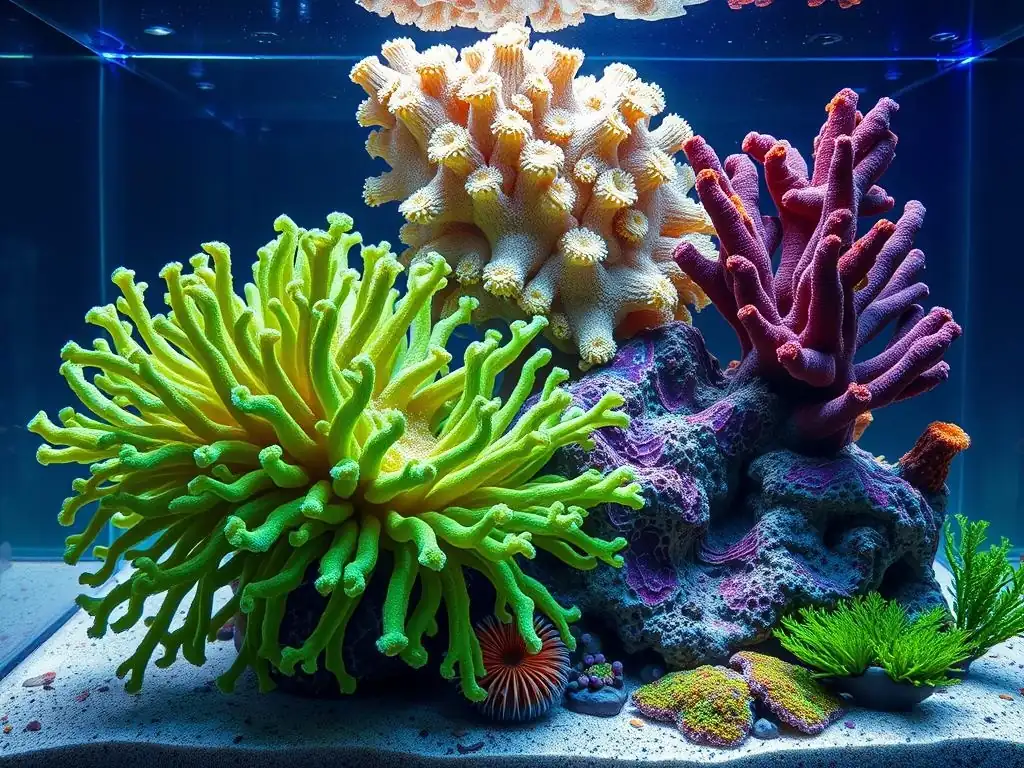
Welcome to Aquarium Mastery, where your underwater dreams become reality!
Ready to add some vibrant life to your reef tank? Euphyllia, Favia, and Acans – these Large Polyp Stony (LPS) corals are stunning additions, but choosing the right one can be tricky. Dive into our latest article, "Euphyllia vs. Favia vs. Acans: Choosing the Right LPS for Your Tank," and unlock the secrets to successful LPS corals tank selection. Which will thrive in your specific environment? Let's find out!
- Torch vs. Favites vs. Acan Lords: Choosing the Right LPS for Your Tank
- Understanding LPS Corals for Your Reef Aquarium
- Torch Corals: Characteristics and Care
- Favites Corals: Characteristics and Care
- Acan Lord Corals: Characteristics and Care
- Torch vs. Favites vs. Acan Lords: A Detailed Comparison
- Choosing the Right LPS Coral for Your Aquarium: Factors to Consider
- Maintaining a Healthy LPS Coral Tank: Best Practices
- Troubleshooting LPS Coral Issues: A Practical Guide
- Conclusion: Building a Thriving LPS Coral Reef Tank
-
Frequently Asked Questions
- What are LPS corals and why are they popular in reef tanks?
- What are the key differences between Euphyllia, Favia, and Acanthastrea ( Acans) corals?
- Which of these LPS corals is generally considered the easiest to care for?
- What specific water parameters are crucial for keeping Euphyllia, Favia, and Acans healthy?
- What kind of lighting and flow conditions do Euphyllia, Favia, and Acans thrive in?
- Final Reflection: Navigating the Vibrant World of LPS Corals
- Unleash the Beauty: Transform Your Reef Tank Today!
Torch vs. Favites vs. Acan Lords: Choosing the Right LPS for Your Tank
Understanding LPS Corals for Your Reef Aquarium
What are LPS Corals? A Beginner's Guide
LPS corals, or Large Polyp Stony corals, represent a diverse and captivating group of reef inhabitants highly sought after by aquarists for their vibrant colors and dynamic polyp movement. Unlike their Small Polyp Stony (SPS) counterparts, LPS corals typically possess larger, fleshy polyps that extend significantly from their calcified skeletons. These polyps house symbiotic algae called zooxanthellae, which perform photosynthesis and provide the coral with a significant portion of its nutritional needs. However, many LPS species also readily capture food particles from the water column, making them fascinating to observe during feeding times.
Their robust calcified skeletons contribute to the reef's structure, and their relatively less demanding care requirements compared to SPS corals make them an excellent choice for intermediate aquarists looking to expand their reef-keeping skills. Popular examples include the elegant Torch corals ( Euphyllia glabrescens), the intricate Favites corals ( Favites spp.), and the mesmerizing Acan Lord corals ( Micromussa lordhowensis). Understanding the unique characteristics of each species is paramount for successful LPS corals tank selection and long-term health.
Key Considerations for LPS Coral Tank Selection
When embarking on LPS corals tank selection, several critical factors must be meticulously evaluated to ensure the well-being of these fascinating organisms. Foremost among these is the maturity and stability of your aquarium. A newly established tank, typically less than six months old, often experiences significant fluctuations in water chemistry, which can be detrimental to sensitive LPS corals. A stable tank environment, characterized by consistent temperature, salinity, alkalinity, calcium, and magnesium levels, is foundational for their health and growth.
Beyond water parameters, specific lighting and water flow requirements vary considerably among different LPS species. While many LPS corals thrive under moderate lighting (e.g., PAR levels between 75-200), some, like Acan Lords, prefer lower light intensities, whereas others, such as some Torch corals, can tolerate slightly higher PAR if properly acclimated. Similarly, water flow must be adequate to deliver nutrients and remove waste but gentle enough to avoid damaging their delicate polyps. Careful research into the individual needs of each potential coral is crucial for making informed decisions regarding your LPS corals tank selection.
Torch Corals: Characteristics and Care
Exploring the Diversity of Torch Coral Colors and Branching
Torch corals, scientifically known as Euphyllia glabrescens, are among the most iconic and beloved LPS corals in the reef aquarium hobby, instantly recognizable by their long, flowing polyps that resemble flickering torch flames. Each polyp typically ends in a single, often contrasting colored tip.
The diversity within Torch corals is astounding, with a spectrum of colors ranging from vibrant greens and electric yellows to deep blues, purples, and even rare black variants. Bi-color morphs, such as the "Dragon Soul Torch" with its green tentacles and bright yellow tips, or the "Holy Grail Torch" exhibiting multiple iridescent hues, are particularly prized by collectors.
Beyond color, Torch corals also exhibit various branching patterns. Some grow in a more traditional branching form, creating a bush-like structure with multiple heads extending from a central base. Others, known as "wall" or "plate" Torches, grow as a single, large colony that expands outwards. These structural differences, combined with their striking coloration, allow aquarists to create visually dynamic displays. The visual appeal and gentle sway of their polyps make them a focal point in any reef tank, influencing many hobbyists' LPS corals tank selection.
Torch Coral Care Requirements: Lighting, Flow, and Water Parameters
Torch corals generally thrive under moderate lighting conditions, typically requiring PAR levels between 75 and 150. While they can adapt to slightly higher or lower intensities, sudden changes or excessively high PAR can lead to bleaching, where the coral expels its symbiotic zooxanthellae, resulting in a loss of color and vitality. Gradual acclimation to new lighting is essential. Water flow for Torch corals should be moderate and indirect, ideally turbulent rather than laminar. Strong, direct flow can cause their delicate polyps to retract excessively or even tear, while insufficient flow can lead to detritus accumulation and tissue recession.
Maintaining stable water parameters is paramount for Torch coral health. An ideal temperature range is 76-78°F (24.4-25.6°C), with salinity at 1.025-1.026 specific gravity. Alkalinity should be kept between 8-10 dKH, calcium between 400-450 ppm, and magnesium between 1300-1400 ppm.
While they obtain much nutrition from light, Torch corals greatly benefit from target feeding small meaty foods such as mysis shrimp, brine shrimp, or specialized coral pellets once or twice a week. Their large polyps are efficient at capturing food, contributing to faster growth rates and enhanced coloration, making them a rewarding choice for LPS corals tank selection when these conditions are met.
Common Torch Coral Problems and Solutions
Despite their popularity, Torch corals can encounter specific issues that aquarists must be prepared to address. One of the most severe threats is Brown Jelly Disease, a rapid tissue necrosis caused by a bacterial infection. This condition manifests as a brown, slimy coating on the coral, often leading to swift death if not treated immediately. Solutions involve carefully removing the affected coral from the display tank, gently siphoning off the brown jelly, and performing a coral dip with an iodine-based solution or broad-spectrum antibiotic. Improving overall water quality and flow can help prevent recurrence.
Another common problem is bleaching, often a result of excessive light intensity or sudden changes in water parameters like temperature spikes. If a Torch coral begins to bleach, it should be moved to a shadier area of the tank, and lighting intensity should be gradually reduced. Tissue recession, characterized by the coral polyps pulling away from the skeleton, can indicate poor water quality, inadequate feeding, or the presence of pests.
Regular water testing, consistent target feeding, and careful observation for pests are crucial for successful LPS corals tank selection and long-term care of these magnificent corals. Furthermore, Torch corals possess long, aggressive sweeper tentacles that can sting and damage neighboring corals, necessitating ample spacing—typically at least 6 inches—from other species in the aquarium.
Favites Corals: Characteristics and Care
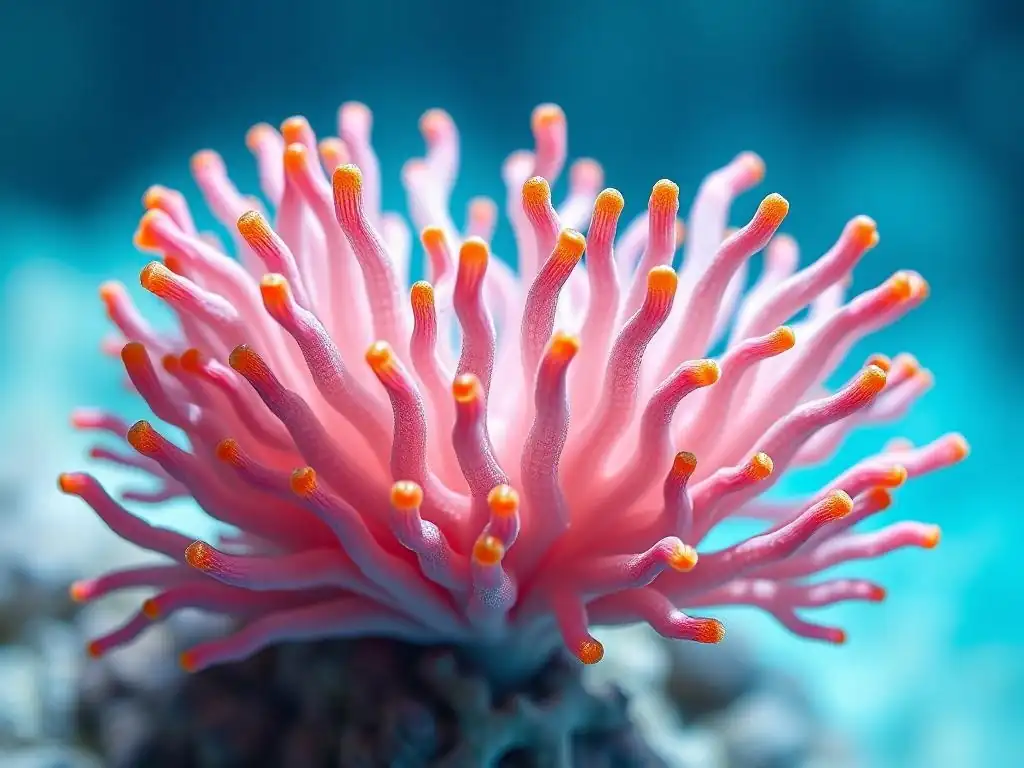
Understanding Favites Growth Patterns and Colors
Favites corals, often referred to as Pineapple corals or Brain corals, are a captivating genus within the LPS family, distinguished by their unique growth patterns and intricate corallite structures. These corals typically grow in encrusting or massive forms, often creating impressive dome-shaped or plate-like colonies that spread across the rockwork. Their defining characteristic is their polygonal corallites, which share walls, giving the colony a distinctive honeycomb or brain-like appearance. Unlike Torch corals with their individual polyps, Favites present a more unified, textured surface.
The color palette of Favites corals is remarkably diverse and vibrant, making them a popular choice for LPS corals tank selection. Common morphs display brilliant greens, deep reds, electric blues, and rich purples, often with contrasting "eyes" or mouths that add to their visual appeal. Famous examples include the "War Coral" ( Favites pentagona), known for its striking red and green patterns, and the "Kryptonite Favites," which boasts an intense, almost glowing green coloration. Their robust structure and wide array of colors contribute significantly to the aesthetic diversity of a reef aquarium.
Favites Care Requirements: Lighting, Flow, and Water Parameters
Favites corals are generally considered more robust and forgiving than some other LPS species, making them an excellent choice for intermediate aquarists. They thrive under moderate lighting conditions, with ideal PAR levels ranging from 100 to 200. While they can tolerate a slightly wider range of light intensity compared to Torch corals, rapid changes should still be avoided to prevent stress. Water flow should be moderate and turbulent, ensuring that detritus does not settle on the coral's surface, which can lead to tissue irritation and potential infection. Adequate flow also aids in nutrient delivery and gas exchange.
Maintaining stable water parameters is crucial for Favites' long-term health and vibrant coloration. The recommended temperature range is 76-78°F (24.4-25.6°C), with salinity at 1.025-1.026 specific gravity. Alkalinity should be maintained between 8-10 dKH, calcium between 400-450 ppm, and magnesium between 1300-1400 ppm. While Favites primarily derive nutrition from photosynthesis, they will readily accept small meaty foods like mysis shrimp or specialized coral foods, especially when target fed once a week or bi-weekly. This supplementary feeding can enhance growth and color, contributing to a successful LPS corals tank selection.
Common Favites Problems and Solutions
While generally hardy, Favites corals can still face specific challenges in a reef aquarium. Tissue recession is a common issue, often manifesting as patches where the coral tissue pulls away from the skeleton, exposing the white base. This can be caused by poor water quality, insufficient or excessive flow, or competition from aggressive neighboring corals. Addressing this requires immediate water parameter testing, adjusting flow if necessary, and ensuring proper spacing from other corals. Regular maintenance, including vacuuming detritus, also helps prevent such issues.
Another challenge for Favites, particularly slower-growing colonies, is encroachment by nuisance algae. If algae begin to grow on the coral's skeleton, they can irritate the tissue and eventually lead to recession. Manual removal of algae, increasing herbivorous snail populations, and maintaining low nutrient levels (nitrates below 15 ppm, phosphates below 0.07 ppm) are effective solutions. Additionally, like many corals, Favites can be susceptible to certain pests, such as flatworms or predatory snails. A thorough quarantine period and prophylactic coral dips for new arrivals are essential preventative measures, ensuring successful LPS corals tank selection and a healthy reef.
Acan Lord Corals: Characteristics and Care
Exploring the Varieties of Acan Lord Colors and Patterns
Acan Lord corals, now scientifically classified as Micromussa lordhowensis (formerly Acanthastrea lordhowensis), are revered in the reef aquarium hobby for their breathtaking array of colors and intricate patterns. These small polyp stony corals typically grow in an encrusting or hemispherical formation, characterized by their relatively small, fleshy polyps that are packed tightly together. What truly sets Acan Lords apart is their unparalleled color diversity, often displaying multiple contrasting hues within a single polyp or colony.
The color combinations are virtually endless, encompassing vibrant reds, oranges, greens, blues, purples, and even highly sought-after multi-color morphs like "Rainbow Acans" or "Watermelon Acans." Some specific patterns, such as the "Superman Acan" with its blue, red, and yellow coloration, or the "Miami Hurricane Acan" with its unique green, orange, and black variegation, command premium prices due to their rarity and striking appearance. This extraordinary visual appeal makes Acan Lords a top contender for many aquarists' LPS corals tank selection.
Acan Lord Care Requirements: Lighting, Flow, and Water Parameters
Acan Lord corals generally prefer lower to moderate lighting conditions, with an optimal PAR range of 50-150. They are quite sensitive to excessively high light, which can quickly lead to bleaching or tissue recession. If polyps appear shrunken or dull, the lighting may be too intense, and the coral should be moved to a shadier spot. Water flow for Acan Lords should be low to moderate and indirect. Strong, direct flow can cause their polyps to remain retracted, preventing them from feeding and thriving. Gentle, turbulent flow helps keep their surface clear of detritus without causing stress.
Maintaining extremely stable water parameters is crucial for the health and vibrant coloration of Acan Lords. The ideal temperature range is 76-78°F (24.4-25.6°C), with salinity at 1.025-1.026 specific gravity. Alkalinity should be tightly controlled between 8-9 dKH, calcium between 400-450 ppm, and magnesium between 1300-1400 ppm.
Acan Lords are voracious eaters and greatly benefit from regular target feeding of small meaty foods like mysis shrimp, enriched brine shrimp, or rotifers, ideally 2-3 times per week, especially after the tank lights dim for the evening. Consistent feeding significantly enhances their growth rate and color saturation, solidifying their status as a rewarding LPS corals tank selection for dedicated hobbyists.
Common Acan Lord Problems and Solutions
Acan Lord corals, despite their hardiness in stable conditions, are prone to specific issues, with tissue recession being the most frequent concern. This often presents as the coral polyps shrinking or pulling away from the skeleton, exposing the white base. Primary causes include overly intense lighting, overly strong water flow, or insufficient feeding. To remedy this, adjust light intensity by moving the coral to a lower-light area, reduce direct flow, and increase the frequency and quantity of target feeding with appropriate small meaty foods. Consistent water parameters, particularly alkalinity and calcium, are also critical, as fluctuations can trigger stress.
Another challenge is susceptibility to certain pests, such as Acanthastrea-eating nudibranchs or various flatworms, which can cause significant damage if not detected early. A meticulous quarantine process for all new corals, lasting at least two to four weeks, is highly recommended. During quarantine, new Acan Lords should undergo prophylactic coral dips using commercially available pest control solutions, carefully following product instructions. Regular observation of your coral for any unusual spots, lesions, or retracted polyps allows for prompt intervention, ensuring the long-term success of your LPS corals tank selection.
Torch vs. Favites vs. Acan Lords: A Detailed Comparison
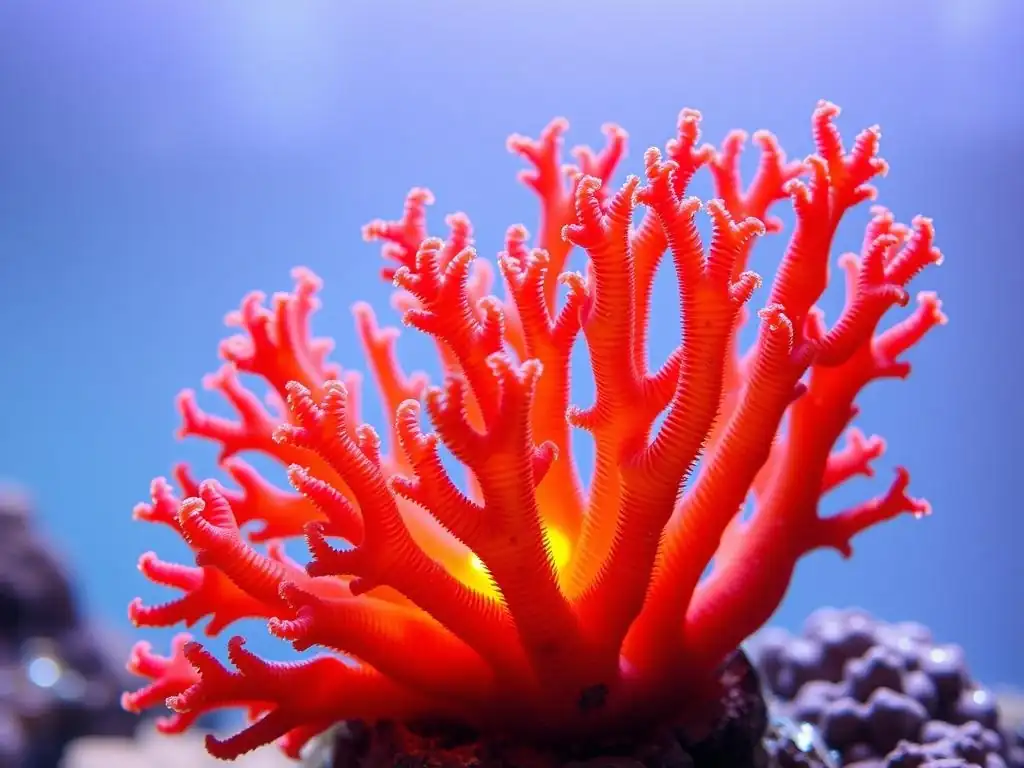
Growth Rate Comparison: Which LPS Coral Grows Fastest?
When considering LPS corals tank selection based on growth rate, Torch corals ( Euphyllia glabrescens) generally exhibit a moderate to fast growth rate, especially the branching varieties. Under optimal conditions with stable parameters and consistent feeding, a single Torch head can add new branches or increase in size by approximately 1 to 2 inches per year. Their branching nature allows for relatively rapid expansion and the creation of larger colonies over time.
Favites corals ( Favites spp.) typically display a moderate growth rate. As encrusting or massive corals, their growth is measured by their expansion across the rockwork, rather than upward branching. A healthy Favites colony can expand its diameter by a few inches annually, steadily filling in available space.
Acan Lord corals ( Micromussa lordhowensis), by comparison, are generally considered slow to moderate growers. Their growth is primarily characterized by the addition of new polyps or the slow expansion of existing ones, often adding only 0.5 to 1 inch in diameter per year. For aquarists seeking rapid visual impact, Torch corals might be the preferred LPS corals tank selection, while Acan Lords are more suited for those who appreciate their gradual development and intricate beauty.
Lighting and Flow Needs: Identifying the Best Fit for Your Tank
Understanding the specific lighting and water flow requirements is crucial for effective LPS corals tank selection, as these parameters dictate where a coral can thrive in your aquarium. Acan Lord corals are the most sensitive to high light, preferring lower to moderate PAR levels, typically ranging from 50-150. Similarly, they require low to moderate, indirect water flow to prevent polyp retraction and stress. Placement in shadier, lower-flow areas of the tank is ideal for Acans.
Torch corals fall into the moderate lighting category, generally thriving with PAR values between 75-150. While they can tolerate slightly higher light, they are prone to bleaching if exposed to overly intense or direct illumination. Their need for moderate, turbulent but indirect flow is critical, as strong direct flow can damage their delicate, flowing polyps.
Favites corals are perhaps the most adaptable in terms of lighting, tolerating a wider range of moderate PAR (100-200), and prefer moderate, turbulent flow that helps keep their textured surface clean. Therefore, if your tank has brighter, higher flow areas, Favites might be a suitable LPS corals tank selection, whereas lower light, gentler flow zones are better reserved for Acans.
Feeding Requirements: Comparing LPS Coral Feeding Habits
The feeding habits of Torch, Favites, and Acan Lord corals vary, influencing the effort required for their care and making it an important factor in LPS corals tank selection. Torch corals are highly efficient feeders, possessing large polyps and prominent feeding tentacles that readily capture and consume meaty foods. They greatly benefit from target feeding small items such as mysis shrimp, brine shrimp, or specialized coral pellets 1-2 times per week. Their active feeding response is often a delight to observe.
Favites corals, while primarily photosynthetic, are also capable of capturing food from the water column. They can be target fed with similar small meaty foods, though typically less frequently than Torches, perhaps once a week or bi-weekly. Their somewhat smaller polyps still effectively consume appropriately sized particles. Acan Lord corals are perhaps the most reliant on supplemental feeding among the three, especially for optimal coloration and growth.
Their smaller polyps require finer food particles like enriched brine shrimp, rotifers, or finely crushed coral pellets. Target feeding 2-3 times per week, often after the main lights dim, is highly recommended to ensure their health and encourage vibrant colors. This makes them a more demanding LPS corals tank selection for those looking to maximize their potential.
Water Parameter Sensitivity: Which LPS Coral is Most Tolerant?
When considering LPS corals tank selection, understanding their relative sensitivity to water parameter fluctuations is key for maintaining a thriving reef. Favites corals are generally regarded as the most robust and forgiving of the three. While they still require stable conditions, they tend to be slightly more tolerant of minor swings in alkalinity, calcium, or nutrient levels compared to Torches or Acan Lords. This makes them a good choice for aquarists who are still refining their water chemistry management.
Torch corals exhibit moderate sensitivity to water parameters. They thrive in consistently stable conditions, and sudden fluctuations in alkalinity or temperature can quickly lead to stress, polyp retraction, or even bleaching. Maintaining alkalinity within a tight range (e.g., 8-9 dKH) is particularly important for their calcification.
Acan Lord corals, while hardy in stable environments, are often considered the most sensitive to parameter swings among these three. They can recede rapidly if alkalinity or calcium levels fluctuate significantly, or if nutrient levels become too low or too high. Therefore, achieving and maintaining precise and consistent water chemistry is paramount for successful Acan Lord care, making them a more advanced LPS corals tank selection for those committed to meticulous monitoring.
Choosing the Right LPS Coral for Your Aquarium: Factors to Consider
Tank Size and Placement Considerations for LPS Corals
The size of your aquarium and strategic placement are critical factors in successful LPS corals tank selection. Torch corals, particularly the branching varieties, require ample space due to their aggressive sweepers, which can extend 4-6 inches or more and sting neighboring corals. A minimum tank size of 20 gallons is often cited for a single small colony, but 40 gallons or larger is recommended for multiple LPS corals to ensure adequate separation. Placement for Torches should be in an area with moderate, indirect flow and appropriate lighting, ensuring they are several inches away from any other coral.
Favites and Acan Lord corals, being encrusting or massive, do not possess long sweeper tentacles and can be placed closer to other non-aggressive corals, typically requiring 2-3 inches of separation. Acan Lords, given their preference for lower light and gentler flow, should be situated on the sandbed or lower rockwork.
Favites are more adaptable and can be placed in mid to lower sections of the tank, depending on light intensity. For hobbyists with smaller tanks (e.g., 10-20 gallons), Acans or Favites might be a more practical LPS corals tank selection due to their more compact growth forms, provided water stability can be rigorously maintained.
Compatibility with Other Tank Inhabitants
Ensuring compatibility with other tank inhabitants is a vital aspect of LPS corals tank selection to prevent stress, damage, or even loss of your corals. Most reef-safe fish species are generally compatible with LPS corals. However, caution must be exercised with certain fish known to nip at coral polyps, such as some angelfish (e.g., Dwarf Angelfish like Flame Angelfish, though individual behavior varies), butterflyfish, or triggerfish. Always research the specific dietary habits of any fish before introducing them to an LPS coral tank.
Invertebrates such as snails (e.g., Turbo, Nassarius), hermit crabs, and most shrimp species (e.g., Peppermint, Skunk Cleaner) are typically safe and beneficial for reef aquariums, aiding in detritus removal and algae control. However, certain crabs, like emerald crabs, can occasionally become opportunistic and nip at corals, especially if underfed.
Similarly, some starfish species are not reef-safe. When introducing new corals, be mindful of their aggression levels; as previously noted, Torch corals are highly aggressive and require significant isolation from other corals to prevent chemical warfare and physical stinging, which can lead to tissue necrosis in less aggressive species like Acans or soft corals.
Water Chemistry and Stability for Optimal LPS Growth
The cornerstone of optimal LPS coral growth and vibrant coloration lies in maintaining impeccable water chemistry and, more importantly, unwavering stability. LPS corals, being stony, require consistent levels of calcium (400-450 ppm) and alkalinity (8-10 dKH) for calcification, the process by which they build their skeletal structures. Magnesium (1300-1400 ppm) is also crucial as it helps maintain the proper balance between calcium and alkalinity. Regular testing, at least 2-3 times per week for these parameters, is essential to monitor their consumption rates. For instance, a moderately stocked 50-gallon reef tank might consume approximately 0.5-1 dKH of alkalinity per day.
Beyond the major elements, maintaining low levels of nitrates (5-15 ppm) and phosphates (0.03-0.07 ppm) is vital to prevent nuisance algae growth and ensure coral health, as high nutrient levels can stress LPS corals. Consistent temperature (76-78°F or 24.4-25.6°C) and salinity (1.025-1.026 specific gravity) are equally critical. Sudden fluctuations in any of these parameters can cause significant stress, leading to polyp retraction, tissue recession, or even bleaching. Employing automated dosing systems for alkalinity, calcium, and magnesium, coupled with regular water changes, is often the most effective strategy for achieving the stability required for a successful LPS corals tank selection.
Budget Considerations: LPS Coral Pricing and Availability
Budget is an undeniable factor in LPS corals tank selection, as the cost of these magnificent creatures can vary significantly based on species, size, rarity of coloration, and origin. Acan Lord corals, particularly the highly sought-after "Rainbow" or "Superman" morphs, often command the highest prices per polyp. A single polyp of a rare Acan Lord can range from $30 to over $100, while a small frag of 3-5 polyps might cost $100-$300 or more. Their vibrant and unique patterns contribute to their premium pricing.
Torch corals also vary widely in price. Common green or gold varieties might be available for $50-$100 per head, but rare morphs like "Holy Grail" or "Dragon Soul" Torches can easily exceed $200-$500 per head, especially for established branching colonies. Favites corals are generally more accessible, with small frags typically ranging from $30-$80, though highly colorful or rare "War Coral" morphs can fetch higher prices.
All three types of corals are widely available through local fish stores, online retailers, and coral swaps, but rare and highly colored specimens are often found at specialty vendors. Careful consideration of these costs is an important part of the LPS corals tank selection process for any aquarist.
Maintaining a Healthy LPS Coral Tank: Best Practices
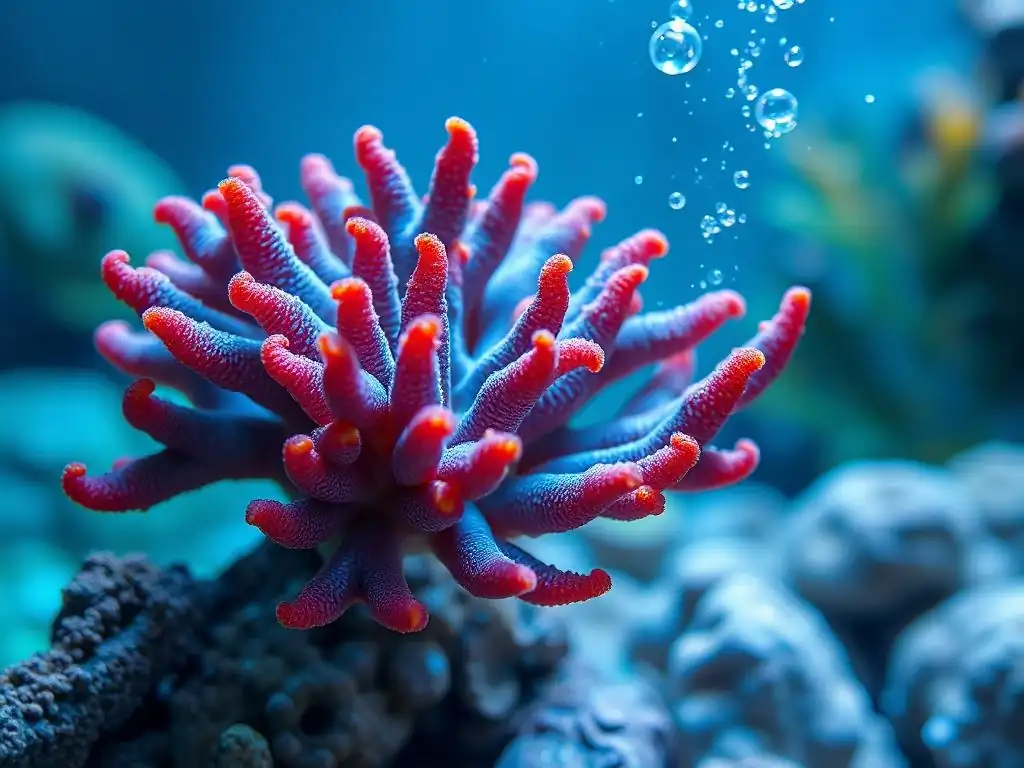
Regular Water Changes and Testing
Regular water changes and consistent water parameter testing are the bedrock of maintaining a healthy LPS coral tank and are paramount to successful LPS corals tank selection long-term. Performing weekly or bi-weekly water changes of 10-20% of your tank's volume replenishes essential trace elements, reduces accumulated nitrates and phosphates, and helps maintain overall water quality. Using high-quality salt mix and RODI (Reverse Osmosis Deionized) water is crucial to avoid introducing undesirable contaminants.
Beyond water changes, diligent testing of key parameters is non-negotiable. Daily or bi-daily testing of alkalinity, calcium, and magnesium allows you to monitor your corals' consumption rates and adjust dosing regimens accordingly, preventing dangerous fluctuations. Weekly testing for nitrates and phosphates helps ensure nutrient levels remain within optimal ranges (e.g., nitrates 5-15 ppm, phosphates 0.03-0.07 ppm). Utilizing reliable test kits and maintaining a consistent testing schedule provides the data needed to proactively address any imbalances before they negatively impact your LPS corals.
Proper Lighting and Flow Management
Effective lighting and water flow management are crucial for the vitality and coloration of LPS corals, directly impacting the success of your LPS corals tank selection. When introducing new corals, it is imperative to acclimate them gradually to your tank's lighting intensity. Start by placing them in a shadier area or reducing light intensity, then slowly increase exposure over several weeks to prevent bleaching. Observe your corals' polyp extension and color; shrunken polyps or fading colors can indicate too much light, while excessive stretching suggests insufficient light.
Water flow must be adequate to deliver nutrients, remove waste, and prevent detritus accumulation on the coral's surface, but never so strong that it causes polyps to retract excessively or appear "blown out." For Torch corals, indirect, turbulent flow is ideal, preventing their delicate polyps from tearing. Acan Lords prefer gentler, indirect flow. Regularly clean light fixtures and check pump outputs to ensure consistent performance. Adjusting powerhead placement or intensity might be necessary as corals grow or as other tank dynamics change, ensuring each LPS coral receives its preferred flow conditions.
Targeted Feeding Techniques for LPS Corals
While many LPS corals derive significant nutrition from their symbiotic zooxanthellae, targeted feeding plays a vital role in enhancing their growth, coloration, and overall health. This practice is particularly beneficial for actively feeding species like Acan Lords and Torch corals, making it a key consideration after LPS corals tank selection. Common food sources include small meaty items such as mysis shrimp, enriched brine shrimp, rotifers, or commercially prepared coral pellets and frozen blends.
The most effective method for targeted feeding involves turning off powerheads and return pumps to halt water flow, then using a pipette or turkey baster to gently deliver food directly onto the coral polyps. This ensures the coral can capture and consume the food without it being swept away. Feeding is often most effective during the evening or after the main tank lights have dimmed, as many LPS corals extend their feeding tentacles more readily at night.
The frequency of feeding can vary from 1-3 times per week, depending on the species and the overall nutrient levels in your aquarium. Consistent, appropriate feeding significantly contributes to the long-term success of your LPS coral collection.
Preventing and Treating Common LPS Coral Diseases
Preventing and treating common diseases is a critical aspect of maintaining a healthy LPS coral tank, safeguarding your LPS corals tank selection from potential threats. The most effective preventative measure is a strict quarantine protocol for all new corals. Housing new arrivals in a separate tank for 2-4 weeks allows you to observe them for signs of disease or pests without risking your main display. During this quarantine period, perform prophylactic coral dips using commercially available solutions (e.g., iodine-based dips, pest control products) to eliminate common hitchhikers like flatworms, nudibranchs, or bacterial infections. Always follow product instructions meticulously.
Despite preventative measures, issues can arise. Brown Jelly Disease, a rapidly progressing bacterial infection, requires immediate action: siphon off the jelly, remove affected tissue if possible, and perform an antibiotic or iodine dip. Tissue recession can be caused by poor water quality, inadequate flow, or starvation; address underlying parameters and increase feeding.
Bleaching is often due to excessive light or temperature stress; reduce light intensity or stabilize temperature. Regular, daily observation of your LPS corals for any changes in polyp extension, color, or the appearance of lesions is vital for early detection and prompt intervention, significantly improving the chances of successful treatment.
Troubleshooting LPS Coral Issues: A Practical Guide
Identifying Signs of Stress in Torch, Favites, and Acan Lords
Early identification of stress is paramount for the health of your LPS corals tank selection. In Torch corals, signs of stress often include prolonged polyp retraction, loss of the characteristic "flow," or the development of white patches on the skeleton where tissue has receded. Fading or dulling of their vibrant colors can also indicate stress, often from unsuitable lighting or water parameters.
Favites corals might show stress through tissue recession, where the fleshy polyps pull away from the shared skeletal wall, exposing the white skeleton. Algae growth on the coral's surface, if persistent, can also be a sign of stress or insufficient water flow. For Acan Lord corals, the most common sign of distress is significant polyp recession, where the polyps shrink dramatically and remain retracted, losing their plump, fleshy appearance.
Loss of their intense coloration, appearing dull or bleached, is another strong indicator. Any sudden change in feeding response across all three species should also be a red flag, prompting immediate investigation into water parameters, lighting, and flow.
Addressing Common Problems Like Coral Bleaching and Tissue Recession
Coral bleaching and tissue recession are two of the most prevalent and concerning issues faced by aquarists with LPS corals, directly threatening the vitality of their LPS corals tank selection. Bleaching, characterized by the coral losing its vibrant coloration and turning pale or white, is primarily caused by excessive light intensity, sudden temperature spikes, or severe water quality issues. To address bleaching, first check and stabilize temperature and salinity.
Then, gently move the affected coral to a shadier area of the tank or reduce the overall light intensity (e.g., by lowering PAR or shortening photoperiod). Gradual re-acclimation is crucial once the coral shows signs of recovery.
Tissue recession, where the coral tissue pulls away from its skeleton, can stem from various factors including unstable water parameters (especially alkalinity and calcium), inadequate or excessive water flow, starvation, or aggression from neighboring corals or pests. Begin by meticulously testing all water parameters and correcting any deficiencies or fluctuations. Ensure water flow is appropriate for the species – not too strong to damage polyps, nor too weak to allow detritus buildup.
Increase targeted feeding frequency if starvation is suspected. If aggressive neighbors are present, reposition the coral to provide ample space. Regular observation for pests is also vital, as some can cause localized tissue damage.
Dip Treatments and Quarantine Procedures for LPS Corals
Implementing robust dip treatments and strict quarantine procedures is a non-negotiable best practice for protecting your LPS corals tank selection from external threats. Quarantine involves housing all new coral arrivals in a separate, dedicated tank for a period of at least two to four weeks before introducing them to your main display. This isolation tank should have basic filtration, heating, and lighting, mimicking the conditions of your display tank. During this period, you can observe the coral for any signs of disease, pests (like flatworms, nudibranchs, or pest snails), or stress without risking contamination of your established ecosystem.
Coral dips are an essential prophylactic measure, even for corals that appear healthy. These involve briefly immersing the coral in a specialized solution designed to dislodge and kill common pests and some bacterial agents. Products containing iodine, pest-control agents, or broad-spectrum antibiotics are widely available.
Always follow the manufacturer's instructions precisely regarding dilution ratios and dip duration, as improper use can harm the coral. After the dip, gently rinse the coral with tank water before placing it in the quarantine tank. This two-pronged approach significantly reduces the risk of introducing detrimental organisms, ensuring the long-term health and success of your LPS corals tank selection.
Conclusion: Building a Thriving LPS Coral Reef Tank
Building a thriving LPS coral reef tank is a deeply rewarding endeavor that brings vibrant life and dynamic beauty to your home. The journey of LPS corals tank selection, whether you opt for the elegant sway of Torch corals, the intricate patterns of Favites, or the mesmerizing colors of Acan Lords, begins with thorough research and a commitment to understanding the unique needs of each species. While they offer a captivating display, their long-term health hinges on meticulous care, consistent observation, and proactive problem-solving.
The keys to success lie in maintaining exceptionally stable water parameters, providing appropriate lighting and water flow tailored to each coral's requirements, and implementing regular, targeted feeding. Furthermore, adopting preventative measures such as strict quarantine protocols and prophylactic coral dips for new additions will significantly mitigate the risk of introducing pests and diseases. By embracing these best practices, aquarists can confidently navigate the nuances of LPS corals tank selection and cultivate a vibrant, flourishing reef ecosystem that showcases the breathtaking diversity of these magnificent Large Polyp Stony corals for years to come.
Frequently Asked Questions
What are LPS corals and why are they popular in reef tanks?
LPS stands for Large Polyp Stony corals. They are popular due to their vibrant colors, unique shapes, and relatively easier care compared to SPS corals, making them a great choice for beginner reef keepers.
What are the key differences between Euphyllia, Favia, and Acanthastrea ( Acans) corals?
Euphyllia have long, flowing tentacles. Favia are encrusting or ball-shaped with smaller, individual polyps. Acans are fleshy and often have brightly colored patterns.
Which of these LPS corals is generally considered the easiest to care for?
Generally, Favia are considered the most forgiving and easiest to care for, followed by Acans. Euphyllia can be more sensitive to water parameters and flow.
What specific water parameters are crucial for keeping Euphyllia, Favia, and Acans healthy?
Maintaining stable alkalinity, calcium, and magnesium levels is vital for all three. Regular water changes are also crucial for removing nitrates and phosphates.
What kind of lighting and flow conditions do Euphyllia, Favia, and Acans thrive in?
Euphyllia prefer moderate flow and moderate lighting. Favia and Acans generally do well under moderate to lower lighting and lower flow. Placement is key to observe the coral's reaction.
The journey through the diverse landscape of LPS corals, as we've explored, underscores the importance of informed decision-making in reef keeping. Understanding the nuances between Euphyllia, Favia, and Acanthastrea isn't just about aesthetics; it's about creating a thriving, balanced ecosystem within your aquarium. The choices we make today directly impact the health and longevity of these delicate creatures, and the overall success of our reefing endeavors.
This exploration has highlighted how deeply intertwined our actions are with the well-being of these underwater ecosystems. The careful consideration of lighting, flow, and placement, as well as understanding the specific needs of each coral, reflects a growing awareness and responsibility within the reefing community. As we strive to replicate the beauty of the ocean within our homes, we must remember the delicate balance that sustains it. In the end, we will conserve only what we love; we will love only what we understand; and we will understand only what we are taught.
- Baba Dioum's words resonate deeply, reminding us that education and understanding are the cornerstones of conservation.
Now, armed with this knowledge, I invite you to reflect on your own reefing journey. Consider how you can apply these insights to create a more sustainable and enriching environment for your LPS corals. Let this understanding guide your future choices, fostering not just a beautiful tank, but a deeper connection to the ocean's wonders and a commitment to its preservation. Embrace the challenge, and watch as your reef flourishes, a testament to your dedication and informed choices.
Unleash the Beauty: Transform Your Reef Tank Today!
Thank you for diving into the fascinating world of LPS corals! We hope you've gained valuable insights into selecting the perfect corals for your aquarium. Now, it's time to put that knowledge into action and elevate your reef tank's visual appeal.
Here are a few ways you can take the next step:
- Plan Your Masterpiece: Create a detailed aquascape design specifically highlighting where you'll place your chosen Euphyllia, Favia, or Acan corals to maximize their health and visual impact.
- Explore our Community: Share photos of your current tank and ask for personalized placement suggestions from experienced reefers on our Aquarium Mastery forums.
- Dive Deeper: Research uncommon color variations of Euphyllia, Favia and Acans corals to discover new inspiration and unique additions to your aquarium.
Which type of LPS coral are you most excited to introduce to your tank, and what captivating color morph are you hoping to find?