
Leather Coral Placement: Giving Your Gentle Giant Room to Grow

Welcome to Aquarium Mastery!
Ever wondered how to give your leather coral the perfect spot in your reef tank to truly thrive? This Leather Coral Placement Guide dives deep into the secrets of ensuring your gentle giant has the room it needs to flourish. Prepare to unlock the key to a happy, healthy coral and a stunning reef display! Intrigued? Let's get started!
- Leather Coral Placement Guide: Ensuring a Thriving Reef Environment
- Understanding Leather Corals: An Introduction for Reef Aquarists
- Essential Factors for Optimal Leather Coral Placement
- Step-by-Step Guide to Leather Coral Placement
- Avoiding Common Leather Coral Placement Mistakes
- Monitoring and Adjusting Leather Coral Placement
- Leather Coral Placement for Common Species
- Advanced Tips for Leather Coral Success
- Conclusion: Mastering Leather Coral Placement for a Thriving Reef
-
Frequently Asked Questions
- How much space does a leather coral need?
- Why is proper water flow important for leather coral placement?
- Where in the tank should I place a newly acquired leather coral?
- What are the risks of placing a leather coral too close to other corals?
- How do I know if my leather coral is unhappy with its placement?
- Final Reflection: Nurturing Growth and Harmony
- Cultivate Your Coral Oasis: Nurture, Share, Thrive!
Leather Coral Placement Guide: Ensuring a Thriving Reef Environment
Understanding Leather Corals: An Introduction for Reef Aquarists
What are Leather Corals and Why Proper Placement Matters?
Leather corals, belonging primarily to the genera Sarcophyton, Sinularia, and Lobophytum, are a popular group of soft corals renowned for their leathery texture and absence of a hard, stony skeleton. They are a favorite among both beginner and experienced aquarists due to their relatively forgiving nature and wide variety of forms, from the classic mushroom-shaped toadstools to intricate branching fingers. Unlike their SPS or LPS counterparts, leather corals derive much of their energy from symbiotic zooxanthellae, making light a crucial factor in their health, alongside proper water flow and stable parameters.
The importance of proper leather coral placement cannot be overstated. These corals can grow significantly, often reaching impressive sizes that can dominate a reef tank. Incorrect positioning can lead to a cascade of issues, including insufficient light or flow, chemical warfare (allelopathy) with neighboring corals, and physical obstruction or shading of other tank inhabitants. A well-planned leather coral placement guide ensures that these gentle giants not only thrive but also coexist harmoniously within the delicate ecosystem of your reef aquarium, preventing stress, poor growth, or even the demise of other corals.
Different Types of Leather Corals and Their Growth Habits
The diversity within leather corals means their growth habits vary significantly, directly influencing optimal leather coral placement. Sarcophyton species, commonly known as Toadstool corals, typically grow into large, mushroom-like structures with a distinct stalk and a broad, undulating cap covered in polyps. A mature Sarcophyton can easily reach 12-18 inches in diameter, requiring substantial horizontal space.
Sinularia corals, often referred to as Finger or Cabbage corals, exhibit a wide range of forms. Some grow as encrusting mats, while others develop into intricate, branching colonies that can extend several inches in multiple directions, sometimes reaching 6-10 inches outwards. Lobophytum corals, such as the Devil's Hand or Colt coral, tend to form massive, lobed colonies that can become quite bulky, potentially reaching 15-20 inches across. Understanding these distinct growth patterns is fundamental for effective leather coral placement, ensuring sufficient room for expansion without overshadowing or crowding other inhabitants.
Leather Coral Size and Growth Potential in a Reef Tank
Leather corals, particularly under ideal conditions, exhibit considerable growth. A small Sarcophyton frag, initially just 2-3 inches in diameter, can expand to a respectable 6-8 inches within 6-12 months, given stable water parameters and appropriate lighting. Sinularia species are often noted for their relatively fast growth, with some branching forms capable of adding 3-5 inches of new branch length in a year, effectively doubling their overall size in favorable environments.
Over several years, many leather coral species can become substantial centerpieces in a reef tank. A mature Lobophytum can easily occupy a footprint of 18x18 inches, showcasing its impressive expansion capabilities. This significant long-term growth potential makes careful initial leather coral placement critical. Aquarists must anticipate the coral's future size to prevent it from outcompeting or shading out other corals, ensuring that the tank remains a balanced and thriving environment for all its inhabitants.
Essential Factors for Optimal Leather Coral Placement
Water Flow Requirements for Healthy Leather Corals
Water flow is a paramount consideration for healthy leather coral placement. These soft corals generally thrive in moderate, indirect water flow. Insufficient flow can lead to detritus accumulation on their leathery surfaces, which can cause tissue necrosis, especially at the base, and hinder the uptake of essential nutrients. For instance, a flow rate equivalent to 10-15 times the tank's volume per hour, distributed gently rather than directly, often provides the ideal environment for these corals to extend their polyps fully and effectively shed their waxy layers.
Conversely, excessive or direct water flow can also be detrimental. Strong, turbulent currents can prevent the polyps from extending, stress the coral, and even cause physical damage to their delicate tissues. Leather corals prefer a gentle swaying motion, indicating adequate water movement that delivers food particles and removes metabolic waste without blasting the coral directly. Achieving this balanced flow through strategic powerhead positioning is a key element of successful leather coral placement, promoting robust growth and overall vitality.
Lighting Needs for Leather Corals: PAR and Spectrum
Leather corals host symbiotic zooxanthellae within their tissues, making lighting a critical factor for their energy production and overall health. They generally prefer moderate lighting conditions, typically within a PAR (Photosynthetically Active Radiation) range of 75-150 µmol/m²/s. While some species can adapt to lower light levels, prolonged exposure to PAR below 50 can lead to browning, reduced growth, and a decline in vitality, as their zooxanthellae struggle to produce enough energy.
The spectrum of light is equally important. A full spectrum light with a strong blue component, ideally ranging from 10,000K to 20,000K, promotes optimal health and vibrant coloration. For example, many successful reef setups utilize LED fixtures with a significant blue channel peaking around 450-470nm, complemented by white light, to provide the necessary wavelengths for photosynthesis. Precise light intensity and spectrum are fundamental considerations when determining the ideal leather coral placement within the aquarium, ensuring the coral receives the energy it needs to flourish.
Water Parameter Considerations: Stability and Balance
While leather corals are often more tolerant of fluctuating water parameters than their SPS or LPS counterparts, stability remains crucial for their long-term health and optimal leather coral placement. Ideal parameters include a stable salinity of 1.024-1.026, a consistent temperature range of 75-78°F (24-25.5°C), alkalinity between 8-12 dKH, calcium levels of 400-450 ppm, and magnesium between 1250-1350 ppm. Sudden swings, particularly in alkalinity, can cause stress and inhibit polyp extension.
Although leather corals are less sensitive to nitrates and phosphates than stony corals, maintaining low nutrient levels is still beneficial. Nitrates should ideally be kept under 10 ppm and phosphates below 0.05 ppm to prevent nuisance algae growth and ensure vibrant coloration. Regular water changes, typically 10-20% weekly or bi-weekly, are essential for replenishing trace elements and maintaining these parameters, directly supporting robust growth and contributing to the success of any leather coral placement strategy.
Step-by-Step Guide to Leather Coral Placement
Step 1: Acclimation Process for New Leather Corals
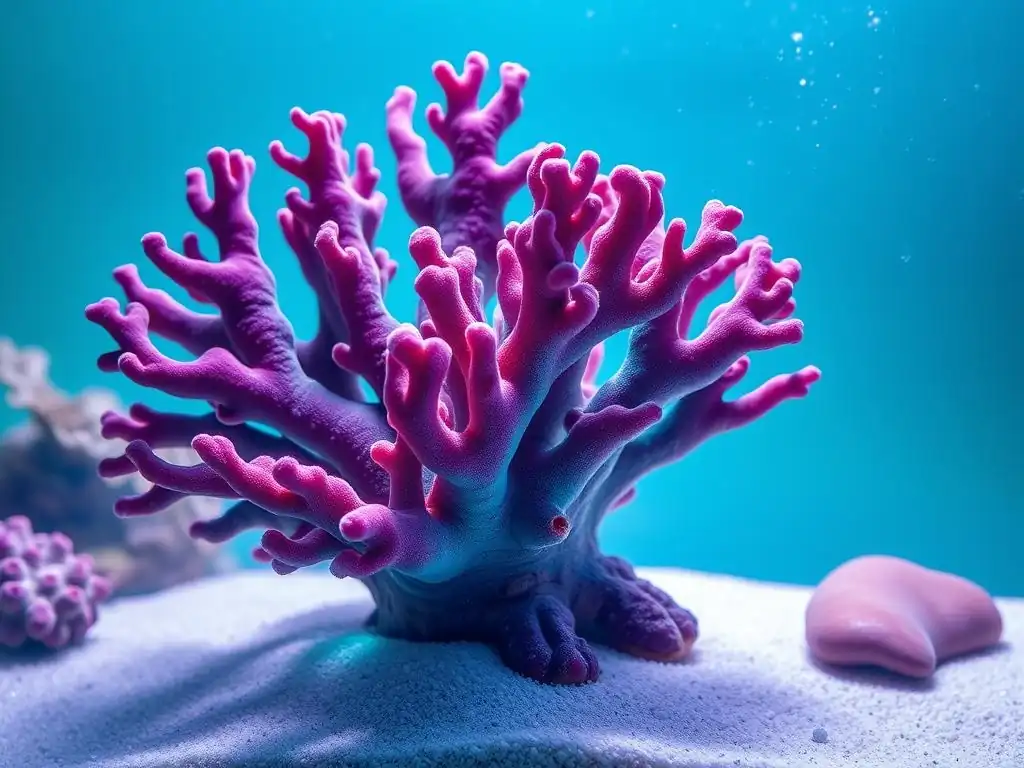
Proper acclimation is the crucial first step for any new coral, including leather corals, to minimize stress and ensure a smooth transition to your reef tank. Upon receiving your new leather coral, float the sealed bag in your sump or tank for 15-20 minutes to allow the water temperature to equalize. This prevents thermal shock, which can severely stress the coral.
Following temperature acclimation, begin a slow drip acclimation process. Open the bag and begin dripping tank water into it using airline tubing, aiming for a drip rate of 1-2 drips per second. This process should last 30-60 minutes, allowing the coral to gradually adjust to your tank's specific salinity and pH. After acclimation, gently place the coral in a low-flow, slightly shaded area of your tank for the first few hours or day. This allows it to recover from shipping stress before being moved to its final, carefully chosen leather coral placement.
Step 2: Selecting the Ideal Location in Your Reef Aquarium
Choosing the ideal location for your leather coral involves considering its future size, light, and flow requirements, as well as its potential impact on other tank inhabitants. For a species like Sarcophyton that can reach 12-18 inches in diameter, ensure at least 6-8 inches of clear space around it from other corals, especially those sensitive to allelopathy. Look for areas on your rockwork that receive moderate, indirect flow and appropriate lighting, often in the mid-to-lower sections of the aquascape.
Avoid placing leather corals directly under high-flow powerheads or intense light spots, as this can cause stress and prevent polyp extension. Visualize the coral's mature size and how it will interact with its surroundings. This foresight in selecting the ideal leather coral placement is paramount, preventing future issues such as overshading, chemical aggression, or physical contact that could harm other corals as your leather coral grows.
Step 3: Securely Attaching Your Leather Coral to the Rockwork
Unlike stony corals, leather corals do not possess a hard skeleton for easy attachment to frag plugs. They are typically secured by wedging them into crevices within the rockwork or by using reef-safe cyanoacrylate glue (gel form) or epoxy putty. For larger specimens or those with an irregular base, it can be helpful to first glue a small piece of rubble rock to the base of the coral, then glue the rubble rock to your main aquascape.
When using glue, ensure the coral's base is as dry as possible for optimal adhesion, which can be achieved by briefly removing it from water and dabbing it with a paper towel. Alternatively, some aquarists use a rubber band or fishing line to gently secure the leather coral to a frag plug or a piece of rock until it naturally attaches, a process that can take several days to a few weeks depending on the species and conditions. A secure attachment is vital for stable and successful leather coral placement, preventing accidental dislodgement.
Avoiding Common Leather Coral Placement Mistakes
Preventing Chemical Warfare: Allelopathy and Leather Corals
One of the most significant considerations in leather coral placement is their propensity for allelopathy, or chemical warfare. Leather corals, particularly Sarcophyton and Sinularia species, release chemical compounds called terpenes into the water to inhibit the growth of competing corals. These chemicals can be highly irritating or even lethal to sensitive stony corals like Acropora or Montipora if they are placed too closely, leading to tissue recession, bleaching, or outright death.
To mitigate this chemical aggression, it is crucial to ensure ample spacing between leather corals and other sensitive corals, ideally 6-12 inches, depending on the species and tank size. Regular use of high-quality activated carbon, changed every 2-4 weeks, is also highly effective at absorbing these allelopathic compounds from the water column, thereby maintaining water quality and significantly reducing the risk of chemical irritation arising from close leather coral placement.
Understanding Leather Coral Shedding and Its Impact on Tank Mates
Leather corals naturally undergo a process called shedding, where they retract their polyps and develop a waxy, translucent layer over their surface. This layer, which can appear dull or discolored, is shed to remove accumulated detritus, algae, and metabolic waste, allowing for new, healthy tissue to emerge and polyps to extend fully. This process is a normal part of their growth cycle and can last anywhere from a few days to over a week, during which the coral may appear shrunken or "deflated."
While shedding, leather corals can release more mucus and potentially some mild irritants into the water. It is important to ensure good water circulation around a shedding coral to help disperse any released substances and prevent them from settling on or irritating nearby tank mates. Avoid placing highly sensitive corals directly downstream of a shedding leather coral. Recognizing this natural behavior and planning your leather coral placement accordingly helps manage its temporary impact on the surrounding reef environment.
Maintaining Adequate Spacing Between Leather Corals and Other Invertebrates
Beyond chemical warfare, physical contact and shading are common issues arising from improper leather coral placement. As leather corals grow, their expanding tissue can physically brush against or completely overshadow other sessile invertebrates, leading to tissue recession, stress, or even the eventual demise of the smaller or less aggressive coral. This is particularly true for rapidly expanding soft corals or encrusting forms that can grow over rockwork.
For instance, a fast-growing Sinularia branch could easily extend and encrust over a valuable Zoanthid colony, completely blocking its light and eventually causing it to perish. To prevent such physical conflicts, provide at least 4-6 inches of initial clearance from other soft corals, and even more for LPS or SPS corals, considering the mature size of the leather coral. Regular observation and strategic adjustments to your leather coral placement as your corals grow are essential to prevent competition and ensure all inhabitants thrive.
Monitoring and Adjusting Leather Coral Placement
Signs of a Healthy Leather Coral
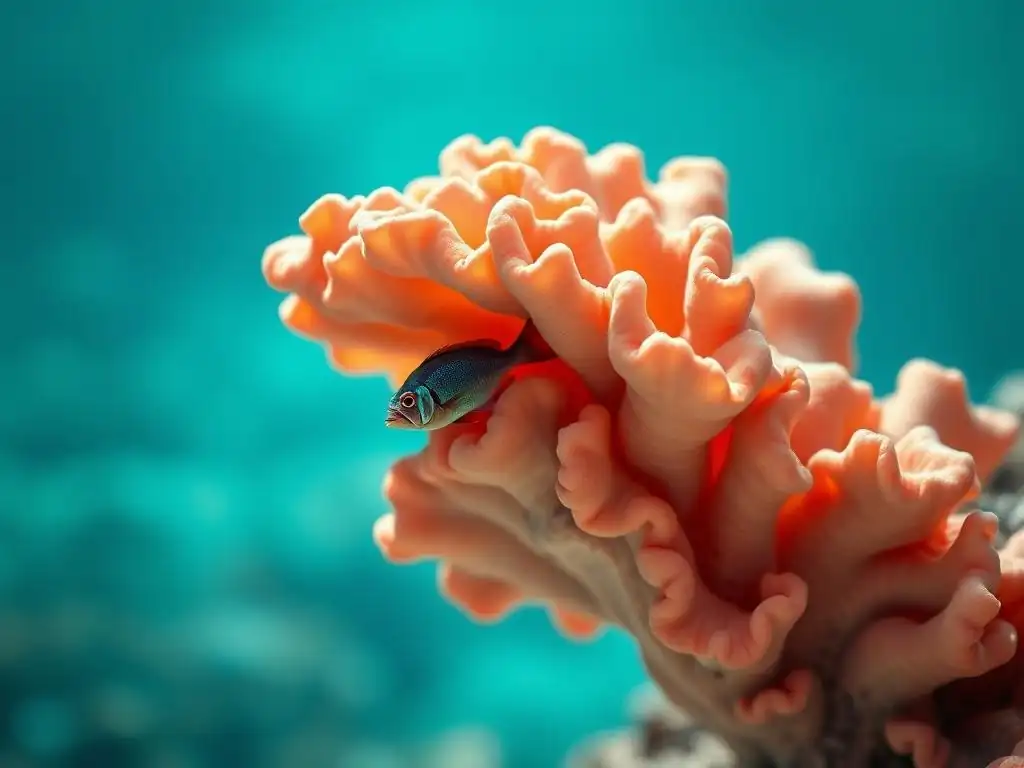
A healthy leather coral exhibits several clear indicators of well-being, signaling that its current leather coral placement and tank conditions are optimal. The most prominent sign is consistent and full polyp extension, giving the coral a vibrant, fuzzy, or textured appearance. For example, a happy Sarcophyton will have its polyps extended almost continuously throughout the day, providing a lush, carpet-like look to its cap.
Vibrant and consistent coloration, characteristic of the species, is another strong indicator of health. They should also show resilience after their natural shedding process, quickly regaining full polyp extension and turgidity within a few days to a week. Active growth, evident as an increase in overall size, expansion of the cap, or the development of new branches, further confirms that its current leather coral placement, lighting, and flow conditions are conducive to its thriving.
Recognizing signs of stress related to leather coral placement is crucial for timely intervention. Look for prolonged polyp retraction beyond normal shedding periods, browning or bleaching of the tissue, localized tissue recession, or a consistently "deflated" or shrunken appearance. If a coral remains retracted despite stable water parameters and no apparent disease, its current position might be the underlying issue.
Bleaching, a loss of color, often indicates that the coral is receiving too much light (excessive PAR), causing its zooxanthellae to expel. Conversely, a noticeable browning can suggest insufficient light or possibly elevated nutrient levels. Tissue recession, especially at the base, might point to inadequate flow leading to detritus accumulation or irritation from a nearby coral. Observing these specific symptoms requires prompt investigation and a potential adjustment of its leather coral placement to alleviate the stressor.
Adjusting Placement as Your Leather Coral Grows
As your leather coral matures and expands, its initial placement may no longer be ideal. A rapidly growing Sinularia that has doubled in size might now be shading a nearby LPS coral or physically encroaching on another soft coral. Regular assessment of your aquascape, perhaps on a monthly basis, is crucial to anticipate and address these growth-related changes.
If a leather coral is clearly outgrowing its designated space, overshadowing other corals, or causing physical contact, proactive adjustment is necessary. This might involve carefully moving the coral to a larger, more suitable area within the tank, fragging it to reduce its size and create new colonies, or even relocating it to a different aquarium if space becomes a significant constraint. Proactive adjustment of leather coral placement prevents long-term competition and ensures all inhabitants can continue to thrive in the evolving reef environment.
Leather Coral Placement for Common Species
Sarcophyton (Toadstool) Leather Coral Placement: Considerations for this Popular Species
Sarcophyton, or Toadstool leather corals, are a staple in many reef tanks due to their distinctive mushroom-like shape and relatively robust nature. When considering Sarcophyton leather coral placement, prioritize areas that allow for their significant horizontal expansion. They prefer moderate to strong, indirect water flow to keep their large, undulating caps free from detritus accumulation and to facilitate polyp extension. Lighting should be moderate, typically within a PAR range of 80-120 µmol/m²/s.
Place them on a stable, flat surface on the rockwork, preferably in a lower to mid-level section of the aquarium. Due to their potential to reach 12-18 inches in diameter and their allelopathic tendencies, it is crucial to ensure ample clear space around them – ideally at least 8-10 inches from sensitive LPS or SPS corals. This generous spacing is a key guideline for optimal Sarcophyton leather coral placement, allowing them to grow unimpeded without negatively impacting their neighbors.
Sinularia (Finger) Leather Coral Placement: Optimizing Growth and Coloration
Sinularia species, often referred to as Finger or Cabbage corals, exhibit diverse growth forms, from upright branching structures to encrusting mats. Their leather coral placement should account for their often rapid and expansive growth. These corals generally thrive with moderate to high water flow, which helps to keep their intricate branches clean and promotes nutrient exchange. They also appreciate moderate lighting, typically in the PAR range of 90-150 µmol/m²/s, to maintain their vibrant coloration and support robust growth.
Given their branching nature, Sinularia can quickly expand outwards and upwards, with some species adding 6-10 inches in multiple directions within a year. Therefore, place them where their branches have ample room to grow without touching or shading other corals. They are often well-suited for mid-to-upper sections of the rockwork where they can receive good light and flow. Careful Sinularia leather coral placement ensures their unique and often sprawling forms can fully develop, enhancing the aquascape.
Lobophytum (Devil's Hand) Leather Coral Placement: Providing Ample Space for Expansion
Lobophytum corals, commonly known as Devil's Hand or Colt corals, are characterized by their large, often undulating and lobed colonies. These corals can become quite massive, forming substantial structures that demand considerable space within the reef tank. They generally prefer moderate water flow to prevent detritus from settling in their folds and moderate lighting, typically within a PAR range of 75-120 µmol/m²/s, to support their zooxanthellae.
Due to their potential for significant size, with mature colonies easily exceeding a foot in diameter, Lobophytum leather coral placement requires substantial foresight. They are best positioned on stable, lower-to-mid level rockwork, ensuring they have at least 12-15 inches of clear space around them to expand without encroaching on neighboring corals. Their broad, often heavy base makes secure attachment crucial to prevent them from shifting. Proper planning for Lobophytum expansion is paramount for their long-term success and tank harmony.
Advanced Tips for Leather Coral Success
Optimizing Water Quality for Leather Coral Health
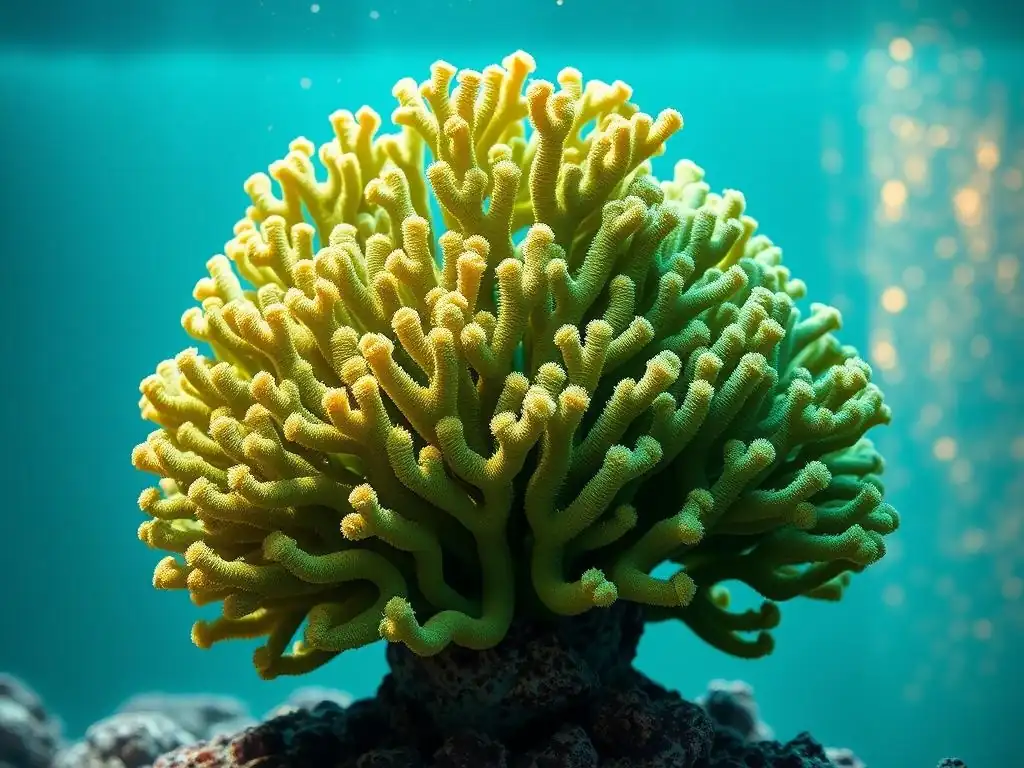
Beyond the standard parameters, optimizing water quality is crucial for enhancing leather coral health and ensuring the success of your leather coral placement. Trace elements such as iodine and strontium, while often replenished through high-quality salt mixes and regular water changes (e.g., a 20% bi-weekly water change with a reputable salt mix), are particularly beneficial for leather corals, supporting their growth and facilitating their natural shedding processes. Some advanced aquarists choose to use targeted dosing for these specific elements based on ICP-OES test results.
Maintaining consistently low nutrient levels is also vital. Aim for nitrates below 5 ppm and phosphates under 0.03 ppm through efficient filtration methods like protein skimming, refugiums, and careful feeding practices. This not only prevents nuisance algae outbreaks but also significantly improves the leather corals' long-term health, vibrant coloration, and polyp extension. Consistent and pristine water quality directly impacts the vitality and success of any leather coral placement strategy.
Fragging Leather Corals: Propagation and Placement
Leather corals are relatively easy to propagate through fragging, offering an excellent way to manage their size, create new colonies, and share with other enthusiasts. For Sarcophyton (Toadstool) corals, a clean, sharp blade can be used to carefully cut a piece from the cap. For branching Sinularia species, individual branches can be snipped off. Lobophytum can be cut into smaller, viable sections. After cutting, allow the frag to heal in a low-flow area of a frag tank or a dedicated section of your main display for a few days until it forms a protective "skin" over the cut surface.
Once healed, the frag can be attached to a frag plug or a small piece of rubble rock using reef-safe glue or by wedging it into a crevice. This process allows for strategic leather coral placement of new, smaller colonies in different areas of the tank, or for trading with other aquarists. Fragging not only helps control the growth of larger colonies but also contributes to the sustainable propagation of these beautiful corals, expanding your options for aquascaping and distribution.
If a leather coral consistently remains retracted, appears deflated, or exhibits signs of distress despite stable water parameters, its placement is often the primary culprit. For example, if a Sarcophyton is perpetually shrunken and fails to extend its polyps, it might be receiving too much direct water flow, which can be remedied by slightly reorienting a powerhead or moving the coral to a less turbulent spot. Conversely, if it appears listless and covered in detritus, it might be in an area with insufficient flow.
Bleaching, a significant loss of color, frequently points to excessive PAR levels. In such cases, carefully moving the coral lower in the tank or to a more shaded area can reverse the damage. If the coral is browning, it may indicate too little light or potentially high nutrient levels. Observing the coral's specific symptoms and making small, incremental adjustments to its leather coral placement based on these observations is a highly effective troubleshooting method, crucial for ensuring long-term success.
Conclusion: Mastering Leather Coral Placement for a Thriving Reef
Frequently Asked Questions
How much space does a leather coral need?
Leather corals require significant space due to their potential size. Allow ample room around the coral, at least 6-12 inches depending on the species, to prevent stinging other corals and ensure proper growth.
Why is proper water flow important for leather coral placement?
Adequate water flow is crucial for leather corals as it helps remove waste, delivers nutrients, and prevents the accumulation of detritus. Aim for a moderate, indirect flow that gently moves the coral without blasting it.
Where in the tank should I place a newly acquired leather coral?
Start with a lower light and flow area to allow the coral to acclimate to your tank's conditions. Observe its behavior and gradually move it to a more suitable location based on its response.
What are the risks of placing a leather coral too close to other corals?
Leather corals can release toxic chemicals to protect themselves, which can harm or even kill nearby corals. Placing them too close can lead to coral warfare and negatively impact your entire reef ecosystem.
How do I know if my leather coral is unhappy with its placement?
Signs of distress include excessive shedding, retracted polyps, and a general lack of growth. If you observe these symptoms, consider moving the coral to a different location with varying light and flow conditions.
Final Reflection: Nurturing Growth and Harmony
The journey of cultivating a thriving reef aquarium is a testament to our dedication to understanding and respecting the delicate balance of marine ecosystems. Today, the principles of thoughtful leather coral placement resonate more profoundly than ever, as we strive to create sustainable and beautiful underwater environments that reflect our commitment to responsible reef keeping.
The subtle art of coral placement, especially for gentle giants like leather corals, has profoundly shaped my understanding of patience and observation in reef keeping. Witnessing a coral flourish in its chosen spot, expanding and contributing to the overall health of the tank, is a deeply rewarding experience. It underscores the importance of mimicking natural conditions and providing ample space for growth. The best time to plant a tree was 20 years ago. The second best time is now.
This ancient proverb applies equally to reef keeping; the decisions we make today will determine the health and beauty of our aquariums for years to come.
As you consider the lessons shared in this guide, I invite you to reflect on your own reef keeping practices. Are you providing your corals with the space they need to thrive? Are you observing their behavior and adjusting their environment accordingly? Let us all strive to be more mindful stewards of these miniature ecosystems, ensuring that our leather corals, and all our reef inhabitants, have the opportunity to flourish and bring joy for generations to come.
Thank you for diving deep into the world of Leather Coral placement! We hope this guide has empowered you with the knowledge to create a thriving environment for these magnificent corals. Now, let's bring that knowledge to life.
Here's how you can continue your coral journey:
- Prioritize Your Coral’s Well-being: Re-evaluate your current coral placement using the insights from this article, and make any necessary adjustments to ensure your Leather Coral has ample space and optimal water flow.
- Dive Deeper into Coral Care: Explore other fascinating coral species. Research their specific needs and add diversity to your reef tank!
- Share the Coral Love: Spread the wisdom! Share this article with fellow reefing enthusiasts on social media and spark a conversation.
What small adjustment are you planning to make in your reef tank this week to better support your Leather Coral's growth?