
Why Is My Leather Coral Turning Brown or White?

Welcome to Aquarium Mastery!
Ever wondered why your beautiful leather coral is suddenly losing its vibrant color and turning brown or white? It's a common concern, but understanding the reasons behind this change is key to restoring your coral's health. Dive into our in-depth guide, "Why Is My Leather Coral Turning Brown or White? ", and unlock the secrets to diagnosing and treating this issue, ensuring a thriving reef environment. Ready to bring back the color? Let's get started!
- Leather Coral Color Changes: Causes, Solutions, and Prevention
- Understanding Leather Coral Color Changes
- Causes of Leather Coral Turning Brown
- Causes of Leather Coral Turning White (Bleaching)
- Troubleshooting Color Changes
- Solutions and Treatments
- Preventing Future Color Changes
- Conclusion: Restoring and Maintaining Vibrant Colors
-
Frequently Asked Questions
- Why is my leather coral turning brown?
- What does it mean when my leather coral turns white?
- How can I prevent my leather coral from turning brown or white?
- What should I do if my leather coral starts turning brown or white?
- Is a leather coral turning brown or white always a sign of a serious problem?
- Final Reflection: The Resilience of Reefs and Responsibility
- Revitalize Your Leather Coral Today!
Leather Coral Color Changes: Causes, Solutions, and Prevention
Understanding Leather Coral Color Changes
Introduction to Leather Corals and Color Variations
Leather corals, primarily from the genera Sarcophyton, Lobophytum, and Sinularia, are a popular choice for reef aquarists due to their relatively hardy nature and diverse forms. While often appearing in shades of tan, brown, or cream, some varieties can exhibit subtle greens or even purples, adding texture and movement to a marine aquarium. These corals host symbiotic algae called zooxanthellae within their tissues, which are crucial for their nutrition and contribute significantly to their characteristic coloration.
The vibrant or subdued colors observed in leather corals are largely a direct reflection of the density and health of these zooxanthellae, alongside the coral's own pigment production. Any significant shift from their baseline color – whether it's an intensifying brown or a fading to white – signals an underlying issue that demands attention. Understanding these natural variations versus distress signals is the first step in maintaining a healthy leather coral.
The Significance of Color in Leather Coral Health
The color of a leather coral serves as a primary visual indicator of its overall health and well-being. A coral that maintains its consistent, expected coloration, coupled with good polyp extension and a firm texture, is generally thriving within its environment. Aquarists often rely on this visual cue as an immediate health check, as changes can sometimes precede other physical signs of distress.
When a leather coral begins turning brown or white, it's a clear signal that something in its environment is amiss. Browning often indicates an overabundance of zooxanthellae or nuisance algae, while whitening, or bleaching, points to the expulsion of these vital symbiotic algae due to severe stress. Both conditions, if left unaddressed, can lead to tissue necrosis and ultimately, the loss of the coral.
Causes of Leather Coral Turning Brown
Algae Growth on Leather Corals
One common reason for a leather coral turning brown is the proliferation of nuisance algae directly on its surface. This isn't the coral itself changing color, but rather a film of undesirable algae, such as diatoms, dinoflagellates, or even some forms of cyanobacteria, coating the coral's tissue. This external growth is particularly noticeable when the coral retracts its polyps, revealing a slimy, brownish layer.
This algal coating can be detrimental because it competes with the coral for light and nutrients, effectively shading the zooxanthellae within the coral's tissue and hindering their photosynthetic capabilities. Furthermore, the presence of such algae can irritate the coral's delicate tissues, causing it to remain retracted and further exacerbating its stress.
Identifying Algae Issues
Identifying external algae growth is crucial. Unlike true browning of the coral tissue, algae on the surface often appears as a fuzzy, slimy, or patchy brown layer that can sometimes be gently siphoned or wiped off. Observe if the polyps are fully extended; if they are retracted and a brown film is present, it's likely an algae issue.
Solutions for Algae Overgrowth
Solutions for algae overgrowth include manual removal through gentle siphoning or brushing with a soft brush, improving water flow around the coral to prevent detritus accumulation, and reducing nutrient levels in the water. Introducing specific herbivorous grazers such as Turbo snails, Astrea snails, or certain hermit crabs (e.g., Blue Leg Hermits) can also help consume nuisance algae.
High Nutrient Levels
Elevated levels of nitrates and phosphates are significant contributors to a leather coral turning brown. These nutrients act as fertilizers for both the zooxanthellae within the coral and for nuisance algae that can grow on the coral's surface. When nutrient levels are consistently high, the zooxanthellae may multiply excessively or increase their photosynthetic pigments to cope, causing the coral to appear darker brown.
For optimal coral health, nitrate levels should ideally be maintained below 10-20 ppm, and phosphates should be kept below 0.03 ppm. Levels exceeding these ranges indicate an imbalanced system, often stemming from overfeeding, insufficient water changes, or an overloaded biological filtration system.
The Role of Nitrates and Phosphates
Nitrates are the end product of the nitrogen cycle, resulting from the breakdown of ammonia and nitrite by beneficial bacteria. Phosphates are introduced through fish waste, uneaten food, and some aquarium supplements. Both are essential in small amounts for biological processes, but their accumulation signifies a system struggling with waste export.
How to Reduce Nutrient Levels
To reduce nutrient levels, consistent and larger water changes (e.g., 20-30% weekly in severe cases, 10-15% bi-weekly for maintenance) are highly effective. Other strategies include reducing feeding amounts, ensuring thorough detritus removal from the substrate, and utilizing nutrient export methods such as a robust protein skimmer, refugiums with macroalgae (e.g., Chaetomorpha), and chemical media like Granular Ferric Oxide (GFO).
Insufficient Lighting
Leather corals, like most photosynthetic corals, rely on their symbiotic zooxanthellae to convert light into energy. If the lighting provided is too dim, or if the coral is placed in a heavily shaded area, the zooxanthellae may compensate by increasing their density or pigment concentration to maximize light absorption. This adaptive response often results in the leather coral appearing a darker brown.
This issue is common with aging fluorescent bulbs, which lose their intensity and spectrum over time, or when a coral is moved to a lower light zone without proper consideration. While leather corals are generally considered less demanding in terms of light than SPS corals, they still benefit from a PAR (Photosynthetically Active Radiation) range typically between 50 and 150 PAR, depending on the species and prior acclimation.
Understanding Lighting Requirements
Leather corals are adaptable but thrive best under moderate lighting intensity with a balanced spectrum that supports photosynthesis. A spectrum that includes both blue (actinic) and full-spectrum white light is generally recommended. Understanding the PAR output of your lighting system is more accurate than relying solely on wattage.
Upgrading Lighting Systems
If insufficient lighting is suspected, consider replacing old fluorescent bulbs (typically every 9-12 months), adjusting the height of your light fixture, or upgrading to a more efficient LED or T5HO system. When making significant lighting changes, always acclimate the coral gradually to the new intensity by starting with shorter photoperiods or placing the coral lower in the tank, then slowly moving it up or increasing the duration/intensity over several weeks.
Water Chemistry Imbalances
While less frequently the sole cause of browning, significant and prolonged imbalances in key water parameters can stress leather corals, potentially leading to a dull or brownish appearance before more severe issues arise. Although soft corals do not build calcium carbonate skeletons like stony corals, stable water chemistry is still vital for their cellular functions and overall metabolic health.
Fluctuations in parameters such as alkalinity, calcium, and magnesium, even if not directly causing browning, can weaken the coral's resilience. This makes it more susceptible to other stressors, which might then manifest as a change in color, including a brownish hue.
Maintaining Proper Alkalinity, Calcium, and Magnesium
Maintaining stable water parameters is paramount for all reef inhabitants. For a healthy reef, aim for alkalinity levels between 7-11 dKH, calcium between 400-450 ppm, and magnesium between 1250-1350 ppm. While leather corals are more tolerant of slight deviations than stony corals, consistency within these ranges is key.
Regular Water Testing and Adjustments
Regular testing of these parameters using reliable test kits is crucial. If adjustments are needed, they should always be made slowly and incrementally to avoid shocking the system. Small, frequent adjustments are preferable to large, infrequent ones, ensuring a stable environment for your leather coral.
Causes of Leather Coral Turning White (Bleaching)
Stress and Bleaching
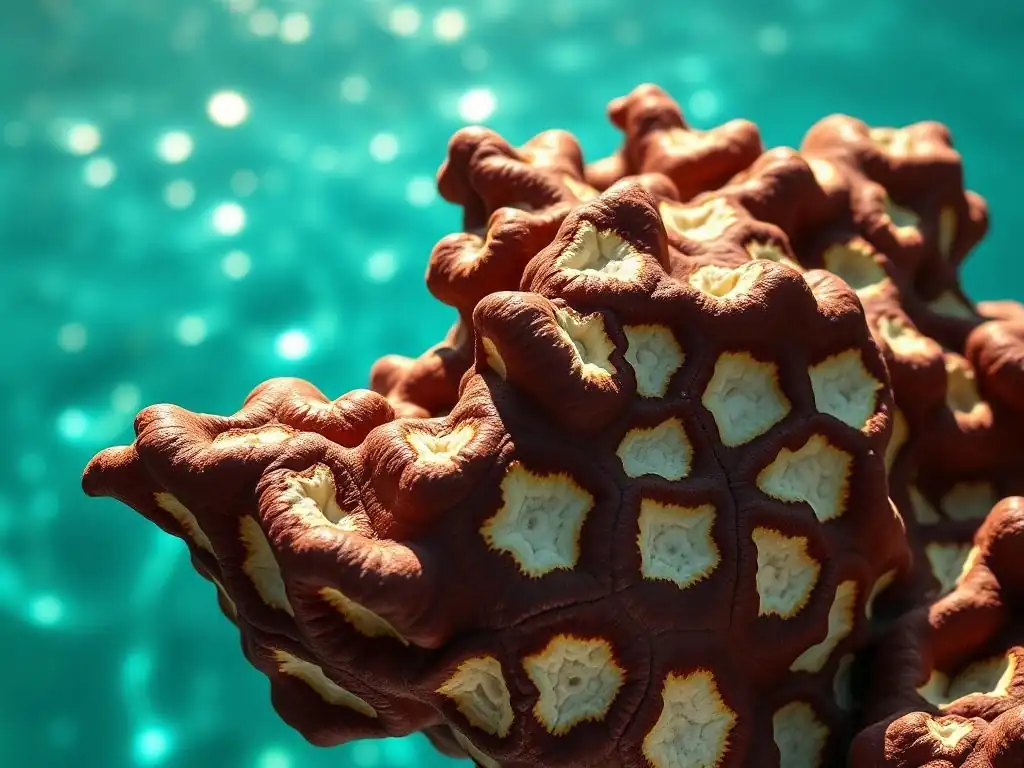
Coral bleaching is a severe stress response where the coral expels its symbiotic zooxanthellae, or the photosynthetic pigments within these algae degrade. This loss of the algae, which provide most of the coral's color and energy, reveals the coral's underlying white tissue or skeleton, hence the term "turning white" or "bleaching." It is a critical warning sign that the coral is under extreme duress.
Bleaching indicates that the coral's environment has become inhospitable, often due to rapid or extreme changes in conditions. If the stressful conditions persist, the coral, deprived of its primary food source, will eventually starve and die. Recovery from bleaching is possible but requires immediate and sustained corrective action.
High Water Temperatures
Elevated water temperatures are a leading cause of coral bleaching worldwide, and this holds true for aquarium environments. Even a sustained increase of just 1-2°C (2-4°F) above a leather coral's optimal temperature range (typically 24-26°C or 75-79°F) can trigger bleaching within a matter of days. The zooxanthellae become stressed by the heat, producing toxic reactive oxygen species.
This toxicity causes the coral to expel the algae as a defense mechanism, revealing its white tissue. Prolonged exposure to high temperatures can lead to irreversible damage and coral mortality, as the coral cannot sustain itself without its symbiotic partners.
Monitoring and Controlling Temperature
Accurate and consistent temperature monitoring is essential. Use a reliable digital thermometer, and consider having a backup. If temperatures rise, solutions include installing an aquarium chiller, using cooling fans directed across the water surface for evaporative cooling, or adjusting room temperature.
The Impact of Heat Waves
External factors like summer heat waves can significantly impact aquarium temperatures. Proactive measures, such as partially opening the aquarium canopy to allow heat escape or preparing ice packs (sealed in bags to prevent freshwater contamination), can help mitigate sudden temperature spikes.
Intense Lighting
While insufficient light can cause browning, excessive or sudden increases in lighting intensity can lead to bleaching, a phenomenon known as photoinhibition. When zooxanthellae are exposed to light that is too powerful, they can become overwhelmed, producing an excess of oxygen and other byproducts that become toxic to the coral.
This overexposure damages the photosynthetic apparatus of the algae, leading to their expulsion. This is particularly common when a leather coral is moved from a low-light area to a high-light area without proper acclimation, or when a new, more powerful light fixture is installed over the tank.
Photoinhibition
Photoinhibition occurs when the light energy absorbed by the zooxanthellae exceeds their capacity for photosynthesis, leading to damage to their photosystems. This forces the coral to expel them as a protective measure, resulting in the characteristic white appearance of a bleached coral.
Acclimation to High-Intensity Lighting
To prevent bleaching from intense light, always acclimate new or moved leather corals gradually. This can involve starting the coral lower in the tank, using dimmer settings on LED lights, or employing light-diffusing screens over the tank. Gradually increase the light intensity or move the coral higher over several weeks, observing its response closely.
Poor Water Quality
Acute spikes in toxic compounds like ammonia and nitrite, or extremely high levels of nitrates (e.g., over 50-100 ppm), can rapidly lead to leather coral bleaching and tissue necrosis. These compounds are direct cellular toxins, disrupting the coral's physiological processes and forcing the expulsion of zooxanthellae.
Even if not immediately fatal, persistent exposure to poor water quality will severely stress the coral, making it vulnerable to disease and preventing it from recovering its symbiotic algae. The leather coral turning white under these conditions is a desperate last attempt to survive.
Ammonia, Nitrite, and Nitrate Spikes
Ammonia and nitrite should always be undetectable (0 ppm) in a cycled marine aquarium. Spikes usually indicate an uncycled tank, a crashed biological filter, or a large decaying organism. High nitrates are a sign of insufficient waste removal or overfeeding.
The Importance of a Healthy Biological Filter
A robust and healthy biological filter is the cornerstone of good water quality, converting toxic ammonia and nitrite into less harmful nitrates. Avoid overstocking, overfeeding, or introducing medications that can harm beneficial bacteria, as these can lead to a biological filter crash and subsequent water quality issues.
Salinity Fluctuations
Leather corals, like all marine invertebrates, are highly sensitive to changes in salinity. Rapid or significant fluctuations in specific gravity (SG) can cause severe osmotic stress, where the coral's cells either swell or shrink as they try to balance internal and external water concentrations. This cellular damage can quickly lead to bleaching and tissue loss.
A sudden change of even 0.002-0.003 SG (e.g., from 1.025 to 1.022) within a few hours can be detrimental. Consistent salinity is crucial for the coral's physiological stability and overall health.
Maintaining Stable Salinity Levels
Maintain a stable specific gravity range of 1.024-1.026 for your reef aquarium. Regular top-offs with Reverse Osmosis Deionized (RODI) freshwater are essential to replace evaporated water and prevent salinity creep due to salt remaining behind.
Using a Refractometer
For accurate salinity measurements, invest in a calibrated refractometer. Hydrometers can be less reliable and prone to inaccuracies due to air bubbles or mineral buildup. Calibrate your refractometer regularly with a reference solution of 35 ppt or 1.026 SG to ensure precise readings.
Troubleshooting Color Changes
Observing Behavior and Appearance
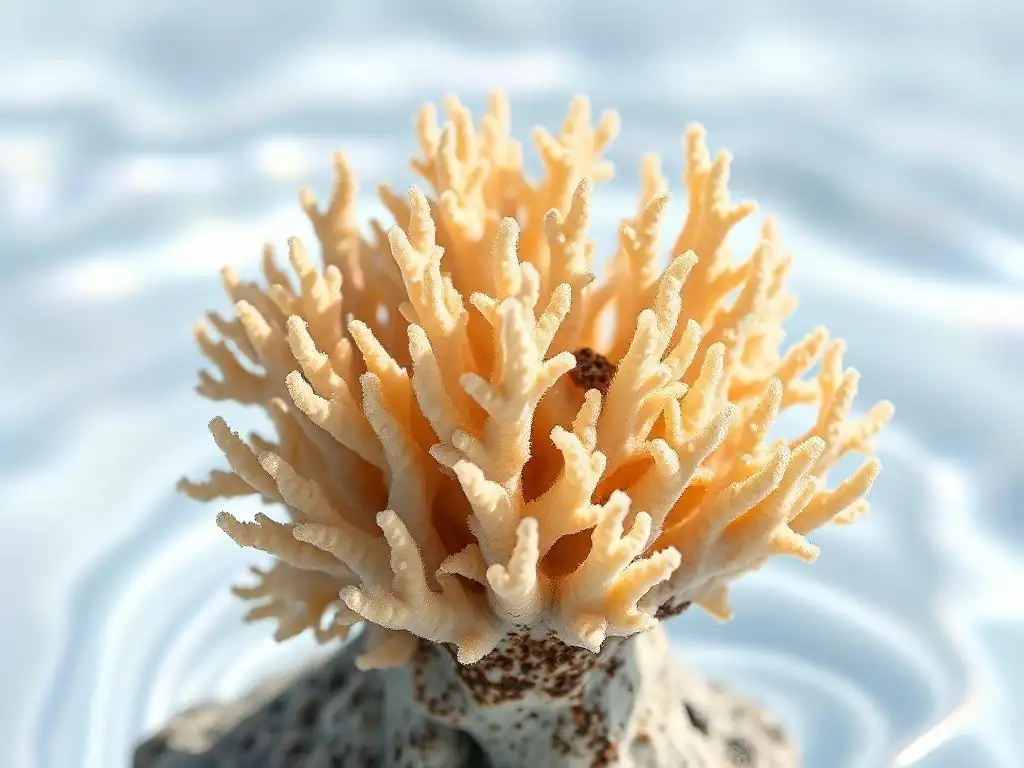
When your leather coral starts turning brown or white, the first step is a thorough visual inspection. Observe not only its color but also its polyp extension, overall tissue integrity, and any presence of a slimy film or unusual odors. A healthy leather coral should extend its polyps regularly and fully, appearing plump and vibrant.
Note any changes in behavior, such as prolonged retraction, shriveling, or excessive mucus production. Consider if the color change occurred suddenly or gradually, and if it coincided with any new additions or changes in the tank. These observations provide crucial clues to narrow down the potential cause for your leather coral turning brown white.
Testing Water Parameters
Comprehensive water testing is essential to diagnose the root cause of color changes. Immediately test all critical parameters: Salinity, Temperature, Alkalinity, Calcium, Magnesium, pH, Nitrates, Phosphates, Ammonia, and Nitrite. Keep a detailed log of your results over time to identify any trends or sudden spikes that might have stressed the coral.
Ensure you are using reliable and unexpired test kits. Inaccurate readings can lead to incorrect diagnoses and ineffective solutions. Comparing your current readings against the ideal ranges for leather corals (e.g., Nitrates below 10-20 ppm, Phosphates below 0.03 ppm, Salinity 1.024-1.026) will pinpoint any chemical imbalances.
Reviewing Recent Tank Changes
Reflect on any changes made to your aquarium within the past few days or weeks leading up to the color change. This includes new equipment (e.g., a more powerful light, a new pump), new inhabitants (fish, invertebrates, or other corals), changes in feeding habits or food types, the introduction of any medications or supplements, or even a different brand of salt mix.
Even seemingly minor alterations can sometimes trigger stress in sensitive corals. For instance, a new fish could stir up detritus, leading to nutrient spikes, or a new powerhead could create excessive flow. Identifying such coincidences is a powerful diagnostic tool when your leather coral is turning brown white.
Solutions and Treatments
Improving Water Quality Through Water Changes
One of the most effective and immediate solutions for a leather coral turning brown or white due to water quality issues is to perform a series of moderate water changes. Regular water changes (e.g., 10-20% weekly) using high-quality, properly mixed saltwater can dilute accumulated toxins, replenish essential trace elements, and help stabilize overall water parameters.
This fundamental practice directly addresses many underlying problems, such as high nitrates and phosphates, and can significantly reduce the stress on the coral, allowing it to recover. Ensure the new saltwater matches the temperature and salinity of the existing tank water to avoid further shock.
Adjusting Lighting Intensity and Spectrum
If lighting is identified as the cause of your leather coral's color change, adjustments must be made gradually. For corals browning due to insufficient light, consider replacing old bulbs, repositioning the coral to a brighter spot, or slowly increasing the intensity of your LED lights. If the coral is bleaching from too much light, raise the light fixture, reduce the photoperiod, or use dimmer settings or shading screens.
Always implement lighting changes over several days to weeks, observing the coral's response closely. Sudden drastic changes can induce further stress and worsen the condition of your leather coral, which is already turning brown white.
Optimizing Water Flow
Adequate and appropriate water flow is crucial for leather corals. Insufficient flow can lead to detritus accumulation on the coral's surface, contributing to browning and irritation. Conversely, excessive direct flow can damage the coral's delicate tissues and prevent polyp extension.
Aim for a gentle, turbulent flow around the coral that prevents detritus buildup but doesn't blast the coral directly. Adjust powerheads or add small circulation pumps to achieve this balance. Proper flow also aids in nutrient delivery and gas exchange for the coral.
Using Carbon and GFO to Control Nutrients
To combat high nutrient levels that lead to browning, activated carbon and Granular Ferric Oxide (GFO) are effective chemical filtration media. Activated carbon removes dissolved organic compounds, yellowing agents, and some pollutants, improving water clarity and reducing the organic load. GFO specifically binds phosphates, preventing their accumulation.
These media can be used in a media bag within a high-flow area of your sump or, more efficiently, in a dedicated media reactor. Follow manufacturer guidelines for dosage and replacement, as spent media can leach pollutants back into the water. Using these regularly helps prevent your leather coral from turning brown due to excess nutrients.
Introducing Natural Predators for Algae Control
For external algae growth causing the brown appearance, introducing appropriate natural grazers can be a sustainable solution. Herbivorous snails like Turbo snails, Nerite snails, and Astrea snails, as well as certain hermit crabs (e.g., Blue Leg Hermits, Scarlet Hermits), are excellent at consuming nuisance algae from rockwork and coral surfaces.
Ensure that any introduced grazers are compatible with your reef environment and other tank inhabitants. Avoid overstocking, as even grazers contribute to the bioload. Monitor their effectiveness and supplement with manual removal if necessary to keep the leather coral clear of algae.
Preventing Future Color Changes
Regular Aquarium Maintenance
Proactive and consistent aquarium maintenance is the cornerstone of preventing color changes and ensuring the long-term health of your leather corals. Establish a regular schedule that includes weekly water changes (typically 10-15%), daily monitoring of feeding amounts, routine cleaning of the protein skimmer collection cup, and timely replacement of filter media.
This consistent approach minimizes the buildup of waste products, maintains stable water parameters, and reduces the likelihood of stress factors that cause a leather coral to start turning brown or white. Prevention is always more effective and less stressful than reacting to problems.
Monitoring Water Parameters
Beyond regular maintenance, consistent monitoring of key water parameters is essential. Implement a weekly or bi-weekly testing regimen for salinity, temperature, alkalinity, and nutrient levels (nitrates and phosphates). Keep a detailed log of your test results to track trends and identify any subtle shifts before they become significant issues.
Early detection of parameter fluctuations allows for minor, incremental corrections, preventing them from escalating into major stressors that can cause your leather coral to turn brown or white. Stability is key to a thriving reef environment.
Gradual Acclimation of New Corals
Whenever introducing new leather corals to your aquarium or relocating existing ones within the tank, always practice gradual acclimation. For new arrivals, drip acclimation over an hour or more helps them adjust to your tank's specific water chemistry (salinity, pH, temperature). For lighting, start new corals on the sand bed or in a shaded area and slowly move them to their desired, brighter location over several weeks.
This slow acclimation process minimizes shock and allows the coral's zooxanthellae to adjust to new light intensities and water conditions, significantly reducing the risk of stress-induced browning or bleaching.
Maintaining a Stable Reef Environment
The most critical factor in preventing future color changes in leather corals is maintaining a stable and consistent reef environment. This includes not only stable water parameters but also consistency in feeding schedules, top-off water quality, temperature, and lighting photoperiods. Avoid sudden or drastic changes to any aspect of the tank.
A stable environment reduces stress on your leather corals, allowing them to thrive, extend their polyps fully, and maintain their natural, vibrant coloration. Consistency in care fosters a robust and resilient reef ecosystem, minimizing instances of your leather coral turning brown white.
Conclusion: Restoring and Maintaining Vibrant Colors
The phenomenon of a leather coral turning brown or white is a clear and urgent indicator of environmental stress within a reef aquarium. Whether it's browning due to excessive zooxanthellae or nuisance algae from high nutrients and insufficient light, or bleaching from extreme temperature, intense light, or poor water quality, these color changes demand immediate investigation and corrective action.
By diligently observing your coral, consistently testing water parameters, and systematically reviewing recent tank changes, you can effectively diagnose the underlying cause. Implementing appropriate solutions – from improving water quality through regular changes to optimizing lighting and flow – are critical steps in restoring your leather coral's health. Ultimately, a proactive approach to aquarium maintenance, coupled with a commitment to maintaining a stable reef environment, is the key to preventing future color changes and ensuring your leather corals display their full, vibrant beauty for years to come.
Frequently Asked Questions
Why is my leather coral turning brown?
Browning often indicates an increase in zooxanthellae within the coral's tissues. This is usually a response to excess nutrients or low light. Check your water parameters and lighting intensity.
What does it mean when my leather coral turns white?
Whitening, or bleaching, signifies a loss of zooxanthellae. This is typically caused by stress factors like high temperatures, poor water quality, or sudden changes in the aquarium environment.
How can I prevent my leather coral from turning brown or white?
Maintain stable and optimal water parameters, including temperature, salinity, and alkalinity. Ensure proper lighting and regular water changes to reduce nutrient buildup and stress.
What should I do if my leather coral starts turning brown or white?
First, test your water parameters immediately to identify any imbalances. Then, adjust your lighting or water flow, and perform a partial water change to improve water quality.
Is a leather coral turning brown or white always a sign of a serious problem?
While often a sign of stress, a slight color change might be a temporary response to minor environmental fluctuations. However, significant or rapid changes warrant immediate investigation and corrective action to prevent further damage.
Final Reflection: The Resilience of Reefs and Responsibility
The journey to understand why a leather coral is turning brown or white is more than just diagnosing a problem in an aquarium; it's a microcosm of the larger challenges facing our planet's coral reefs. The delicate balance of light, water chemistry, and symbiotic relationships within a tank mirrors the complex ecosystems threatened by climate change and pollution. Recognizing the signs of stress in these captive environments allows us to better appreciate the fragility and interconnectedness of all marine life.
This exploration into the health of leather corals has profoundly highlighted the responsibility we bear as stewards of the natural world, both within our homes and beyond. The dedication to understanding and addressing the needs of these creatures reflects a deeper commitment to conservation. We are tied to the ocean. And when we go back to the sea, whether it is to sail or to watch - we are going back from whence we came.
- John F. Kennedy. This quote reminds us of our inherent connection to the ocean and the urgent need to protect its inhabitants.
As you consider the information presented here, I encourage you to reflect on your own role in safeguarding our planet's precious ecosystems. Whether you are a seasoned reef keeper or simply someone who appreciates the beauty of the ocean, remember that every action, no matter how small, can contribute to a healthier future for coral reefs and the countless species that depend on them. Let the lessons learned from caring for a leather coral inspire you to embrace sustainable practices and advocate for the protection of our oceans.
Revitalize Your Leather Coral Today!
Thanks for diving into the health and vibrancy of your leather coral! We hope this article shed light on the potential causes of color change and empowered you with the knowledge to take action. Now, let’s get that coral thriving again!
Here’s what you can do:
- Immediately test your water parameters, focusing on alkalinity, calcium, and magnesium levels. Stable parameters are key!
- Join the Aquarium Mastery community forum to share pictures of your coral and get personalized advice from experienced reefers.
- Experiment with subtle changes in lighting intensity and water flow around your coral to see if it responds positively. Don't make drastic changes all at once!
What’s the first water parameter you're going to test to ensure your leather coral's long-term health?