
Metal Halides for SPS Tanks: Unleashing Intense Power and Superior Light Coverage

Welcome to Aquarium Mastery!
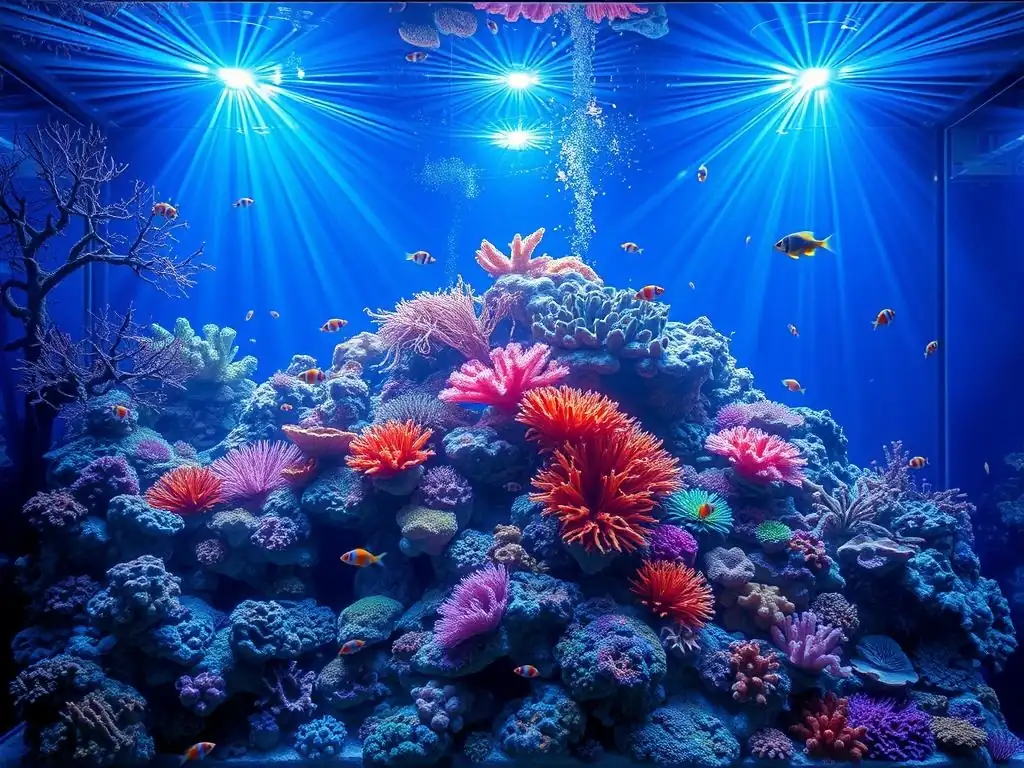
Ever wondered if you're truly unlocking the full potential of your SPS coral? If you're looking to achieve vibrant colors and explosive growth in your reef tank, you've come to the right place. Our article dives deep into the world of SPS tank metal halide lighting, exploring how this powerful technology can transform your aquarium. Ready to discover if metal halides are the missing piece to your SPS success? Let's illuminate your reef!
- LED Lighting for SPS Tanks: A Modern Approach to Reef Illumination
- Understanding SPS Coral Lighting Needs
- LEDs: A Versatile Lighting Solution for SPS Reefs
- Choosing the Right LED System for Your SPS Tank
- Setting Up and Maintaining LED Lighting for SPS Tanks
- Optimizing SPS Coral Coloration with LED Lighting
- Addressing Common Concerns with LED Lighting
- LEDs vs. Metal Halides for SPS Tanks: A Comparison
- Achieving Success with LED Lighting in SPS Reef Aquariums
- Maximizing SPS Growth and Color: Advanced LED Techniques
-
Frequently Asked Questions
- What are the primary benefits of using metal halide lighting for SPS tanks?
- Are metal halides difficult to set up and maintain in SPS tanks?
- How does metal halide lighting affect the water temperature in an SPS tank?
- What spectrum of metal halide bulbs is best for SPS coral growth and color?
- Are there any alternatives to metal halide lighting for SPS tanks?
- Final Reflection: Embracing the Sun's Power in Our Reefs
- Ignite Your SPS Tank: Recreate Reef Radiance!
LED Lighting for SPS Tanks: A Modern Approach to Reef Illumination
Understanding SPS Coral Lighting Needs
The Importance of PAR and PUR for SPS Coral Growth
Photosynthetically Active Radiation (PAR) measures the total amount of light available for photosynthesis within the 400-700 nanometer spectrum, which is crucial for the symbiotic zooxanthellae residing in SPS (Small Polyp Stony) corals. For robust growth and vibrant coloration, SPS corals typically require high PAR levels, often ranging from 200-450 PAR at the coral level, with some high-light demanding species thriving even above 500 PAR. Providing an adequate and stable PAR environment is fundamental to the health and development of these light-hungry organisms, as insufficient PAR can lead to coral starvation and tissue recession, while excessive PAR can cause bleaching.
Beyond the overall quantity of light, the quality, or Photosynthetically Usable Radiation (PUR), is equally vital. PUR refers to the specific wavelengths of light that zooxanthellae can most efficiently utilize for photosynthesis. Research indicates that blue and violet wavelengths (approximately 420-470 nm) are particularly important for SPS corals, as these are absorbed most effectively by their photosynthetic pigments. While a broad spectrum is beneficial, an emphasis on these blue-rich wavelengths, often supplemented with white, red, and green diodes, ensures that the coral's internal algae can convert light energy into food efficiently, fueling the coral's calcification and growth processes.
What Makes SPS Corals Unique in Their Lighting Requirements?
SPS corals are renowned for their intricate, calcified skeletons and vibrant colors, which are directly linked to their profound reliance on light. Unlike many other coral types, SPS species, such as Acropora, Montipora, and Seriatopora, typically inhabit shallow, high-energy reef environments in the wild, where they are exposed to intense sunlight. This natural habitat has driven their evolutionary adaptation to demand exceptionally high light intensity and specific spectral compositions to support the dense populations of zooxanthellae within their tissues, which can constitute up to 30% of their total biomass.
Their unique lighting requirements stem from their rapid growth rates and the metabolic demands of forming complex calcium carbonate skeletons. These processes are highly energy-intensive and are primarily fueled by the sugars and oxygen produced by their symbiotic algae through photosynthesis. Consequently, an SPS tank requires not only powerful lighting but also a spectrum that closely mimics natural sunlight, with a strong emphasis on blue and violet wavelengths to maximize photosynthetic efficiency and enhance the expression of fluorescent proteins that contribute to their striking coloration.
LEDs: A Versatile Lighting Solution for SPS Reefs
The LED Advantage: Efficiency, Control, and Longevity
Light Emitting Diodes (LEDs) have emerged as a dominant lighting solution for SPS tanks, offering significant advantages over traditional lighting methods like SPS tank metal halide lighting. One of the primary benefits is their superior energy efficiency. Modern reef LEDs can convert a higher percentage of electrical energy into usable light, leading to lower power consumption and reduced electricity bills. For instance, a high-quality LED fixture might consume 200-300 watts to cover a 48-inch tank, providing comparable or superior PAR to a 400-watt metal halide system, thus offering substantial long-term savings.
Furthermore, LEDs provide unparalleled control over light intensity and spectrum. Most advanced LED units feature multiple independently controllable channels (e.g., royal blue, blue, white, red, green, UV), allowing aquarists to fine-tune the light output to specific coral needs and create dynamic daily light cycles, including dawn, dusk, and moonlight phases. This level of customization is impossible with fixed-spectrum bulbs. Additionally, LED diodes boast an impressive lifespan, typically rated for 50,000 to 70,000 hours of operation, which translates to many years of use without the need for frequent bulb replacements, unlike metal halide bulbs which often require annual replacement.
How LEDs Mimic Natural Sunlight for SPS Corals
LED technology allows for the precise blending of individual diode colors to create a full spectrum that closely replicates the intricacies of natural sunlight. By combining specific wavelengths such as royal blue (450-460nm), blue (470nm), violet (400-420nm), cool white, warm white, and even small amounts of red and green, LED fixtures can produce a balanced spectral output vital for SPS coral health. This multi-channel approach ensures that zooxanthellae receive the optimal wavelengths for photosynthesis (PUR), particularly in the blue-violet range, which penetrates water most effectively and is crucial for coral pigmentation.
Moreover, the programmability of LED systems enables aquarists to simulate the natural daily light cycle experienced by corals in the wild. This includes gradual ramp-up periods in the morning, a peak intensity period during midday, and a gentle ramp-down into evening moonlight. Such dynamic lighting schedules, complete with cloud cover simulations or lunar cycles, can reduce stress on corals, promote natural behaviors, and contribute to more robust growth and vibrant coloration by providing a more natural and less abrupt transition between light phases compared to the sudden on/off cycles common with older SPS tank metal halide lighting setups.
Choosing the Right LED System for Your SPS Tank
Fixture Type Considerations for SPS Tank LED Lighting: Bars, Panels, Pucks
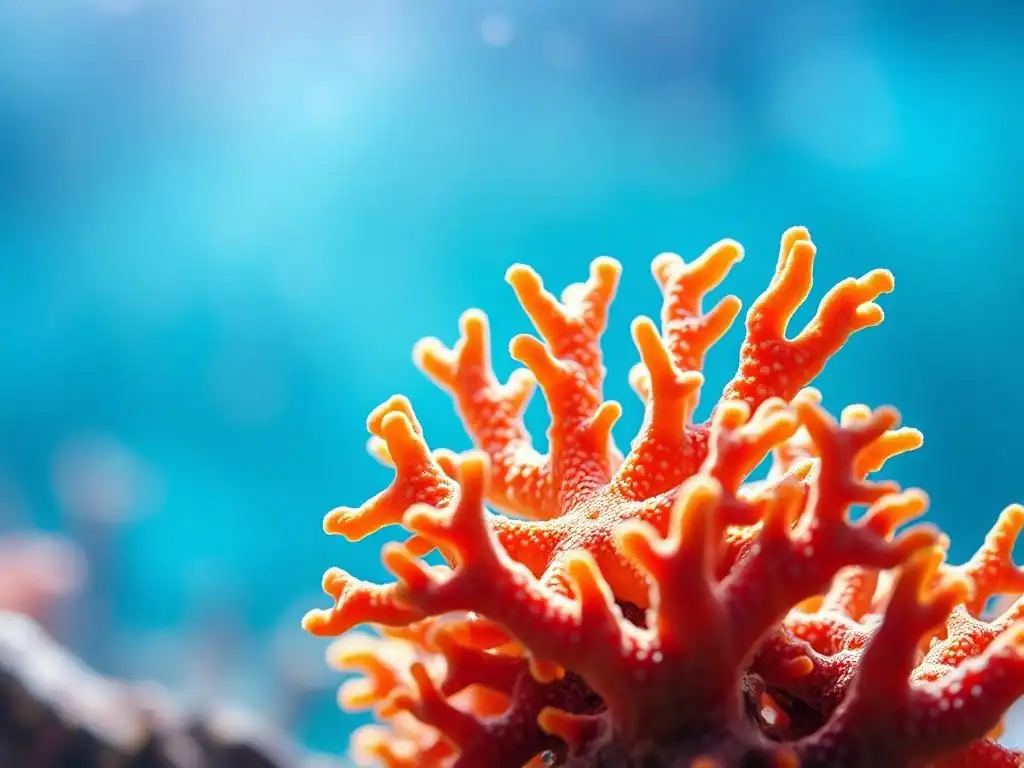
When selecting an LED system for an SPS tank, aquarists encounter various fixture types, each with specific advantages. Panel-style fixtures, often rectangular units with numerous diodes, provide broad, relatively even light coverage and are a popular choice for larger tanks, offering comprehensive PAR across the entire footprint. Puck-style or module-based fixtures, characterized by dense clusters of high-power diodes, deliver intense, focused light with significant penetration, making them ideal for deep tanks or for targeting specific high-light demanding SPS colonies.
In addition to primary fixtures, LED bars are increasingly utilized as supplemental lighting. These slim, often spectrum-specific (e.g., all blue or UV) bars can be added to existing setups to enhance overall light spread, fill in shadowed areas, or boost specific wavelengths crucial for coral coloration. Many advanced SPS tank setups now employ hybrid systems, combining powerful LED panels or pucks for intensity and shimmer with T5 fluorescent bars to achieve unparalleled light spread and color blending, ensuring uniform PAR distribution across a densely packed SPS reef.
Selecting the Correct Spectrum and Intensity for Optimal SPS Growth and Coloration
The right spectrum is paramount for SPS coral growth and coloration. A high-quality SPS tank LED lighting system should provide a spectrum rich in blue and royal blue wavelengths (450-470 nm), which are critical for photosynthesis and the development of vibrant fluorescent pigments. These primary blue channels should be complemented by a balanced amount of white light (typically cool white or neutral white), along with smaller contributions from violet (380-420 nm), UV, red, and green diodes to ensure a full, balanced spectrum that mimics natural sunlight and promotes overall coral health.
Intensity, measured in PAR, must be carefully calibrated for SPS corals. While these corals are high-light demanding, excessive or insufficient PAR can be detrimental. For a thriving SPS tank, aim for PAR levels generally between 250-450 at the coral tips, adjusting based on specific species and tank depth. It's crucial to start with lower intensity during acclimation and gradually increase it, monitoring coral response. Many advanced LED fixtures provide PAR maps or recommendations, but using a PAR meter is the most accurate way to ensure optimal light delivery to your SPS colonies.
LED Channel Control: Customization and Flexibility
One of the most significant advantages of modern SPS tank LED lighting systems is their sophisticated channel control. High-end fixtures typically feature multiple independent LED channels, allowing aquarists to precisely adjust the intensity of different color groups—such as royal blue, blue, white, violet/UV, and sometimes red/green—individually. This granular control empowers reefers to create custom light recipes tailored to their specific SPS species' needs, promoting optimal growth, enhancing coloration, and even influencing pigment expression.
This flexibility extends beyond static spectrum adjustments. With multi-channel control, users can program dynamic lighting schedules that mimic natural sunrise, midday peak, and sunset cycles. For example, a common schedule might involve a gradual ramp-up of blue channels over 90 minutes, followed by the slow introduction of white and other colors, reaching peak intensity for 6-8 hours, and then a reverse ramp-down. Some systems even offer advanced features like cloud simulations, lightning effects, or lunar cycles, providing a truly naturalistic environment that can contribute to reduced coral stress and improved overall vitality in an SPS tank.
Setting Up and Maintaining LED Lighting for SPS Tanks
Proper LED Fixture Placement for Optimal Light Coverage
Proper placement of LED fixtures is critical for achieving uniform and effective light coverage across an SPS tank. Unlike the broad, diffuse spread often associated with SPS tank metal halide lighting, LEDs, especially those with narrow optics, can create "hot spots" or shaded areas if not positioned correctly. Generally, LED fixtures should be mounted 6 to 12 inches above the water surface, with the exact height depending on the fixture's power, optics, and the desired PAR levels at various depths. Higher mounting typically provides a wider spread but reduces intensity, while lower mounting increases intensity but narrows the spread.
For tanks longer than 24-36 inches, using multiple LED fixtures or a single fixture designed for broad coverage (e.g., a long panel or multiple pucks spaced appropriately) is often necessary to ensure even PAR distribution. Overlapping the light fields from multiple units helps eliminate shadows and provides consistent lighting for all SPS colonies, regardless of their position in the tank. It is advisable to visually inspect the tank for shadowed areas and, if possible, use a PAR meter to map the light intensity across the entire aquascape, adjusting fixture positions until optimal uniformity is achieved.
Acclimation: Introducing SPS Corals to LED Lighting
When introducing new SPS corals to an LED-lit tank, or transitioning an existing tank from another lighting type (like SPS tank metal halide lighting) to LEDs, a proper acclimation period is paramount to prevent light shock and bleaching. LEDs, particularly powerful ones, can deliver a very intense and spectrally different light compared to what corals are accustomed to. Start by running the LEDs at a significantly reduced intensity, often 30-50% of the desired peak PAR, for the first week.
Over the subsequent weeks, gradually increase the intensity by 5-10% weekly, closely observing the corals for any signs of stress, such as paling, tissue recession, or loss of polyp extension. If corals show signs of stress, halt the increase or even reduce intensity slightly for a few days before resuming a slower acclimation schedule.
This gradual increase allows the zooxanthellae within the coral tissue to adjust to the new light environment, synthesize protective pigments, and avoid expelling their vital symbiotic algae. A typical acclimation period can last anywhere from 4 to 8 weeks, depending on the coral species and the intensity of the new lighting.
LED Fixture Maintenance and Longevity Tips
Maintaining your LED fixtures is crucial for ensuring their optimal performance and extending their lifespan in an SPS tank. The most common maintenance task involves regularly cleaning the lenses or acrylic splash guards. Salt creep, evaporated water residue, and algae can accumulate on these surfaces, significantly reducing light output and altering the spectrum. A weekly or bi-weekly wipe-down with a soft cloth and RO/DI water or a mild vinegar solution will keep the light path clear and maximize PAR delivery to your SPS corals.
Beyond cleaning, ensure adequate ventilation around the fixture. LEDs generate heat, and proper cooling (via internal fans or heatsinks) is vital to prevent premature diode degradation. Check cooling fans periodically for dust accumulation or blockages. While LEDs have a long lifespan (50,000+ hours), their output can degrade over many years, typically losing 5-10% PAR per year after the initial few years. Monitoring PAR levels annually with a PAR meter can help determine if the fixture still provides sufficient light for your SPS corals or if it's time for an upgrade.
Optimizing SPS Coral Coloration with LED Lighting
The Role of Specific LED Wavelengths in Enhancing SPS Coral Pigmentation
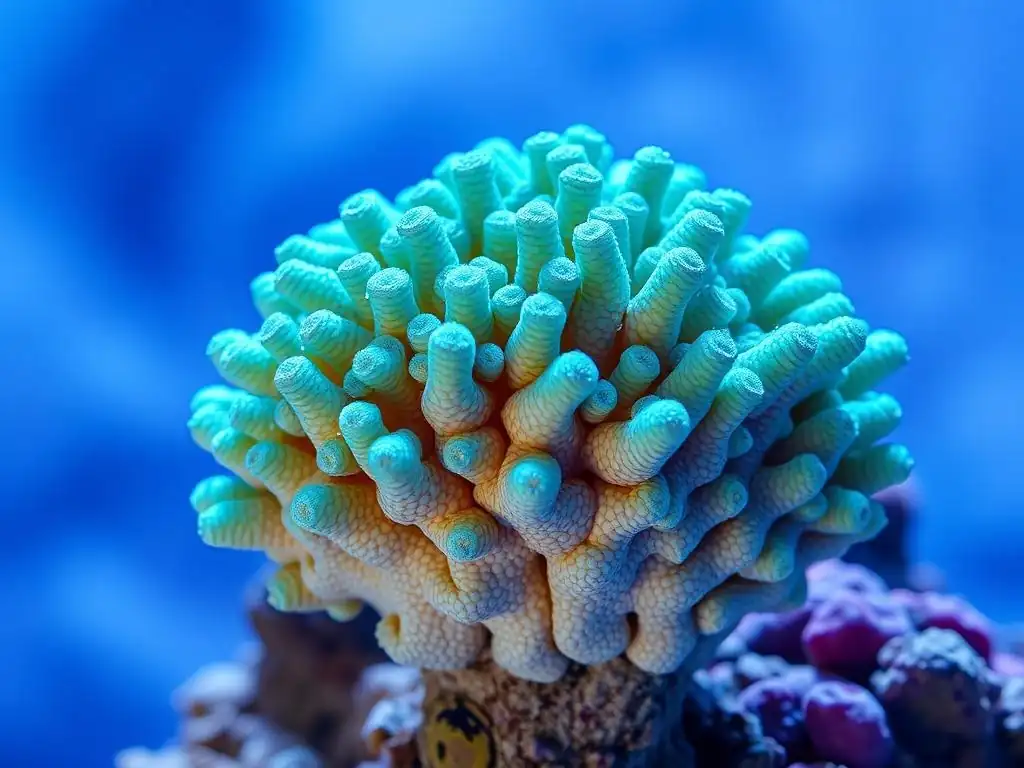
The dazzling array of colors found in SPS corals is largely due to the presence of fluorescent proteins within their tissues, which are stimulated by specific wavelengths of light. While zooxanthellae primarily utilize blue and violet light for photosynthesis, these same wavelengths, particularly those in the 400-420 nm (violet/UV-A) and 450-470 nm (royal blue) ranges, are exceptionally effective at exciting these fluorescent proteins, causing them to glow. A robust SPS tank LED lighting system will therefore emphasize these spectral bands to bring out the most vibrant purples, pinks, blues, and greens in your corals.
Beyond the primary blue and violet, the careful inclusion of other wavelengths can further enhance the spectrum for coloration. Small amounts of true UV (below 400 nm), deep red (660 nm), and even some green light can play a role in promoting different pigment expressions and improving overall coral health. Many advanced LED fixtures allow independent control over these channels, enabling aquarists to experiment with different "color recipes" to maximize the aesthetic appeal of their SPS colonies while ensuring their photosynthetic needs are met.
Balancing LED Lighting with Other Lighting Supplements [e.g., T5]
While modern LEDs are powerful enough to grow SPS corals on their own, many advanced aquarists find that combining them with other lighting supplements, particularly T5 fluorescent bulbs, yields superior results in terms of color rendition and even growth. This hybrid approach leverages the strengths of both technologies: LEDs provide intense, focused PAR, shimmer, and precise spectral control, while T5s offer a broad, even, and diffuse light spread that minimizes shadowing and ensures uniform illumination across the entire aquascape.
A common hybrid setup for an SPS tank might feature powerful LED panels or pucks mounted above the tank, flanked by two or more T5 bulbs (e.g., actinic blue, coral plus, or purple plus). The T5s excel at filling in the gaps that LEDs might miss, providing a "fill light" that reduces hot spots and ensures every part of the coral colony receives adequate light, leading to better coloration and more uniform growth, especially in densely packed reefs.
This combination often results in a more natural look and a wider color spectrum that can be challenging to achieve with LEDs alone, even surpassing the broadness of traditional SPS tank metal halide lighting.
Addressing Common Concerns with LED Lighting
Light Bleaching and Burn: Avoiding Overexposure with LEDs
One of the most common issues faced by aquarists transitioning to or using powerful LED lighting in an SPS tank is the risk of light bleaching or burn. LEDs can deliver incredibly high PAR levels, and if corals are introduced to this intensity too quickly or if the light is simply too strong, their symbiotic zooxanthellae can become stressed. This stress leads to the expulsion of the algae, causing the coral tissue to turn pale or white (bleaching), and in severe cases, can result in tissue necrosis or "burn" marks.
To prevent this, meticulous acclimation is crucial. As discussed previously, start with low intensity and gradually increase it over several weeks, observing the corals closely. If corals show signs of stress, immediately reduce the intensity. Additionally, proper fixture placement and the use of a PAR meter can help ensure that light levels are appropriate for the specific SPS species and their location in the tank. Regularly monitoring coral health and adjusting light schedules or intensity based on their response is key to avoiding overexposure.
Achieving Proper Spread and Coverage with LED Fixtures
Unlike the wide, unfocused light distribution of older SPS tank metal halide lighting, many LED fixtures, especially those with narrow optics, can create concentrated beams of light. While this provides excellent penetration, it can also lead to uneven light distribution, creating bright "hot spots" directly under the fixture and shadowed areas elsewhere in the tank. This unevenness can hinder the growth and coloration of SPS corals not directly in the path of the most intense light.
To achieve proper spread and coverage in an SPS tank, consider the following:
- Fixture Quantity: For larger tanks, using multiple smaller LED fixtures or a long, panel-style fixture can provide more uniform coverage than a single, high-power unit.
- Mounting Height: Raising the fixture higher above the water surface will broaden the light spread, albeit at the cost of some intensity.
- Optics: Choose fixtures with wider-angle optics (e.g., 90-120 degrees) if broad coverage is a priority, or combine focused optics with supplemental light bars.
- Hybrid Systems: As mentioned, combining LEDs with T5 fluorescent bulbs is an excellent way to ensure complete and even light distribution, especially in densely aquascaped SPS tanks.
LED Dimming and Scheduling for Optimal Results
The advanced dimming capabilities of LED lighting systems are a powerful tool for optimizing an SPS tank environment. Instead of simple on/off cycles, LEDs allow for smooth, gradual ramp-up and ramp-down periods, mimicking natural sunrise and sunset. This gentle transition helps reduce stress on corals and fish, promoting more natural behavior. A typical daily schedule might involve a 60-90 minute ramp-up of blue channels, followed by the gradual introduction of white and other colors, reaching peak intensity for 6-8 hours, and then a reverse ramp-down, often ending with a low-intensity moonlight phase.
Beyond daily cycles, dimming functionality enables aquarists to fine-tune light intensity for specific coral needs or tank conditions. For instance, if certain SPS corals are showing signs of stress, the overall intensity can be slightly reduced without altering the spectrum. Conversely, for rapid growth, intensity can be gradually increased. Many controllers also offer advanced features like cloud cover simulations or lunar cycles, which can add realism and potentially benefit coral health by providing momentary light reductions, similar to their natural reef environment.
LEDs vs. Metal Halides for SPS Tanks: A Comparison
Intensity and Penetration: LEDs vs. Metal Halides
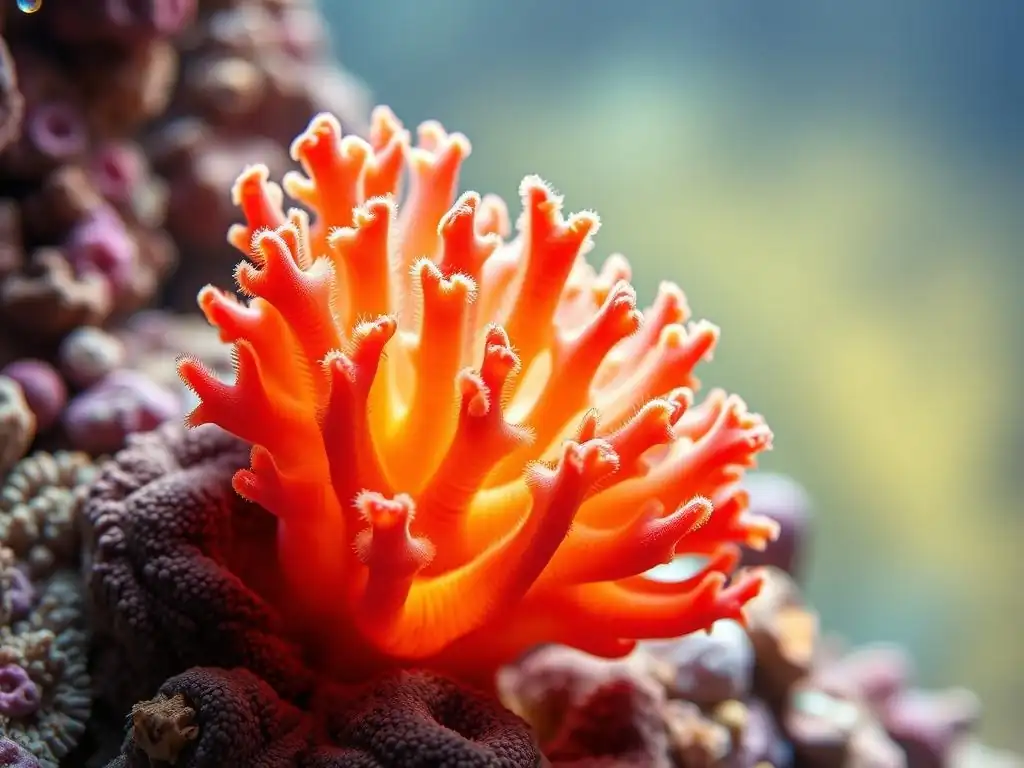
Both LEDs and SPS tank metal halide lighting can deliver the high intensity and penetration required for thriving SPS corals, but they achieve this through different mechanisms. Metal halides, particularly 250W or 400W bulbs, produce a powerful, relatively broad cone of light that can penetrate deep into large aquariums. Their single point source often creates a strong "shimmer" effect, mimicking sunlight rippling through water. However, this intensity is often fixed, limited by the bulb's wattage, and can create significant heat.
Modern high-power LEDs, especially those with focused optics, can match or even exceed the PAR levels and penetration of metal halides. Multi-chip LED clusters can concentrate immense light energy into a tight beam, making them highly effective for deep SPS tanks. While they might produce less of the broad shimmer of metal halides, they offer unparalleled control over light delivery. Furthermore, LEDs generate less radiant heat that transfers directly into the water column, potentially reducing the need for chillers in some setups compared to the substantial heat output of a typical SPS tank metal halide lighting system.
Spectrum Control: LEDs vs. Metal Halides
The ability to control the light spectrum is where LEDs hold a distinct advantage over SPS tank metal halide lighting. Metal halide bulbs come with a fixed spectrum determined by their chemical composition (e.g., 10K, 14K, 20K). To change the spectrum, the bulb itself must be physically replaced, which can be costly and inconvenient, as high-quality metal halide bulbs typically need replacement every 9-12 months to maintain optimal output. This limits the aquarist's ability to fine-tune the light to specific coral needs or aesthetic preferences without significant effort and expense.
In contrast, LED fixtures offer dynamic, real-time spectrum control. With multiple independently controllable channels (e.g., royal blue, white, violet, red, green), aquarists can precisely adjust the output of each color group throughout the day. This allows for customized light recipes that promote optimal SPS coral growth and coloration, as well as the creation of elaborate daily light cycles, including dawn, dusk, and moonlight phases. This granular control means the spectrum can be adapted as corals grow or as new species are introduced, providing unmatched flexibility.
Cost and Longevity: LEDs vs. Metal Halides
When comparing the cost of LEDs versus SPS tank metal halide lighting, it's important to consider both the initial investment and the long-term running costs. LEDs typically have a higher upfront purchase price. A high-quality LED fixture suitable for an SPS tank might range from $500 to over $1,500, depending on size and features. However, their operational costs are significantly lower due to their superior energy efficiency and exceptionally long lifespan. LED diodes are rated for 50,000 to 70,000 hours, meaning a fixture can last 5-10 years or more without needing replacement, and electricity consumption is generally lower.
Metal halide systems often have a lower initial purchase price, with fixtures ranging from $200 to $600. However, their running costs are considerably higher. Metal halide bulbs consume more electricity per unit of light output, leading to higher energy bills.
More critically, metal halide bulbs degrade significantly in spectrum and intensity over time and require annual replacement, with each high-quality bulb costing anywhere from $100 to $200. Over several years, the cumulative cost of bulb replacements and higher electricity consumption for a metal halide setup can easily surpass the initial higher investment of an LED system, making LEDs a more economical long-term solution for an SPS tank.
Achieving Success with LED Lighting in SPS Reef Aquariums
Monitoring SPS Coral Health and Growth Under LEDs
Consistent monitoring of SPS coral health and growth is crucial for success under LED lighting. Unlike the relatively uniform output of SPS tank metal halide lighting, LED fixtures can have varying spectral distributions and intensities, requiring careful observation. Regularly inspect your SPS colonies for signs of distress such as paling or browning tissue, reduced polyp extension, or tissue recession. Healthy SPS corals typically exhibit vibrant coloration, good polyp extension throughout the day, and visible growth tips (e.g., white or colored growth edges on Acropora).
Track growth by taking periodic photographs or by measuring specific colonies. Look for new branch formation, increased mass, and upward or outward growth. If growth is stunted or corals appear stressed, consider adjusting your LED settings. This might involve slightly reducing intensity, fine-tuning the spectrum, or extending the acclimation period. Conversely, if corals are thriving, you can gradually push the limits to maximize growth and coloration, always using coral response as your primary guide.
Fine-Tuning LED Lighting for Specific SPS Species
While SPS corals generally require high light, the optimal PAR and spectral composition can vary significantly between different species. For instance, certain fast-growing Acropora species like Acropora millepora or Acropora formosa often thrive under very high PAR (400-500+) and a strong blue spectrum, which enhances their vibrant pigmentation. In contrast, some Montipora species or Seriatopora might prefer slightly lower PAR levels (250-350) and can be more susceptible to bleaching if light is too intense too quickly.
This is where the fine-tuning capabilities of LED lighting truly shine. By using multi-channel control, aquarists can create "light zones" within their SPS tank, placing higher-light demanding species directly under the most intense light and positioning more sensitive corals in areas with slightly reduced PAR. Additionally, slight adjustments to the blue-to-white ratio can influence the specific fluorescent proteins expressed, allowing for targeted color enhancement of different coral types, a level of precision unavailable with traditional SPS tank metal halide lighting.
Troubleshooting Common Issues with LED-Lit SPS Tanks
Despite their advantages, LED lighting can present unique challenges in an SPS tank that require specific troubleshooting.
- Algae Blooms: If you experience excessive nuisance algae, especially diatoms or cyanobacteria, it could indicate an imbalance in your LED spectrum or intensity. Too much green or red light, or insufficient blue/UV, can sometimes favor undesirable algae growth. Try reducing red/green channels and slightly increasing blue/UV.
- Coral Paling/Bleaching: This is typically a sign of too much light or too rapid an increase in intensity. Immediately reduce PAR by dimming the lights or raising the fixture. Ensure your acclimation process is slow and gentle.
- Lack of Growth/Browning: Conversely, if SPS corals appear dull, brown, or show stunted growth, they might not be receiving enough PAR or the correct spectrum. Gradually increase intensity and ensure a robust blue/violet component in your spectrum.
- Shading: If certain corals in a densely packed tank are not thriving, check for shading from other corals or rockwork. Adjust aquascaping or consider adding supplemental LED bars to fill in shadowed areas. Regular PAR mapping can help identify and resolve these issues.
Maximizing SPS Growth and Color: Advanced LED Techniques
Utilizing Spectral Controllers for Enhanced Coloration and Growth
Advanced LED systems for SPS tanks often come equipped with sophisticated spectral controllers or integrate with external smart controllers. These devices move beyond simple dimming, allowing aquarists to independently adjust the intensity of each individual LED color channel (e.g., royal blue, blue, violet, white, red, green) with granular precision. This capability enables the creation of highly customized "light recipes" tailored to the specific needs of different SPS species, optimizing both their photosynthetic efficiency and the expression of their vibrant fluorescent proteins.
For instance, an aquarist might program higher intensity on the royal blue and violet channels during peak hours to promote vibrant pinks and purples in Acropora, while maintaining a balanced white output for overall health. Some controllers can even integrate with PAR meters, providing real-time feedback on light intensity at various points in the tank, allowing for precise adjustments to achieve target PAR levels for specific corals. This level of control is a significant leap from the fixed spectrum of traditional SPS tank metal halide lighting, offering unparalleled opportunities for coral husbandry.
Implementing Dynamic Lighting Schedules for Naturalistic Effects
Beyond simple ramp-up and ramp-down, advanced LED controllers allow for the implementation of highly dynamic lighting schedules that mimic the complex natural light cycles of a coral reef. This can include programming subtle fluctuations in intensity throughout the day to simulate cloud cover, or even incorporating lunar cycles to influence coral spawning behaviors. For example, a schedule might include a midday intensity dip for 30-60 minutes to simulate a passing cloud, which some aquarists believe can reduce coral stress and encourage better polyp extension.
These naturalistic effects aim to provide a more stable and less stressful environment for SPS corals, potentially leading to more robust growth and enhanced coloration. While the direct physiological benefits of such intricate simulations are still an area of ongoing research, many reef keepers observe improved coral health and more natural behaviors in tanks with dynamic lighting compared to static, constant light levels. This capability truly differentiates modern LED systems from the more rigid scheduling options of SPS tank metal halide lighting.
The Future of LED Lighting in SPS Reef Keeping [Emerging Technologies]
The field of LED lighting for SPS reef keeping is continually evolving, with several emerging technologies promising even greater control, efficiency, and effectiveness. One significant development is the integration of artificial intelligence (AI) and machine learning into lighting controllers. These "smart" systems could potentially learn from coral growth patterns and water parameters, automatically adjusting light intensity and spectrum to optimize conditions, or even predicting and preventing issues like bleaching before they become severe.
Another area of advancement is the development of specialized diode types, including deeper UV wavelengths (e.g., UV-C for sterilization or specific UV-A for pigmentation), hyper-reds, and even full-spectrum white diodes with enhanced blue peaks. The miniaturization of components also allows for more compact, powerful fixtures with improved heat dissipation. Furthermore, integrated sensors that monitor PAR, water temperature, or even coral health directly under the light are becoming more common, paving the way for truly adaptive and responsive SPS tank LED lighting systems that will continue to push the boundaries of reef keeping success.
Frequently Asked Questions
What are the primary benefits of using metal halide lighting for SPS tanks?
Metal halide lighting offers intense light output necessary for SPS coral growth and vibrant coloration. They also provide superior light coverage, reaching deep into the tank compared to other lighting options.
Are metal halides difficult to set up and maintain in SPS tanks?
While effective, metal halides require a greater initial investment and more careful setup. They generate significant heat, necessitating cooling solutions. Routine bulb replacement is also essential.
How does metal halide lighting affect the water temperature in an SPS tank?
Metal halide lights produce a lot of heat, which can significantly increase water temperature. Therefore, it's crucial to use cooling methods such as chillers or fans to maintain a stable and suitable environment for SPS corals.
What spectrum of metal halide bulbs is best for SPS coral growth and color?
Bulbs with a color temperature between 10,000K and 20,000K are generally recommended for SPS tanks. This spectrum provides the essential wavelengths that corals need for photosynthesis and coloration.
Are there any alternatives to metal halide lighting for SPS tanks?
Yes, LED lighting systems are a popular alternative. High-quality LED fixtures can provide comparable light intensity and offer benefits like lower energy consumption and less heat generation, although initial cost may be higher.
Final Reflection: Embracing the Sun's Power in Our Reefs
The journey through the world of metal halide lighting for SPS tanks reveals more than just a technical exploration; it underscores the profound connection between replicating natural environments and fostering thriving coral ecosystems. The intensity and coverage offered by these powerful lamps, while demanding careful management, remain a testament to our dedication to providing the best possible conditions for our delicate reef inhabitants.
This pursuit of optimal lighting has not only shaped the evolution of reefkeeping technology but also deeply influenced our understanding of coral physiology and the intricate balance within a reef aquarium. Witnessing the vibrant colors and robust growth of SPS corals under metal halide illumination is a constant reminder of the power of light and its crucial role in their survival. The sea, once it casts its spell, holds one in its net of wonder forever.
- Jacques Cousteau. This quote encapsulates the enduring fascination that drives us to recreate the beauty and complexity of the ocean within our own homes.
As we look to the future, let us continue to refine our understanding and application of metal halide technology, always prioritizing the well-being of our corals and the sustainability of our practices. Consider how you can further optimize your lighting setup, not just for aesthetic appeal, but for the long-term health and vitality of your SPS corals. Embrace the challenge, and witness the extraordinary transformation that awaits.
Ignite Your SPS Tank: Recreate Reef Radiance!
Thanks for diving deep into the world of metal halides and their impact on SPS reef tanks. We hope you now have a better understanding of how to leverage their intense power for vibrant coral growth. Now, let's put that knowledge into action!
- Calculate your tank's PAR: Invest in a PAR meter and take readings at various depths. Share your findings in the comments and let's optimize lighting together!
- Consider supplementing with T5s or LEDs for spectrum blending and enhanced color rendition, pushing your coral's color potential.
- Spread the reef love! Share this article with fellow reefers struggling with SPS coloration.
What innovative lighting solutions are you experimenting with in your SPS tank?