
Troubleshooting Soft Coral Problems: A Quick Diagnostic Guide

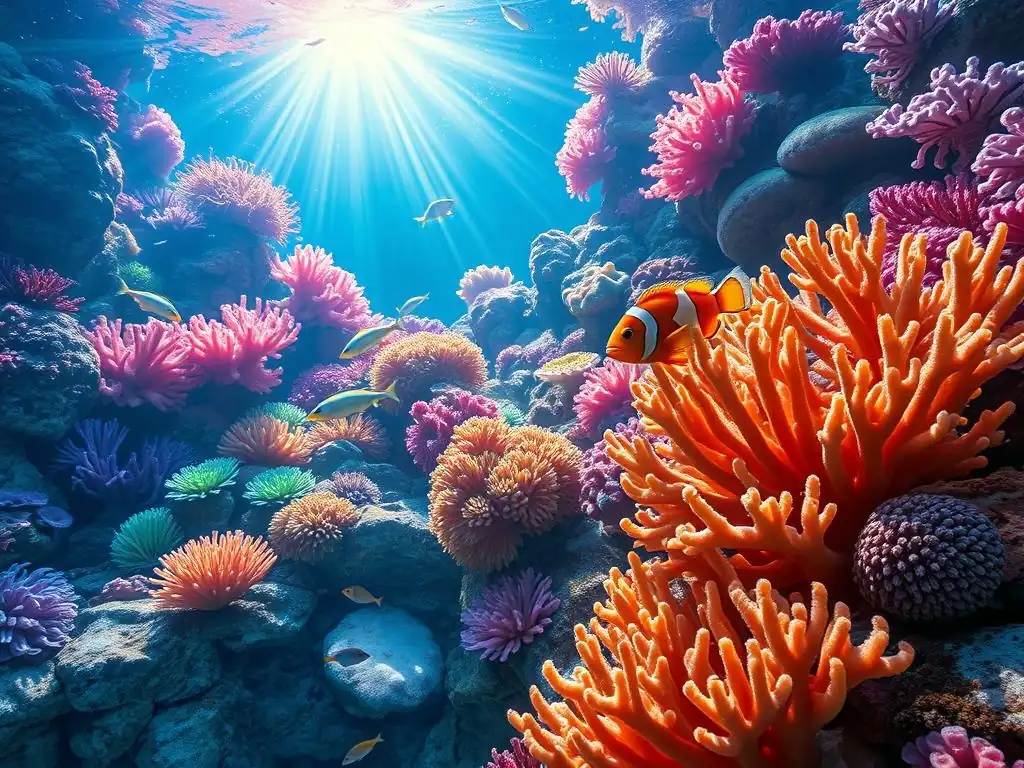
Welcome to Aquarium Mastery!
Ever wondered why your vibrant soft corals are losing their color? Unraveling the mystery of soft coral bleaching is crucial for any reef aquarist. Dive into our comprehensive guide, "Troubleshooting Soft Coral Problems: A Quick Diagnostic Guide," and discover the common culprits behind this worrying phenomenon – and, more importantly, how to bring your corals back to their flourishing best. Are you ready to learn how to protect your reef's delicate ecosystem?
- Introduction to Soft Coral Health Issues
- Identifying Common Soft Coral Problems: A Visual Guide
-
Soft Coral Bleaching Causes: A Deep Dive
- What is Soft Coral Bleaching? Understanding the Process
- Temperature Shock: A Primary Cause of Soft Coral Bleaching
- Light Intensity Issues: Too Much or Too Little Light
- Water Quality Problems: Nitrates, Phosphates, and Ammonia
- Alkalinity and pH Imbalances: Impact on Soft Coral Health
- Salinity Fluctuations: Stressing Your Soft Corals
- Identifying Soft Coral Bleaching Causes Specific to Leather Corals
- Diagnosing Other Soft Coral Ailments
-
Corrective Actions: Treating Ailing Soft Corals
- Emergency Measures for Bleached Soft Corals
- Stabilizing Water Parameters: A Step-by-Step Guide
- Adjusting Lighting for Optimal Soft Coral Health
- Implementing Water Changes: A Crucial Step
- Using Carbon and GFO to Improve Water Quality
- Employing Chemical Treatments for Specific Infections
- Quarantine Procedures for Infected Soft Corals
-
Preventing Soft Coral Problems: Proactive Care
- Regular Water Testing: The Key to Prevention
- Maintaining Stable Water Parameters: Alkalinity, Calcium, Magnesium
- Proper Lighting Acclimation for New Soft Corals
- Avoiding Overfeeding: Reducing Nutrient Buildup
- Implementing Regular Pest Control Measures
- Choosing Compatible Tank Mates: Avoiding Aggression
- Advanced Troubleshooting: When to Seek Expert Advice
- Conclusion: Ensuring the Long-Term Health of Your Soft Corals
-
Frequently Asked Questions
- What are the most common causes of soft coral bleaching?
- How can I quickly identify if my soft coral is bleaching?
- What immediate actions should I take if I suspect my soft coral is bleaching?
- What are some preventative measures to avoid soft coral bleaching in the first place?
- Is soft coral bleaching always fatal, and can it be reversed?
- Final Reflection: Embracing Resilience in Reef Aquariums
- Ignite Your Coral Comeback: Dive Deeper into Coral Health!
Introduction to Soft Coral Health Issues
Why Soft Corals Are Popular But Prone to Problems
Soft corals, encompassing diverse species like Leather Corals ( Sarcophyton, Lobophytum, Sinularia), Mushroom Corals ( Discosoma, Rhodactis), and Zoanthids ( Zoanthus, Palythoa), are highly favored by aquarists for their vibrant colors, dynamic movement, and relatively forgiving nature compared to their stony coral counterparts (LPS and SPS). Their ease of propagation and ability to thrive in a wider range of conditions often makes them an ideal choice for beginner to intermediate reef tank enthusiasts, providing a captivating display with their undulating polyps and unique textures.
Despite their reputation for hardiness, soft corals are not immune to problems and can display signs of stress or illness if their environmental needs are not met. While they may tolerate slight fluctuations better than some stony corals, prolonged or severe deviations in water parameters, lighting, or flow can quickly lead to significant health issues. Understanding these vulnerabilities is crucial for maintaining a thriving soft coral display, as even seemingly minor changes can trigger a cascade of negative effects.
Understanding the Importance of Early Diagnosis in Soft Coral Care
Early diagnosis is paramount in soft coral care, acting as the first line of defense against widespread health decline in your reef aquarium. Just as with any living organism, recognizing the subtle initial signs of distress—such as changes in color, reduced polyp extension, or unusual sliming—can mean the difference between a quick recovery and irreversible damage. Prompt identification allows aquarists to pinpoint the underlying stressor and implement corrective measures before the problem escalates, potentially preventing the loss of valuable coral specimens.
Delaying diagnosis, conversely, can lead to severe and often irreparable consequences for soft corals and the entire reef system. A stressed or ailing coral becomes more susceptible to opportunistic infections, and prolonged exposure to unfavorable conditions can lead to tissue necrosis or complete die-off. Furthermore, unchecked issues, such as nutrient imbalances or the proliferation of pests, can quickly spread throughout the aquarium, jeopardizing the health of other inhabitants and potentially leading to a costly and disheartening tank crash.
Aquarium Mastery's Guide to Healthy Soft Corals
Aquarium Mastery is dedicated to providing comprehensive and actionable guidance for maintaining vibrant and healthy soft coral displays. This detailed guide offers a systematic approach to identifying, diagnosing, and resolving common soft coral problems, empowering aquarists with the knowledge needed to proactively manage their reef environments. From understanding the subtle cues of coral stress to delving into the specific soft coral bleaching causes, our aim is to demystify complex issues and provide clear, step-by-step solutions.
By engaging with this resource, readers will gain invaluable insights into the intricate needs of soft corals, learning to interpret their behavior and appearance as indicators of underlying conditions. You will discover how to implement effective preventative measures, troubleshoot common ailments, and understand when to seek advanced assistance. Our goal is to equip you with the expertise to foster a resilient and thriving soft coral ecosystem, ensuring the long-term beauty and health of your aquarium.
Identifying Common Soft Coral Problems: A Visual Guide
Signs of Unhealthy Soft Corals: A Quick Checklist
Observing your soft corals daily is the most effective way to detect early signs of distress. Healthy soft corals typically exhibit full polyp extension, vibrant coloration, and a firm, upright posture. Any deviation from these norms warrants immediate investigation. For instance, a healthy Sarcophyton leather coral should have its polyps extended throughout the day, giving it a fuzzy appearance, whereas a Zoanthid colony should display fully open polyps with bright, consistent pigmentation.
When assessing your soft corals, look for a combination of visual and behavioral cues. A sudden change in appearance or behavior often signals an underlying issue that needs attention. Use the following checklist to quickly assess the health of your soft corals:
- Color Loss/Fading: Is the coral significantly paler than usual?
- Reduced Polyp Extension: Are polyps retracted for prolonged periods, even during the day?
- Tissue Recession: Is tissue pulling away from the base or skeleton, exposing bare areas?
- Sliming/Excess Mucus Production: Is there an unusual amount of clear or cloudy slime coating the coral?
- Deflation/Shrinking: Is the coral significantly smaller or less turgid than normal?
- Unusual Growths/Spots: Are there any white spots, dark patches, or fuzzy growths?
- Physical Damage: Are there tears, nips, or abrasions on the coral tissue?
- Lack of Response to Flow/Light: Does the coral appear rigid or unresponsive to water movement?
Identifying Soft Coral Bleaching: Causes and Symptoms
Soft coral bleaching is one of the most alarming signs of distress, characterized by a noticeable loss of color, often turning the coral pale white, translucent, or light brown. This occurs when the symbiotic algae, zooxanthellae, living within the coral's tissues are expelled due to environmental stress. These algae provide the coral with up to 90% of its energy through photosynthesis, and their loss severely weakens the coral, making it vulnerable to disease and ultimately leading to starvation if the stressor is not removed.
The primary soft coral bleaching causes include sudden or prolonged exposure to unfavorable conditions such as rapid temperature fluctuations, excessive or insufficient lighting, and poor water quality. For instance, a sudden temperature spike from 78°F (25.5°C) to 84°F (29°C) over a few hours can trigger immediate expulsion of zooxanthellae. Similarly, moving a coral from a low-light environment directly into intense LED lighting without proper acclimation can induce light shock, leading to bleaching. Recognizing these symptoms and understanding the potential soft coral bleaching causes is crucial for timely intervention.
Recognizing Soft Coral Recession and Tissue Loss
Soft coral recession refers to the gradual or sometimes rapid shrinking of coral tissue, often manifesting as tissue pulling away from the base or the central stalk of the coral. This can expose the underlying skeleton or a bare, necrotic area, which may appear dark or discolored. Unlike normal polyp retraction, recession indicates a more severe and localized problem, suggesting that the coral is actively dying back in specific areas rather than simply closing up for a period.
The root causes of tissue recession are varied and can include localized irritation from aggressive tank mates, direct physical damage, insufficient or excessive water flow causing abrasion, or even the presence of certain pests that feed on coral tissue. For example, a clownfish hosting aggressively in a Sarcophyton leather coral might cause localized tissue damage and recession, or a patch of turf algae growing on the coral's base could irritate and cause the tissue to recede from that area. Identifying the precise location and pattern of recession can offer clues to its origin, helping aquarists address the specific stressor.
Spotting Common Soft Coral Pests and Infections
Soft corals, while generally less prone to the variety of pests that plague SPS corals, can still fall victim to specific invaders and opportunistic infections. Common pests include certain species of nudibranchs, such as the Zoanthid-eating nudibranch ( Aeolidiella sp. ), which are masters of camouflage and can devastate a Zoanthid colony unnoticed until significant damage has occurred. Other potential threats include Asterina starfish, which, while mostly detritivores, can sometimes graze on coral tissue, and Aiptasia anemones, which can sting and irritate soft corals if they grow too close, leading to localized tissue damage.
Beyond visible pests, soft corals can also suffer from bacterial or fungal infections, often appearing as slimy white patches, brown jelly-like growths, or discolored lesions on the coral's surface. These infections typically exploit corals that are already stressed or weakened by poor water quality, inadequate lighting, or other environmental stressors. For instance, a coral experiencing prolonged stress from high nitrates might develop a bacterial infection manifesting as a translucent, sloughing film. Prompt identification of these visual cues is critical for effective treatment and preventing the spread of disease within the aquarium.
Soft Coral Bleaching Causes: A Deep Dive
What is Soft Coral Bleaching? Understanding the Process
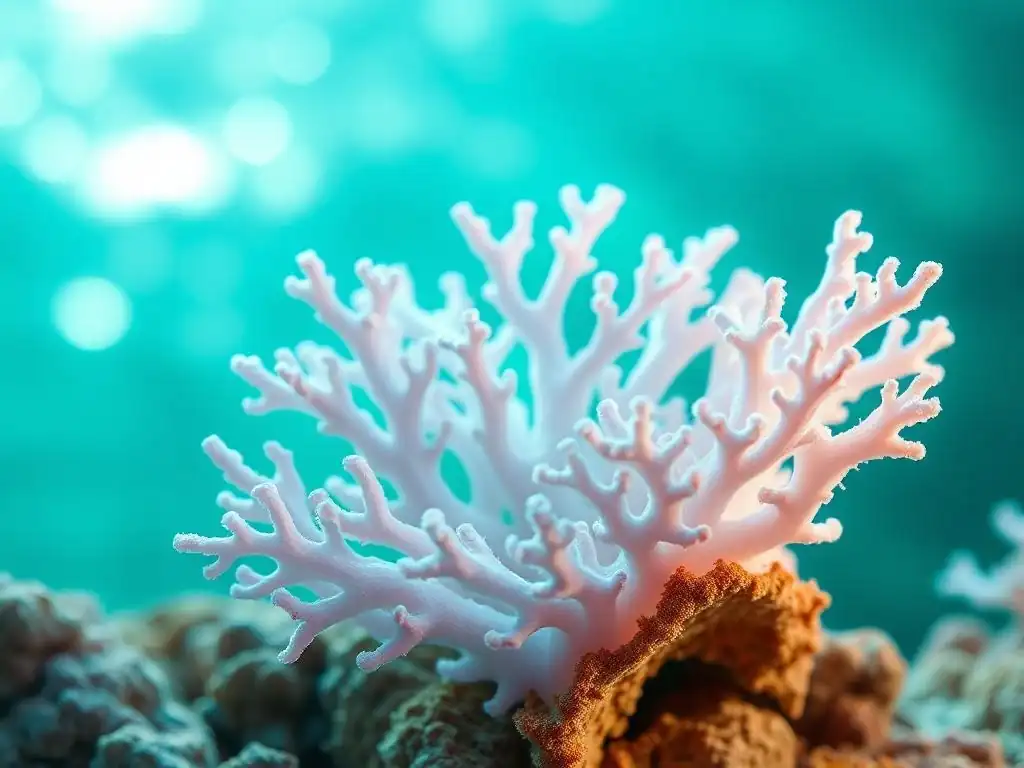
Soft coral bleaching is a critical stress response where corals expel their symbiotic zooxanthellae, the microscopic algae living within their tissues. These zooxanthellae are essential for the coral's survival, providing the coral with a significant portion of its energy (up to 90%) through photosynthesis, and also imparting the vibrant colors we associate with healthy corals. When corals are subjected to environmental stressors, this symbiotic relationship breaks down, leading the coral to eject these vital algae.
Once the zooxanthellae are expelled, the coral's translucent tissue reveals its underlying white skeleton, giving it a "bleached" appearance. While soft corals do not possess a hard, calcified skeleton in the same manner as stony corals, their tissue still becomes pale and translucent, revealing the white spicules or internal structure. This state leaves the coral severely energy-deprived and highly vulnerable to starvation, disease, and ultimately, death if the stressor is not alleviated and the zooxanthellae do not return or are re-acquired.
Temperature Shock: A Primary Cause of Soft Coral Bleaching
Temperature shock is one of the most common and rapid soft coral bleaching causes. While soft corals can tolerate a slightly broader temperature range than some stony corals, ideal stable temperatures typically fall between 75-80°F (24-27°C). Rapid fluctuations, even by a few degrees, or prolonged exposure to temperatures outside this optimal range, can induce severe stress. For example, a heater malfunction that causes the tank temperature to spike from 78°F to 85°F (29.4°C) in a matter of hours, or a prolonged power outage that drops the temperature significantly, can trigger mass zooxanthellae expulsion.
The zooxanthellae are particularly sensitive to temperature extremes. When temperatures rise too high, their photosynthetic machinery becomes inefficient and can produce harmful reactive oxygen species, prompting the coral to expel them as a protective mechanism. Conversely, excessively low temperatures can also stress the coral and its symbionts, leading to a similar bleaching response due to metabolic disruption. Maintaining stable temperatures with a reliable heater and thermometer, and monitoring for sudden shifts, is crucial to prevent this primary soft coral bleaching cause.
Light Intensity Issues: Too Much or Too Little Light
Light intensity is a critical factor influencing soft coral health and is a significant soft coral bleaching cause. Soft corals, like many photosynthetic organisms, require adequate light for their zooxanthellae to perform photosynthesis. However, both too much and too little light can lead to bleaching or decline.
When light is too intense, especially for a coral not acclimated to high PAR (Photosynthetically Active Radiation) levels, the zooxanthellae can suffer from photoinhibition, where excess light energy damages their photosynthetic apparatus. This oxidative stress prompts the coral to expel them, resulting in a bleached appearance. For instance, moving a Ricordea florida mushroom coral directly from a dimly lit frag tank to the top of a brightly lit display tank can cause rapid bleaching within days.
Conversely, insufficient light can also be a soft coral bleaching cause, as the coral's zooxanthellae cannot produce enough food to sustain both themselves and the coral host. While the coral might not turn stark white immediately, it will gradually lose color, shrink, and decline due to starvation over weeks or months. This is especially true for corals placed in heavily shaded areas or under lights that are simply not powerful enough for their needs. Proper light acclimation, gradually increasing light intensity for new corals, and ensuring appropriate PAR levels for specific soft coral species are essential preventative measures.
Water Quality Problems: Nitrates, Phosphates, and Ammonia
Poor water quality is a pervasive soft coral bleaching cause and a leading contributor to overall coral stress. Elevated levels of nitrates (NO3-), phosphates (PO43-), and ammonia (NH3/NH4+) are particularly detrimental. Ammonia, even in trace amounts (e.g., above 0.05 ppm), is highly toxic to all marine life, including soft corals, and can cause rapid tissue necrosis and systemic failure. It is typically present in new, uncycled tanks or in established tanks experiencing a significant die-off or overfeeding event.
High nitrates and phosphates, while less acutely toxic than ammonia, can cause chronic stress that leads to soft coral bleaching and decline over time. Phosphates, ideally kept below 0.03 ppm, can inhibit calcification (even for soft corals that have spicules) and directly interfere with the coral's metabolic processes, while nitrates, ideally below 10 ppm, contribute to overall nutrient enrichment, which can fuel nuisance algae growth that competes with and smothers corals.
These elevated nutrients stress the zooxanthellae, making them less efficient and more prone to expulsion. Regular water testing and effective nutrient export strategies are paramount to mitigating these common soft coral bleaching causes.
Alkalinity and pH Imbalances: Impact on Soft Coral Health
Alkalinity (dKH) and pH are crucial water parameters that significantly impact soft coral health, and their instability can be a subtle yet potent soft coral bleaching cause. The ideal alkalinity range for most soft corals is between 7-11 dKH, with stability being more important than hitting a precise number within this range. Rapid swings in alkalinity, even by 1-2 dKH within a 24-hour period, can stress corals by disrupting their ability to regulate internal pH and carry out essential metabolic functions. This stress can lead to the expulsion of zooxanthellae.
Similarly, pH, ideally maintained between 8.0 and 8.4, is closely linked to alkalinity and carbonate availability. Significant deviations or rapid fluctuations in pH can directly impact the coral's cellular processes and the efficiency of photosynthesis by the zooxanthellae. For example, a sudden drop in pH due to excessive CO2 from a poorly ventilated room or a large dose of a chemical additive can induce stress, contributing to soft coral bleaching. Maintaining consistent alkalinity and pH through regular testing, proper dosing, and stable gas exchange is vital for preventing these soft coral bleaching causes.
Salinity Fluctuations: Stressing Your Soft Corals
Salinity, or the salt content of the water, is a fundamental parameter for all marine organisms, and its instability is a direct soft coral bleaching cause. Marine animals, including soft corals, are osmoregulators, meaning they expend energy to maintain the proper balance of salts and water within their cells relative to their external environment. The ideal specific gravity (SG) for a reef tank is 1.025-1.026, corresponding to approximately 35 ppt (parts per thousand) salinity.
Rapid or significant fluctuations in salinity, even by a few points (e.g., from 1.025 to 1.022 or 1.028), can induce severe osmotic shock in soft corals. This shock forces the coral to expend excessive energy to adapt, leading to stress that can trigger zooxanthellae expulsion and subsequent bleaching. Common culprits for salinity swings include malfunctioning auto top-off (ATO) systems that add too much or too little freshwater, or large water changes performed with improperly mixed or unmatched salinity water. Consistent monitoring with a calibrated refractometer and careful attention to water changes are crucial to prevent this stressor.
Identifying Soft Coral Bleaching Causes Specific to Leather Corals
Leather corals, such as Sarcophyton (Toadstool), Sinularia (Finger Leather), and Lobophytum (Devil's Hand), are renowned for their hardiness, but they are not immune to the soft coral bleaching causes that affect other species. While they can bleach due to the general stressors like temperature shock, light issues, or poor water quality, diagnosing bleaching in leather corals can sometimes be complicated by their unique shedding process. Healthy leather corals periodically shed a waxy, slimy layer to remove accumulated detritus and algae, which can temporarily cause them to retract their polyps and appear deflated or dull.
Distinguishing this normal shedding from true bleaching requires close observation. During shedding, the coral's color might appear slightly muted, but it generally retains its underlying pigmentation, and full polyp extension typically resumes within a few days to a week.
In contrast, a leather coral that is truly bleaching will exhibit a distinct and persistent paleness, turning a stark white or translucent, and may show signs of tissue recession even after shedding. Common soft coral bleaching causes for leathers specifically often revolve around sudden changes in their environment, such as a drastic increase in light intensity or a significant nutrient spike that overwhelms their system, leading to a breakdown of the symbiotic relationship.
Diagnosing Other Soft Coral Ailments
Soft Coral Recession: Identifying the Root Cause
Soft coral recession manifests as the gradual or rapid loss of tissue, often starting from the base or edges and working inward, exposing the underlying dead framework or attachment point. Visually, it might appear as a dark, shrunken area where live tissue once was, or a white, bare spot if the coral has spicules. This differs from normal contraction, as the tissue actively dies and pulls away. For instance, a Sinularia leather coral might show its base turning dark and shrinking, while the upper branches appear healthy for a time.
Identifying the root cause requires careful observation of the affected area and surrounding tank conditions. Common culprits include:
- Physical Damage: A bump, scrape against rockwork, or a fish nipping at the tissue.
- Aggression from Tank Mates: Other corals (especially LPS with stinging tentacles like Euphyllia) placed too close, or fish that pick at corals (e.g., some angelfish, butterflyfish).
- Localized Flow Issues: Either too little flow, allowing detritus to settle and smother the tissue, or too much direct flow causing constant abrasion.
- Localized Water Quality: A "dead spot" in flow where toxins accumulate, or a patch of nuisance algae growing on the coral's base.
- Infection: Bacterial or fungal infections can initiate recession, often accompanied by a slimy film.
Addressing these underlying issues, such as relocating the coral, adjusting flow, or treating infections, is crucial to halt progression.
Tissue Necrosis: Preventing Further Damage
Tissue necrosis refers to the irreversible death of coral tissue, often appearing as dark, rotting, or sloughing areas that rapidly spread across the coral. Unlike recession, which can sometimes be localized and slow, necrosis implies a more aggressive and systemic breakdown, often accompanied by a foul odor if the coral is removed from the water. This condition is frequently triggered by severe, prolonged stress or a virulent infection. For example, a healthy Palythoa colony might suddenly develop a black, decaying spot that spreads rapidly, consuming polyps within hours.
Immediate action is critical to prevent further damage and potential spread to other corals. If the necrosis is localized and the coral is large enough, carefully fragging off the affected area using a sterile razor blade or bone cutters can isolate the problem.
The healthy frag should then be dipped in an antiseptic coral dip (e.g., containing povidone-iodine or hydrogen peroxide, diluted as per product instructions) and placed in a quarantine tank with optimal water parameters. Simultaneously, thoroughly investigate and rectify the underlying cause in the main display tank, whether it's acute water quality issues, a significant temperature swing, or the presence of an aggressive pathogen.
Identifying and Treating Soft Coral Infections
Soft corals, like all living organisms, are susceptible to bacterial and fungal infections, especially when their immune systems are compromised by stress. Common signs of infection include the development of a white, slimy film that covers parts of the coral, often referred to as "brown jelly disease" if the slime is brownish and contains decaying tissue. Other indicators might be discolored patches, lesions, or areas where tissue appears to be dissolving. A Mushroom coral, for instance, might develop a white, fuzzy patch on its disc that gradually expands, indicating a fungal or bacterial attack.
Treatment for soft coral infections primarily involves improving water quality and, in severe cases, using targeted chemical treatments. First, ensure all water parameters are stable and optimal, as pristine water conditions can often allow the coral to heal itself. Perform a significant water change (e.g., 20-30%) and ensure adequate flow around the affected coral.
For more aggressive infections, a short-term coral dip using an antimicrobial solution (like those containing Furan-2 or similarly effective broad-spectrum treatments, strictly following manufacturer guidelines) can be beneficial. Severely infected corals should be moved to a quarantine tank to prevent the potential spread of pathogens to other tank inhabitants.
Recognizing and Eliminating Soft Coral Pests
While soft corals are generally less prone to the pervasive pest issues seen in SPS corals, specific invaders can still cause significant damage. One of the most notorious soft coral pests is the Zoanthid-eating nudibranch ( Aeolidiella sp. ), a tiny, camouflaged sea slug that exclusively preys on Zoanthid and Palythoa polyps.
These nudibranchs are often difficult to spot due to their size (often less than 5mm) and ability to blend in with the coral. Other pests include certain Asterina starfish species, which, although mostly detritivores, can occasionally graze on coral tissue, and Aiptasia anemones, which can sting soft corals if they grow too close, leading to localized tissue damage.
Eliminating these pests requires a multi-pronged approach. For Zoanthid-eating nudibranchs, manual removal with tweezers during regular inspections is effective for small infestations. More extensive infestations often necessitate a medicated dip (e.g., using a product containing levamisole hydrochloride, following strict instructions) or, for severe cases, a freshwater dip for a very short duration (10-30 seconds, closely observing the coral for signs of stress).
Asterina starfish can be manually removed or controlled with predatory snails like Harlequin shrimp (though these prefer Asterina and might starve after clearing them). Aiptasia can be treated with kalkwasser paste injections, Aiptasia-eating nudibranchs ( Berghia nudibranchs), or peppermint shrimp, ensuring the method chosen is safe for soft corals.
Corrective Actions: Treating Ailing Soft Corals
Emergency Measures for Bleached Soft Corals
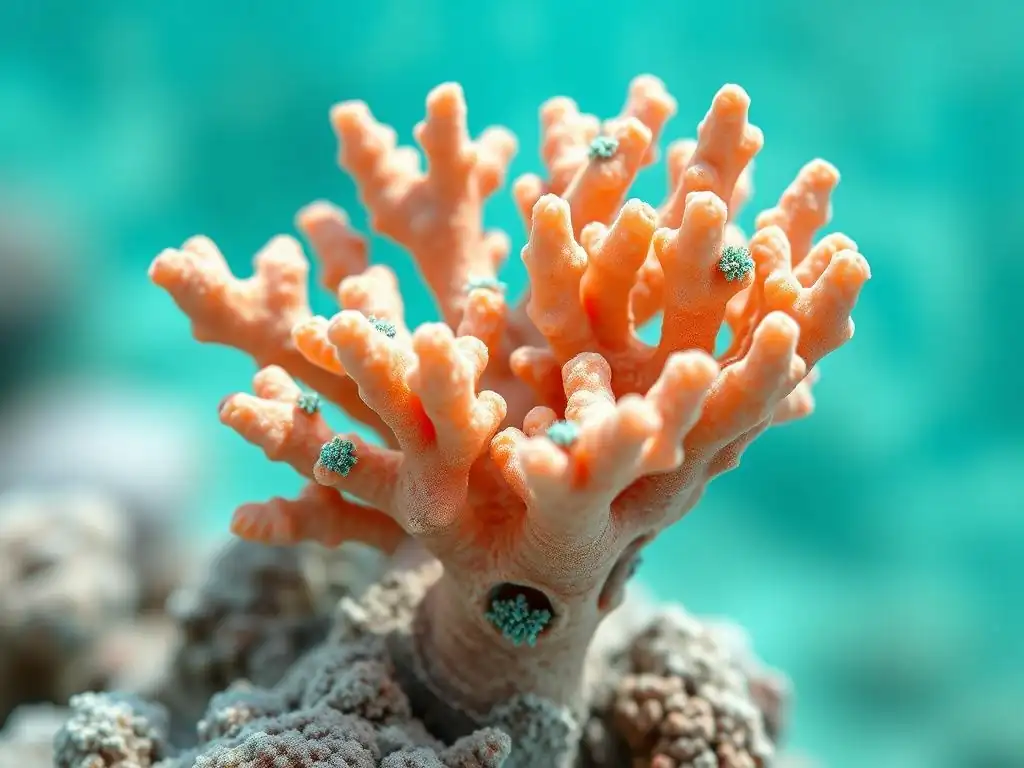
When a soft coral begins to bleach, immediate action is crucial to maximize its chances of recovery. The primary goal is to identify and alleviate the stressor that caused the zooxanthellae expulsion. The very first step is to perform comprehensive water parameter tests for salinity, temperature, alkalinity, pH, nitrates, and phosphates. For example, if the temperature has spiked to 85°F (29.4°C), immediately take steps to lower it gradually, such as aiming a fan across the water surface or performing a small, temperature-matched water change.
Once the parameters are being addressed, reduce the stress on the coral. If light intensity is suspected as a soft coral bleaching cause, dim the lights, raise the light fixture, or move the affected coral to a shadier part of the tank (e.g., on the sand bed). Ensure stable, gentle water flow around the coral to prevent detritus buildup without causing physical abrasion. Avoid any further disturbances to the coral and the tank, allowing the coral to recover in a stable, optimized environment. This immediate response significantly improves the likelihood of the coral re-acquiring or regenerating its zooxanthellae.
Stabilizing Water Parameters: A Step-by-Step Guide
Stabilizing water parameters is fundamental to soft coral recovery and preventing future soft coral bleaching causes. Once an issue is identified, adjustments must be made slowly and methodically to avoid further shock. For instance, if alkalinity has dropped from 8 dKH to 6 dKH, do not attempt to raise it all at once; instead, increase it by no more than 0.5-1 dKH per day. This gradual approach allows corals and other tank inhabitants to adapt without experiencing osmotic or chemical shock.
A systematic approach involves:
- Test Regularly: Use reliable test kits for salinity, temperature, alkalinity, pH, nitrates, and phosphates. Record results.
- Identify Deviations: Pinpoint which parameters are outside optimal ranges (e.g., salinity 1.025-1.026, temp 75-80°F, alkalinity 7-11 dKH, pH 8.0-8.4, nitrates <10 ppm, phosphates <0.03 ppm).
- Address Root Cause: Is the issue due to insufficient water changes, overfeeding, or equipment malfunction?
- Dose Gradually: If supplements are needed (e.g., alkalinity buffer, magnesium), add them slowly over hours or days, not all at once. For example, if you need to raise magnesium from 1100 ppm to 1350 ppm, spread the dosing over several days, increasing by no more than 50 ppm per day.
- Monitor Constantly: Retest after each adjustment to ensure the desired effect and prevent overshooting. Consistency is key.
Adjusting Lighting for Optimal Soft Coral Health
Proper lighting is paramount for soft coral health and can be a direct soft coral bleaching cause if not managed correctly. When dealing with an ailing or bleached soft coral, adjusting lighting is often a critical corrective action. If over-lighting is suspected (e.g., coral appears bleached on the top, or is shrinking), the first step is to reduce intensity.
This can be achieved by dimming the lights, if dimmable, by 10-20% initially, or by raising the light fixture by a few inches. For corals on the rockwork, carefully move them to a shadier spot on the sand bed or under an overhang.
Conversely, if under-lighting is the issue, gradually increase intensity over several weeks. For instance, if you have a dimmable LED system, increase the intensity by 5% every few days until the coral shows signs of recovery and polyp extension. For a new coral, or one recovering from stress, a photoperiod of 8-10 hours is generally sufficient. Continuously observe the coral's response; healthy coloration and full polyp extension indicate optimal lighting. It's a balance to provide enough energy without overwhelming the coral's photosynthetic capacity.
Implementing Water Changes: A Crucial Step
Regular water changes are one of the most effective and fundamental corrective actions for ailing soft corals, as they directly address many soft coral bleaching causes related to water quality. Performing a water change physically removes accumulated nitrates, phosphates, and other dissolved organic compounds that contribute to poor water quality and stress corals. Simultaneously, it replenishes essential trace elements and minerals that corals absorb from the water, such as iodine, potassium, and strontium, which are vital for their metabolic processes and overall health.
For a stressed or ailing soft coral, a larger-than-usual water change, such as 20-30% of the tank volume, can provide an immediate improvement in water quality. This should be followed by more frequent, regular water changes (e.g., 10% weekly or 20% bi-weekly) to maintain stability. Crucially, the new saltwater must be mixed accurately to the tank's current salinity (1.025-1.026 SG) and temperature (75-80°F or 24-27°C) to prevent further shock. Using high-quality salt mix and RODI water ensures that no new contaminants are introduced, promoting a clean and stable environment for recovery.
Using Carbon and GFO to Improve Water Quality
Activated carbon and Granular Ferric Oxide (GFO) are powerful chemical filtration media that can significantly improve water quality, directly addressing several soft coral bleaching causes related to organic pollutants and phosphates. Activated carbon excels at removing dissolved organic compounds, yellowing agents, and various toxins from the water column, leading to clearer water and reduced stress on corals. This is particularly useful after a coral has been stressed or if there's an unexplained decline in water clarity.
GFO, on the other hand, is highly effective at binding and removing phosphates, a primary nutrient that fuels nuisance algae growth and can directly stress corals, contributing to bleaching. Both media should be used in a reactor or a high-flow media bag to ensure optimal contact with the water. For instance, a typical 75-gallon reef tank might use 100-150 grams of GFO and a similar amount of activated carbon, replaced every 2-4 weeks.
Regular replacement is key, as exhausted media can leach back absorbed pollutants. Using these media consistently helps maintain pristine water parameters, reducing the likelihood of soft coral stress and promoting recovery.
Employing Chemical Treatments for Specific Infections
While maintaining optimal water parameters is the cornerstone of coral health, severe soft coral infections sometimes necessitate the use of targeted chemical treatments. These treatments are typically reserved for confirmed bacterial or fungal infections that are not responding to environmental improvements. Products containing broad-spectrum antibiotics, such as Furan-2 or similar preparations, can be effective against bacterial infections manifesting as slimy patches or dissolving tissue. Antifungal agents might be used for specific fungal growths.
It is crucial to exercise extreme caution when using chemical treatments. Always follow the manufacturer's instructions precisely, including dosage and duration, as overdosing can be fatal to corals and other invertebrates. Many treatments are best administered as a short-term dip in a separate container or in a dedicated quarantine tank to avoid impacting the beneficial bacteria in the main display tank's biological filter.
For example, a 15-minute dip in a diluted antiseptic solution might be recommended for a Mushroom coral showing signs of brown jelly disease. Never use treatments intended for freshwater fish, as they often contain copper or other substances highly toxic to marine invertebrates.
Quarantine Procedures for Infected Soft Corals
Implementing quarantine procedures for infected soft corals is a crucial preventative measure to protect the rest of your reef inhabitants and provide a controlled environment for treatment. A dedicated quarantine tank, even a small 10-20 gallon setup, allows you to treat the ailing coral intensively without risking the health of other corals or disrupting the main display tank's delicate ecosystem. This isolation prevents the potential spread of pathogens, parasites, or diseases, which can rapidly devastate an entire collection if not contained.
A basic quarantine tank setup should include:
- A small tank (e.g., 10-gallon for a few soft corals).
- A small powerhead for circulation.
- A heater to maintain stable temperature.
- A small light, if the coral requires it (often dimmed).
- A few inert rocks or frag plugs for the coral to sit on (avoiding substrate that can trap pathogens).
- No sand bed or biological filtration media that could absorb medications.
- Frequent small water changes using water from the main display tank to maintain consistent parameters.
This setup allows for precise dosing of medications, easy observation of the coral's response, and prevents the medication from harming beneficial bacteria in your main system.
Preventing Soft Coral Problems: Proactive Care
Regular Water Testing: The Key to Prevention
Regular water testing is the single most important proactive measure for preventing soft coral problems, including common soft coral bleaching causes. Consistent monitoring allows aquarists to identify subtle shifts in parameters before they reach critical levels and stress corals. Establishing a routine testing schedule for key parameters provides a baseline and helps in quickly pinpointing any deviations.
Essential parameters to test regularly include:
- Salinity: Daily or every other day, especially if using an ATO. Target: 1.025-1.026 SG.
- Temperature: Daily. Target: 75-80°F (24-27°C).
- Alkalinity (dKH): 2-3 times per week. Target: 7-11 dKH.
- pH: 2-3 times per week. Target: 8.0-8.4.
- Nitrates (NO3): Weekly. Target: <10 ppm, ideally <5 ppm.
- Phosphates (PO4): Weekly. Target: <0.03 ppm, ideally undetectable.
- Calcium (Ca) and Magnesium (Mg): Weekly to bi-weekly. Target: Ca 400-450 ppm, Mg 1250-1350 ppm.
Consistent testing allows for small, proactive adjustments, preventing the large, stressful swings that can lead to soft coral decline.
Maintaining Stable Water Parameters: Alkalinity, Calcium, Magnesium
Maintaining stable water parameters, particularly alkalinity, calcium, and magnesium, is paramount for the long-term health and vitality of soft corals, minimizing the risk of soft coral bleaching causes. While soft corals do not build large calcified skeletons like SPS or LPS, they still utilize these elements for various metabolic functions and the formation of internal spicules that provide structural support. Stability is often more critical than hitting a precise number, as rapid fluctuations cause significant stress.
To achieve this stability:
- Automated Dosing: For larger or densely populated tanks, automated dosing pumps can precisely deliver alkalinity, calcium, and magnesium solutions throughout the day, preventing daily swings.
- Two-Part Solutions: Manually dosing balanced two-part solutions (e.g., B-Ionic or ESV B-Ionic) provides a convenient way to replenish these elements.
- Kalkwasser: A saturated solution of calcium hydroxide can be added slowly via an ATO or drip system to maintain alkalinity and calcium, while also helping to precipitate phosphates.
- Regular Water Changes: Consistent water changes with high-quality salt mix replenish these elements and export waste, contributing to overall stability. For example, a 10% weekly water change can help maintain trace elements and buffer capacity.
By preventing wide swings, you significantly reduce the physiological stress on your soft corals, promoting robust health.
Proper Lighting Acclimation for New Soft Corals
Proper lighting acclimation is a crucial preventative measure, especially when introducing new soft corals to your aquarium or upgrading your lighting system, directly addressing a major soft coral bleaching cause. Corals are highly sensitive to sudden changes in light intensity, and abruptly placing a coral accustomed to lower light into a brightly lit tank can cause severe photoinhibition and rapid bleaching. Even seemingly hardy soft corals like Sarcophyton can bleach if not properly acclimated.
To acclimate new soft corals:
- Start Low: Place new corals on the sand bed or in a shadier area of the tank initially.
- Gradual Elevation: Over several weeks, slowly move the coral higher on the rockwork, closer to the desired final position.
- Dimming: If using dimmable LED lights, start the new coral under a lower intensity setting (e.g., 50-60% of peak) and gradually increase it by 5-10% weekly.
- Reduced Photoperiod: Initially, run your lights for a shorter duration (e.g., 6 hours) and gradually increase to the full 8-10 hour photoperiod over a few weeks.
- Observation: Closely monitor the coral for signs of stress, such as shrinking, paleness, or reduced polyp extension, and adjust accordingly.
This slow and steady approach allows the coral's zooxanthellae to adjust to the new light levels, preventing stress and ensuring a smooth transition.
Avoiding Overfeeding: Reducing Nutrient Buildup
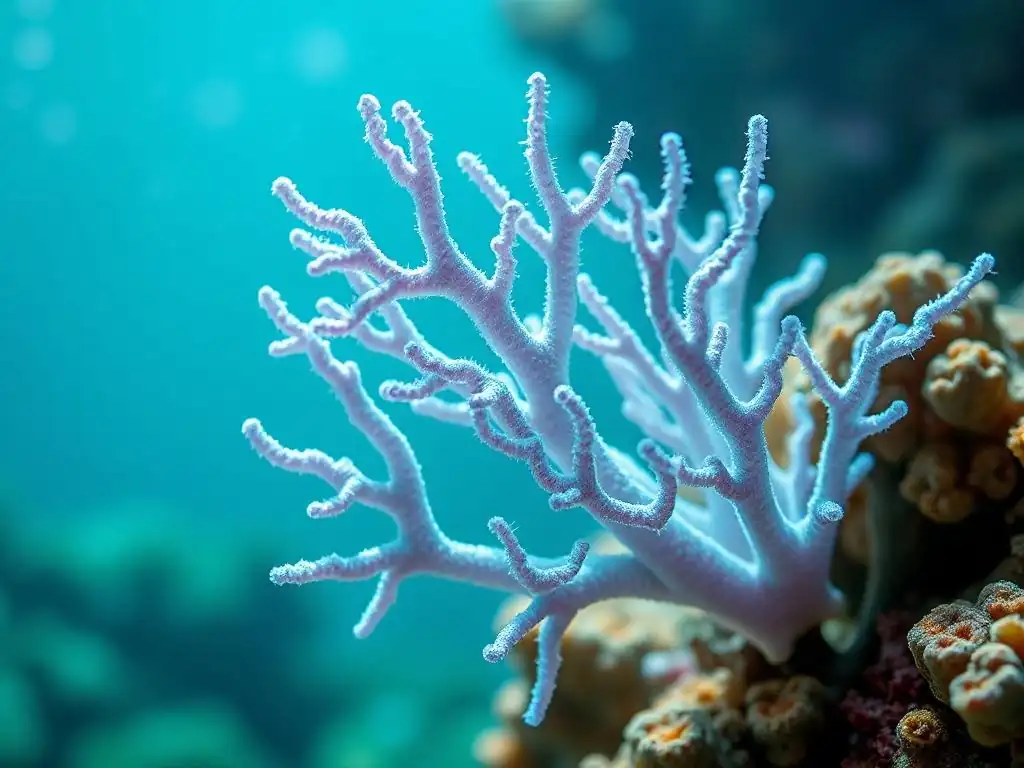
Avoiding overfeeding is a simple yet profoundly effective preventative measure against nutrient buildup, which can lead to elevated nitrates and phosphates – common soft coral bleaching causes. Excess food, whether it's fish flakes, pellets, or frozen foods, breaks down into organic waste if not consumed. This waste rapidly contributes to the bioload, increasing levels of undesirable nutrients that can stress corals, fuel nuisance algae growth, and compromise overall water quality.
To prevent overfeeding:
- Feed Small Amounts: Offer only what your fish can consume within 2-3 minutes.
- Feed Less Frequently: For most tanks, feeding once a day or even every other day is sufficient for fish. Corals generally derive most of their nutrition from light and dissolved organics.
- Thaw Frozen Foods: Thaw frozen foods in a small amount of tank water and rinse them through a fine mesh net to remove nutrient-rich packing juices before adding to the tank.
- Target Feed: For specific corals that benefit from direct feeding (e.g., some Mushroom corals), use a pipette to deliver food directly to the coral's polyps, minimizing broadcast waste.
- Clean Up Leftovers: If any food remains, use a turkey baster to siphon it out.
By adhering to these practices, you can significantly reduce the organic load in your system, maintaining pristine water conditions essential for soft coral health.
Implementing Regular Pest Control Measures
Proactive pest control measures are essential for protecting soft corals from parasitic invaders that can cause significant damage and stress. While soft corals are generally less susceptible to the wide array of pests that plague stony corals, specific threats like Zoanthid-eating nudibranchs or certain Asterina starfish can still decimate colonies if left unchecked. Implementing a routine for inspection and treatment can prevent major infestations.
Key pest control practices include:
- Quarantine New Corals: Always quarantine new soft corals for at least 4-6 weeks in a separate tank. This allows you to observe them for pests without introducing them to your main display.
- Dipping: Dip all new soft corals in a coral dip solution (e.g., containing iodine or a commercial coral dip product) before introducing them to the quarantine tank or main display. Follow product instructions carefully, as some dips are harsher than others.
- Visual Inspection: Regularly inspect your soft corals, especially the undersides and crevices, for any unusual growths, discoloration, or visible pests. A magnifying glass can be very helpful for tiny creatures like nudibranchs.
- Biological Control: Consider introducing natural predators for common pests, such as Berghia nudibranchs for Aiptasia, if they become a problem near your soft corals.
- Manual Removal: If you spot any pests, carefully remove them using tweezers or a siphon.
Consistent vigilance is your best defense against pest outbreaks in your soft coral display.
Choosing Compatible Tank Mates: Avoiding Aggression
Choosing compatible tank mates is a critical proactive step in preventing stress and physical damage to soft corals. Aggressive fish or invertebrates can nip at, sting, or otherwise harass soft corals, leading to tissue recession, irritation, and increased susceptibility to disease. While many fish are reef-safe, certain species are known to be problematic, and even generally peaceful fish can sometimes develop undesirable habits.
Consider the following when selecting tank mates:
- Avoid Known Coral Nippers: Some angelfish (e.g., Pomacanthus species), certain butterflyfish, and triggerfish are notorious for nipping at corals. Even some typically "reef-safe" tangs can occasionally pick at soft corals.
- Assess Invertebrate Compatibility: While most cleaner shrimp are safe, hermit crabs can sometimes knock over or irritate corals, and certain starfish might graze on them.
- Space Aggressive Corals: If you keep LPS corals with long sweeping tentacles (e.g., Euphyllia species), ensure they are placed far enough away from soft corals to prevent stinging. The distance should be at least double the length of the LPS coral's tentacles when fully extended.
- Observe New Additions: Always observe new fish and invertebrates closely after introduction to ensure they are not harassing existing corals.
- Consider Hosting Behavior: While clownfish hosting in Sarcophyton leather corals is common, very aggressive hosting can sometimes cause localized tissue recession on the leather coral.
Careful research and observation are key to building a harmonious reef environment where soft corals can thrive undisturbed.
Advanced Troubleshooting: When to Seek Expert Advice
Recognizing the Limits of DIY Solutions
While this guide and other resources on Aquarium Mastery provide extensive information for troubleshooting soft coral problems, it's crucial for aquarists to recognize when a problem extends beyond their current knowledge or capabilities. Persistent issues, despite diligent application of basic corrective measures, or the rapid decline of multiple corals, often indicate an underlying, more complex problem that requires specialized expertise. Attempting to solve highly complex issues without proper understanding can lead to further stress, irreversible damage, or even the complete loss of your coral collection.
Signs that you might be reaching the limits of DIY solutions include:
- No Improvement: Despite consistent efforts to stabilize parameters, adjust lighting, and treat symptoms, your soft corals continue to decline over several weeks.
- Rapid Deterioration: The health of your corals worsens quickly, or multiple corals are affected simultaneously, suggesting a systemic issue or a highly virulent pathogen.
- Unidentifiable Symptoms: You observe unusual symptoms that do not match common ailments described in resources, or you cannot pinpoint a clear cause for the problem.
- Equipment Failure: Suspected failures of critical equipment (e.g., chillers, dosing pumps) that you are unable to diagnose or repair.
- Advanced Water Chemistry: Suspected issues with trace elements or other complex water chemistry parameters that require advanced testing not readily available to hobbyists.
At this point, seeking professional advice is not a failure, but a responsible step towards preserving your aquarium.
Finding a Reputable Reef Aquarium Specialist
When faced with intractable soft coral problems, finding a reputable reef aquarium specialist can provide the expertise needed to diagnose and resolve complex issues. These specialists often possess years of experience, advanced knowledge of marine biology, water chemistry, and coral pathology, and access to specialized equipment or testing not available to the average hobbyist. Their insights can save you time, money, and most importantly, your valuable corals.
To find a reputable specialist:
- Local Fish Stores: Start by asking for recommendations at well-established local fish stores that specialize in saltwater aquariums. They often have in-house experts or work with external consultants.
- Online Forums and Communities: Participate in reputable reefkeeping forums or local aquarium clubs. Members often share positive experiences with specialists in their area. For example, a search on a major reef forum for "reef consultant [your city]" might yield several recommendations.
- Word of Mouth: Ask other experienced aquarists in your community for their recommendations.
- Check Credentials: Inquire about their experience, areas of specialization (e.g., coral health, water chemistry), and if they offer on-site consultations or remote diagnostic services. A good specialist should be able to provide clear explanations and actionable advice.
A specialist's objective assessment and deeper understanding can often identify elusive soft coral bleaching causes or other complex factors contributing to coral decline.
Preparing for a Consultation: Gathering Key Information
To make the most of a consultation with a reef aquarium specialist, thorough preparation is essential. The more detailed and organized the information you provide, the more efficiently and accurately the specialist can diagnose your soft coral problems. This preparation not only helps the expert but also helps you systematically review your tank's history and recent changes.
Compile the following information:
- Tank Specifications: Tank size (gallons), age, type of filtration (sump, refugium, protein skimmer, media reactors), lighting type and age, and flow equipment.
- Coral History: When did the affected soft corals start showing symptoms? What were the first signs? How long have they been in the tank?
- Water Parameters: Provide a log of your recent water test results (salinity, temp, alkalinity, pH, nitrates, phosphates, calcium, magnesium) over the past few weeks or months. Note any significant fluctuations.
- Recent Changes: Document any recent changes to the tank, such as new equipment, new fish or corals, changes in feeding habits, major water changes, or chemical additions.
- Symptoms & Observations: Describe the symptoms in detail (e.g., "Mushroom coral losing color, turning translucent," "Leather coral tissue receding from base"). Note which corals are affected and if it's spreading.
- Photos and Videos: High-quality photos and short videos of the affected corals and the overall tank can provide invaluable visual context for the specialist. Take pictures of the entire tank, specific affected corals, and close-ups of specific symptoms.
This comprehensive overview will enable the specialist to form a clearer picture of your tank's health and potential issues.
Understanding the Importance of Professional Diagnosis
Engaging a professional for diagnosis of persistent soft coral problems offers distinct advantages over continued self-troubleshooting. While hobbyists can address many common issues, a specialist brings an elevated level of expertise, often possessing diagnostic tools and a breadth of experience with various tank pathologies that the average aquarist may lack. This professional insight is particularly valuable when dealing with obscure soft coral bleaching causes or complex interactions between multiple environmental factors.
A professional diagnosis can:
- Identify Obscure Issues: Specialists might recognize rare pests, specific bacterial strains, or subtle water chemistry imbalances that are difficult for hobbyists to detect with standard test kits. They might use advanced microscopy or conduct specialized lab tests.
- Provide Targeted Solutions: Instead of trial-and-error, a professional can offer precise, tailored solutions, avoiding costly and potentially harmful generic treatments. For example, they might recommend a specific medication based on a confirmed pathogen, rather than a broad-spectrum approach.
- Prevent Greater Losses: Early and accurate diagnosis by an expert can prevent the spread of disease or the worsening of conditions, ultimately saving expensive corals and preventing a tank crash. This can often be more cost-effective in the long run than losing valuable livestock.
- Educate the Aquarist: A good specialist will not just provide solutions but will also educate you on the underlying causes and preventative measures, empowering you to become a more knowledgeable and proactive aquarist.
Investing in professional diagnosis is an investment in the long-term health and stability of your reef aquarium.
Conclusion: Ensuring the Long-Term Health of Your Soft Corals
Key Takeaways for Maintaining Healthy Soft Corals
Maintaining healthy soft corals is a rewarding aspect of reefkeeping that hinges on a few core principles. Firstly, stability is paramount across all water parameters, including temperature (75-80°F or 24-27°C), salinity (1.025-1.026 SG), alkalinity (7-11 dKH), and pH (8.0-8.4). Rapid fluctuations are far more detrimental than slightly suboptimal but stable conditions. Secondly, consistent water quality is non-negotiable; regular water changes, effective nutrient export, and the use of chemical filtration like carbon and GFO are vital to keep nitrates and phosphates at minimal levels (nitrates <10 ppm, phosphates <0.03 ppm), thus preventing common soft coral bleaching causes.
Finally, proactive observation and appropriate lighting are critical. Daily visual checks for signs of stress—such as color loss, reduced polyp extension, or sliming—enable early intervention. Understanding the specific light requirements of your soft coral species and ensuring proper acclimation for new additions or lighting upgrades is essential to avoid light shock. By adhering to these foundational practices, aquarists can significantly reduce the incidence of soft coral problems and foster a thriving, vibrant display.
Resources for Further Learning on Aquarium Mastery
Aquarium Mastery is your comprehensive resource for deepening your understanding of soft coral care and troubleshooting. Our website offers a wealth of detailed articles and guides designed to support aquarists at every level, from beginner to advanced. If you're looking to expand beyond this diagnostic guide, we encourage you to explore our dedicated sections.
You can find in-depth profiles on specific soft coral species, including Zoanthids, Mushroom Corals, and Leather Corals, detailing their unique care requirements, ideal placement within the tank, and propagation techniques. Our "Water Chemistry" section provides extensive information on maintaining optimal parameters, while "Lighting Guides" offer insights into selecting and configuring the best illumination for your soft corals.
For broader troubleshooting, delve into our "Common Tank Issues" category, which addresses everything from nuisance algae to fish diseases. Aquarium Mastery is continuously updated with new content, ensuring you have access to the latest and most accurate information to support your reefkeeping journey.
The Importance of Observation and Proactive Care
The ultimate key to ensuring the long-term health and vitality of your soft corals lies in consistent observation and a proactive approach to tank maintenance. Soft corals, despite their resilience, communicate their needs through subtle changes in appearance and behavior. A keen eye and a commitment to daily scrutiny of your tank's inhabitants can alert you to potential issues long before they escalate into serious problems. This vigilance allows for minor adjustments to be made, preventing the significant stressors that often lead to soft coral bleaching causes or other ailments.
Proactive care extends beyond merely reacting to problems; it involves anticipating needs and implementing preventative measures. This includes regular water testing to maintain stability, adhering to proper feeding practices to minimize nutrient buildup, and taking steps to prevent pest introductions. By understanding the specific requirements of your soft corals and consistently providing an optimized environment, you empower them to thrive. Your dedication to careful observation and diligent husbandry will not only result in a beautiful and healthy soft coral display but also enhance your skills and enjoyment as a responsible aquarist.
Frequently Asked Questions
What are the most common causes of soft coral bleaching?
The most common causes involve poor water quality, specifically high nitrate or phosphate levels. Inadequate lighting and fluctuating salinity are also frequent culprits leading to coral stress.
How can I quickly identify if my soft coral is bleaching?
Bleaching presents as a noticeable loss of color in the coral tissue. It may appear paler than usual or even turn completely white.
What immediate actions should I take if I suspect my soft coral is bleaching?
Test your water parameters (ammonia, nitrite, nitrate, pH, alkalinity, salinity) immediately. Perform a partial water change to improve water quality and adjust lighting if needed.
What are some preventative measures to avoid soft coral bleaching in the first place?
Maintain stable water parameters through regular testing and water changes. Provide appropriate lighting for the species and ensure adequate water flow to prevent dead spots.
Is soft coral bleaching always fatal, and can it be reversed?
Bleaching isn't always fatal, especially if addressed quickly. Improving water conditions and providing proper care can allow the coral to recover its zooxanthellae and regain its color.
Final Reflection: Embracing Resilience in Reef Aquariums
The challenges faced in maintaining thriving soft coral ecosystems, as highlighted in this guide, are not merely technical hurdles, but rather a microcosm of the larger environmental struggles our planet faces. Understanding and addressing soft coral bleaching causes is now more crucial than ever, as rising ocean temperatures and pollution continue to threaten these delicate organisms in their natural habitats. This guide serves as a practical tool, but also as a reminder of our responsibility to protect these vital components of marine biodiversity.
The journey of troubleshooting soft coral problems is a continuous learning process, demanding patience, observation, and a deep respect for the intricate balance of the reef environment. My own experiences with reef keeping have taught me the profound interconnectedness of all living things, and the importance of proactive care. We are tied to the ocean. And when we go back to the sea, whether it is to sail or to watch – we are going back from whence we came.
- John F. Kennedy. This quote resonates deeply, reminding us that the health of our oceans, and the creatures within, is inextricably linked to our own well-being.
As you navigate the complexities of reef keeping, remember that every observation, every adjustment, and every success contributes to a greater understanding of these fascinating ecosystems. Let this guide be a starting point, a catalyst for further exploration and a commitment to sustainable practices. Take the lessons learned here and apply them not only to your aquarium, but also to your daily life, striving to make choices that support a healthier planet for generations to come.
Ignite Your Coral Comeback: Dive Deeper into Coral Health!
Thank you for exploring our diagnostic guide! We hope this has given you the insight to identify and address the issues plaguing your soft corals. Now, let's translate knowledge into action and bring vibrancy back to your reef!
Here are your next steps:
- Immediately implement the water parameter adjustments suggested for your identified coral problem. Track your progress daily.
- Share this guide with fellow reef enthusiasts who might be facing similar coral challenges. Spreading the knowledge helps the entire community.
- Uncover hidden problems! Conduct a thorough tank audit, checking equipment functionality (lights, pumps, skimmer) and looking for any unusual changes.
What's the first adjustment you'll make to revive your soft corals, and how will you measure its impact?