
Angelfish & Discus: Unveiling the Secrets to Raising Aquarium Royalty

Welcome to Aquarium Mastery!
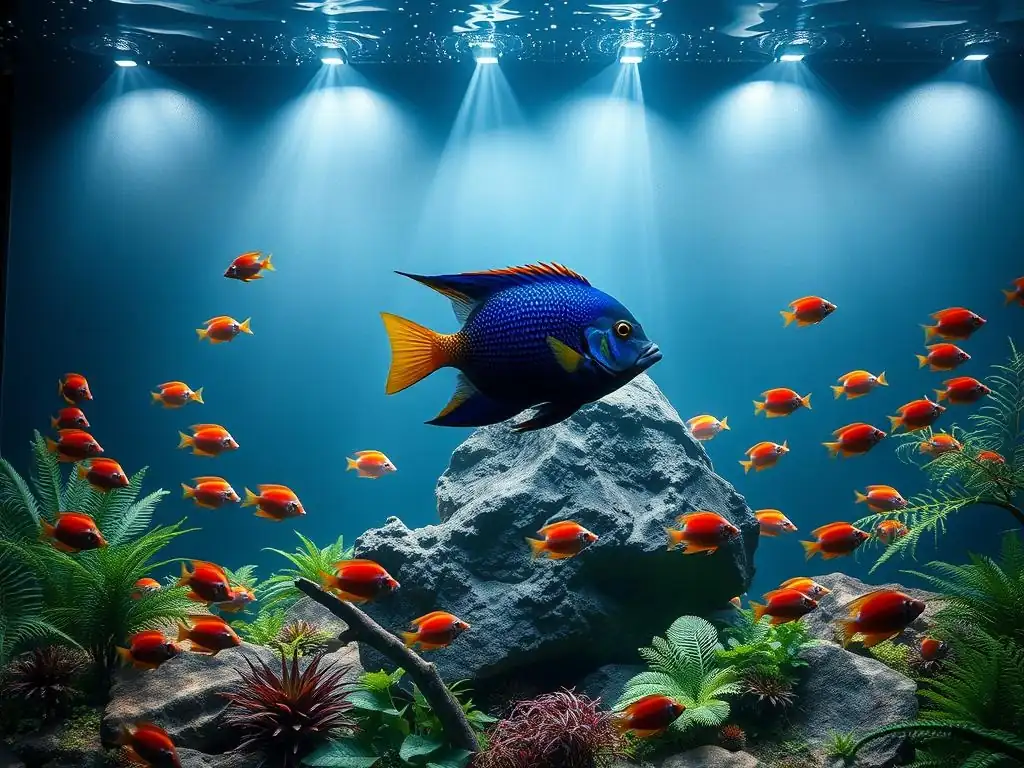
Ready to unlock the secrets to successfully raising two of the most majestic freshwater species? Dive into the captivating world of Angelfish & Discus and discover the keys to creating a thriving aquarium environment for these aquarium royalty. Curious about their specific needs, ideal tank mates, or breeding habits? Let's explore together!
- Freshwater Stingrays & Arowanas: Unveiling the Secrets to Raising Aquatic Predators
- Introduction: Mastering the Art of Freshwater Stingray and Arowana Care
-
Understanding Freshwater Stingrays: Care and Husbandry
- Freshwater Stingray Profiles: Species and Variations for Your Aquarium
- Freshwater Stingray Tank Setup: Creating the Ideal Environment
- Freshwater Stingray Water Parameters: Maintaining Optimal Conditions
- Freshwater Stingray Diet and Feeding: Ensuring Proper Nutrition
- Freshwater Stingray Health: Common Diseases and Prevention
- Understanding Arowanas: Care and Husbandry
-
Raising Freshwater Stingrays and Arowanas Together: Compatibility and Coexistence
- Can Freshwater Stingrays and Arowanas Live Together? Assessing Compatibility
- Setting up a Community Tank for Freshwater Stingrays and Arowanas
- Maintaining Water Parameters for Freshwater Stingrays and Arowanas in a Shared Tank
- Feeding Freshwater Stingrays and Arowanas in a Community Setting
- Monitoring Health and Behavior in a Mixed Freshwater Stingray and Arowana Tank
- Freshwater Stingray Breeding: A Step-by-Step Guide
- Arowana Breeding: A Challenging but Rewarding Endeavor
- Troubleshooting Common Issues in Freshwater Stingray and Arowana Keeping
- Conclusion: Achieving Aquarium Mastery with Freshwater Stingrays and Arowanas
-
Frequently Asked Questions
- How difficult is it to raise both angelfish and discus in the same aquarium?
- What are the most important water parameters to consider when raising angelfish and discus?
- What type of food should I feed my angelfish and discus?
- What are some common diseases that affect angelfish and discus, and how can I prevent them?
- How much space do angelfish and discus need in an aquarium?
- Final Reflection: Cultivating Aquatic Majesty
- Dive Deeper: Transform Your Aquarium into a Royal Paradise!
Freshwater Stingrays & Arowanas: Unveiling the Secrets to Raising Aquatic Predators
Introduction: Mastering the Art of Freshwater Stingray and Arowana Care
The Allure of Freshwater Stingrays and Arowanas in Aquariums
Freshwater Stingrays and Arowanas represent the pinnacle of exotic freshwater aquarium keeping, captivating enthusiasts with their unique beauty, graceful movements, and predatory instincts. These magnificent fish, often seen as "aquarium royalty," bring a dynamic and visually stunning presence to any dedicated large tank setup. Their striking appearances, from the intricate patterns of a Potamotrygon motoro stingray to the iridescent scales of a Silver Arowana, make them highly sought-after by experienced aquarists.
The allure extends beyond their aesthetics; the challenge of successfully raising Freshwater Stingrays and Arowanas appeals to those seeking to test their aquatic husbandry skills. Their demanding care requirements, including immense tank sizes and pristine water quality, highlight the commitment needed to house these fascinating creatures. For many, the reward of witnessing their natural behaviors and robust health in a carefully crafted environment far outweighs the significant investment of time and resources.
Why Freshwater Stingrays and Arowanas are Considered Aquatic Predators
Both Freshwater Stingrays and Arowanas are quintessential aquatic predators, perfectly adapted to hunt in their natural environments. Arowanas, with their upturned mouths and powerful jumps, are ambush predators that primarily feed on insects, small fish, and even birds or bats that fall onto the water surface in the wild. Their keen eyesight and explosive speed make them formidable hunters in the upper water column.
Similarly, Freshwater Stingrays, residing on the riverbed, are adept bottom-dwelling predators. They utilize specialized electroreceptors (ampullae of Lorenzini) to detect the faint electrical fields generated by prey hidden in the substrate, such as small fish, crustaceans, and insect larvae. Their disc-shaped bodies allow them to glide effortlessly across the bottom, quickly pouncing on unsuspecting victims. Understanding and replicating these predatory feeding behaviors through appropriate diet is crucial for their well-being in captivity, ensuring they receive the necessary nutrition for their active lifestyles.
Setting the Stage for Successful Freshwater Stingray & Arowana Keeping: A Beginner's Guide
It is imperative for aspiring aquarists to understand that raising Freshwater Stingrays and Arowanas is not an endeavor for beginners. These are highly specialized fish that demand extensive knowledge, significant financial investment, and unwavering long-term commitment. Their immense adult sizes, specific environmental needs, and sensitivity to water parameters mean that proper preparation is the cornerstone of success.
Before acquiring these impressive fish, thorough research into their species-specific requirements, potential health issues, and compatibility with other tank inhabitants is non-negotiable. This includes understanding the intricacies of large-scale filtration, advanced water chemistry management, and the provision of a diet that accurately mimics their predatory nature. By meticulously planning every aspect of their care, aquarists can establish a stable and thriving environment, laying the essential groundwork for successful Freshwater Stingray and Arowana care.
Understanding Freshwater Stingrays: Care and Husbandry
Freshwater Stingray Profiles: Species and Variations for Your Aquarium
The world of Freshwater Stingrays is diverse, featuring various species, primarily from the genus Potamotrygon, each with unique patterns and sizes. The Ocellated River Stingray ( Potamotrygon motoro) is one of the most commonly available, known for its distinctive eye-spot patterns and reaching a disc diameter of 18-24 inches (45-60 cm). Other popular, though often larger and more expensive, species include the Black Diamond Stingray ( Potamotrygon leopoldi), prized for its striking black body adorned with white or yellow spots, and Potamotrygon orbignyi, which can display a range of intricate markings.
When considering raising Freshwater Stingrays, it's crucial to research the adult size and temperament of the specific species. Some species, like P. motoro, are relatively more tolerant of varying water conditions than others, making them a slightly more accessible entry point for dedicated aquarists. Always ensure you are sourcing healthy specimens from reputable dealers, looking for active movement, clear eyes, and an intact disc without any visible lesions or abrasions, as these are vital indicators of a stingray's overall health and adaptability to a new environment.
Freshwater Stingray Tank Setup: Creating the Ideal Environment
Tank Size Recommendations for Freshwater Stingrays
The most critical factor in Freshwater Stingray care is providing an appropriately sized aquarium. Due to their unique disc shape and bottom-dwelling nature, length and width are far more important than height. For a single adult Potamotrygon motoro, a minimum tank size of 180 gallons (approximately 72x30x24 inches or 180x75x60 cm) is generally recommended. This provides adequate floor space for the stingray to glide and bury itself comfortably.
However, for larger Freshwater Stingray species or for keeping multiple individuals, significantly bigger tanks are required, often exceeding 300-500 gallons (1135-1890 liters). Custom-built tanks are frequently employed to achieve the expansive footprint necessary for these magnificent creatures. A general guideline is to aim for a tank length at least 5-6 times the adult disc width and a width of 3-4 times the disc width, ensuring ample room for movement and natural behavior without constant contact with tank walls.
Essential Equipment for Freshwater Stingray Aquariums
High-capacity and redundant filtration are paramount for raising Freshwater Stingrays, given their considerable bioload and sensitivity to water quality. A combination of large canister filters, sumps, and possibly fluidized bed filters is often employed, aiming for a total turnover rate of 5-10 times the tank volume per hour. Heaters must be robust enough to maintain stable temperatures, typically between 75-82°F (24-28°C), and should be protected to prevent the stingray from burning itself or dislodging the equipment.
Beyond filtration and heating, powerful air pumps with multiple air stones are vital for ensuring high oxygen saturation, which Freshwater Stingrays require. A secure, heavy lid is absolutely essential, as these fish, despite being bottom-dwellers, are surprisingly capable of escaping tanks through small openings. While not always necessary, a chiller might be considered for tanks in consistently warm climates to prevent overheating, which can be detrimental to their health.
Freshwater Stingray Substrate and Decor Selection
The substrate choice for a Freshwater Stingray aquarium is non-negotiable: fine, soft sand is the only acceptable option. Freshwater Stingrays naturally bury themselves in sand, and coarse gravel or sharp substrates can easily abrade their delicate ventral surfaces, leading to severe infections and stress. A sand bed depth of 2-3 inches (5-7.5 cm) allows them to fully submerge, providing comfort and security.
Decor should be minimal, smooth, and strategically placed to avoid injury or obstruction of swimming space. Smooth river rocks, well-cured driftwood (ensuring it doesn't drastically alter pH), and large, durable plants like Anubias or Java Fern (attached to decor) can be used. However, ensure that any decorations do not create tight spaces where the stingray could get trapped or injure its disc, and always prioritize open, sandy areas for their natural burrowing and foraging behaviors.
Freshwater Stingray Water Parameters: Maintaining Optimal Conditions
Temperature, pH, and Water Hardness for Freshwater Stingrays
Maintaining stable and appropriate water parameters is absolutely critical for the health and longevity of Freshwater Stingrays. The ideal temperature range typically falls between 75-82°F (24-28°C), reflecting their tropical origins. pH levels should be slightly acidic to neutral, generally ranging from 6.5-7.5, mimicking the soft, acidic waters of their natural South American habitats.
Water hardness (GH) should be kept soft to moderately soft, ideally between 2-10 dGH. Sudden or significant fluctuations in any of these parameters can induce severe stress in Freshwater Stingrays, making them highly susceptible to disease. Regular and precise monitoring with reliable liquid test kits is indispensable to ensure these sensitive conditions are consistently met, thereby preventing common ailments associated with suboptimal water chemistry.
Regular Water Changes and Filtration for Freshwater Stingrays
Due to their substantial bioload and high sensitivity to metabolic wastes, large and frequent water changes are a cornerstone of successful Freshwater Stingray care. Weekly water changes of 30-50% are not uncommon, and for heavily stocked tanks or those with very large individuals, even more frequent or larger changes may be necessary. This rigorous schedule effectively dilutes accumulated nitrates and replenishes essential trace elements, maintaining the pristine water quality these fish demand.
Complementing frequent water changes, a robust and oversized filtration system is essential. This includes powerful mechanical filtration to remove particulate matter, extensive biological filtration to process ammonia and nitrite, and often chemical filtration (such as activated carbon or Purigen) to absorb dissolved organic compounds and maintain water clarity. Over-filtration is always recommended when raising Freshwater Stingrays to ensure the water remains exceptionally clean and stable.
Freshwater Stingray Diet and Feeding: Ensuring Proper Nutrition
Recommended Freshwater Stingray Food Types
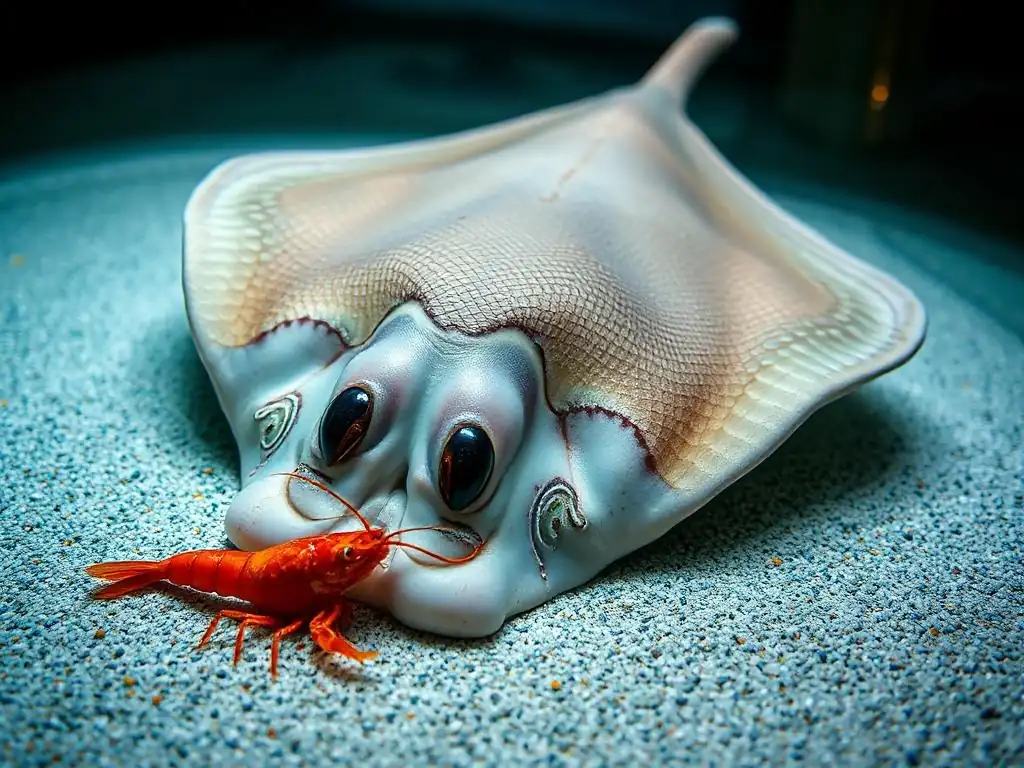
Freshwater Stingrays are obligate carnivores, and their diet in captivity must reflect their natural predatory needs. High-quality, protein-rich foods form the foundation of their diet. Excellent choices include frozen bloodworms, blackworms, and brine shrimp for smaller or juvenile stingrays. As they grow, larger food items such as chopped earthworms, market shrimp, mussels, and krill should be introduced.
While some aquarists offer feeder fish, this practice carries a significant risk of introducing diseases and parasites into the aquarium. If feeder fish are used, they must be quarantined and gut-loaded for several weeks beforehand. A varied diet is crucial for complete nutrition, and some specialized sinking pellets formulated for carnivorous bottom-dwellers can be offered as a supplement, though they should never be the sole food source for raising Freshwater Stingrays.
Feeding Schedule and Frequency for Freshwater Stingrays
The feeding schedule for Freshwater Stingrays depends on their age and size. Young, growing stingrays should be fed small, frequent meals, typically once or twice daily, consuming what they can in a few minutes. This promotes rapid and healthy development. Overfeeding should be avoided to prevent water quality degradation, but underfeeding can lead to stunted growth and nutritional deficiencies.
Adult Freshwater Stingrays can generally be fed every other day or 3-4 times per week. Observe your stingray's behavior and body condition; a healthy stingray will be active and alert, eagerly foraging for food. It's important to ensure that sinking foods reach the bottom of the tank where the stingray can easily find them, especially if they are housed with faster-feeding, top-dwelling tank mates.
Freshwater Stingray Health: Common Diseases and Prevention
Identifying Freshwater Stingray Diseases: Symptoms and Diagnosis
Freshwater Stingrays are susceptible to various diseases, often triggered by poor water quality, stress, or improper diet. Common ailments include bacterial infections (manifesting as fin rot, skin lesions, or red streaks), fungal infections (appearing as cotton-like growths), and parasitic infestations (such as flukes or internal worms). Symptoms to watch for include lethargy, loss of appetite, abnormal swimming patterns, clamped fins, discolored patches on the disc, or visible external parasites.
Early detection is paramount for successful treatment and for minimizing stress on the fish. Any deviation from normal behavior or appearance should prompt immediate investigation of water parameters and the stingray's environment. Stress, often a result of fluctuating water conditions, insufficient tank size, or incompatible tank mates, is a primary predisposing factor for disease in Freshwater Stingrays, making a stable environment the best preventative measure.
Treating Common Freshwater Stingray Ailments
Treatment for Freshwater Stingray ailments often involves specific medications targeting the identified pathogen. Bacterial infections typically require broad-spectrum antibiotics, while fungal infections are treated with antifungal agents. Parasitic infestations may necessitate specific antiparasitic medications. Always follow dosage instructions precisely and remove activated carbon from filtration during medication to ensure efficacy.
Before administering any medication, a large water change and thorough cleaning of the tank are often the crucial first steps, as improved water quality can sometimes resolve minor issues without further intervention. For severe or persistent cases, consulting with an experienced aquatic veterinarian or a highly knowledgeable aquarist specializing in Freshwater Stingray care is strongly advised. Remember that prevention through optimal husbandry is far more effective than attempting to cure established diseases.
Quarantine Procedures for New Freshwater Stingrays
A strict quarantine protocol is non-negotiable for all new Freshwater Stingrays before introducing them to your main display tank. This prevents the potential introduction of diseases and parasites that could devastate your existing fish population. A dedicated quarantine tank, fully cycled and equipped with a heater, filter (sponge filter is often ideal for juveniles), and air stone, should be established.
New arrivals should be quarantined for a minimum of 4-6 weeks. During this period, observe them closely for any signs of illness, gradually acclimate them to their new diet, and perform regular small water changes to maintain pristine conditions. This crucial step not only protects your main aquarium but also allows the new stingray to recover from shipping stress and adapt to its new environment in a controlled, low-stress setting, promoting long-term success in raising Freshwater Stingrays.
Understanding Arowanas: Care and Husbandry
Arowana Profiles: Colors, Varieties and Selecting Healthy Fish
Arowanas are among the most iconic and majestic freshwater fish, renowned for their ancient lineage and striking appearance. The most commonly kept species include the Silver Arowana ( Osteoglossum bicirrhosum) from South America, which can reach over 3 feet (90 cm) in length, and various Asian Arowana species ( Scleropages formosus), prized for their vibrant colors like Red, Gold, and Green. Australian Arowanas ( Scleropages jardinii) are also popular, known for their speckle patterns.
When selecting an Arowana, particularly for Arowana care, it is vital to choose a healthy specimen. Look for clear, bright eyes (avoiding "droop eye" if possible, which is a common condition), intact fins without tears or rot, active and graceful swimming, and a healthy appetite. The scales should be smooth and iridescent, without any signs of lesions or discoloration. For Asian Arowanas, always ensure they come with proper documentation, as many are CITES-protected and require permits for legal ownership.
Arowana Tank Setup: Replicating the Natural Habitat
Tank Size and Dimensions for Arowanas
Arowanas grow to be exceptionally large fish, with Silver Arowanas routinely exceeding 3 feet (90 cm) and even Asian Arowanas reaching 2-2.5 feet (60-75 cm). Consequently, an immense tank size is paramount for their well-being. A single adult Silver Arowana requires a minimum tank of 250-300 gallons (approximately 96x30x30 inches or 240x75x75 cm), while Asian and Australian species still demand tanks of 180-250 gallons (680-945 liters) or more.
Length is the most critical dimension for Arowanas, allowing them ample space to turn and swim without constantly brushing against the glass. A tank that is at least 8-10 times the fish's adult length is ideal. Height is also important, as Arowanas are top-dwelling fish that can jump significant distances. Providing sufficient vertical space above the water line, along with a secure lid, is essential to prevent escapes.
Arowana-Specific Equipment Considerations
Given their size and active metabolism, Arowanas require an exceptionally robust filtration system. A combination of large canister filters, a powerful sump, and possibly fluidized bed filters is typically necessary, aiming for a total water turnover rate of 8-10 times the tank volume per hour. Heaters must be powerful and reliable to maintain a stable temperature range of 75-82°F (24-28°C), crucial for their metabolic processes and overall health.
A heavy, tightly fitting lid with no gaps is an absolute non-negotiable for Arowana care, as these fish are renowned for their jumping abilities, often clearing several feet from the water's surface. Adequate lighting, such as full-spectrum LEDs, can enhance their natural coloration. Additionally, a strong air pump and multiple air stones ensure high oxygen levels, which Arowanas, as active surface dwellers, greatly benefit from.
Arowana Water Chemistry: Achieving Pristine Conditions
Importance of Water Quality for Arowanas
Arowanas are highly sensitive to fluctuations and degradation in water quality, making pristine and stable conditions the cornerstone of their successful long-term Arowana care. Poor water quality is a leading cause of stress, disease, and stunted growth in these majestic fish. Elevated levels of ammonia, nitrite, or nitrate can quickly lead to fin rot, bacterial infections, and other severe health issues.
Regular and thorough water testing for ammonia, nitrite, nitrate, pH, and temperature is absolutely imperative. Aim for ammonia and nitrite levels at zero parts per million (ppm), and nitrates consistently below 20 ppm. Maintaining a stable pH, typically between 6.5-7.5 depending on the species, and consistent temperature are equally important to prevent osmotic shock and ensure the fish's metabolic processes function optimally.
Managing Ammonia, Nitrite, and Nitrate Levels
Effective management of the nitrogen cycle is paramount for raising Arowanas. A well-established biological filter, providing ample surface area for beneficial bacteria, is crucial for converting toxic ammonia and nitrite into less harmful nitrate. Overfeeding, which contributes significantly to organic waste and ammonia buildup, should be strictly avoided.
Large, frequent water changes are the primary method for keeping nitrate levels in check. For an adult Arowana tank, weekly water changes of 30-50% are common practice. During water changes, thorough gravel vacuuming of the substrate removes uneaten food and detritus, further reducing the organic load. Implementing a powerful sump system with large biological media can significantly aid in maintaining the exceptionally clean water that Arowanas demand.
Arowana Feeding: Meeting Nutritional Needs
High-Quality Food Options for Arowanas
Arowanas are predatory carnivores, and their diet in captivity must reflect this. A varied diet of high-quality, protein-rich foods is essential for their health, growth, and vibrant coloration. Excellent staple foods include high-quality Arowana pellets specifically formulated for large carnivores, krill, market shrimp, earthworms, and crickets. Occasional offerings of feeder fish (such as guppies or mollies, only if quarantined and disease-free) can stimulate their natural hunting instincts but should not be a primary food source due to disease risks.
Avoid feeding fatty meats like beef heart, as these are difficult for Arowanas to digest and can lead to long-term health problems. Frozen, thawed options like silversides, raw shrimp, and mussels are safer alternatives to live feeder fish. Supplementing their diet with vitamin-enriched foods ensures they receive all necessary micronutrients for robust health and optimal development when raising Arowanas.
Addressing Arowana Feeding Challenges
Arowanas can sometimes be finicky eaters, especially when first introduced to a new environment or diet. Patience and persistence are key in encouraging them to accept new foods. Try offering food at different times of the day, or use feeding tongs to present food in a way that mimics natural prey movement, stimulating their predatory drive. Some Arowanas may initially refuse pellets if they are accustomed to live foods, requiring a gradual transition.
If an Arowana consistently refuses food, the first step is always to check all water parameters, as stress from poor water quality is a common cause of appetite loss. Ensure the tank environment is secure, peaceful, and free from perceived threats. A varied diet from a young age can help prevent pickiness in adult Arowanas, ensuring they are accustomed to a range of nutritious food options.
Arowana Health: Recognizing and Treating Illnesses
Common Arowana Diseases: Identification and Treatment
Arowanas, like all fish, are susceptible to various diseases, often exacerbated by stress or poor water quality. Common issues include "droop eye" (where one or both eyes point downwards, often linked to genetics, diet, or tank environment), fin rot, fungal infections, and internal parasites. Symptoms can include lethargy, clamped fins, cloudy eyes, white spots (Ich), or unusual swimming patterns such as rubbing against decor or gasping at the surface.
Treatment depends on the specific diagnosis. For bacterial infections, broad-spectrum antibiotics may be required, while fungal infections necessitate antifungal treatments. "Droop eye" is particularly challenging and often involves dietary adjustments, increased lighting, or in severe cases, surgical intervention. Always prioritize improving water quality and reducing stress before and during any medical treatment to support the Arowana's immune system.
Preventing Arowana Health Problems
Prevention is by far the most effective strategy for ensuring good Arowana health. This begins with maintaining pristine and stable water quality through rigorous filtration and consistent, large water changes. Providing a balanced, high-quality, and varied diet is crucial for bolstering their immune system and overall vitality. Ensuring the tank environment is spacious, secure, and free from stressors is equally important.
A strict quarantine protocol for any new fish, including new Arowanas or potential tank mates, is essential to prevent the introduction of pathogens into the main display tank. Avoid overcrowding and carefully select compatible tank mates to minimize aggression and stress. Regular, daily observation of your Arowana for subtle changes in behavior, appetite, or appearance allows for early detection and intervention, significantly increasing the chances of successful recovery from any potential health issues.
Raising Freshwater Stingrays and Arowanas Together: Compatibility and Coexistence
Can Freshwater Stingrays and Arowanas Live Together? Assessing Compatibility
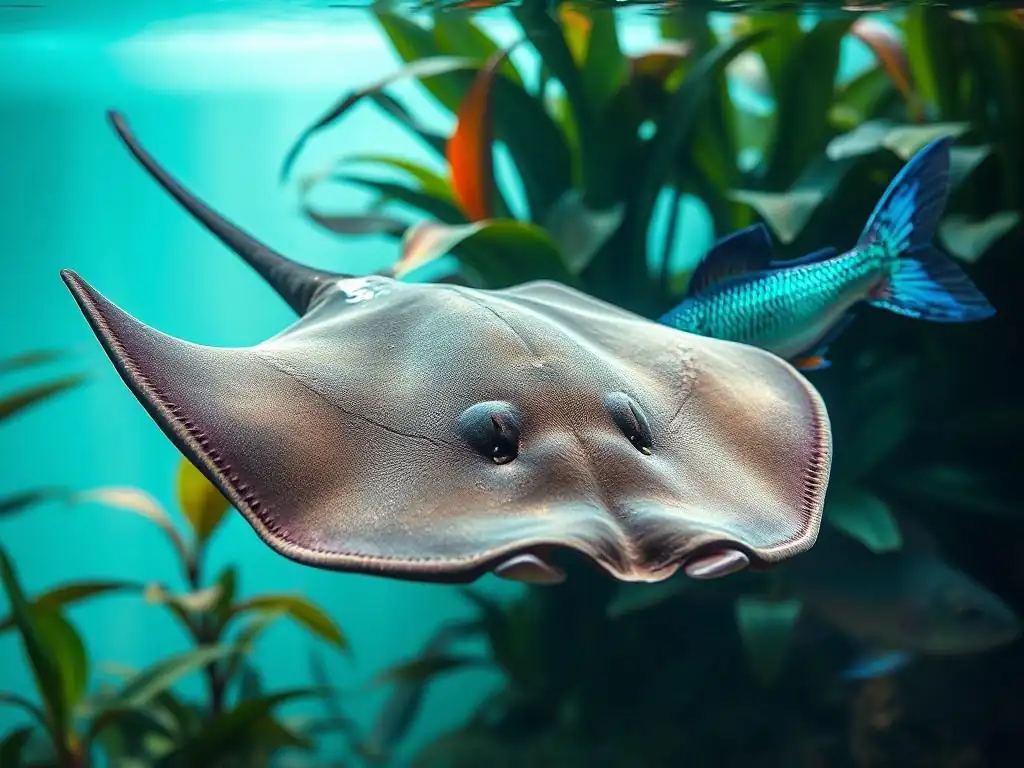
While both are large, predatory fish, raising Freshwater Stingrays and Arowanas together can sometimes be successful in appropriately sized aquariums. Their compatibility stems from their tendency to occupy different water columns: Arowanas are primarily top-dwelling fish, while Freshwater Stingrays are exclusively bottom-dwellers. This natural spatial separation often minimizes direct competition and territorial disputes.
However, success is not guaranteed and depends heavily on individual fish temperament, tank size, and proper setup. Both species are predatory, and any fish small enough to fit into their mouths, including smaller individuals of their own kind, can become prey. Careful selection of robust, similarly sized specimens and providing an exceptionally large habitat are crucial to mitigate aggression and ensure peaceful coexistence in a shared aquarium.
Setting up a Community Tank for Freshwater Stingrays and Arowanas
Tank Size and Layout Considerations for Mixed Species
For a community tank housing both Freshwater Stingrays and Arowanas, the tank size must be absolutely immense to accommodate the adult size and territorial needs of both species. A tank of at least 500-800 gallons (1890-3028 liters) is considered a bare minimum for a single adult of each species, with larger tanks being preferable for multiple individuals. The tank should be exceptionally long and wide to provide ample swimming room for the Arowana and expansive floor space for the stingray.
The layout should prioritize vast open swimming areas for the Arowana in the upper and middle water columns, and large, clear, soft sand expanses on the bottom for the Freshwater Stingray to burrow and forage. Decor should be minimal, smooth, and strategically placed along the tank edges to maximize central swimming space. Avoid sharp objects or tight crevices that could injure either fish.
Managing Aggression and Competition
Despite occupying different vertical zones, aggression and competition can still arise in a mixed Freshwater Stingray and Arowana tank, particularly during feeding or if the tank is too small. Monitor for signs of stress or aggression, such as nipped fins, chasing, or hiding. Introducing all fish simultaneously as juveniles, if possible, can sometimes help establish a pecking order with less conflict.
Ensure there are sufficient hiding spots or visual breaks, even if not directly used by the main predatory fish, as these can provide a sense of security. Overfeeding slightly can reduce food competition, but this must be balanced with rigorous water quality management. Size matching is paramount; avoid placing a significantly smaller Arowana with a large Freshwater Stingray or vice versa, as the smaller fish will likely be seen as prey.
Fortunately, both Freshwater Stingrays and Arowanas thrive in similar warm, soft to neutral, and impeccably clean water conditions. This simplifies the challenge of maintaining optimal water parameters in a shared tank. Ideal temperatures generally range from 76-80°F (24-27°C), with a stable pH between 6.8-7.2. Consistency in these parameters is far more important than hitting exact numbers, as sudden fluctuations are highly stressful for both species.
The combined bioload of these large fish necessitates an even more aggressive filtration strategy and water change routine than for single-species tanks. Daily checks of ammonia and nitrite are advisable, and frequent nitrate monitoring is essential. Large, weekly water changes (50% or more) are typically required. Investing in automated water change systems or large-volume sumps can greatly assist in maintaining the pristine water quality crucial for the health of both Freshwater Stingrays and Arowanas.
Feeding Freshwater Stingrays and Arowanas in a Community Setting
Feeding in a community tank with Freshwater Stingrays and Arowanas requires careful planning to ensure both species receive adequate nutrition without excessive competition. Arowanas are surface feeders, while Freshwater Stingrays are bottom feeders. Therefore, offer floating foods for the Arowana (e.g., pellets, krill, crickets) and simultaneously offer sinking foods for the stingray (e.g., chopped shrimp, earthworms, sinking pellets).
It is crucial to observe closely during feeding times to ensure that the faster-feeding Arowana does not consume all the food before the stingray has a chance to eat, or vice-versa if the stingray is particularly aggressive. Diversify the diet for both species to ensure complete nutritional intake. Hand-feeding can sometimes be used to ensure specific individuals receive their share, and it also allows for closer monitoring of their appetite and health.
Monitoring Health and Behavior in a Mixed Freshwater Stingray and Arowana Tank
Constant and diligent observation is crucial when raising Freshwater Stingrays and Arowanas together. Daily checks for any signs of stress, injury, or disease in both species are essential. Look for changes in swimming patterns, appetite, coloration, fin condition, or any unusual marks on their bodies. Any deviation from normal behavior warrants immediate investigation of water parameters and the environment.
Pay particular attention during feeding times to ensure both Freshwater Stingrays and Arowanas are actively eating and not being outcompeted or bullied. Regularly inspect fins for nips or tears, and monitor body condition to ensure neither fish is becoming overly thin or obese. Early detection of issues, combined with a proactive approach to water quality and environmental stability, is key to the long-term success of Freshwater Stingray and Arowana care in a shared habitat.
Freshwater Stingray Breeding: A Step-by-Step Guide
Preparing for Freshwater Stingray Breeding
Selecting Breeding Pairs
Successful Freshwater Stingray breeding begins with the careful selection of healthy, sexually mature individuals. Freshwater Stingrays typically reach sexual maturity around 2-3 years of age, depending on the species and growth rate. Males are easily identified by the presence of prominent claspers located on the inner edge of their pelvic fins, which females lack. Look for robust, well-fed individuals with vibrant coloration and no physical deformities or signs of stress.
To increase the chances of natural pairing and reduce aggression, it's often recommended to acquire a group of 3-4 juvenile Freshwater Stingrays and allow them to grow and pair naturally within a very large, species-specific tank. A male-to-female ratio of 1:2 or 1:3 can also be beneficial, as it disperses the male's attention among multiple females, reducing stress on any single individual from persistent courtship attempts.
Setting up a Breeding Tank for Freshwater Stingrays
A dedicated breeding tank, often even larger than a typical display tank (e.g., 300+ gallons or 1135+ liters), is highly recommended for Freshwater Stingray breeding. This provides ample space for courtship, spawning, and later, for the developing pups, while minimizing stress on the breeding pair. The tank should feature pristine water quality, a soft sand substrate (at least 3 inches deep for burrowing), and minimal, smooth decor to prevent injury.
Maintaining stable and optimal water parameters is crucial; target a pH of 6.5-7.0 and a temperature of 78-82°F (25.5-28°C). Conditioning the breeding pair with an increased diet of high-protein, varied foods for several weeks can stimulate readiness to breed. Strong filtration coupled with daily small water changes (10-20%) can further encourage spawning by mimicking natural environmental shifts.
Freshwater Stingray Gestation and Pup Care
Identifying Pregnancy in Freshwater Stingrays
Freshwater Stingrays are livebearers, meaning the female carries her young internally until they are fully developed. Identifying pregnancy in a female Freshwater Stingray is characterized by a noticeable thickening and rounding of her disc, particularly around the central area where the pups develop. This change in body shape becomes more pronounced as the gestation progresses, which typically lasts between 90 to 120 days, although it can vary by species and individual.
As the pregnancy nears term, you may observe distinct bulges or movements within the female's disc as the pups grow larger. Maintaining impeccable water quality and a stress-free environment during this critical period is vital. Stressed females are more prone to aborting or reabsorbing their pups, making consistent and diligent Freshwater Stingray care paramount throughout gestation.
Caring for Newborn Freshwater Stingray Pups
Newborn Freshwater Stingray pups are miniature, fully formed replicas of the adults, typically ranging from 3-5 inches (7.5-12.5 cm) in disc diameter at birth, depending on the species and litter size. They are born with a small yolk sac that provides initial nourishment, but they are immediately capable of independent feeding shortly after birth. A single litter can range from 1 to 10 or more pups.
While some breeders allow pups to remain with their parents in very large, well-structured tanks, many prefer to move the newborn stingrays to a separate, dedicated grow-out tank. This dedicated environment ensures higher survival rates by preventing accidental predation or competition from adults and allows for more controlled feeding and water quality management tailored specifically for the delicate pups, optimizing conditions for raising Freshwater Stingrays from birth.
Raising Freshwater Stingray Pups: From Birth to Juvenile
Feeding Freshwater Stingray Pups
Freshwater Stingray pups have a voracious appetite and require frequent, small meals to fuel their rapid growth. They should be fed 3-4 times daily with high-protein, finely chopped foods. Excellent first foods include finely chopped bloodworms, blackworms, and brine shrimp. Ensure the food sinks to the bottom of the tank, where the pups will actively forage.
As they grow, gradually introduce larger food items such as small pieces of chopped earthworms, market shrimp, and krill. Consistency in feeding is crucial for promoting healthy development and preventing stunted growth. While tempting, avoid overfeeding, as this can quickly foul the water and lead to health issues in the sensitive pups. A balanced and varied diet is essential for successful Freshwater Stingray care from infancy.
Maintaining Water Quality for Freshwater Stingray Pups
Freshwater Stingray pups are even more sensitive to fluctuations in water quality than adult stingrays. Therefore, maintaining pristine water conditions in their grow-out tank is paramount. Daily partial water changes, typically 10-20% of the tank volume, are essential to keep ammonia, nitrite, and nitrate levels at absolute zero or very low concentrations.
The filtration system for a pup grow-out tank should be robust but gentle. Sponge filters are often ideal as they provide excellent biological filtration without creating strong currents that can stress the delicate pups. Small canister filters with a low flow rate or spray bar can also be effective. Regular testing of water parameters is crucial to ensure a stable and healthy environment for the developing young.
Weaning Freshwater Stingray Pups
The "weaning" process for Freshwater Stingray pups refers to their transition from frequent, small meals of finely chopped foods to larger, less frequent meals of more substantial prey items, mimicking their natural progression in the wild. This transition typically occurs as they grow in size and their mouths develop to handle bigger food.
Gradually introduce larger food items such as whole earthworms, small pieces of market shrimp, and small feeder fish (if deemed appropriate and quarantined) as the pups increase in disc diameter. By 6-8 months of age, depending on the species and growth rate, they should be capable of consuming adult-sized portions. This gradual shift ensures they continue to receive adequate nutrition and develop strong predatory instincts essential for long-term raising Freshwater Stingrays.
Arowana Breeding: A Challenging but Rewarding Endeavor
Preparing for Arowana Breeding: Creating the Right Conditions
Selecting Healthy Arowana Breeding Pairs
Arowana breeding in captivity is notoriously challenging and rare, often requiring immense dedication and specific conditions. It typically involves very large, mature fish, usually 3-5 years old, that have naturally paired. Sexing Arowanas is difficult outside of breeding season, so aquarists often acquire a group of juveniles and allow them to grow together, hoping for a natural pair to form.
Breeding pairs must be robust, in peak health, and free from any deformities or chronic illnesses. Conditioning the potential breeding pair with a high-protein, diverse diet for several months prior to any breeding attempts is crucial. This helps to build up their energy reserves and encourages gonadal development, setting the stage for successful Arowana breeding.
Setting up an Arowana Breeding Tank
An Arowana breeding tank must be of truly monumental proportions, often exceeding 1000 gallons (3785 liters) to provide the vast space necessary for courtship, spawning, and later, the protection of the fry by the male. The tank should meticulously mimic their natural habitat, featuring soft, acidic water (pH 6.0-6.5) and stable, warm temperatures (80-84°F or 27-29°C).
The tank setup should be minimal, with a soft substrate and smooth, non-abrasive decor. Extremely powerful and redundant filtration is essential to handle the bioload of the large adults and maintain pristine water quality, which is critical for inducing spawning. Dim lighting and a peaceful, undisturbed environment are also important factors that can encourage breeding behavior in these sensitive fish.
Arowana Spawning and Parental Care
Encouraging Arowanas to Spawn
Encouraging Arowanas to spawn in captivity often involves simulating seasonal changes in their natural environment. Large, frequent water changes (50% or more daily) using slightly cooler, soft water can mimic the onset of the rainy season, which often triggers breeding in the wild. A diet rich in live foods, such as large insects and feeder fish (if disease-free), can also act as a strong stimulus for spawning behavior.
Arowanas are unique among large aquarium fish for their mouthbrooding behavior. Once the female lays her eggs, they are fertilized by the male, who then diligently collects them into his mouth. He will incubate the eggs for an extended period, typically 50-60 days, during which he will not eat. This dedication to parental care makes Arowana breeding a fascinating, albeit challenging, process to observe.
Understanding Arowana Parental Behavior
The male Arowana plays the primary role in parental care, exhibiting remarkable dedication to his offspring. After collecting the fertilized eggs, he will hold them in his mouth for several weeks, meticulously aerating and protecting them. During this entire mouthbrooding period, which can last up to two months, the male will completely cease feeding, relying on his stored energy reserves.
This period requires an extremely calm and undisturbed environment. The male will become highly protective and may display aggression towards any perceived threats, including other tank inhabitants or even the female. It is crucial to minimize any stress or disturbance to the male during this time, as excessive stress can cause him to prematurely release or even swallow the eggs or fry, jeopardizing the success of the Arowana breeding attempt.
Raising Arowana Fry: A Delicate Process
Feeding Arowana Fry: The Importance of Live Foods
Once the Arowana fry are released from the male's mouth, they are relatively large, typically around 1.5-2 inches (3.8-5 cm) in length, and possess a residual yolk sac that provides initial nourishment for a few days. After the yolk sac is absorbed, the fry require a diet of live foods. Their predatory instincts are strong from birth, making live prey essential for their development.
Suitable first foods include newly hatched brine shrimp, daphnia, micro worms, and small insects. As they grow rapidly, they will quickly transition to larger live foods such as small feeder fish (only if guaranteed disease-free), ghost shrimp, and finely chopped earthworms. Providing a diverse range of high-quality live foods is crucial for promoting healthy growth and vibrant coloration in young Arowanas.
Maintaining Water Quality for Arowana Fry
Arowana fry are incredibly sensitive to water quality, even more so than adult Arowanas. Maintaining pristine and stable water conditions in their grow-out tank is paramount for their survival and healthy development. Daily small water changes, typically 10-20% of the tank volume, are essential to keep ammonia, nitrite, and nitrate levels at absolute zero or very low concentrations.
The filtration system for an Arowana fry tank should be powerful enough to handle their waste but gentle enough to avoid strong currents that can stress the delicate fry. Sponge filters are often recommended for fry tanks as they provide excellent biological filtration with minimal water movement. Regular and precise testing of water parameters is non-negotiable to ensure a stable and clean environment for the successful raising Arowanas from the fry stage.
Transitioning Arowana Fry to Larger Prey
As Arowana fry grow rapidly, their dietary needs evolve, and they quickly require larger prey items to sustain their development. This transition involves gradually introducing bigger food sources that mimic their natural predatory diet. The goal is to ensure they receive a diverse range of nutrients necessary for robust growth and the development of their characteristic predatory prowess.
Begin introducing larger live foods such as small crickets, mealworms, and pieces of market shrimp as the fry gain size. Over time, they will be able to consume even larger items like feeder fish (again, only if strictly quarantined) and larger insects. This gradual transition ensures that the young Arowanas are always adequately nourished and continues to stimulate their natural hunting instincts, preparing them for an adult predatory diet.
Troubleshooting Common Issues in Freshwater Stingray and Arowana Keeping
Addressing Freshwater Stingray and Arowana Health Problems
Many health issues encountered when raising Freshwater Stingrays and Arowanas can be traced back to underlying problems with water quality, chronic stress, or an inadequate diet. Lethargy, loss of appetite, and unusual swimming patterns are often the first, subtle indicators of a problem. For Freshwater Stingrays, look for abrasions on their disc or unusual spots, while for Arowanas, observe for "droop eye" or fin deterioration.
The immediate first step in troubleshooting any health concern is always to conduct a thorough test of all water parameters (ammonia, nitrite, nitrate, pH, temperature). Perform a large water change and ensure that your filtration system is operating optimally and is properly maintained. If possible, isolate affected fish in a hospital tank to prevent the spread of disease and to facilitate targeted treatment, which is crucial for the successful Freshwater Stingray and Arowana care.
Resolving Water Quality Issues
High nitrate levels are a common issue in tanks housing large, messy eaters like Freshwater Stingrays and Arowanas. To resolve this, increase the frequency and volume of your water changes. For instance, if you are doing 30% weekly, increase to 50% twice a week. Also, ensure your filtration system is adequately sized for the bioload and that filter media are regularly cleaned or replaced as needed.
Ammonia and nitrite spikes indicate a problem with the biological filter's capacity or a sudden increase in organic waste, often due to overfeeding. Immediately perform large water changes (50-70%) and reduce feeding. Consider adding beneficial bacteria supplements to boost the biological filter. If the tank is relatively new, review your cycling protocols, as an uncycled or crashed cycle is a frequent cause of these toxic spikes.
Managing Aggression and Compatibility Problems
Aggression can arise even among generally compatible species if tank size is insufficient or if individual fish are particularly territorial. For both Freshwater Stingrays and Arowanas, providing ample space is the primary solution. For Arowanas, if inter-species aggression occurs, consider a single-specimen tank. For stingrays, ensure they have enough individual sand territory.
If severe aggression persists in a community tank, re-evaluate the compatibility of the tank mates. Sometimes, temporarily removing the aggressor for a few days and then reintroducing it (or adding new fish simultaneously) can disrupt established territorial dynamics. Providing more visual breaks with smooth decor or tall, robust plants can also help to break lines of sight and reduce conflict in the Freshwater Stingray and Arowana environment.
Common Feeding Problems and Solutions
Refusal to eat is a significant and concerning problem for both Freshwater Stingrays and Arowanas, as it often signals underlying stress or illness. The first course of action should always be to check water quality thoroughly, as poor parameters are a frequent cause of appetite loss. Observe the fish for any other signs of illness, such as lethargy, clamped fins, or abnormal coloration. Stress from new environments, incompatible tank mates, or even improper lighting can also cause a fish to stop eating.
To address feeding issues, vary the diet by offering different types of high-quality foods to stimulate appetite. For Arowanas, live foods like crickets or small feeder fish (if quarantined) can sometimes re-ignite their predatory instincts. For Freshwater Stingrays, ensure that sinking foods reach the bottom of the tank and are available for them to forage without competition. Hand-feeding can sometimes encourage reluctant eaters and build trust between the aquarist and the fish, improving overall Freshwater Stingray and Arowana care.
Conclusion: Achieving Aquarium Mastery with Freshwater Stingrays and Arowanas
The Rewards of Keeping Freshwater Stingrays and Arowanas
Raising Freshwater Stingrays and Arowanas is an undertaking that demands significant dedication and expertise, but the rewards are truly unparalleled in the realm of aquarium keeping. Witnessing the majestic presence of an Arowana gracefully patrolling the upper water column or a Freshwater Stingray subtly burying itself in the sand, only to emerge with surprising speed, offers a captivating and dynamic display that few other fish can match.
Successfully maintaining these aquatic predators demonstrates a high level of aquarist skill, patience, and commitment. The satisfaction derived from providing a thriving environment for such magnificent and ancient creatures, observing their natural behaviors, and seeing them flourish under your care is immense, solidifying your status as a true master of the aquarium.
Continuing Your Freshwater Stingray and Arowana Journey
The journey of Freshwater Stingray and Arowana care is an ongoing process of learning, adaptation, and refinement. Even after mastering the initial setup and basic husbandry, there is always more to learn about their specific needs, breeding behaviors, and advanced health protocols. Stay continuously informed about new techniques, dietary advancements, and disease prevention strategies by engaging with the broader aquarist community.
Actively participate in online forums, specialized social media groups for Freshwater Stingray and Arowana enthusiasts, or local aquarium clubs. The collective knowledge and shared experiences of seasoned aquarists can provide invaluable insights for troubleshooting, refining your husbandry practices, and deepening your understanding of these complex and rewarding fish. This continuous engagement ensures you remain at the forefront of best practices for raising Freshwater Stingrays and Arowanas.
Further Resources for Freshwater Stingray and Arowana Care
For those committed to the long-term success of Freshwater Stingray and Arowana care, a wealth of information exists beyond basic guides. Reputable aquarium forums and specialized online communities dedicated to these specific species are excellent resources for asking questions, sharing experiences, and learning from expert breeders and hobbyists. These platforms often host detailed discussions on advanced topics like water chemistry nuances, dietary supplements, and breeding challenges.
Additionally, consider investing in comprehensive books or scientific journals that focus specifically on large predatory fish or the Potamotrygon and Scleropages genera. Always cross-reference information from multiple credible sources to ensure accuracy and reliability. Prioritize advice from experienced aquarists who have demonstrated long-term success in raising Freshwater Stingrays and Arowanas, ensuring you are building your knowledge on a solid, proven foundation.
Frequently Asked Questions
How difficult is it to raise both angelfish and discus in the same aquarium?
It can be quite challenging. Angelfish and discus, while both considered aquarium royalty, have slightly different needs regarding water parameters and temperature. Careful monitoring and a stable environment are crucial.
What are the most important water parameters to consider when raising angelfish and discus?
Maintaining pristine water quality is paramount. Focus on keeping nitrates low, the pH within a suitable range (around 6.0-7.0), and the temperature between 82-86°F (28-30°C).
What type of food should I feed my angelfish and discus?
A varied diet is essential for their health and vibrant colors. Offer a combination of high-quality flake food, frozen foods like bloodworms and brine shrimp, and live foods occasionally.
What are some common diseases that affect angelfish and discus, and how can I prevent them?
Common diseases include ich (white spot disease) and bacterial infections. Prevention involves maintaining excellent water quality, quarantining new fish, and providing a stress-free environment.
How much space do angelfish and discus need in an aquarium?
Both species require ample space. A minimum of 75 gallons is recommended for a small group of angelfish or discus, but a larger tank (100+ gallons) is preferred for a community tank with both species.
Final Reflection: Cultivating Aquatic Majesty
The journey into the world of angelfish and discus, as we've explored, is more than just aquarium keeping; it's about cultivating a miniature ecosystem and witnessing the flourishing of aquatic royalty within our own homes. Today, as interest in sustainable and enriching hobbies grows, the allure of these majestic fish resonates even stronger, offering a unique blend of aesthetic beauty and intellectual stimulation.
This deep dive into the intricacies of raising angelfish and mastering discus care has, I hope, illuminated not only the practical aspects of their husbandry but also the profound connection we can forge with the natural world. In their world, even the smallest creature can be a king.
This quote, though simple, encapsulates the responsibility and privilege we assume when we choose to nurture these delicate creatures. Their well-being becomes intertwined with our own, fostering patience, observation, and a deeper appreciation for the delicate balance of life.
Now, I invite you to reflect on the knowledge you've gained. Consider how you can apply these principles, not just to your aquarium, but to other aspects of your life. Embrace the challenge of creating a thriving environment, whether it's for your fish, your plants, or even your own personal growth. Let the elegance and resilience of the angelfish and discus inspire you to cultivate your own corner of beauty and harmony in a world that desperately needs it.
Dive Deeper: Transform Your Aquarium into a Royal Paradise!
Thank you for exploring the majestic world of angelfish and discus! Now that you're equipped with the knowledge to care for these aquarium royals, it's time to translate that knowledge into action and create a thriving underwater haven.
Here are a few next steps to truly master the art of keeping angelfish and discus:
- Start Planning Your Dream Setup: Research and select the perfect tank size, filtration system, and décor to create a comfortable and stimulating environment for your future angelfish and discus. This is your primary action!
- Connect with fellow aquarists. Share your plans and learn from the community's experiences on online forums or local aquarium clubs.
- Consider surprising your fish with a DIY enrichment activity, like creating a "feeding station" with a floating log and some live plants.
What specific aquascaping element are you most excited to incorporate into your angelfish and discus tank?