
Why Are My Angelfish Hiding? Uncovering the Reasons & Solutions

Welcome to Aquarium Mastery!
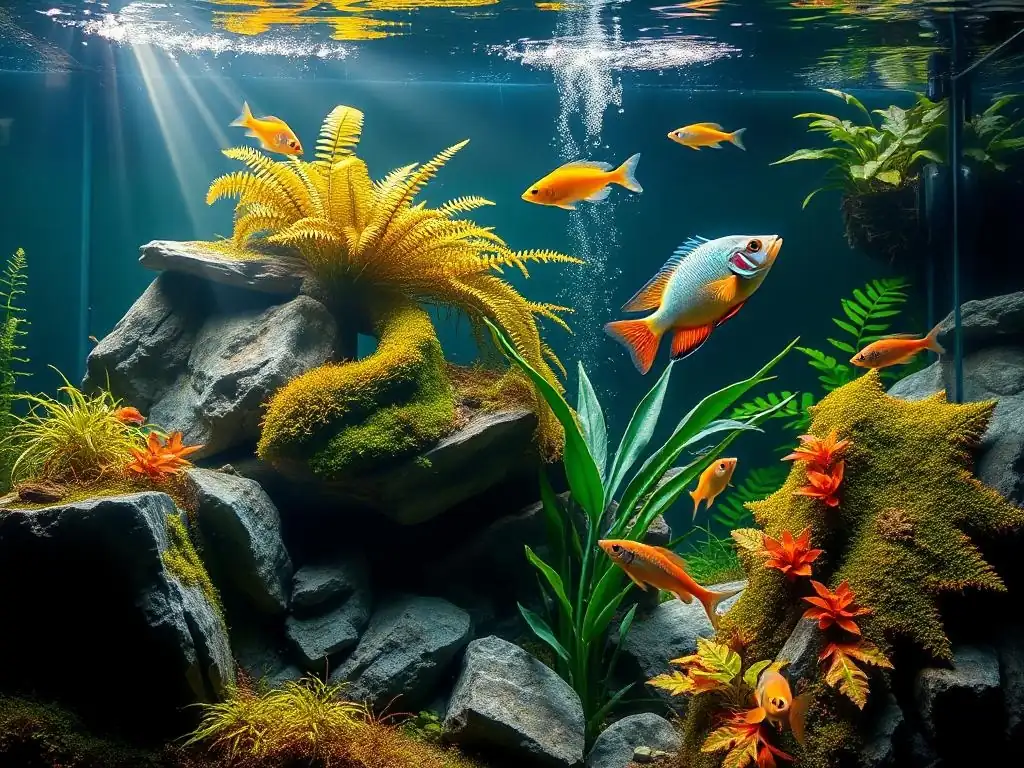
Ever wonder why your majestic Angelfish is suddenly playing hide-and-seek? You're not alone! Uncover the surprising reasons behind this behavior and discover practical solutions in our comprehensive guide. Dive in to learn how to create a thriving environment where your Angelfish feel safe, secure, and ready to show off their beauty!
- Understanding Angelfish Hiding Behavior: An Aquarium Mastery Guide
-
Common Angelfish Hiding Reasons: Diagnosing the Problem
- Poor Water Quality: A Primary Cause of Angelfish Stress and Hiding
- Bullying and Aggression: Identifying Tank Mate Issues
- New Tank Syndrome: Adjusting Angelfish to a New Environment
- Illness and Disease: Recognizing Symptoms Beyond Hiding
- Inadequate Hiding Places: Providing Shelter for Angelfish Comfort
- Bright Lighting Stress: How Light Affects Angelfish Behavior
-
Solutions for Angelfish Hiding: Restoring Their Confidence
- Improving Water Quality: Testing and Treatment Strategies
- Addressing Aggression: Managing Tank Mate Conflicts
- Acclimating New Angelfish: Minimizing Stress During Introduction
- Treating Illness and Disease: Identifying and Addressing Health Issues
- Enhancing Angelfish Environment: Providing Adequate Hiding Spots and Lighting
- Preventing Angelfish Hiding: Proactive Aquarium Management
- Angelfish Hiding: When to Seek Expert Advice
- Conclusion: Ensuring Happy and Healthy Angelfish in Your Aquarium
-
Frequently Asked Questions
- Why are my angelfish suddenly hiding?
- What are the most common water chemistry issues that cause angelfish to hide?
- Could the size of my aquarium be a reason for my angelfish to hide?
- How do I identify if my angelfish is hiding due to illness?
- What are some specific solutions to encourage my angelfish to come out of hiding?
- Final Reflection: Unveiling the Secrets of the Angelfish
- Transform Your Angelfish from Shy to Social!
Understanding Angelfish Hiding Behavior: An Aquarium Mastery Guide
Angelfish, with their majestic fins and graceful movements, are often the centerpiece of a freshwater aquarium. However, observing your beloved angelfish constantly hiding can be a cause for concern. This behavior, while sometimes normal for short periods, often signals underlying stress, discomfort, or illness. Understanding the root causes of angelfish hiding is the first step toward providing a healthy and thriving environment for these sensitive Cichlids.
This comprehensive guide will delve into the various angelfish hiding reasons solutions, offering actionable insights and practical advice to diagnose and resolve the issue. From subtle environmental stressors to more serious health concerns, we will explore how common factors influence angelfish behavior and provide effective strategies to encourage them to swim confidently in their aquatic home. By addressing these concerns proactively, you can ensure your angelfish not only survive but truly flourish.
Common Angelfish Hiding Reasons: Diagnosing the Problem
Poor Water Quality: A Primary Cause of Angelfish Stress and Hiding
Poor water quality is arguably the most common and critical factor contributing to angelfish stress and subsequent hiding behavior. Angelfish are highly sensitive to fluctuating or toxic water parameters. When ammonia or nitrite levels are elevated, even slightly, these compounds act as potent toxins, burning their gills and causing severe internal stress. For instance, ammonia levels as low as 0.25 parts per million (ppm) can begin to cause gill damage and lethargy, leading an angelfish to seek refuge in a corner or behind decor to cope with the discomfort.
Furthermore, consistently high nitrate levels (above 40 ppm) can lead to chronic stress and a weakened immune system, making angelfish more susceptible to disease and less active. An improper pH level, outside their ideal range of 6.0 to 7.5, or rapid temperature fluctuations (more than 2-3°F in a few hours) can also induce significant stress.
For example, if a tank's heater malfunctions and the temperature drops from 78°F to 70°F overnight, angelfish may become clamped, stop eating, and spend all their time hiding near the heater trying to warm up, showcasing a clear link between water quality issues and angelfish hiding reasons solutions.
Bullying and Aggression: Identifying Tank Mate Issues
Angelfish, while generally peaceful for Cichlids, can exhibit territorial behavior, especially when housed in insufficient tank sizes or with incompatible tank mates. Bullying can occur between angelfish themselves, particularly if one fish establishes dominance over others, or if a pair attempts to breed.
The submissive angelfish will often retreat and hide to avoid constant harassment, which can manifest as fin nipping, chasing, or preventing access to food. For example, in a 29-gallon tank, which is often too small for more than one adult angelfish or a breeding pair, a dominant angelfish might relentlessly chase a smaller tank mate, causing the latter to hide permanently behind the filter or plants.
Aggression can also come from other species. Certain fin-nipping fish like Tiger Barbs are notorious for bothering angelfish due to their long, flowing fins, leading to torn fins and chronic stress that forces the angelfish to hide. Even seemingly peaceful fish can become aggressive if the tank is overcrowded, or if there aren't enough visual barriers.
A common scenario is when a new, smaller angelfish is introduced into a tank with established, larger angelfish; the existing residents may perceive the newcomer as an intruder and relentlessly pursue it, forcing it into constant hiding. Identifying the aggressor is a crucial step in finding effective angelfish hiding reasons solutions.
New Tank Syndrome: Adjusting Angelfish to a New Environment
When angelfish are introduced to a new aquarium, they often experience a period of stress and anxiety, commonly referred to as "new tank syndrome" or simply acclimation stress. This initial hiding behavior is a natural response as they adjust to unfamiliar surroundings, new water parameters, and potentially new tank mates.
During the first 24 to 72 hours, it's common for newly introduced angelfish to remain hidden behind decorations, in corners, or near the substrate, as they are assessing their environment and feeling vulnerable. This is especially true if the acclimation process was not gentle, causing a sudden shock in water chemistry or temperature.
Beyond the initial adjustment period, "new tank syndrome" can also refer to issues with the nitrogen cycle in a newly set up aquarium. If the beneficial bacteria colony is not fully established, ammonia and nitrite levels can spike dramatically, creating a toxic environment. For instance, in an uncycled 20-gallon tank, ammonia levels could rise to 1.0 ppm within days of adding fish, causing the angelfish to become lethargic, gasp at the surface, and hide intensely due to severe poisoning. This highlights why understanding the full scope of "new tank syndrome" is vital for addressing angelfish hiding reasons solutions.
Illness and Disease: Recognizing Symptoms Beyond Hiding
Hiding is often one of the earliest and most common indicators that an angelfish is suffering from an illness or disease. When a fish feels unwell, its natural instinct is to isolate itself from the group to conserve energy and avoid further stress or predation.
While hiding is a key symptom, it's crucial to look for other accompanying signs to properly diagnose the problem. For instance, an angelfish afflicted with Ich (white spot disease) might initially hide, but upon closer inspection, you would also observe small, white, salt-like spots on its body and fins, accompanied by "flashing" (rubbing against decor) due to irritation.
Other diseases manifest with distinct symptoms beyond just hiding. An angelfish suffering from Fin Rot might hide, but also display frayed, discolored, or disintegrating fins. Internal parasitic infections can cause an angelfish to become emaciated despite eating, exhibit stringy white feces, and appear listless, spending most of its time hidden near the substrate. Bacterial infections might lead to clamped fins, labored breathing, or red streaks on the body, all while the fish attempts to conceal itself. Recognizing these specific symptoms alongside the hiding behavior is paramount for accurate diagnosis and implementing effective angelfish hiding reasons solutions.
Inadequate Hiding Places: Providing Shelter for Angelfish Comfort
Angelfish, originating from the heavily vegetated waters of the Amazon basin, have an innate need for cover and security. In their natural habitat, they would seek refuge among dense aquatic plants, submerged roots, and driftwood. If an aquarium lacks sufficient hiding places and visual barriers, angelfish can feel exposed and vulnerable, leading to chronic stress and a constant desire to hide. A bare tank or one with only minimal decorations offers no safe zones for them to retreat to when they feel threatened, stressed, or simply wish to rest.
For example, in a 40-gallon breeder tank with only a few small rocks, an angelfish might constantly hover in a dark corner or behind the heater, trying to find any available shadow, rather than swimming freely. This lack of perceived safety can prevent them from fully exploring their environment and interacting with tank mates.
Providing a diverse landscape of live or artificial plants, driftwood, and rocks creates a complex environment with numerous nooks, crannies, and visual breaks. This allows angelfish to establish territories, escape aggressive tank mates, or simply find a quiet spot to de-stress, making the provision of adequate cover a fundamental part of angelfish hiding reasons solutions.
Bright Lighting Stress: How Light Affects Angelfish Behavior
Excessive or overly bright lighting can be a significant stressor for angelfish, contributing to their hiding behavior. In their natural habitat, angelfish are accustomed to dappled light filtering through a dense canopy of trees and aquatic vegetation. They are not typically found in open, brightly lit areas.
Constant, intense illumination in an aquarium can make them feel exposed and uncomfortable, leading them to seek out shaded areas or retreat to the darkest parts of the tank. This is particularly true if the lights are left on for extended periods, such as 14-16 hours a day, which can disrupt their natural diurnal rhythms.
Angelfish exposed to overly bright light might become skittish, darting away from movement outside the tank, or exhibiting clamped fins. For instance, an angelfish might immediately retreat into the shadow of a large plant or behind a tall piece of driftwood when the room lights are suddenly turned on, indicating a sensitivity to intense illumination.
While most aquariums benefit from 8-10 hours of light daily to support plant growth and a natural day-night cycle, ensuring the light intensity is appropriate for the angelfish, perhaps through dimmers or floating plants to diffuse the light, is an important consideration. Adjusting lighting conditions is a simple yet effective component of angelfish hiding reasons solutions.
Solutions for Angelfish Hiding: Restoring Their Confidence
Improving Water Quality: Testing and Treatment Strategies
Addressing poor water quality is paramount when seeking angelfish hiding reasons solutions. The first and most crucial step is to regularly test your aquarium water using reliable liquid test kits for ammonia, nitrite, nitrate, and pH. Aim for zero ammonia and nitrite, and nitrates below 20 parts per million (ppm) for optimal angelfish health; pH should ideally be between 6.0 and 7.5. Consistent monitoring allows for early detection of issues before they significantly impact your angelfish.
Regular Water Changes: Maintaining Optimal Water Parameters
Regular water changes are the cornerstone of maintaining pristine water quality. For most angelfish tanks, a weekly partial water change of 25% to 30% is recommended. This routine dilutes accumulated nitrates and replenishes essential minerals, preventing the buildup of toxins that cause stress and lead to angelfish hiding. For example, in a 55-gallon tank, a 25% weekly water change involves removing and replacing approximately 13.75 gallons of water, significantly improving water chemistry.
Proper Filtration: Ensuring a Healthy Aquarium Ecosystem
Adequate filtration is essential for a healthy aquarium ecosystem. Ensure your filter is appropriately sized for your tank volume and includes mechanical, biological, and chemical media. Mechanical filtration removes particulate matter, biological media houses beneficial bacteria that process ammonia and nitrite, and chemical media (like activated carbon) can remove impurities and odors. Regularly clean or replace filter media as per manufacturer instructions; for instance, rinsing mechanical sponges in old tank water every 2-4 weeks prevents clogging and maintains efficient filtration, directly impacting angelfish health and confidence.
Addressing Ammonia and Nitrite Spikes: Emergency Measures for Angelfish Health
In the event of an ammonia or nitrite spike, immediate action is required to protect your angelfish. Perform a large water change, typically 50% or more, to rapidly dilute the toxins. For example, if ammonia reads 0.5 ppm, a 50% water change will reduce it to 0.25 ppm, offering immediate relief. Additionally, consider using an ammonia-detoxifying conditioner, which temporarily neutralizes ammonia and nitrite, providing a safer environment until the biological filter can recover. Repeat testing daily and perform smaller water changes as needed until parameters stabilize, as these emergency measures are critical angelfish hiding reasons solutions.
Addressing Aggression: Managing Tank Mate Conflicts
Managing aggression is vital for angelfish well-being and reducing stress-induced hiding. Aggression can stem from territorial disputes, breeding behaviors, or incompatible tank mates. Observing your angelfish and their companions closely will help identify the source of the conflict and guide your corrective actions.
Identifying the Aggressor: Observing Angelfish Interactions
Careful observation is key to identifying the aggressor. Spend 15-30 minutes observing your angelfish, especially during feeding times, as this is often when territorial disputes are most evident. Look for fish that are constantly chasing, nipping fins, or preventing others from accessing food or specific areas of the tank. For instance, if one angelfish consistently flares its gills and charges at others when they approach a particular plant, it's likely establishing a territory. Pinpointing the source of the aggression is the first step in implementing effective angelfish hiding reasons solutions.
Re-arranging the Tank: Disrupting Established Territories
If aggression is due to territorial disputes, re-arranging the tank's decor can often disrupt established territories and alleviate tension. By moving driftwood, rocks, and plants, you create a new landscape that forces all fish to re-establish their territories from scratch, potentially breaking the cycle of dominance. For example, moving a large centerpiece of driftwood to a different side of the tank can make a dominant angelfish rethink its claim, giving other angelfish a chance to find new, safer zones. This simple act can significantly reduce the need for angelfish hiding.
Adding More Hiding Places: Creating Safe Zones for Angelfish
Increasing the number of hiding places and visual barriers is an effective strategy to mitigate aggression. Dense planting, tall decorations, and multiple caves or tunnels provide submissive angelfish with safe zones to retreat to when feeling threatened. This breaks line of sight and allows bullied fish to escape constant harassment. For example, adding several tall artificial or live plants like Amazon Swords can create numerous vertical hiding spots, reducing stress and providing much-needed refuge for a shy angelfish, directly addressing angelfish hiding reasons solutions.
Separating Aggressive Fish: Quarantine and Rehoming Options
In cases where aggression persists despite environmental adjustments, separating the aggressive fish may be necessary. This can involve temporarily placing the aggressor in a breeder net within the main tank, or moving it to a separate quarantine tank.
If the aggression is severe and unmanageable, rehoming the aggressive fish to a different tank or finding it a new home might be the only viable long-term solution to ensure the well-being of the other angelfish. For instance, if a particularly aggressive angelfish consistently causes fin damage to tank mates, moving it to a dedicated 20-gallon tank can prevent further injury and allow the bullied angelfish to recover and stop hiding.
Acclimating New Angelfish: Minimizing Stress During Introduction
Proper acclimation is crucial for minimizing stress and preventing new angelfish from hiding excessively upon introduction to a new tank. A gentle and gradual approach helps them adjust to the new water parameters, temperature, and environment, reducing the shock that can lead to prolonged hiding behavior.
Drip Acclimation: A Gentle Introduction Method
Drip acclimation is widely considered the safest and most effective method for introducing new fish, especially sensitive species like angelfish. This process slowly equalizes the water parameters between the fish's transport bag and the aquarium.
By using airline tubing to drip tank water into the bag at a rate of 1-2 drops per second over 30-60 minutes, the angelfish gradually adjusts to the new pH, temperature, and hardness. For example, carefully drip acclimating a new angelfish for an hour can significantly reduce the physiological shock, helping it feel more secure and less inclined to hide immediately upon release into the main tank.
Monitoring Angelfish Behavior: Observing for Signs of Stress
After introduction, closely monitor the new angelfish's behavior for the first 24-72 hours. While some initial hiding is normal, look for signs of prolonged stress such as clamped fins, rapid gill movement, staying at the surface or bottom for extended periods, or refusal to eat.
If these symptoms persist beyond the initial adjustment phase, it could indicate ongoing stress from water parameters, aggression, or illness. For instance, if a newly introduced angelfish remains clamped and hidden in a corner for over 48 hours without exploring or attempting to eat, further investigation into water quality or tank mate compatibility is warranted as part of the angelfish hiding reasons solutions.
Treating Illness and Disease: Identifying and Addressing Health Issues
When angelfish are hiding due to illness, prompt and accurate diagnosis is critical. Hiding is often a secondary symptom, so identifying the primary disease is key to effective treatment. Early intervention can significantly improve outcomes and prevent the spread of disease to other tank inhabitants.
Recognizing Disease Symptoms: Beyond Hiding Behavior
While hiding is a common sign of illness, it's essential to look for other specific symptoms to accurately diagnose the disease. Observe your angelfish for physical changes such as white spots (Ich), frayed fins (Fin Rot), fuzzy growths (fungus), or dropsy (swollen body with scales protruding). Behavioral changes like flashing (rubbing against decor), labored breathing, loss of appetite, or abnormal swimming patterns (e.g., darting, spiraling) are also crucial indicators. For example, an angelfish hiding with clamped fins and small white dots on its body almost certainly has Ich, requiring immediate specific treatment.
Quarantine Tank Setup: Isolating Sick Angelfish
Setting up a dedicated quarantine tank is highly recommended for treating sick angelfish. A simple 10-20 gallon tank with a heater, sponge filter, and basic decor provides an ideal environment for isolation and treatment. Isolating the sick fish prevents the spread of disease to healthy tank mates and allows for targeted medication without affecting the main display tank's biological filter. For instance, if you suspect a bacterial infection, moving the affected angelfish to a 10-gallon quarantine tank allows you to administer antibiotics without disrupting the main tank's delicate ecosystem.
Common Angelfish Diseases: Ich, Fin Rot, and Parasites
Angelfish are susceptible to several common diseases. Ich, or white spot disease, is characterized by white spots and can be treated by slowly raising the tank temperature to 84-86°F (29-30°C) for several days, along with salt or specific Ich medications. Fin Rot, often caused by poor water quality or stress, manifests as frayed or disintegrating fins and is typically treated with broad-spectrum antibiotics or antibacterial medications.
Internal parasites can cause emaciation and stringy feces, requiring specialized anti-parasitic medications. For example, an angelfish with severe fin rot might require daily dosing of an antibacterial medication like Furan-2 in a quarantine tank for 5-7 days to fully recover.
Medication and Treatment Options: Consulting with a Veterinarian
While many common fish diseases can be treated with over-the-counter aquarium medications, persistent or undiagnosed issues may require professional assistance. If symptoms are severe, multiple fish are affected, or standard treatments prove ineffective, consult with a knowledgeable aquatic veterinarian or an experienced fish health expert. They can often provide a more accurate diagnosis through microscopic examination and recommend specific, stronger medications or treatment protocols. For instance, if an angelfish develops sudden dropsy, a vet might prescribe a specific antibiotic that is not commonly available in pet stores, highlighting the importance of expert advice for complex angelfish hiding reasons solutions.
Enhancing Angelfish Environment: Providing Adequate Hiding Spots and Lighting
Optimizing the physical environment of your angelfish tank is crucial for their comfort and confidence, directly impacting their tendency to hide. Providing ample cover and appropriate lighting can significantly reduce stress and encourage natural behavior.
Planted Tanks: Natural Hiding Places for Angelfish
A heavily planted aquarium provides the most natural and effective hiding places for angelfish. Live plants like Amazon Swords, Anubias, Java Fern, and Vallisneria create dense foliage and vertical structures that mimic their natural habitat.
Aim for at least 30-50% of the tank volume to be covered by plants to offer sufficient visual barriers and safe zones. For example, a large Amazon Sword plant strategically placed in the center of a 55-gallon tank can become a primary hiding spot, allowing a shy angelfish to feel secure while still being part of the display, thus becoming a key part of angelfish hiding reasons solutions.
Driftwood and Rocks: Creating Caves and Shelters
Beyond plants, incorporating driftwood and rocks can create excellent caves, overhangs, and intricate structures that angelfish love to explore and hide within. Large pieces of driftwood arranged to form tunnels or crevices, or stacked rocks (ensuring they are stable and won't fall) provide solid, secure retreats. These elements also add visual interest and help break up line of sight, which is particularly useful in tanks with multiple angelfish to reduce aggression. For instance, a large, branching piece of Malaysian driftwood can offer multiple hiding spots and visual breaks for several angelfish, allowing each to claim a small, secure territory.
Dimming Lights: Reducing Stress from Excessive Brightness
Adjusting the lighting in your angelfish tank can significantly reduce stress. Angelfish prefer dimmer, more diffused lighting conditions over harsh, direct light. Consider using LED lights with dimming capabilities, or reduce the duration of intense lighting. Floating plants like Frogbit or Dwarf Water Lettuce can also help diffuse overhead light, creating dappled shadows that mimic their natural environment. For example, setting your aquarium lights to run at 70% intensity instead of 100%, or adding a thin layer of floating plants, can make a noticeable difference in reducing light-induced stress and encouraging angelfish to come out of hiding.
Preventing Angelfish Hiding: Proactive Aquarium Management
Proactive aquarium management is the most effective way to prevent angelfish hiding and ensure their long-term health and happiness. By consistently maintaining optimal conditions and observing your fish, you can address potential issues before they escalate.
Regular Tank Maintenance: A Key to Angelfish Well-being
Consistent and thorough tank maintenance is fundamental to preventing angelfish hiding. This includes performing weekly water changes (25-30%), routinely testing water parameters, and cleaning filters as recommended. A well-maintained tank ensures stable and healthy water parameters, which is the single most important factor for preventing stress and disease in angelfish. For instance, dedicating 30 minutes each week to a partial water change and quick filter rinse can prevent the gradual buildup of nitrates and other toxins, keeping your angelfish robust and active rather than stressed and hidden.
Careful Tank Mate Selection: Avoiding Aggressive Companions
Choosing compatible tank mates is crucial for the peaceful coexistence of angelfish and to prevent stress-induced hiding. Avoid species known for fin-nipping (e.g., certain barbs) or those that are overly aggressive or much larger (e.g., some larger cichlids) that could intimidate angelfish. Research potential tank mates thoroughly to ensure they share similar water parameter requirements and temperament. For example, while Tiger Barbs are often listed as compatible, their tendency to nip fins makes them a poor choice for angelfish; instead, peaceful tetras like Rummy Nose or Lemon Tetras make excellent, non-threatening companions.
Monitoring Angelfish Behavior: Early Detection of Problems
Daily observation of your angelfish's behavior is a powerful tool for early detection of problems. Spend 5-10 minutes each day watching them swim, eat, and interact.
Any deviation from their normal behavior—such as prolonged hiding, clamped fins, loss of appetite, or unusual swimming patterns—can be an early warning sign of stress, illness, or aggression. For instance, noticing an angelfish consistently hiding in a corner for two consecutive days when it normally swims freely could prompt you to test water parameters immediately or observe for signs of bullying, allowing for quick intervention before the issue becomes severe and requires more drastic angelfish hiding reasons solutions.
Angelfish Hiding: When to Seek Expert Advice
While this guide covers many common angelfish hiding reasons solutions, there are instances where professional expertise is invaluable. Knowing when to seek help from an aquatic veterinarian or a highly experienced aquarist can be crucial for your angelfish's survival.
Recognizing Serious Symptoms: Knowing When to Consult a Vet
You should consider consulting an aquatic veterinarian if your angelfish exhibits severe or rapidly worsening symptoms beyond just hiding. This includes signs like extreme bloating (dropsy), severe lesions, persistent loss of balance, widespread white spots that don't respond to standard Ich treatment, or if multiple fish are rapidly succumbing to an unknown illness. For instance, if an angelfish develops severe dropsy, often indicated by scales protruding like a pinecone, immediate veterinary consultation is often necessary as it can be a sign of kidney failure or severe internal bacterial infection that requires specific, potent antibiotics.
Diagnosing Complex Issues: Seeking Professional Help
If you've diligently applied the recommended angelfish hiding reasons solutions—such as improving water quality, adjusting tank mates, and providing ample hiding places—yet your angelfish continues to hide or shows persistent signs of distress, it's time to seek professional help. Complex issues, such as rare parasitic infections, specific bacterial strains, or nutritional deficiencies, may require laboratory testing for accurate diagnosis. An aquatic expert can provide insights into unusual symptoms, suggest advanced diagnostic procedures, or recommend specialized treatments that are not typically available to the average hobbyist, ensuring the best possible outcome for your cherished angelfish.
Conclusion: Ensuring Happy and Healthy Angelfish in Your Aquarium
Observing your angelfish hiding can be concerning, but by systematically investigating the potential angelfish hiding reasons solutions, you can effectively diagnose and address the underlying issues. From ensuring pristine water quality and providing a stress-free environment with ample hiding spots to carefully selecting tank mates and recognizing early signs of illness, proactive and informed care is paramount.
Remember that angelfish thrive in stable, well-maintained aquariums where their natural needs for security and appropriate social interaction are met. By consistently applying the principles outlined in this guide – regular maintenance, careful observation, and prompt intervention – you can transform a shy, stressed angelfish into a confident, vibrant centerpiece of your aquatic display. Your dedication to understanding and implementing these angelfish hiding reasons solutions will ensure your majestic angelfish enjoy a happy, healthy, and long life in your care.
Frequently Asked Questions
Why are my angelfish suddenly hiding?
Sudden hiding in angelfish can indicate several problems. It's often related to new tank stress after introduction, poor water conditions, or the presence of aggressive tank mates that are bullying them.
What are the most common water chemistry issues that cause angelfish to hide?
Poor water quality is a major culprit. High levels of ammonia or nitrites are toxic and will stress the fish. Ensure you are performing regular water changes and have an established biological filter.
Could the size of my aquarium be a reason for my angelfish to hide?
Yes, absolutely. Angelfish need adequate space to thrive. An overcrowded tank can cause stress and lead to hiding behavior. They need space to establish territories and feel secure.
How do I identify if my angelfish is hiding due to illness?
Look for other signs of illness besides hiding. These include loss of appetite, clamped fins, unusual swimming behavior, or visible sores or lesions. Quarantine and treat if necessary.
What are some specific solutions to encourage my angelfish to come out of hiding?
Ensure optimal water parameters, provide plenty of hiding places like plants and decorations, and observe tank mate interactions. Sometimes, simply adjusting the lighting can reduce stress.
Final Reflection: Unveiling the Secrets of the Angelfish
The exploration of angelfish hiding behavior, as we've seen, isn't just about understanding fish; it's about understanding the delicate balance of an entire ecosystem within our homes. The key takeaway is that observation and proactive problem-solving are crucial for responsible fishkeeping. By understanding the myriad of factors that can contribute to an angelfish's reclusive tendencies, we empower ourselves to create thriving and enriching environments for these magnificent creatures.
This journey into the hidden world of angelfish has highlighted the profound responsibility we undertake when bringing aquatic life into our care. It's a constant reminder that their well-being is directly tied to our understanding and responsiveness. The subtle cues they offer, often masked as simple hiding, are actually complex communications about their needs and anxieties. The greatness of a nation and its moral progress can be judged by the way its animals are treated.
- Mahatma Gandhi. This quote resonates deeply, reminding us that even the smallest act of care, like ensuring a comfortable environment for our angelfish, reflects our broader commitment to compassion and responsibility.
Now, armed with this knowledge, I encourage you to look beyond the surface of your aquarium. Observe, listen, and learn from your angelfish. Let their behavior be a guide, prompting you to create a space where they can truly thrive. By understanding their needs and addressing the root causes of their hiding, you're not just improving their lives, you're enriching your own experience as a responsible and compassionate aquarist.
Thank you for diving into the world of angelfish behavior! We hope this guide has shed light on why your finned friends might be feeling a bit reclusive. Now, it's time to take action and create a thriving environment for them!
Here are a few things you can do right now:
- Immediately assess your tank's water parameters. Regular testing is crucial for angelfish health.
- Share your experiences and tank setup in the Aquarium Mastery community forum. Your insights could help other angelfish keepers!
- Consider adding a few more plants to your tank for added security and visual appeal - you might be surprised at the results.
What is the first change you'll make to your angelfish's environment to boost their confidence?