
Betta Constipation: Signs and Gentle Remedies


Welcome to Aquarium Mastery, where your aquatic dreams come to life!
Ever wondered if your Betta's looking a little... puffy? This week, we're diving deep into a common but easily manageable issue: Betta fish constipation remedies. Learn how to spot the signs, discover gentle solutions, and keep your finned friend happy and healthy. Ready to unlock the secrets to a thriving Betta? Let's get started!
- Betta Constipation: Signs and Gentle Remedies for Your Fish
- Understanding Betta Fish Constipation
- Recognizing the Signs of Betta Constipation
- Gentle Remedies for Betta Fish Constipation
- Preventing Future Constipation Issues
- When to Consult a Veterinarian
- Betta Fish Constipation: Summary of Remedies
-
Frequently Asked Questions
- How can I tell if my Betta fish is constipated?
- What are the primary causes of constipation in Betta fish?
- What is the best first step to take if I suspect my Betta is constipated?
- What are some gentle food-based remedies for Betta fish constipation?
- When should I seek professional help for my constipated Betta fish?
- Final Reflection: Aiding Our Aquatic Companions
- Unlock Your Betta's Vibrant Health!
Betta Constipation: Signs and Gentle Remedies for Your Fish
Understanding Betta Fish Constipation
Causes of Constipation in Betta Fish
Constipation in Betta fish is primarily caused by dietary factors, with overfeeding being a leading culprit. When Bettas consume too much food, especially dry pellets or flakes that expand significantly in their digestive system, their gastrointestinal tract can become overwhelmed and blocked. Low-fiber diets, lacking in essential roughage, also contribute to this issue, as the digestive system struggles to process and excrete waste efficiently.
Beyond diet, environmental stressors and suboptimal tank conditions can indirectly lead to digestive problems. Cold water temperatures, for instance, slow down a Betta's metabolism, making it harder for them to digest food properly. Poor water quality, characterized by high ammonia or nitrite levels, can stress the fish, weakening their immune system and affecting overall organ function, including digestion.
Dangers of Betta Fish Constipation
If left untreated, Betta fish constipation can pose significant health risks, potentially leading to severe discomfort and even fatality. The accumulation of waste material puts immense pressure on internal organs, including the swim bladder, which can impair the fish's ability to swim properly, causing them to float uncontrollably or sink to the bottom. This physical strain can also lead to organ damage or rupture in severe, prolonged cases.
Furthermore, a compromised digestive system makes the Betta more susceptible to secondary bacterial infections as harmful bacteria can proliferate in the stagnant gut. The fish will exhibit increased lethargy, refusal to eat, and a general decline in health. Prompt identification and application of appropriate Betta fish constipation remedies are crucial to prevent these serious complications and ensure the well-being of your aquatic pet.
Recognizing the Signs of Betta Constipation
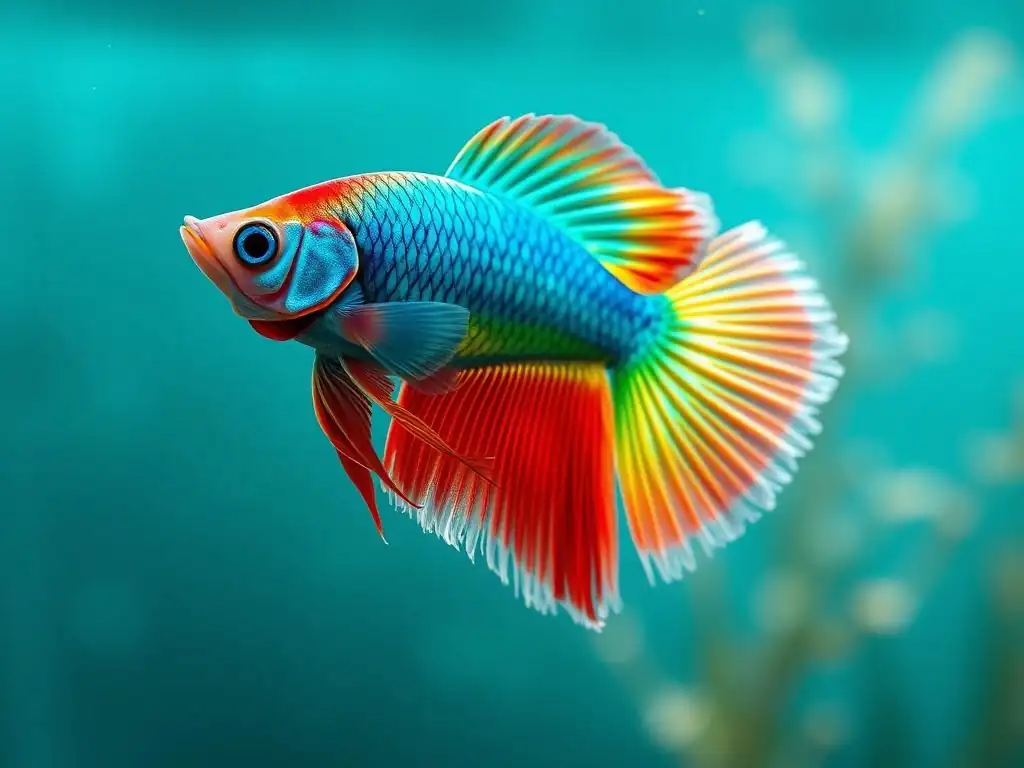
Key Symptoms of Betta Constipation
Recognizing the signs of Betta fish constipation early is vital for successful intervention. The symptoms can range from subtle changes in behavior to noticeable physical alterations. Initially, you might observe a decrease in the fish's usual activity levels or a reluctance to eat, signaling internal discomfort.
As the condition progresses, more distinct physical indicators become apparent, such as a visibly swollen abdomen. Observing your Betta daily for these changes is key, as early detection allows for the application of gentle and effective Betta fish constipation remedies before the condition becomes severe.
Indicators: Bloating and Distended Abdomen
One of the most prominent physical indicators of Betta fish constipation is a visibly bloated or distended abdomen. This swelling typically occurs around the stomach area, making the fish appear unnaturally round, almost as if they have swallowed a small marble. Unlike dropsy, where scales often protrude like a pinecone, constipation-related bloating is usually more localized and less symmetrical, though severe cases can mimic dropsy's appearance.
This abdominal distension is caused by the accumulation of undigested food and fecal matter that the Betta's digestive system is unable to pass. Carefully observing your fish from above and from the side can help you detect this swelling. A distended abdomen is a clear signal that your Betta needs immediate attention and the application of Betta fish constipation remedies.
Behavioral Changes: Lethargy and Loss of Appetite
Behavioral changes are often among the first subtle signs that a Betta is experiencing discomfort, including constipation. A constipated Betta may become noticeably lethargic, spending more time resting at the bottom of the tank or near the surface, rather than actively swimming and exploring. Their movements might appear labored or sluggish, and they may show less interest in their surroundings or interacting with their owner.
Coupled with lethargy, a significant loss of appetite is a common indicator. A constipated Betta might refuse to eat entirely, or they may take food into their mouth only to spit it out shortly after. This refusal to eat stems from the discomfort and feeling of fullness in their digestive tract. Observing these behavioral shifts prompts the need to consider Betta fish constipation remedies.
Unusual Feces: Identifying Constipation
Observing your Betta's feces can provide direct evidence of constipation. Normal Betta fish waste is typically small, dark, and sinks to the bottom of the tank. However, a constipated Betta may produce no feces at all for an extended period, indicating a complete blockage.
Alternatively, you might notice unusual fecal matter, such as long, stringy, white, or translucent strands hanging from the fish. This type of waste often indicates that the fish is struggling to pass stool or that the digestive system is not processing food correctly. Regular observation of your Betta's waste output is a simple yet effective way to identify the need for Betta fish constipation remedies.
Gentle Remedies for Betta Fish Constipation
Assessing the Severity of Condition
Before applying any Betta fish constipation remedies, it's crucial to assess the severity of your fish's condition. Observe the degree of bloating, how long the symptoms have been present, and whether the Betta is still able to swim, even if sluggishly. Mild cases, characterized by slight bloating and some lethargy, can often be resolved with simple, non-invasive methods.
However, if the bloating is severe, the fish is completely unable to swim, or symptoms have persisted for several days without improvement, more intensive interventions may be required, or professional veterinary advice should be sought. A careful assessment guides the choice of the most appropriate and effective Betta fish constipation remedies.
Improving Water Quality
Improving water quality is a foundational step for any Betta health issue, including constipation. Pristine water conditions reduce stress on the fish and support their overall metabolic functions, including digestion. Begin by performing a partial water change, typically 25-50% of the tank volume, using dechlorinated water that matches the tank's temperature.
Ensure that the water parameters are optimal for Bettas: ammonia and nitrite levels should be 0 parts per million (ppm), and nitrates should be kept below 20 ppm. Maintain the water temperature within the ideal range of 78-80°F (25.5-26.5°C), as consistent warmth aids in efficient digestion and reduces stress. Clean, stable water is a critical supportive measure among Betta fish constipation remedies.
Fasting
Fasting is often the first and most gentle of the Betta fish constipation remedies. The principle behind fasting is to give the Betta's digestive system a complete break, allowing it to process any existing food blockages without new intake. This can help clear the obstruction naturally.
For a constipated Betta, it is recommended to fast the fish for 24 to 48 hours. In more severe cases, a fast of up to 72 hours may be considered, but prolonged fasting beyond three days should be avoided as it can weaken the fish further. During the fasting period, closely monitor your Betta's condition for any signs of improvement or worsening symptoms.
Epsom Salt Bath
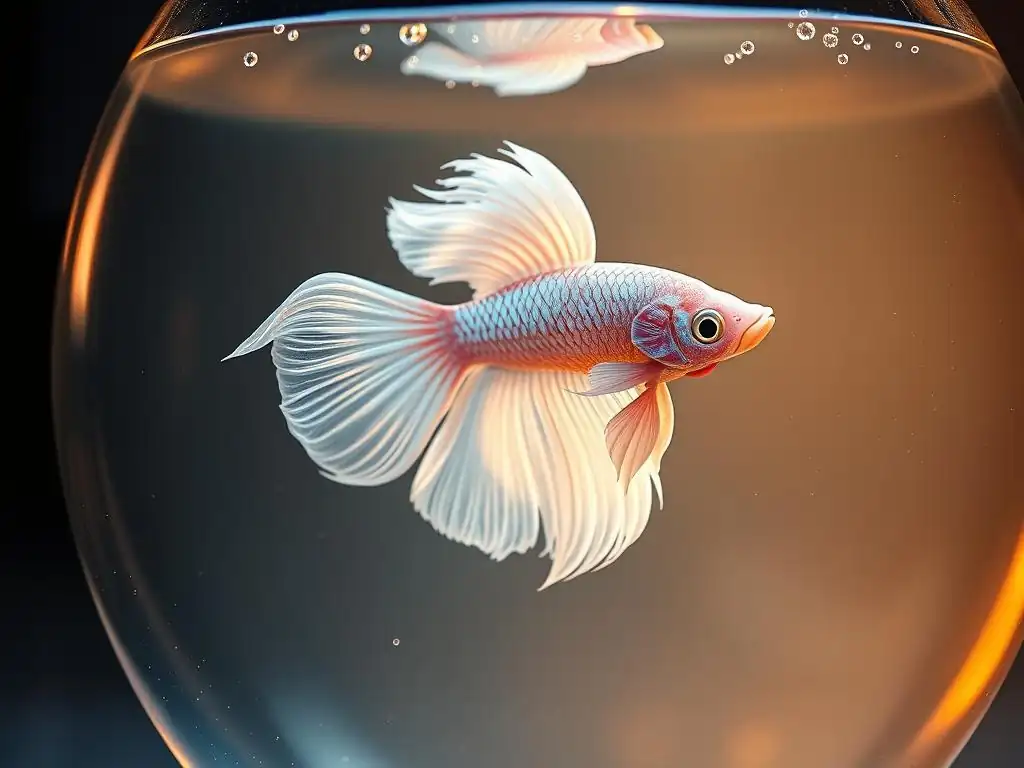
An Epsom salt bath is a highly effective Betta fish constipation remedy, particularly when fasting alone isn't sufficient. Epsom salt (magnesium sulfate) acts as a muscle relaxant and a mild laxative, helping to draw out excess fluid from the fish's body and stimulate bowel movements. It is crucial to distinguish Epsom salt from aquarium salt (sodium chloride), as they have different chemical compositions and effects.
This bath is specifically for constipation and should not be confused with treatments for general bloat or dropsy, which may require different approaches. The magnesium in Epsom salt can help relieve the internal pressure and discomfort associated with constipation, making it a targeted and beneficial intervention.
Preparing an Epsom Salt Bath
Preparing an Epsom salt bath requires precision to ensure the safety and effectiveness of this Betta fish constipation remedy. First, set up a separate, clean container, such as a 1-gallon plastic tub or small hospital tank. Fill this container with dechlorinated water from your Betta's main tank to ensure the temperature and pH are consistent, minimizing stress during transfer.
Measure the Epsom salt carefully and dissolve it completely in a small amount of warm water before adding it to the bath container to avoid direct contact with undissolved crystals. Gently transfer your Betta to this prepared bath, ensuring minimal handling.
Epsom Salt Dosage and Duration
The recommended dosage for an Epsom salt bath as a Betta fish constipation remedy is typically 1 teaspoon of pure, unscented Epsom salt per 5 gallons of water for a mild, prolonged bath. For a more concentrated, short-duration dip, a dosage of 1/8 to 1/4 teaspoon per gallon can be used. Always ensure the salt is fully dissolved before introducing the fish.
The duration of the bath depends on the concentration and the fish's reaction. For the higher concentration, a dip of 15 to 30 minutes is usually sufficient, with close monitoring for any signs of stress. For the milder concentration, the Betta can remain in the bath for a few hours. This treatment can be repeated daily for up to 3 days if necessary, provided the fish shows no signs of adverse reaction.
Feeding Fiber-Rich Foods
After a period of fasting, reintroducing food that is rich in fiber is a crucial step in the Betta fish constipation remedies process. These foods act as natural laxatives, helping to move the blockage through the digestive system. Avoid dry flakes or pellets immediately after fasting, as these can exacerbate the problem.
Instead, opt for easily digestible options known for their fiber content. Blanched, deshelled peas, cut into tiny, bite-sized pieces, are a classic choice for their high fiber. Another excellent option, and often more palatable for Bettas, is daphnia, which provides both nutrition and beneficial roughage.
Daphnia as a Natural Laxative
Daphnia are small crustaceans that serve as an excellent natural laxative and a highly effective Betta fish constipation remedy. Their chitinous exoskeletons provide the necessary roughage to aid in digestion and promote bowel movements. Unlike many other foods, daphnia are easily digestible for Bettas and are often eagerly accepted.
Beyond their laxative properties, daphnia are also nutritious, offering essential proteins and vitamins. Their small size makes them ideal for Bettas, preventing the ingestion of overly large pieces that could cause further impaction. Incorporating daphnia into your Betta's diet, especially after a constipated episode, can significantly help in clearing blockages and preventing future occurrences.
Feeding Freeze-Dried vs. Live Daphnia
When considering daphnia as a Betta fish constipation remedy, you have the option of freeze-dried or live varieties. Freeze-dried daphnia are convenient and readily available in most pet stores. If using freeze-dried, it is crucial to rehydrate them by soaking them in a small amount of tank water for 5-10 minutes before feeding. This prevents them from expanding in your Betta's stomach, which could worsen constipation.
Live daphnia, while potentially harder to source, are generally considered superior for their nutritional value and their more potent gut-cleansing properties. They are often more palatable to Bettas and provide a more natural feeding experience. If opting for live daphnia, ensure they come from a reputable source to minimize the risk of introducing parasites or diseases into your aquarium.
Monitoring Progress After Treatment
After implementing Betta fish constipation remedies, continuous and diligent monitoring of your fish's progress is essential. Observe your Betta closely for signs of improvement, such as reduced abdominal bloating, a return to normal activity levels, and, most importantly, the production of normal, solid feces. It's important to be patient, as recovery may not be instantaneous and can take 24 to 72 hours.
If there is no improvement after 2-3 days, or if the symptoms worsen, it may be necessary to repeat a chosen remedy or explore alternative Betta fish constipation remedies. Documenting the changes you observe can be helpful in determining the effectiveness of the treatment and deciding on the next steps.
Preventing Future Constipation Issues
Proper Diet: Avoiding Overfeeding and Poor-Quality Foods
Preventing future episodes of constipation in your Betta fish largely hinges on maintaining a proper diet and feeding regimen. Overfeeding is a primary cause of constipation; Bettas have small stomachs, roughly the size of their eye, and consuming too much food at once can easily overwhelm their digestive system. Feed small amounts, 1-2 times a day, only what they can consume in 2-3 minutes, ensuring no food is left to decay.
Equally important is avoiding poor-quality foods that are high in fillers like corn or wheat and low in essential proteins. These ingredients are difficult for Bettas to digest and offer little nutritional value, contributing to digestive blockages. Opting for high-quality, protein-rich foods is a key preventative measure for Betta fish constipation.
Choosing High-Quality Food: Ingredients to Look For
Choosing high-quality food is paramount in preventing Betta fish constipation. When selecting pellets or flakes, look for ingredients lists that prioritize animal-based proteins such as fish meal, shrimp meal, or spirulina as the first few components. These indicate a diet that closely mimics a Betta's natural carnivorous diet.
Avoid foods with excessive fillers, artificial colors, or by-products that offer little nutritional benefit and can be hard to digest. Incorporating a varied diet is also crucial; supplement high-quality pellets with frozen foods like bloodworms, brine shrimp, or daphnia a few times a week. This variety ensures your Betta receives a full spectrum of nutrients and beneficial fiber, actively preventing Betta fish constipation.
Maintaining Optimal Tank Conditions: Water Parameters and Temperature
Maintaining optimal tank conditions is fundamental to your Betta's overall health and plays a significant role in preventing constipation. Consistent water temperature within the ideal range of 78-80°F (25.5-26.5°C) is crucial, as cooler temperatures slow down a Betta's metabolism and digestion, making them more susceptible to blockages.
Regular water testing to ensure ammonia and nitrite levels are at 0 ppm and nitrates are below 20 ppm is also vital. A clean, stable environment reduces stress on the fish, which in turn supports a healthy digestive system. A well-maintained tank, ideally a minimum of 5 gallons for a single Betta, provides adequate space and stability, contributing to the prevention of Betta fish constipation.
Regular Observation: Early Detection
Regular observation of your Betta fish is one of the simplest yet most effective preventative measures against severe constipation. By dedicating a few minutes each day to watching your fish, you can quickly spot any subtle changes in their behavior, appearance, or swimming patterns. This includes noticing if they are less active, refusing food, or if their abdomen appears slightly distended.
Early detection of these minor signs allows for immediate, less invasive interventions, such as a short fast or a small water change, before the constipation becomes severe and requires more intensive Betta fish constipation remedies. Proactive monitoring can save your fish from prolonged discomfort and potential health complications.
When to Consult a Veterinarian
Identifying Signs of Serious Illness
While many cases of Betta fish constipation can be resolved with home remedies, there are specific signs that indicate a more serious underlying illness requiring professional veterinary attention. If, despite applying appropriate Betta fish constipation remedies, your fish's bloating persists or worsens, or if new symptoms emerge such as pineconing (scales sticking out like a pinecone, often a sign of dropsy), severe listlessness, open sores, or labored breathing, it's time to seek expert help.
These symptoms suggest that the issue might be more than simple constipation, possibly indicating organ failure, severe internal infection, or a parasitic infestation that requires a precise diagnosis and specialized treatment beyond typical Betta fish constipation remedies. Delaying professional consultation in such cases can be fatal.
Finding an Aquatic Veterinarian
Finding an aquatic veterinarian can be challenging, as they specialize in a niche field of veterinary medicine. However, for serious or persistent Betta health issues, their expertise is invaluable. You can start your search by checking online directories, such as those provided by the World Aquatic Veterinary Medical Association (WAVMA), which lists qualified aquatic veterinarians globally.
Alternatively, contact local university veterinary schools, as they often have specialists or can provide referrals. When you find an aquatic vet, be prepared to provide a detailed history of your Betta's symptoms, tank parameters, and all Betta fish constipation remedies you have already attempted. This information will greatly assist the veterinarian in making an accurate diagnosis and formulating an effective treatment plan.
Betta Fish Constipation: Summary of Remedies
Betta fish constipation is a common yet treatable ailment, primarily stemming from dietary issues and suboptimal tank conditions. The most effective Betta fish constipation remedies include a combination of gentle interventions: a short period of fasting to rest the digestive system, followed by an Epsom salt bath to help stimulate bowel movements.
Crucially, reintroducing food should focus on fiber-rich options like blanched deshelled peas or, ideally, daphnia, which act as natural laxatives. Prevention is paramount, emphasizing a high-quality, varied diet, avoiding overfeeding, and maintaining pristine water parameters and stable temperatures. Consistent observation of your Betta's health ensures early detection, allowing for prompt application of these Betta fish constipation remedies and promoting long-term well-being.
Frequently Asked Questions
How can I tell if my Betta fish is constipated?
The most common sign is a swollen abdomen and a lack of bowel movements. You might also observe reduced activity and a loss of appetite.
What are the primary causes of constipation in Betta fish?
Overfeeding, especially with dry foods like pellets, is a major culprit. A diet lacking in fiber can also contribute to constipation.
What is the best first step to take if I suspect my Betta is constipated?
Try fasting your Betta for 24-48 hours. This allows their digestive system to clear itself out naturally.
What are some gentle food-based remedies for Betta fish constipation?
Feeding them a small amount of daphnia or blanched, skinned pea can help. These foods are high in fiber and promote bowel movements.
When should I seek professional help for my constipated Betta fish?
If fasting and dietary adjustments don't improve the condition within a few days, consult a veterinarian experienced with fish. The constipation could be a symptom of a more serious underlying issue.
Final Reflection: Aiding Our Aquatic Companions
The information presented throughout this article highlights the critical importance of proactive observation and gentle intervention when dealing with Betta fish constipation. It's not merely about treating a symptom, but about understanding the delicate balance of their aquatic environment and our responsibility as caretakers to maintain their well-being. The prevalence of this issue underscores the need for readily accessible and reliable resources for Betta owners.
This topic, seemingly small, reflects a larger commitment to responsible pet ownership and the ethical treatment of all living creatures. My hope is that this guide empowers Betta owners to confidently address constipation and, more importantly, prevent it through informed feeding practices and attentive care. The greatness of a nation and its moral progress can be judged by the way its animals are treated.
- Mahatma Gandhi. This quote reminds us that even the smallest acts of compassion, like caring for a Betta fish, contribute to a more empathetic and responsible world.
Now, armed with this knowledge, I urge you to reflect on your own practices as a Betta owner. Are you providing the optimal diet and environment for your finned friend? Take the time to observe your Betta closely, learn their individual habits, and be prepared to act swiftly and gently when needed. By doing so, you're not just treating constipation; you're fostering a deeper connection with your aquatic companion and ensuring a happier, healthier life for them.
Unlock Your Betta's Vibrant Health!
Thanks for diving into the world of Betta health! We hope this article has empowered you to recognize and address constipation in your finned friend. Now, let's put that knowledge into action!
Here are a few steps you can take right now:
- Take action and gently fast your Betta for 24-48 hours. This is often the most effective first step!
- Explore other articles on Aquarium Mastery to deepen your understanding of Betta care and common ailments.
- Share this article with fellow Betta enthusiasts to spread awareness and help other fish owners!
What's one small adjustment you'll make to your Betta's feeding routine this week to promote better digestion?