
Betta Fish Diseases: A Visual Guide to Symptoms and Treatments


Welcome to Aquarium Mastery!
Ever wondered if your Betta's flashing is more than just personality? Dive in as we unravel the mysteries of Betta fish health. This guide provides a visual roadmap to identifying and treating common illnesses, so you can ensure your finned friend lives a long and vibrant life. Ready to learn about Betta fish illness treatments and keep your aquarium thriving? Let's get started!
- Identifying Betta Fish Illnesses: A Comprehensive Overview
-
Visual Guide to Betta Fish Diseases: Symptoms and Identification
- Fin Rot in Betta Fish: Causes, Symptoms, and Progression
- Ich (White Spot Disease) in Betta Fish: Identifying and Treating
- Velvet Disease (Gold Dust Disease) in Betta Fish: Symptoms and Diagnosis
- Betta Fish Dropsy: Recognizing the Pinecone Scales
- Popeye in Betta Fish: Identifying and Understanding the Causes
- Columnaris (Cotton Mouth Disease) in Betta Fish: Symptoms and Treatment
- Fungal Infections in Betta Fish: Visual Identification and Treatment Options
- Betta Fish Swim Bladder Disorder (SBD): Symptoms and Causes
-
Effective Betta Fish Illness Treatments: A Practical Guide
- Treating Fin Rot in Betta Fish: Medications and Water Quality
- Ich Treatment for Betta Fish: A Step-by-Step Approach
- Velvet Disease Treatment: Medications and Environmental Control
- Treating Dropsy in Betta Fish: Addressing the Underlying Issues
- Popeye Treatment: Antibiotics and Supportive Care
- Treating Columnaris in Betta Fish: Antibiotics and Prevention
- Fungal Infection Treatment: Antifungal Medications and Tank Hygiene
- Swim Bladder Disorder Treatment: Diet and Water Parameters
- Preventing Betta Fish Diseases: Maintaining a Healthy Aquarium
- Advanced Betta Fish Care: When to Seek Expert Advice
- Betta Fish Medication Guide: Specific Medication Names and Dosages
- Understanding Betta Fish Health: A Summary of Common Diseases and Treatments
- Frequently Asked Questions
- Final Reflection: Nurturing the Vibrant World of Betta Fish
- Ignite Your Betta's Health Journey!
Identifying Betta Fish Illnesses: A Comprehensive Overview
Recognizing Early Warning Signs of Betta Fish Disease
The first indicators of a Betta fish illness are often subtle behavioral changes rather than obvious physical symptoms. A healthy Betta is typically active, curious, and responsive to its environment. Early warning signs include lethargy, where the fish spends more time resting at the bottom or top of the tank, a noticeable decrease in activity, or unusual hiding behavior.
A significant red flag is a loss of appetite, where the Betta refuses to eat for 24-48 hours, or shows disinterest in its favorite foods. Additionally, observe for clamped fins, where the fins are held tightly against the body instead of being spread out gracefully, indicating discomfort or stress.
Beyond behavioral shifts, subtle physical alterations can also signal an impending Betta fish illness. Keep a daily watchful eye on your Betta's overall appearance. Changes in color, such as fading or darkening of its vibrant hues, can be an early sign of stress or disease.
Inspect the fins for any minor tears, frayed edges, or discoloration. The appearance of tiny white spots, a fine "gold dust" coating, or any unusual fuzzy growths on the body or fins warrants immediate attention. Early detection of these symptoms significantly increases the success rate of Betta fish illness treatments, often allowing for simpler interventions before the condition becomes severe.
Understanding Common Betta Health Problems
Most common Betta health problems can be broadly categorized into bacterial infections, parasitic infestations, fungal infections, and environmental disorders. Bacterial infections, such as fin rot and Columnaris, frequently arise from poor water quality or injuries, causing tissue erosion and systemic issues. Parasitic infestations like Ich and Velvet are highly contagious, often introduced with new fish or plants, and manifest as visible spots or coatings on the fish's body. Fungal infections typically appear as secondary issues, targeting fish already weakened by stress or other ailments.
Environmental disorders, including Dropsy and Swim Bladder Disorder, are often direct consequences of improper tank conditions, overfeeding, or severe internal issues. For instance, an estimated 70% of Betta fish illnesses encountered by hobbyists are directly attributable to substandard water quality, specifically elevated ammonia, nitrite, or nitrate levels. Understanding these common origins is crucial, as effective Betta fish illness treatments often involve not just medication, but also rectifying the underlying environmental stressors that predispose Bettas to disease. Proactive tank maintenance and proper husbandry are the best defense against these prevalent health challenges.
Visual Guide to Betta Fish Diseases: Symptoms and Identification
Fin Rot in Betta Fish: Causes, Symptoms, and Progression
Fin rot is a common bacterial infection in Betta fish, primarily caused by poor water quality, specifically elevated ammonia, nitrite, or nitrate levels, or by injuries that allow bacteria to enter the bloodstream. Initial symptoms include the edges of the fins appearing ragged, frayed, or discolored, often turning white, black, or red at the tips. The beautiful, flowing fins characteristic of Bettas may develop small tears or appear "melted" at the edges, and the vibrant colors can become dull. This early stage is often reversible with immediate intervention.
If left untreated, fin rot progresses, eating away at the fin tissue, sometimes down to the fin base or even the body. The affected fins may appear severely shrunken, bloody, or completely absent. In severe, advanced stages, the infection can spread to the Betta's body, causing systemic issues and potentially leading to death.
While not always fatal on its own, severe fin rot weakens the fish, making it susceptible to other Betta fish illnesses. Prompt Betta fish illness treatments, focusing on water quality and antibiotics, are critical to halt progression and allow for fin regeneration, which can take several weeks.
Ich (White Spot Disease) in Betta Fish: Identifying and Treating
Ichthyophthirius multifiliis, commonly known as Ich or White Spot Disease, is a highly contagious parasitic infection that manifests as small, distinct white spots on the Betta's body and fins, resembling grains of salt or sugar. These spots are visible cysts containing the mature parasites. Infected Bettas may also exhibit flashing behavior, rubbing their bodies against tank decorations or the substrate in an attempt to dislodge the irritating parasites. Rapid gill movements can also be observed if the gills are heavily infested, indicating respiratory distress.
The Ich parasite has a complex life cycle, with the visible white spots being only one stage. These trophonts feed on the fish, then detach, fall to the substrate, and form cysts (tomonts) that release hundreds of new free-swimming parasites (theronts) into the water. These theronts then seek new hosts, rapidly spreading the infection. A single infected Betta can lead to a full-blown outbreak in an entire tank within 24-48 hours, especially in water temperatures between 75-80°F, which accelerate the parasite's life cycle. Effective Betta fish illness treatments must target the free-swimming stage to break the cycle.
Velvet Disease (Gold Dust Disease) in Betta Fish: Symptoms and Diagnosis
Velvet disease, caused by the dinoflagellate parasite Oodinium, presents as a fine, dusty, yellowish-gold or brownish coating on the Betta's skin and fins, often best observed by shining a flashlight directly at the fish in a darkened room. This subtle "gold dust" appearance is the key diagnostic feature. Infected Bettas may also exhibit rapid gill movements, labored breathing, flashing or rubbing against objects, and appear lethargic. Their vibrant colors might seem dull or faded due to the parasitic coating.
Unlike Ich, which produces distinct white spots, Velvet appears as a more uniform, powdery film. The parasite is photosynthetic, meaning it can use light for energy, which is why dimming the tank lights is often part of the treatment. If left untreated, Oodinium rapidly multiplies, covering more of the fish's body and gills, severely impeding respiration and eventually leading to death. Early detection is paramount, as the disease progresses quickly. Specific Betta fish illness treatments, such as copper-based medications or acriflavine, are necessary to eradicate this pervasive parasite.
Betta Fish Dropsy: Recognizing the Pinecone Scales
Dropsy is not a specific disease but rather a severe symptom of an underlying internal condition, typically kidney failure or a severe bacterial infection, leading to fluid accumulation in the Betta's body cavity. The most distinctive and alarming symptom is severe abdominal bloating, which causes the fish's scales to protrude outwards from its body, resembling an open pinecone. This "pineconing" effect is a clear visual indicator of advanced fluid retention.
In addition to the characteristic pinecone scales, Bettas suffering from dropsy may exhibit other symptoms such as extreme lethargy, loss of appetite, clamped fins, difficulty swimming (often floating listlessly or sinking), and pale gills. Unfortunately, by the time the pineconing symptom is evident, the underlying organ damage is often extensive and irreversible, making the prognosis very poor. While some Betta fish illness treatments involving broad-spectrum antibiotics can be attempted, the survival rate for dropsy is typically low, often less than 10-20%, even with aggressive intervention.
Popeye in Betta Fish: Identifying and Understanding the Causes
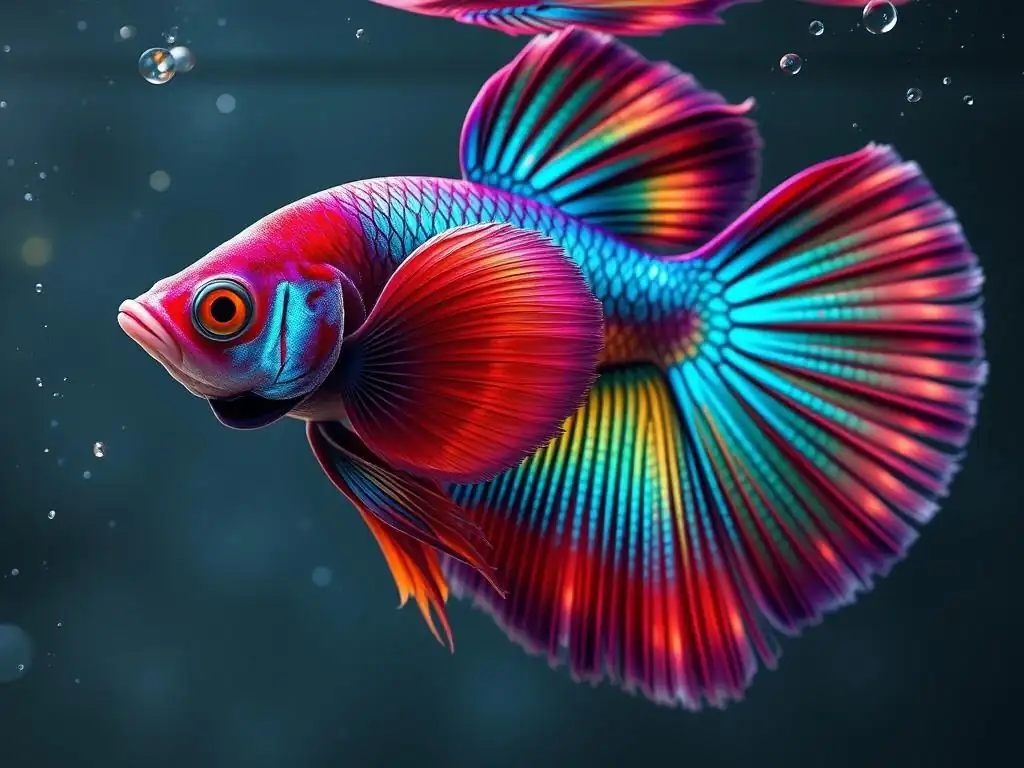
Popeye, or Exophthalmia, is a condition characterized by one or both of the Betta's eyes protruding abnormally from its head. This swelling can be caused by various factors, including bacterial infections, internal parasites, physical injury to the eye, or severe poor water quality. If only one eye is affected (unilateral Popeye), it is more likely due to a localized injury or a single-eye infection. If both eyes are bulging (bilateral Popeye), it typically suggests a systemic bacterial infection or widespread poor water conditions affecting the fish's internal balance.
The affected eye(s) may also appear cloudy, hazy, or develop a whitish film, indicating infection or inflammation. In severe cases, the eye can rupture, leading to permanent blindness or further complications. While Popeye itself is not immediately fatal, it is a significant indicator of an underlying problem that requires immediate attention. Early Betta fish illness treatments, often involving improved water quality and broad-spectrum antibiotics, are crucial to prevent the condition from worsening and to save the fish's vision and overall health.
Columnaris (Cotton Mouth Disease) in Betta Fish: Symptoms and Treatment
Columnaris, caused by the virulent bacterium Flavobacterium columnare, is a highly contagious and aggressive bacterial infection often mistaken for a fungal infection. It can manifest in several ways: white or grayish patches resembling cotton or fuzzy growth around the mouth (hence "cotton mouth"), on the fins, or on the body. These lesions can quickly erode tissue, leading to ulcers, fin and tail rot, and even saddle-back lesions near the dorsal fin. The gills may also be affected, appearing pale or discolored, leading to rapid, labored breathing.
This disease progresses very rapidly, sometimes leading to death within 24-72 hours if left untreated, especially in warmer water temperatures (above 75°F), where the bacteria multiply quickly. The "cottony" appearance can be deceptively similar to fungal growth, but Columnaris is bacterial and requires specific antibiotic Betta fish illness treatments. Its rapid and destructive nature demands immediate and aggressive intervention upon identification to have any chance of saving the affected Betta.
Fungal Infections in Betta Fish: Visual Identification and Treatment Options
Fungal infections in Betta fish, commonly caused by species like Saprolegnia or Achlya, typically appear as white, cotton-like growths on the fish's body, fins, or eyes. These growths are often amorphous and fluffy, resembling tufts of cotton wool. Fungal infections are usually secondary, meaning they attack fish that are already stressed, injured, or weakened by other diseases, poor water conditions, or physical trauma. They frequently colonize open wounds or areas where the slime coat has been compromised.
Unlike Columnaris, which is bacterial and often more structured in its growth patterns, true fungal growths tend to be less defined and more diffuse. Infected Bettas may become lethargic, lose their appetite, and their color may dull. While not as rapidly fatal as severe bacterial infections, untreated fungal infections can lead to significant tissue damage, secondary bacterial infections, and eventually death. Effective Betta fish illness treatments involve specific antifungal medications and, crucially, addressing the underlying stressors or injuries that made the Betta susceptible in the first place.
Betta Fish Swim Bladder Disorder (SBD): Symptoms and Causes
Swim Bladder Disorder (SBD) is a condition, not a disease, where the Betta loses its ability to swim normally and maintain buoyancy. Symptoms include the fish floating uncontrollably to the surface, sinking to the bottom, swimming on its side, or having difficulty staying upright. The Betta may struggle to swim horizontally and appear to be "doing headstands." This condition is most commonly caused by constipation, overfeeding, a poor diet (especially one high in dry, swelling foods like flakes), or sometimes by internal bacterial infections or physical trauma affecting the swim bladder organ.
When SBD is caused by dietary issues, it often results from an enlarged stomach due to gas or impaction, which puts pressure on the swim bladder. While alarming to witness, SBD caused by diet is often treatable. Symptoms can appear suddenly after a large meal. If left unaddressed, severe SBD can prevent the Betta from reaching the surface for air or food, leading to starvation or suffocation. Betta fish illness treatments for SBD typically focus on dietary adjustments and water quality, with medications used only if an underlying bacterial infection is suspected.
Effective Betta Fish Illness Treatments: A Practical Guide
Treating Fin Rot in Betta Fish: Medications and Water Quality
The most critical initial step in treating fin rot in Betta fish is to drastically improve water quality. Perform daily or every-other-day partial water changes of 25-50% to reduce ammonia, nitrite, and nitrate levels to zero or near-zero. Ensure the tank temperature is stable at 78-80°F and the pH is between 6.5-7.5. This fundamental improvement in water parameters reduces stress, eliminates the primary cause of many cases, and allows the Betta's immune system to begin healing. In many early-stage cases, pristine water alone can reverse fin rot within 3-5 days.
If water changes alone do not show significant improvement after several days, or if the fin rot is advanced, a broad-spectrum antibacterial medication should be used. Common Betta fish illness treatments for fin rot include medications containing Erythromycin (e.g., API Erythromycin), Furan-2, or Maracyn. Always follow the manufacturer's dosage instructions precisely. A typical treatment course might last 5-7 days, with continued daily small water changes to remove dissolved waste and maintain medication effectiveness. Early and consistent treatment is key to successful recovery and fin regrowth.
Ich Treatment for Betta Fish: A Step-by-Step Approach
For Ich treatment, a two-pronged approach is often most effective. First, gradually raise the tank temperature to 82-84°F over a 24-hour period. The increased temperature accelerates the Ich parasite's life cycle, forcing it into its free-swimming stage more quickly, where it is vulnerable to treatment. Simultaneously, add aquarium salt (non-iodized, without anti-caking agents) at a concentration of 1-2 teaspoons per gallon. Dissolve the salt thoroughly in a separate container of tank water before slowly adding it to the aquarium to prevent shocking the fish. Maintain this heat and salt combination for 7-10 days.
If the heat and salt method does not fully eliminate the Ich within this timeframe, or for severe infestations, an Ich-specific medication should be used. Products containing Malachite Green or Formalin are highly effective Betta fish illness treatments for Ich. Always remove activated carbon from your filter before adding any medications, as carbon will absorb the active ingredients, rendering the treatment ineffective. Continue the medication for the full recommended duration, typically 3-5 days after the last visible white spot disappears, to ensure all free-swimming parasites are eradicated and prevent recurrence.
Velvet Disease Treatment: Medications and Environmental Control
Velvet disease is highly sensitive to specific medications. Effective Betta fish illness treatments include copper-based medications (such as Copper Safe or Cupramine) or acriflavine-based treatments. It is crucial to follow the dosage instructions precisely, as copper can be toxic to fish and invertebrates in high concentrations. During treatment, significantly reduce or turn off tank lighting for the duration of the medication course (typically 5-7 days). The Oodinium parasite is photosynthetic, meaning it is weakened by darkness, which aids in its eradication.
Alongside medication, rigorous tank hygiene and environmental control are essential. Perform small daily water changes (10-20%) to remove free-swimming parasites and maintain excellent water quality. Thoroughly vacuum the substrate daily, as the parasite can encyst within the gravel. Ensure consistent water parameters and a stable temperature (78-80°F) to minimize stress on the Betta, supporting its immune system during recovery. Some aquarists also report success with a combination of salt (1 teaspoon per gallon) and elevated heat (82°F) used in conjunction with specific medications for particularly stubborn Velvet cases.
Treating Dropsy in Betta Fish: Addressing the Underlying Issues
Treating Dropsy is exceptionally challenging due to its nature as a symptom of severe internal organ failure, usually the kidneys, or a systemic bacterial infection. Immediately isolate the affected Betta in a hospital tank to prevent potential spread if an infectious agent is suspected and to allow for focused treatment. Maintain pristine water quality in the hospital tank, ensuring ammonia and nitrite levels are at 0 ppm and nitrates are below 10 ppm, with a stable temperature of 78-80°F. Offer a high-quality, easily digestible food if the fish is still eating, to support its immune system.
Since Dropsy is most often linked to a severe internal bacterial infection, a broad-spectrum antibiotic is typically recommended as a Betta fish illness treatment. Medications like Maracyn 2 (Minocycline) or Kanaplex (Kanamycin) are commonly used. Administer the medication strictly according to the package directions. Unfortunately, despite aggressive intervention, the prognosis for Dropsy is often poor, with survival rates typically around 10-20% once the characteristic pineconing of the scales is evident. Success is more likely if caught in the very earliest stages.
Popeye Treatment: Antibiotics and Supportive Care
The primary step in treating Popeye (Exophthalmia) is to ensure impeccable water conditions. Perform significant daily water changes (25-50%) to eliminate potential irritants, toxins, and stressors that could be contributing to the condition. If the cause is suspected to be bacterial, which is common, a broad-spectrum antibiotic such as Erythromycin, Furan-2, or Kanaplex can be administered to the tank. Treat the entire tank if both eyes are affected or if multiple fish show symptoms, indicating a systemic issue.
For localized infections or milder cases, short-term salt baths can be beneficial. Prepare a separate container with tank water and add 1 tablespoon of aquarium salt per gallon, allowing the Betta to soak for 15-30 minutes daily. This helps reduce swelling and acts as a mild antiseptic.
Continue the main medication for the full recommended course, typically 7-10 days, even if symptoms begin to improve earlier, to ensure the infection is fully eradicated. Recovery can take weeks, and in some severe cases, the eye may not fully return to its original state. These Betta fish illness treatments are most effective when started promptly.
Treating Columnaris in Betta Fish: Antibiotics and Prevention
Columnaris requires immediate and aggressive Betta fish illness treatments due to its rapid and destructive nature. Effective medications include broad-spectrum antibiotics such as Kanamycin (e.g., Kanaplex), Furan-2, or a combination of Maracyn and Maracyn 2. Administer the medication strictly according to the manufacturer's instructions for the full duration, typically 7-10 days. While Columnaris thrives in warmer water, maintaining the tank temperature at a stable 78°F is generally acceptable, but avoid raising it further during treatment.
During the treatment period, perform daily small water changes (10-20%) to remove bacteria and maintain optimal water quality. Ensure excellent aeration in the tank, as the infection can affect gills. Since stress, poor water quality, and high temperatures often precede Columnaris outbreaks, addressing these underlying environmental factors is crucial for long-term prevention. Maintaining a clean, stable, and stress-free environment is paramount to prevent recurrence of this severe Betta fish illness, even after successful medication.
Fungal Infection Treatment: Antifungal Medications and Tank Hygiene
For fungal infections, specific antifungal medications are necessary as part of the Betta fish illness treatments. Products containing active ingredients like Phenoxyethanol, Malachite Green, or Methylene Blue are commonly used and effective. Always follow the dosage instructions carefully, as some antifungal agents can be potent. Adding aquarium salt at a concentration of 1 teaspoon per gallon can also help inhibit fungal growth and support the Betta's natural slime coat, providing a beneficial adjunct to medicinal treatment.
It is crucial to remember that fungal infections are often secondary, indicating an underlying issue such as poor water quality, injury, or a weakened immune system. While treating the fungus, simultaneously address these predisposing factors: perform daily partial water changes, ensure stable temperature and pH, and remove any sharp decorations that might have caused injury. Maintaining optimal tank conditions and reducing stress on the Betta is vital to prevent secondary infections and support the fish's overall recovery and resilience against future Betta fish illnesses.
Swim Bladder Disorder Treatment: Diet and Water Parameters
For Swim Bladder Disorder (SBD) primarily caused by constipation or overfeeding, the most effective Betta fish illness treatment involves dietary adjustments. Begin by fasting the Betta for 2-3 days. This allows its digestive system to clear. After fasting, feed a small portion (about 1/4 of a blanched, deshelled frozen pea, thawed) to act as a natural laxative. Peas are high in fiber and can help alleviate constipation. Avoid feeding dry flakes or pellets, which can swell in the stomach and exacerbate the condition. Repeat the pea feeding for a few days if needed.
Concurrently, ensure pristine water quality and stable parameters in the tank. Maintain a consistent temperature of 78-80°F, and keep ammonia and nitrite at 0 ppm. Poor water conditions can stress the fish and contribute to SBD. In severe cases where the Betta cannot easily reach the surface for air, temporarily lowering the water level in the tank can provide significant relief. If dietary changes and water quality improvements do not resolve the SBD within a week, an internal bacterial infection might be the cause, potentially requiring a broad-spectrum antibiotic.
Preventing Betta Fish Diseases: Maintaining a Healthy Aquarium
Importance of Water Quality in Betta Fish Health
Pristine water quality is undeniably the single most critical factor in preventing Betta fish diseases. Regular and accurate testing of water parameters is essential. Ammonia and nitrite levels must always be 0 parts per million (ppm), as even small amounts are highly toxic to Bettas. Nitrate levels should be kept below 20 ppm through consistent maintenance. A stable pH (6.5-7.5) and a consistent temperature (78-80°F) are also vital, as fluctuations cause significant stress to these tropical fish, weakening their immune systems. Studies indicate that over 60% of common Betta ailments are directly linked to substandard water parameters.
Consistent partial water changes (25-30% weekly) are indispensable for removing accumulated toxins, replenishing essential minerals, and maintaining overall water purity. A properly cycled filter, providing biological, mechanical, and chemical filtration, is also crucial. Biological filtration converts harmful ammonia and nitrite into less toxic nitrates, while mechanical filtration removes particulate waste. Without diligent water quality management, Bettas are constantly exposed to stressors and pathogens, making them highly susceptible to various illnesses and often negating the effectiveness of any Betta fish illness treatments.
Proper Tank Size and Environment for Betta Fish
While Bettas are often sold in tiny cups, a minimum of a 5-gallon tank is required for a single Betta to thrive. This larger volume provides greater water stability, dilutes waste more effectively, and offers adequate swimming space, significantly reducing stress. Smaller tanks accumulate toxins rapidly and are prone to drastic temperature fluctuations, which are major stressors. For instance, a 5-gallon tank offers over 300 times the water volume of a typical 16-ounce Betta cup, providing a far more stable and healthy environment.
The tank must be equipped with an adjustable heater to maintain a consistent temperature of 78-80°F, as Bettas are tropical fish and susceptible to chills. Provide plenty of hiding spots and enrichment in the form of live or silk plants (avoid sharp plastic ones that can tear delicate fins), smooth caves, and floating Betta logs. A comfortable, stimulating, and secure environment significantly reduces stress, which is a primary contributor to a weakened immune system and the onset of many Betta fish illnesses.
Choosing the Right Betta Fish Food and Feeding Schedule
A varied, high-quality diet is fundamental for maintaining Betta fish health and preventing diseases. Betta fish are carnivores, so their diet should consist primarily of protein. High-quality Betta-specific pellets or flakes should form the staple, supplemented regularly with frozen or freeze-dried bloodworms, brine shrimp, and daphnia. Avoid generic tropical fish flakes that often lack sufficient protein and vital nutrients for Bettas. A diet rich in essential vitamins and minerals boosts the Betta's immune system, making it more resilient to potential Betta fish illnesses.
Overfeeding is a common mistake that can lead to digestive issues, such as constipation and Swim Bladder Disorder, and significantly pollute the tank water. Feed your Betta small amounts 1-2 times daily, only what it can consume entirely within 2-3 minutes. For example, a typical Betta only needs 2-4 pellets per feeding. Consider fasting your Betta one day a week to aid digestion. Proper portion control and a balanced feeding schedule prevent internal health problems and contribute to overall water quality, reducing the risk of disease.
Quarantine New Betta Fish to Prevent Disease Spread
Always quarantine new Betta fish for at least 2 to 4 weeks in a separate, dedicated quarantine tank before introducing them to an established community tank or even a main Betta tank. This crucial isolation period allows you to observe the new fish for any signs of disease without risking the health of your existing fish. A simple 2.5-gallon tank with a small heater and sponge filter is sufficient for quarantine purposes. It should be fully cycled or have daily water changes to maintain water quality.
During the quarantine period, monitor the new Betta closely for any symptoms of common Betta fish diseases such as Ich, fin rot, velvet, or unusual behavior. If any symptoms appear, you can treat the fish in isolation, preventing the potential spread of pathogens to your main aquarium, which could lead to a devastating outbreak. This simple preventative measure is highly effective, estimated to reduce the risk of disease introduction by over 80%, saving you the stress and cost of widespread Betta fish illness treatments.
Regular Tank Maintenance to Minimize Betta Fish Illness
Beyond daily observation, consistent and thorough tank maintenance is paramount for preventing Betta fish illnesses. This includes performing weekly partial water changes (25-30%), which remove accumulated toxins and replenish trace elements. During water changes, use a gravel vacuum to siphon out uneaten food, fish waste, and detritus from the substrate, which are major sources of ammonia and nitrates. Regularly clean filter media by rinsing it in old tank water (never tap water, as chlorine can kill beneficial bacteria) to maintain optimal filtration without destroying the beneficial bacterial colony.
Regularly check that your heater is functioning correctly and maintaining the desired temperature range of 78-80°F, and ensure your filter is operating efficiently. A malfunctioning filter can quickly lead to dangerous ammonia and nitrite spikes, while temperature fluctuations stress the fish. Wiping down the tank glass to remove algae also contributes to a cleaner, healthier environment. Proactive and consistent maintenance creates a stable, low-stress habitat, which is far more effective and less stressful than having to react to full-blown Betta fish illness treatments.
Advanced Betta Fish Care: When to Seek Expert Advice
Recognizing the Limits of Home Treatment for Betta Fish
While many common Betta fish illnesses can be effectively managed at home with diligent water quality improvements and over-the-counter medications, there are clear limits to home treatment. If a Betta's condition rapidly deteriorates despite initial Betta fish illness treatments, or if the symptoms are unusual, complex, and do not align with common diseases, it is time to consider professional intervention. For example, if a Betta exhibits severe neurological symptoms like uncontrollable spinning, or if Dropsy progresses quickly with advanced pineconing, home remedies may be insufficient.
Furthermore, if a disease recurs repeatedly despite proper treatment, or if multiple complex symptoms are present suggesting a systemic or deeply rooted issue, a qualified aquatic veterinarian can provide a more accurate diagnosis and prescribe targeted Betta fish illness treatments. They have access to advanced diagnostic tools such as microscopy for precise parasite identification, bacterial cultures to pinpoint specific pathogens, and blood tests, which are beyond the capabilities of the average hobbyist. Seeking expert advice can be crucial for saving a beloved Betta when home remedies fall short.
Finding a Qualified Aquatic Veterinarian for Betta Fish
Finding a qualified aquatic veterinarian can be challenging, as it is a specialized niche within veterinary medicine. A good starting point is to contact local veterinary schools, large public aquariums, or reputable local fish stores, as they may have referral networks. Online resources such as the American Association of Fish Veterinarians (AAFV) or the World Aquatic Veterinary Medical Association (WAVMA) often provide searchable directories of veterinarians who specifically treat aquatic species. Networking with experienced local aquarists can also yield valuable recommendations.
When you locate an aquatic veterinarian, be prepared to provide comprehensive information about your Betta's symptoms, the tank's water parameters (bring a recent test kit reading), a detailed history of any attempted Betta fish illness treatments, and the Betta's feeding habits. The veterinarian may request water samples for analysis or require the fish to be brought in for a thorough examination, which could involve non-invasive procedures or even minor diagnostics. While a consultation and diagnostic tests involve costs, the specialized expertise can be invaluable for saving a fish with complex health issues.
Understanding Betta Fish Medications and Their Proper Use
Understanding the proper use of Betta fish medications is paramount for effective Betta fish illness treatments and the safety of your fish. Always read the medication label thoroughly, paying close attention to precise dosage instructions, duration of treatment, and any warnings or contraindications. Overdosing can be lethal to your Betta, while underdosing can lead to resistant pathogens. It is crucial to remove activated carbon from your filter before adding any medications, as carbon will absorb the active ingredients, rendering the treatment ineffective. Many medications require repeat doses over several days to be effective.
Be aware that all medications carry potential risks and side effects. For instance, some broad-spectrum antibiotics can inadvertently harm beneficial nitrifying bacteria in your filter, potentially leading to dangerous ammonia spikes; therefore, monitor water parameters daily during and after treatment. Certain medications, particularly those containing copper (often used for Velvet), are highly toxic to invertebrates like snails and shrimp, so these should be removed from the tank before treatment.
Always observe your Betta closely for any adverse reactions during treatment and consult reliable resources if unusual side effects occur. Knowing when and how to use specific Betta fish illness treatments is crucial for successful outcomes.
Betta Fish Medication Guide: Specific Medication Names and Dosages
Using Erythromycin for Fin Rot in Betta Fish
Erythromycin is a widely used broad-spectrum antibiotic effective against gram-positive bacterial infections, making it a common and effective Betta fish illness treatment for fin rot, body slime, and other bacterial issues. Products such as API Erythromycin or Fritz Maracyn are readily available. A typical dosage involves adding one packet or tablet per 10 gallons of water every 24 hours for a 5-day course. It is crucial to perform a 25% water change before each subsequent dose to maintain water quality and remove accumulated medication byproducts.
While effective, Erythromycin can sometimes have an impact on the beneficial nitrifying bacteria in your filter, potentially leading to temporary spikes in ammonia and nitrite. Therefore, it is important to monitor these water parameters closely during the treatment period and for several days afterward. Ensure proper aeration in the tank, as the medication can reduce oxygen levels. If severe fin rot persists after a 5-day course, or if there's no improvement, a different antibiotic might be necessary, as some bacterial strains may be resistant to Erythromycin.
Using Aquarium Salt for Ich in Betta Fish
Aquarium salt (sodium chloride, ensure it's non-iodized and free of anti-caking agents) is a safe, effective, and natural Betta fish illness treatment for Ich, and it also aids in reducing general fish stress and supporting slime coat production. For treating Ich, a common therapeutic dose is 1-2 teaspoons per gallon of water. It's vital to dissolve the salt thoroughly in a small amount of tank water first before slowly adding it to the aquarium over several hours to avoid shocking the fish with a sudden change in salinity.
Maintain this salt concentration for at least 7-10 days, or until all signs of Ich have disappeared for 3-5 consecutive days, to ensure the entire parasitic life cycle is broken. When performing partial water changes during treatment, remember to redose only the amount of salt removed with the water. Aquarium salt can also be beneficial for mild external injuries, minor fungal issues, and helping fish recover from stress by aiding osmoregulation. It serves as a gentle yet powerful component in a comprehensive approach to Betta fish illness treatments.
Cautions and Side Effects of Common Betta Fish Medications
All medications, even those specifically marketed for Betta fish, carry potential risks and require careful handling. Always read the product label thoroughly for warnings, contraindications, and proper storage instructions. Never overdose, as exceeding the recommended dosage can be lethal to your Betta and other tank inhabitants. It is imperative to remove activated carbon from your filter before adding any medication, as carbon will absorb the active ingredients, rendering the treatment ineffective and a waste of resources.
Specific side effects vary by medication type. Many antibiotics, for example, can disrupt the beneficial nitrifying bacteria in your biological filter, potentially leading to dangerous ammonia and nitrite spikes, necessitating daily water parameter monitoring. Medications containing dyes, such as Malachite Green, can temporarily stain silicone seals, decorations, or even the fish itself.
Copper-based medications, effective for parasites like Velvet, are highly toxic to invertebrates (snails, shrimp) and some live plants, so these should always be removed from the tank before treatment. Always observe your Betta closely for any adverse reactions during treatment, and if severe side effects occur, consider a partial water change to dilute the medication and consult reliable resources for alternative Betta fish illness treatments.
Understanding Betta Fish Health: A Summary of Common Diseases and Treatments
Maintaining optimal Betta fish health hinges primarily on preventative care. The vast majority of Betta fish diseases are preventable through diligent husbandry, including maintaining pristine water quality (zero ammonia and nitrite, low nitrates, stable temperature 78-80°F), providing an appropriately sized tank (minimum 5 gallons), offering a balanced and high-quality diet, and consistently quarantining new fish for 2-4 weeks. This proactive approach significantly strengthens the Betta's immune system, making it far more resilient to potential pathogens and reducing the need for intensive Betta fish illness treatments.
Should a Betta fish illness arise, early detection and swift, appropriate Betta fish illness treatments are critical for successful outcomes. Common ailments like Fin Rot often respond to improved water quality and broad-spectrum antibiotics (e.g., Erythromycin). Ich (white spot disease) can typically be eradicated with elevated temperatures, aquarium salt, and Ich-specific medications (e.g., Malachite Green).
Velvet disease requires targeted copper or acriflavine treatments in conjunction with reduced lighting. While conditions like Dropsy are often indicative of severe internal issues and carry a poor prognosis, knowing when to administer specific antibiotics (e.g., Kanaplex) or when to seek expert aquatic veterinary advice is crucial for complex or persistent cases.
Frequently Asked Questions
How can I tell if my Betta fish is sick?
Look for changes in behavior, such as lethargy or loss of appetite. Also, observe for physical symptoms like fin rot, white spots, or bloating. These are key indicators of potential illness.
What are some common illnesses that affect Betta fish?
Common Betta illnesses include fin rot, caused by bacterial infections, and Ich, a parasitic disease characterized by white spots. Dropsy, indicated by a swollen abdomen, is also a serious concern.
What are some effective treatments for Betta fin rot?
Treatment for fin rot typically involves improving water quality with regular water changes and using antibacterial medications specifically formulated for fish. Isolating the infected Betta is also important.
How do I treat Ich in my Betta fish aquarium?
Ich is treated with medications that kill the parasite, often containing malachite green or copper sulfate. Raising the water temperature slightly can also help accelerate the parasite's life cycle.
How important is water quality in preventing Betta fish illnesses?
Maintaining pristine water quality is paramount. Regular water changes, proper filtration, and avoiding overfeeding are crucial for preventing the buildup of harmful bacteria and ammonia, which can weaken the Betta's immune system.
Final Reflection: Nurturing the Vibrant World of Betta Fish
The detailed exploration of Betta fish illnesses and their treatments presented in this guide underscores the profound responsibility we undertake when welcoming these vibrant creatures into our lives. Understanding the nuances of Betta health is not merely about treating ailments; it's about fostering a thriving environment where these aquatic jewels can flourish. The knowledge shared here empowers aquarists to become proactive guardians, capable of recognizing early warning signs and implementing effective interventions.
This journey into the world of Betta fish health has highlighted the delicate balance between their well-being and our dedication. Witnessing the resilience of these fish, even in the face of illness, reinforces the importance of preventative care and informed decision-making. It's a reminder that our actions directly impact their quality of life. The greatness of a nation and its moral progress can be judged by the way its animals are treated.
- Mahatma Gandhi. This quote, while broad, resonates deeply when considering the care we provide to our Betta fish, reflecting our compassion and commitment to their welfare.
Now, armed with this knowledge, I encourage you to reflect on your own role in the lives of your Betta fish. Take the time to observe them closely, to understand their individual needs, and to create an environment that supports their health and happiness. Let this guide serve as a constant reminder that responsible Betta keeping is an ongoing commitment, one that rewards us with the vibrant beauty and captivating personalities of these remarkable fish.
Ignite Your Betta's Health Journey!
Thank you for diving into the world of Betta health with us! We hope this guide has empowered you with the knowledge to spot potential problems early and keep your finned friend thriving. Now, let's turn knowledge into action!
Here are a few things you can do right now:
- Prioritize your Betta's well-being by scheduling a weekly health check. Observe their behavior, appetite, and physical appearance closely. Early detection is key!
- Share this guide with fellow Betta enthusiasts and help spread awareness about common Betta diseases. Knowledge is power, and sharing it is caring!
- Start a Betta health journal to track your fish's condition, diet, and any treatments administered. You'll be amazed at how much this helps you spot patterns.
What specific preventative measure will you implement this week to ensure your Betta's continued happiness and health?