
Betta Lifespan: How to Maximize Your Companion's Years

Welcome to Aquarium Mastery!
Ever wondered how to truly unlock the secrets to a long and thriving life for your finned friend? Dive into our comprehensive guide and discover everything you need to know about Betta fish lifespan care. Uncover the hidden factors that can dramatically impact their well-being and learn practical steps to ensure your Betta enjoys a happy and healthy life. Intrigued? Let's explore the fascinating world of Betta longevity!
- Understanding the Betta Fish Lifespan
- Optimizing Betta Fish Care for a Longer Life
- Betta Fish Health Management and Disease Prevention
- Enhancing Betta Fish Quality of Life
- Extending Betta Fish Lifespan: Advanced Care Techniques
- Common Mistakes That Shorten Betta Fish Lifespan
- Conclusion: Enjoying a Long and Happy Life with Your Betta
-
Frequently Asked Questions
- What is the average lifespan of a Betta fish, and what factors influence it?
- What are the most crucial aspects of care to maximize a Betta's lifespan?
- How does tank size affect a Betta fish's lifespan?
- What are some common diseases that can shorten a Betta's lifespan, and how can they be prevented?
- What type of diet is best for extending a Betta fish's lifespan?
- Final Reflection: Nurturing Life's Delicate Flame
- Unlock Your Betta's Long Life!
Understanding the Betta Fish Lifespan
Average Betta Fish Lifespan in Captivity
The Betta fish, scientifically known as Betta splendens or the Siamese fighting fish, is a popular freshwater aquarium inhabitant cherished for its vibrant colors and flowing fins. In a well-maintained home aquarium, the average Betta fish lifespan typically ranges from 2 to 5 years. This duration can vary significantly based on genetics, the quality of care provided, and the specific environment they inhabit. While some Bettas may live shorter lives due to inherent genetic predispositions or inadequate conditions, exceptional care can sometimes see individuals live even beyond this average, approaching six or seven years.
It is important to recognize that the lifespan in captivity often differs from that in their natural habitats, such as the rice paddies of Southeast Asia. In the wild, Bettas face environmental challenges, predators, and fluctuating conditions that can lead to a shorter average existence. Therefore, focusing on optimal Betta fish lifespan care within the controlled environment of an aquarium is paramount to ensuring your companion thrives for as long as possible. Understanding this baseline helps aquarists set realistic expectations while striving for the best possible outcomes for their aquatic pets.
Factors Influencing Betta Fish Longevity
Numerous factors contribute to the overall Betta fish lifespan care required to ensure a long and healthy life. Genetics play a significant role; some Bettas may inherit predispositions to certain health issues or simply possess a weaker constitution. However, environmental factors often exert a more immediate and controllable influence. Paramount among these is water quality, encompassing parameters such as ammonia, nitrite, nitrate levels, pH, and temperature consistency. Poor water quality is a leading cause of stress and disease, directly shortening a Betta's life.
Beyond water parameters, the quality of their diet, the size and setup of their tank, the presence of appropriate enrichment, and the prevention of stress and disease are critical. For instance, a Betta housed in a small, unfiltered bowl without a heater will invariably have a significantly shorter lifespan than one residing in a properly sized, filtered, and heated aquarium.
Similarly, a diet lacking essential nutrients or consistent exposure to aggressive tank mates can weaken a Betta's immune system, making them susceptible to illnesses that can prematurely end their lives. Effective Betta fish lifespan care hinges on addressing all these interconnected elements comprehensively.
Optimizing Betta Fish Care for a Longer Life
Betta Fish Tank Setup: Creating the Ideal Environment
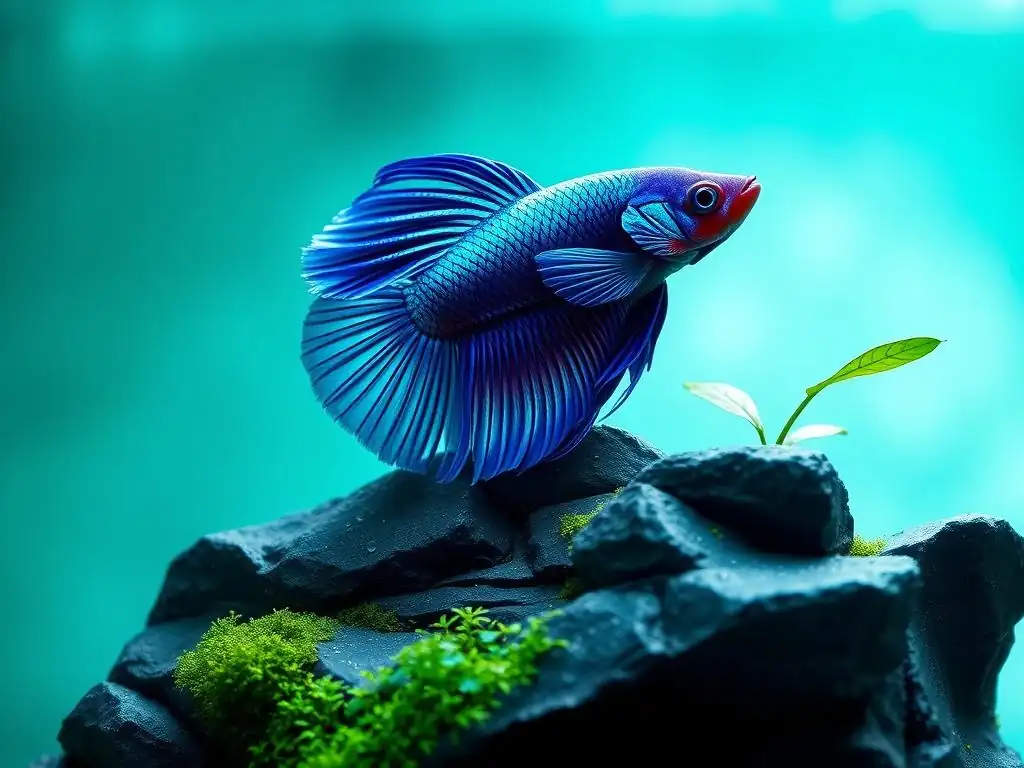
Proper Betta fish tank setup is foundational to superior Betta fish lifespan care. The environment you provide directly impacts their stress levels, immune system, and overall vitality, making it a critical area for aquarists to master. A well-designed habitat mimics aspects of their natural environment while ensuring stable and safe conditions.
Tank Size and Dimensions for Happy Bettas
While Bettas are often mistakenly believed to thrive in tiny bowls, a minimum of 5 gallons (approximately 19 liters) is recommended for a single Betta. This volume provides adequate swimming space and, more importantly, allows for greater water volume, which helps stabilize water parameters. Larger tanks, such as a 10-gallon (38-liter) aquarium, offer even more stability, diluting waste products more effectively and reducing the frequency of drastic water parameter fluctuations.
The dimensions of the tank are also important; a longer tank provides more horizontal swimming space, which Bettas appreciate, rather than a tall, narrow one. For instance, a standard 10-gallon tank measuring approximately 20 inches long by 10 inches wide by 12 inches high offers ample room. Providing sufficient space is a primary component of Betta fish lifespan care, preventing stress from confinement and promoting natural behaviors.
Importance of Filtration and Water Quality for Betta Health
Effective filtration is paramount for maintaining the water quality central to Betta fish lifespan care. While Bettas prefer calm waters, a gentle filter is essential to remove physical debris and process harmful nitrogenous waste products through biological filtration. Sponge filters are often preferred due to their gentle flow, preventing stress on the Betta's delicate fins, and their large surface area for beneficial bacteria. Hang-on-back (HOB) filters can also be used, provided their outflow is baffled to reduce current.
A properly cycled filter establishes a colony of beneficial bacteria that convert toxic ammonia (from fish waste and uneaten food) into less toxic nitrite, and then into even less toxic nitrate. This biological process, known as the nitrogen cycle, is the backbone of a healthy aquarium. Without adequate filtration, ammonia and nitrite will build up rapidly, causing severe stress, gill damage, and eventually death, thereby drastically shortening the Betta fish lifespan.
Heating and Temperature Control for Betta Longevity
Precise heating and temperature control are non-negotiable aspects of comprehensive Betta fish lifespan care. Bettas are tropical fish native to warm waters and thrive in temperatures between 76°F and 82°F (24°C to 28°C). Consistent temperatures within this range are crucial for their metabolism, immune system function, and overall activity levels. Fluctuations in temperature, especially sudden drops, can cause severe stress and make Bettas susceptible to diseases like Ich (white spot disease).
An adjustable aquarium heater with a reliable thermostat is essential for maintaining a stable temperature. For a 5-gallon tank, a 25-watt heater is typically sufficient, while a 10-gallon tank might benefit from a 50-watt heater. Always use a separate thermometer to monitor the water temperature independently of the heater's setting, ensuring accuracy and preventing overheating or chilling. This vigilance directly impacts the Betta's comfort and disease resistance, extending their potential Betta fish lifespan.
Suitable Substrates and Decorations for Betta Well-being
Thoughtful selection of substrates and decorations contributes significantly to overall Betta fish lifespan care. Fine gravel or sand are suitable substrates, allowing for easy cleaning and preventing food particles from getting trapped and decaying. Avoid rough or sharp-edged gravel that could injure a Betta's delicate fins. Bare-bottom tanks are also an option, simplifying cleaning but offering less aesthetic appeal and no substrate for beneficial bacteria.
Decorations should provide hiding places and visual barriers, mimicking the natural cover Bettas seek in the wild. Live plants like Anubias, Java Fern, or Amazon Swords are excellent choices as they improve water quality by absorbing nitrates and offer soft, natural resting spots. If using artificial plants, opt for silk plants over plastic ones, as plastic can have sharp edges that tear fins. Smooth caves, ceramic logs, or floating Betta logs also offer enrichment and security, reducing stress and promoting a longer, happier Betta fish lifespan.
Betta Fish Diet and Nutrition for Extended Lifespan
Optimal Betta fish diet and nutrition are cornerstones of effective Betta fish lifespan care. A balanced and varied diet provides the necessary nutrients for growth, vibrant coloration, and a robust immune system, directly impacting their longevity.
Choosing the Right Betta Fish Food
Selecting the correct Betta fish food is a primary component of dedicated Betta fish lifespan care. Bettas are primarily carnivorous, and their diet should reflect this. High-quality Betta-specific pellets or flakes should form the staple of their diet. Look for foods with a high protein content, ideally over 40-45%, and with fish meal or whole fish listed as the primary ingredient. Brands like Hikari Betta Bio-Gold, New Life Spectrum Betta Formula, or Omega One Betta Buffet are often recommended due to their balanced nutritional profiles and quality ingredients.
Avoid generic tropical fish flakes, which may not meet the specific protein requirements of Bettas. The size of the pellets should also be appropriate for your Betta's mouth, typically small enough for easy consumption without causing choking or digestive issues. A well-chosen staple food lays the groundwork for excellent Betta fish lifespan care.
Feeding Frequency and Portion Control for Betta Health
Proper feeding frequency and portion control are critical for long-term Betta fish lifespan care. Overfeeding is a common mistake that can lead to obesity, swim bladder issues, and, most significantly, poor water quality due to uneaten food decaying. It is generally recommended to feed your Betta once or twice daily, offering only what they can consume completely within 2-3 minutes. For most adult Bettas, this typically amounts to 2-4 pellets per feeding, depending on the pellet size and the Betta's metabolism.
If you feed twice a day, offer slightly smaller portions each time. Always remove any uneaten food after the feeding period to prevent it from fouling the water. An occasional fasting day (once a week) can also be beneficial, allowing their digestive system to clear out. This disciplined approach to feeding helps prevent digestive problems and maintains pristine water conditions, directly contributing to a healthier and potentially longer Betta fish lifespan.
Supplementing Your Betta's Diet for Enhanced Longevity
Supplementing your Betta's diet enhances their vitality and contributes to superior Betta fish lifespan care. While high-quality pellets provide a good foundation, incorporating a variety of live or frozen foods offers additional essential nutrients and enrichment. Good options include frozen or freeze-dried bloodworms, brine shrimp, daphnia, or mysis shrimp. These can be offered 1-2 times per week as a treat or supplement.
Live foods, such as small quantities of blackworms or mosquito larvae, can stimulate a Betta's natural hunting instincts and provide highly digestible protein, though they carry a slight risk of introducing pathogens if not sourced carefully. Daphnia are particularly beneficial as a natural laxative, aiding digestion and preventing constipation. This dietary variety ensures a broader spectrum of vitamins and minerals, bolstering their immune system and overall health, thereby extending their potential Betta fish lifespan.
Maintaining Optimal Water Quality for Betta Fish
Maintaining optimal water quality is arguably the most vital aspect of Betta fish lifespan care. Pristine water conditions are the single most significant factor in preventing disease and ensuring a long, healthy life for your Betta.
Regular Water Changes: A Key to Betta Fish Lifespan
Consistent, regular water changes are a non-negotiable element of effective Betta fish lifespan care. Even with excellent filtration, nitrates (the end product of the nitrogen cycle) will accumulate in the water over time. High nitrate levels, while less toxic than ammonia or nitrite, can still cause chronic stress, suppress the immune system, and contribute to fin erosion. Performing partial water changes removes these accumulated toxins and replenishes essential minerals.
For a 5-gallon tank, a 25-30% water change weekly is often recommended. For larger tanks (10 gallons or more), a 20-25% water change bi-weekly might suffice, depending on bioload. Always use a dechlorinator or water conditioner to remove chlorine and chloramines from tap water, as these chemicals are highly toxic to fish. Ensure the new water is at a similar temperature to the tank water to avoid shocking your Betta. This routine maintenance is fundamental to a long Betta fish lifespan.
Testing and Adjusting Water Parameters for Betta Health
Regularly testing and adjusting water parameters is fundamental to proactive Betta fish lifespan care. Key parameters to monitor include ammonia, nitrite, nitrate, and pH. Ammonia and nitrite should always be at 0 parts per million (ppm). Nitrate levels should ideally be below 20 ppm, though some aquarists aim for even lower. The ideal pH for Bettas is typically between 6.5 and 7.5, reflecting their slightly acidic to neutral preferred range.
A liquid-based test kit (e.g., API Freshwater Master Test Kit) provides the most accurate readings compared to test strips. If parameters are off, immediate action is required. High ammonia or nitrite usually indicates an uncycled tank or overfeeding, necessitating larger and more frequent water changes. Adjusting pH should be done cautiously and gradually, as sudden swings are more detrimental than a stable pH slightly outside the ideal range. Diligent monitoring ensures a stable and healthy environment, critical for a robust Betta fish lifespan.
Avoiding Ammonia and Nitrite Spikes in Your Betta Tank
Preventing ammonia and nitrite spikes is paramount for ensuring the long-term success of your Betta fish lifespan care efforts. These compounds are highly toxic to fish, even at low concentrations (e.g., 0.25 ppm). Spikes typically occur in newly set up tanks that haven't completed the nitrogen cycle (new tank syndrome), or in established tanks due to overfeeding, overstocking, or filter malfunction. Ammonia burns a fish's gills, while nitrite prevents blood from carrying oxygen, both leading to suffocation and death.
To avoid spikes, ensure your tank is fully cycled before adding your Betta. This process can take 4-8 weeks. Once cycled, avoid overfeeding and perform regular maintenance. If a spike occurs, immediate action is necessary: perform a large water change (e.g., 50-75%), use an ammonia-detoxifying conditioner, and temporarily reduce feeding. Consistent vigilance and adherence to proper cycling and maintenance protocols are non-negotiable for protecting your Betta's health and maximizing their Betta fish lifespan.
Betta Fish Health Management and Disease Prevention
Effective Betta fish lifespan care includes diligent health management and proactive disease prevention. A healthy Betta is a happy Betta, and early detection of illness can be the difference between recovery and loss.
Recognizing Common Betta Fish Diseases
Identifying Symptoms of Illness in Bettas
Early identification of illness symptoms is a critical aspect of attentive Betta fish lifespan care. Bettas are generally hardy, but they can fall ill if their environment is compromised. Common signs of illness include lethargy, spending unusual amounts of time at the bottom or surface, clamped fins (held close to the body), loss of appetite, dulling of colors, and labored breathing. Physical symptoms might include white spots (Ich), fuzzy growths (fungus), ragged or decaying fins (fin rot), or bulging eyes (pop-eye).
Observing your Betta daily for even subtle changes in behavior or appearance is crucial. For instance, a healthy Betta is typically active and curious; a sudden reluctance to swim or respond to stimulation is a red flag. Any changes in swimming patterns, such as listing to one side or difficulty maintaining buoyancy, could indicate swim bladder issues. Prompt recognition of these signs allows for quicker intervention, significantly improving the chances of recovery and contributing to a longer Betta fish lifespan.
Treating Common Betta Diseases: Fin Rot, Ich, and More
Prompt and appropriate treatment of common Betta diseases is essential for successful Betta fish lifespan care. Fin rot, often caused by poor water quality, manifests as frayed or disintegrating fins. It frequently responds to pristine water conditions (daily small water changes) and, if severe, broad-spectrum antibiotics like Maracyn or Furan-2. Ich (Ichthyophthirius multifiliis), characterized by small white spots resembling salt grains, is a common parasitic infection. It can often be treated by slowly raising tank temperature to 82-84°F (28-29°C) for several days and adding aquarium salt (1 teaspoon per gallon, dissolved first).
Other common ailments include fungal infections (cotton-like growths), typically treated with antifungal medications, and swim bladder disorders, often caused by overfeeding or poor diet, which can sometimes be alleviated by feeding blanched peas or fasting. Always research the specific disease and follow medication instructions carefully. Treating in a separate quarantine tank is ideal to avoid medicating the main tank and its beneficial bacteria. Effective treatment is vital for maintaining a healthy Betta fish lifespan.
Preventing Betta Fish Illnesses
Prevention is always superior to cure in Betta fish lifespan care. Proactive measures significantly reduce the risk of your Betta falling ill.
Quarantine New Fish to Protect Your Betta
Quarantining new fish is a proactive measure that significantly bolsters Betta fish lifespan care. When introducing any new fish, snails, or even live plants to your main tank, there's a risk of introducing parasites, bacteria, or viruses. A separate quarantine tank, even a small 2.5-gallon setup with a heater and sponge filter, allows you to observe new arrivals for signs of disease for at least 2-4 weeks. During this period, you can treat any emerging illnesses without exposing your established Betta to potential pathogens.
This practice is particularly crucial if you plan to introduce tank mates to your Betta (though Bettas are often best kept alone). Many common fish diseases, such as Ich, can lie dormant for a period before symptoms appear. Quarantining mitigates the risk of a widespread outbreak in your main display tank, protecting your beloved Betta and ensuring a healthier environment for their entire Betta fish lifespan.
Maintaining a Stress-Free Environment for a Healthy Betta
Maintaining a stress-free environment is paramount for robust Betta fish lifespan care, directly impacting their immune health. Stress suppresses a Betta's immune system, making them highly susceptible to various diseases. Common stressors include poor water quality, inconsistent temperatures, aggressive tank mates, excessive noise or vibrations, and lack of hiding spots. Ensuring stable water parameters, a consistent temperature, and a quiet location for the tank are fundamental.
For example, placing the tank near a constantly opening door or a vibrating washing machine can cause chronic stress. If introducing tank mates, choose peaceful species like snails or small, schooling tetras (in appropriately sized tanks, minimum 10-15 gallons for Betta with tank mates) that won't nip fins or compete for food. Providing ample hiding spots and visual barriers also helps reduce perceived threats. A calm and stable environment is a cornerstone of a long and healthy Betta fish lifespan.
Importance of Observation and Early Intervention
Consistent observation and early intervention are non-negotiable for effective Betta fish lifespan care. Many Betta diseases, if caught in their initial stages, are highly treatable. Daily observation allows you to notice subtle changes in your Betta's behavior, appetite, or appearance before an illness becomes severe. This includes watching how they swim, if they are eating normally, and if their fins or body show any unusual spots, growths, or discoloration.
For example, the first sign of Fin Rot might just be a slight fraying at the fin edges. If caught at this stage, often simply improving water quality with daily small water changes can reverse it. Delaying intervention until the fins are severely deteriorated makes treatment much more challenging and stressful for the fish. A proactive approach, where you are attuned to your Betta's normal habits and quick to investigate any deviations, significantly increases the likelihood of successful treatment and contributes to a longer, healthier Betta fish lifespan.
Enhancing Betta Fish Quality of Life
Enhancing a Betta's quality of life directly contributes to their overall Betta fish lifespan care. Beyond basic survival needs, providing enrichment and minimizing stress creates a thriving environment that fosters vitality and longevity.
Providing Enrichment and Stimulation for Bettas
Tank Decorations and Hiding Places for Betta Comfort
Thoughtful tank decorations and ample hiding places are key to comprehensive Betta fish lifespan care. Bettas are naturally curious and appreciate a varied environment that offers visual interest and places to explore or retreat. Live plants, such as Anubias, Java Fern, or Cryptocoryne, not only enhance water quality but also provide natural soft resting spots and cover. Silk plants are a safe alternative if live plants are not feasible, but avoid abrasive plastic plants.
Caves, ceramic logs, or floating Betta logs offer secure hiding spots where your Betta can rest or feel safe. Providing multiple options prevents boredom and reduces stress, as the fish knows it has a safe haven. A complex environment with varied textures and shapes stimulates their minds and encourages natural behaviors, contributing to their overall well-being and, consequently, a longer Betta fish lifespan.
Interactive Toys and Activities for Betta Fish
Offering interactive toys and activities enriches their daily existence, a subtle yet impactful aspect of Betta fish lifespan care. While Bettas are not typically "playful" in the conventional sense, they can benefit from mental stimulation. A floating ping-pong ball or a small, smooth plastic toy can provide a novel object for them to investigate. Some Bettas enjoy gently pushing or nudging such items around their tank.
Another form of interaction is very brief "flaring" sessions. Holding a small mirror to the tank for 1-2 minutes daily can encourage your Betta to flare, exercising their fins and gills. However, this should be done sparingly to avoid prolonged stress, as constant flaring can be exhausting. A well-stimulated Betta is generally happier and more active, which can positively influence their immune system and overall Betta fish lifespan.
Minimizing Stress for a Longer Betta Life
Minimizing stress is a critical component of maximizing Betta fish lifespan care. Chronic stress weakens the immune system, making Bettas more susceptible to diseases that can shorten their lives.
Avoiding Overcrowding and Aggressive Tank Mates
Thoughtful consideration of tank mates and avoiding overcrowding are vital for stress-free Betta fish lifespan care. Bettas are territorial and generally prefer to be housed alone. If tank mates are desired, they must be chosen very carefully and housed in a sufficiently large tank (minimum 10-15 gallons for a Betta with peaceful tank mates). Peaceful, non-fin-nipping species like small schooling tetras (e.g., Neon Tetras, Ember Tetras), Corydoras catfish, or snails (e.g., Nerite snails) can sometimes coexist.
Aggressive tank mates, such as Tiger Barbs, or fin-nippers, like certain rasboras, will relentlessly harass a Betta, leading to constant stress, fin damage, and a drastically reduced Betta fish lifespan. Overcrowding, even with peaceful species, leads to increased waste production, poor water quality, and heightened competition for resources, all of which are significant stressors. Prioritizing a peaceful cohabitation strategy or solitary living is key for Betta well-being.
Maintaining a Consistent Tank Environment
Maintaining a consistent tank environment is paramount for long-term success in Betta fish lifespan care. Sudden or drastic changes in water parameters, temperature, or lighting can cause significant stress to a Betta. Once your tank is cycled and stable, strive for consistency in your maintenance routine. Perform water changes regularly, but avoid large, infrequent changes that can shock the system.
Keep the tank's lighting schedule consistent, typically 8-10 hours of light per day, mimicking a natural day-night cycle. Avoid placing the tank in direct sunlight, which can cause temperature fluctuations and promote algae growth. Maintaining stable water parameters (pH, temperature, and nitrogen cycle levels) and a predictable routine provides a sense of security for your Betta, reducing chronic stress and allowing their immune system to function optimally, thereby contributing to a longer Betta fish lifespan.
Extending Betta Fish Lifespan: Advanced Care Techniques
For dedicated aquarists, exploring advanced care techniques can further enhance Betta fish lifespan care, pushing beyond basic requirements to optimize health and longevity.
Utilizing UV Sterilizers for Water Clarity and Disease Prevention
For advanced Betta fish lifespan care, utilizing UV sterilizers can significantly enhance water purity and disease prevention. A UV sterilizer works by passing aquarium water through a chamber containing a UV-C lamp. The ultraviolet light scrambles the DNA of free-floating microorganisms, including bacteria, viruses, algae spores, and certain parasites (like Ich in its free-swimming stage), rendering them unable to reproduce and effectively killing them. This process does not harm beneficial bacteria residing in the filter media or substrate, as they are attached and not free-floating.
While not a substitute for proper tank maintenance, a UV sterilizer can dramatically reduce the pathogen load in the water column, thereby decreasing the risk of common Betta diseases and improving overall water clarity. For example, studies suggest UV sterilization can reduce instances of bacterial infections and Ich by up to 90% in some setups. This added layer of protection can be particularly beneficial in community tanks or for Bettas prone to stress-related illnesses, contributing to a more robust Betta fish lifespan.
Exploring the Use of Almond Leaves (Catappa) for Water Conditioning
Incorporating Indian Almond Leaves ( Terminalia catappa) is an advanced technique gaining traction in comprehensive Betta fish lifespan care. These leaves, when steeped in aquarium water, release tannins and humic acids, which impart a natural "blackwater" tint and offer several therapeutic benefits. Tannins are known to have mild antiseptic and antibacterial properties, which can help prevent common ailments like fin rot and fungal infections. They can also subtly lower the pH of the water, mimicking the slightly acidic conditions found in a Betta's natural habitat.
Many aquarists report that Bettas kept in tanks with Indian Almond Leaves exhibit more vibrant colors, reduced stress, and improved overall health. The leaves also provide natural hiding spots and a soft substrate as they slowly decompose. Typically, one medium-sized leaf per 5-10 gallons of water is sufficient, replaced every 2-4 weeks. This natural conditioning method supports a Betta's immune system and creates a more naturalistic environment, positively influencing their Betta fish lifespan.
Tailoring Diets with Live and Frozen Foods for Senior Bettas
Tailoring diets with easily digestible live and frozen foods is an advanced consideration for extending Betta fish lifespan care for senior companions. As Bettas age, their metabolism may slow down, and their digestive systems can become less efficient. This can make them more susceptible to issues like constipation or swim bladder disorders if their diet consists solely of dry pellets. Introducing a higher proportion of live or frozen foods can be highly beneficial.
For instance, small quantities of live or frozen bloodworms, brine shrimp, or daphnia are excellent choices. Daphnia, in particular, are known for their laxative properties, which can help prevent digestive blockages in older fish. These foods are generally easier to digest and provide a concentrated source of nutrients. Monitoring your senior Betta's activity level and weight is key; if they appear to be losing weight despite eating, or if they seem bloated, adjust their diet accordingly. This personalized nutritional approach supports their aging bodies, contributing to a more comfortable and potentially longer Betta fish lifespan.
Common Mistakes That Shorten Betta Fish Lifespan
Understanding common pitfalls is as important as knowing best practices for Betta fish lifespan care. Avoiding these mistakes can significantly extend your Betta's life.
Overfeeding and Poor Diet Choices
Among the most common pitfalls in Betta fish lifespan care are overfeeding and inappropriate diet choices. Overfeeding leads to two primary problems: obesity in the fish and severe water quality degradation. An obese Betta is prone to swim bladder issues, liver problems, and overall lethargy, which compromises their health. More critically, uneaten food decays rapidly, releasing ammonia and nitrite into the water, causing toxic spikes. This forces the beneficial bacteria in the filter to work overtime, and if they cannot keep up, the water quality plummets.
For example, feeding a Betta more than 4-5 pellets twice a day in a 5-gallon tank often results in uneaten food accumulating, leading to nitrate levels soaring above 40 ppm within a week, even with regular filtration. Similarly, feeding only generic fish flakes lacking the necessary protein content will lead to nutritional deficiencies, weakening the Betta's immune system and making them susceptible to disease. These issues directly shorten a Betta's potential Betta fish lifespan.
Neglecting Water Quality and Tank Maintenance
Neglecting water quality and consistent tank maintenance severely compromises Betta fish lifespan care. The most common form of neglect is skipping regular water changes and filter cleaning. When water changes are infrequent, nitrates accumulate to dangerous levels, causing chronic stress, fin erosion, and making the Betta highly susceptible to infections. For instance, allowing nitrate levels to consistently reach 80 ppm or higher will significantly suppress a Betta's immune response, paving the way for opportunistic pathogens.
Furthermore, neglecting to clean the substrate can lead to the buildup of decaying organic matter, which can harbor anaerobic bacteria that produce harmful hydrogen sulfide gas, a potent toxin. A clogged filter, due to lack of rinsing, will cease to function effectively, leading to ammonia and nitrite spikes. These conditions create a toxic environment that directly shortens a Betta's life, often reducing their lifespan to less than a year, even if they initially appeared healthy.
Housing Bettas in Unsuitable Environments
Placing Bettas in unsuitable environments is a critical error that undermines all efforts in Betta fish lifespan care. The pervasive myth that Bettas can thrive in tiny bowls, vases, or unheated, unfiltered containers is incredibly damaging. Such small volumes of water (e.g., less than 2.5 gallons) cannot maintain stable temperatures or water parameters. Ammonia and nitrite rapidly build up to lethal levels due to the small water volume and lack of biological filtration.
For example, a Betta in a half-gallon bowl without a heater will experience wild temperature swings (e.g., from 65°F to 80°F in a single day), causing immense stress and weakening their immune system. The lack of filtration means they are constantly swimming in their own waste. These conditions lead to chronic stress, stunted growth, fin rot, and ultimately, a significantly reduced Betta fish lifespan, often under six months. A proper, heated, and filtered tank of at least 5 gallons is non-negotiable for their well-being.
Ignoring Signs of Illness and Delaying Treatment
Ignoring subtle signs of illness and delaying treatment are detrimental practices that significantly shorten Betta fish lifespan care outcomes. Many Betta diseases are highly treatable if caught in their early stages. However, fishkeepers sometimes overlook initial symptoms or hope the problem will resolve itself. For instance, the first signs of Ich might be just a few white spots or increased scratching against tank decorations. If ignored, the parasite can multiply exponentially within days, leading to a severe infestation that is much harder to treat and often fatal.
Similarly, early stages of fin rot, characterized by slightly frayed fin edges, can often be reversed with diligent water changes. Delaying treatment until fins are severely deteriorated and black can require stronger medications and a much longer recovery period, if recovery is even possible. Prompt observation and immediate action, whether it's a water change, adding aquarium salt, or starting a targeted medication, are crucial for successful disease management and preserving your Betta's Betta fish lifespan.
Conclusion: Enjoying a Long and Happy Life with Your Betta
Recap of Key Factors Influencing Betta Fish Lifespan
Maximizing your Betta fish lifespan involves a holistic approach to their care, moving beyond mere survival to ensuring a thriving existence. The key factors influencing their longevity are multifaceted: providing a spacious, heated, and filtered tank of at least 5 gallons; maintaining impeccable water quality through regular testing and consistent partial water changes; offering a high-quality, varied diet with appropriate portion control; and creating a stress-free environment with suitable decorations and, if applicable, peaceful tank mates.
Furthermore, proactive health management, including daily observation and prompt intervention at the first sign of illness, is critical. By prioritizing these elements of Betta fish lifespan care, you can significantly increase your companion's chances of a long and happy life, often extending well beyond the average 2-5 years.
Resources for Further Learning About Betta Fish Care
For those dedicated to mastering Betta fish lifespan care, continuous learning and engagement with reputable aquarist resources are invaluable. Websites like Aquarium Mastery provide detailed guides and articles covering every aspect of freshwater fishkeeping, including species-specific profiles, tank setup, water chemistry, and troubleshooting common issues. Joining online forums or local aquarium clubs can also provide a community of experienced hobbyists willing to share insights and advice.
Additionally, reference books dedicated to Betta fish care offer comprehensive information on their biology, breeding, and advanced health management. By consistently seeking knowledge and applying best practices, you empower yourself to provide the highest standard of care, ensuring your Betta lives a full, vibrant, and extended life as a cherished companion.
Frequently Asked Questions
What is the average lifespan of a Betta fish, and what factors influence it?
The average lifespan of a Betta fish is typically 2-5 years. Factors influencing lifespan include genetics, water quality, diet, and tank size.
What are the most crucial aspects of care to maximize a Betta's lifespan?
Maintaining pristine water quality through regular water changes, providing a balanced diet specifically formulated for Bettas, and ensuring an appropriately sized and heated tank are crucial.
How does tank size affect a Betta fish's lifespan?
A tank that's too small can lead to stress and poor water quality, significantly shortening a Betta's life. A minimum of 5 gallons is generally recommended for optimal health.
What are some common diseases that can shorten a Betta's lifespan, and how can they be prevented?
Common diseases include fin rot, ich, and dropsy. Prevention involves maintaining good water quality, avoiding overfeeding, and quarantining new fish before introducing them to the main tank.
What type of diet is best for extending a Betta fish's lifespan?
A high-quality diet consisting of Betta-specific pellets or flakes, supplemented with occasional live or frozen foods like bloodworms and daphnia, is ideal for a long and healthy life.
Final Reflection: Nurturing Life's Delicate Flame
The journey of understanding and extending the Betta fish lifespan is more than just a scientific endeavor; it's a testament to our capacity for compassion and responsible stewardship. In a world often characterized by fleeting connections, dedicating ourselves to the well-being of these vibrant creatures reminds us of the profound impact we can have on even the smallest lives.
The delicate dance between environment, diet, and care underscores the importance of mindful interaction with the natural world. This commitment to providing optimal Betta fish lifespan care reflects a deeper appreciation for the interconnectedness of all living things and the responsibility we bear to protect them. The greatness of a nation and its moral progress can be judged by the way its animals are treated.
- Mahatma Gandhi. This quote resonates deeply, highlighting that our treatment of animals, even seemingly small ones, is a reflection of our own humanity.
As you embark on or continue your journey as a Betta fish keeper, remember that you hold the power to shape their world and extend their time with you. Let this knowledge inspire you to delve deeper into their needs, to create a thriving environment, and to cherish the unique bond you share. By embracing this responsibility, you not only enhance the life of your Betta but also enrich your own, fostering a deeper connection to the natural world and a greater understanding of the delicate beauty of life itself.
Unlock Your Betta's Long Life!
Thank you for diving into the secrets of Betta longevity! We hope you've found valuable insights to help your finned friend thrive. Now, let's put that knowledge into action and create a happier, healthier life for your Betta.
Here's how to make a difference today:
- Immediately review and adjust your Betta's tank conditions based on what you've learned. Optimal water parameters are the foundation of a long and healthy life!
- Share this article with fellow Betta enthusiasts! Help spread the word and ensure more Bettas get the care they deserve.
- Consider photographing your Betta's current setup and comparing it to recommended standards to identify areas for improvement.
What small change will you implement today to give your Betta a better tomorrow?