
Beyond Basic Water Changes: Aquarium Mastery's Advanced Water Management for Tetra Breeders

Welcome to Aquarium Mastery, your ultimate guide to thriving aquatic ecosystems!
Are you ready to unlock the secrets to successful tetra breeding? Beyond basic water changes lie techniques that can dramatically impact your success. Dive into our comprehensive guide, " Beyond Basic Water Changes: Aquarium Mastery's Advanced Water Management for Tetra Breeders," where we unveil the nuances of advanced tetra breeding water changes and how to master water chemistry for optimal results. Discover the key to a vibrant and flourishing tetra community - keep reading to uncover the details!
- Understanding the Critical Role of Water Quality in Tetra Breeding Success
- Advanced Tetra Breeding Water Change Techniques
- Mastering Water Chemistry for Optimal Tetra Breeding
- Advanced Water Filtration Strategies for Tetra Breeding Setups
- Utilizing Reverse Osmosis (RO) Water for Tetra Breeding
- Live Plant Integration for Water Quality Improvement in Tetra Tanks
- Monitoring and Testing Water Parameters for Tetra Breeding
- Troubleshooting Common Water Quality Issues in Tetra Breeding
- Case Studies: Successful Tetra Breeding Through Advanced Water Management
- Conclusion: Achieving Aquarium Mastery in Tetra Breeding Through Strategic Water Management
-
Frequently Asked Questions
- What is the significance of water changes for advanced tetra breeding?
- How does Aquarium Mastery's approach to water management differ from basic advice?
- What specific water parameters are critical for successful tetra breeding, and how do water changes impact them?
- How often should I perform water changes for my tetra breeding setup, and what percentage of water should I change?
- Besides removing nitrates, what other benefits do water changes provide in a tetra breeding tank?
- Final Reflection: The Living Tapestry of Aquatic Life
- Elevate Your Tetra Breeding: Unleash the Secrets to Pristine Water!
Understanding the Critical Role of Water Quality in Tetra Breeding Success
Why Water Parameters are Paramount for Breeding Tetras
For successful tetra breeding, water parameters are not just important; they are absolutely paramount. Even slight deviations from a species' ideal range can significantly inhibit spawning behavior or lead to high rates of egg and fry mortality. Tetra eggs, particularly those of soft-water species like Neons or Cardinals, are incredibly delicate and highly susceptible to environmental stress, making precise and stable water conditions non-negotiable for successful propagation.
The specific needs for each life stage — from pre-spawning conditioning to the sensitive period of egg development and fry growth — are dictated by water quality. For instance, many tetra species require very low dissolved solids for their eggs to properly absorb water and hatch, with a General Hardness (GH) often below 3 dGH. Achieving and maintaining these conditions through advanced tetra breeding water changes directly impacts the number of viable eggs and the overall success rate of a breeding project.
The Link Between Water Quality and Tetra Health and Fertility
Pristine water quality directly translates to optimal health and robust fertility in breeding tetras. A clean, stable environment significantly reduces stress on the fish, bolstering their immune systems and ensuring they are in peak condition to reproduce. Stressed fish are far less likely to spawn, and if they do, their eggs may be infertile or the fry weak.
Furthermore, specific mineral content and pH levels in the water critically influence egg viability and sperm motility. For example, in species like the Cardinal Tetra, a pH below 6.5 and a GH of 1-2 dGH are essential; harder water can cause eggs to harden and prevent hatching, or encourage fungal growth that destroys the clutch. Consistent, high-quality water, maintained through precise advanced tetra breeding water changes, ensures that both male and female tetras are fertile and capable of producing healthy offspring.
Advanced Tetra Breeding Water Change Techniques
Tailoring Water Changes to Specific Tetra Species
Successful advanced tetra breeding water changes are rarely a one-size-fits-all approach; they must be meticulously tailored to the specific needs of each tetra species. For instance, species native to the extremely soft, acidic blackwater rivers of the Amazon, such as the Neon Tetra ( Paracheirodon innesi) or Cardinal Tetra ( Paracheirodon axelrodi), will require a vastly different water change regimen than more adaptable species like the Congo Tetra ( Phenacogrammus interruptus), which prefer slightly harder, neutral water. Understanding the natural habitat of your target species is the first step in designing an effective water management plan.
This tailoring involves not only the volume and frequency of water changes but also the composition of the replacement water. A breeder aiming for Cardinal Tetras might use 100% remineralized Reverse Osmosis (RO) water for their advanced tetra breeding water changes, performing 20% changes twice a week to maintain ultra-soft conditions. In contrast, for Emperor Tetras ( Nematobrycon palmeri), a mix of RO and dechlorinated tap water might be used to achieve a GH of 5-8 dGH and a pH of 6.5, with perhaps a 30% weekly change being sufficient.
Implementing Small, Frequent Water Changes for Sensitive Species
For highly sensitive tetra species or when rearing delicate fry, implementing small, frequent advanced tetra breeding water changes is often superior to less frequent, larger changes. Instead of a single 30-40% weekly change, consider performing 10-15% water changes every other day, or even daily. This "little and often" approach minimizes the shock to delicate breeding pairs and newly hatched fry by preventing drastic fluctuations in temperature, pH, and mineral content.
This method is particularly effective at preventing the gradual buildup of nitrates and other metabolic waste products without causing the significant shifts in water chemistry that can stress fish and abort spawning attempts. By consistently diluting pollutants and replenishing essential trace elements in small increments, breeders can maintain a remarkably stable and pristine environment, which is crucial for the successful development of sensitive tetra eggs and fry.
Triggering Spawning with Temperature and Water Chemistry Adjustments
One of the most powerful advanced tetra breeding water change techniques involves mimicking natural environmental cues to trigger spawning. For many blackwater tetra species, a slight drop in temperature (e.g., 2-3°F or 1-2°C) followed by a gradual rise, coupled with a significant infusion of very soft, slightly cooler water, can simulate a "rainy season" and induce spawning. This technique is commonly employed for species like the Rummy-nose Tetra ( Hemigrammus bleheri) which respond well to such environmental shifts.
A classic example of this "rainy season" effect involves a large (often 50-70%) water change using cool, soft, RO water. This sudden dilution of minerals and a slight drop in pH can act as a potent spawning trigger for species originating from environments where seasonal rainfall dictates their reproductive cycles. This precise manipulation of parameters through advanced tetra breeding water changes is often the key to unlocking consistent spawning behavior in otherwise reluctant breeders.
Mastering Water Chemistry for Optimal Tetra Breeding

Controlling pH Levels for Tetra Spawning and Fry Development
Controlling pH levels is fundamental to successful tetra breeding, as specific pH ranges are critical for both spawning and the subsequent development of eggs and fry. Most popular breeding tetras, including Neons, Cardinals, and Lemon Tetras ( Hyphessobrycon pulchripinnis), originate from soft, acidic blackwater environments and require pH levels typically between 5.0 and 6.5 for successful reproduction. Outside this narrow range, egg fertilization rates can plummet, eggs may fail to hatch, or the resulting fry may exhibit deformities or poor survival rates.
Achieving and maintaining these low pH levels often involves the use of Reverse Osmosis (RO) water, peat filtration, or the addition of natural tannins from Indian Almond Leaves or driftwood. However, stability is key; rapid or drastic pH swings, even within the desired acidic range, are highly detrimental to both adult fish and their delicate offspring. Consistent monitoring and careful adjustments, often through gradual advanced tetra breeding water changes, are essential to prevent pH crashes or spikes.
Managing Water Hardness (GH and KH) for Tetra Reproduction
Water hardness, specifically General Hardness (GH) and Carbonate Hardness (KH), plays a pivotal role in tetra reproduction. Many tetra species require very soft water, typically with a GH below 5 dGH (ideally 1-3 dGH), for their eggs to properly absorb water and hatch. In harder water, the egg membrane can become too rigid, preventing the embryo from fully developing or the fry from breaking free, leading to a phenomenon known as "egg hardening" or increased susceptibility to fungal infections.
While low GH is crucial for egg development, a minimal level of Carbonate Hardness (KH), typically 1-2 dKH, is still important. KH acts as a pH buffer, preventing sudden and dangerous pH crashes, especially in heavily planted tanks or setups relying heavily on RO water, which inherently lacks buffering capacity. Balancing the need for ultra-soft water with just enough KH for pH stability is a delicate but essential aspect of advanced tetra breeding water changes.
The Importance of Ammonia, Nitrite, and Nitrate Control in Breeding Tanks
In any aquarium, maintaining zero levels of ammonia and nitrite is paramount, but in a tetra breeding tank, this requirement becomes even more critical. Even trace amounts of these nitrogenous compounds are highly toxic to adult tetras and are particularly lethal to eggs and newly hatched fry, which possess extremely delicate gill structures and underdeveloped immune systems. Any measurable level of ammonia or nitrite can lead to immediate mortality or severe developmental issues.
While adult fish can tolerate low levels of nitrate (typically below 20 ppm), for successful breeding and the rearing of sensitive fry, it is advisable to keep nitrate concentrations below 5-10 ppm. Higher nitrate levels can stress breeding pairs, reduce their fertility, and significantly inhibit fry growth and survival. Regular and precise advanced tetra breeding water changes are the primary method for diluting and removing nitrates, ensuring a pristine environment conducive to robust reproduction.
Advanced Water Filtration Strategies for Tetra Breeding Setups
Selecting the Right Filter for a Tetra Breeding Tank
Choosing the appropriate filtration system for a tetra breeding tank is crucial for maintaining water quality without disrupting delicate processes. Sponge filters or air-driven box filters are highly recommended for these setups. They provide excellent biological filtration, which is essential for breaking down ammonia and nitrite, while generating a gentle water flow that will not stress delicate tetra species or scatter newly laid eggs and tiny fry. Their simple design also makes them easy to clean without significantly disturbing the beneficial bacterial colonies.
Conversely, powerful hang-on-back (HOB) or canister filters, while effective for display tanks, often create strong currents that can be detrimental in a breeding environment. If such filters must be used, their outflow should be heavily baffled to reduce turbulence. The primary goal in a breeding tank's filtration is effective biological and mechanical filtration for clear, healthy water, rather than aggressive circulation, making gentle options ideal for advanced tetra breeding water changes.
Maintaining Biological Filtration Balance During Water Changes
Maintaining a stable biological filter is paramount in a breeding tank, as it directly processes harmful nitrogenous waste. Large, infrequent advanced tetra breeding water changes can sometimes shock the bacterial colony, especially if the replacement water is not temperature-matched or is improperly dechlorinated. It is vital to ensure that all new water is conditioned to remove chlorine and chloramines, which are lethal to beneficial bacteria, and introduced at a temperature consistent with the tank water.
Furthermore, avoid cleaning filter media simultaneously with performing significant water changes. Instead, stagger these maintenance activities to ensure that a robust population of nitrifying bacteria remains active in the system. If filter media requires cleaning, do so gently in a bucket of old tank water to preserve the bacterial biofilm, preventing a dangerous mini-cycle that could jeopardize eggs or fry.
Using Chemical Filtration to Remove Tannins and Other Compounds
Chemical filtration can be a valuable tool in advanced tetra breeding water management, particularly for removing unwanted organic compounds, discoloration, and residual medications. Activated carbon, for example, is highly effective at absorbing tannins released by driftwood (which can be desirable for blackwater species but sometimes excessive) and polishing the water to crystal clarity, which aids in observing spawning and fry. Specialized resins, such as Purigen, can also effectively remove nitrates and other impurities without significantly impacting trace elements.
However, the use of chemical filtration should be judicious. Continuous use of activated carbon can remove beneficial trace elements or desired tannins. For species that thrive in blackwater conditions, preserving natural tannins is beneficial for lowering pH and providing a natural environment. Therefore, chemical media should be employed strategically – perhaps for a few days after a large advanced tetra breeding water change to polish the water, or to address specific issues like yellowing water or residual medication, rather than as a permanent fixture.
Utilizing Reverse Osmosis (RO) Water for Tetra Breeding
The Benefits of RO Water for Achieving Ideal Water Parameters
Reverse Osmosis (RO) water is an indispensable tool for advanced tetra breeding, particularly for species requiring very soft, acidic water. RO systems produce virtually pure water, effectively stripping out hardness minerals, chlorine, chloramines, heavy metals, and most other contaminants present in tap water. This purity allows breeders to start with a blank slate, precisely controlling General Hardness (GH), Carbonate Hardness (KH), and pH by re-mineralizing the water to the exact specifications required by sensitive tetra species.
A significant benefit of using RO water is the elimination of variability found in municipal tap water, which can fluctuate seasonally or due to changes in water treatment processes. This consistency is invaluable for replicating stable, pristine conditions that mimic the tetras' natural habitats, which is a cornerstone of successful advanced tetra breeding water changes. This precise control reduces stress on breeding pairs and significantly increases the viability of eggs and fry.
Remineralizing RO Water for Tetra Health and Breeding
While RO water offers unparalleled purity, it lacks essential minerals like calcium and magnesium that are crucial for fish health, proper osmotic regulation, and healthy egg development. Therefore, RO water must be remineralized before being used in a tetra breeding tank. This is typically done using specific products designed for freshwater aquariums, often referred to as RO remineralizers or GH/KH boosters.
For many softwater tetra species, the goal is to remineralize to a very low GH, often 1-3 dGH, and a minimal KH, usually 1-2 dKH, to provide slight buffering capacity without increasing hardness too much. It is critical to carefully follow the remineralizer's instructions and test the remineralized water before adding it to the tank to ensure it meets the target parameters. Over-remineralizing can negate the advantages of using RO water for advanced tetra breeding water changes.
Safely Using RO Water for Water Changes in Tetra Breeding Tanks
Introducing RO water into an existing aquarium, especially one with tetras, requires careful consideration to avoid shocking the fish. Unless the tank is already established with very soft water, it's advisable to transition gradually. This can be achieved by mixing remineralized RO water with dechlorinated tap water, slowly increasing the percentage of RO water with each successive advanced tetra breeding water change over several weeks or even months. This allows the fish to acclimate to the changing parameters without undue stress.
Furthermore, meticulous attention to temperature matching is crucial when performing water changes with RO water. Even if the water chemistry is perfect, a significant temperature differential can severely stress or even kill delicate tetras. Always test the temperature of the remineralized RO water before adding it to the breeding tank to ensure it matches the tank's temperature within one degree Fahrenheit (0.5 degrees Celsius).
Live Plant Integration for Water Quality Improvement in Tetra Tanks
Choosing Tetra-Friendly Plants for Natural Water Filtration
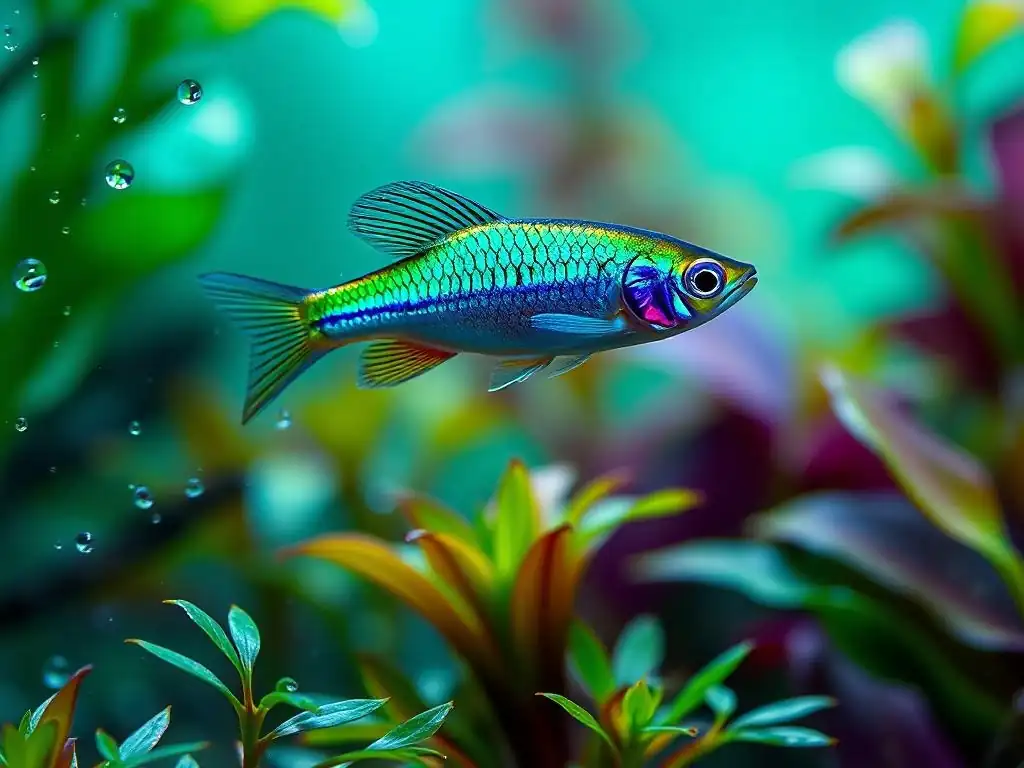
Integrating live plants into a tetra breeding tank offers significant benefits beyond aesthetics; they act as natural filters, improving water quality. When selecting plants, choose varieties that are tetra-friendly and do not require intense lighting or CO2 injection, which can complicate water chemistry. Excellent choices include Java Moss ( Taxiphyllum barbieri), various Anubias species, and Cryptocoryne species. These plants are hardy, provide crucial cover and spawning sites for tetras, and offer refuge for newly hatched fry.
Additionally, floating plants like Dwarf Water Lettuce ( Pistia stratiotes), Salvinia species, or Frogbit ( Limnobium laevigatum) are exceptionally effective at absorbing nitrates directly from the water column. Their rapid growth and direct access to atmospheric CO2 make them highly efficient nutrient removers, significantly aiding in maintaining the low nitrate levels that are crucial for successful breeding and fry development, thereby complementing advanced tetra breeding water changes.
How Plants Help Maintain Stable Water Parameters for Breeding
Live plants play a vital role in maintaining stable water parameters, which is essential for consistent tetra breeding success. Through photosynthesis, plants absorb nitrates, phosphates, and other nitrogenous waste products, effectively acting as biological filters that supplement the mechanical filtration system. This natural nutrient removal reduces the burden on the filter and can decrease the frequency or volume of advanced tetra breeding water changes needed to control nitrate levels.
Furthermore, some plants, particularly those adapted to blackwater environments, can release beneficial tannins and humic acids into the water. These compounds naturally lower pH and soften water, creating conditions that closely mimic the tetras' native habitats, which is highly conducive to spawning. Plants also contribute to water oxygenation during the day, further enhancing the overall health of the breeding environment.
Managing Plant Growth and Nutrient Levels in Tetra Breeding Aquariums
While beneficial, live plants in a tetra breeding aquarium require careful management to ensure they contribute positively to water quality. Regular pruning is necessary to prevent overgrowth, which can reduce water circulation, block light to lower plants, and potentially create anaerobic pockets if decaying plant matter accumulates. Promptly removing any dead or decaying plant leaves is crucial to prevent them from fouling the water and contributing to ammonia spikes.
It is also important to exercise caution with fertilization in planted breeding tanks. Over-fertilizing can lead to nutrient imbalances and trigger unsightly algae blooms, which compete with desirable plants for nutrients and can even smother delicate tetra eggs or newly hatched fry. A balanced approach ensures that plants thrive without negatively impacting the water quality, allowing them to support the breeding effort rather than hinder it, minimizing the need for reactive advanced tetra breeding water changes.
Monitoring and Testing Water Parameters for Tetra Breeding
Essential Water Testing Kits for Tetra Breeders
Accurate and consistent monitoring of water parameters is non-negotiable for successful advanced tetra breeding. Essential water testing kits for any serious breeder include liquid-based test kits for pH, General Hardness (GH), Carbonate Hardness (KH), ammonia, nitrite, and nitrate. These liquid reagent kits are generally far more accurate and reliable than test strips, providing the precise measurements required for fine-tuning water chemistry for sensitive tetra species.
Beyond these fundamental chemical tests, investing in a reliable digital thermometer is crucial for ensuring temperature stability, especially when performing advanced tetra breeding water changes. For breeders utilizing Reverse Osmosis (RO) water, a TDS (Total Dissolved Solids) meter is also highly recommended. This device measures the total concentration of dissolved inorganic and organic substances, providing an excellent indication of the water's purity and allowing for precise remineralization.
Interpreting Water Test Results and Adjusting Water Management
Interpreting water test results is the critical step in proactively managing your tetra breeding environment. For instance, if your pH is consistently higher than the optimal range for your target tetra species (e.g., above 6.5 for Neons), you might consider incorporating more RO water into your advanced tetra breeding water changes, increasing peat filtration, or adding more Indian Almond Leaves. Conversely, if nitrates are steadily climbing above 10 ppm, it indicates a need for more frequent or larger water changes, or a review of feeding practices.
Consistent monitoring allows breeders to identify trends and make small, timely adjustments to their water management strategy before issues escalate. Proactive intervention based on test results is far less stressful for the fish and more effective than reactive, drastic measures taken only after problems like disease or failed spawns become evident. This data-driven approach is a hallmark of advanced tetra breeding water changes.
Establishing a Regular Water Testing Schedule
Establishing and adhering to a regular water testing schedule is fundamental to maintaining optimal conditions for tetra breeding. For new breeding setups, or whenever fry are present, it is highly advisable to test for ammonia and nitrite daily or every other day. These compounds are acutely toxic, and fry are extremely sensitive, so immediate detection and remediation are vital.
Once the breeding tank is fully cycled and stable, and especially for adult conditioning, a weekly testing schedule for pH, GH, KH, and nitrate is typically sufficient. This routine ensures that parameters remain within the optimal range for sustained breeding success and allows for minor adjustments during regular advanced tetra breeding water changes. Keeping a log of your test results can also help identify patterns and inform future breeding strategies.
Troubleshooting Common Water Quality Issues in Tetra Breeding
Addressing Algae Blooms in Breeding Tanks
Algae blooms in tetra breeding tanks are a common water quality issue, often indicative of an imbalance stemming from excess light, excess nutrients (nitrates, phosphates), or a combination of both. While some algae are natural, a bloom can stress fish, reduce water clarity, and even smother delicate tetra eggs or newly hatched fry, creating an unfavorable environment for reproduction.
To address algae blooms, first reduce the duration of lighting (e.g., to 6-8 hours daily). Simultaneously, increase the frequency or volume of advanced tetra breeding water changes to lower nutrient concentrations. Adding fast-growing live plants can help by outcompeting algae for available nutrients. Ensure your filtration system is adequately sized and maintained. It is crucial to avoid chemical algaecides in breeding tanks, as they can be harmful to sensitive fish, eggs, and fry.
Dealing with Cloudy Water and Bacterial Blooms
Cloudy water or bacterial blooms typically signal an imbalance in the nitrogen cycle or an excess of organic waste in the breeding tank. This can be caused by overfeeding, insufficient biological filtration, or a newly set up tank that hasn't fully cycled. Such conditions are particularly dangerous in a breeding setup, as they indicate high levels of harmful bacteria and potentially elevated ammonia or nitrite.
The primary solutions involve reducing feeding to prevent the buildup of excess organic matter, ensuring that the biological filtration is robust and functioning effectively, and performing small, frequent advanced tetra breeding water changes. These changes help dilute bacterial populations and remove the excess organic compounds that fuel the bloom. Increasing surface agitation can also help by improving oxygen exchange, which supports beneficial aerobic bacteria.
Preventing and Treating Waterborne Diseases in Tetra Fry
Pristine water quality is the single most effective defense against waterborne diseases in sensitive tetra fry. Poor water quality is a primary stressor that compromises their underdeveloped immune systems, making them highly susceptible to bacterial, fungal, and parasitic infections. Maintaining optimal and stable water parameters is therefore the best preventive measure.
Beyond water quality, strict adherence to quarantine protocols for any new fish introduced to your breeding program is essential to prevent the introduction of pathogens. Avoiding cross-contamination between tanks and sterilizing equipment used across different setups also minimizes risk. If diseases do occur, extreme caution is necessary, as fry are highly susceptible to most medications. Often, increasing the frequency of small, precise advanced tetra breeding water changes, combined with gentle aeration and optimal temperature, can help the fry recover by improving their environment and reducing pathogen load without resorting to harsh chemicals.
Case Studies: Successful Tetra Breeding Through Advanced Water Management
Case Study 1: Breeding Cardinal Tetras with Soft, Acidic Water
A dedicated breeder successfully spawned Cardinal Tetras ( Paracheirodon axelrodi), notoriously challenging due to their specific water requirements, by meticulously preparing their breeding tank with an extreme soft, acidic environment. The breeder utilized 100% Reverse Osmosis (RO) water, remineralized to achieve a pH of 5.5, a General Hardness (GH) of 1 dGH, and a Carbonate Hardness (KH) of 0-1 dKH. This precise water chemistry was maintained through daily 10% advanced tetra breeding water changes of freshly prepared RO water.
The spawning trigger was a subtle temperature drop from 80°F (26.7°C) to 76°F (24.4°C), achieved by performing the daily water changes with slightly cooler, remineralized RO water. Within 48 hours of this consistent soft, cool water introduction, the conditioned Cardinal Tetras began to spawn over Java moss. The fry, once hatched, were raised in the same ultra-soft, acidic conditions, resulting in an impressive hatch rate exceeding 70%, demonstrating the power of precise water management.
Case Study 2: Optimizing Water Chemistry for Emperor Tetra Spawning
In another successful case, a different approach to advanced water management was employed for breeding Emperor Tetras ( Nematobrycon palmeri), a species that prefers slightly harder and more neutral water than their Amazonian cousins. The breeder aimed for parameters of pH 6.5-7.0 and a GH of 5-8 dGH. This was achieved by carefully mixing dechlorinated tap water with remineralized RO water, creating a consistent blend tailored to the Emperor Tetras' needs.
Regular 20% advanced tetra breeding water changes were performed twice weekly to maintain these stable parameters and keep nitrate levels below 10 ppm. Consistent feeding with high-quality live foods such, as daphnia and bloodworms, conditioned the breeding pair. The provision of fine-leaved plants like Cabomba and Java fern provided ideal egg-laying sites. This combination of stable water chemistry, optimal nutrition, and appropriate spawning substrate led to consistent spawning cycles and a high survival rate for the slightly hardier Emperor Tetra fry.
Conclusion: Achieving Aquarium Mastery in Tetra Breeding Through Strategic Water Management
Frequently Asked Questions
What is the significance of water changes for advanced tetra breeding?
Water changes are crucial because they remove accumulated nitrates and replenish essential trace elements. This leads to a more stable and healthy environment, mimicking the tetra's natural habitat and triggering spawning behaviors.
How does Aquarium Mastery's approach to water management differ from basic advice?
Aquarium Mastery focuses on precision water chemistry and tailored approaches for tetra breeding. This includes understanding the specific needs of different tetra species and optimizing water parameters for successful spawning.
What specific water parameters are critical for successful tetra breeding, and how do water changes impact them?
Key parameters include pH, hardness (GH and KH), and temperature. Water changes help maintain these parameters within the optimal range, preventing fluctuations that could stress the fish or inhibit breeding.
How often should I perform water changes for my tetra breeding setup, and what percentage of water should I change?
The frequency and percentage depend on the tank size, bioload, and tetra species. Aquarium Mastery recommends smaller, more frequent water changes (e.g., 10-20% twice a week) to maintain stability.
Besides removing nitrates, what other benefits do water changes provide in a tetra breeding tank?
Water changes also help remove dissolved organic compounds (DOCs), replenish depleted minerals, and introduce fresh oxygen. These factors contribute to overall water quality and the well-being of the breeding tetras.
Final Reflection: The Living Tapestry of Aquatic Life
The principles of advanced water management, as explored in this article, are not merely technical procedures; they are the cornerstone of ethical and successful tetra breeding. Recognizing the intricate dance between water chemistry and the delicate life cycles of these vibrant fish is more crucial now than ever, as hobbyists and professionals alike strive for sustainable and responsible practices within the aquarium world. The health and vitality of our tetras, and indeed the future of the hobby, depend on our commitment to understanding and implementing these advanced techniques.
This journey into the nuances of water changes has profoundly shaped my understanding of the aquarium as a living ecosystem. It's a constant reminder that we are not just keepers of fish, but stewards of miniature biomes, responsible for maintaining the delicate balance that allows life to flourish. In water one sees one's own face; but in wine one beholds the heart of another.
This ancient proverb, while referring to wine, resonates deeply with the aquarium hobby. By understanding the water, we understand the needs and vulnerabilities of our tetras, and in turn, we connect with the deeper rhythms of nature.
Now, I invite you to consider the implications of these advanced water management techniques in your own aquarium endeavors. Let us move beyond the routine and embrace a deeper understanding of the aquatic world. By applying these principles, you not only enhance the health and beauty of your tetras but also contribute to a more sustainable and enriching future for the entire aquarium hobby. Take the knowledge you've gained, experiment, observe, and above all, cultivate a profound respect for the delicate balance of life within your glass world.
Elevate Your Tetra Breeding: Unleash the Secrets to Pristine Water!
Thank you for diving into advanced water management for tetra breeding. We hope this article has equipped you with the knowledge to create the perfect aquatic environment for your delicate fish. Now, let’s put that knowledge into action!
- Implement a tailored water change schedule based on your tank's specific needs, focusing on maintaining optimal parameters for tetra breeding. This is your key to success!
- Explore advanced filtration techniques like peat filtration to mimic the tetras' natural environment and encourage spawning.
- Share your experiences and insights on our Aquarium Mastery community forum – what unique water management strategies have you found effective?
What innovative water management technique will you experiment with first to unlock the full breeding potential of your tetras?