
Understanding Male Featherfin Displays: More Than Just Pretty Fins

Welcome to Aquarium Mastery, your ultimate guide to thriving aquatic ecosystems!
Ever wondered what those elaborate fin displays of your male Featherfin catfish really mean? It's more than just showing off! Dive in to our latest article, " Understanding Male Featherfin Displays: More Than Just Pretty Fins," and uncover the secrets behind their fascinating behaviors. Discover the hidden signals, the power dynamics, and the key to a harmonious freshwater aquarium. Are you ready to decode their language?
- Understanding Cyprochromis leptosoma Displays: More Than Just Pretty Fins
- Introduction to Male Cyprochromis leptosoma Displays
- Decoding the Male Cyprochromis leptosoma Display: A Visual Guide
- The Purpose Behind the Performance: Why Cyprochromis leptosoma Display
- Cyprochromis leptosoma Display Behavior: A Deeper Dive
- Recreating the Ideal Environment for Cyprochromis leptosoma Displays in Your Aquarium
- Common Misinterpretations of Male Cyprochromis leptosoma Display Behavior
- Enhancing Cyprochromis leptosoma Displays in Captivity: Tips and Techniques
- Conclusion: Appreciating the Complexity of Male Cyprochromis leptosoma Displays
-
Frequently Asked Questions
- What are the primary reasons a male featherfin catfish will engage in display behavior?
- How can I differentiate between a healthy display and a sign of stress in my male featherfin?
- What are some key environmental factors that can influence the frequency and intensity of male featherfin displays?
- What should I do if my male featherfin's displays become overly aggressive or harmful to other tank inhabitants?
- Are there specific tank mates that are more likely to trigger display behavior in male featherfin catfish?
- Final Reflection: Decoding the Language of the Fins
- Ignite Your Aquarium Passion: Transform Your Tank Today!
Understanding Cyprochromis leptosoma Displays: More Than Just Pretty Fins
Introduction to Male Cyprochromis leptosoma Displays
The Allure of Cyprochromis leptosoma: A Tanganyikan Treasure
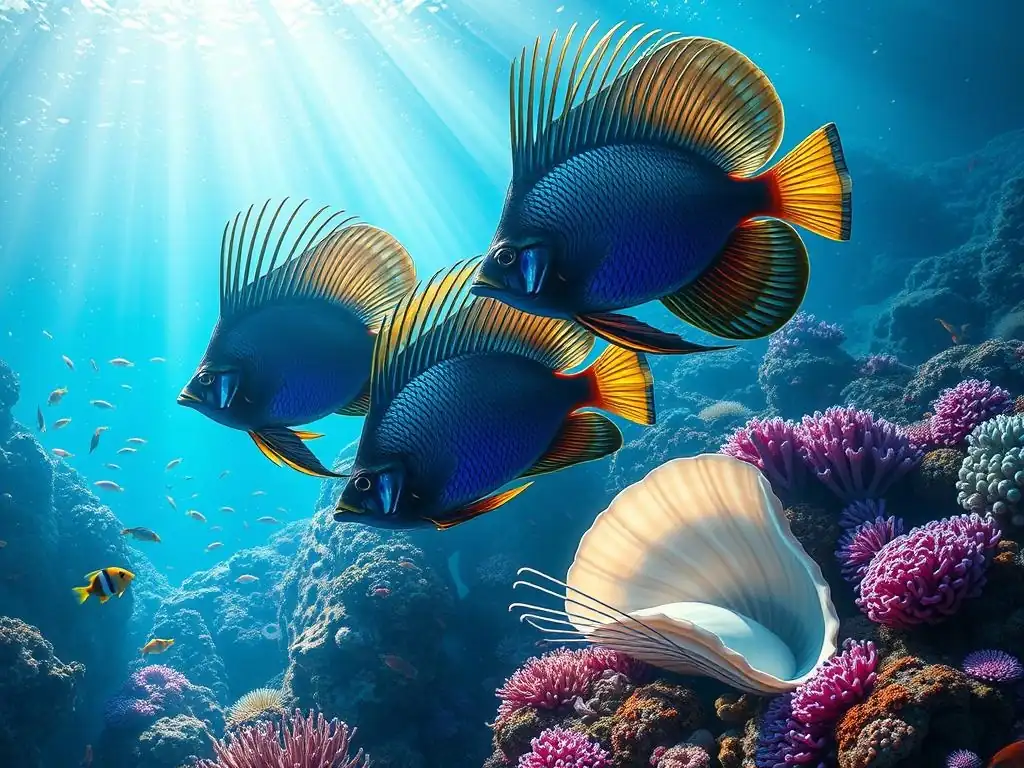
Cyprichromis leptosoma, commonly known as the Featherfin Cichlid, stands out as a true gem among Lake Tanganyika's diverse cichlid population. Originating from the open waters and rocky shores of this ancient African rift lake, these fish are celebrated for their elegant, torpedo-shaped bodies, striking coloration, and unique schooling behavior. Unlike many other cichlids that are strictly territorial rock-dwellers, Cyprichromis leptosoma spend much of their lives in the water column, forming shimmering schools that are a breathtaking sight in a well-maintained aquarium.
The primary appeal of these fish, particularly the males, lies in their spectacular display behaviors. During courtship or territorial disputes, male Cyprichromis leptosoma transform, exhibiting intensified colors and dramatically flaring their elongated fins, which resemble delicate feathers – hence their common name. These elaborate performances are not merely aesthetic; they are complex forms of communication, signaling health, dominance, and reproductive readiness. For aquarists, observing these male featherfin displays explained in their full glory is a rewarding experience, offering a glimpse into the intricate social dynamics of these fascinating fish.
Why Understanding Displays is Crucial for Aquarists
For any dedicated aquarist aiming to successfully keep and potentially breed Cyprichromis leptosoma, a deep understanding of their display behaviors is absolutely crucial. These displays serve as vital indicators of a fish's overall health, stress levels, and social standing within the group. A vibrant, active male performing consistent displays often signifies a healthy, well-adjusted fish in optimal conditions, whereas subdued colors or absent displays can be early warnings of stress, illness, or unsuitable environmental parameters.
Furthermore, comprehending these displays is key to facilitating natural breeding behaviors. The intricate courtship rituals, heavily reliant on the male's performance, are essential precursors to spawning. By recognizing and responding to these signals, aquarists can fine-tune their tank setup and husbandry practices, encouraging successful reproduction and ensuring the well-being of their colony. This insight allows for proactive management, preventing potential aggression among males or ensuring females are receptive, ultimately leading to a more harmonious and productive aquarium environment where male featherfin displays explained are a regular occurrence.
Decoding the Male Cyprochromis leptosoma Display: A Visual Guide
Fin Anatomy and Display Variations
The fins of male Cyprichromis leptosoma are perhaps their most distinctive feature, especially the elongated ventral (pelvic) and dorsal fins. These fins are not just for swimming; they are highly specialized instruments for communication during displays. When a male is in a non-display state, these fins are typically folded or held close to the body, appearing somewhat understated. However, during a display, they are dramatically flared outwards, often extending well beyond the body, creating an impressive silhouette that exaggerates the fish's size and presence.
The specific way these fins are flared can vary depending on the context of the display. During courtship, the male might fan his ventral fins widely while quivering his body, drawing the female's attention to his vibrant colors. In contrast, during a territorial dispute with another male, the dorsal fin might be fully extended and rigid, often accompanied by parallel swimming or head-standing, acting as a visual deterrent. These subtle variations in fin posture are critical components of the complex male featherfin displays explained, conveying different messages to potential mates or rivals.
Coloration Changes During Display: What They Signify
One of the most captivating aspects of Cyprichromis leptosoma displays is the rapid and dramatic intensification of their coloration. While typically possessing iridescent blues, yellows, and blacks, a displaying male's colors become incredibly vivid, almost glowing. For instance, the characteristic yellow dorsal fin of some varieties, such as Cyprichromis leptosoma "Kitumba," will become an intense, almost fluorescent yellow, while the blue body shimmer intensifies to a brilliant azure. These color changes are facilitated by specialized pigment cells called chromatophores, which can expand or contract to reveal or hide underlying colors.
These vibrant color shifts serve as a powerful signal of the male's health, genetic quality, and readiness to breed. A male capable of sustaining intense coloration during prolonged displays is communicating his superior fitness to observing females. Conversely, dull or muted colors during a display can indicate stress, illness, or a subordinate status, making the male less appealing to potential mates. The precise patterns and hues, such as the prominent black banding that may appear or disappear, are all part of the intricate language embedded within these male featherfin displays explained.
Body Posturing and Movement: Key Components of the Display
Beyond fin flaring and color changes, the physical posturing and dynamic movements of male Cyprichromis leptosoma are integral to their display repertoire. A common posture involves the male orienting himself head-down, almost vertically, while rapidly vibrating his body – a behavior often referred to as "shivering" or "quivering." This posture, combined with fully flared fins, is a strong indicator of courtship intent, drawing the female's attention to his ventral area where spawning might occur.
Other movements include rapid bursts of swimming, often in a circular pattern around a female or a perceived territorial boundary. Males may also engage in parallel swimming with rivals, where two males swim side-by-side, mirroring each other's movements while flaring their fins, in an attempt to intimidate without direct physical contact. The combination of these specific postures and fluid movements creates a sophisticated visual spectacle, allowing the male to communicate his intentions and status effectively. These dynamic elements are what truly bring the male featherfin displays explained to life in the aquarium.
The Purpose Behind the Performance: Why Cyprochromis leptosoma Display
Attracting Females: The Primary Goal of Male Displays
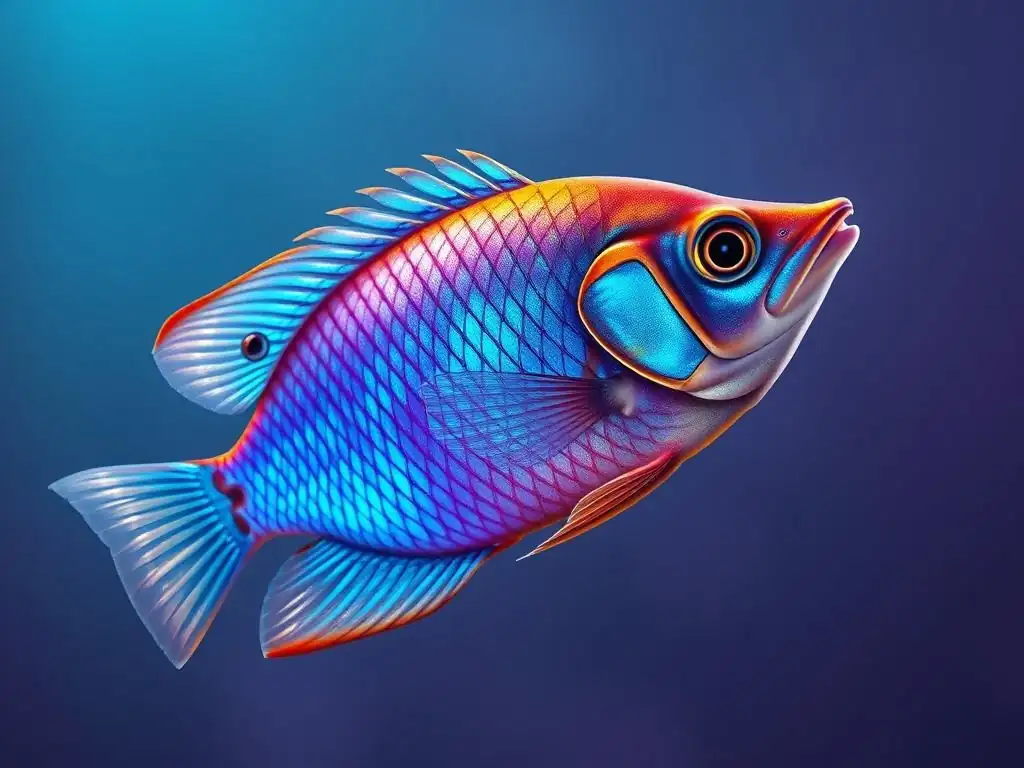
The most fundamental purpose behind the elaborate displays of male Cyprichromis leptosoma is to attract and entice females for spawning. In their natural open-water habitat of Lake Tanganyika, where visual cues are paramount, a male's ability to perform a vibrant and sustained display is a direct advertisement of his genetic fitness and vigor. Females observe these performances closely, evaluating the intensity of colors, the robustness of fin flaring, and the energy of the movements to select the most suitable mate.
This visual courtship is an energy-intensive endeavor. A male must be in peak physical condition to maintain the brilliant coloration and constant flaring required to impress a discerning female. The more impressive and sustained the display, the higher the perceived quality of the male, increasing his chances of reproductive success. This natural selection pressure has driven the evolution of these spectacular male featherfin displays explained, making them a central part of the species' reproductive strategy.
Establishing Territory: Defending Resources and Dominance
While Cyprichromis leptosoma are pelagic (open-water) cichlids, males do establish temporary, often fluid, spawning territories within the water column or around specific rocky outcrops. These territories are not fixed like those of many substrate-dwelling cichlids but are crucial for securing a safe space for spawning. Displays are extensively used to delineate these temporary boundaries and to assert dominance over rival males, often preventing direct physical confrontation.
A dominant male's impressive display serves as a clear warning to subordinate or intruding males, signaling his intent to defend his chosen spawning area. This visual intimidation often suffices to deter rivals, maintaining a social hierarchy without the need for violent clashes. The intensity and confidence of these territorial male featherfin displays explained are directly correlated with the male's hierarchical status, with the most dominant males exhibiting the most pronounced and frequent displays.
Signaling Fitness: Demonstrating Health and Genetic Quality
Beyond attracting females and establishing territory, the entirety of a male Cyprichromis leptosoma's display serves as a comprehensive signal of his overall fitness. Vibrant, intense coloration indicates a healthy diet and robust physiological condition, as the production of these pigments requires significant energy and nutrient intake. The ability to perform energetic and sustained fin flaring and body movements demonstrates physical strength, endurance, and freedom from disease or parasites.
Females are acutely aware of these subtle cues. A male that can maintain an impressive display, even when faced with competition or environmental stressors, is perceived as having superior genes that would benefit his offspring. This intricate signaling system ensures that the strongest, healthiest, and most adaptable males are chosen for reproduction, contributing to the overall health and resilience of the Cyprichromis leptosoma population. Therefore, understanding these fitness signals is key to fully appreciating the complexity of male featherfin displays explained.
Cyprochromis leptosoma Display Behavior: A Deeper Dive
Display Frequency and Intensity: Factors That Influence the Show
The frequency and intensity of male Cyprichromis leptosoma displays are not constant; they are influenced by a myriad of environmental and social factors. Optimal water parameters, including a stable pH of 7.8-9.0 and a temperature range of 24-27°C (75-80°F), are crucial, as deviations can significantly reduce display activity. Lighting also plays a role; a consistent photoperiod (e.g., 10-12 hours) and appropriate light intensity can stimulate displays, mimicking natural conditions. The presence of receptive females is perhaps the strongest external trigger, prompting males to initiate courtship rituals.
Internally, a male's age, nutritional status, and hierarchical position within the colony profoundly affect his display prowess. Mature males (typically over 1.5 years old) are generally more active in displaying than younger individuals. A diet rich in high-quality protein and color-enhancing foods directly contributes to the vibrancy of their colors and their energy levels. Dominant males, secure in their social standing, tend to display more frequently and with greater intensity, while subordinate males might only display sporadically or in less prominent ways, highlighting the nuanced aspects of male featherfin displays explained.
Interactions with Other Males: Display Escalation and Conflict
Within a Cyprichromis leptosoma colony, a clear social hierarchy often exists among males, maintained largely through visual displays rather than constant physical aggression. When two males challenge each other, the display behavior typically escalates in stages. Initially, they might engage in parallel swimming, positioning themselves side-by-side to assess each other's size and fin-flaring capabilities. This is often followed by a more intense display involving head-standing, rapid body quivering, and full fin extension, aiming to appear larger and more formidable.
If these visual threats are insufficient to resolve the dispute, physical confrontation can occur, though it is usually brief and rarely results in serious injury in a spacious aquarium. This might involve chasing, nipping, or rapid circling. However, the elaborate visual male featherfin displays explained are primarily designed to prevent such direct conflict, allowing males to establish and maintain dominance with minimal energy expenditure and risk of injury. Providing ample swimming space and a good male-to-female ratio (e.g., 1 male to 3-4 females) helps diffuse aggression and encourages healthy display behaviors.
Interactions with Females: Courtship Rituals and Mate Selection
The interaction between a displaying male and a female Cyprichromis leptosoma culminates in a fascinating courtship ritual. When a male is ready to spawn, he intensifies his colors and fully flares his fins, approaching a receptive female with a series of rapid, jerky movements or a "shivering" dance. He will typically attempt to lead the female to a preferred spawning site, which could be a specific spot in the open water column, near a rock crevice, or even over a flat rock surface.
The female's response dictates the progression of the courtship. If she is receptive, she will follow the male, often mirroring his movements or hovering near his chosen site. The male may continue his display, circling her and showcasing his vibrant colors and flared fins, signaling his readiness to fertilize her eggs.
If the female is not interested, she will simply swim away, and the male will typically cease his display towards her and seek out another potential mate. This selective process, driven by the female's assessment of the male featherfin displays explained, ensures that only the most impressive and fit males get to reproduce.
Recreating the Ideal Environment for Cyprochromis leptosoma Displays in Your Aquarium
Tank Size and Aquascaping: Providing Ample Space and Open Water
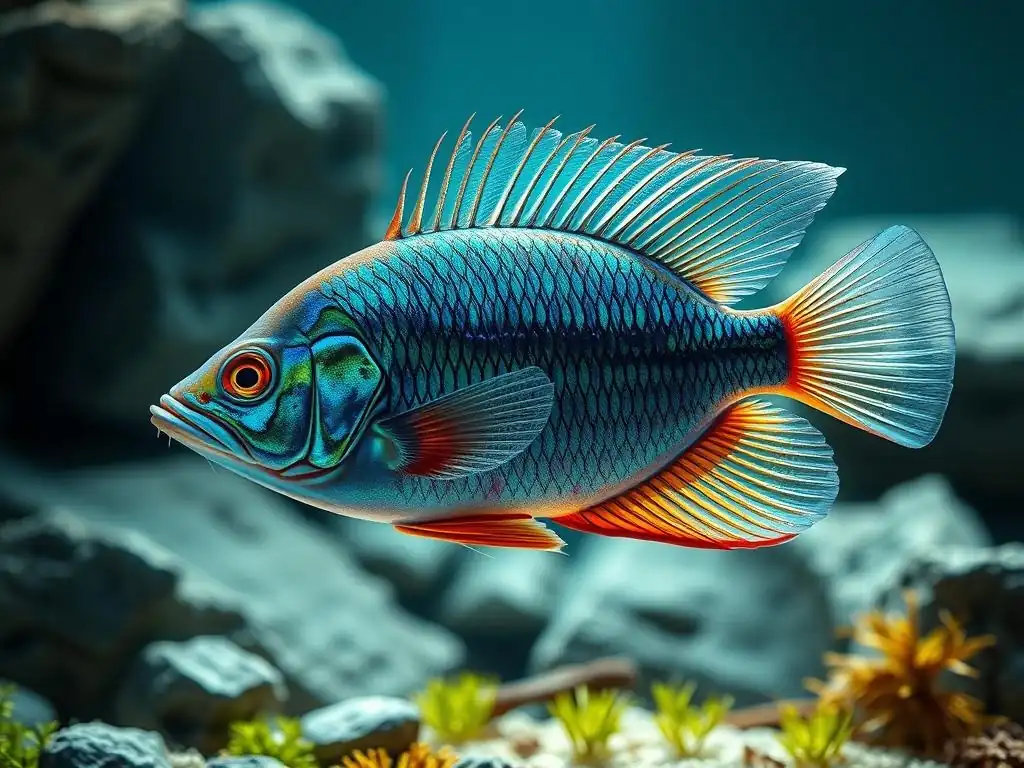
To truly appreciate and encourage the natural display behaviors of Cyprichromis leptosoma, providing an appropriately sized aquarium with ample open swimming space is paramount. For a small colony of 6-8 individuals, a tank of at least 55-75 gallons (approximately 200-280 liters) with a minimum length of 4 feet (about 120 cm) is recommended. Larger tanks, such as 125 gallons (470 liters) or more, are ideal for larger groups, allowing multiple males to establish temporary territories without excessive conflict. The generous footprint allows for long swimming runs, essential for their schooling and display patterns.
Aquascaping for Cyprichromis leptosoma should prioritize open water. While they appreciate some vertical rock structures or tall decor that reach near the surface, these should not impede their ability to swim freely across the tank. Tall, slender rock formations or even PVC pipes can be used to create vertical interest and potential spawning sites, but the majority of the tank should remain unobstructed. This setup mimics their natural pelagic habitat and reduces stress, leading to more frequent and vibrant male featherfin displays explained.
Water Parameters: Maintaining Optimal Conditions for Breeding and Display
Maintaining stable and optimal water parameters is critical for the health and display activity of Cyprichromis leptosoma. These fish thrive in hard, alkaline water, reflecting their Lake Tanganyika origins. The ideal pH range is typically 7.8-9.0, with a general hardness (GH) between 10-20 dGH. The water temperature should be kept consistently between 24-27°C (75-80°F). Fluctuations in these parameters can cause significant stress, leading to subdued colors and a reduction in display behaviors.
Beyond these specific ranges, excellent water quality is non-negotiable. Regular partial water changes (e.g., 25-30% weekly) are essential to keep nitrate levels low and replenish vital minerals. A robust filtration system, including mechanical, biological, and chemical filtration, is highly recommended to maintain pristine conditions. Pristine, stable water directly contributes to the fish's overall health, vibrancy, and willingness to perform the elaborate male featherfin displays explained.
Choosing Tank Mates: Minimizing Stress and Competition
Careful selection of tank mates is crucial to ensure a peaceful environment that encourages natural Cyprichromis leptosoma display behaviors. Ideal companions are other peaceful Tanganyikan cichlids that occupy different ecological niches within the aquarium, thus minimizing direct competition for space or food. Good choices include shell-dwelling cichlids like Neolamprologus multifasciatus or Lamprologus ocellatus, or smaller rock-dwelling species such as Julidochromis species. Avoid highly aggressive or overly boisterous fish that might intimidate or outcompete the more delicate Cyprichromis leptosoma.
It is also important to consider the social structure within the Cyprichromis leptosoma group itself. Keeping them in a colony with a higher ratio of females to males (e.g., 1 male to 3-4 females) helps to disperse any potential male aggression and reduces stress on individual females. A well-balanced group will exhibit more natural schooling behaviors and more frequent, confident male featherfin displays explained, as males are less stressed by constant challenges from rivals and have ample opportunities to court females.
Common Misinterpretations of Male Cyprochromis leptosoma Display Behavior
Mistaking Aggression for Courtship: Identifying the Subtle Differences
One common misinterpretation among aquarists is confusing aggressive displays between males with courtship behaviors directed at females. While both involve fin flaring, color intensification, and dynamic movements, the context and subtle nuances differ significantly. Aggressive displays are typically directed at other males, often involving parallel swimming, rapid charges, or attempts to dominate a specific area. The intent is to intimidate or chase away a rival, and the body language is more rigid and confrontational.
Courtship displays, in contrast, are aimed at females and, while energetic, are more inviting. The male will often lead the female, perform "shivering" dances, or circle her in a more fluid, enticing manner. Although he may appear intense, there is less direct physical threat. Observing the target of the display (another male vs. a female) and the specific body language (chasing vs. leading) is key to accurately interpreting these male featherfin displays explained and understanding the social dynamics within your tank.
Ignoring Display Signals: The Consequences of Inattentiveness
Ignoring the display signals of Cyprichromis leptosoma can have detrimental consequences for the fish's health and the overall tank environment. If a male is constantly displaying aggression towards a specific individual or group, and this behavior is not addressed (e.g., by adjusting stocking, adding more space, or rearranging decor), it can lead to chronic stress for the bullied fish, potentially resulting in weakened immune systems, fin nipping, or even death. Similarly, if males are displaying vigorously but females are constantly rejecting them, it might indicate sub-optimal breeding conditions or an imbalanced male-to-female ratio.
Displays are a primary form of communication for these fish, reflecting their well-being and social interactions. Inattentiveness to these signals means missing crucial cues about stress, illness, or readiness to breed. A lack of displays in a mature male, for example, could signal poor water quality, inadequate nutrition, or an unsuitable environment. Proactive observation and interpretation of these male featherfin displays explained allow aquarists to intervene early, preventing problems and fostering a thriving aquatic ecosystem.
Overcrowding and its Impact on Display Behavior
Overcrowding is a significant stressor for Cyprichromis leptosoma and has a profoundly negative impact on their natural display behaviors. In an overcrowded tank, the limited space means males cannot establish temporary territories effectively, leading to constant low-level aggression or outright conflict. This chronic stress results in subdued coloration, reduced fin flaring, and a general lack of the vibrant displays that make these fish so appealing. Instead of engaging in elaborate courtship, males may become lethargic or constantly attempt to avoid confrontation.
Beyond inhibiting displays, overcrowding leads to poor water quality due to increased bioload, contributing to further stress and susceptibility to disease. It also prevents natural schooling behavior, which is essential for the species' well-being. Ultimately, an overcrowded environment suppresses the very behaviors that define Cyprichromis leptosoma, turning what should be a dynamic, colorful display into a stressful, muted existence. Adequate space is therefore fundamental to observing robust male featherfin displays explained.
Enhancing Cyprochromis leptosoma Displays in Captivity: Tips and Techniques
Optimizing Lighting and Water Flow: Creating a Natural Environment
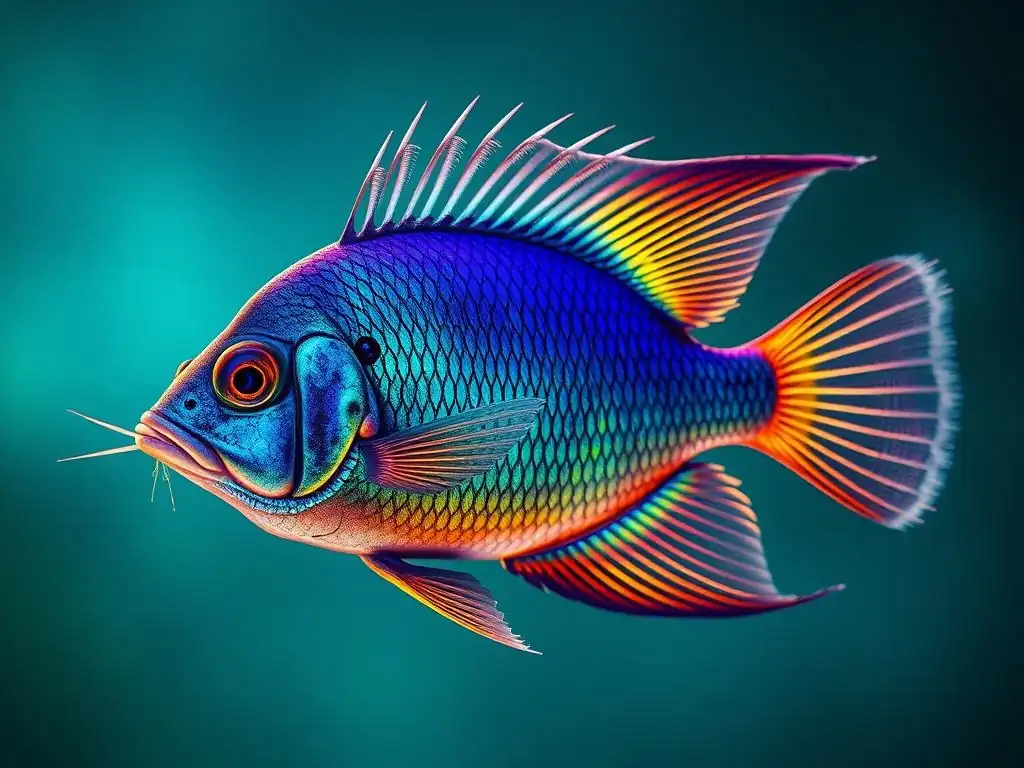
Optimizing lighting and water flow can significantly enhance the frequency and intensity of Cyprichromis leptosoma displays, mimicking their natural Lake Tanganyika habitat. For lighting, a moderate to bright intensity with a consistent photoperiod of 10-12 hours is ideal. Many aquarists find that LED lights with a higher blue spectrum can particularly enhance the iridescent blues and yellows of these fish, making their display colors even more striking. Avoid overly dim or excessively bright lighting, which can stress the fish.
Water flow is another crucial, often overlooked, aspect. As open-water dwellers, Cyprichromis leptosoma are accustomed to currents. Installing powerheads or ensuring adequate filtration outflow creates gentle to moderate water movement throughout the tank, particularly in the open water column. This encourages active swimming, strengthens the fish, and provides a dynamic environment that stimulates natural behaviors, including the energetic male featherfin displays explained. Ensure the flow is not so strong as to push the fish around but provides a gentle current to swim against.
Providing a Varied Diet: Supporting Health and Vibrant Colors
A high-quality, varied diet is paramount for the overall health of Cyprichromis leptosoma and directly contributes to their vibrant coloration and energetic displays. Their natural diet consists primarily of zooplankton, so a protein-rich diet is essential. Offer a mix of high-quality flake foods and sinking pellets specifically formulated for cichlids, ideally with added spirulina or other color-enhancing ingredients. Supplement this with frozen or live foods such as mysis shrimp, brine shrimp, daphnia, and cyclops.
Feeding small amounts multiple times a day (2-3 times) is preferable to one large feeding, as this mimics their natural grazing behavior and reduces water pollution. A well-fed fish will have the necessary energy reserves to perform vigorous and sustained displays, and the proper nutrients will ensure the development of intense, brilliant colors. A dull or faded appearance is often a sign of nutritional deficiency, directly impacting the quality of their male featherfin displays explained.
Gentle Water Changes to Stimulate Spawning
Regular, gentle water changes are not only vital for maintaining pristine water quality but can also act as a powerful stimulus for spawning and, consequently, more intense male displays. Performing weekly water changes of 20-30% with water that is slightly cooler than the tank temperature (e.g., 1-2°C cooler) can mimic natural rain events or seasonal shifts in Lake Tanganyika, signaling favorable conditions for reproduction. This slight temperature drop, followed by the return to stable temperatures, often triggers breeding activity.
The introduction of fresh, clean water also removes accumulated nitrates and replenishes essential trace elements, further contributing to the overall health and vitality of the fish. Healthy, unstressed fish are far more likely to engage in natural breeding behaviors and exhibit their full range of display capabilities. This simple husbandry practice, when performed consistently, can significantly enhance the frequency and vibrancy of male featherfin displays explained in your home aquarium.
Conclusion: Appreciating the Complexity of Male Cyprochromis leptosoma Displays
The Importance of Observation and Understanding
The elaborate displays of male Cyprichromis leptosoma are far more than just pretty fins; they are a complex language of communication, essential for their survival, social structure, and reproductive success. For the aquarist, detailed observation and a deep understanding of these behaviors are not merely fascinating but are crucial for providing optimal care. By recognizing the subtle cues of fin flaring, color changes, and body posturing, aquarists gain invaluable insights into their fish's health, stress levels, social dynamics, and readiness to breed.
This continuous process of observation and interpretation allows aquarists to fine-tune their tank environment, address potential issues like aggression or stress, and foster a truly natural and thriving habitat. It transforms the act of keeping fish from a mere hobby into an engaging scientific endeavor, where the intricate lives of these Tanganyikan treasures unfold before your eyes. The ability to decipher these male featherfin displays explained is a hallmark of a truly skilled and dedicated aquarist.
Further Resources for Cyprochromis leptosoma Enthusiasts
For those captivated by the beauty and complexity of Cyprichromis leptosoma displays and eager to deepen their knowledge, a wealth of resources exists beyond this article. Engaging with specialized online forums and communities dedicated to Tanganyikan cichlids can provide access to collective wisdom, shared experiences, and troubleshooting tips from seasoned aquarists worldwide. Websites and books focusing on Lake Tanganyika's cichlid species offer in-depth information on their natural history, behavior, and specific care requirements.
Furthermore, exploring academic papers and scientific studies on cichlid ethology can provide a more profound understanding of the biological underpinnings of these fascinating displays. Continuous learning and sharing of observations are key to mastering the art of keeping these magnificent fish. By embracing these resources, enthusiasts can continue to unravel the subtle nuances of male featherfin displays explained, ensuring their Cyprichromis leptosoma thrive and continue to enchant with their breathtaking performances.
Frequently Asked Questions
What are the primary reasons a male featherfin catfish will engage in display behavior?
Male featherfin catfish display primarily to attract potential mates and to establish dominance within their territory. These displays are often intensified during breeding season.
How can I differentiate between a healthy display and a sign of stress in my male featherfin?
Healthy displays involve vibrant colors, erect fins, and controlled movements. Stress displays may include clamped fins, erratic swimming, and loss of color.
What are some key environmental factors that can influence the frequency and intensity of male featherfin displays?
Water parameters like temperature and pH, the presence of other males, and the availability of suitable hiding places can all significantly affect display behavior. Ideal conditions encourage more natural displays.
What should I do if my male featherfin's displays become overly aggressive or harmful to other tank inhabitants?
If displays escalate into aggression, consider increasing tank size, adding more hiding spots, or, as a last resort, separating the aggressive fish. Monitor water parameters closely as well.
Are there specific tank mates that are more likely to trigger display behavior in male featherfin catfish?
The presence of other male featherfins or similar-looking species will almost certainly trigger displays. Avoid overcrowding and select compatible tank mates that won't compete for resources or territory.
Okay, here's a final reflection designed to close your article, "Understanding Male Featherfin Displays: More Than Just Pretty Fins," optimized for the keyword "Male featherfin displays explained," and following the structure you outlined:
Final Reflection: Decoding the Language of the Fins
The intricacies of male featherfin displays, as we've explored, are far more than just aesthetic flourishes. Understanding these displays is crucial for appreciating the complex social dynamics and evolutionary pressures shaping these fascinating fish. In a world increasingly focused on biodiversity and conservation, recognizing the subtle cues within animal communication becomes paramount for effective management and preservation efforts.
The study of these displays has profoundly influenced, and continues to influence, our understanding of animal behavior and communication. It reminds us that even seemingly simple creatures possess sophisticated systems for conveying information, competing for mates, and establishing dominance. The beauty of nature lies not just in its visual appeal, but in the intricate stories it tells through every gesture, every color, and every display.
This quote underscores the importance of looking beyond the surface and delving into the deeper meanings behind animal behavior.
Now, as you reflect on the elegance and complexity of male featherfin displays, consider how these lessons can be applied to your own observations of the natural world. Let the dedication to understanding these subtle signals inspire you to look closer, listen more intently, and appreciate the intricate web of life that surrounds us. By fostering a deeper understanding of the natural world, we can all contribute to its preservation and ensure that future generations can marvel at the beauty and complexity of creatures like the featherfin.
Ignite Your Aquarium Passion: Transform Your Tank Today!
Thanks for diving into the captivating world of Male Featherfin displays! We hope you've gained a deeper appreciation for these intricate behaviors and the fascinating dynamics within your aquarium. Now, let's turn that knowledge into action and enrich your aquatic world.
Here's how you can further explore and enhance your experience:
- Prioritize Observing: Dedicate at least 15 minutes daily to simply observe your Featherfin, noticing subtle changes in their displays and interactions. This is crucial for understanding their well-being and tank dynamics.
- Document Your Findings: Start a small journal or use a note-taking app to record your observations. Note the frequency, intensity, and context of the fin displays.
- Share Your Discoveries: Post photos or videos of your Featherfin displays on aquarium forums or social media, using the hashtag #AquariumMastery. Let's learn from each other's experiences!
What fascinating Featherfin display did you observe last in your tank, and what do you think it meant?