
LNumber Plecos Explained: A Beginner's Guide to These Unique Catfish

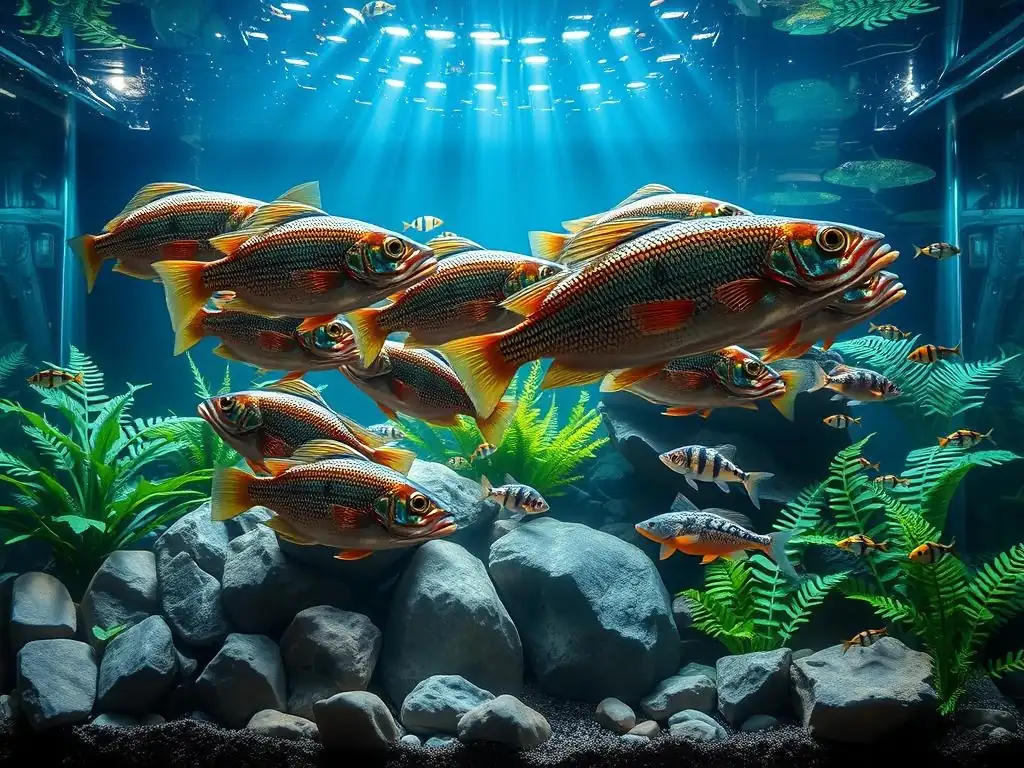
Welcome to Aquarium Mastery! Ever been captivated by those intriguing, armored catfish lurking in the shadows of freshwater tanks? Plecos, with their unique patterns and algae-eating abilities, are a popular choice, but understanding their specific needs is crucial. Dive into our comprehensive guide, " LNumber Plecos Explained: A Beginner's Guide to These Unique Catfish," and unlock the secrets to successful Pleco care for beginners. Get ready to transform your aquarium and provide the perfect habitat for these fascinating creatures!
- Introduction to LNumber Plecos for Beginners
- Essential Pleco Care for Beginners: Setting Up the Ideal Habitat
- LNumber Pleco Diet and Feeding Guide for Beginners
- Popular LNumber Pleco Species for Beginner Aquarists
- Maintaining a Healthy LNumber Pleco Aquarium: Beginner's Tips
- Breeding LNumber Plecos: An Advanced Guide (Optional for Beginners)
- Troubleshooting Common LNumber Pleco Problems for Beginners
- Choosing the Right Tank Mates for Your LNumber Plecos: A Beginner's Guide
- Conclusion: Mastering LNumber Pleco Care for a Thriving Aquarium
- Frequently Asked Questions
- Final Reflection: Unveiling the Mysteries of the LNumber Pleco
- Dive Deeper: Embrace the L-Number Pleco World!
Introduction to LNumber Plecos for Beginners
What are LNumber Plecos? Understanding the Basics
L-number plecos refer to a classification system used to identify undescribed species of catfish, predominantly from the family Loricariidae, often referred to as armored catfish or plecos. The "L" stands for Loricariidae, and the accompanying number is assigned by the German aquarium magazine DATZ (Die Aquarien- und Terrarien Zeitschrift) as a temporary designation. This system was introduced in the late 1980s to provide a common reference for hobbyists and scientists alike, allowing for precise identification and discussion of newly imported or discovered species before they receive formal scientific names.
This numbering system highlights the immense biodiversity of South American catfish, encompassing a vast array of species with unique characteristics. From the tiny, algae-grazing Otocinclus species to the large, wood-eating Panaque varieties, L-numbers cover a spectrum of sizes, colors, patterns, and behaviors. Each L-number represents a distinct species or population, and understanding this classification is fundamental for proper Pleco care for beginners, as their specific needs can vary dramatically from one L-number to another.
Why Choose LNumber Plecos for Your Aquarium?
L-number plecos offer a compelling addition to any freshwater aquarium due to their striking aesthetics and unique behaviors. Unlike the often drab common pleco, many L-number species boast vibrant colors, intricate patterns, and distinctive body shapes, such as the black and white stripes of the L046 Zebra Pleco or the iridescent spots of the L018 Gold Nugget Pleco. Their often nocturnal habits provide a fascinating glimpse into the underwater world as they emerge to forage, showcasing a dynamic element rarely seen during daylight hours.
Beyond their visual appeal, many L-number plecos can play a beneficial role in maintaining aquarium health. While not all are primary algae eaters, many species consume biofilm, detritus, or specific types of algae, contributing to a cleaner tank environment. They occupy the bottom stratum of the aquarium, filling a unique ecological niche that complements other fish species. Their specialized feeding habits and often peaceful demeanor make them excellent candidates for community tanks, provided their specific requirements for Pleco care for beginners are met.
LNumber Plecos vs. Common Plecos: Key Differences for New Aquarists
One of the most significant distinctions between L-number plecos and common plecos (such as Hypostomus plecostomus or Pterygoplichthys species) lies in their mature size and longevity. Common plecos are notorious for their potential to grow exceptionally large, often reaching lengths of 30 cm (12 inches) within a year and sometimes exceeding 60 cm (24 inches) over their lifespan, which can be 10-15 years.
This rapid growth necessitates very large aquariums, often hundreds of liters, making them unsuitable for most home setups. In contrast, many popular L-number plecos remain much smaller; for instance, the L144 Lemon Bristlenose typically grows to about 10-15 cm (4-6 inches), comfortably fitting into tanks as small as 75-150 liters (20-40 gallons).
Furthermore, the specific care and dietary needs of L-number plecos are often far more nuanced than those of common plecos. Common plecos are generally hardy and adaptable, tolerating a wide range of water conditions and diets.
L-number plecos, however, frequently require precise water parameters (e.g., specific pH ranges from 5.5 to 7.5, temperatures between 24°C and 30°C depending on species), specialized diets (some are primarily carnivorous, others omnivorous, and some, like Panaque species, are obligate wood-eaters), and specific décor elements like driftwood or rock caves. Neglecting these precise requirements can lead to stress, poor health, and a significantly shortened lifespan, highlighting why tailored Pleco care for beginners is crucial for L-numbers.
Essential Pleco Care for Beginners: Setting Up the Ideal Habitat
Aquarium Size Requirements for LNumber Plecos: How Big is Big Enough?
Determining the appropriate aquarium size for L-number plecos is paramount for their health and well-being, and it largely depends on the specific species chosen. While a common pleco might require a 400-liter (100-gallon) tank or larger, many L-number species are much more manageable. For instance, smaller bristlenose varieties like the L144 Lemon Bristlenose, which reach about 10-15 cm (4-6 inches), can thrive in aquariums starting from 75 liters (20 gallons). However, to provide ample swimming space, territory, and stable water parameters, a 110-liter (30-gallon) tank is often recommended as a good minimum for these smaller species.
For medium-sized L-numbers, such as the L201 Orinoco Angel Pleco or certain Peckoltia species that grow to 15-20 cm (6-8 inches), a tank of at least 190-280 liters (50-75 gallons) is more suitable. These species appreciate more horizontal space for foraging and establishing territories. Larger L-numbers, such as some Hypancistrus or Panaque species that can exceed 20 cm (8 inches), will require significantly larger setups, often 380 liters (100 gallons) or more. Always research the maximum adult size of your chosen L-number before purchasing to ensure you can provide adequate space for proper Pleco care for beginners.
Water Parameters for LNumber Plecos: Achieving the Perfect Chemistry
Maintaining stable and appropriate water parameters is critical for the long-term health of L-number plecos, as they are often more sensitive to fluctuations than common species. Most L-numbers originate from South American rivers, which typically feature soft, acidic to neutral water. A general guideline for many species is a pH range between 6.0 and 7.5, with a hardness (GH) of 2-10 dGH. However, some specialized species, particularly those from blackwater environments, may prefer more acidic conditions (pH 5.5-6.5), while others from rocky, clearwater rivers might tolerate slightly higher pH.
Temperature is another vital factor, with most L-number plecos thriving in warmer waters ranging from 24°C to 29°C (75°F to 84°F). Specific species, such as the L046 Zebra Pleco, prefer temperatures on the higher end of this spectrum, around 28-30°C (82-86°F), to mimic their natural habitat. It is crucial to research the exact requirements for your chosen L-number. Regular testing of pH, GH, KH, ammonia, nitrite, and nitrate levels using reliable test kits is essential to ensure these parameters remain stable and within the optimal range for effective Pleco care for beginners.
Substrate and Decor: Creating a Pleco-Friendly Environment
The choice of substrate and decor is fundamental to creating a comfortable and secure environment for L-number plecos. A soft, fine-grained substrate like sand or very fine gravel is highly recommended. This allows plecos to sift through the substrate safely without damaging their delicate barbels, which they use for foraging. Coarse or sharp gravel can cause injuries, leading to infections. A depth of at least 5-7 cm (2-3 inches) is beneficial, especially for species that like to dig or burrow slightly.
Crucially, L-number plecos require ample hiding spots and territories to feel secure and reduce stress. This means incorporating plenty of driftwood, rocks, and caves. Driftwood is particularly important for many species, not just as a hiding place but also as a source of lignin and cellulose, which aid digestion for wood-eating plecos like Panaque species.
Ceramic or PVC caves, particularly those with appropriately sized openings, provide excellent retreats. For species that prefer to graze on surfaces, smooth river stones or flat slates can also be beneficial. Providing multiple hiding spots ensures that each pleco can claim its own territory, which is key for successful Pleco care for beginners.
Filtration and Aeration: Keeping Your Pleco's Tank Healthy
Effective filtration and aeration are non-negotiable components of a healthy L-number pleco aquarium, as these fish are sensitive to poor water quality. A robust filtration system is essential to handle the bioload, especially since plecos, despite their bottom-dwelling nature, can produce a significant amount of waste. Canister filters are often preferred for larger tanks due to their superior mechanical, chemical, and biological filtration capabilities, providing excellent water clarity and removing harmful nitrogenous compounds. For smaller tanks, hang-on-back (HOB) filters can be sufficient, provided they offer adequate flow and media capacity.
In addition to filtration, strong aeration is vital. Many L-number plecos originate from fast-flowing, oxygen-rich rivers, and they require high levels of dissolved oxygen in their tank water. This can be achieved through air stones, sponge filters (which provide both filtration and aeration), or ensuring the filter output creates good surface agitation. Adequate water movement also helps distribute oxygen and keep detritus suspended for filtration. Maintaining high oxygen levels and pristine water quality through effective filtration and aeration is a cornerstone of responsible Pleco care for beginners.
LNumber Pleco Diet and Feeding Guide for Beginners
What Do LNumber Plecos Eat? Natural Diet and Supplementation
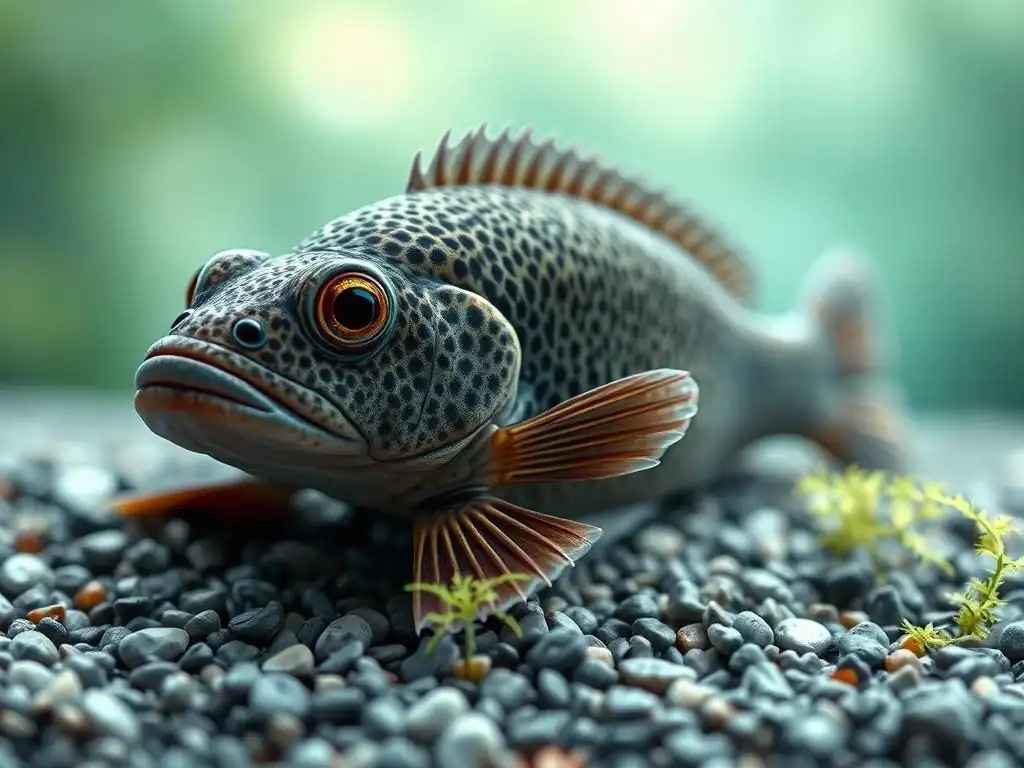
The natural diet of L-number plecos is remarkably diverse and varies significantly between species, reflecting their specialized adaptations in the wild. Many are detritivores, feeding on decaying organic matter, biofilm, and micro-organisms found on submerged surfaces. Others are primarily herbivorous, grazing on algae and plant matter. A significant group, notably species within the genus Panaque, are xylophagous, meaning they primarily consume wood, utilizing specialized gut bacteria to digest cellulose. There are also carnivorous or omnivorous L-numbers, such as many Hypancistrus species, which prey on small invertebrates and insect larvae.
Given this dietary diversity, it is crucial for aquarists to research the specific dietary needs of their chosen L-number pleco. While some may consume algae wafers as a primary food source, others will require a more varied diet to thrive. Supplementation with fresh vegetables like blanched zucchini, cucumber, or romaine lettuce is beneficial for herbivorous and omnivorous species. Carnivorous types will need protein-rich foods such as bloodworms, brine shrimp, and high-quality sinking pellets. Understanding these distinctions is fundamental for effective Pleco care for beginners, ensuring your fish receives the proper nutrition.
Best Foods for LNumber Plecos: A Beginner's Shopping List
For the beginner aquarist keeping L-number plecos, assembling a varied and appropriate food selection is key. For most common L-number species (like Bristlenose plecos), high-quality sinking algae wafers or spirulina pellets should form the staple of their diet. Look for brands that list algae, spirulina, and various plant matter as primary ingredients. These provide essential plant-based nutrition.
Supplementing their diet with fresh vegetables is highly beneficial. Blanched zucchini slices, cucumber rounds, and shelled peas are excellent choices. Simply blanch them for a minute to soften, then sink them to the bottom of the tank using a veggie clip or a weighted item. For carnivorous or omnivorous L-numbers, frozen foods like bloodworms, brine shrimp, and mysis shrimp should be offered regularly.
Small, sinking carnivore pellets or wafers are also suitable. For wood-eating species (e.g., Panaque), providing plenty of real driftwood in the tank is essential, as they will rasp on it as a primary food source. A diverse diet is paramount for robust Pleco care for beginners.
Feeding Frequency and Amounts: Avoiding Overfeeding
Determining the correct feeding frequency and amount for L-number plecos is crucial to prevent overfeeding, which can lead to poor water quality, health issues like bloat, and uneaten food fouling the tank. As most L-numbers are nocturnal or crepuscular, it's generally best to feed them after the main tank lights have been turned off for the evening. This allows them to forage without competition from faster-moving, diurnal tank mates.
For most adult L-number plecos, feeding once a day or every other day is sufficient. Offer an amount that can be consumed within a few hours. For example, one or two algae wafers, a small piece of blanched vegetable, or a pinch of frozen food per pleco, depending on their size and species-specific dietary needs.
Monitor their behavior and body condition; a healthy pleco should have a slightly rounded belly but not appear bloated. If you notice uneaten food lingering for more than six hours, reduce the amount offered. Consistent, measured feeding is a vital aspect of successful Pleco care for beginners.
Algae Control and LNumber Plecos: A Balanced Approach
While many L-number plecos are known for their algae-eating capabilities, it's important for beginners to understand that they are not a "magic bullet" for severe algae problems. While species like Bristlenose plecos (e.g., L144) are excellent grazers of soft green algae and diatoms, they rarely consume tough black beard algae or hair algae. Furthermore, even the best algae-eating pleco will not thrive solely on tank algae in a well-maintained aquarium, as there often isn't enough natural algae to sustain them.
A balanced approach to algae control involves addressing the root causes of algae growth, such as excessive light or nutrients, rather than relying solely on plecos. This includes controlling lighting duration (8-10 hours daily), performing regular water changes, and avoiding overfeeding. L-number plecos should be viewed as part of a comprehensive algae management strategy, not the sole solution. They contribute by grazing on biofilm and softer algae, which is beneficial, but their primary role is as unique and interesting aquarium inhabitants who require a varied diet beyond just algae for optimal Pleco care for beginners.
Popular LNumber Pleco Species for Beginner Aquarists
L144 Pleco (Lemon Bristlenose): A Beginner-Friendly Choice
The L144 Pleco, commonly known as the Lemon Bristlenose Pleco, is an excellent choice for beginner aquarists due to its manageable size, hardy nature, and distinctive appearance. These plecos typically reach a maximum size of 10-15 cm (4-6 inches), making them suitable for tanks as small as 75 liters (20 gallons). Their bright yellow coloration, often with blue eyes, makes them stand out in an aquarium. Like other Bristlenose varieties, males develop prominent "bristles" or tentacles on their snouts as they mature, adding to their unique charm.
L144 Plecos are primarily herbivorous, making them efficient grazers of soft algae and diatoms, though they require supplemental feeding with algae wafers, spirulina pellets, and blanched vegetables like zucchini or cucumber. They are generally peaceful and can coexist well with most community fish that are not overly aggressive. Their adaptability to a range of water parameters (pH 6.0-7.5, temperature 23-28°C or 73-82°F) and relative ease of breeding in captivity further solidify their reputation as a top choice for those venturing into Pleco care for beginners.
L046 Zebra Pleco: Care Considerations for This Striking Species
The L046 Zebra Pleco ( Hypancistrus zebra) is arguably one of the most sought-after and visually stunning L-number plecos, characterized by its striking black and white striped pattern. While captivating, it is important to note that the L046 is not typically recommended for absolute beginners due to its specific care requirements and high cost. These plecos are relatively small, reaching about 8-10 cm (3-4 inches), and can live for 10-15 years with proper care.
Unlike many plecos, the L046 Zebra Pleco is primarily carnivorous, preferring a diet rich in protein such as bloodworms, brine shrimp, mysis shrimp, and high-quality sinking carnivore pellets. They require pristine water conditions, preferring slightly acidic to neutral pH (6.0-7.0) and warmer temperatures, ideally between 28-30°C (82-86°F). Ample hiding spots in the form of caves (especially those with small openings) are essential for their security. Due to their specific dietary and environmental needs, successful Pleco care for beginners with the L046 requires diligent research and commitment.
L201 Orinoco Angel Pleco: A Peaceful Addition to Your Tank
The L201 Orinoco Angel Pleco ( Hypancistrus sp. "Orinoco Angel") is another attractive and relatively peaceful L-number that can be a good choice for intermediate beginners, particularly those with some experience in maintaining stable water parameters. These plecos feature a dark body adorned with distinct white or yellow spots, offering a beautiful contrast. They are a medium-sized species, typically growing to about 12-15 cm (5-6 inches), making them suitable for tanks starting around 110 liters (30 gallons).
Like the Zebra Pleco, the L201 is primarily carnivorous, requiring a diet rich in protein. Offer frozen foods like bloodworms and brine shrimp, as well as high-quality sinking carnivore pellets. They thrive in clean, well-oxygenated water with a pH of 6.0-7.5 and temperatures between 25-29°C (77-84°F). Providing numerous caves and driftwood for hiding is crucial, as they are somewhat shy. Their relatively peaceful temperament allows them to be kept in community tanks with other similarly sized, non-aggressive fish, making them a rewarding species for those advancing their Pleco care for beginners skills.
L333 King Tiger Pleco: Care Requirements and Temperament
The L333 King Tiger Pleco ( Hypancistrus sp. "King Tiger") is a highly popular L-number known for its intricate labyrinthine patterns of black and white or cream, resembling a topographic map. This species typically reaches a size of 12-15 cm (5-6 inches), similar to the L201, and can be a good option for beginners who are prepared to meet its specific needs. They are native to the Rio Xingu in Brazil, an area known for its highly oxygenated, warm waters.
L333 King Tiger Plecos are primarily carnivorous, feeding on insects, crustaceans, and other small invertebrates in their natural habitat. In the aquarium, their diet should consist of high-quality sinking pellets, frozen bloodworms, brine shrimp, and mysis shrimp. They require excellent water quality with high oxygen levels, a pH range of 6.5-7.5, and temperatures between 26-30°C (79-86°F).
Ample hiding places, particularly caves, are essential as they are somewhat reclusive. Their generally peaceful nature makes them suitable for community tanks with non-aggressive fish, but their specific dietary and water requirements elevate their Pleco care for beginners to a slightly more advanced level than a Bristlenose.
Maintaining a Healthy LNumber Pleco Aquarium: Beginner's Tips
Regular Water Changes: The Key to Pleco Health
Regular water changes are arguably the single most important practice for maintaining a healthy L-number pleco aquarium. Plecos, especially larger species or those kept in smaller tanks, produce a significant bioload, contributing to the accumulation of nitrates and other dissolved organic compounds. High levels of these compounds can stress plecos, suppress their immune systems, and lead to various health issues. A consistent schedule of water changes helps dilute these harmful substances and replenishes essential minerals.
For most L-number pleco tanks, a weekly water change of 25-30% of the tank volume is recommended. However, tanks with a higher bioload or those with more sensitive species might benefit from larger or more frequent changes, such as 50% weekly or 25% twice a week. Always use a reliable water conditioner to neutralize chlorine and chloramines in tap water. Ensure the temperature of the new water matches the tank water closely to avoid temperature shock. Consistent water changes are a non-negotiable cornerstone of successful Pleco care for beginners.
Monitoring Water Parameters: Using Test Kits and Understanding Results
Regular monitoring of water parameters is crucial for proactive Pleco care for beginners, allowing aquarists to identify and correct issues before they become critical. Essential parameters to test include ammonia, nitrite, nitrate, pH, and temperature. Ammonia and nitrite should always be at 0 ppm (parts per million), as even small amounts are highly toxic to fish. Nitrate, the end product of the nitrogen cycle, should be kept below 20 ppm, ideally below 10 ppm for sensitive species.
Reliable liquid-based test kits are highly recommended over test strips for their accuracy. Test your water weekly, or more frequently if you notice any signs of stress in your plecos or after making significant changes to the tank. Understanding what each parameter means is vital:
- Ammonia: Indicates insufficient biological filtration or overfeeding.
- Nitrite: Indicates an immature filter or filter crash.
- Nitrate: Accumulates over time; managed by water changes.
- pH: Measures acidity/alkalinity; specific range is crucial for different L-numbers.
- Temperature: Needs to be stable and within the species' preferred range.
Accurate monitoring empowers you to maintain the stable, pristine environment L-number plecos require.
Identifying and Treating Common Pleco Diseases: A Beginner's Guide
While L-number plecos are generally robust when kept in optimal conditions, they can still fall victim to common freshwater fish diseases, particularly if stressed by poor water quality or improper diet. Beginners should be familiar with common ailments:
- Ich (White Spot Disease): Characterized by small, white spots resembling salt grains on the body and fins. Often caused by temperature fluctuations or stress. Treatment typically involves raising tank temperature gradually (if suitable for tank mates) and using an anti-Ich medication.
- Fin Rot: Frayed or deteriorating fins, often with a white or red edge. Caused by poor water quality or bacterial infection. Treatment involves large water changes and a broad-spectrum antibacterial medication.
- Bloat: A swollen abdomen, often accompanied by lethargy and loss of appetite. Can be caused by overfeeding, improper diet (e.g., too much protein for a herbivorous pleco), or internal bacterial infection. Early treatment may involve fasting, feeding blanched shelled peas, or using an antibiotic.
- Fungal Infections: Cotton-like growths on the body or fins. Usually a secondary infection attacking stressed or injured fish. Treat with antifungal medications.
Always diagnose carefully and treat in a separate quarantine tank if possible to avoid medicating the main display tank. Maintaining excellent water quality and a proper diet is the best preventative measure for effective Pleco care for beginners.
Quarantine Procedures for New LNumber Plecos: Preventing Disease Outbreaks
Implementing a strict quarantine procedure for all new L-number plecos is a critical step that beginner aquarists should never skip. A separate quarantine tank allows you to observe new fish for signs of disease, treat them if necessary, and acclimate them to your water parameters without risking the health of your established main tank inhabitants. This proactive measure significantly reduces the risk of introducing pathogens like Ich, Velvet, or bacterial infections into your primary display aquarium, which can be devastating.
A quarantine tank doesn't need to be elaborate; a simple 20-40 liter (5-10 gallon) tank with a heater, sponge filter (for biological filtration), and a few hiding spots is sufficient for most L-numbers. Run the tank for a minimum of two to four weeks. During this period, observe the pleco closely for any signs of illness, such as unusual spots, clamped fins, labored breathing, or abnormal behavior.
Perform regular small water changes and feed a varied diet. If no signs of disease appear after this period, the pleco can be safely introduced to the main tank. This diligent approach is an indispensable part of responsible Pleco care for beginners.
Breeding LNumber Plecos: An Advanced Guide (Optional for Beginners)
Creating Breeding Conditions for LNumber Plecos
Breeding L-number plecos can be a challenging yet highly rewarding endeavor, often requiring specific conditions that mimic their natural spawning triggers. While not all species are easily bred in captivity, many, particularly Bristlenose varieties (like the L144 Lemon Bristlenose), are more straightforward. Key factors include providing optimal water parameters, a high-quality diet, and suitable breeding sites. For most cave-spawning plecos, providing plenty of pleco caves (ceramic or PVC tubes) of appropriate size is crucial. Males will often select a cave and guard it fiercely.
Temperature and water changes are often the primary triggers. Many species respond well to a slight drop in temperature (1-2°C) followed by a large, cool water change (25-50%), simulating a rain event. Increased water flow and excellent oxygenation are also critical. A protein-rich diet, including frozen foods like bloodworms and brine shrimp, for several weeks leading up to the desired spawning period can condition the fish for breeding. While this is an advanced topic, understanding these conditions is part of a comprehensive approach to Pleco care for beginners even if not immediately attempting breeding.
Identifying Male and Female LNumber Plecos
Accurately distinguishing between male and female L-number plecos is essential for breeding success. Sexual dimorphism varies greatly among species, but there are common indicators. In many Ancistrus (Bristlenose) species, males develop prominent, branched bristles or tentacles on their snouts, while females have few to no bristles, or only very short ones around the mouth. Males also tend to be more slender and territorial, especially when mature.
For Hypancistrus species like the L046 Zebra Pleco or L333 King Tiger Pleco, distinguishing sexes can be more subtle. Males often have a more pointed, longer genital papilla (located just in front of the anal fin) compared to the rounder, shorter papilla of females. Males may also have slightly larger odontodes (small, tooth-like dermal denticles) on their operculum (gill cover) and pectoral fins.
Observing behavior, particularly during potential spawning periods, can also provide clues, as males will often guard a chosen cave. Patience and keen observation are key to mastering this aspect of Pleco care for beginners for breeding purposes.
Raising LNumber Pleco Fry: A Challenging but Rewarding Experience
Raising L-number pleco fry requires dedication and specific care, as they are vulnerable in their early stages. Once eggs are laid in a cave, the male pleco typically guards and aerates them until they hatch, which usually takes 4-7 days depending on temperature. After hatching, the fry will absorb their yolk sacs for another 7-14 days, during which they do not require external feeding. Once the yolk sac is fully absorbed, they become free-swimming and will begin to forage.
At this stage, providing appropriate food is critical. For most species, finely crushed algae wafers, spirulina powder, blanched and finely chopped vegetables (like zucchini or spinach), and specialized fry foods are suitable. For carnivorous fry, freshly hatched brine shrimp or microworms are excellent.
Maintaining pristine water quality through frequent, small water changes (10-20% daily or every other day) is paramount, as fry are extremely sensitive to nitrates and other pollutants. A mature sponge filter is ideal for fry tanks as it provides gentle filtration and a surface for beneficial bacteria and biofilm. Successful fry rearing is the ultimate test of advanced Pleco care for beginners.
Troubleshooting Common LNumber Pleco Problems for Beginners
Pleco Not Eating: Identifying the Cause and Finding Solutions
If your L-number pleco isn't eating, it's a significant red flag requiring immediate attention. The first step is to check water parameters (ammonia, nitrite, nitrate, pH, temperature) as poor water quality is a leading cause of stress and appetite loss. Even slight deviations from their ideal range can be detrimental. Ensure parameters are stable and within the species-specific requirements.
Next, consider the diet. Are you offering the correct type of food for your specific L-number? A carnivorous Hypancistrus won't thrive on just algae wafers, nor will a wood-eating Panaque without sufficient driftwood.
Try offering a variety of appropriate foods, including blanched vegetables, sinking pellets, and frozen protein. Also, check for aggression from tank mates or insufficient hiding spots, as stress from these factors can lead to a pleco being too shy or intimidated to eat. Finally, inspect the pleco for any signs of disease, such as bloat, lesions, or unusual growths, which would require specific treatment and is a common challenge in Pleco care for beginners.
Pleco Hiding Too Much: Is This Normal Behavior?
It's important for beginners to understand that L-number plecos are naturally shy and often nocturnal or crepuscular. Therefore, a certain amount of hiding during daylight hours is perfectly normal behavior. They seek out caves, driftwood, and shaded areas to feel secure and rest. If your pleco emerges at night to feed and explore, its hiding during the day is likely normal.
However, if your pleco is hiding excessively, even at night, or seems unusually reclusive, it could indicate stress or illness. Check if there are enough appropriate hiding spots; a lack of secure retreats can make them feel exposed. Assess tank mates: are there aggressive fish that might be bullying your pleco? Poor water quality (high nitrates, ammonia, or incorrect pH/temperature) can also cause lethargy and excessive hiding. Ensure the lighting isn't too bright, as many plecos prefer dimmer conditions. Addressing these factors is key to promoting comfortable Pleco care for beginners.
Algae Overgrowth: Keeping Your Tank Clean with LNumber Plecos
While many L-number plecos are known for their algae-eating capabilities, an overgrowth of algae in your tank typically signifies an underlying imbalance rather than a lack of plecos. Relying solely on plecos to control severe algae issues is often ineffective and can lead to malnourished fish if they don't receive supplemental food. The primary causes of algae overgrowth are excessive light and/or high nutrient levels (nitrates and phosphates).
To combat algae, first reduce lighting duration to 8-10 hours per day. Perform regular and consistent water changes (25-30% weekly) to reduce nutrient buildup. Avoid overfeeding, as uneaten food breaks down into nutrients that fuel algae. Ensure your filtration is adequate and clean your filter media regularly. While your L-number plecos will graze on soft algae and biofilm, contributing to a cleaner tank, they are part of a larger ecosystem management strategy. Understanding this holistic approach to tank cleanliness is crucial for effective Pleco care for beginners.
Bloat in Plecos: Causes, Symptoms, and Treatment Options
Bloat in plecos is a serious condition characterized by a noticeably swollen abdomen, often accompanied by lethargy, loss of appetite, and sometimes difficulty swimming or staying upright. It can be caused by various factors, including improper diet, overfeeding, internal bacterial infections, or poor water quality leading to internal organ stress. For herbivorous or omnivorous plecos, a diet too high in protein or fat can lead to digestive issues and bloat.
If you suspect bloat, the first step is to cease feeding for 24-48 hours. For herbivorous species, try offering a small, blanched, shelled pea, which acts as a natural laxative. Ensure water parameters are pristine; perform a 25-50% water change. If the bloat persists or worsens, it may indicate a bacterial infection, requiring treatment with an appropriate antibiotic (e.g., Metronidazole or Furan-2) in a hospital tank. Prevention is key: feed a varied, species-appropriate diet, avoid overfeeding, and maintain excellent water quality. Recognizing and addressing bloat promptly is a critical aspect of Pleco care for beginners.
Choosing the Right Tank Mates for Your LNumber Plecos: A Beginner's Guide
Peaceful Tank Mates for LNumber Plecos
Choosing appropriate tank mates is crucial for the well-being of L-number plecos, as incompatible fish can cause stress, injury, or competition for food. Generally, peaceful, mid-water, or top-dwelling fish that do not compete directly for bottom territory are ideal. Good choices include:
- Tetras: Such as Neon Tetras, Cardinal Tetras, Rummy-nose Tetras, or Glowlight Tetras. They are schooling fish that occupy the upper water column and are too small to bother plecos.
- Rasboras: Harlequin Rasboras or Chili Rasboras are excellent, peaceful options.
- Danios: Zebra Danios or Celestial Pearl Danios are active and hardy, typically staying away from the bottom.
- Gouramis: Dwarf Gouramis or Honey Gouramis can be suitable, but monitor for territorial behavior, especially with other bottom dwellers.
- Corydoras Catfish: These peaceful bottom-dwellers can sometimes coexist with L-numbers, but ensure adequate space and hiding spots to prevent direct competition for food and territory.
- Livebearers: Guppies, Mollies, and Platies are generally peaceful, though some mollies can be boisterous.
The key is to select fish that won't harass or outcompete your pleco for food, ensuring a harmonious environment for optimal Pleco care for beginners.
Fish to Avoid Keeping with LNumber Plecos
Certain fish species are entirely unsuitable as tank mates for L-number plecos due to their aggressive nature, territoriality, or specific environmental needs that conflict with pleco requirements. Avoid:
- Large, Aggressive Cichlids: Such as Oscars, Jack Dempseys, or Flowerhorns. These fish are highly territorial and can severely injure or kill plecos. Even smaller, semi-aggressive cichlids might harass plecos.
- Fin-Nippers: Barbs, particularly Tiger Barbs, are notorious for nipping fins, which can stress and injure plecos, leading to secondary infections.
- Large, Boisterous Fish: Any fish that constantly bumps into or disturbs the pleco, preventing it from resting or feeding, should be avoided.
- Fish Requiring Very Different Water Parameters: For example, fish that thrive in very cold water or extremely hard, alkaline water might not be compatible with the specific needs of most L-number plecos, which generally prefer warmer, softer, and more acidic to neutral conditions.
Careful selection of tank mates is a crucial component of responsible Pleco care for beginners to prevent stress and ensure the longevity of your fish.
Considerations for Community Tank Compatibility
When planning a community tank with L-number plecos, several key considerations beyond just species compatibility are essential for a thriving environment. Firstly, ensure the tank size is adequate for all inhabitants, taking into account their adult sizes and activity levels. Overcrowding leads to stress, aggression, and poor water quality. For instance, a 110-liter (30-gallon) tank might comfortably house one small L-number and a school of 6-8 small tetras, but adding more fish would quickly lead to issues.
Secondly, provide ample hiding spots and distinct territories. L-number plecos are territorial, especially males, and providing multiple caves and driftwood pieces helps minimize conflict. Ensure there are enough feeding opportunities for everyone; nocturnal plecos often need food offered after lights out to prevent faster-moving tank mates from consuming it all. Finally, monitor water parameters diligently. Different species may have slightly different ideal ranges, so choose tank mates that can comfortably tolerate the specific parameters optimized for your L-number pleco. A well-planned community tank fosters a peaceful and healthy environment, making Pleco care for beginners a more enjoyable experience.
Conclusion: Mastering LNumber Pleco Care for a Thriving Aquarium
Frequently Asked Questions
What exactly is an L-Number Pleco?
L-Numbers are assigned identifiers for Plecostomus catfish that haven't been scientifically classified yet. They help aquarists identify and trade these unique fish.
Are all Plecos suitable for a beginner's aquarium?
No, some Plecos grow very large! Beginners should focus on smaller species like Bristlenose Plecos that are more manageable in a standard aquarium.
What are the most important water parameters for Pleco care?
Plecos need stable water conditions. Maintaining proper pH levels, temperature, and water hardness are crucial for their health and well-being.
What do Plecos eat, and how often should I feed them?
Plecos are primarily algae eaters, but also require supplemental feeding. Offer algae wafers, vegetables, and occasional protein sources to ensure they get a balanced diet.
How can I prevent common Pleco health problems?
Prevention is key! Maintain a clean tank, provide a varied diet, and quarantine new fish to avoid introducing disease. Regularly monitor your Pleco for signs of illness or stress.
Final Reflection: Unveiling the Mysteries of the LNumber Pleco
The journey into the world of LNumber Plecos, as we've explored, is far more than just understanding their unique markings and care requirements; it's about appreciating the biodiversity and delicate balance of our aquatic ecosystems. These fascinating catfish, often overlooked, represent a microcosm of the challenges and rewards of responsible aquarium keeping, reminding us that even seemingly small choices can have a significant impact.
The allure of the LNumber Pleco lies not only in its aesthetic appeal but also in its ability to connect us with the natural world. Understanding their specific needs and providing them with a suitable environment is a testament to our commitment to ethical and sustainable practices within the hobby. As we learn to appreciate the intricacies of their care, we also deepen our understanding of the broader ecological principles at play. In the end, we will conserve only what we love; we will love only what we understand; and we will understand only what we are taught.
- Baba Dioum.
Now, as you embark on your own Pleco-keeping adventure, remember that knowledge is your greatest tool. Take the lessons learned here – the importance of proper tank setup, appropriate diet, and diligent water quality management – and apply them not only to the care of your LNumber Pleco but also to your approach to all living creatures. Let the unique beauty and intriguing behaviors of these catfish inspire you to become a more informed, responsible, and passionate aquarist, contributing to the well-being of these fascinating creatures and the preservation of their natural habitats.
Dive Deeper: Embrace the L-Number Pleco World!
Thank you for exploring the fascinating world of L-Number Plecos with us! We hope you've gained a solid foundation for understanding these amazing catfish and feel inspired to bring one into your aquarium. Now, let's turn that inspiration into action!
Here are a few things you can do next:
- Choose and acquire your first L-Number Pleco! Research reputable breeders or stores and pick a species that matches your aquarium size and experience level.
- Join the Aquarium Mastery community forums and share your L-Number Pleco journey, or ask questions and learn from experienced keepers.
- Surprise yourself by dedicating a small tank to grow algae. Then observe and document which algae types your pleco prefers, and share it with other enthusiasts.
Ready to take the plunge and create a thriving home for your own L-Number Pleco?